
Last updated November 18, 2026
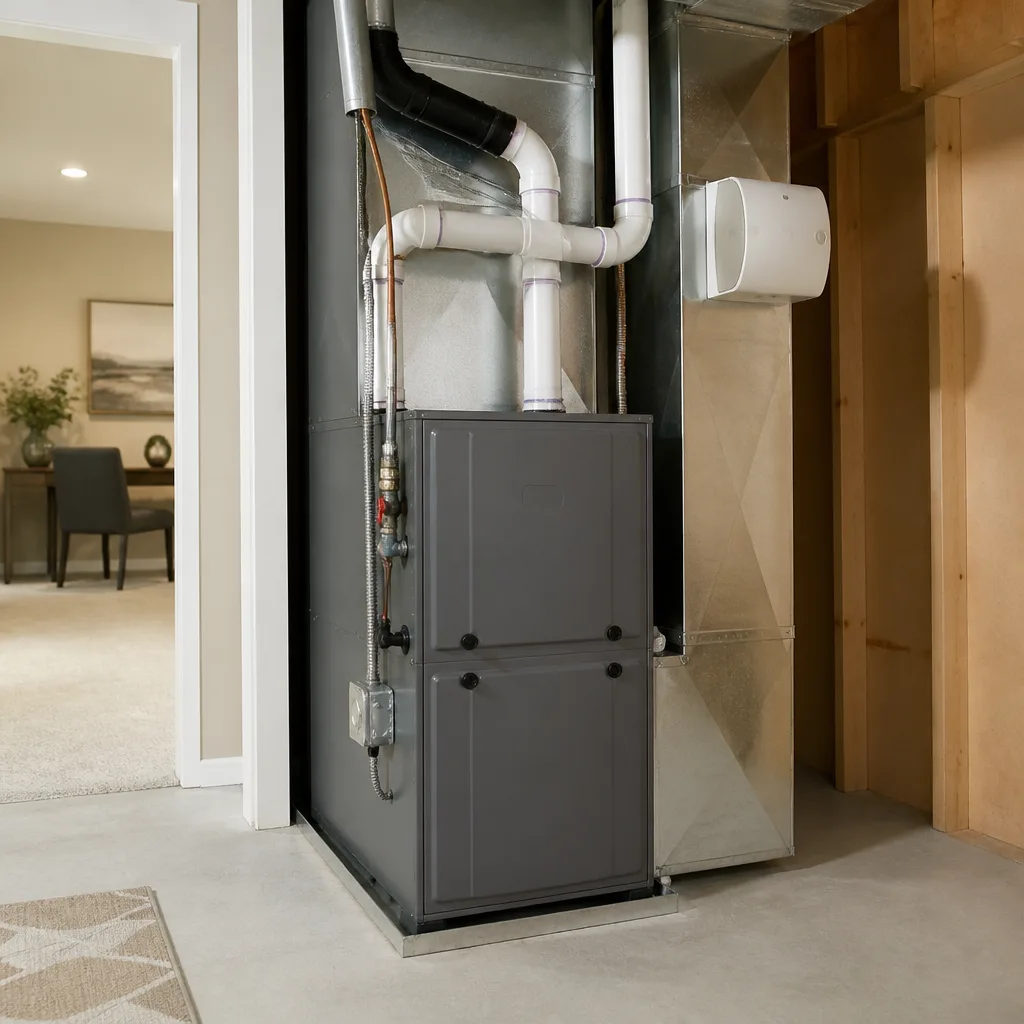 Furnace & heating
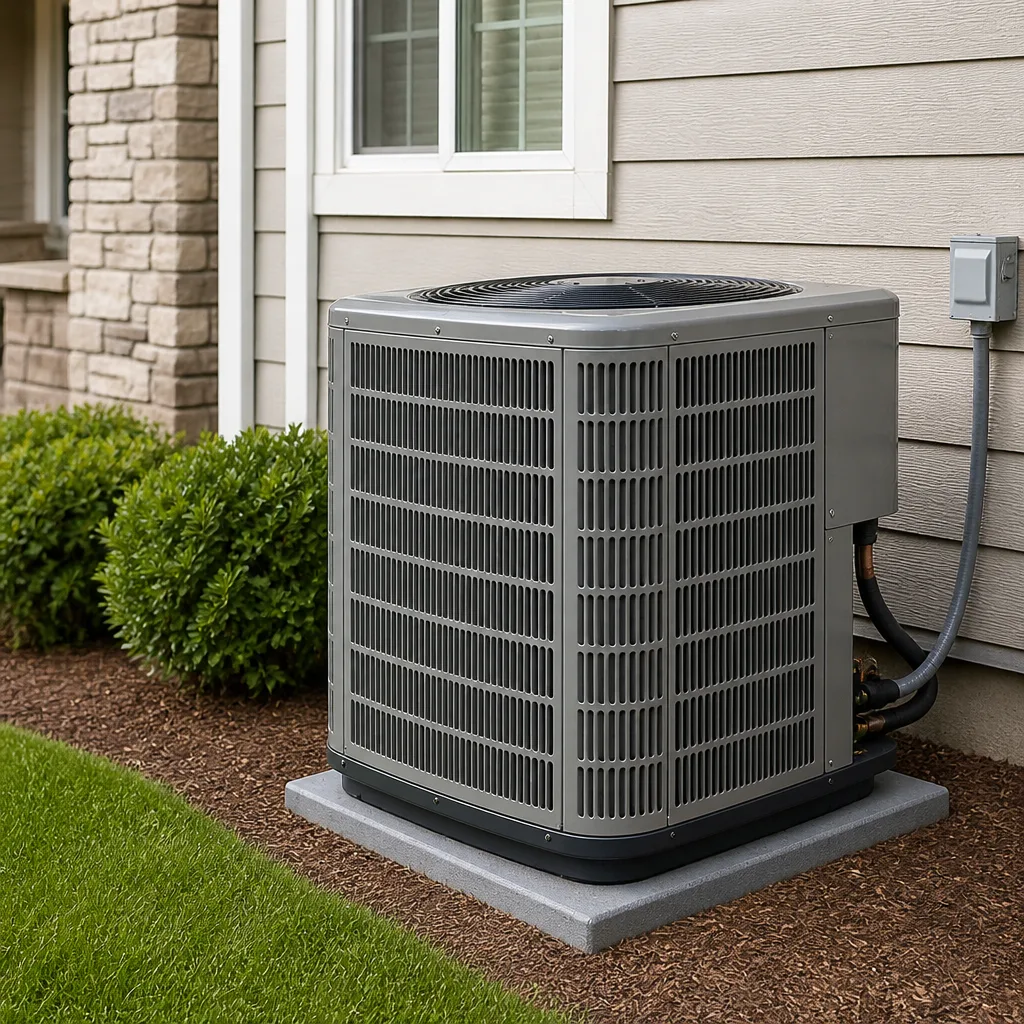 AC repair
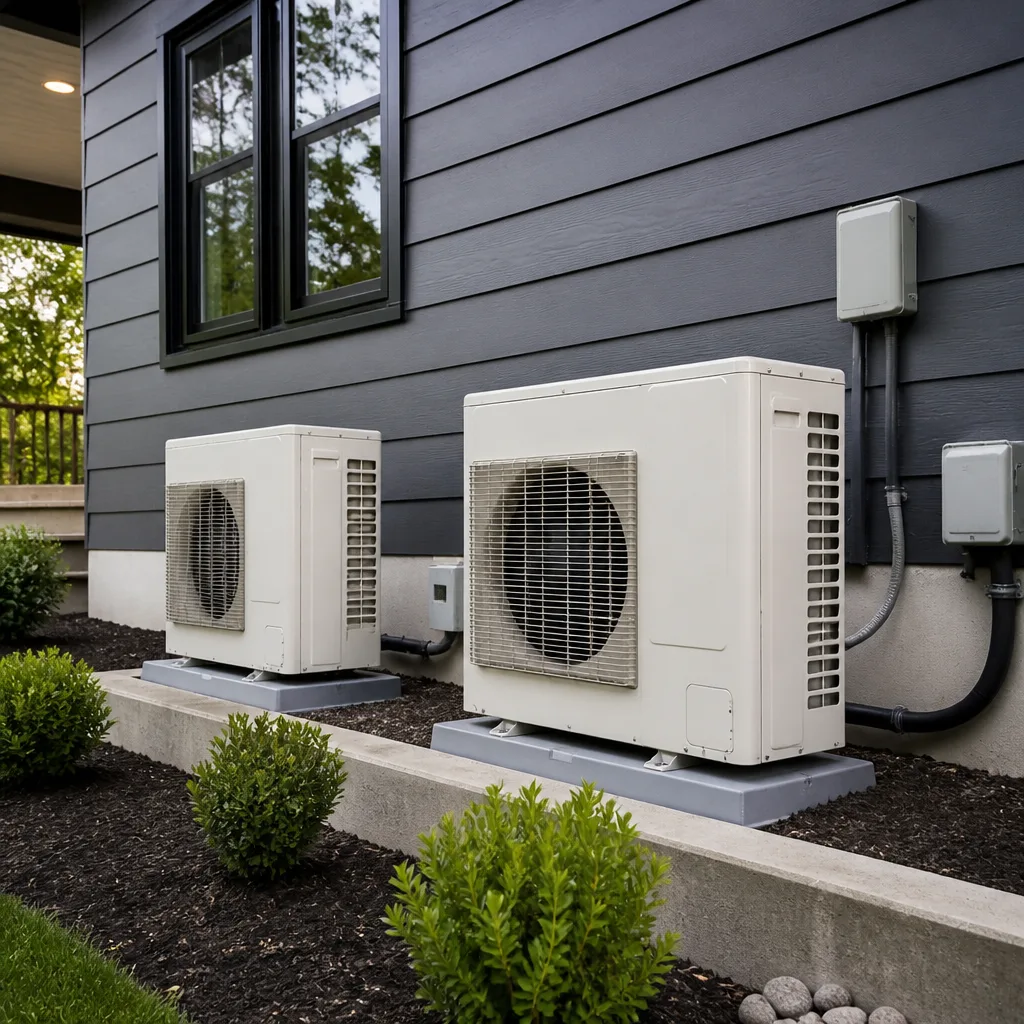 Heat pumps
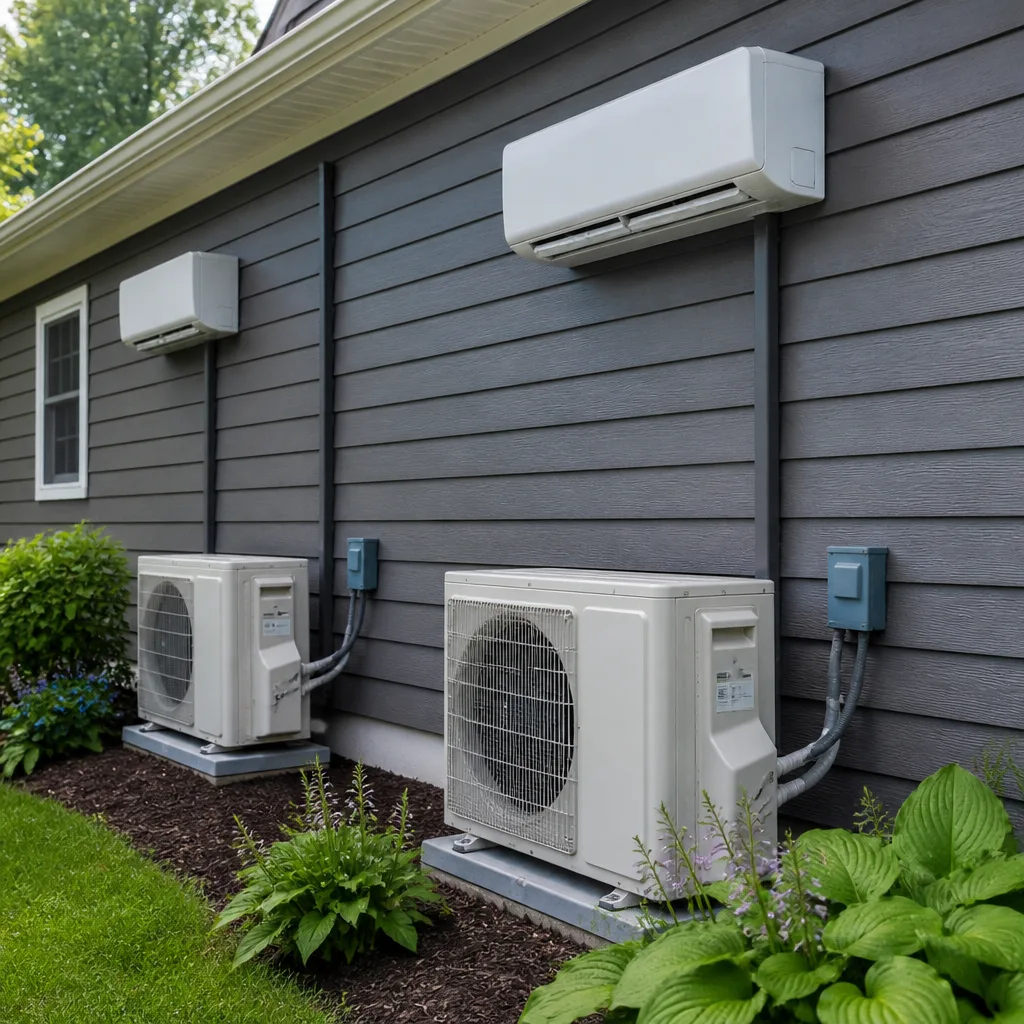 Ductless mini splits
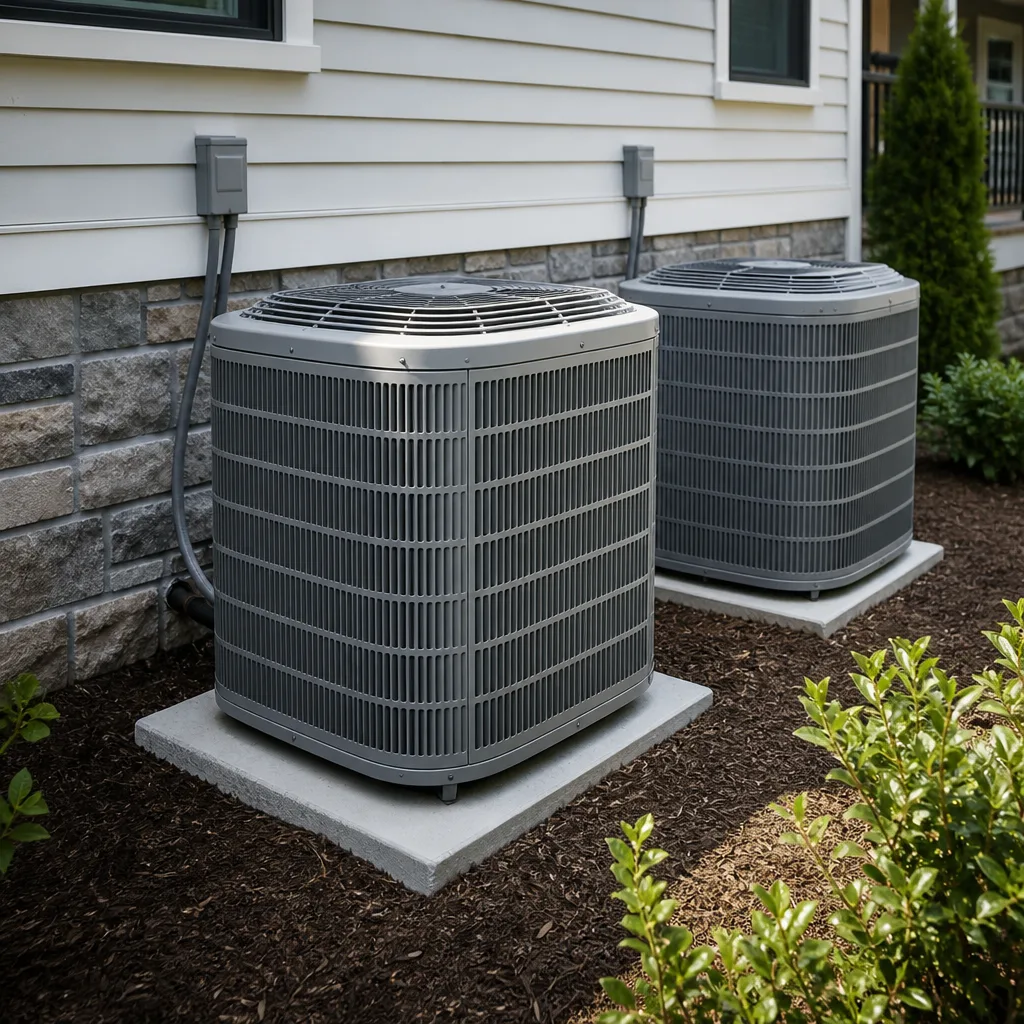 Carrier
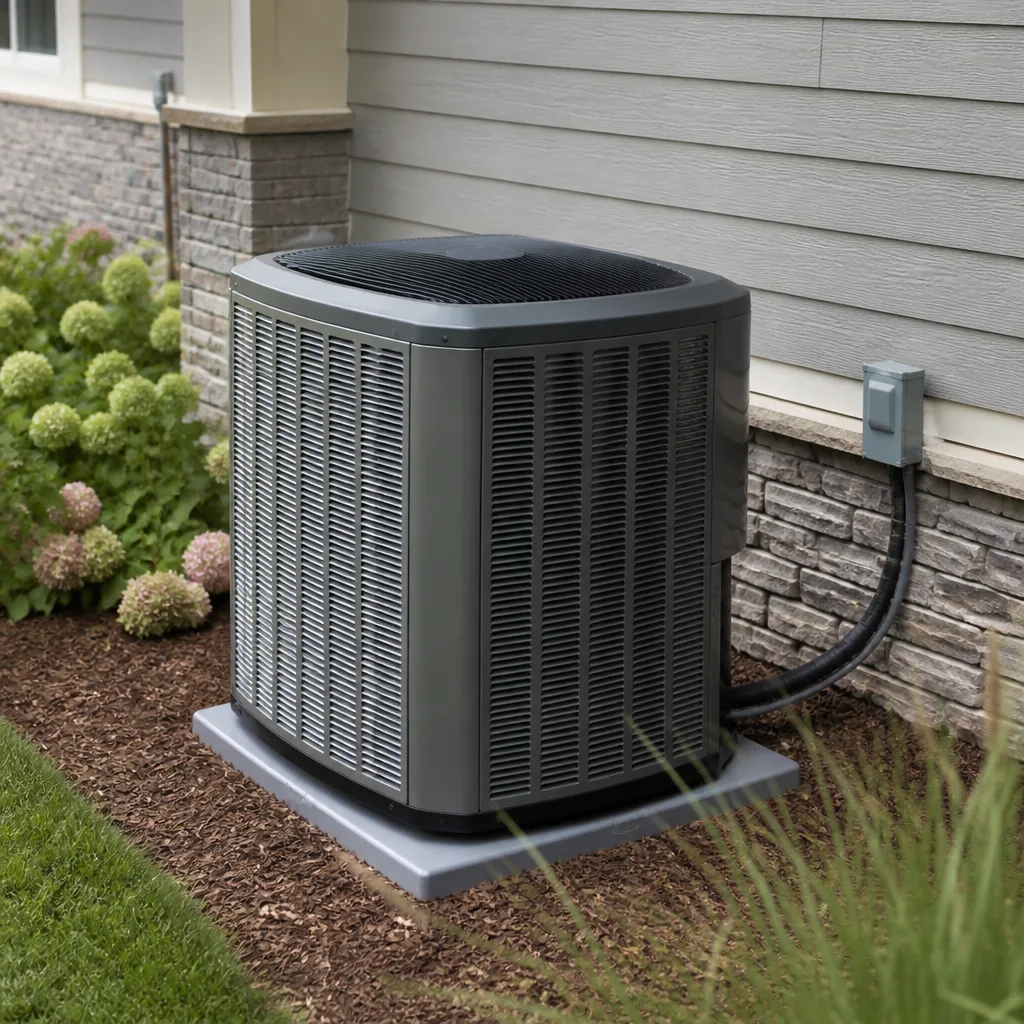 Trane
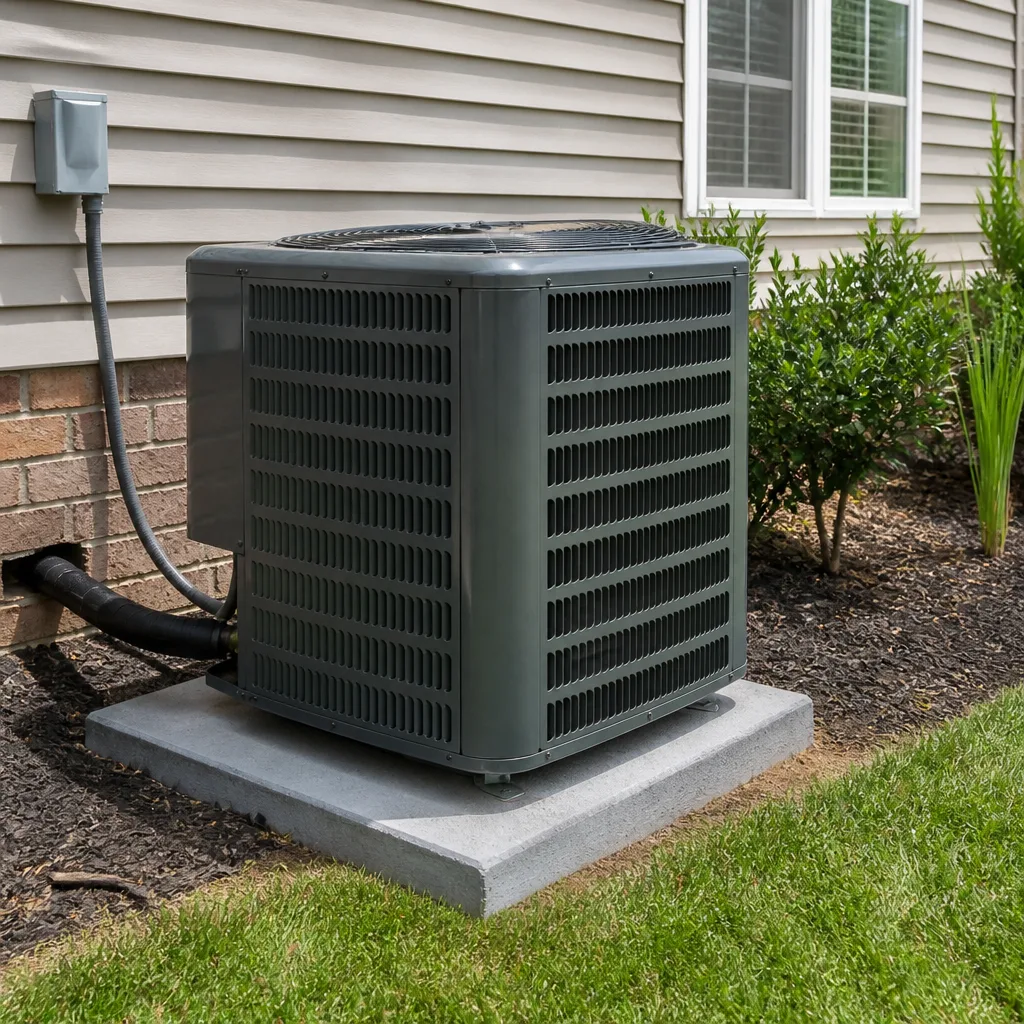 Goodman
Seasonal tune-up and full diagnostic on your Carrier, Trane, or Goodman system - readings shown to you before any repair is proposed
Diagnosis first, numbers second - you approve the repair price before a single part goes in.
Get your free estimateDIY vs Professional Heating & Furnace: What’s Safe to Do Yourself
Replacing a furnace filter is a 10-minute job any homeowner should handle. Resealing a gas line connection with Teflon tape because it smells faintly of gas is a task that has killed people. Both jobs look similarly approachable if you’ve never been trained to see the difference.
That gap between “looks easy” and “is safe” is what this guide is about. We’ve spent years answering no-heat calls in Mesquite, and the pattern holds: the dangerous mistakes almost always start with a homeowner who was careful, watched three videos, and still didn’t know what they were actually looking at. Gas work has a different risk profile than electrical or mechanical work, and the stakes are higher than a tripped breaker.
You’ll learn exactly which furnace tasks are safe to do yourself, which ones should never leave the hands of a licensed technician, what Nevada expects of gas appliance work, and why the honest math on DIY rarely works out the way homeowners expect.
Quick Answer
The only furnace tasks a homeowner should perform are filter changes, thermostat programming, circuit breaker resets, and clearing air registers. Anything involving the gas valve, gas line, heat exchanger, or venting system should be handled by a licensed technician, because a mistake in any of those areas can produce carbon monoxide, fire, or an uninsurable loss. Flame sensor cleaning sits in a gray zone that requires genuine caution.
Styles & brands we work with
- AC repair
- Furnace & heating
- Heat pumps
- Ductless mini splits
- Carrier
- Trane
- Goodman
Table of Contents
- What furnace tasks are safe to do yourself?
- Why gas valves, heat exchangers, and venting stay off-limits
- What Nevada requires for gas appliance work
- How DIY gas repairs can affect your insurance
- How to safely power down a furnace (and when to do it)
- The honest cost math on DIY versus professional
- Why Mesquite furnaces see specific wear patterns
- Common mistakes to avoid
What furnace tasks are safe to do yourself?
A handful of furnace jobs are genuinely homeowner work. They’re low-risk, they don’t touch gas or combustion, and doing them on a schedule saves you money and headaches. Every homeowner should know these and do them without hesitation.
The safe list, in order of how often they need attention:
- Filter replacement. A standard 1-inch filter should be swapped every 1 to 3 months during heating season. In Mesquite, dust from the surrounding desert gets pulled into return air faster than in many other climates, so many homes here sit closer to the 1-month end. A clogged filter is one of the most common causes of an overheated furnace and a no-heat call.
- Thermostat programming. Setting a schedule, adjusting the setpoint, or replacing batteries is fully safe. Avoid pulling thermostat wires while the furnace breaker is on, since low-voltage wires can short.
- Circuit breaker resets. If the furnace has no power, check the breaker panel. A tripped breaker reset is fine. A breaker that trips twice should be treated as a symptom, not something to reset a third time.
- Air register clearing. Closed, blocked, or furniture-covered registers cause uneven heating and can overwork the blower. Fifteen minutes with a vacuum and a clear path matters.
- Exterior vent inspection. From outside the home, look at the intake and exhaust terminations. Clear any debris, leaf litter, or bird nests. Do not remove the termination caps or seal anything; just clear the obstruction.
That’s the whole list. Every other furnace task involves either gas, combustion air, heat exchange, or the electrical components controlling gas flow, and none of those should be handled without training. If your system is due for seasonal service, our Heating & Furnace in Mesquite team handles the tune-up at a flat $89, with a written report of what we actually found.
Why gas valves, heat exchangers, and venting stay off-limits
The list of off-limits furnace work isn’t arbitrary. Each item on it is a component that, if it fails after being touched by untrained hands, can produce a hazard you cannot see or smell reliably. Carbon monoxide is the big one, and it changes the calculus on a whole category of repairs.
Here’s what each of those components does and why it’s different:
- The gas valve meters gas into the burners. It has to open and close cleanly, seal completely, and match the incoming gas pressure. A valve that’s been tampered with, or a connection resealed with the wrong tape, can leak. Gas leaks start fires and, in enclosed spaces, can ignite without warning.
- The gas line and its connections are where handyman YouTube confidence causes the most damage. Yellow PTFE tape vs. white, sealant vs. no sealant, flare vs. NPT fittings – these distinctions exist for reasons that aren’t obvious from a video. A connection that passes a soap bubble test cold can still weep when the pipe heats.
- The heat exchanger separates combustion gases from the air you breathe. A hairline crack that a trained technician can spot with a combustion analyzer or a visual inspection can send carbon monoxide into the supply air. A homeowner with a flashlight cannot safely evaluate a heat exchanger.
- The venting system (flue, draft hood, induced draft motor exhaust) must remove combustion gases at a rate matched to the furnace. A vent with a sag, a partial blockage, or a disconnected joint can backdraft. Backdraft is invisible, odorless, and lethal.
- The flame sensor sits in a gray zone. Cleaning it with fine steel wool is a real task, but it’s easy to damage, easy to misdiagnose, and often confused with a failing ignitor or a gas valve issue. If a homeowner cleans the flame sensor and the furnace still won’t stay lit, the underlying cause is now hidden behind a part that’s been freshly touched.
In our experience across Mesquite, the danger isn’t a homeowner deliberately doing risky work. It’s a careful person who didn’t realize that “Teflon tape” on a gas line, or a heat exchanger they mistook for intact, is a different order of problem from a dirty filter. If your furnace is doing anything other than running normally, our Fireside Heating & Air Co. Mesquite home page has the straight talk on when a call is warranted.
What Nevada requires for gas appliance work
Nevada gas appliance work is regulated more tightly than many homeowners realize. The state’s gas codes fall under the Nevada State Fire Marshal’s adoption of national fuel gas standards, which treat gas piping, appliance connections, and venting as work that requires a licensed professional. Permits are typically required for new gas line installation and for any appliance change that alters gas piping or venting.
What that means in practice:
- A permit-pulled, inspected installation protects you if something goes wrong later. An unpermitted gas installation can complicate a sale, an insurance claim, or both.
- Contractors who work on gas appliances in Nevada should be able to show you a license for that scope. Ask to see it. Anyone hesitant to produce it is telling you something.
- Homeowner-performed work on gas appliances isn’t automatically illegal, but it does put the liability on you, and many insurers treat unreviewed gas work as an exclusion during claim review.
We’re often asked whether a homeowner can legally perform their own gas repair in Nevada. The honest answer is that the legal question varies with scope, but the practical answer doesn’t: even where the law is silent, gas work that isn’t inspected by someone trained to spot the failure modes is a risk most households shouldn’t accept. The legal gray zone is not a safety gray zone.
How DIY gas repairs can affect your insurance
This is the part most homeowners only discover after a loss. If a fire or carbon monoxide incident traces back to unpermitted or unprofessional gas work, a homeowners policy can deny the claim, reduce the payout, or non-renew the policy going forward. Insurance adjusters investigate causation, and the presence of unpermitted gas work is a well-known red flag.
We’ve seen Mesquite homes where a small gas repair the previous owner did themselves went unmentioned for years – until a furnace service visit surfaced the irregular connection and the current owner had to decide whether to disclose it during a sale or absorb the cost of remediation. Neither path was cheap.
The insurance math is simple: a $300 licensed repair with a receipt and a work order is fully insurable. A $0 DIY repair on the same joint carries an unquantified risk that can run into five figures, sometimes more, if the worst-case scenario plays out. That’s not a scare tactic. It’s the difference between a covered loss and an uncovered one.
If you’ve recently bought a Mesquite home and aren’t sure what the previous owner did, a professional inspection is worth the cost. Our team is trained to service nine major brands, including Carrier, Trane, Lennox, and Goodman, and we’ll tell you plainly what we find in writing.
How to safely power down a furnace (and when to do it)
Shutting a furnace down safely is a skill every homeowner should have, because in an emergency the right sequence matters. The procedure is short and worth memorizing.
Follow these steps in order:
- If you smell gas at all, leave the house first. Do not troubleshoot. Do not open windows. Do not turn on a light switch. Get everyone out, walk to a neighbor’s home or another safe location, and call your gas utility’s emergency line from outside. Smell alone is sufficient reason. That rule is not negotiable.
- If you smell burning or see smoke, shut off the gas at the furnace valve. The furnace gas shutoff is typically a lever valve on the gas pipe near the unit. Turn the lever so it’s perpendicular to the pipe.
- Kill electric power to the furnace. There’s a dedicated switch or breaker serving the furnace. Turn it to off. This prevents the blower and controls from continuing to run.
- If the furnace won’t respond and you can’t identify the shutoff, shut off the whole house gas at the meter. Every adult in the home should know where the meter is and how the valve shuts off. The gas utility can walk you through it over the phone if you’re uncertain.
- If you can’t smell gas but the furnace is behaving abnormally – rumbling, cycling repeatedly, blowing cold air – turn the thermostat to off, shut the gas valve, and kill the breaker. Then call. This is not a case that improves on its own.
We answer our phone with a live person, 24 hours a day, every day. If your furnace is down at 2 a.m. in Mesquite, you’ll get a plain answer about what to do next, not a voicemail tree.
The honest cost math on DIY versus professional
The DIY argument for furnace repair usually rests on cost. That math looks different when you account for misdiagnosis. Here’s the realistic comparison:
- Filter replacement: $10-$25 in parts, ten minutes of time. Genuinely worth doing yourself. Saves a service call every time.
- Thermostat reprogramming: Free. Worth learning. Saves energy dollars.
- Flame sensor cleaning: $10 in steel wool, an hour of careful work, and a real risk of damaging the sensor or masking the actual fault. If it works, you’ve saved a service call. If it doesn’t, you’ve paid for the part anyway and now the technician is diagnosing behind you.
- Professional diagnostic and repair: Our pricing is upfront before work begins, and we stand behind every repair with the 90-Day Done Right Promise in writing. The price quoted is the price paid.
- A misdiagnosed gas repair: Ranges from a re-repair call, to a fire or carbon monoxide incident, to a denied insurance claim. This is the cost homeowners don’t pencil in, and it’s the one that actually matters.
The gray-zone repair (flame sensor, ignitor, rollout switch) is where the DIY versus professional math is hardest. The parts are cheap. The diagnosis is not. When a furnace won’t stay lit, the flame sensor is one of four or five likely suspects, and a homeowner who replaces the sensor without success is now in a worse position than when they started – because the real fault is still undiscovered.
If a technician visit costs $150-$350 and the DIY attempt at the same repair costs $80 in parts plus a real chance of a second visit, the honest answer is that the gap narrows to nothing once you factor in risk. Our team’s job is to find the actual cause on the first visit. That’s why most jobs finish in a single visit, which matters if you only want to think about your HVAC once.
Why Mesquite furnaces see specific wear patterns
Mesquite’s climate creates a specific set of furnace wear patterns that are different from what you’d see in a wetter or colder region. The desert environment matters in ways that aren’t obvious until you’ve worked in it.
Three patterns come up repeatedly in our service calls here:
- Dust-heavy return air. The desert wind that gives Mesquite its character also loads return filters fast. Homes on the outer edges of the city, closer to open ground, need filter changes on the aggressive end of the schedule. We’ve seen filters that looked fine two weeks earlier and were visibly matted at one month.
- Hard water and scale in humidifier components. If your system includes a bypass or steam humidifier, Mesquite’s water mineral content shortens component life. These components need professional service on a regular interval, not homeowner maintenance.
- Short cycle stress. Mesquite winters can have big day-to-night temperature swings, so furnaces cycle more often than in steady climates. More cycles means more starts, which is why flame sensors and ignitors on Mesquite furnaces tend to wear faster than manufacturers’ typical expectations.
These are patterns, not universal rules. But if your furnace is behaving oddly and you’ve done the safe-list maintenance already, the next step is a professional look. If you’re also managing a heat pump or mini-split system, our Heat Pump & Mini Split in Mesquite page covers the parallel decisions for those systems. And if summer cooling is on your mind, our AC Repair & Installation in Mesquite team handles that side of the house.
Common Mistakes to Avoid
- Resealing a gas line with the wrong tape. White PTFE tape is not rated for gas. Yellow is. Using the wrong one can cause a leak that only shows up under heat or pressure – which is exactly the wrong time to find out.
- Assuming “no smell” means “no leak.” Natural gas has an added odorant, but the odorant can fade in long-standing leaks, and carbon monoxide from a cracked heat exchanger has no smell at all.
- Cleaning a flame sensor and calling it fixed. If the furnace misbehaved, cleaning the sensor without verifying it was the cause can leave a real fault in place. The next cycle may be the one that matters.
- Blocking the furnace’s combustion air. Homeowners in Mesquite sometimes store boxes or equipment in the utility closet during a move. Furnaces need airflow to combust safely. Even a couple of inches of stored material can change the draft.
- Resetting a breaker that trips repeatedly. A breaker is a protection device. If it trips twice, that’s the system telling you something. Reset it once. Call for the second trip.
- Running the furnace with a known irregular vent. A visibly sagging flue or a loose-fitting section behind the furnace is a backdraft risk. Turn off the gas to the unit and call.
- Ignoring the “small” gas smell near a water heater or furnace. Gas smells are never small. If you or anyone in the home can detect gas, leave and call the utility.
See the difference
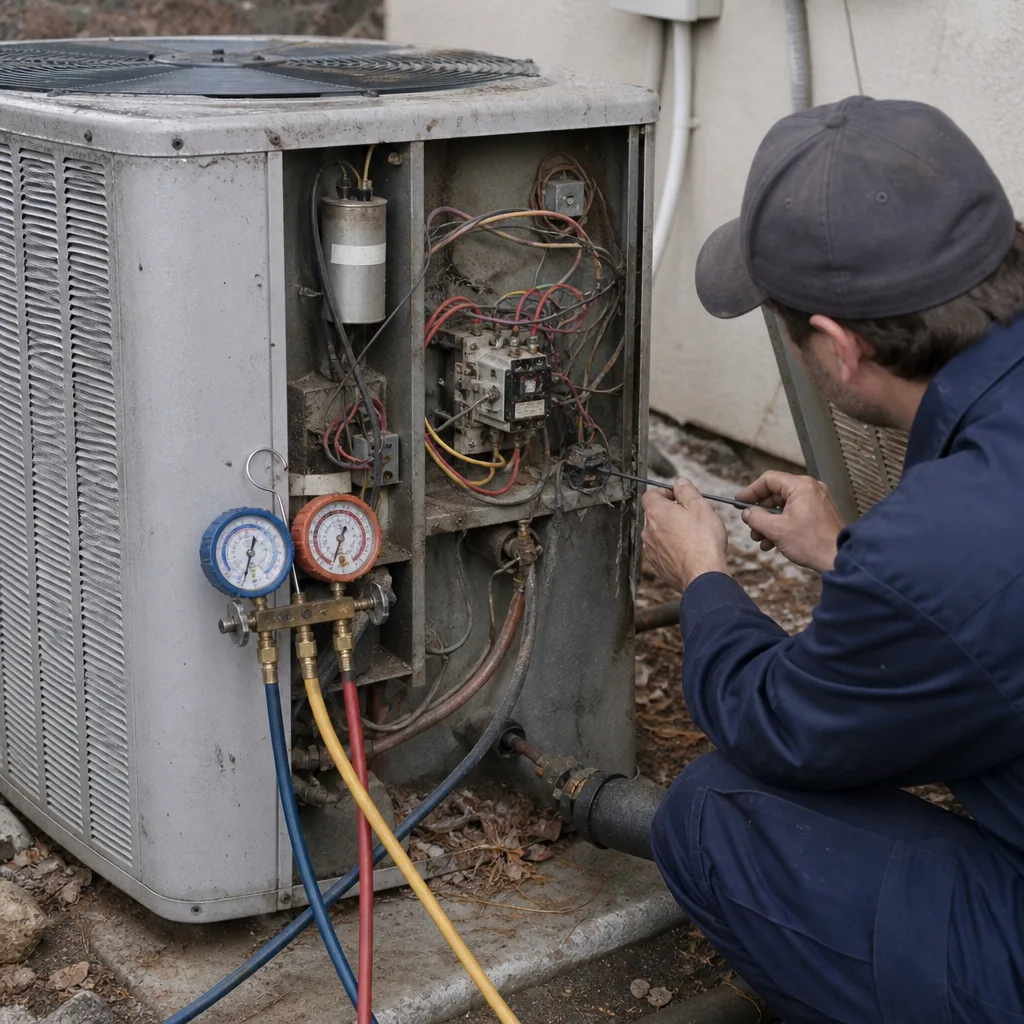 Before
 After
 Before
 After
 Before
 After
When to Call a Professional
Call a licensed technician the moment any of these appear: a smell of gas anywhere in the home, a furnace that won’t light or won’t stay lit, repeated breaker trips, a heat exchanger you haven’t had inspected in several years, a vent or flue that looks irregular, or any furnace work that involves the gas valve or gas pipe. We also recommend professional service when you’re not sure what’s wrong – the diagnosis is faster than the guessing.
Fireside Heating & Air Co. Mesquite offers free estimates in Mesquite – call (888) 570-3601. We answer with a live person, we’ll quote the job upfront, and if it isn’t done right, we make it right in writing. Current offers include $50 off any repair over $250, a free second opinion on any written estimate, and a permanent 5% discount for seniors and veterans.
Frequently Asked Questions
You can, with real care, using fine steel wool and only touching the metal sensing rod – not the ceramic base. But if the furnace misbehaved before you cleaned it, the probability that you’ve correctly diagnosed the issue is low, and a temporary fix can mask a failing ignitor, gas valve, or control board. If it’s your second attempt at the same symptom, call us at (888) 570-3601 for a proper diagnosis.
Nevada gas codes and the State Fire Marshal’s adopted standards treat gas piping, appliance connections, and venting as work requiring a licensed professional, and permits are typically required for new gas line installation or venting changes. Even where a homeowner might technically perform some work, the insurance and safety consequences make the practical answer a clear no. Call us for a licensed repair – estimates are free at (888) 570-3601.
Once per year, ideally in early fall before the first cold snap. Mesquite’s dust loads return filters and blower wheels faster than many climates, and the day-to-night temperature swings drive extra cycles. Our $89 seasonal tune-up includes a written report of what we actually found, and our technicians aren’t paid on what they sell. Call (888) 570-3601 to schedule.
Leave the house and call your gas utility’s emergency line from a safe location. Do not troubleshoot, do not flip switches, and do not assume a “faint” smell is a small problem. Once the utility has cleared the home, call us at (888) 570-3601 to schedule a licensed inspection and repair – the estimate is free, and we’ll tell you exactly what we find.
It can, and it often does when causation traces back to unpermitted or unprofessional gas work. Insurers investigate causation after a fire or carbon monoxide incident, and unreviewed gas work is a known red flag that can lead to a denied claim or a reduced payout. A licensed repair with a receipt and a written guarantee is fully insurable. Call (888) 570-3601 for an estimate.
That symptom points to the flame sensor, ignitor, gas valve, or control board – and the only safe way to know which is a professional diagnostic. A homeowner-replaced part in the wrong circuit can delay finding the actual cause. Call us at (888) 570-3601 and we’ll get a technician out with the right diagnostic tools. Most Mesquite jobs finish in a single visit.
The Bottom Line
Filter changes, thermostat programming, breaker resets, and register clearing – those are yours to do, and doing them on schedule heads off a meaningful share of no-heat calls. Everything involving the gas valve, gas line, heat exchanger, or venting belongs with a licensed technician, because the failure mode in those areas is carbon monoxide and fire, not an inconvenient service call. The DIY-versus-professional question isn’t really about whether you’re handy. It’s about whether you can see the failure before it happens. A trained technician can. A homeowner with a YouTube video usually can’t, and that’s the whole line.
For Mesquite homeowners who want a straight answer, a written price, and a job that’s done right – or made right within 90 days, no arguing – we’re here. Call (888) 570-3601 for a free estimate. Live person, every call.
Written by the team at Fireside Heating & Air Co. Mesquite.