
Last updated November 18, 2026
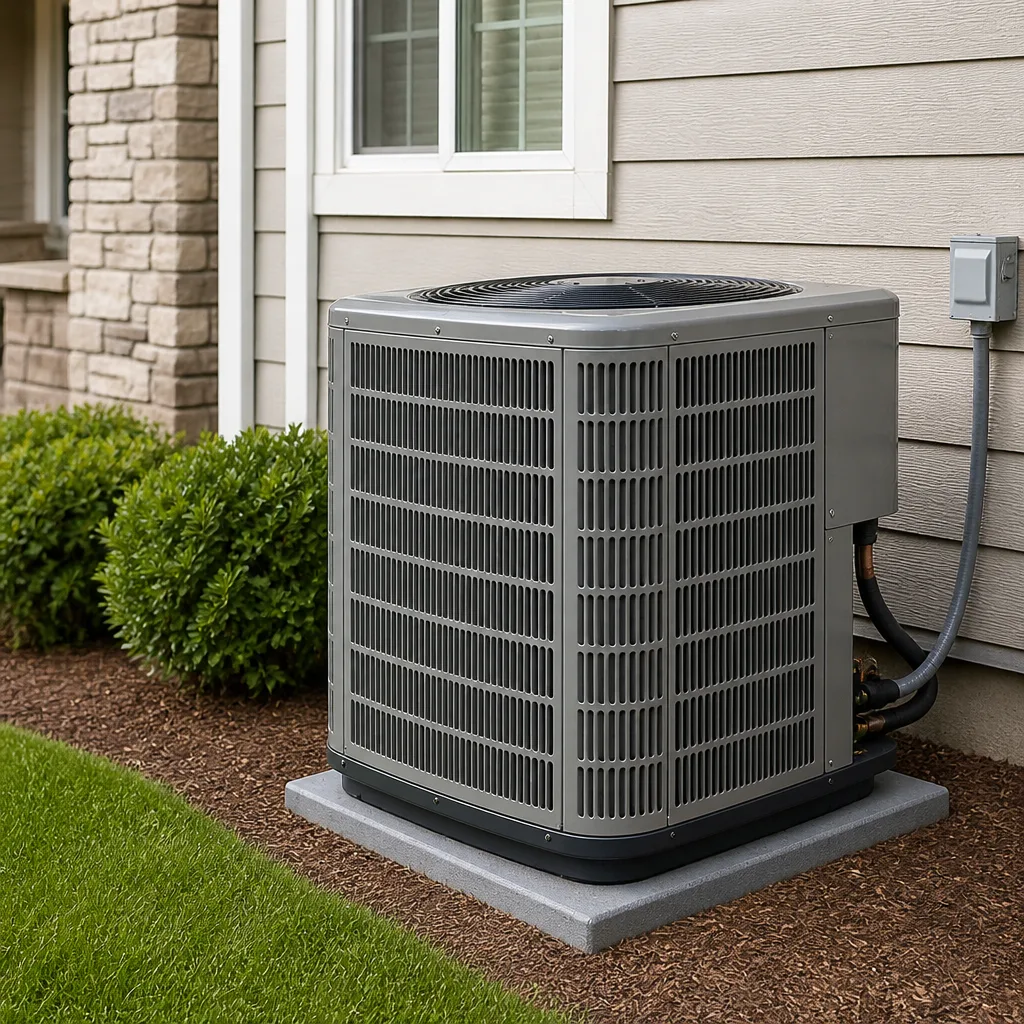 AC repair
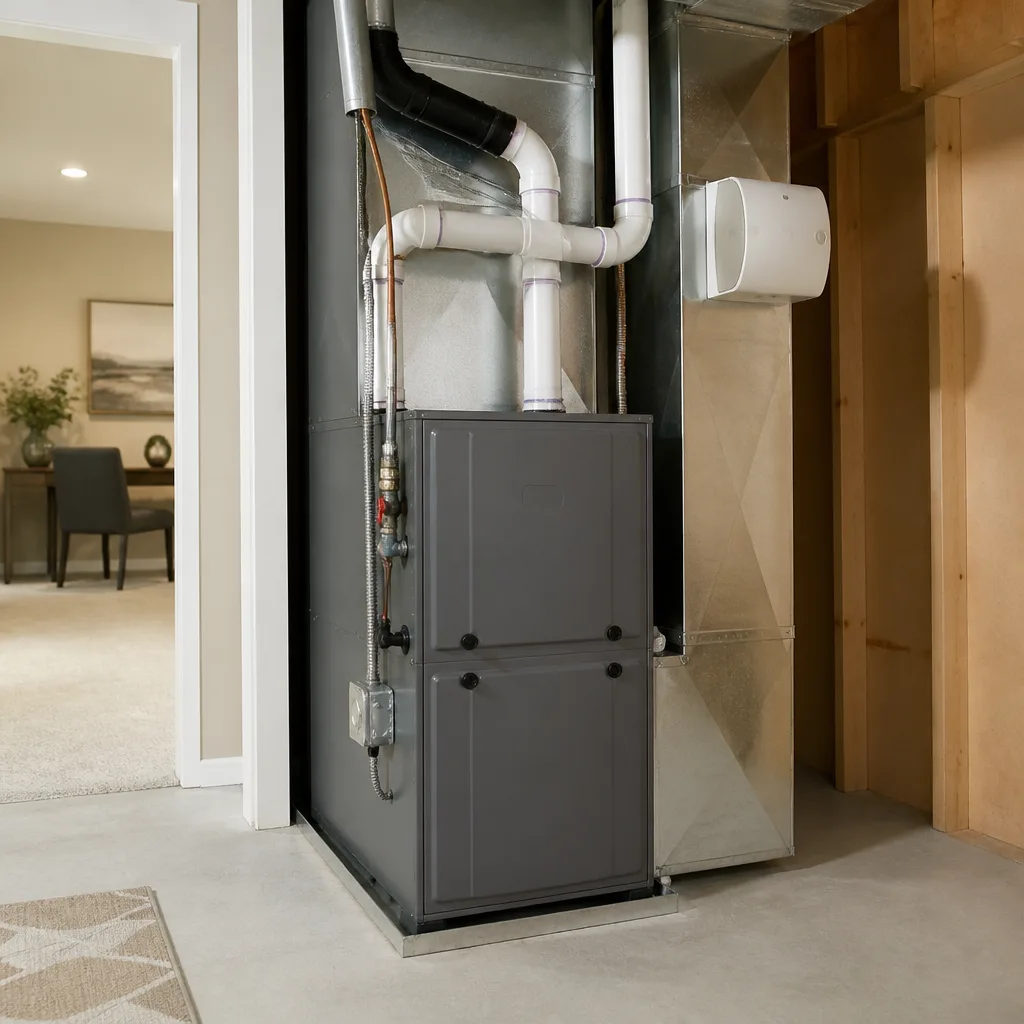 Furnace & heating
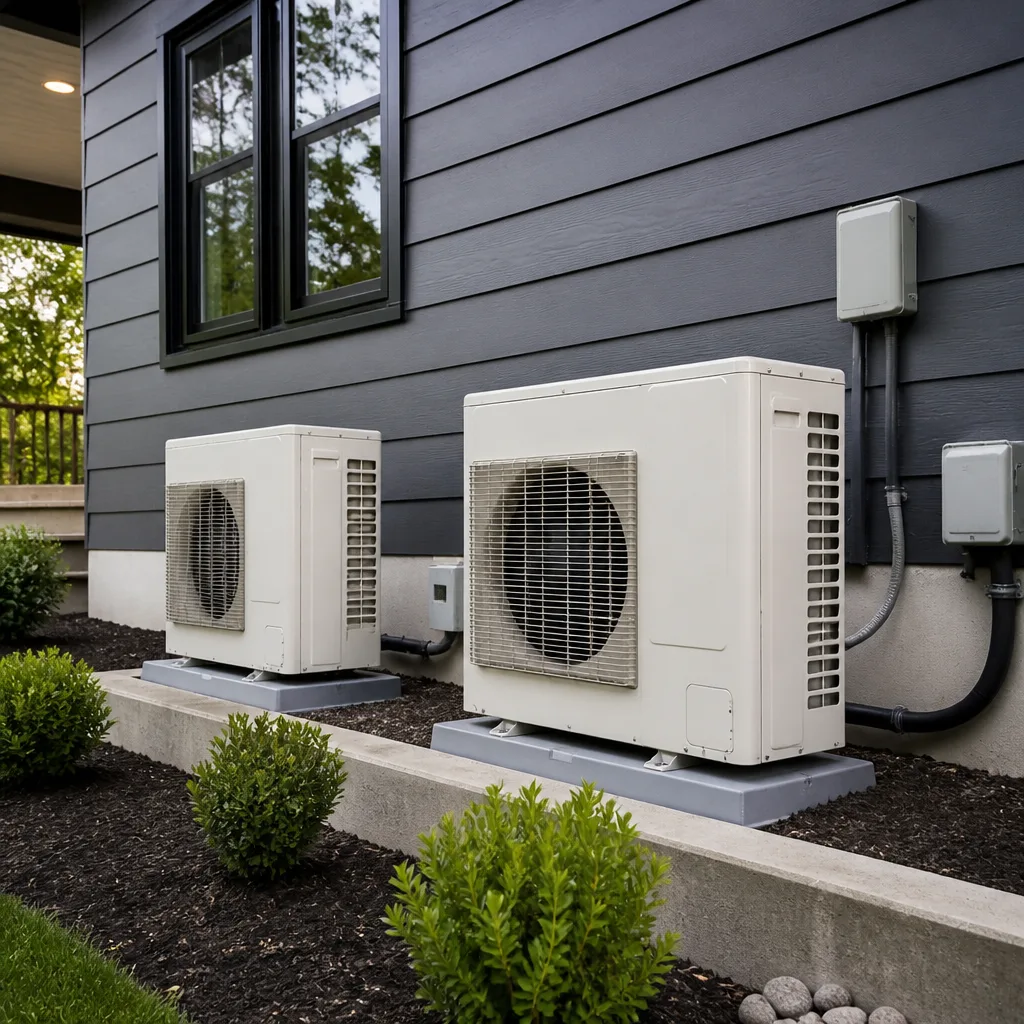 Heat pumps
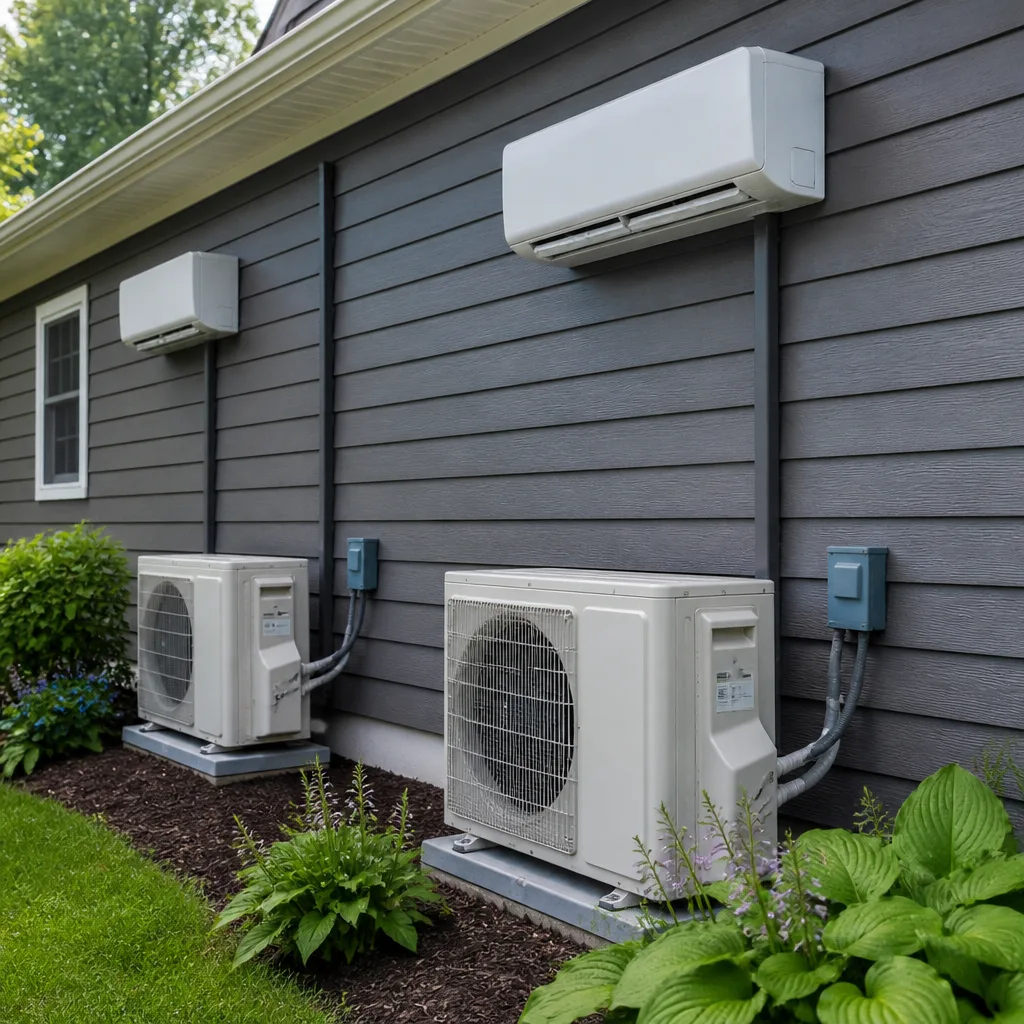 Ductless mini splits
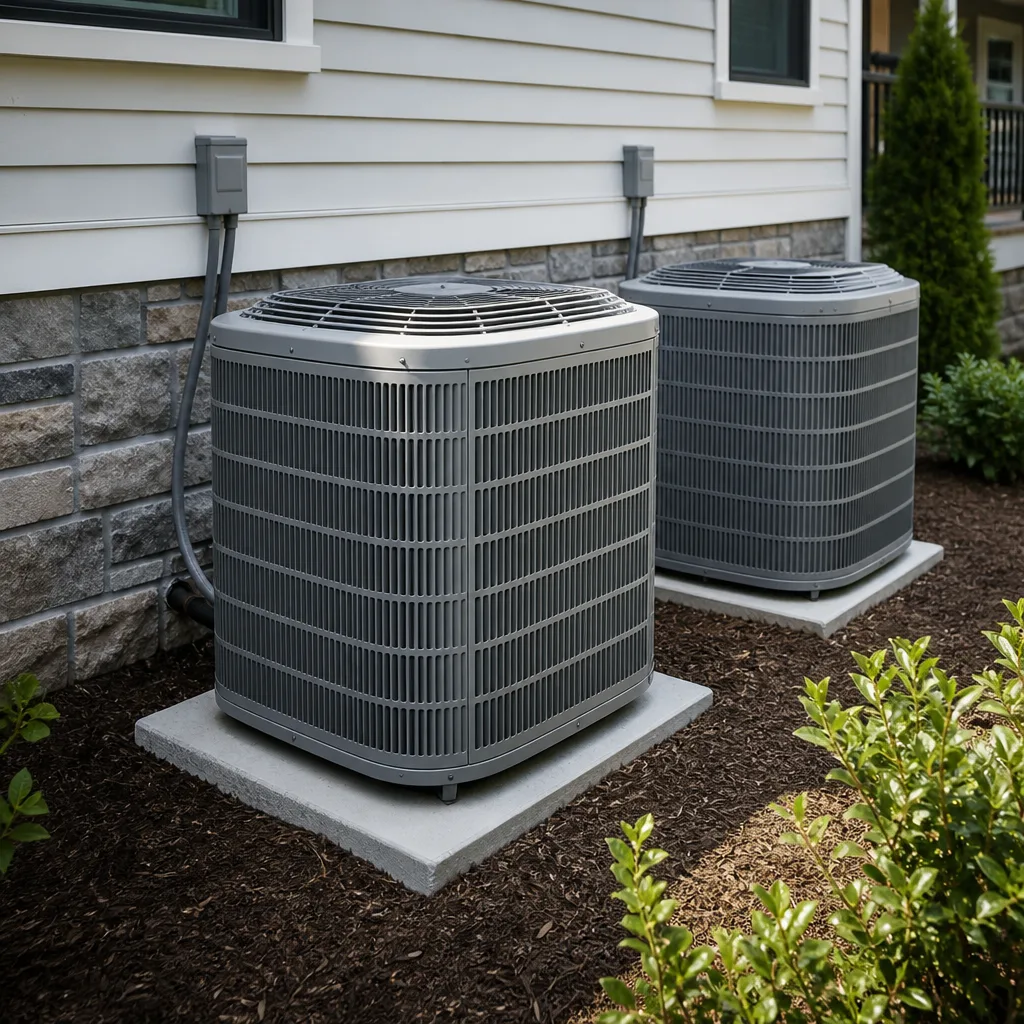 Carrier
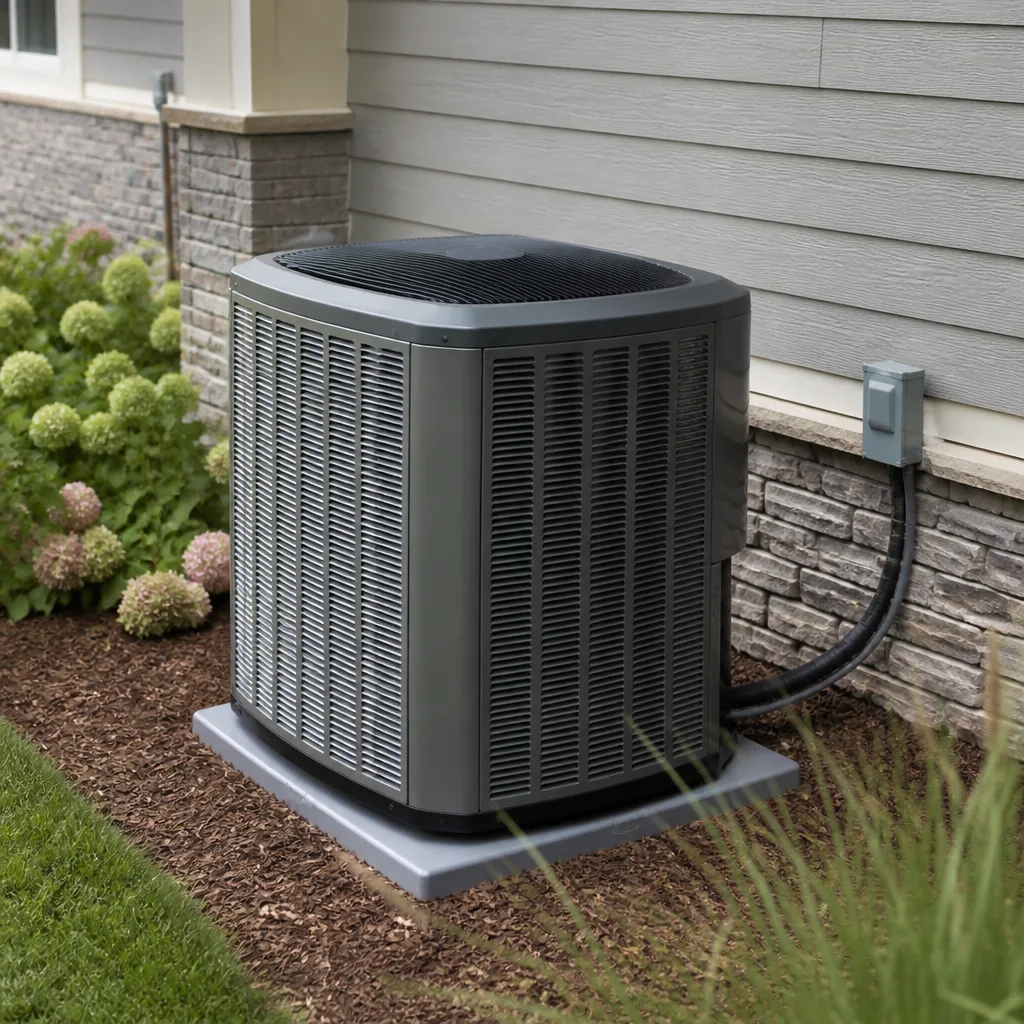 Trane
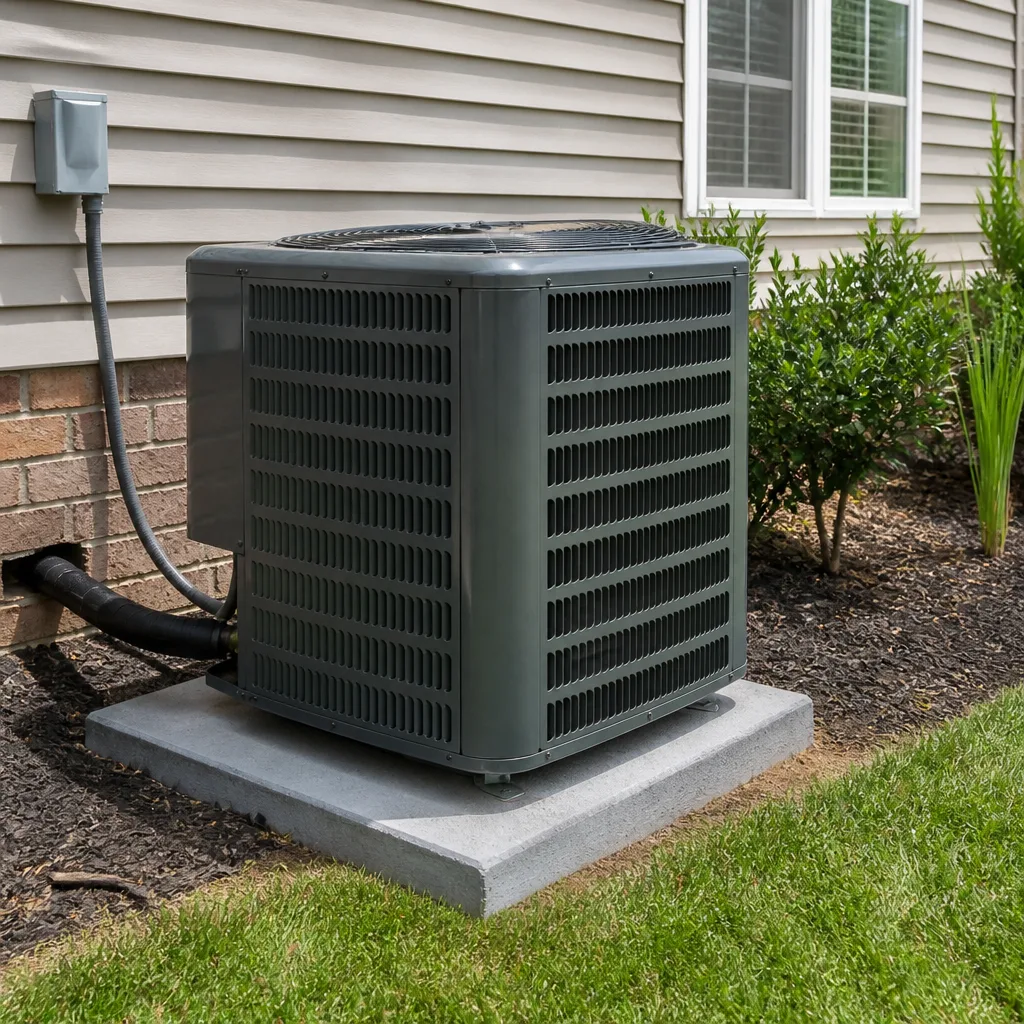 Goodman
Seasonal tune-up and full diagnostic on your Carrier, Trane, or Goodman system - readings shown to you before any repair is proposed
Diagnosis first, numbers second - you approve the repair price before a single part goes in.
Get your free estimateEmergency & Commercial HVAC Troubleshooting: Common Problems and How to Fix Them
The single most expensive word in commercial HVAC service is “compressor.” It’s also the word most commonly reached for by a technician who hasn’t done the upstream electrical and refrigerant diagnostics that sometimes reveal a $200 fix hiding behind what looked like a $4,000 problem. Commercial systems are not scaled-up houses. Staged rooftop units, contactors, control boards, and economizers behave differently from residential equipment and they fail in their own particular ways. What follows is the actual diagnostic logic a trained technician walks through, written so a business owner in Mesquite can describe a fault accurately, ask better questions, and understand what a legitimate repair involves before approving it.
Quick Answer
Most commercial HVAC “not cooling” calls trace back to a small set of root causes: a failed run capacitor, a stuck contactor, a fouled condenser coil, a low refrigerant charge from a slow leak, or a sensor and control-board fault that shut down one stage. A trained technician diagnoses the electrical side first, then refrigerant pressures, then mechanical condition, and only then names the repair. The correct fix is the one the readings point to, not the most expensive part in the cabinet.
Styles & brands we work with
- AC repair
- Furnace & heating
- Heat pumps
- Ductless mini splits
- Carrier
- Trane
- Goodman
Table of Contents
- Why Commercial HVAC Troubleshooting Isn’t Just Bigger Residential Work
- How to Read Fault Codes and What to Tell Your Technician Before They Arrive
- Staged Cooling in Rooftop Units: Six Root Causes Behind One Complaint
- Electrical vs. Refrigerant vs. Mechanical Failure Signatures
- Why Mesquite Heat Points to Coil Fouling, Not the Compressor
- The Diagnostic Sequence a Technician Should Follow
- What to Document During a Failure for Warranty and Insurance
- Keeping a Commercial System Alive Between Service Calls
Why Commercial HVAC Troubleshooting Isn’t Just Bigger Residential Work
A residential split system has one compressor, one contactor, and one thermostat circuit. A commercial rooftop unit can carry two compressors on two refrigerant circuits, staged economizer dampers, a supply-fan VFD, a control board talking to a building management system, and a curtailment signal from the utility. The parts are not simply larger. The logic tree branches in ways a house system never does.
That matters because the failure you notice is rarely the failure that exists. When a restaurant manager in Mesquite calls and says “unit two isn’t cooling,” what’s actually true might be that unit two is fine and the control board has locked out stage two of unit one. Or the economizer is stuck open and the system is trying to cool outside air at 112°F. Or a low-pressure switch tripped on a circuit that’s only 12 ounces low.
Three structural differences drive most of the confusion:
- Redundancy hides failures. A two-stage or two-circuit unit can lose half its capacity and keep running, so the problem goes unnoticed until a full-load day exposes it.
- Controls fail in software, not just hardware. A board, sensor, or economizer actuator can shut down a perfectly healthy compressor. No amount of refrigerant work fixes a bad sensor.
- Load isn’t fixed. A commercial space changes occupancy, door traffic, kitchen heat, and solar gain through the day. What reads as “undersized” at 4 p.m. may be a normal system fighting an abnormal load.
We’ve seen this play out across the small commercial strip centers and light-industrial buildings around Mesquite. The systems are working harder than their residential cousins and have more places to fail quietly.
How to Read Fault Codes and What to Tell Your Technician Before They Arrive
Most modern commercial equipment will tell you what it thinks is wrong if you know where to look. Rheem, York, Daikin, and Bryant rooftop units and their controls commonly display a blinking LED sequence on the control board or a numeric code on a thermostat or BMS screen. A flashing pattern of two blinks then a pause, repeated, is a code. Count the blinks between pauses and you have the board’s own diagnosis.
You don’t need to interpret the code. You need to capture it accurately. Here’s what to collect before the truck arrives:
- The exact blink pattern or numeric code, written down as counts, not a guess. “Three flashes, pause, three flashes” is more useful than “it’s blinking weird.”
- Which unit and which stage. Note the unit tag or rooftop number and whether the complaint is cooling, heating, or fan only.
- When it started and what changed. A power surge, a breaker trip, a filter change, a new tenant, a recent storm. Timeline narrows the cause fast.
- Whether it ran at all. Never came on, ran then quit, runs but doesn’t cool, short-cycles. Four different diagnostic paths.
- The thermostat or BMS reading at the time of failure, plus the outdoor temperature. In a Mesquite July, outdoor temp is diagnostic context, not small talk.
That five-minute list routinely saves a chunk of diagnostic time, and diagnostic time is what you’re billed for first. A technician who arrives with the code and timeline already in hand starts at the right branch of the tree instead of the trunk.
Staged Cooling in Rooftop Units: Six Root Causes Behind One Complaint
“The unit isn’t cooling” is the most common commercial call we get, and it’s the least specific. On a staged rooftop unit, that one sentence can mean any of six things. Here’s how a technician separates them:
- Stage one is down, stage two works. The space stays cool on mild days and falls behind on hot ones. Usually a failed capacitor, contactor, or low charge on the first circuit.
- Both stages run but capacity is short. Fouled condenser coil, dirty evaporator coil, or restricted airflow from belts, filters, or a failing blower. The equipment is fine; it can’t reject or move heat.
- No stage runs at all. Control-board lockout, open safety, tripped disconnect, or a thermostat and BMS disagreement. Electrical, not refrigerant.
- System runs but the space never gets there. Load problem or economizer stuck open, pulling in outside air. On a 110°F Mesquite afternoon this looks identical to a failing compressor.
- Short cycling. High-pressure trip from a dirty coil or overcharge, or a low-pressure trip from a leak. Cycles on and off and never finishes the job.
- Intermittent. Loose connection, failing contactor, or a control board heating up and dropping out. The hardest to catch and the easiest to misdiagnose.
Notice how many of these are electrical or airflow, not refrigerant. That’s the point. The word “compressor” gets used long before the readings justify it. A proper staged diagnosis confirms which stage failed and why before naming a part.
Electrical vs. Refrigerant vs. Mechanical Failure Signatures
Experienced technicians read a system the way a mechanic reads an engine. Sounds, behaviors, and gauge readings cluster into three families. Understanding the signatures helps you describe what you’re hearing and push back if a diagnosis doesn’t fit the evidence.
Electrical failure signatures
- Contactor pitted or welded closed; compressor tries to start and trips the breaker.
- Capacitor bulged or reading well below rated microfarads; compressor hums and won’t start.
- Control board shows a code but the compressor and fan are both healthy when jumped correctly.
- Symptoms appear after a storm, a surge, or a power flicker.
Refrigerant failure signatures
- System runs continuously and never satisfies; suction pressure low, superheat high.
- Ice on the suction line or evaporator coil; low charge or restricted metering device.
- Compressor cycles on the low-pressure switch and restarts after a delay.
- Oil residue or dye at a joint or Schrader port signaling a slow leak.
Mechanical failure signatures
- Compressor draws locked-rotor amps and trips on overload; grinding or metallic noise.
- Bearing noise from the condenser fan motor or blower; squealing belts.
- Vibration, oil staining at the compressor body, or a burnt smell at the terminals.
- Pressures equalize too slowly or not at all; compressor not pumping.
Any honest diagnosis lands in one of these three families and is backed by a reading: amps, microfarads, pressures, temperatures, or a voltage check. If a technician names a compressor without showing you the amps and pressures that condemned it, ask to see them.
Why Mesquite Heat Points to Coil Fouling, Not the Compressor
Mesquite sits in the Virgin River valley at roughly 1,600 feet, and summer afternoons routinely push past 110°F. Dust and fine particulate from the surrounding desert, plus the cottonwood and palm debris that blows through neighborhoods like Highland Hills and the Bunkerville Road corridor, load condenser coils faster than most owners expect. A condenser coil that’s 40% fouled can’t reject heat, and the high-side pressure climbs until a safety trips. The unit shuts down. The complaint sounds exactly like a failed compressor.
In our experience, a large share of mid-summer commercial calls in the Mesquite market that come in as “compressor problems” are fouled-coil calls. The compressor is fine. It’s doing exactly what it should be doing with the heat rejection it’s been given, which is none. Coil cleaning, condenser fan verification, and a charge check resolve the issue at a fraction of the cost of a compressor.
The seasonal pattern is worth noting for planning. Coils foul through spring and early summer, then fail under full load in July and August. The Mesquite building owner who schedules coil cleaning in April and May spends far less than the one who calls in August with a shutdown on the busiest week of the year. And because the heat pump and mini-split side of a commercial building carries the shoulder seasons, those systems deserve the same attention; our Heat Pump & Mini Split in Mesquite page covers how those differ from straight cooling.
The Diagnostic Sequence a Technician Should Follow
There’s a correct order to troubleshooting a commercial system, and a tech who skips steps is guessing. This is roughly the sequence a trained technician runs, and it’s the sequence you can ask about when you call. If a diagnosis arrives without the upstream steps, be skeptical.
- Verify the complaint and the load. Confirm what’s actually happening, when, and at what occupancy and outdoor temperature. Rule out the economizer, the thermostat, and the BMS before touching the cabinet.
- Pull and record the fault codes. Read the control board, then clear and re-run to see which code returns. The recurring code is the real one.
- Check power and safeties. Disconnect, breaker, contactor, and every safety switch on the circuit. A tripped safety is a symptom, not a repair.
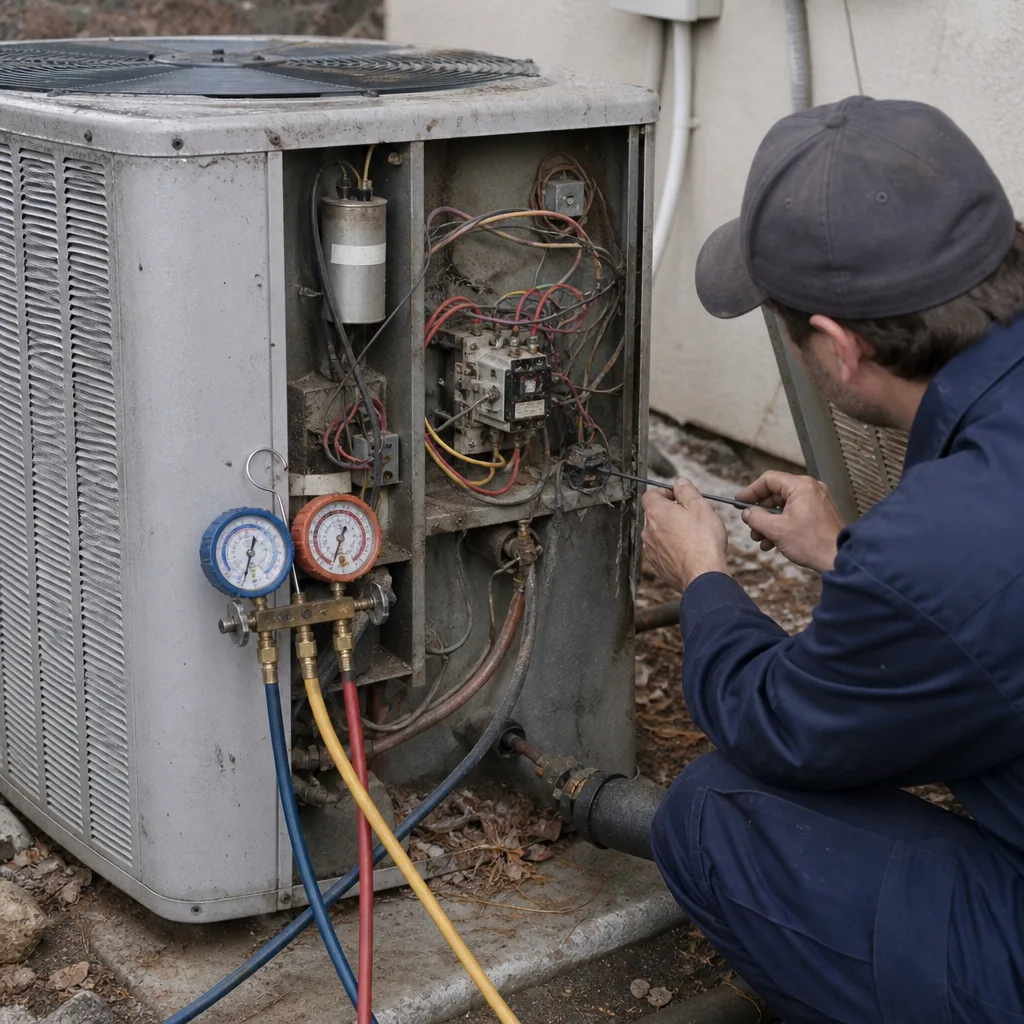
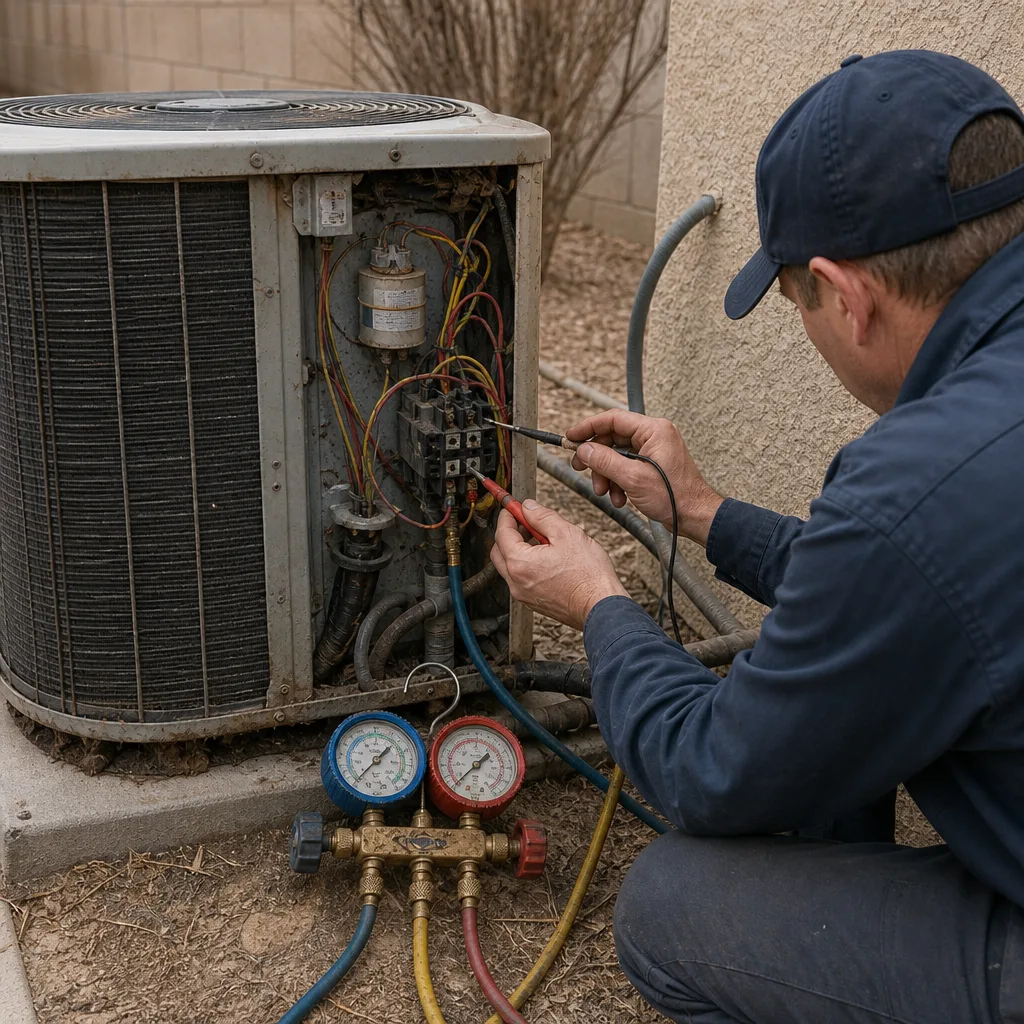
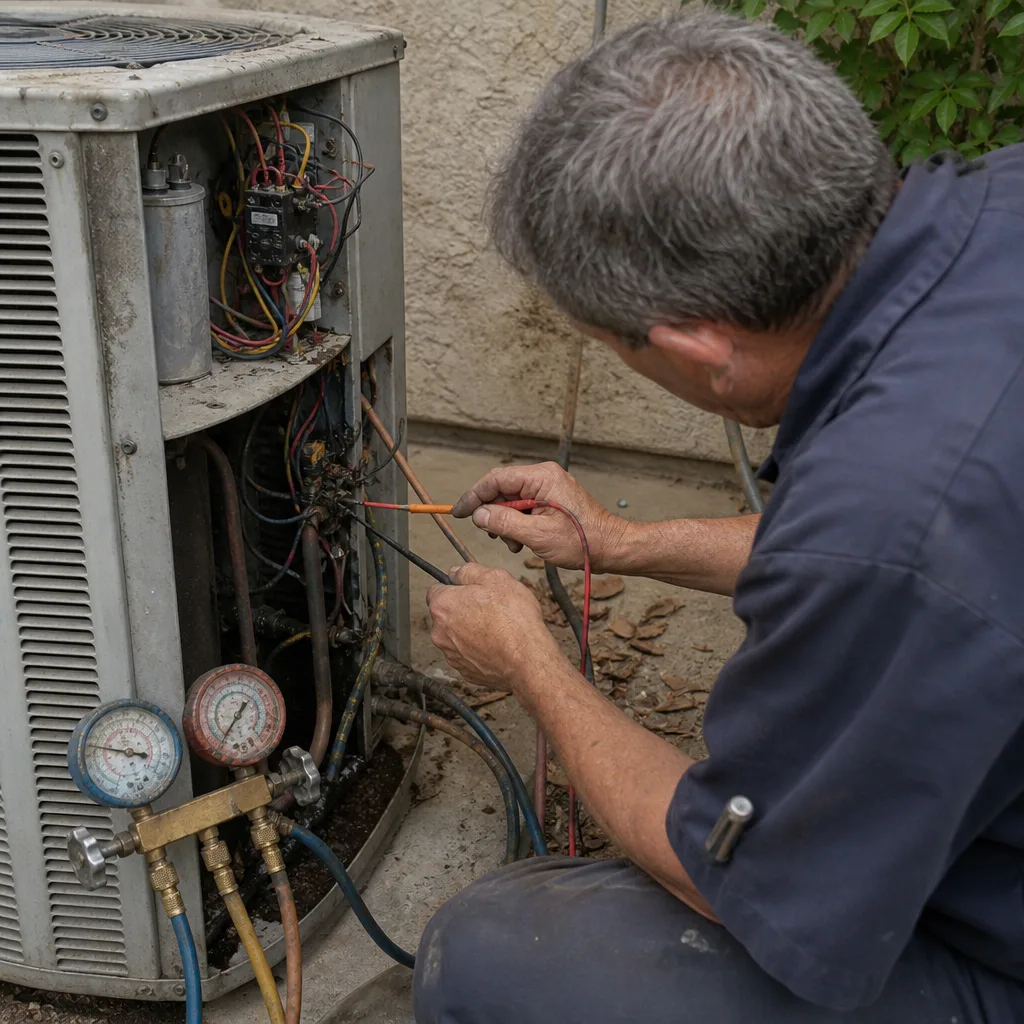
- Measure electrical components. Capacitors on a meter, contactors for pitting, amp draw against nameplate. This is where many “compressor” calls actually get solved.
- Verify airflow and heat exchange. Filters, belts, blower amps, evaporator and condenser coil condition. Fouled coils and dirty filters are load failures disguised as equipment failures.
- Read refrigerant pressures and temperatures. Only after electrical and airflow are confirmed. Superheat and subcooling tell you whether the charge is right and whether a leak exists.
- Condemn the part and quote it in writing. The diagnosis should name the failure family and the specific reading that proves it. That’s what a written estimate looks like.
Most of the time the fault resolves at step four or five, and the compressor never needed to be discussed. That’s the value of starting upstream.
What to Document During a Failure for Warranty and Insurance
A commercial HVAC failure is also a records event. Equipment warranties, extended service contracts, and property insurance claims all live or die on documentation. A business owner who collects the right evidence during the failure protects the claim before anyone touches a wrench.
- Date, time, and outdoor temperature at the moment the system failed. This anchors the timeline and rules out weather-related exclusions.
- Photographs of the control board fault code, the nameplate, and the unit tag. A photo of the blinking LED and one of the serial plate settles most warranty questions.
- Any water damage, ice, burnt smell, or electrical damage photographed before cleanup. If the failure caused secondary damage, that’s the claim evidence.
- The full service ticket from the diagnosing technician: readings, parts, labor, and the written recommendation. Keep the original.
- Proof of scheduled maintenance. Coil cleanings, filter changes, and prior service records are what prove the equipment was maintained, which many warranties require.
- Purchase and install records for the unit: model, serial, install date, and the contractor who installed it.
We’ve watched warranty claims stall simply because no one recorded the serial number or kept the maintenance log. The fix is cheap and takes minutes. Take the photos, keep the ticket, log the date.
Keeping a Commercial System Alive Between Service Calls
Most emergency calls we see aren’t sudden. They’re the last step in a slow decline that a maintenance visit would have caught. The difference between a system that fails in August and one that makes it through the season is usually a filter schedule and a coil cleaning.
What actually moves the needle:
- Change filters on a schedule tied to the building, not the calendar. A Mesquite restaurant or a dusty light-industrial unit needs them far more often than a quiet office. Check them, note the date, adjust.
- Clean condenser coils before summer, not after. April and May in Mesquite, before the first heat wave, is the window that prevents most July failures.
- Check the economizer. A damper stuck open in the desert heat is a silent capacity drain that looks like a failing compressor.
- Walk the belt and blower. A worn belt or failing blower motor is a small repair now and a shutdown later.
- Keep a maintenance log with the equipment. It supports warranty claims and gives the next technician a baseline.
That’s the difference between planned service and emergency service, and it’s almost always cheaper. Our AC Repair & Installation in Mesquite team handles commercial cooling diagnostics and coil service, and the Heating & Furnace in Mesquite side covers the shoulder-season systems that fail when nobody’s watching.
Common Mistakes to Avoid
- Condemning a compressor without reading amps and pressures. It’s the most expensive part in the cabinet and the most commonly misdiagnosed. Ask to see the readings before you approve a replacement.
- Skipping the control board and the economizer. A board lockout or stuck economizer damper looks identical to a dead compressor from the thermostat. Two of the six “not cooling” causes aren’t mechanical at all.
- Deferring coil cleaning in desert conditions. In Mesquite, a fouled condenser coil is the leading cause of mid-summer commercial shutdowns. Clean it before the heat arrives, not after.
- Calling anyone in August without a maintenance record. The busiest week of the year is when the least-prepared techs are working the most calls. A documented maintenance history puts you at the front of the line and the top of the diagnosis.
- Throwing parts at an intermittent fault. A capacitor, a contactor, and a control board all get swapped on a guess when the real failure is a loose connection. Measure, then replace.
- Not capturing the fault code. A blinking pattern written down before the truck arrives is free diagnostic data. Losing it costs billable time.
- Skipping the written record. No serial number, no maintenance log, no photos means no warranty claim when you need one.
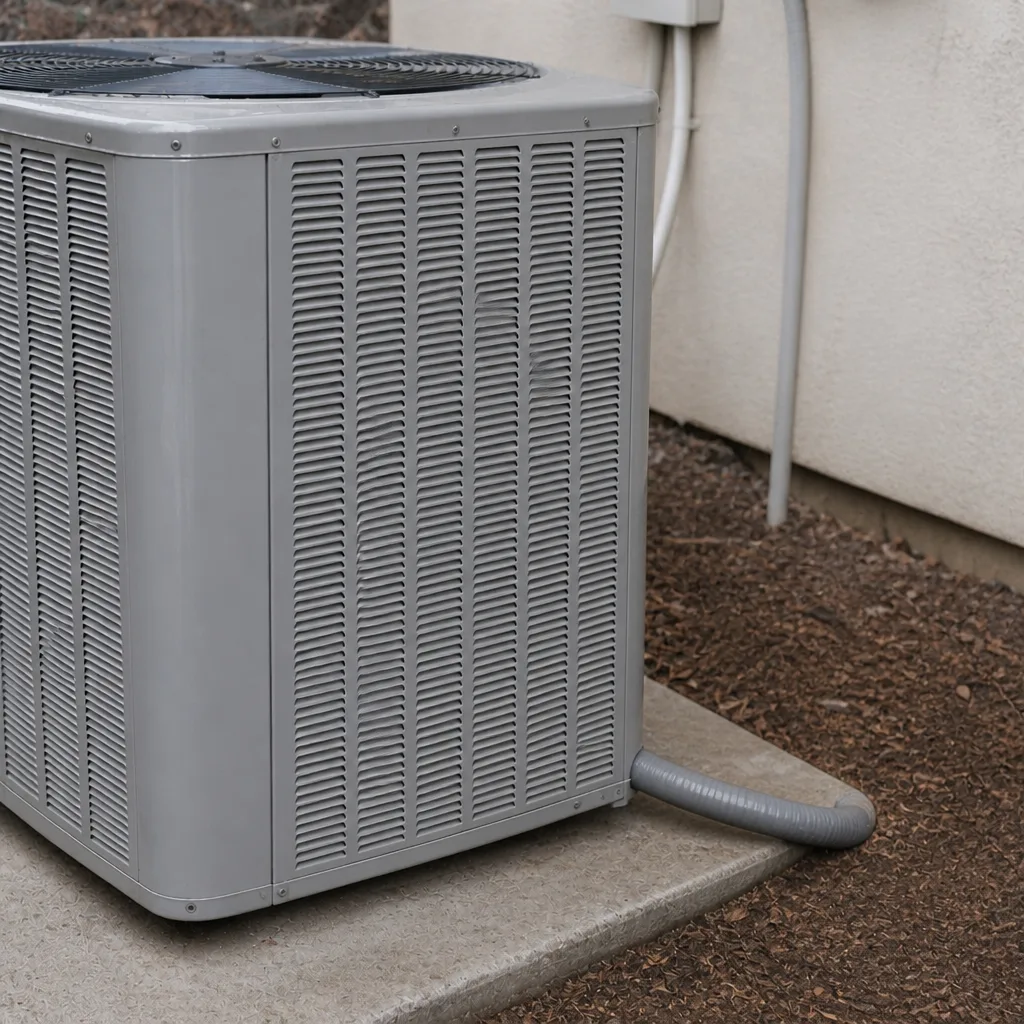
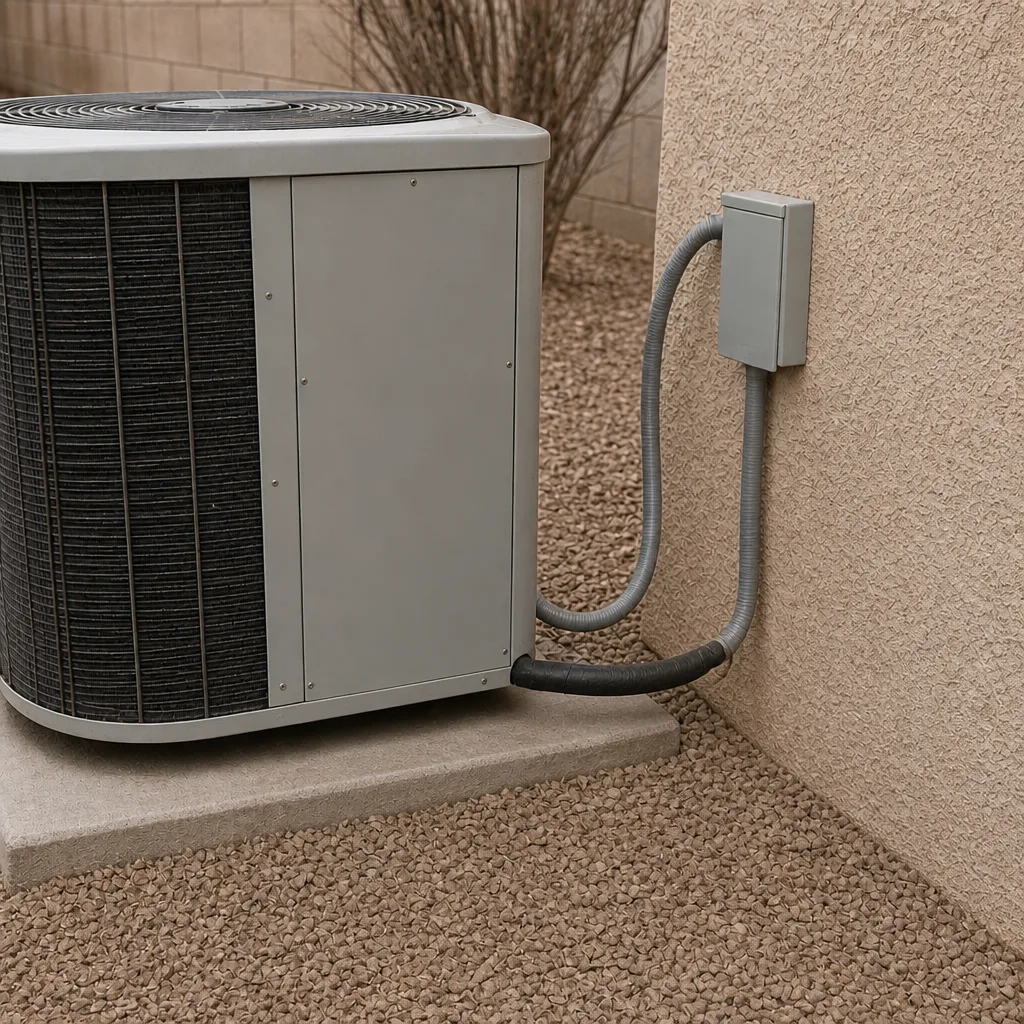
See the difference
 Before
 After
 Before
 After
 Before
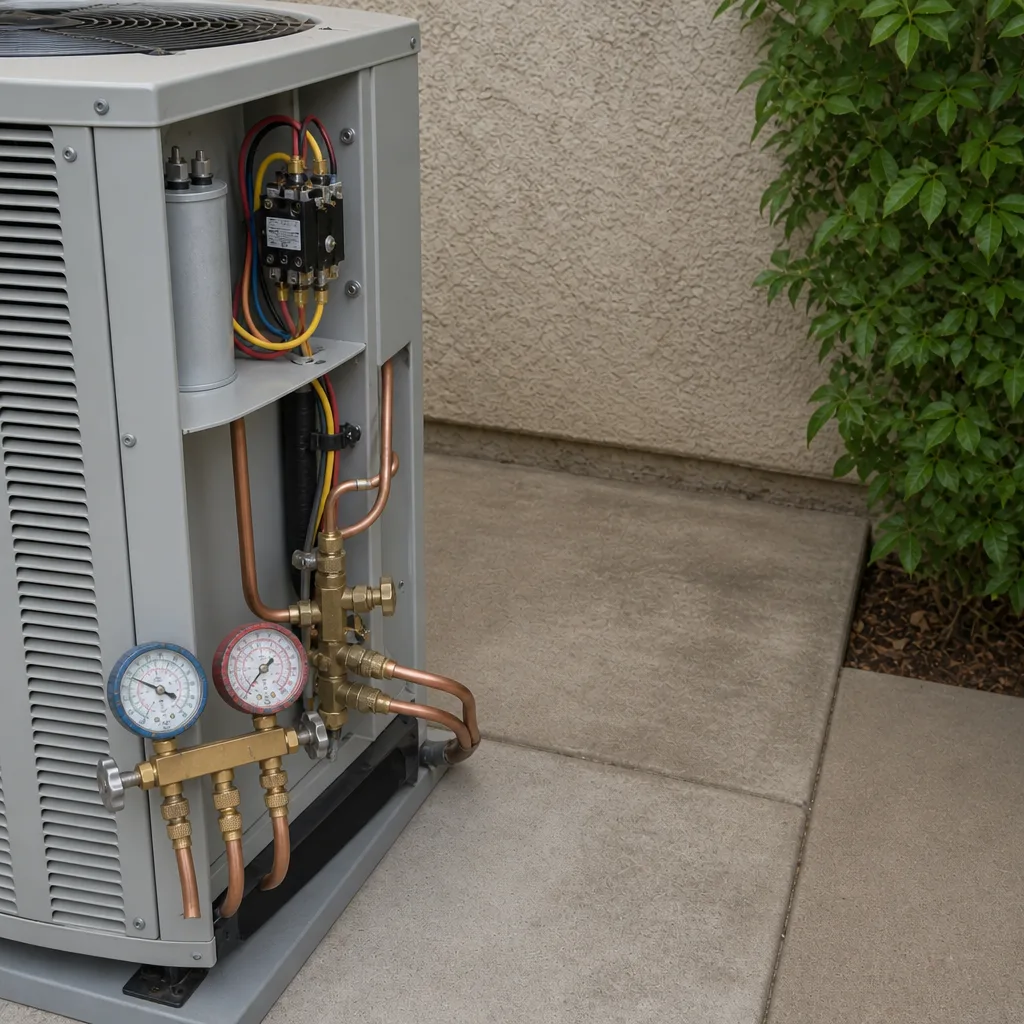 After
When to Call a Professional
Call a professional the moment a commercial system trips a safety, shuts down in cooling season, or shows a fault code you can’t read. Call sooner if the unit has lost a stage, is short-cycling, or is making a noise it didn’t make last week. Refrigerant work, compressor diagnosis, and control-board troubleshooting are not do-it-yourself territory. High-voltage contactors and refrigerant under pressure are genuinely dangerous, and the upstream diagnostics that reveal the real fault require meters and gauges most owners don’t carry. If the diagnosis you got names a compressor with no readings behind it, a second opinion is worth the call.
Fireside Heating & Air Co. Mesquite offers free estimates in Mesquite and handles commercial and emergency HVAC service with a written diagnosis and upfront pricing. Our technicians have up to 8 years of experience, are background-checked and uniformed, and are trained on Carrier, Trane, Lennox, Rheem, York, Daikin, Bryant, Goodman, and American Standard. The 90-Day Done Right Promise backs the work in writing. Call (888) 570-3601 for a free estimate and a straight diagnosis.
Frequently Asked Questions
Only believe it if the technician shows you the amp draw and refrigerant pressures that condemned it. In our experience, many commercial “compressor” calls in Mesquite resolve at a failed capacitor, a stuck contactor, a fouled condenser coil, or a bad sensor. Ask to see the readings. If they’re there, the diagnosis is real. Call (888) 570-3601 for a free second opinion on any written estimate.
Write down the exact fault code or blink pattern, note which unit and stage failed, record the outdoor temperature, and photograph the control board and nameplate. That ten-minute list often shortens diagnostic time and lowers the bill. Then call (888) 570-3601; a live person answers around the clock.
Condenser coil fouling from desert dust and local debris is the leading cause of mid-summer shutdowns in Mesquite. A fouled coil can’t reject heat, high-side pressure climbs, and a safety trips. It reads as a compressor failure but usually isn’t. Scheduling a coil cleaning before the heat arrives prevents most of these.
Yes. An economizer damper stuck open pulls in outside air, and at 110°F in Mesquite that’s a capacity drain that looks identical to a failing compressor. It’s one of the six root causes behind one complaint, and it’s electrical and controls, not refrigerant. Call (888) 570-3601 for diagnosis.
Diagnostic pricing depends on the system and the time required, and it’s quoted upfront before any work starts. What we won’t do is quote one price and bill another. Call (888) 570-3601 for a free estimate; the price quoted is the price paid.
Keep the serial number, the diagnosing service ticket with readings and parts, photos of the failure and fault code, and a maintenance log. Those four items settle most warranty and insurance questions. We provide a written estimate and full ticket copy on every job.
The Bottom Line
Commercial HVAC troubleshooting runs on a sequence, not a guess: verify the load, pull the fault code, check power and safeties, measure the electrical components, verify airflow, and only then read refrigerant pressures. Most “compressor” calls in this market trace back to a capacitor, a contactor, a fouled condenser coil, a stuck economizer, or a control-board lockout. In Mesquite’s heat, coil fouling is the dominant cause of mid-summer shutdowns. A business owner who captures the fault code, keeps a maintenance log, and asks for readings behind a diagnosis will avoid being oversold and get the repair that actually fixes the problem. Done right, or we make it right.
Ready to stop guessing at a failing commercial system? Call Fireside Heating & Air Co. at (888) 570-3601 for a free estimate. A live person answers every call, every day, and the price quoted is the price paid. Visit Fireside Heating & Air Co. Mesquite home to see the full range of service.
Written by the team at Fireside Heating & Air Co. Mesquite.