
Last updated November 18, 2026
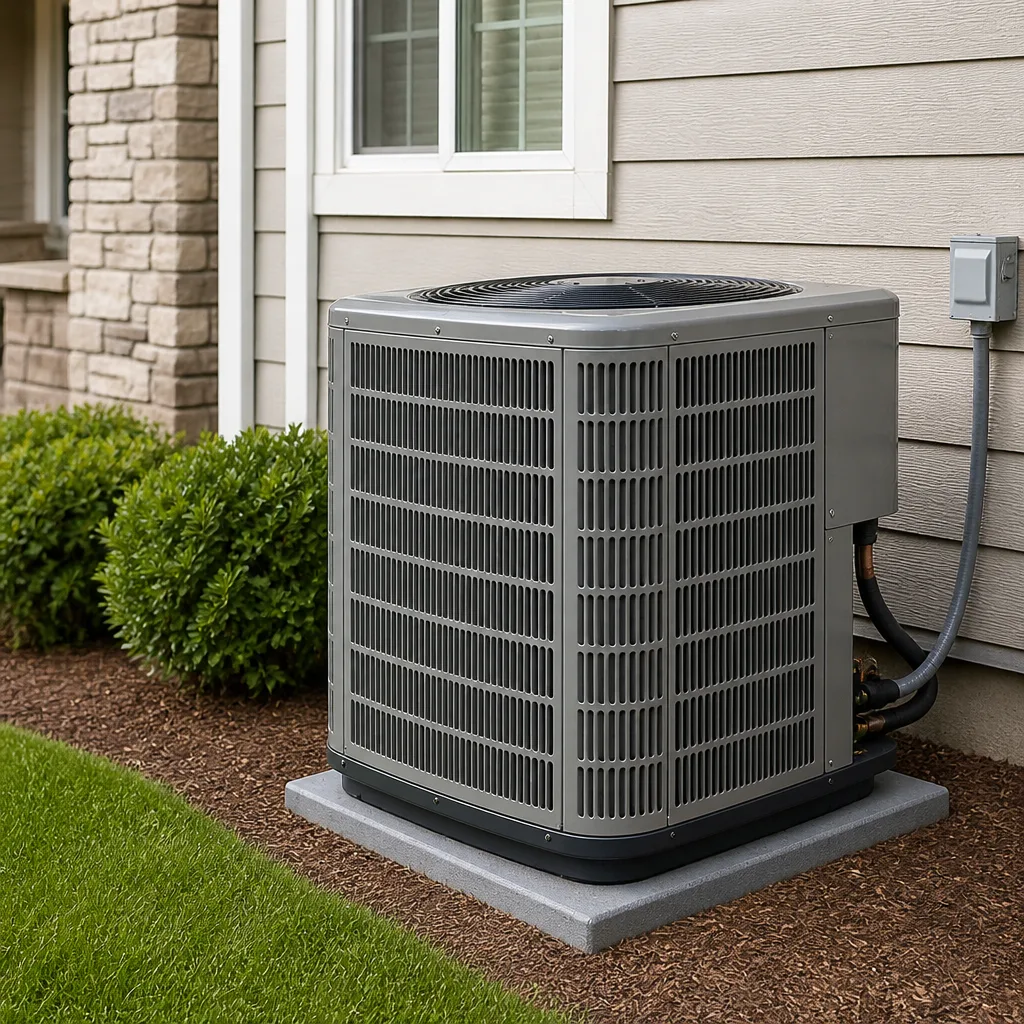 AC repair
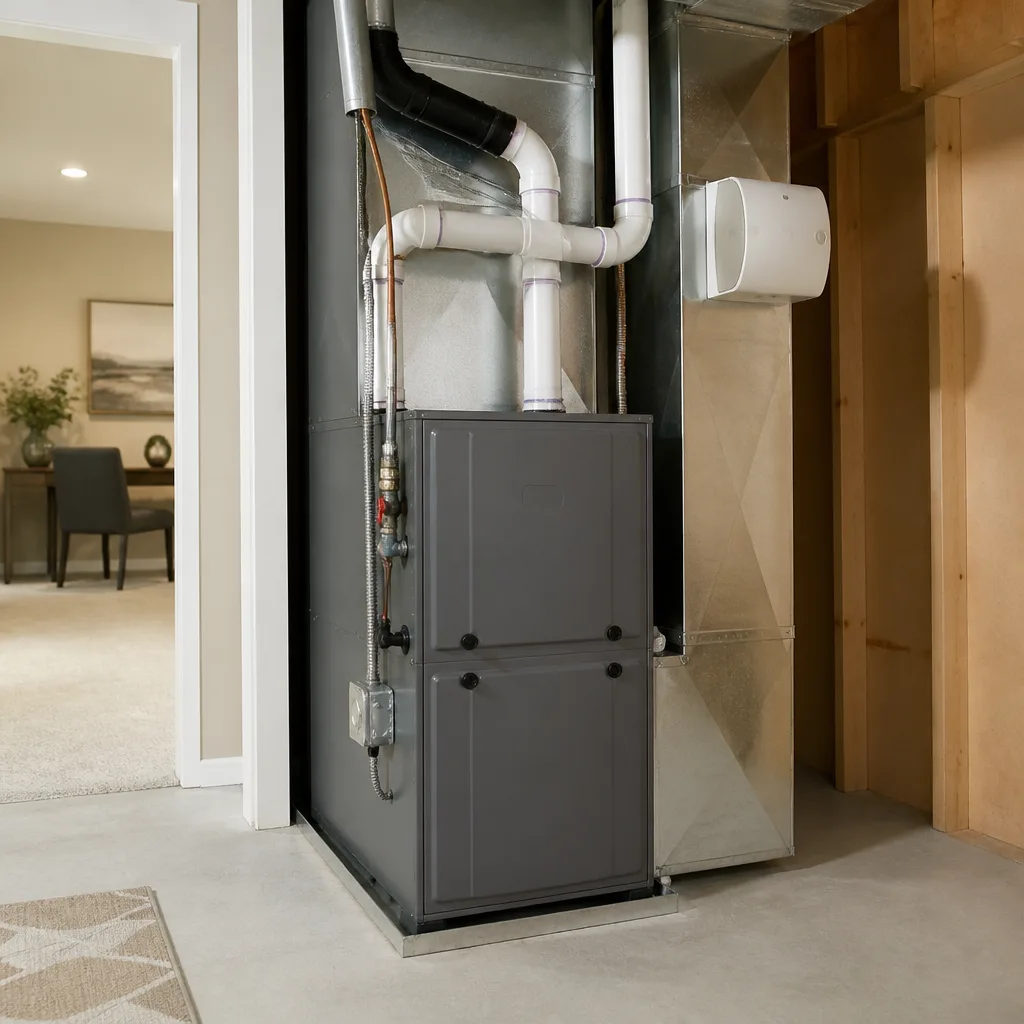 Furnace & heating
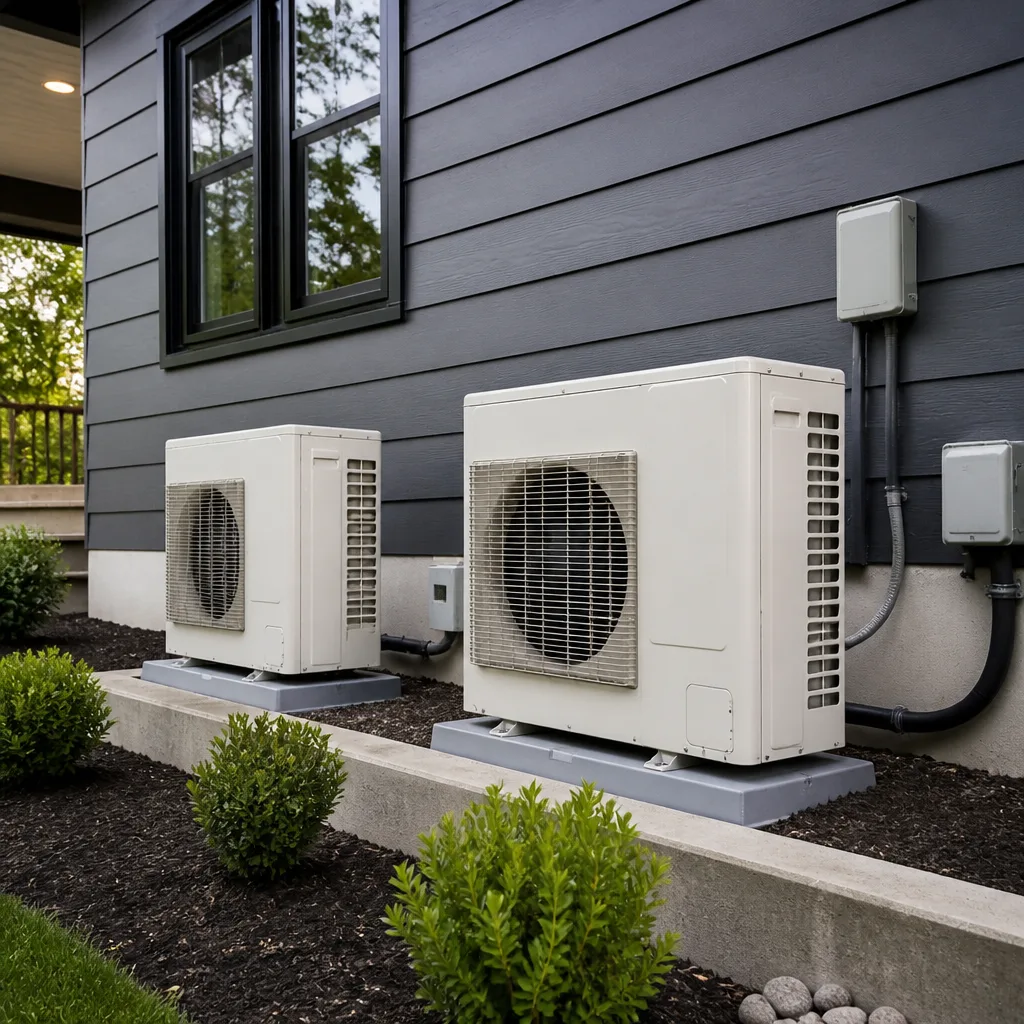 Heat pumps
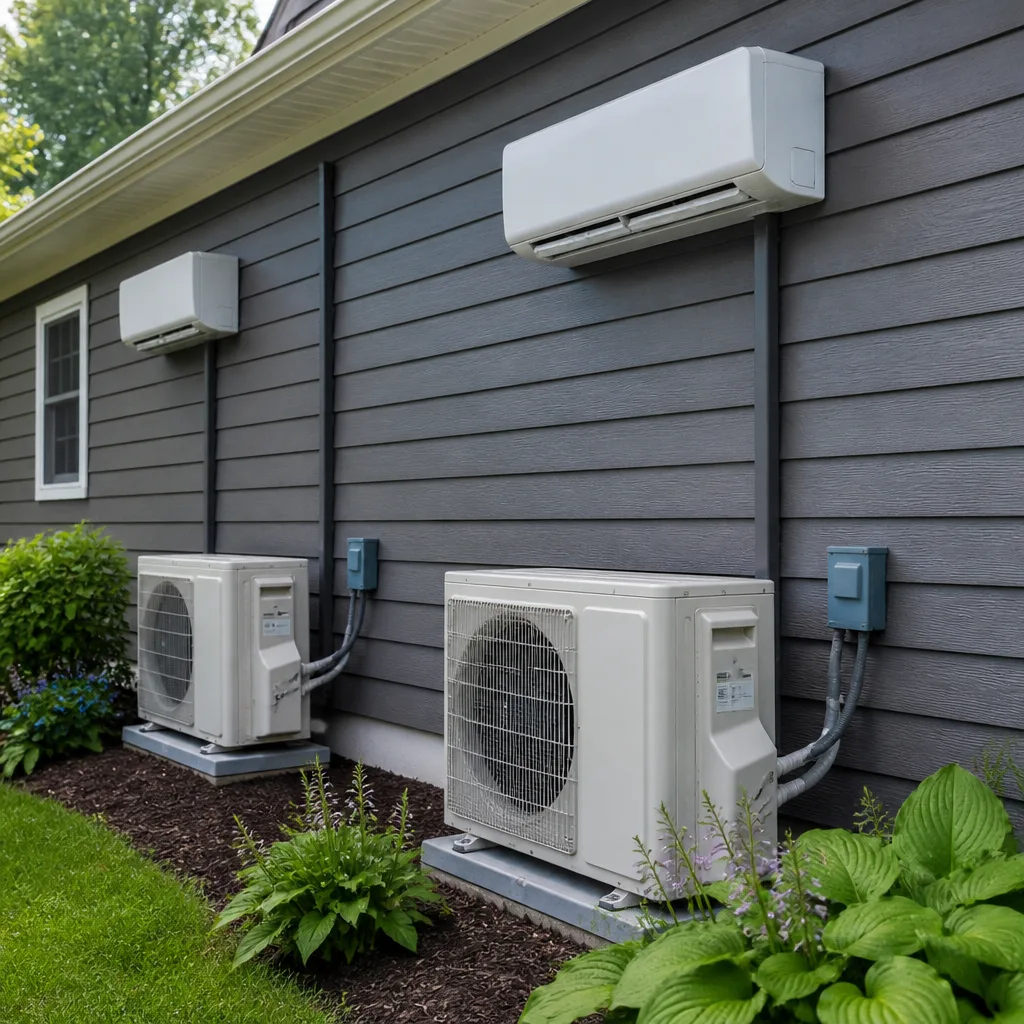 Ductless mini splits
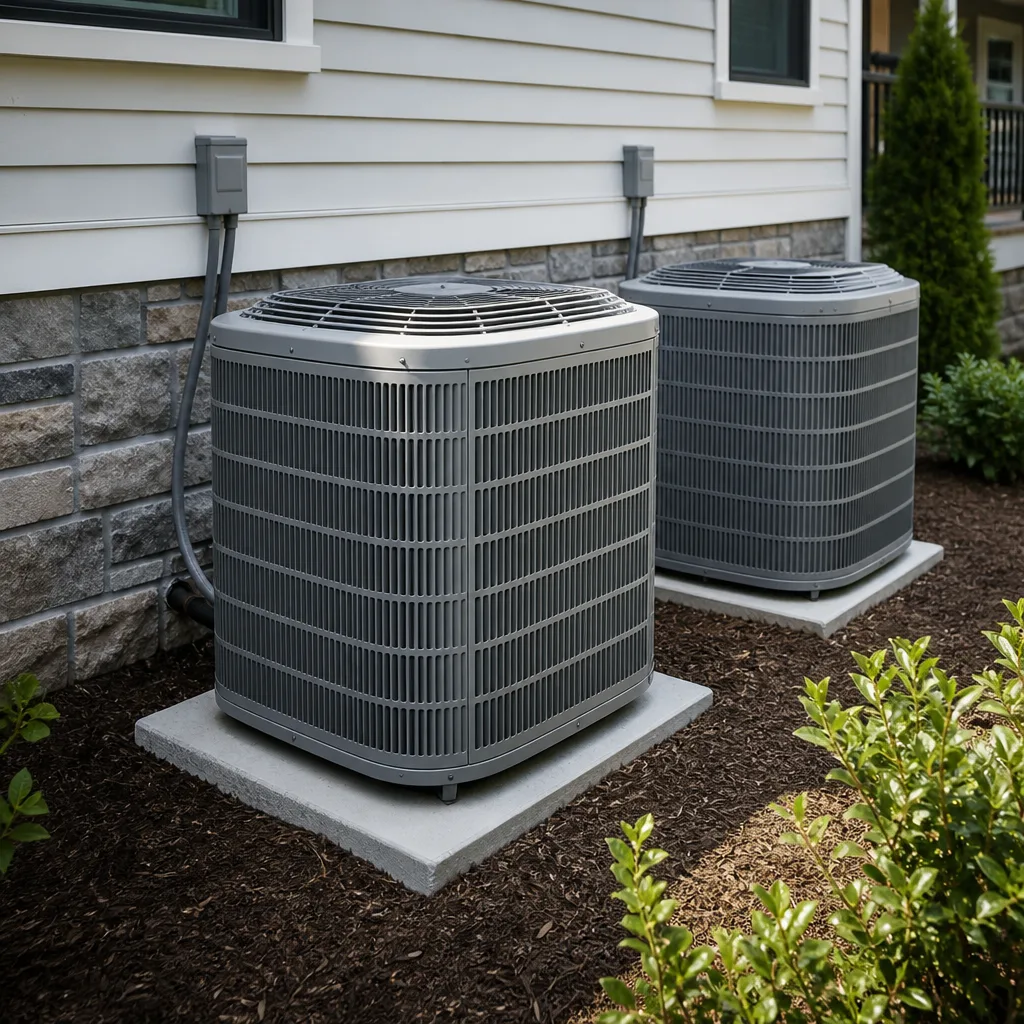 Carrier
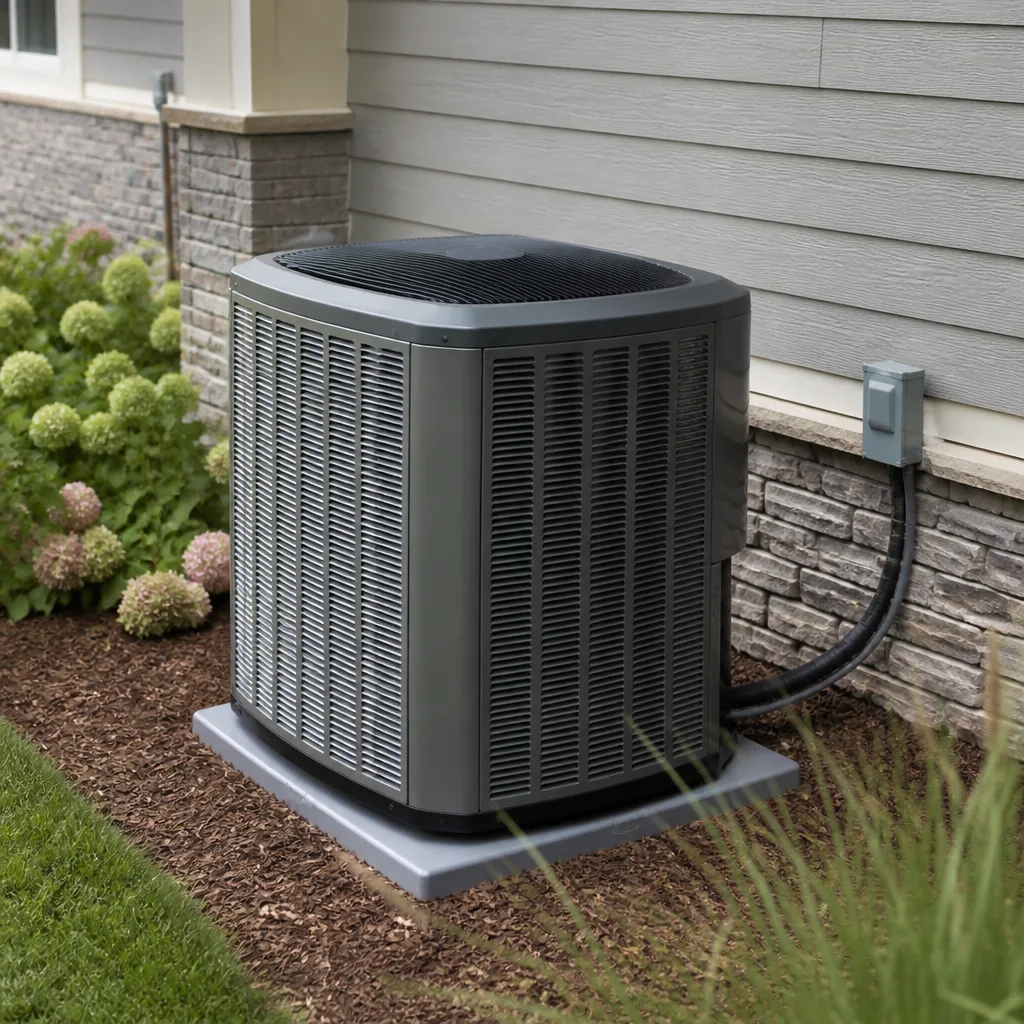 Trane
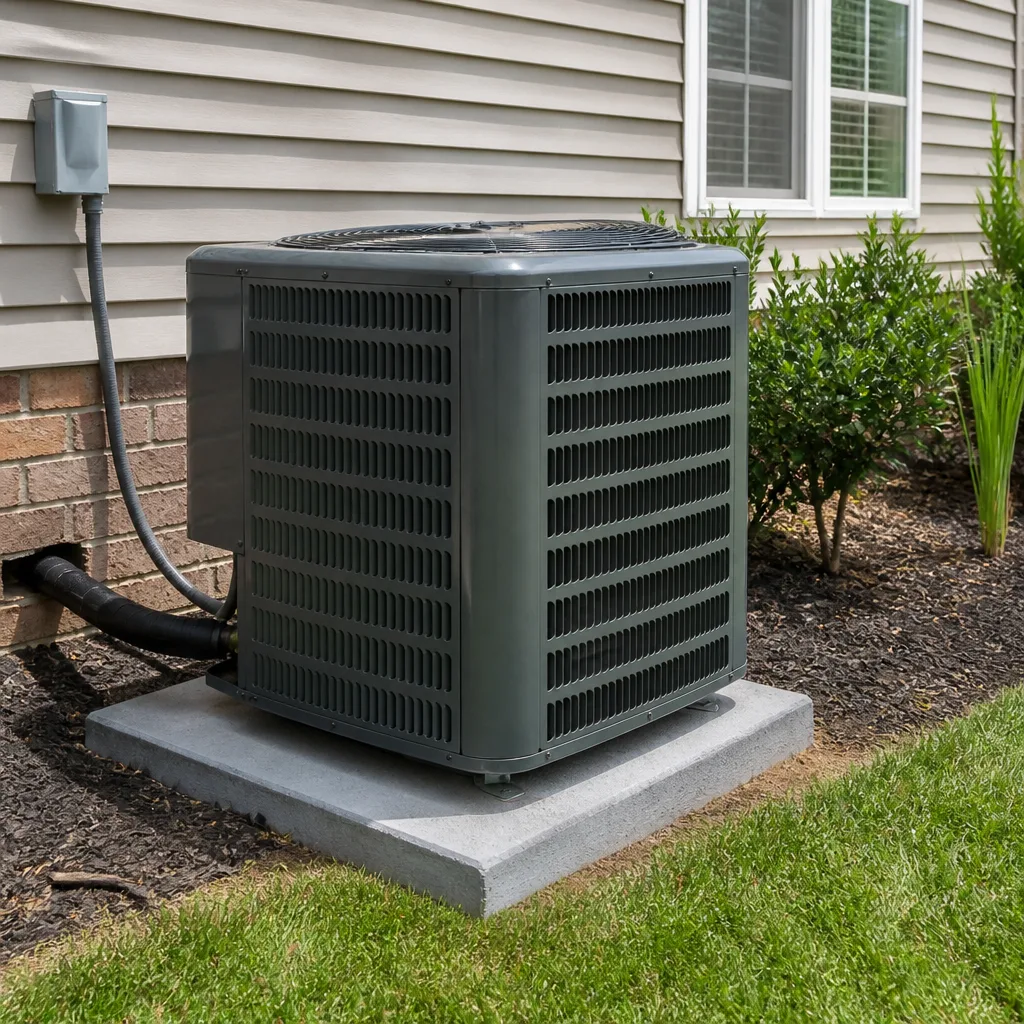 Goodman
Seasonal tune-up and full diagnostic on your Carrier, Trane, or Goodman system - readings shown to you before any repair is proposed
Diagnosis first, numbers second - you approve the repair price before a single part goes in.
Get your free estimateDIY vs Professional HVAC: The Mesquite Homeowner’s Decision Guide
Replacing your own capacitor on a Saturday afternoon is legal, common, and often straightforward. But if you do it on a system still under a manufacturer’s parts warranty, you may have just voided that warranty without touching anything you weren’t supposed to. That’s the part most people miss. The DIY-versus-professional question in HVAC usually gets framed as a skill question, and it isn’t. It’s a question of which tasks carry legal, insurance, or warranty consequences the moment they’re done without a license, and plenty of Mesquite homeowners don’t find out they’ve crossed that line until something breaks and a claim gets denied. This guide draws the line clearly, so you know exactly where your authority as a homeowner ends and a licensed technician’s begins.
Quick Answer
In Nevada, a homeowner may legally do basic maintenance on their own HVAC system, like changing filters, clearing debris from the outdoor condenser, and resetting a tripped breaker. Anything involving refrigerant, gas piping, or electrical work inside the unit generally requires an EPA Section 608 certification or a state contractor’s license, regardless of how skilled you are. DIY work also risks voiding manufacturer parts warranties and installer workmanship guarantees, and can complicate a homeowner’s insurance claim if the failed repair causes a larger loss.
Styles & brands we work with
- AC repair
- Furnace & heating
- Heat pumps
- Ductless mini splits
- Carrier
- Trane
- Goodman
Table of Contents
- Where Nevada Law Draws the Line for DIY HVAC Work
- How DIY Repairs Interact with Warranties and Insurance
- The Five Most Commonly DIY’d HVAC Tasks, Ranked by Risk
- When Calling a Professional Costs Less Than the DIY Attempt
- Why Mesquite’s Desert Heat Shifts the Calculation
- What to Tell a Technician When You’ve Already Tried a Repair
- Common Mistakes to Avoid
- When to Call a Professional
Where Nevada Law Draws the Line for DIY HVAC Work
Nevada is not unusual in how it treats HVAC work, but the specifics surprise a lot of people. The state issues a C-21 classification for heating, ventilating, and air conditioning contractors, and that license covers the design, installation, and repair of mechanical systems in a home. A homeowner working on their own primary residence can do certain things without a license. A homeowner working on a rental property, a neighbor’s house, or anything for pay is a different story entirely.
Here’s what you can generally handle yourself on your own home:
- Changing air filters, including switching to a higher MERV rating and checking that the filter fits the return properly
- Cleaning debris, cottonwood fluff, and dust off the outdoor condenser coil
- Clearing the condensate drain line with a shop vac or flushing it with water
- Resetting a tripped breaker or a float switch that shut the system down
- Adjusting thermostat settings, schedules, and basic programming
- Straightening bent fins on the condenser with a fin comb
What requires an EPA Section 608 certification or a licensed contractor, regardless of your skill level:
- Anything that involves handling, recovering, or charging refrigerant
- Brazing, cutting, or connecting refrigerant lines
- Gas line work, including disconnecting and reconnecting a furnace gas valve
- Electrical work inside the air handler, condenser, or furnace cabinet beyond a breaker reset
- Replacing a compressor, reversing valve, or blower motor
- Any work on a system that serves more than your own primary residence
The line isn’t about whether you’re capable. It’s about federal refrigerant law, state contractor law, and the fact that a licensed technician carries insurance that covers the home if something goes wrong. When we send a technician to a home in Mesquite, that person is background-checked, uniformed, and covered. A homeowner with a YouTube video and a multimeter is not, and that gap is exactly what the law is built around.
How DIY Repairs Interact with Warranties and Insurance
This is where most of the real money sits. A manufacturer’s parts warranty, the kind that comes with a new Lennox or Goodman condenser, typically requires that repairs be performed by a licensed contractor. The warranty language varies by brand, but the pattern is consistent: if a non-licensed person touches the system and the part fails, the manufacturer can deny the claim. That’s not a threat, it’s just what the paperwork says. A $600 compressor that would have been covered becomes a $600 compressor you’re paying for.
Then there’s the installer’s workmanship guarantee. If your system was installed three years ago and the installing company gave you a labor warranty, that guarantee usually covers their work, not yours. The moment you open the cabinet and swap a part, you’ve created a question the installer can’t answer: was the failure caused by the original install, or by the repair attempt? Most companies resolve that question by declining the claim, and you can’t really blame them.
Homeowner’s insurance is the third layer. A standard policy covers sudden and accidental damage, like a burst pipe or a fire. It does not cover faulty workmanship or the cost of redoing a repair done incorrectly. Worse, if a DIY electrical repair causes a fire or a refrigerant leak causes water damage, the adjuster is going to ask who did the work. If the answer is “I did,” the claim is likely to be denied or reduced.
Here in Mesquite, we’ve seen this play out most often with older systems still inside a ten-year parts warranty. A homeowner replaces a capacitor or a contactor to save the service call, the compressor fails six months later, and the warranty gets denied because the repair record shows non-licensed work. That’s a hard lesson, and it’s avoidable.
If you want a written second opinion on any estimate you’ve received, including one that tells you to replace a system you think is repairable, that’s a standing offer we make at no charge. It’s a way to check the math before you commit either way.
The Five Most Commonly DIY’d HVAC Tasks, Ranked by Risk
Not all DIY HVAC work is created equal. Some of it is genuinely fine. Some of it is a coin flip. Here’s how we’d rank the five most common attempts, from lowest risk to highest, based on what we actually see on service calls in Mesquite.
- Changing the air filter. Low risk, real upside. A clogged filter is behind a surprising number of “my system isn’t cooling” calls, and swapping it is something every homeowner should know how to do. The only mistake is buying the wrong size or going too high on MERV, which can restrict airflow on older systems. Check the size printed on the old filter before you buy.
- Cleaning the outdoor condenser coil. Low risk with one caveat. Rinsing the coil with a garden hose is fine. Bending the fins with a pressure washer is not, and we see that damage more often than you’d think, especially on units tucked against a block wall where the spray angle is awkward. Use low pressure and a fin comb, not a 3,000 PSI nozzle.
- Clearing the condensate drain. Moderate risk. A wet/dry shop vac on the drain line at the exterior is usually safe and solves the problem. The risk is pulling too hard on a brittle PVC line on a system that’s twenty years old, or breaking the float switch while you’re in there. Do it gently, and stop if the line feels brittle.
- Replacing a capacitor or contactor. High risk, mostly for warranty reasons. The part swap itself is straightforward for someone comfortable with electricity. But this is also the most common DIY repair we see on systems still under warranty, and it’s the one that most often voids the coverage. The capacitor is also the last line of defense before the compressor, so if the underlying reason the capacitor failed hasn’t been diagnosed, the new one fails too, and now you’ve bought two.
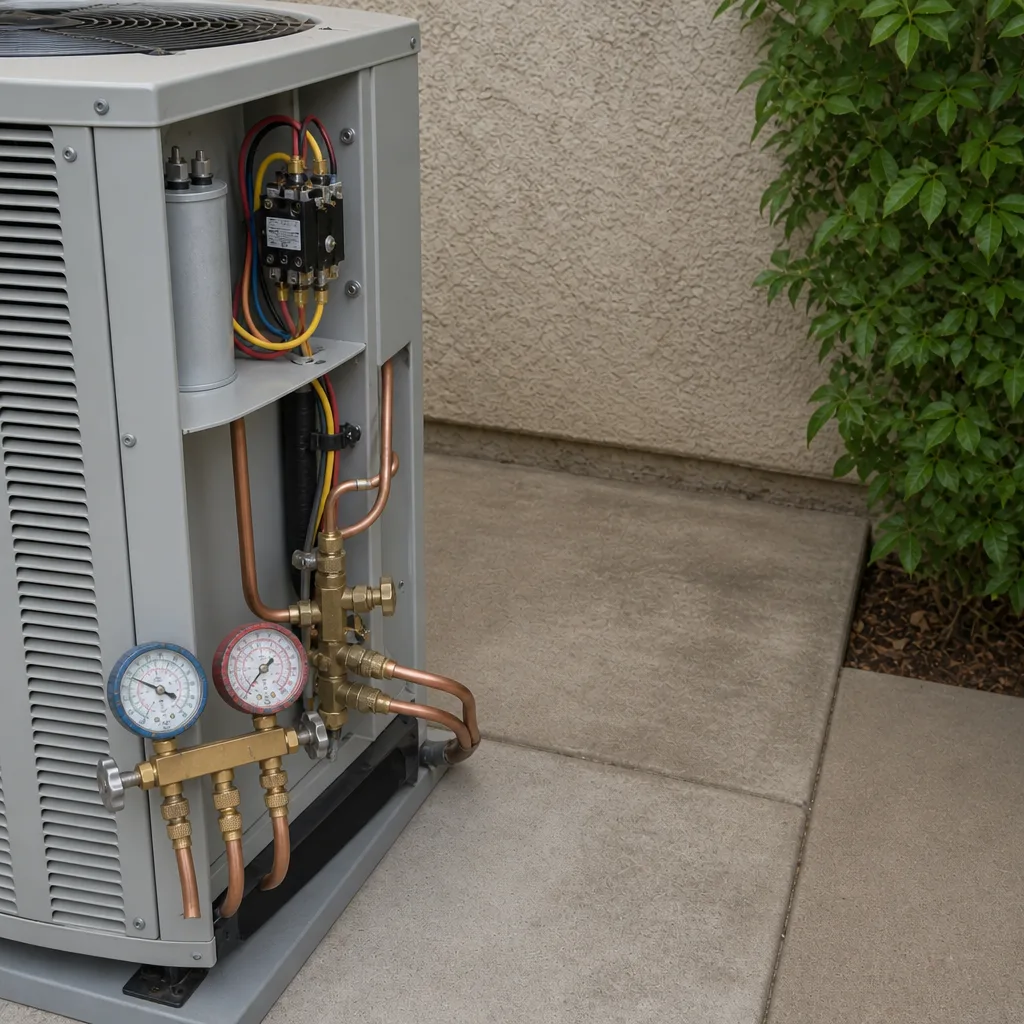
- Adding refrigerant or “topping off” the system. Highest risk, and in most cases illegal without EPA certification. A system that’s low on refrigerant has a leak. Adding refrigerant without finding the leak just delays the failure and pushes the compressor harder in the meantime. We’ve seen compressors destroyed this way on August afternoons in Mesquite when the ambient temperature is already over 105 degrees and the system is short-cycling.
The pattern here is that the tasks with the biggest DIY temptation are also the ones with the biggest downside. That’s not a coincidence. It’s the reason the licensed trades exist.
When Calling a Professional Costs Less Than the DIY Attempt
Homeowners often compare the price of a service call against the price of a part, and the math looks obvious. But the fair comparison is the service call against the total cost of the DIY attempt, including the parts you bought that didn’t fix it, the second part you bought after the first one didn’t work, and the diagnostic visit you eventually paid for anyway.
Here’s a real example we see regularly. A homeowner’s system stops cooling in June. They replace the capacitor, then the contactor, then the thermostat, and after three weekends and about $220 in parts, the system still doesn’t work. The actual problem was a failed dual-run capacitor that took out the compressor start winding, which a technician would have caught with a meter in fifteen minutes. By the time we get there, the repair is now a compressor replacement instead of a capacitor swap, and the homeowner has spent $220 learning that the hard way.
The diagnostic fee pays for itself in three specific scenarios:
- When you can’t reproduce the problem consistently. Intermittent failures are almost never the part you think they are. A technician with gauges and a meter finds the actual cause, and you don’t buy parts on a guess.
- When the system is under ten years old and still within warranty. The visit costs less than the warranty you’re about to void by opening the cabinet yourself.
- When the symptom could be two or three different failures. “Not cooling” could be low refrigerant, a failed capacitor, a stuck contactor, a bad thermostat, a dirty coil, or a compressor on its way out. Each of those is a different repair at a different price. Diagnosis narrows it to one.
We quote the price before the work starts, and the price quoted is the price paid. That’s been our policy for a long time, and it exists because homeowners should never have to guess what a repair will cost after the technician is already in the house.
Why Mesquite’s Desert Heat Shifts the Calculation
Mesquite sits in the Virgin River valley at roughly 1,600 feet, and summer afternoons routinely push past 110 degrees. That’s a meaningfully different environment than Las Vegas or St. George in one key way: the overnight low in July often stays above 85 degrees, which means the system never gets a real break. It runs essentially continuously from June through September. That continuous operation shortens the life of capacitors, contactors, and compressors, and it means a marginal DIY repair that might survive a mild climate will fail here within weeks.
The dust is the other factor. Mesquite gets wind-driven desert dust that coats condenser coils faster than homeowners expect, especially on properties near the golf courses or the open desert edges of town. A coil that’s 40 percent blocked by dust raises head pressure, which pushes the compressor harder, which is exactly the condition where a compromised capacitor fails. We see more compressor failures in Mesquite than in comparable-size towns in milder climates, and the heat and dust combination is why.
There’s also a water consideration. Mesquite’s municipal water is hard, and swamp cooler pads and condensate lines both scale up faster than homeowners in softer-water areas are used to. Flushing a condensate line once a season with white vinegar is genuinely worth doing, and it’s well within the homeowner’s lane. So is hosing off the condenser coil monthly during cooling season. Those two habits alone prevent a meaningful percentage of the service calls we run in Mesquite.
If you’re on a heat pump rather than a straight AC, the calculation changes again, because the same system runs year-round and the defrost cycle in winter adds a failure mode that most homeowners don’t recognize. Our heat pump and mini split service in Mesquite covers what those systems need in this climate specifically.
What to Tell a Technician When You’ve Already Tried a Repair
This is the part nobody talks about. Homeowners are often embarrassed to admit they’ve already tried a repair, so they don’t mention it, and the technician spends the first twenty minutes diagnosing a problem the homeowner already created. There’s no judgment here, and there shouldn’t be. What matters is that the technician knows what’s been touched so the diagnosis accounts for it.
Here’s what to have ready when the technician arrives:
- What you replaced, and when. Part name, part number if you have it, and the date. Even if you’re not sure of the name, a photo of the old part works.
- Where you bought the part. A genuine OEM part from a supply house and a universal part from a big-box store are different animals, and the technician needs to know which one is in the system.
- What the system did before and after. “It was short-cycling, I replaced the capacitor, and now it runs but doesn’t cool” is a genuinely useful sentence.
- Anything you disconnected and reconnected. Wires, gas lines, drain lines, thermostat wiring. If you pulled a wire off a terminal and aren’t sure it went back to the right place, say so before the technician starts testing.
- Whether you reset any breakers or float switches. A reset breaker that tripped again tells the technician something a reset breaker that held does not.
The reason this matters is diagnostic time. Every minute a technician spends chasing a symptom you already touched is a minute you’re paying for. When we quote upfront pricing, we honor it, but the diagnosis still needs to be efficient. The homeowner who says “I replaced the capacitor last Saturday and it ran for two days and then quit again” saves themselves a chunk of the visit.
For context on what a proper repair visit looks like, our AC repair and installation service in Mesquite walks through the diagnostic steps we run on a cooling call. That’s what your service visit should include, whether the system has been touched or not.
Common Mistakes to Avoid
- Replacing parts without testing them first. A capacitor, a contactor, and a thermostat all fail with similar symptoms, and guessing replaces three parts to fix one problem. Test before you buy, or have someone test for you.
- Adding refrigerant without finding the leak. A low system has a leak, full stop. Topping it off is a temporary patch that costs more every season and can destroy the compressor when the refrigerant runs low enough that the system loses oil return. This is also the repair most likely to void a warranty, because handling refrigerant without EPA certification is a federal violation.
- Ignoring the filter for a full season in Mesquite. Desert dust loads a filter faster than most of the country. A clogged filter on a 110-degree afternoon restricts airflow, freezes the indoor coil, and can push the compressor into a high-pressure shutdown. Change it every 60 to 90 days during cooling season here, not every six months.
- Pressure-washing the outdoor coil. High pressure bends the fins flat, which blocks airflow permanently and costs more to repair than a professional coil cleaning would have. Use a garden hose on low pressure and a fin comb for bends.
- Resetting a breaker or float switch repeatedly without diagnosing why it tripped. A breaker that trips once is a nuisance. A breaker that trips three times in an afternoon is telling you something is wrong, and resetting it a fourth time risks damage to the compressor or the control board.
- Touching a system that’s still under warranty. The warranty paperwork almost certainly requires licensed service, and the manufacturer will ask. A fifteen-minute warranty check before you open the cabinet is worth more than the part you’re trying to save on.
- Skipping the fall furnace check because the AC was fine. The furnace shares the same air handler and the same ductwork, and a cracked heat exchanger or a failed igniter doesn’t announce itself until the first cold night. In Mesquite, the first cold night comes later than most people expect, and the first cold snap always produces a wait list.
When to Call a Professional
Call a licensed technician when the repair touches refrigerant, gas, or electrical components inside the cabinet, when the system is under manufacturer warranty, when the symptom could be two or three different failures, or when you’ve already tried a repair and the system still isn’t right. Call sooner rather than later if you’re seeing ice on the indoor coil, hearing a hard start or a grinding noise, smelling gas, or noticing the breaker trips more than once. Those symptoms get more expensive the longer they sit, especially in Mesquite heat, where a compressor that’s struggling on Monday can be a compressor that’s failed by Friday. Fireside Heating & Air Co. Mesquite offers free estimates in Mesquite – call (888) 570-3601. A live person answers, day or night, and the price quoted is the price paid.
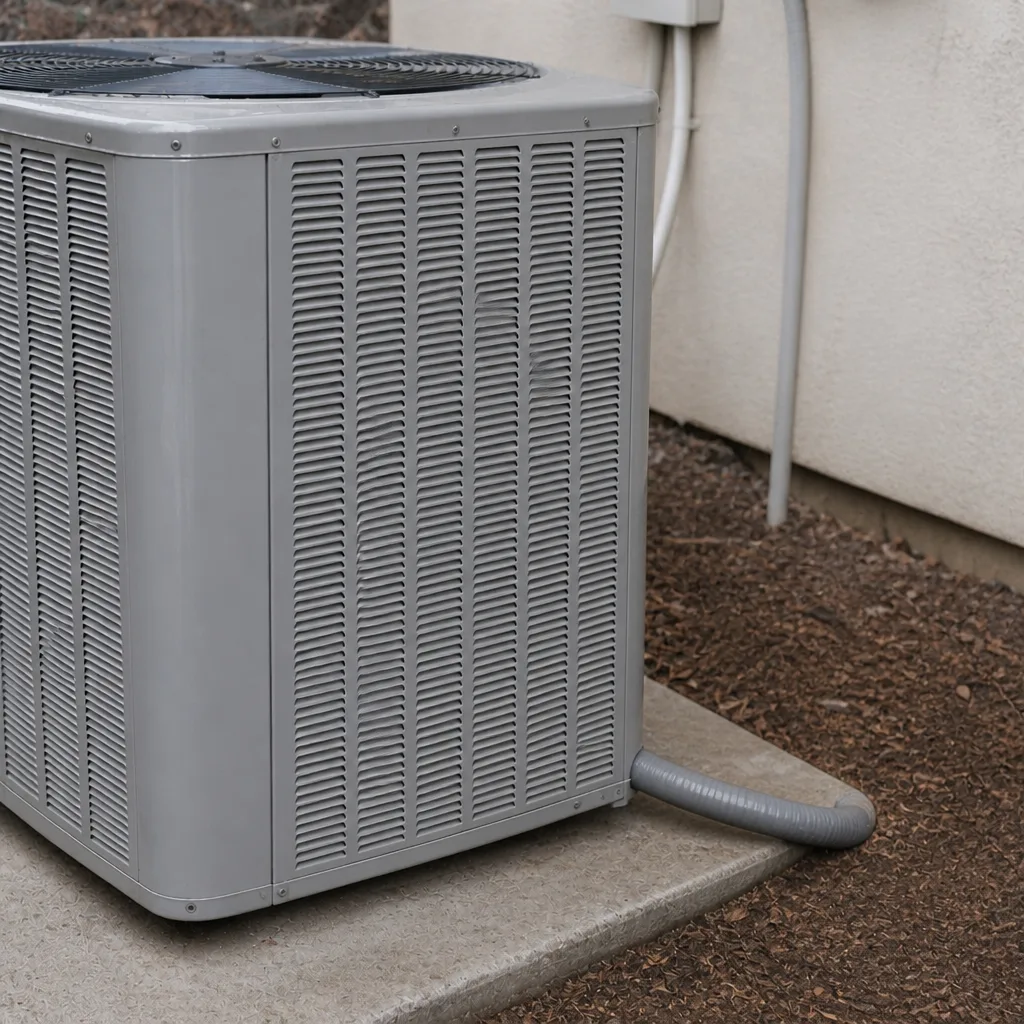
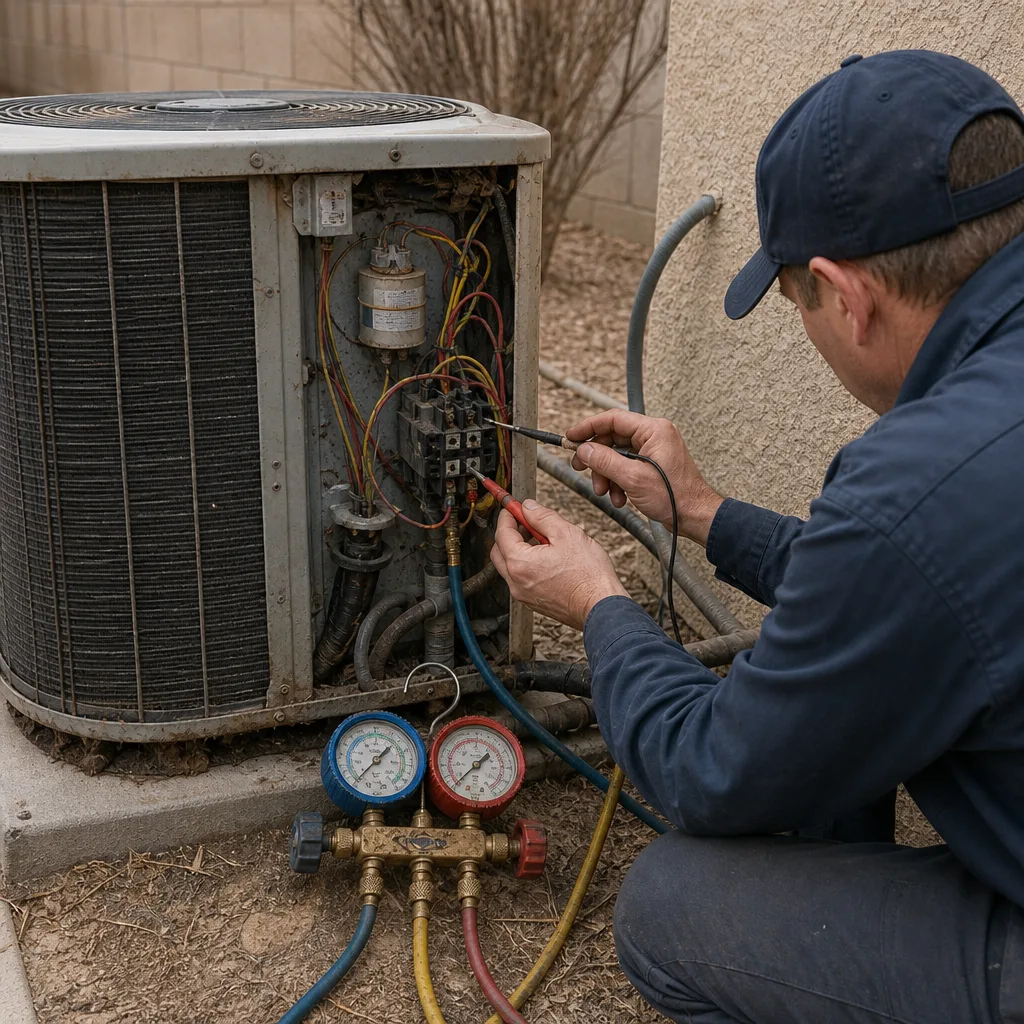
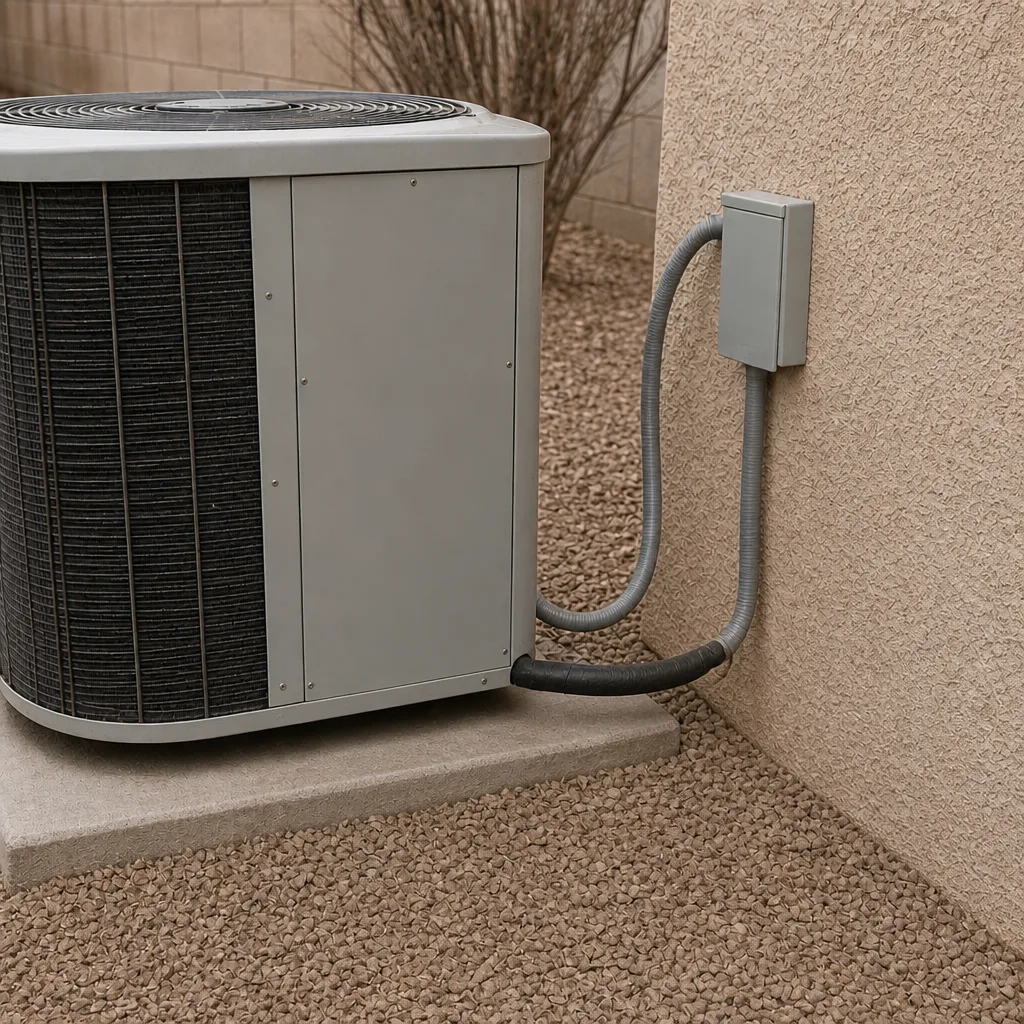
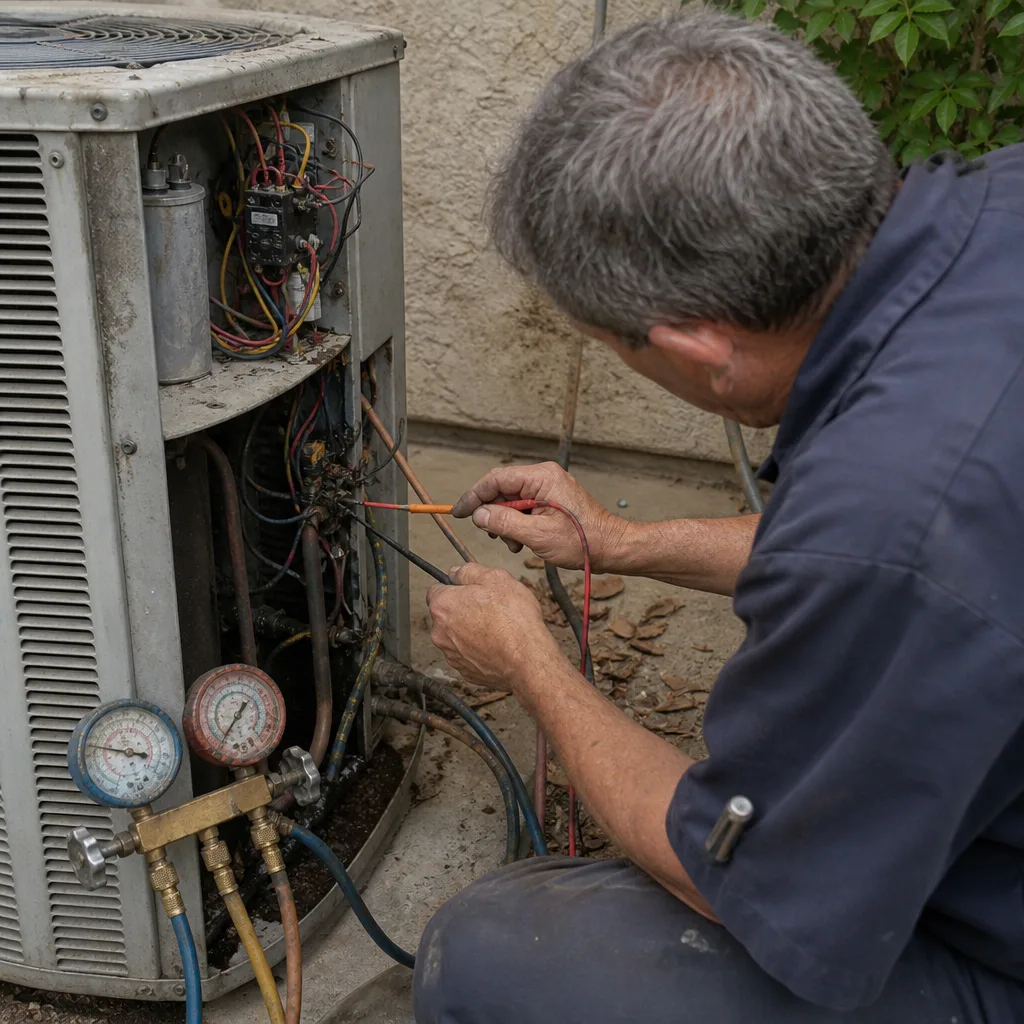
See the difference
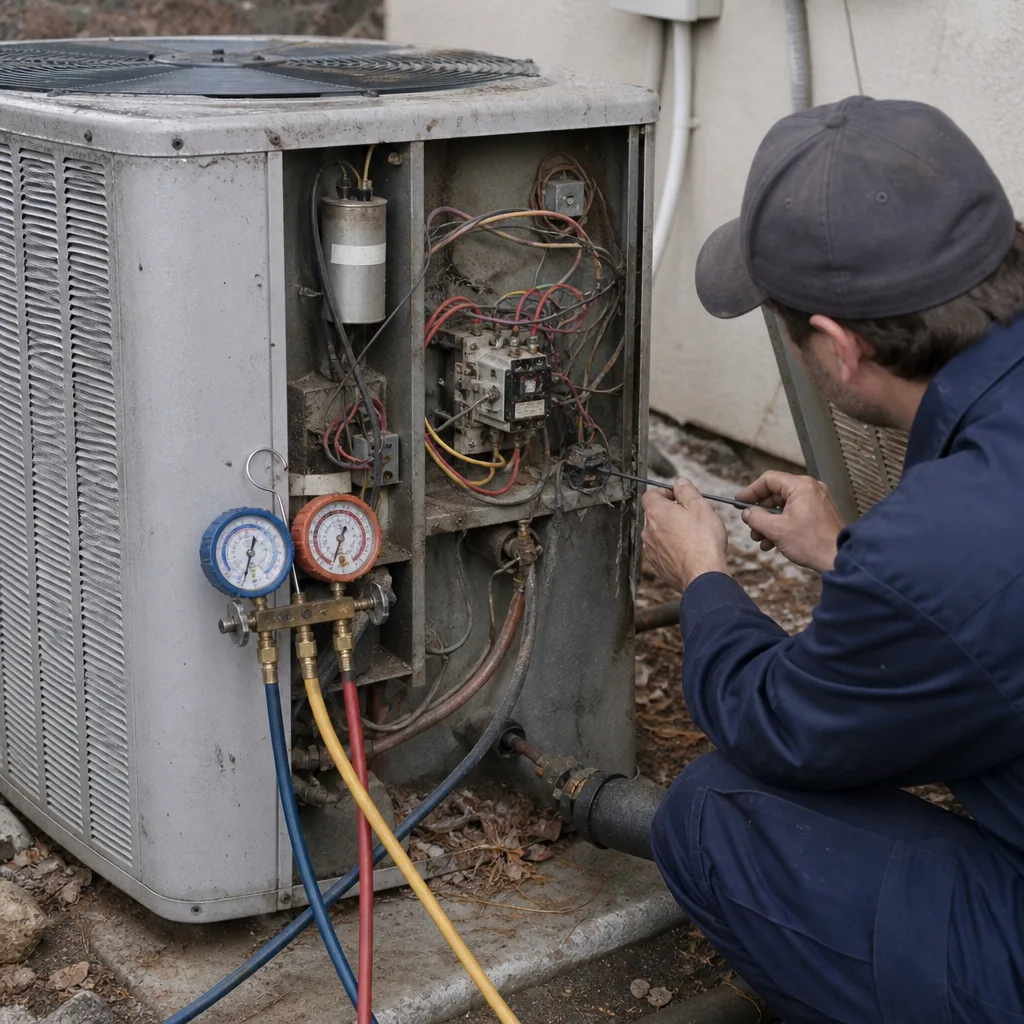 Before
 After
 Before
 After
 Before
 After
Frequently Asked Questions
Partially. Nevada homeowners can legally perform basic maintenance on their own primary residence, including filter changes, coil cleaning, condensate drain clearing, and breaker resets. Anything involving refrigerant handling requires EPA Section 608 certification, and gas line work and electrical work inside the cabinet generally require a licensed C-21 contractor. Work on a rental property or any system you don’t own requires a license.
It can, yes. Most manufacturer parts warranties require that repairs be performed by a licensed contractor, and the manufacturer can deny a claim if the repair record shows non-licensed work. The specific language varies by brand, including Lennox, Goodman, Rheem, and York, so it’s worth reading the warranty paperwork or calling the manufacturer before you open the cabinet. A quick call now beats a denied claim later.
Adding refrigerant without finding the leak is the one that causes the most damage and the most expense. A system that’s low has a leak, and topping it off without repairing the leak means the problem returns, the compressor works harder in the meantime, and the warranty claim gets harder to make. The second most common is replacing a capacitor, contactor, and thermostat in sequence without testing any of them first.
Tell the technician exactly what you replaced, when, and where you bought the part, before the diagnosis starts. There’s no judgment, and knowing what’s been touched keeps the technician from chasing a symptom you already created. The warranty outcome depends on the brand and the specific failure, but an honest account of the repair is the only way to get an accurate answer. Call (888) 570-3601 and we’ll walk through it with you.
Yes, for the basics. Filter changes every 60 to 90 days during cooling season, monthly condenser coil rinsing, and a seasonal condensate line flush with white vinegar are all worth doing yourself. A full tune-up covers more than that, including refrigerant charge verification, electrical testing, and a combustion check on the furnace, and the $89 seasonal tune-up is a reasonable trade against the cost of a missed failure. We also don’t pay technicians on what they sell, so the report you get back tells you what was actually found.
It depends on the age of the system, the size of the leak, and whether the refrigerant is still available. A system over twelve years old with a significant leak, especially one that uses an older refrigerant type being phased out, usually makes replacement the better long-term math. A newer system with a small leak is often a straightforward repair. We’ll give you the repair number and the replacement number side by side so you can see the comparison, and the free second opinion on any written estimate means you can check our math against anyone else’s. For a full picture of what replacement looks like on a heat pump, our heating and furnace service in Mesquite covers the winter side of the same decision.
The Bottom Line
The DIY-versus-professional line in HVAC isn’t really about whether you’re handy. It’s about which tasks carry legal, warranty, or insurance consequences the moment they’re done without a license. Filter changes, coil cleaning, and drain flushing are yours to handle, and you should. Refrigerant, gas, and electrical work inside the cabinet are not, regardless of skill, and the cost of getting that wrong is usually higher than the service call would have been. For everything else, the question is whether the diagnosis is worth paying for. In our experience, across more than four decades of Mesquite service calls, it usually is. Done right, or we make it right, backed in writing for 90 days.
If you’re weighing a repair against a replacement, or you’ve already tried a fix and the system still isn’t right, start with Fireside Heating & Air Co. Mesquite home and give us a call. We’ll tell you what we find, what it costs, and what we’d do if it were our own house.
Call (888) 570-3601 for a free estimate. A live person answers, day or night, including the 2 a.m. no-heat call. We serve Mesquite and the surrounding communities, work on all nine major brands, and we’ll be there when we say.
Written by the team at Fireside Heating & Air Co. Mesquite.