
Last updated November 18, 2026
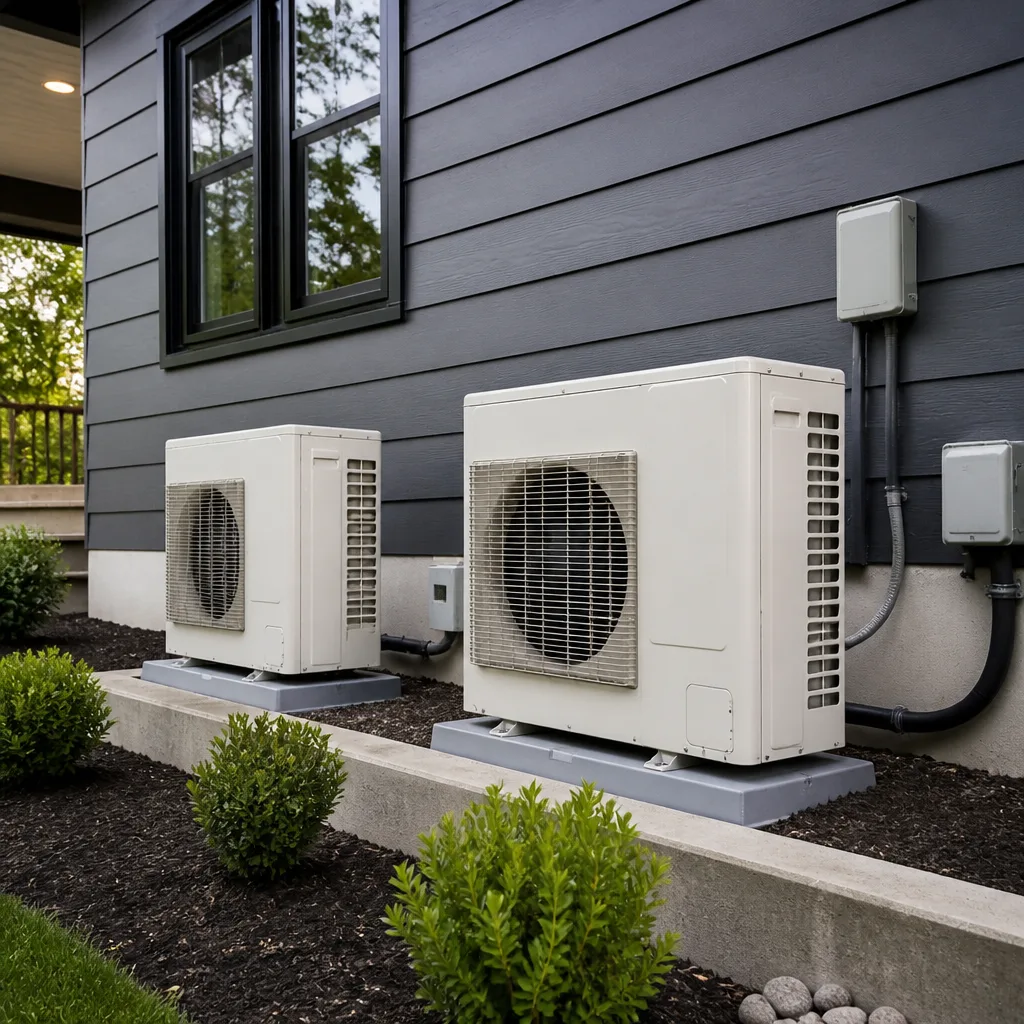 Heat pumps
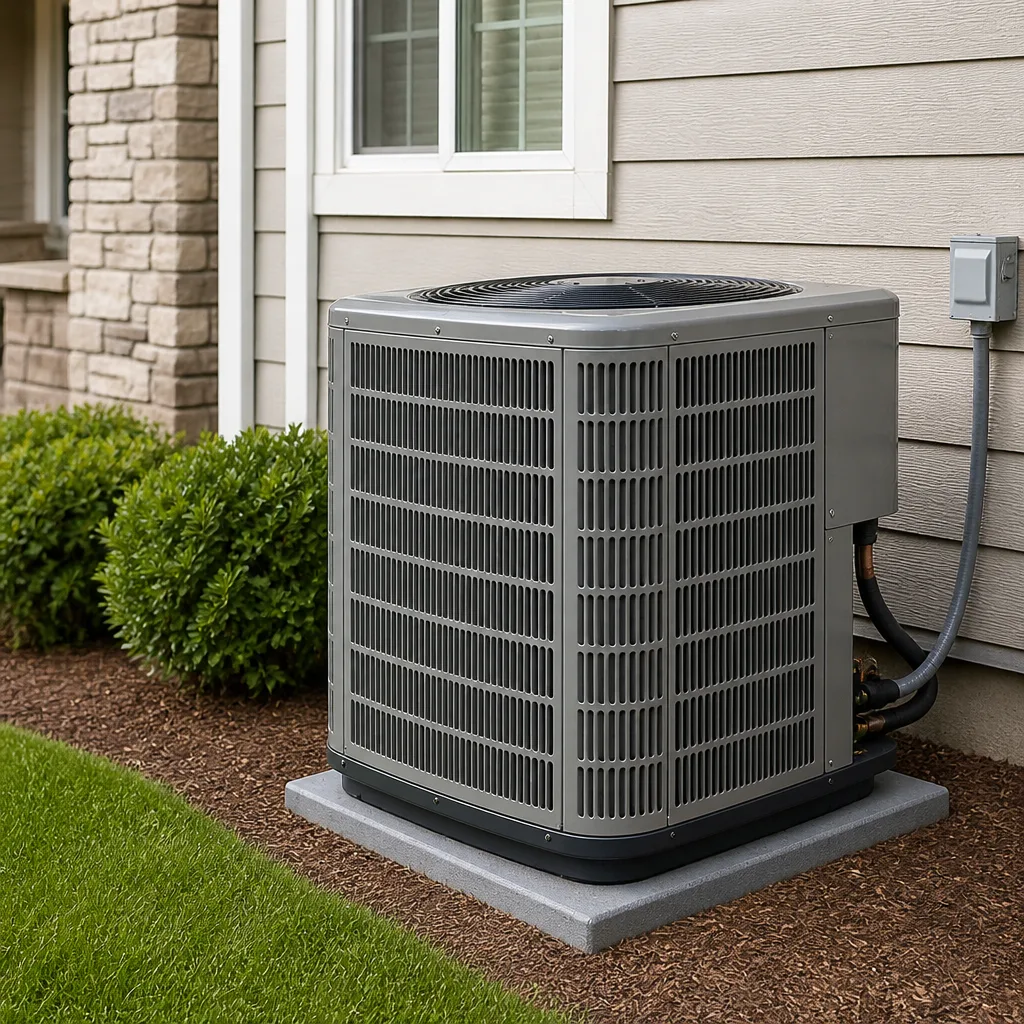 AC repair
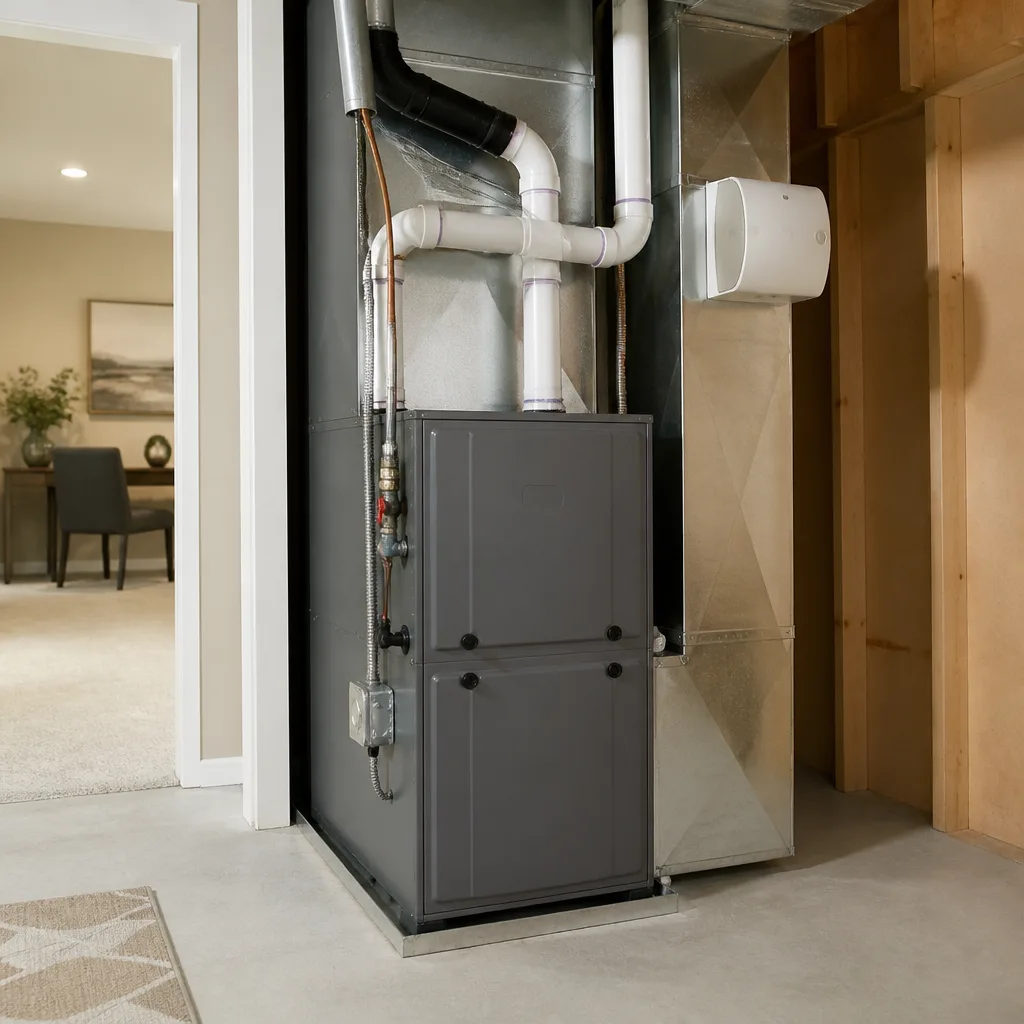 Furnace & heating
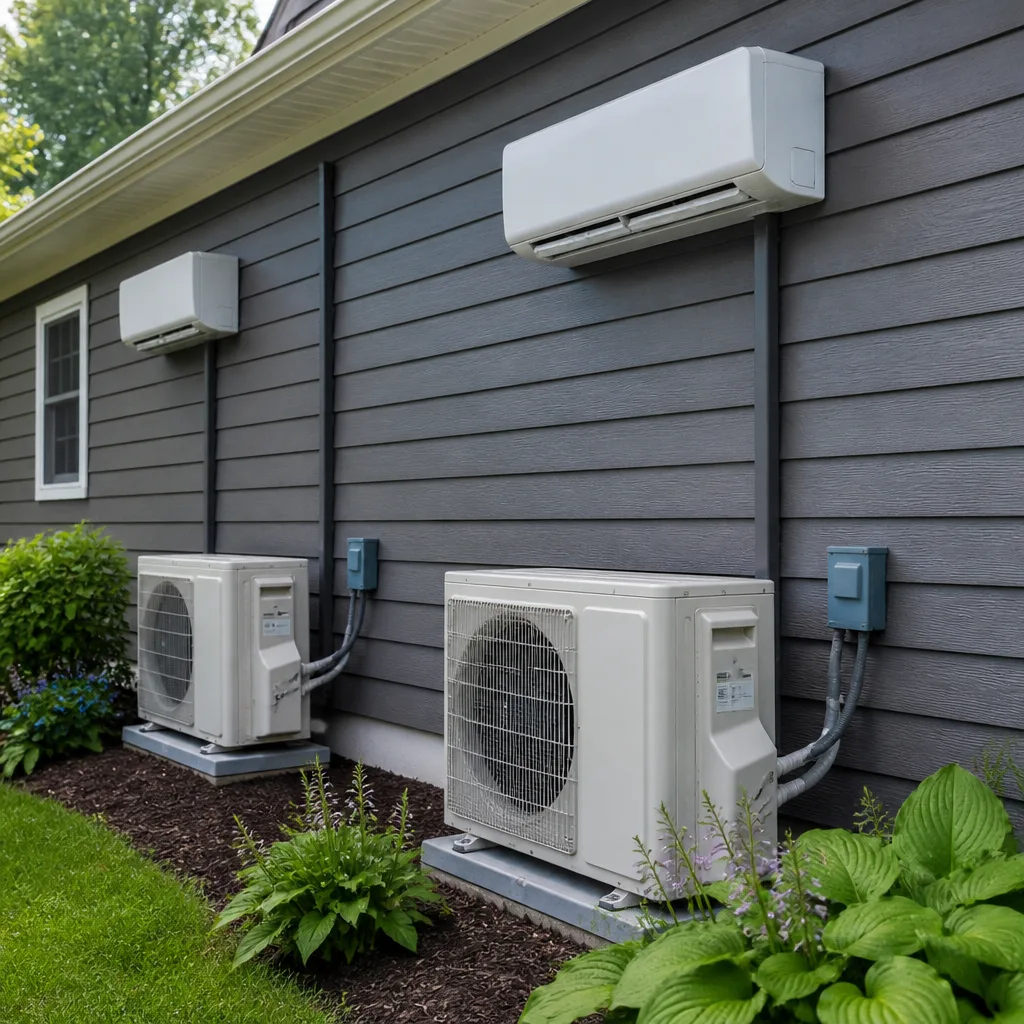 Ductless mini splits
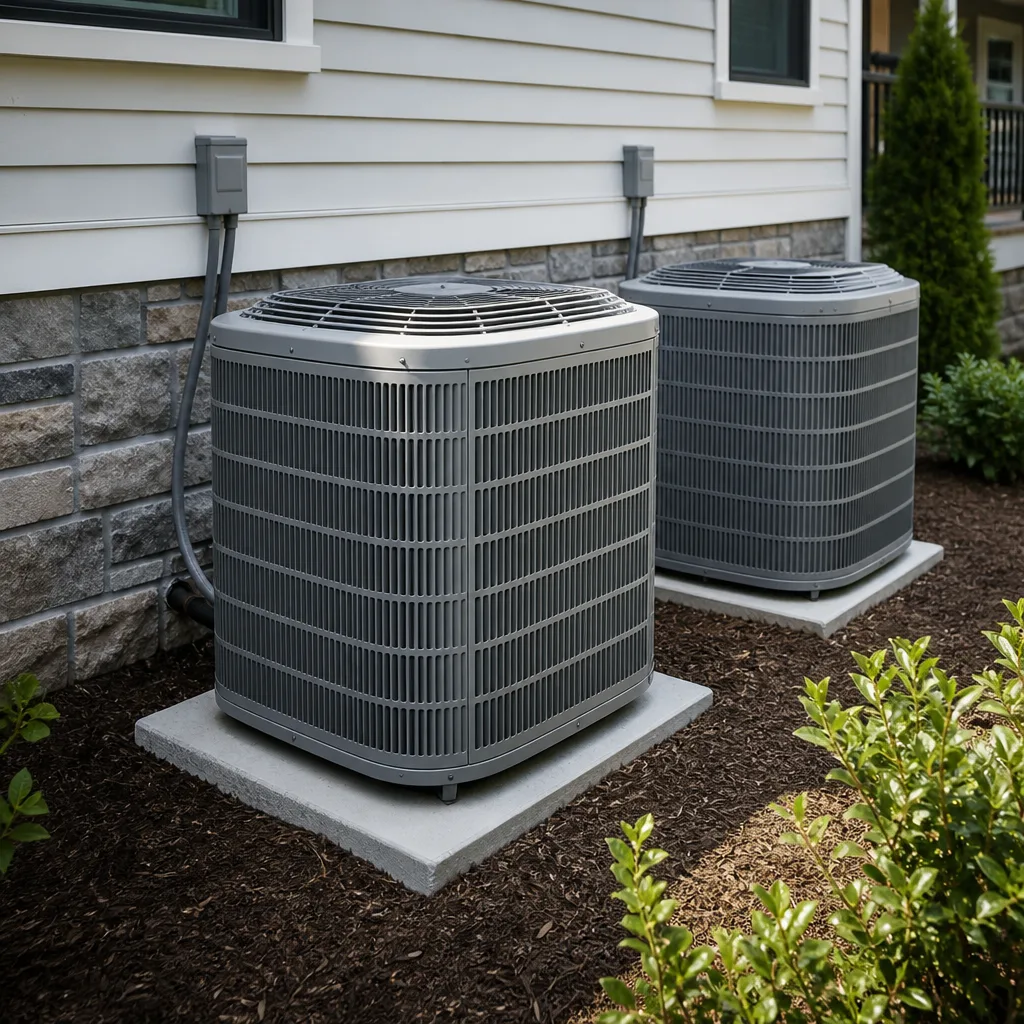 Carrier
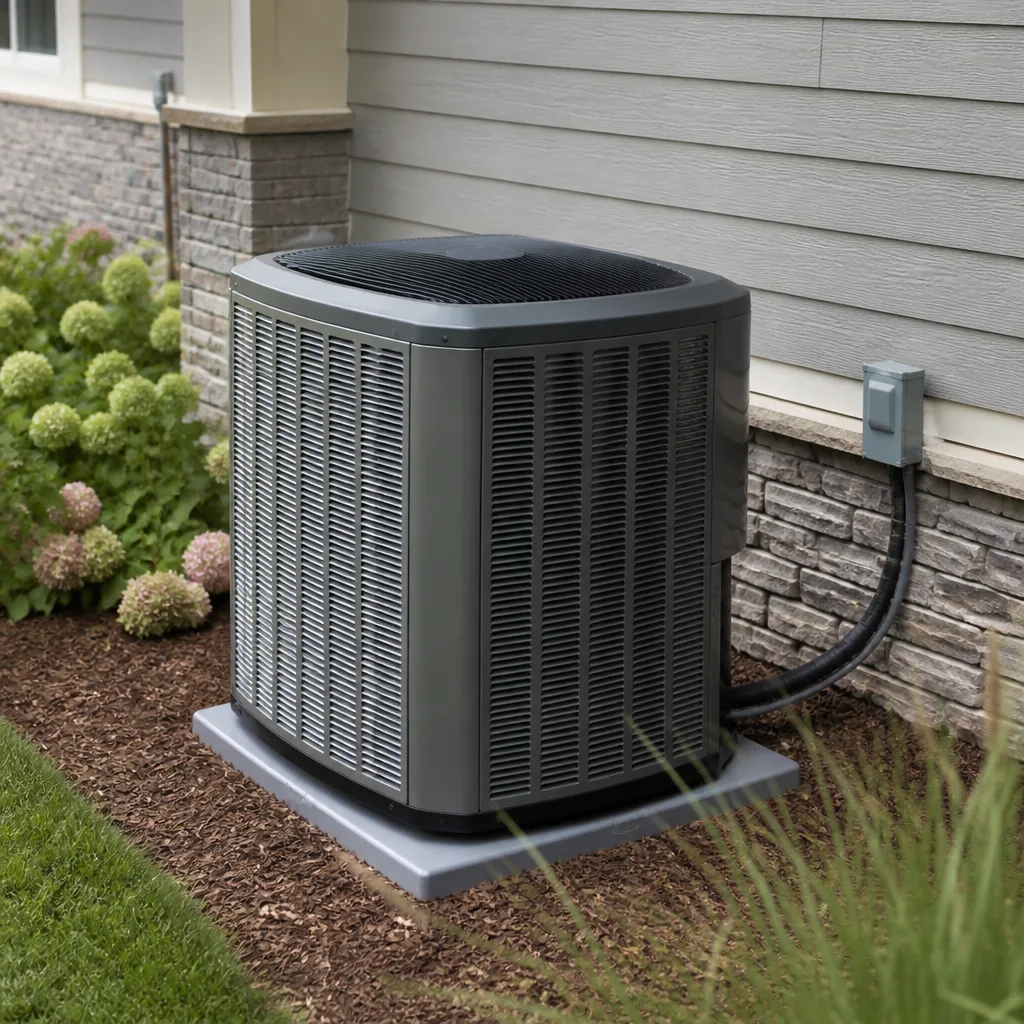 Trane
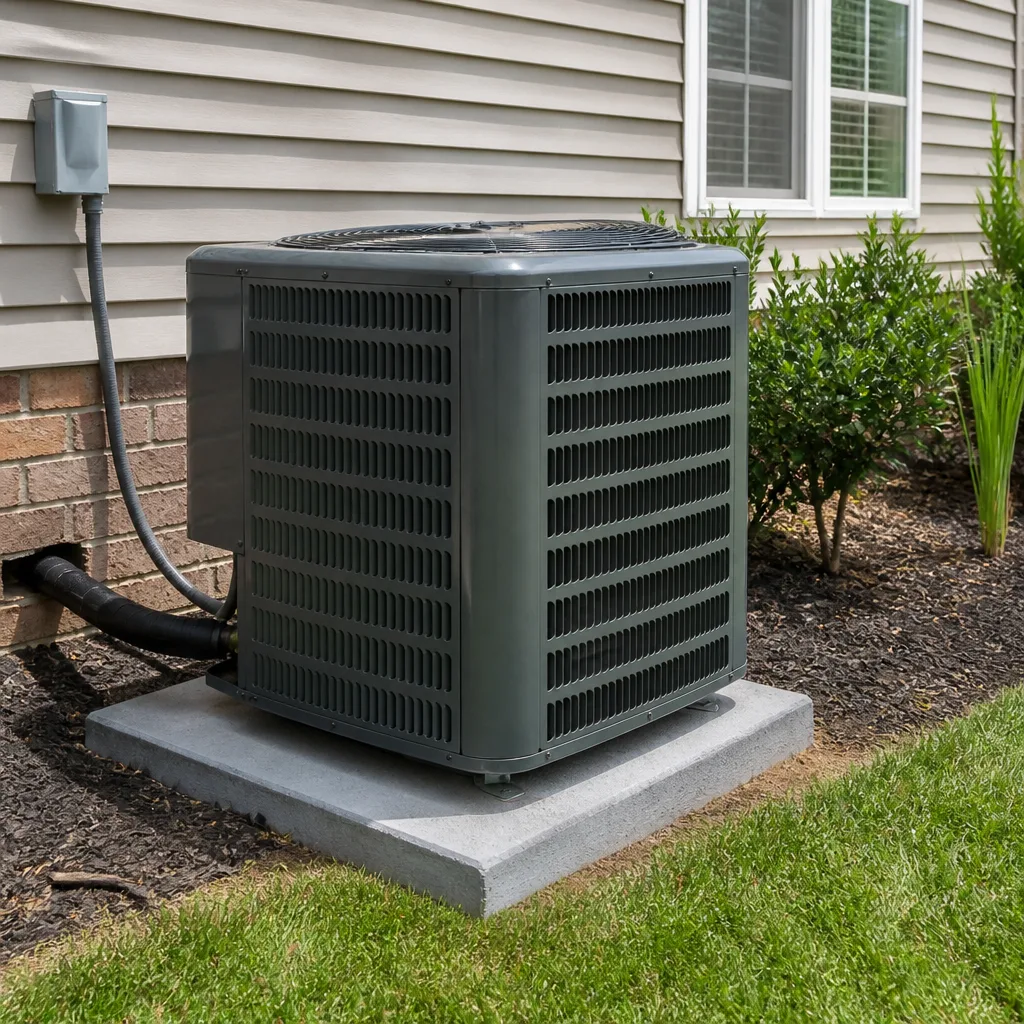 Goodman
Seasonal tune-up and full diagnostic on your Carrier, Trane, or Goodman system - readings shown to you before any repair is proposed
Diagnosis first, numbers second - you approve the repair price before a single part goes in.
Get your free estimateDIY vs Professional Heat Pump & Mini Split: What’s Safe to Do Yourself
Pre-charged line set mini splits really do allow homeowner installation. The manufacturer’s box says so, the big-box store sells the unit on a Saturday morning, and the video makes it look like hanging a ceiling fan. Then the lineset gets kinked rounding a corner, the vacuum isn’t held long enough, or the electrical rough-in doesn’t pass inspection. Now the warranty is void, the contractor charges more to fix someone else’s work, and the money you saved is gone. We’ve walked into that scene more times than we can count in Mesquite. This guide draws an honest line between what a capable homeowner can do safely and legally and what belongs to a licensed trade, and it explains where amateur installs fail three years later and what those failures cost.
Quick Answer
A homeowner can safely handle wall penetrations, mounting brackets, condensate routing, and filter maintenance on a heat pump or mini split. Everything past that – brazing and pressure-testing the refrigerant lines, pulling a deep vacuum, and doing the electrical rough-in to code – requires HVAC licensure and an electrical permit in Nevada. Skipping those steps voids most manufacturer warranties and can leave your homeowner’s insurance with an exclusion for the very equipment you installed. So the honest answer to DIY vs professional mini split installation is this: the mechanical prep is yours if you want it, and the sealed system is not.
Styles & brands we work with
- AC repair
- Furnace & heating
- Heat pumps
- Ductless mini splits
- Carrier
- Trane
- Goodman
Table of Contents
- Where we draw the line in Nevada
- The warranty question nobody reads until it costs them
- Brazing, vacuum, and moisture: the failure that shows up in year three
- Nevada electrical requirements and your homeowner’s insurance
- The tasks that are genuinely reasonable to do yourself
- What an amateur install actually costs versus a professional quote
- Common mistakes to avoid
- Frequently asked questions
Where We Draw the Line in Nevada
Nevada draws a clearer line than most homeowners expect. HVAC work that touches refrigerant is licensed contracting, full stop. Electrical work past a certain scope needs a permit and inspection. And mini split manufacturers increasingly require licensed installation documentation to honor a warranty claim. That’s three separate reasons the same step – connecting the refrigerant lines – isn’t a homeowner task, no matter what the marketing implies.
Here’s the split we use when a Mesquite homeowner asks us where to stop:
- Homeowner-safe: cutting and framing the wall penetration, mounting the indoor and outdoor brackets, running the condensate drain line, hanging the unit, replacing and cleaning filters, clearing debris around the outdoor unit.
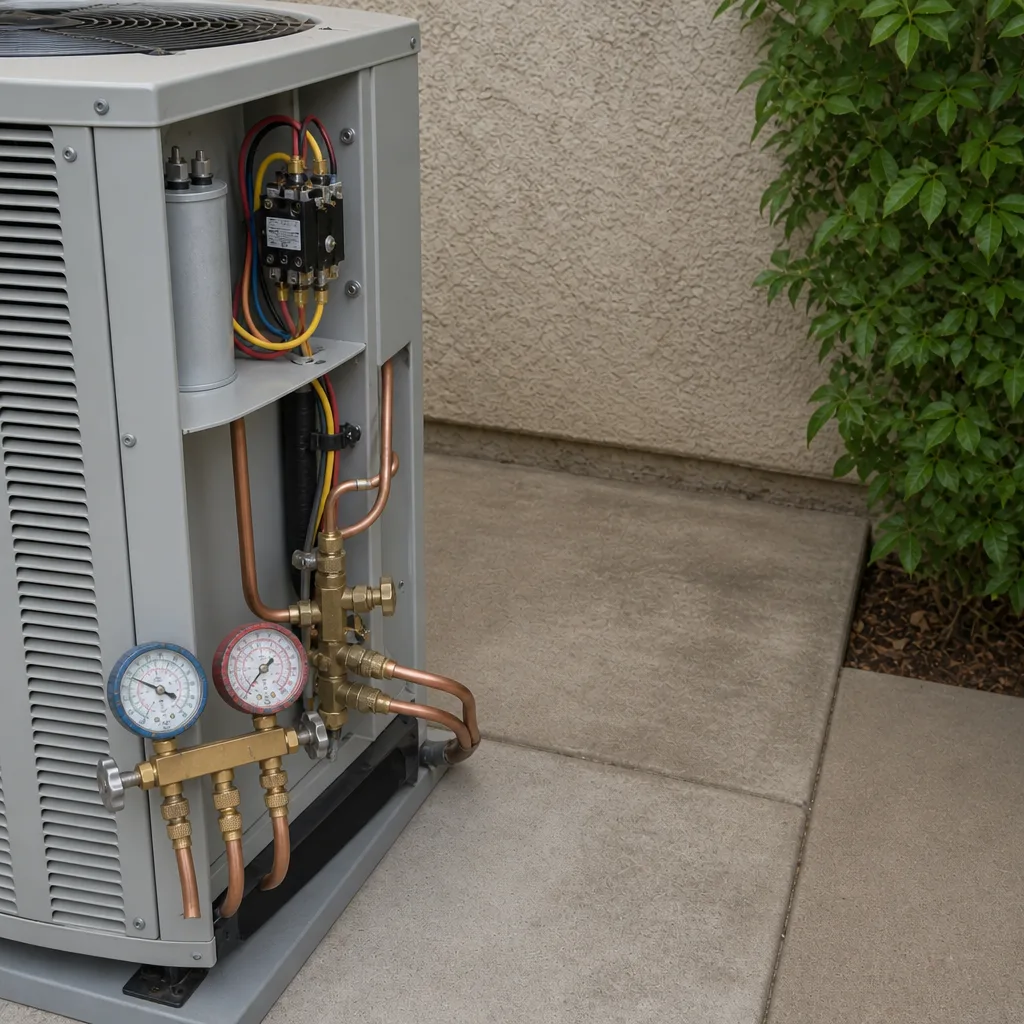
- Licensed trade: brazing the copper lineset, nitrogen pressure testing, pulling and holding a deep vacuum, charging refrigerant, commissioning the system.
- Permitted electrical: running a dedicated circuit from the panel, installing the disconnect, connecting line voltage to the outdoor unit.
In Nevada, the state licensing board treats refrigerant handling as the work of a licensed HVAC contractor, and local electrical inspectors expect a permit for a new dedicated circuit like a mini split’s. Mesquite sits in Clark County, and the inspection process is real. An unpermitted circuit that later causes a fire, or a refrigerant connection that leaks, is exactly the kind of thing an insurance adjuster asks about after the fact. If you have questions about what your specific install needs, our Heat Pump & Mini Split in Mesquite page walks through the equipment side, and we’re always happy to talk through the permit picture on a free estimate.
The Warranty Question Nobody Reads Until It Costs Them
Most mini split manufacturers require proof of licensed installation for a warranty claim. That clause sits in the fine print, and it doesn’t matter until year two or three when the compressor fails and you call for coverage. The claims department asks who installed the system and for the contractor’s license number and the startup documentation. A homeowner install usually has none of that, and the claim gets denied.
We’ve watched this play out with more than one brand. A homeowner buys a Trane or a Goodman unit on sale, installs it over a weekend, and the system runs fine for a season. Then a leak develops at a flare connection or the compressor starts short-cycling, and the repair estimate arrives with the news that the parts warranty doesn’t apply. A new compressor for a typical residential mini split isn’t a small number, and replacing one because the warranty was voided is the worst version of saving money.
What licensed installation actually buys you, beyond the labor:
- Startup documentation the manufacturer accepts for a warranty claim.
- A pressure test and vacuum log showing the system was sealed correctly.
- A contractor standing behind the work, so a failure in the first months is their problem, not yours.
When we install a system in Mesquite, the 90-Day Done Right Promise covers the work in writing. If it isn’t done right, we make it right – no paperwork, no arguing. That’s a different kind of guarantee than a manufacturer warranty, and together they’re what makes a system worth owning long term.
Brazing, Vacuum, and Moisture: The Failure That Shows Up in Year Three
This is the technical step most DIY installs get wrong, and it doesn’t announce itself. Moisture left in the refrigerant lines combines with refrigerant oil to form acids inside the system. Those acids slowly eat at the compressor’s internal components and break down the oil. The system runs fine on day one, then runs a little less fine by year two, then the compressor fails somewhere in year three. You never see the moisture. You just get the bill.
The correct procedure is not complicated to describe and hard to do without the right tools:
- Brazing the copper lines with a nitrogen purge flowing through the pipe to prevent oxidation inside the lineset.
- Pressure testing the system with dry nitrogen to confirm there are no leaks at the joints and flares.
- Pulling a deep vacuum with a proper pump and holding it long enough to confirm the system is dry – typically well past the point most DIY videos show.
- Releasing the refrigerant charge and commissioning the system, checking pressures and temperatures against the manufacturer’s specs.
A cheap vacuum pump, a manifold gauge set without a micron gauge, and a YouTube tutorial do not get you to step three with any confidence. The most common amateur failure we see in Mesquite is a lineset kinked rounding a tight corner in a garage or along an exterior wall. A kinked line restricts flow, the system underperforms, and by the time anyone diagnoses it the refrigerant has to be recovered and the lineset replaced. That repair costs more than the original professional installation would have. In a desert climate where the system runs hard from May through September, a struggling compressor fails faster than it would somewhere milder. The heat is unforgiving of shortcuts.
Nevada Electrical Requirements and Your Homeowner’s Insurance
A mini split needs a dedicated circuit, and in Nevada that means a permit and an inspection in most jurisdictions. The circuit runs from your panel to a disconnect near the outdoor unit, sized to the equipment’s nameplate. If your panel is older or already near capacity – common in the established Mesquite neighborhoods where homes have been occupied for decades – the panel itself may need attention before the mini split can go in at all.
An unpermitted electrical install is where the insurance question gets serious. If a fire traces back to a circuit that was never inspected and permitted, the adjuster will ask who did the work and whether it was licensed. The answer can determine whether the claim is paid. That’s a risk most homeowners never consider when they’re looking at a Saturday project, and it’s the one we hear about only after something goes wrong. Panel and wiring work is genuinely dangerous, and we mean that plainly: it’s not a place for a homeowner with a voltage tester and good intentions. A licensed electrician or a licensed HVAC contractor handling the electrical side is the only way to keep that risk off your policy.
If you need the heating side of the system looked at too, our Heating & Furnace in Mesquite page covers what we do there, and we handle the electrical coordination on every install.
The Tasks That Are Genuinely Reasonable to Do Yourself
We aren’t going to tell you nothing is a homeowner job. Plenty is, and doing those parts yourself saves real money without putting your warranty or your safety at risk. Here’s what a capable homeowner can handle in Mesquite without a license or a permit:
- Wall penetration and framing. Cutting the hole for the lineset and condensate drain, then framing and sealing it properly against weather and pests. In our climate, sealing against wind-driven dust and summer heat matters more than most guides mention.
- Mounting brackets. Hanging the indoor head on the wall bracket and setting the outdoor unit on a pad or brackets, leveled and clear of debris.
- Condensate routing. Running the drain line with the correct fall so water exits and doesn’t back up. In Mesquite’s dry heat the condensate load is lighter than in humid climates, but a slope that’s wrong still causes water damage inside the wall.
- Filter maintenance. Cleaning or replacing filters every month or two during cooling season. This is the single best thing a homeowner can do to protect a mini split’s efficiency.
- Clearing the outdoor unit. Keeping leaves, dust, and debris away from the outdoor coil so it can breathe.
Do those, and you’ve done meaningful work. Leave the sealed system and the panel to a licensed pro and you’ve protected the part of the investment that’s hardest to replace.
What an Amateur Install Actually Costs Versus a Professional Quote
The professional quote looks bigger on day one and is usually the smaller number over three years. The amateur route hides costs that surface later:
- Voided warranty: a compressor replacement with no coverage is often the largest single line item.
- Kinked or leaking lineset: recovery, new lineset, and recharge runs well past what a pro install would have charged for the whole job.
- Electrical rework: an electrician to correct an unpermitted circuit, plus the permit and inspection you skipped.
- Re-doing installation labor: paying a licensed contractor to fix someone else’s work costs more than a clean install would have.
We quote a fixed, upfront price on every job – the price quoted is the price paid, full stop. No surprise charges when the job turns out to be harder than expected. If you’ve already had a written estimate from another company, we’ll give you a free second opinion on it. That’s a standing offer, not a sales tactic. Our AC Repair & Installation in Mesquite page covers the cooling side of the same work.
Common Mistakes to Avoid
- Skipping the permit to save a Saturday. An unpermitted circuit can complicate an insurance claim and will surface at resale. The inspection is there to protect you, not slow you down.
- Not holding the vacuum long enough. A quick pull that “looks fine on the gauge” leaves moisture in the lines, and the compressor fails years later with no obvious cause. Use a micron gauge and hold it.
- Kinking the lineset on a tight bend. We see this most in garages and along exterior walls in Mesquite. Once copper kinks, it’s done.
- Assuming the warranty covers a homeowner install. Read the fine print before you buy. Most manufacturers require licensed installation documentation.
- Oversizing the unit. A bigger mini split isn’t better. Oversized equipment short-cycles, doesn’t dehumidify properly, and wears out faster. Load calculation matters in our climate as much as anywhere.
- Ignoring the panel. An older panel that’s already near capacity can’t safely carry a new dedicated circuit without attention. Check before you buy.
- Letting the outdoor coil clog with dust. In a dusty, windy town, the outdoor unit needs regular clearing. Neglect it and efficiency drops quietly.
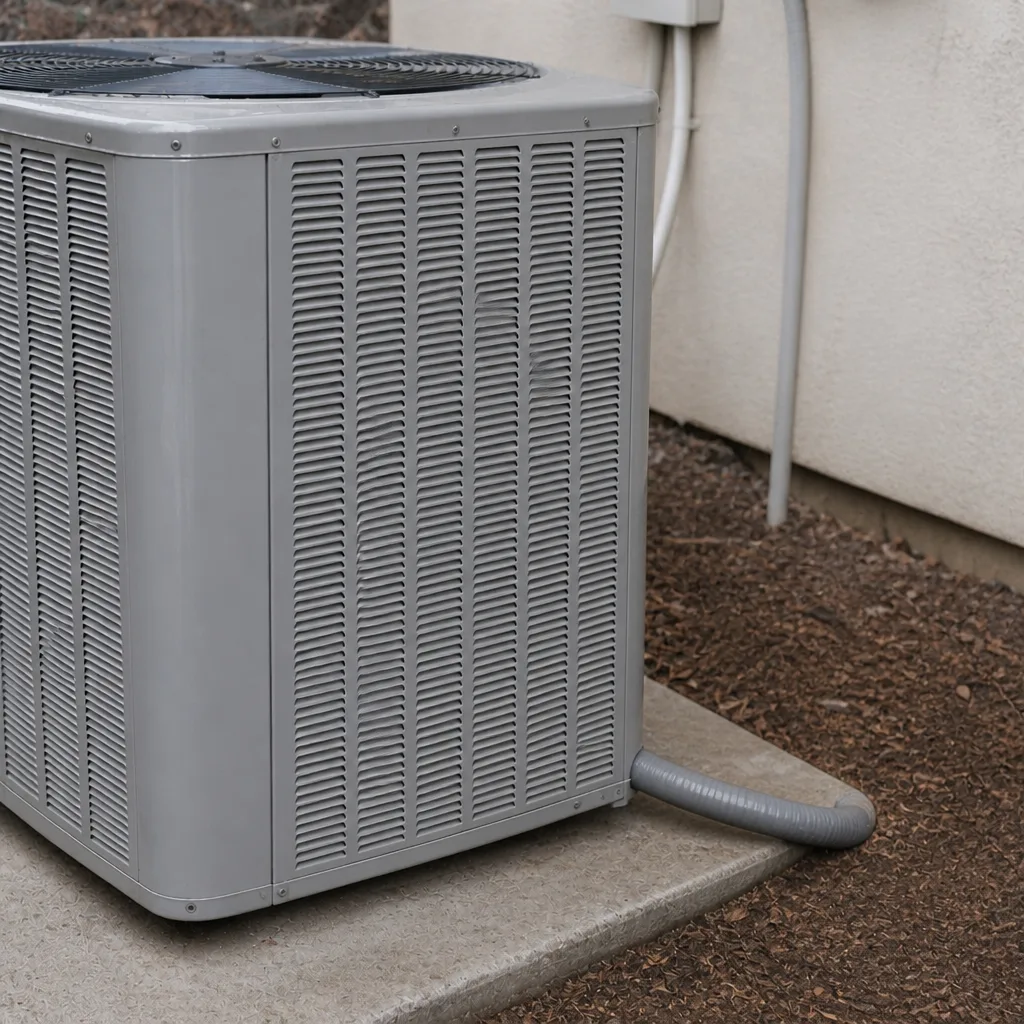
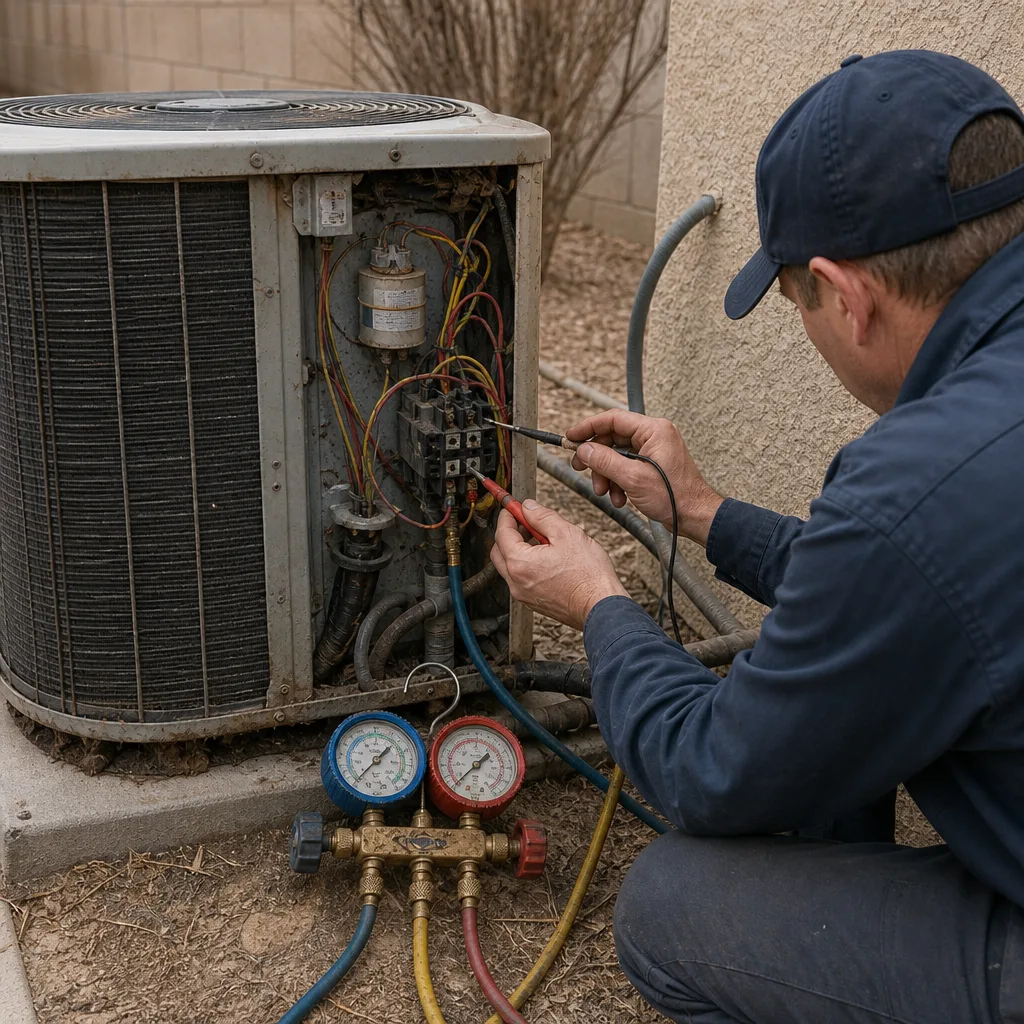
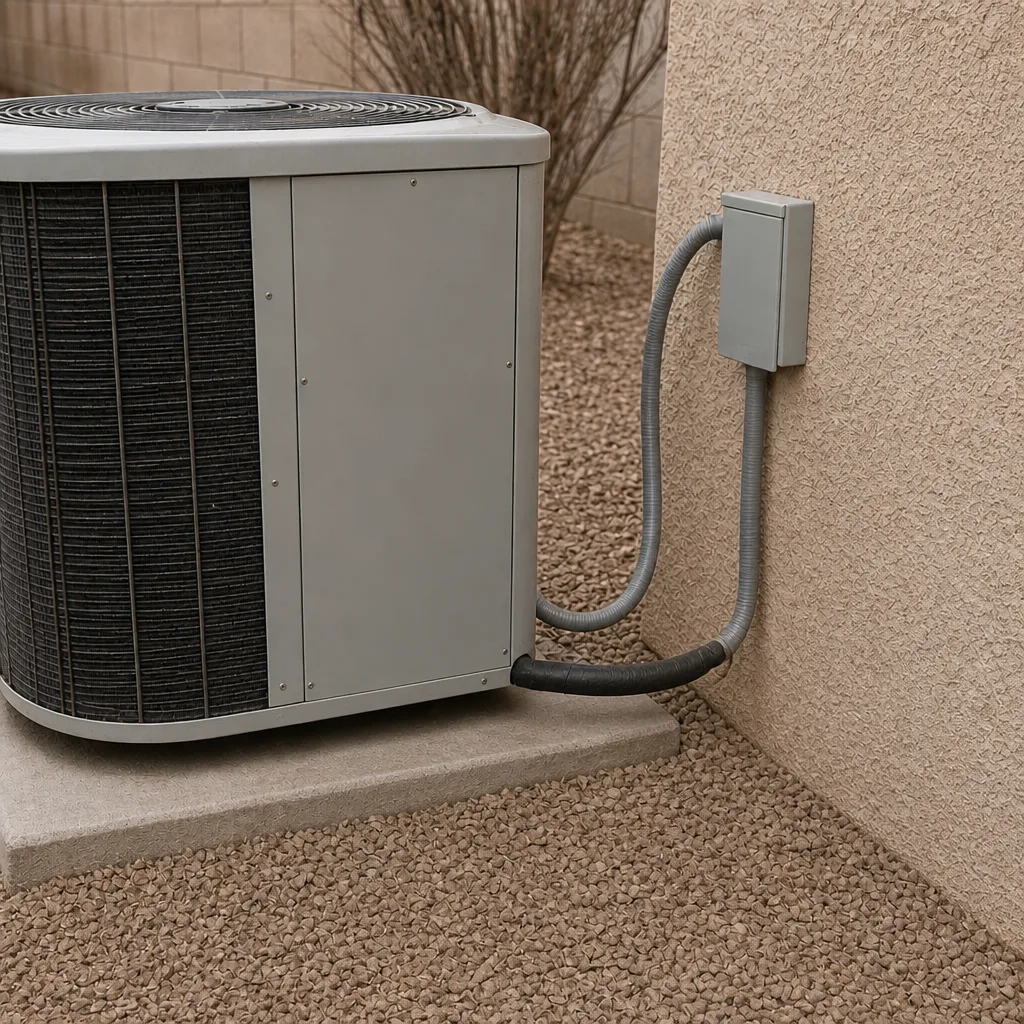
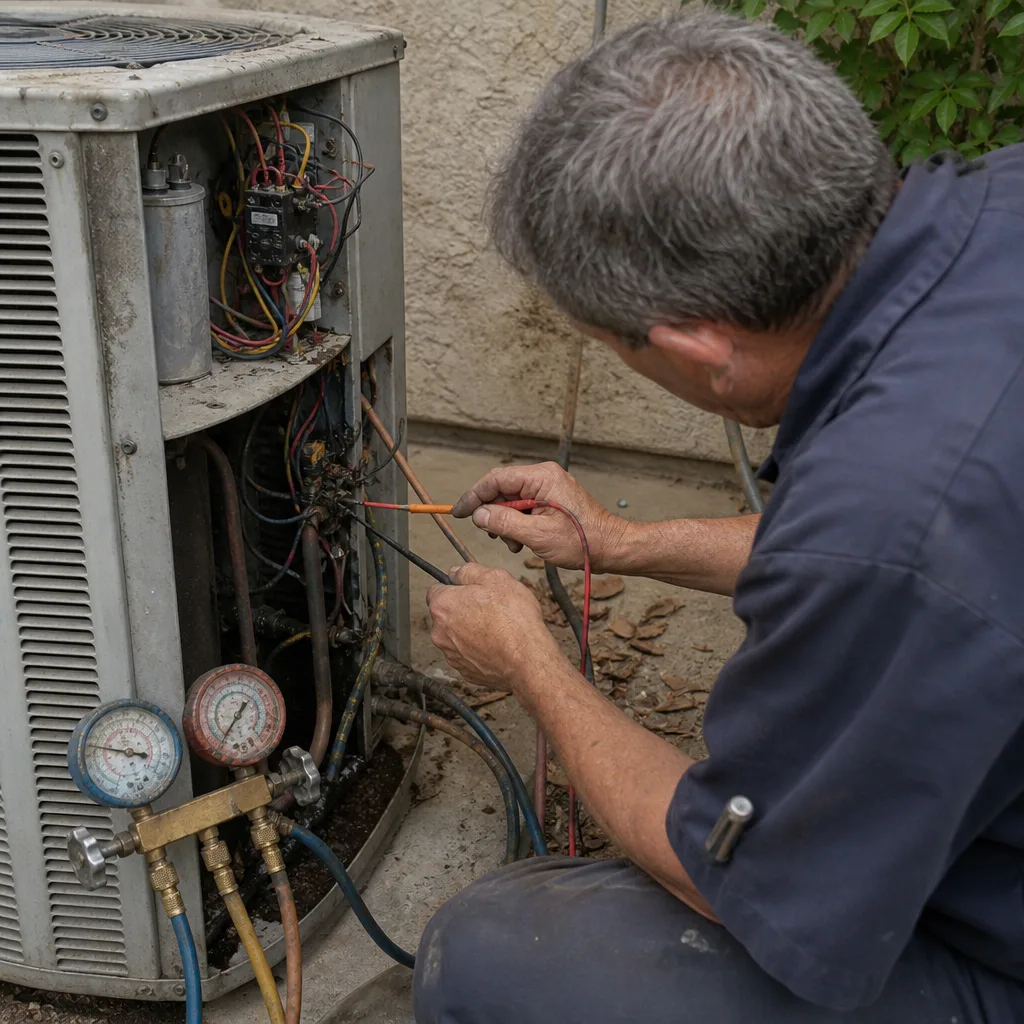
See the difference
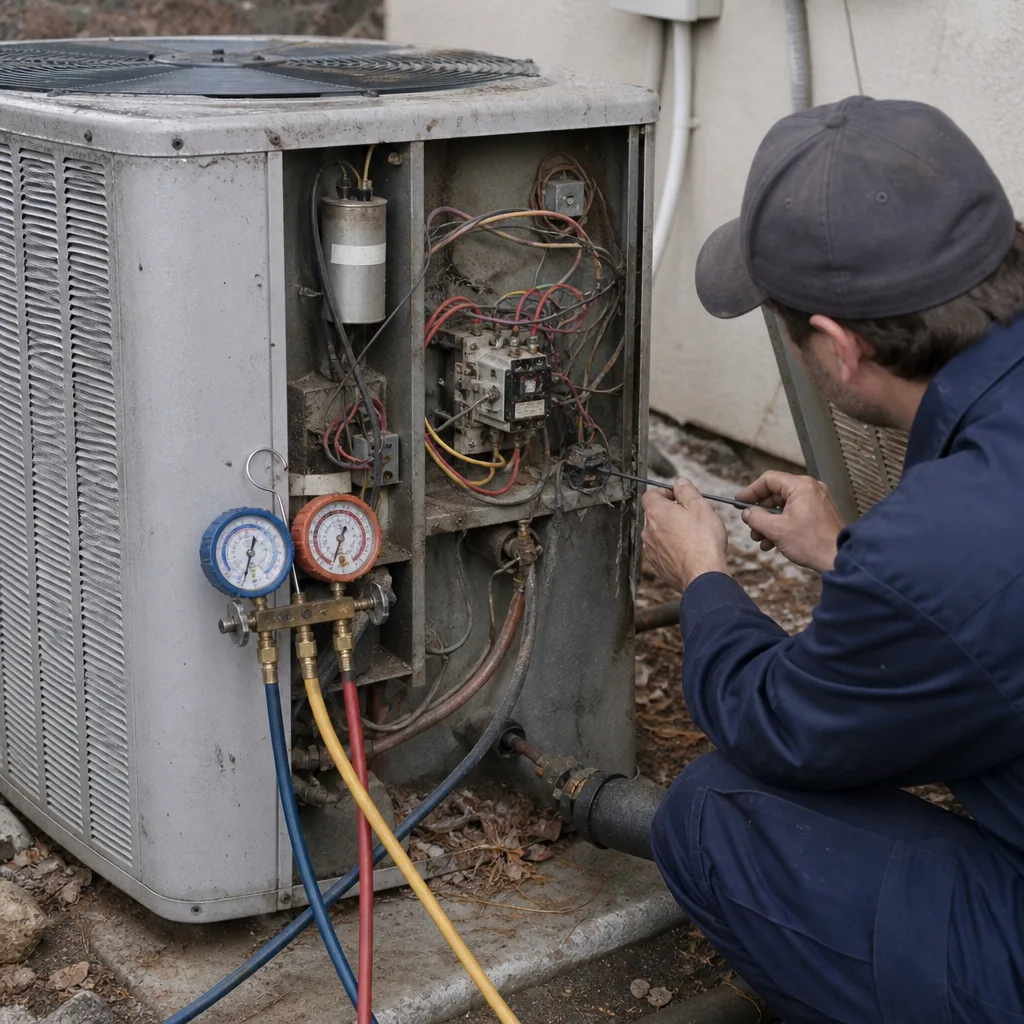 Before
 After
 Before
 After
 Before
 After
When to Call a Professional
Call a licensed professional the moment the job touches refrigerant, the panel, or anything that needs an inspection. That means brazing and pressure testing the lineset, pulling the deep vacuum, running the dedicated circuit, and commissioning the system. It also means any repair inside the sealed system, any electrical work beyond swapping a filter, and any time you’re unsure whether a step in your tutorial is code-compliant where you live. If you’re in Mesquite and a DIY install has already gone sideways, we can assess what’s salvageable and quote a straight fix. Fireside Heating & Air Co. Mesquite offers free estimates in Mesquite – call (888) 570-3601 and a live person answers, day or night.
Frequently Asked Questions
No, not the full installation. You can handle the mounting, wall penetration, and condensate routing, but the refrigerant work and the electrical circuit require HVAC licensure and an electrical permit in Nevada. Doing the sealed-system and electrical steps yourself voids most manufacturer warranties and can leave your insurance with an exclusion.
Usually, yes. Most manufacturers require proof of licensed installation for a warranty claim, and a homeowner install typically has no contractor license number or startup documentation to show. The claim gets denied, and the repair bill lands on you.
Moisture stays in the refrigerant lines, combines with oil and refrigerant to form acids, and slowly damages the compressor. The system runs fine for a year or two, then the compressor fails. It’s the most expensive mistake a DIY install can make because it doesn’t show up until the damage is done.
For the electrical circuit, yes, in most jurisdictions in Nevada. A new dedicated circuit needs a permit and inspection. An unpermitted install can complicate a homeowner’s insurance claim and will surface during a home sale. The inspection is there to protect you.
Wall penetration and framing, mounting the indoor and outdoor brackets, running the condensate drain with the right fall, and filter maintenance. Those are real tasks and doing them saves money without voiding your warranty. The sealed system and the panel stay with a licensed pro.
If the system is past its service life and facing a major compressor or coil repair, replacement usually wins on total cost. If it’s a smaller repair on a younger system, repair is often the right call. We’ll give you a straight answer either way on a free estimate – call (888) 570-3601 and we’ll come look.
The Bottom Line
The DIY mini split market sells plug-and-play, and that’s true for part of the job. You can mount the unit, cut the wall, and route the drain. You cannot legally or safely braze the lineset, pull the deep vacuum, or run the dedicated circuit in Nevada – and doing so voids most warranties and can cost you on insurance. The professional quote is the smaller number over three years. If you want the job done right the first time and backed in writing, that’s what we do. Visit our Fireside Heating & Air Co. Mesquite home page to see the full picture, or call and let’s talk it through.
For a free estimate on a heat pump or mini split installation in Mesquite, call Fireside Heating & Air Co. at (888) 570-3601. A live person answers every call, day or night – never a voicemail tree. We’ll send out a technician who takes off his boots at the door and gives you a fixed, upfront price you can count on. The price quoted is the price paid, and every job is backed by our 90-Day Done Right Promise in writing. Done right – or we make it right.
Written by the team at Fireside Heating & Air Co. Mesquite.