
Last updated November 18, 2026
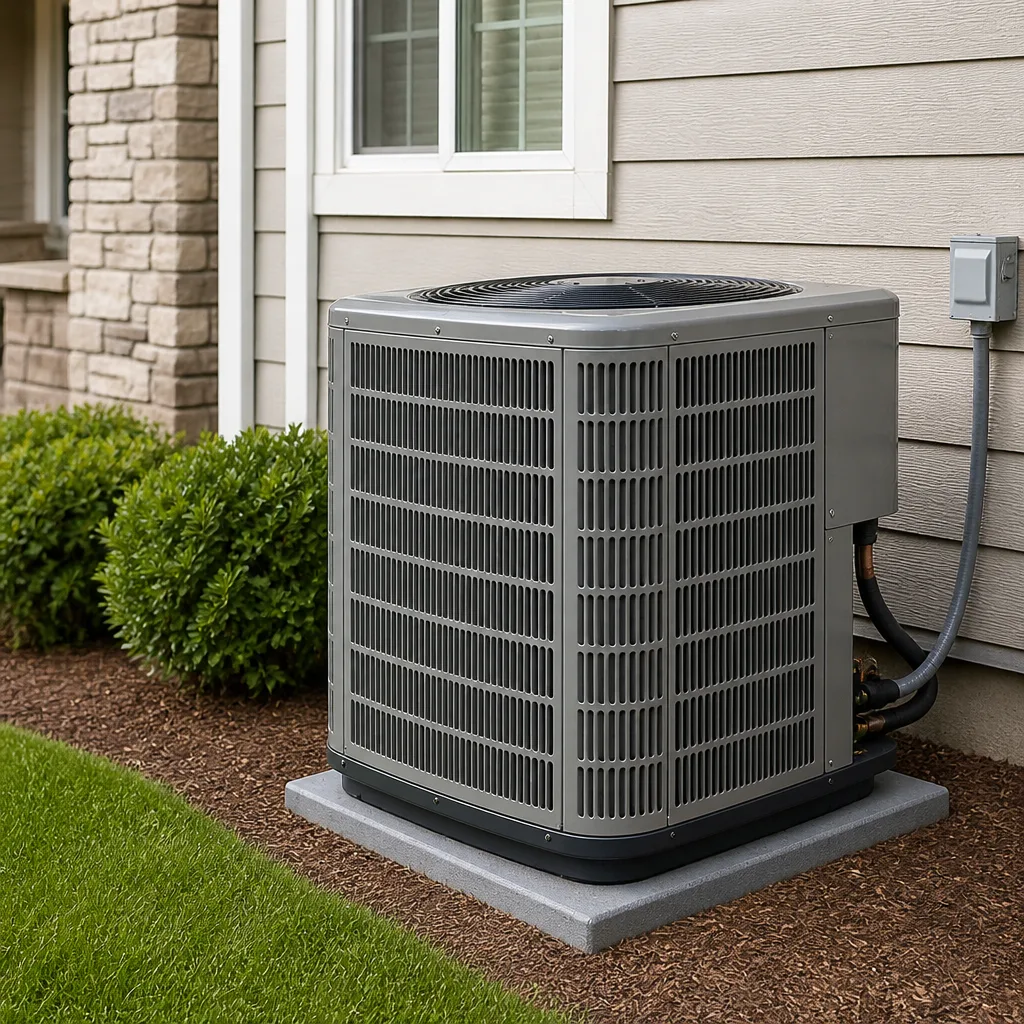 AC repair
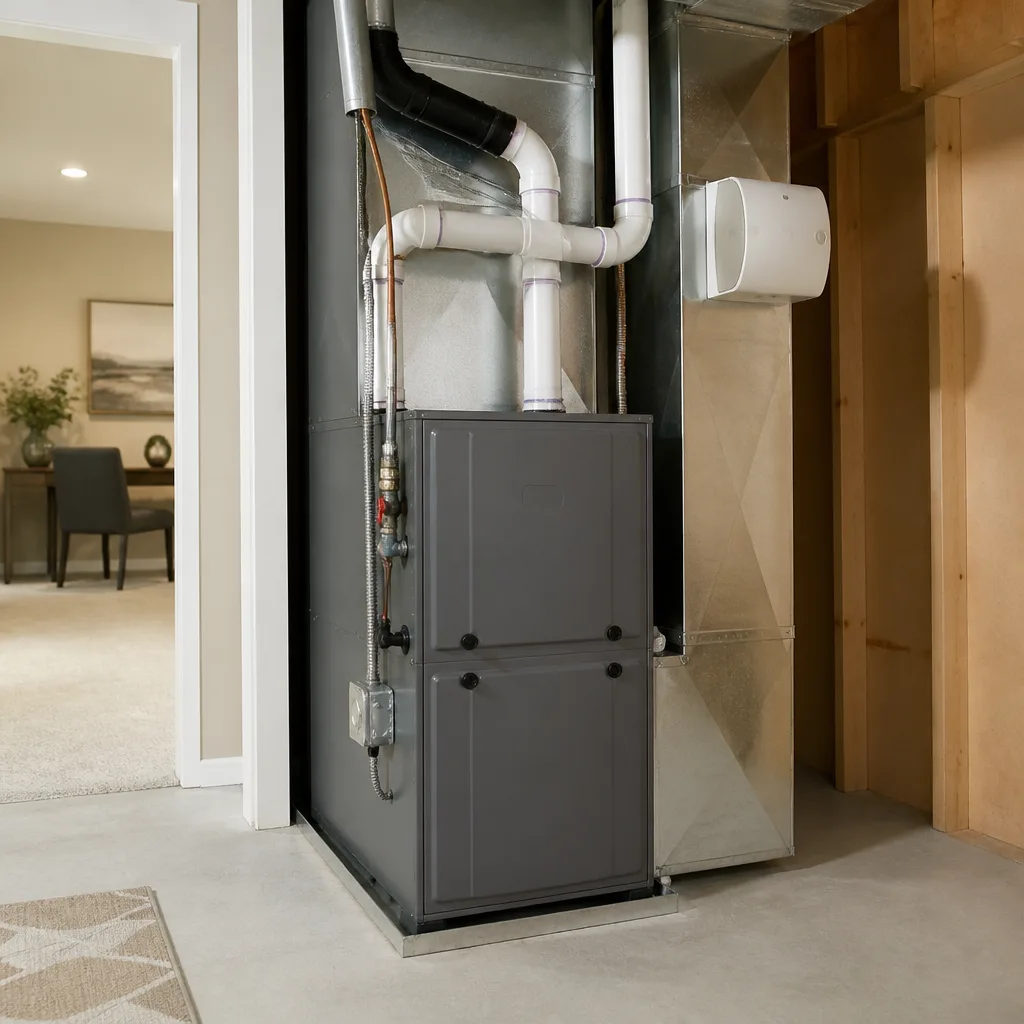 Furnace & heating
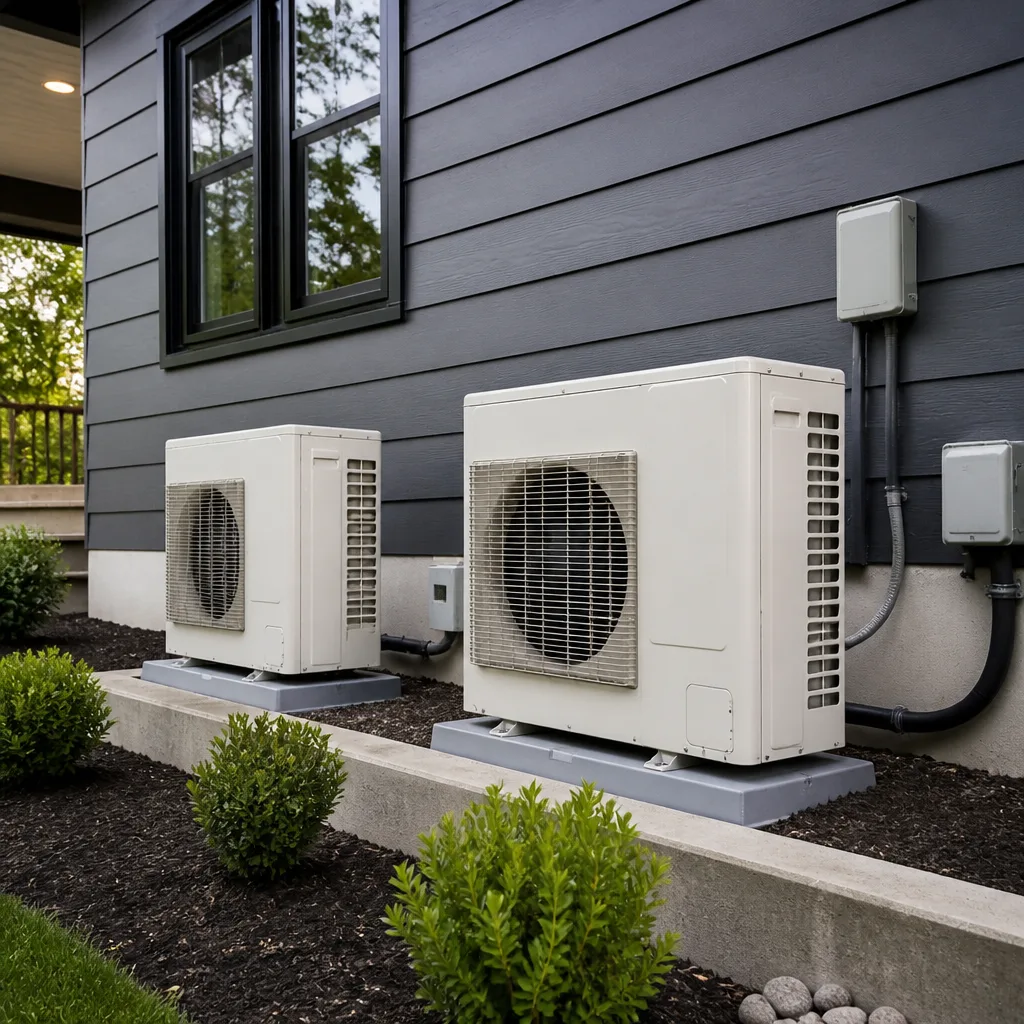 Heat pumps
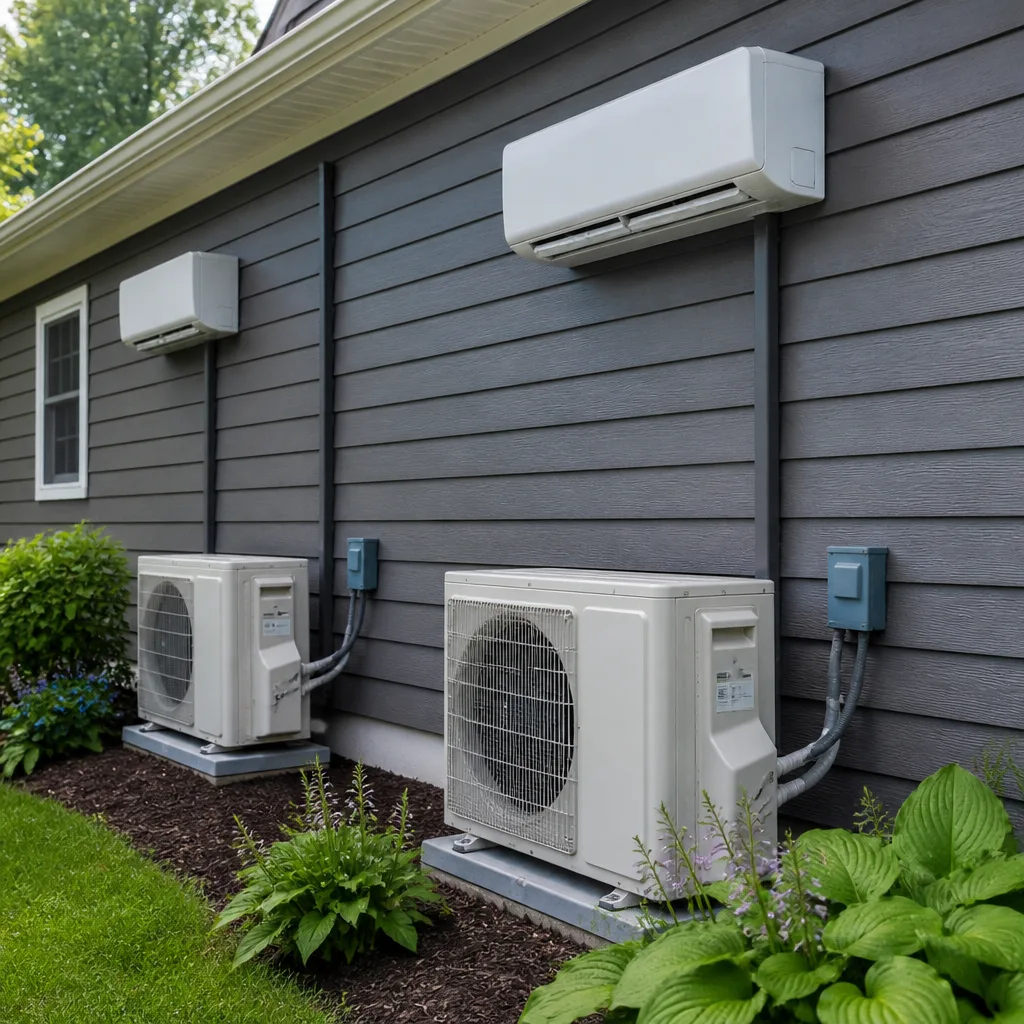 Ductless mini splits
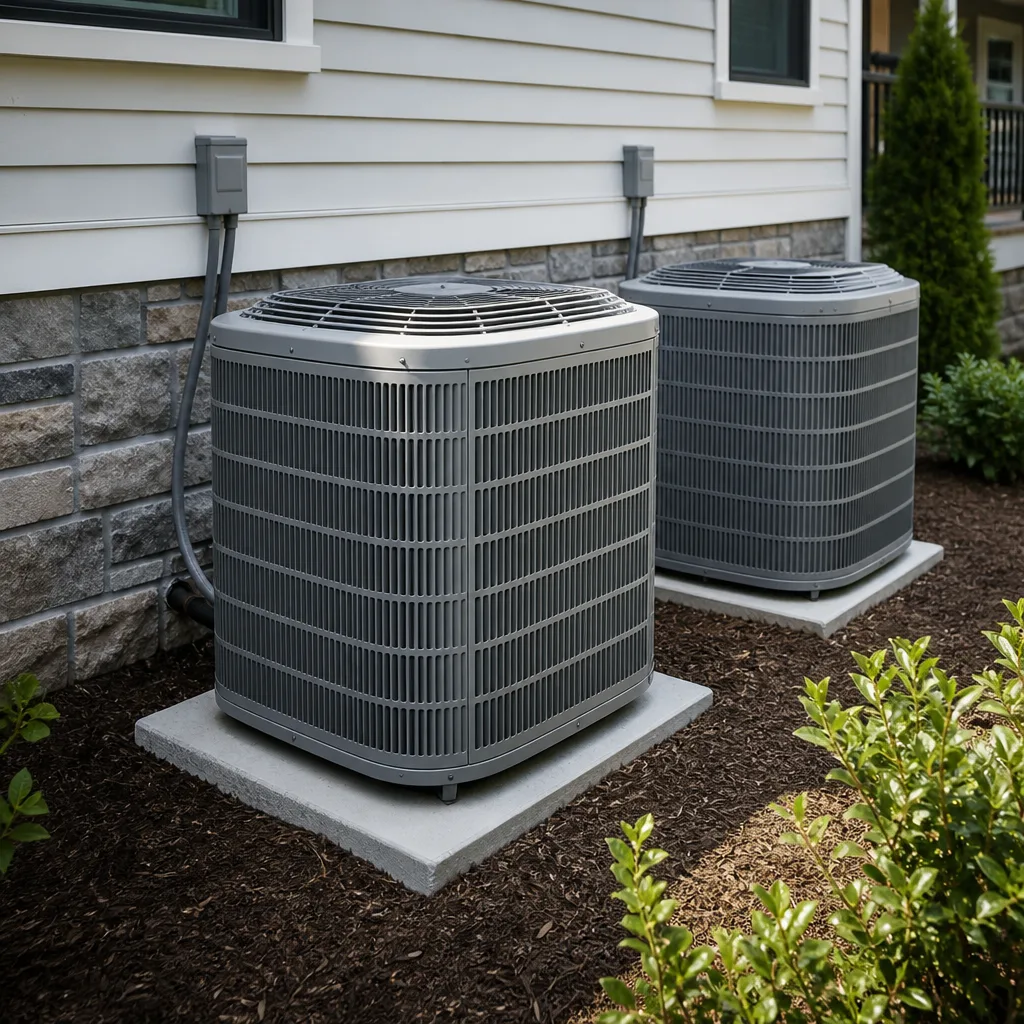 Carrier
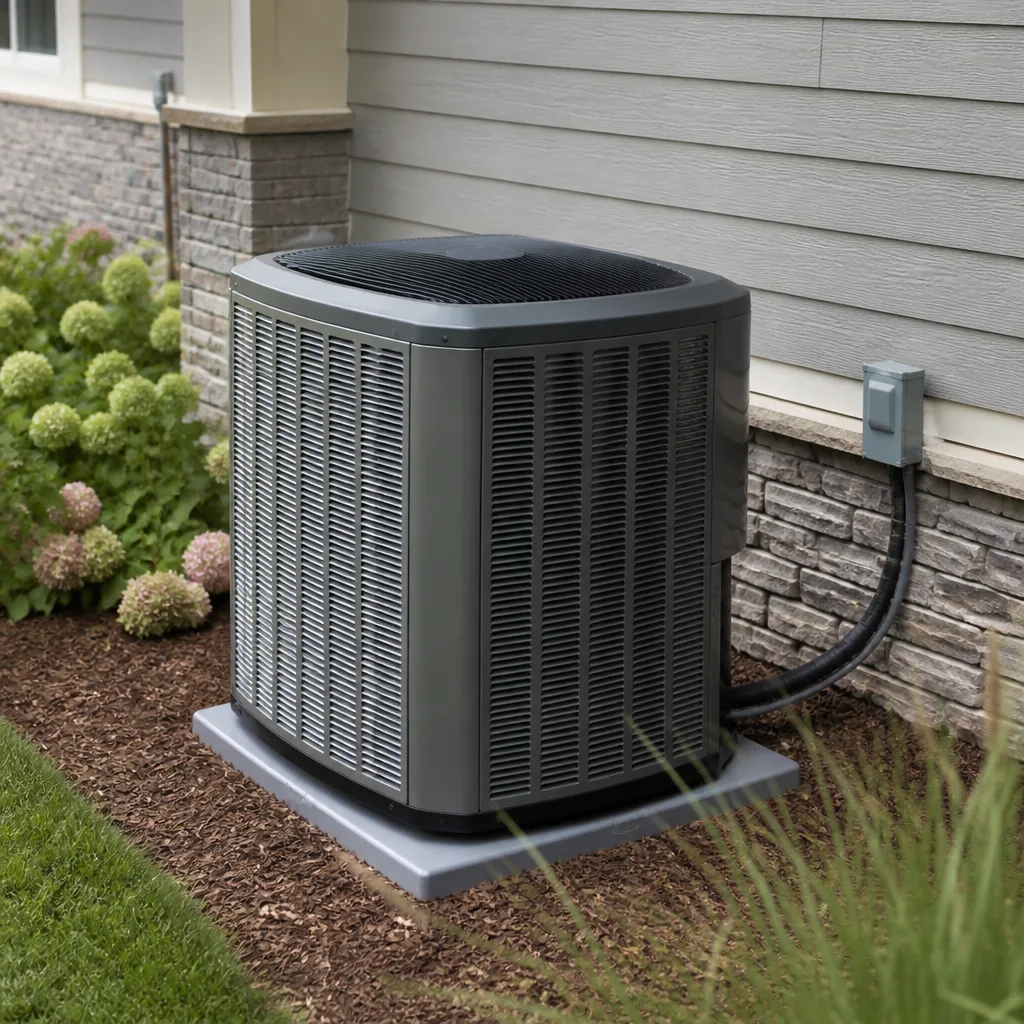 Trane
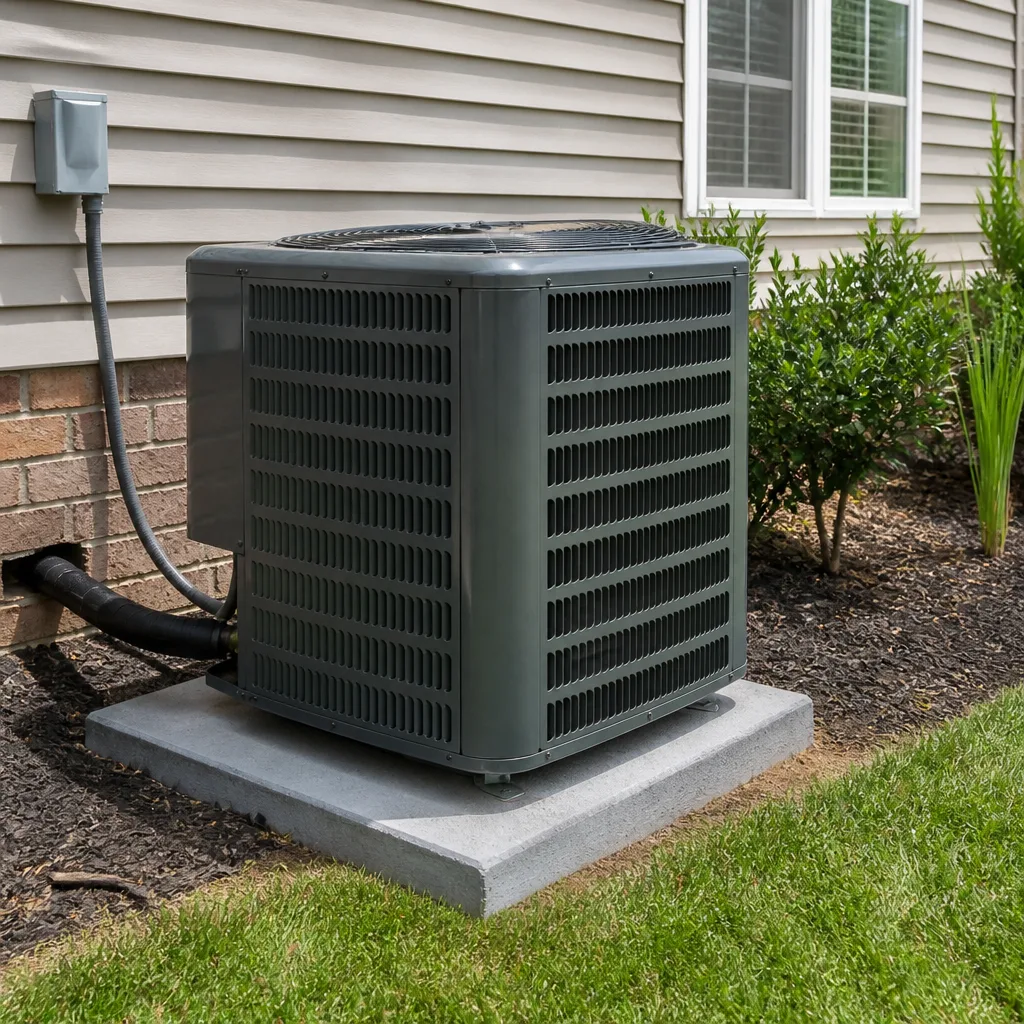 Goodman
Seasonal tune-up and full diagnostic on your Carrier, Trane, or Goodman system - readings shown to you before any repair is proposed
Diagnosis first, numbers second - you approve the repair price before a single part goes in.
Get your free estimateDIY vs Professional AC Repair & Installation: What’s Safe to Do Yourself
Handling refrigerant without an EPA Section 608 certification is a federal violation. Not a voided warranty. Not a gray area. A federal violation, enforceable with fines that run into the tens of thousands of dollars per day. And yet dozens of YouTube tutorials show homeowners cracking open a system and “topping off” the charge like it’s a lawnmower. That gap between what’s legal and what’s posted online is where people get hurt, both financially and legally. This guide draws a hard, honest line. We’ll show you exactly what you can safely and legally do yourself, what requires a licensed technician, and where the risk actually lives. We’re Fireside Heating & Air Co., and we’ve watched enough Mesquite homeowners learn this the expensive way to have an opinion worth sharing.
Quick Answer
You can legally and safely change air filters, swap a thermostat, reset a tripped breaker, and clear a clogged condensate line yourself. Everything else on the cooling side – refrigerant handling, electrical work inside the air handler, brazing, compressor diagnosis, and full system installation – requires an EPA Section 608 certification, a licensed electrician, or both. The dividing line isn’t difficulty. It’s the law, plus the real risk of serious injury or a very expensive mistake.
Styles & brands we work with
- AC repair
- Furnace & heating
- Heat pumps
- Ductless mini splits
- Carrier
- Trane
- Goodman
Table of Contents
- Where the Legal Line Actually Falls
- What You Can Legally and Safely Do Yourself
- Refrigerant and the EPA Section 608 Rule
- Why Electrical Work Inside the Air Handler Is a Licensed Job
- Warranty Language That Voids Coverage for Unlicensed Service
- The Real Cost-Benefit of DIY Maintenance
- Why Installation Is Never a Do-It-Yourself Project
- Common Mistakes to Avoid
- When to Call a Professional
Where the Legal Line Actually Falls
Most DIY-versus-pro conversations frame the choice as money versus risk. That framing undersells it. Around air conditioning, the more useful frame is legal versus illegal, because federal law doesn’t care whether you were careful.
The Clean Air Act, through EPA regulations, restricts who may handle ozone-depleting refrigerants and their substitutes. Section 608 of that rule requires certification for anyone who sells, installs, services, or disposes of equipment containing regulated refrigerants. There is no homeowner exemption for “just a small top-off.” The vehicle for enforcement is real: fines for knowingly violating the refrigerant rules can reach tens of thousands of dollars per day, per violation.
On the electrical side, Nevada requires licensed electricians for work on permanent wiring. Your air handler, condenser, and disconnect box all sit behind that requirement. Even when the fix looks like two wires and a wire nut, the licensing law and the fire risk both apply. That’s why “the job looked simple” has never been a defense anyone successfully used after a panel arc or a fried control board.
The rest of this guide moves through the line task by task, from the things you can knock out on a Saturday morning to the work that needs a truck, gauges, and a certificate. If you’d rather skip ahead, the AC repair and installation page for Mesquite lays out how we handle the professional side of this in your community.
What You Can Legally and Safely Do Yourself
Here’s the good news: the everyday maintenance tasks that prevent most AC breakdowns fall squarely on your side of the line. None of them require a certification, and all of them are things we’d encourage you to handle, especially in a place like Mesquite where a 105-degree afternoon leaves no margin for a neglected system.
These tasks are yours to do:
- Changing the air filter. Every 30 to 90 days depending on dust, pets, and whether you’re in a newer build near the mesa or an older home closer to downtown. In Mesquite, spring winds push fine dust in from the surrounding desert, so many of our customers at this address are on the 30-day end of the schedule during March through May.
- Swapping a thermostat. A straightforward thermostat replacement on a standard low-voltage system is safely within reach if you kill power at the breaker first and match the wire labels exactly.
- Resetting a tripped circuit breaker. One reset is fine. Reset, then a second reset that trips again means something downstream is wrong, and that’s your cue to stop.
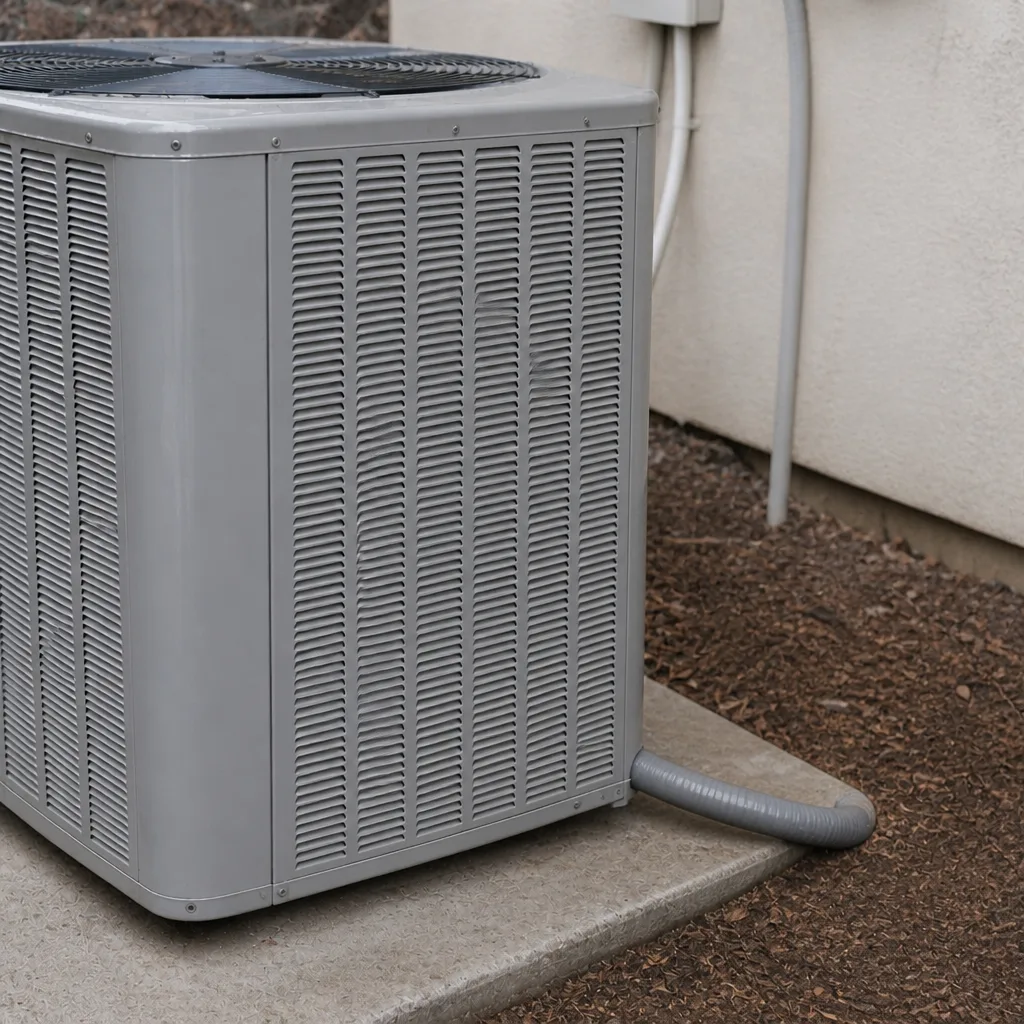
- Clearing a clogged condensate line. A wet/dry vacuum on the exterior drain or a gentle flush with distilled water clears the algae that clogs drain lines in the desert heat. Check the drain pan while you’re there.
- Washing the outdoor condenser coils. A garden hose on the fins, power off, from the outside in. Keep the pressure gentle. Bent fins reduce airflow.
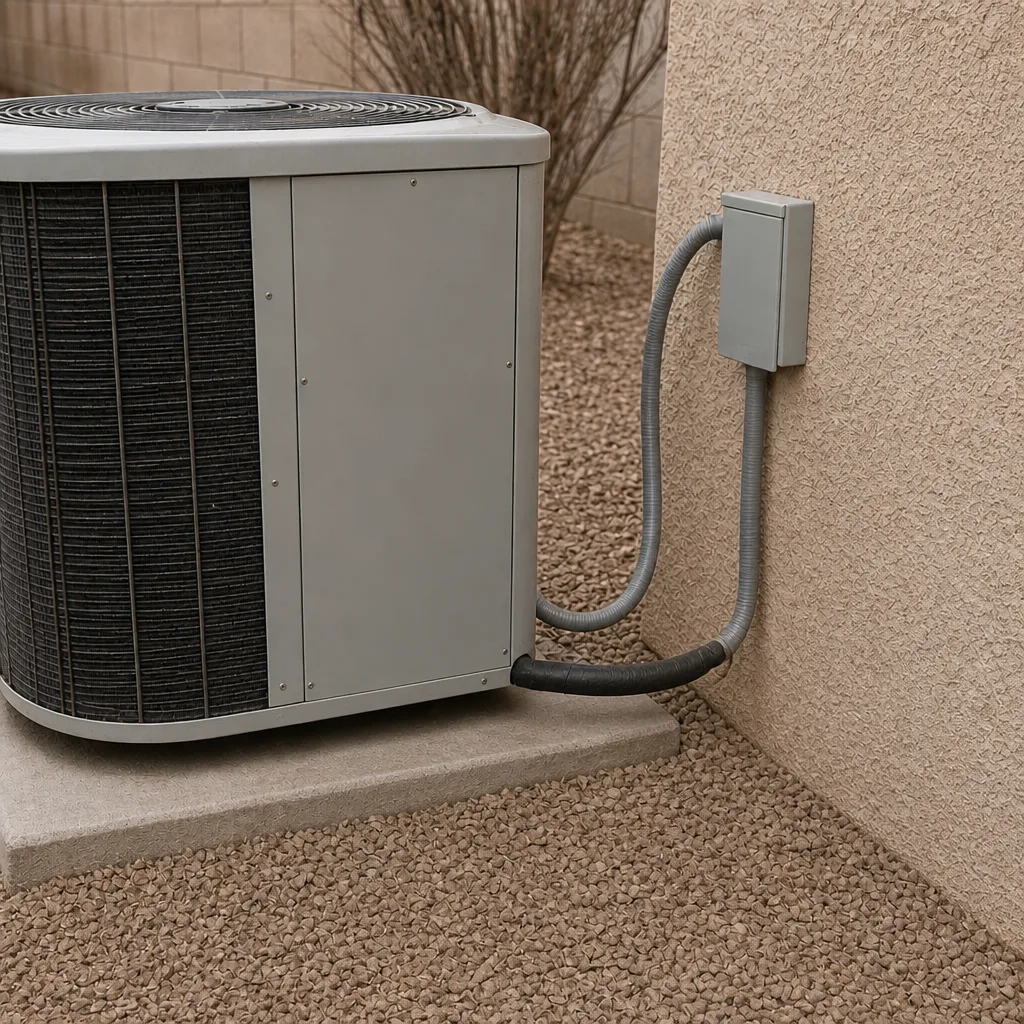
- Keeping the outdoor unit clear. Two feet of clearance on all sides, no shrubs, no stored boxes. Shading without blocking airflow can shave real money off a summer bill.
Refrigerant and the EPA Section 608 Rule
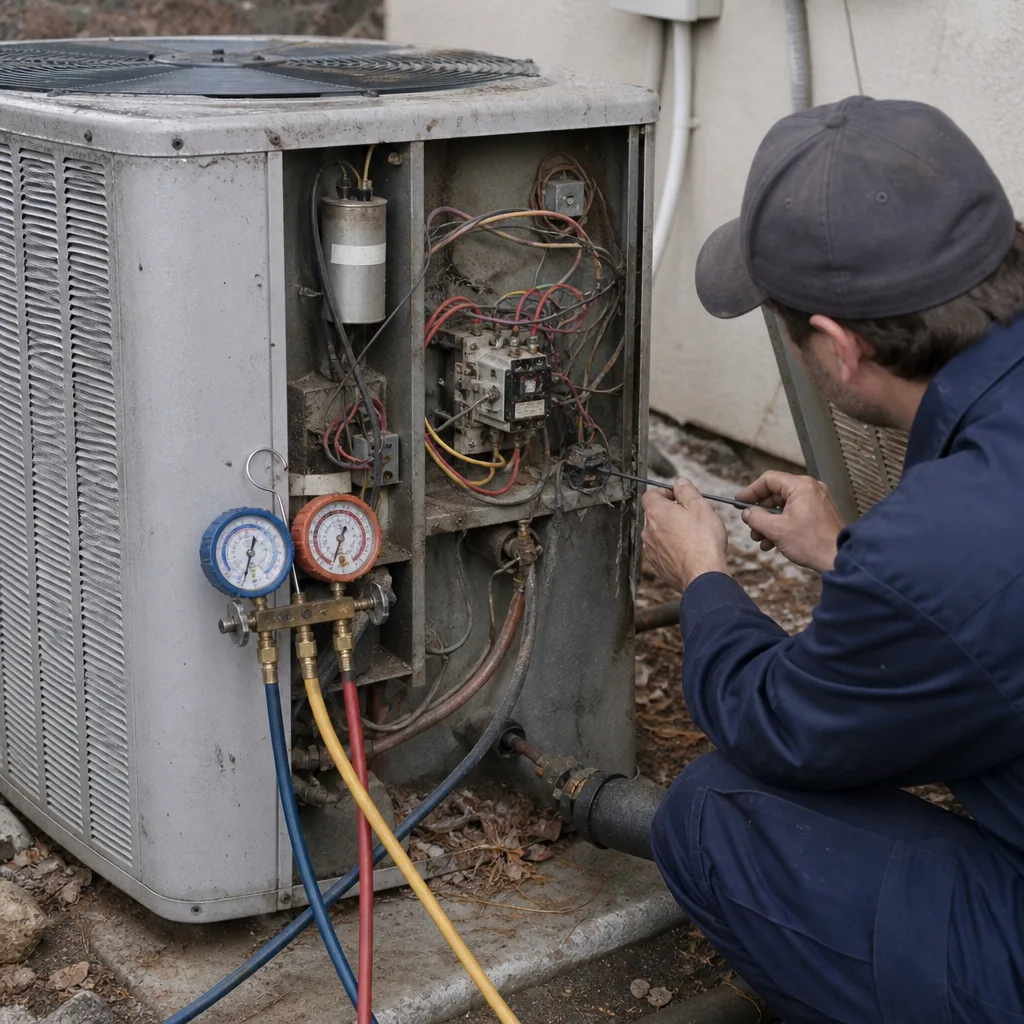
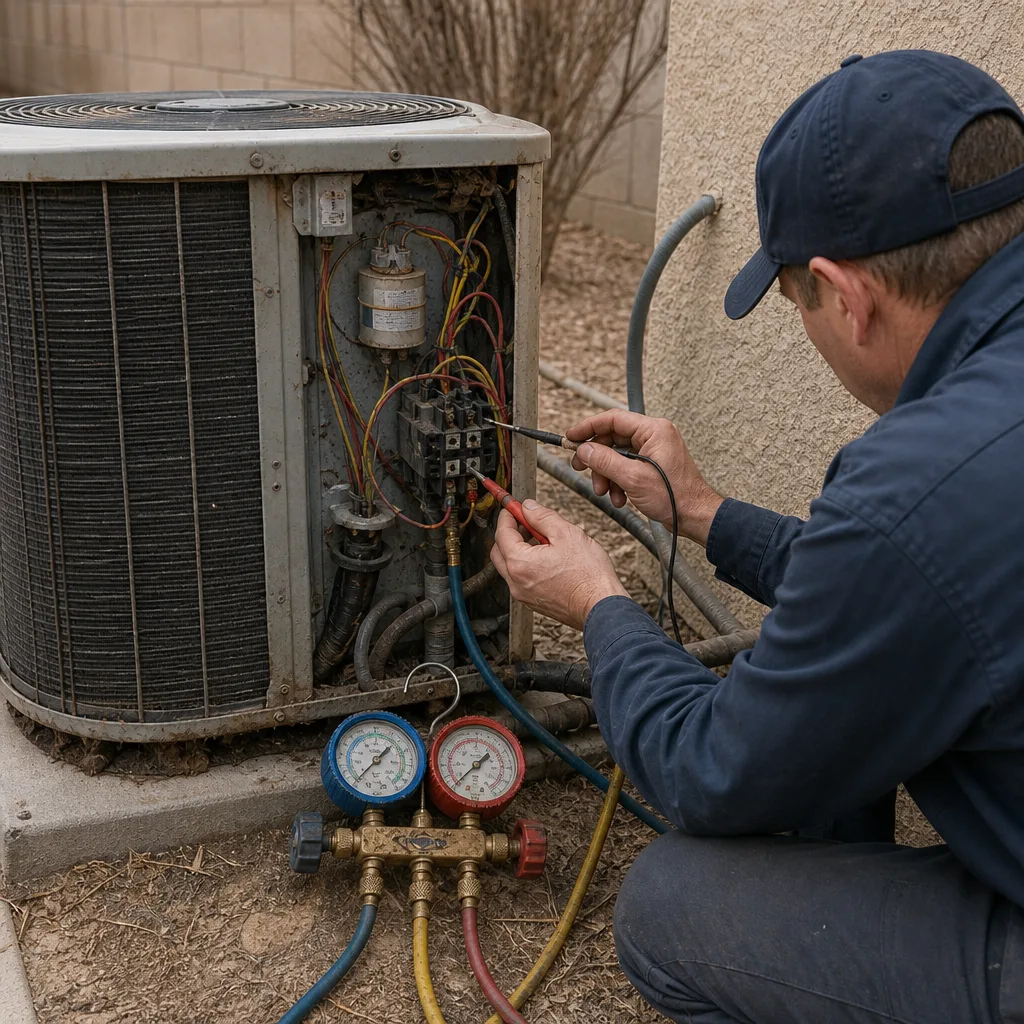
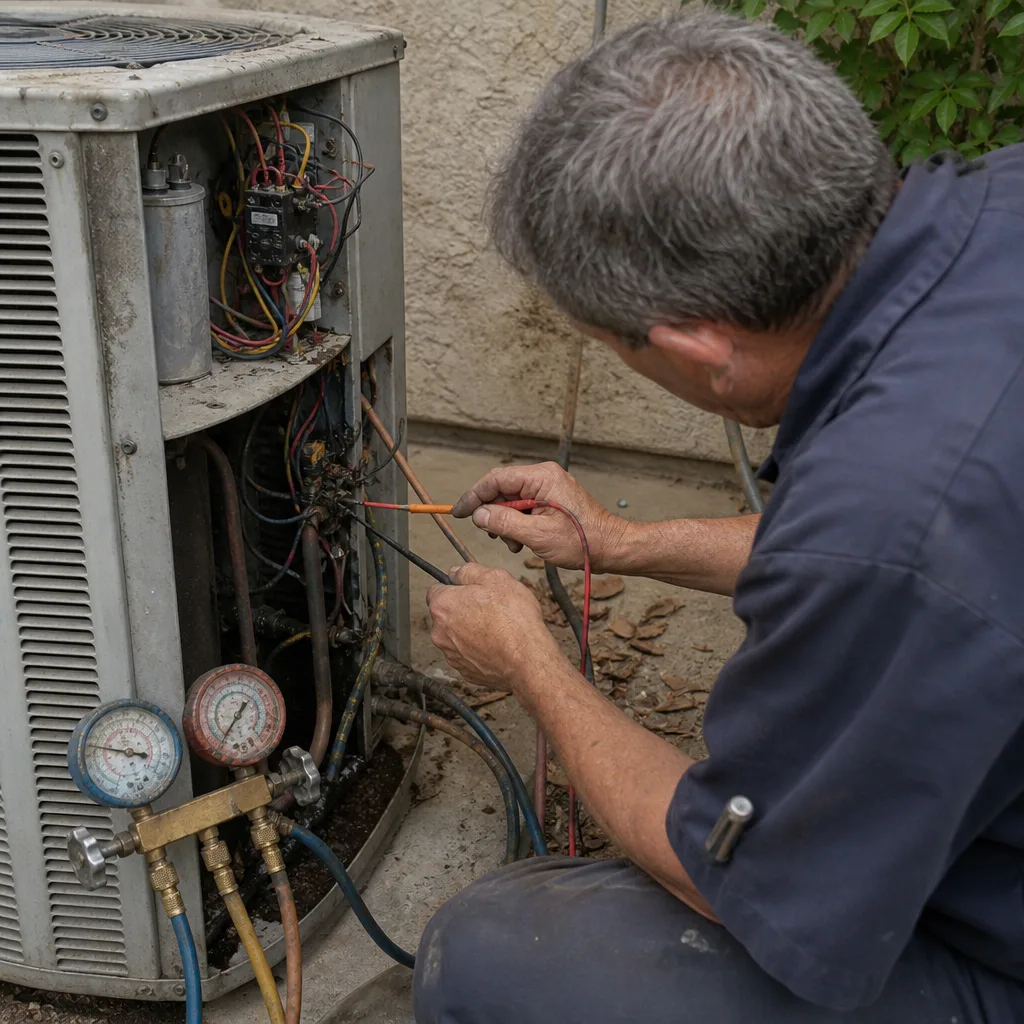
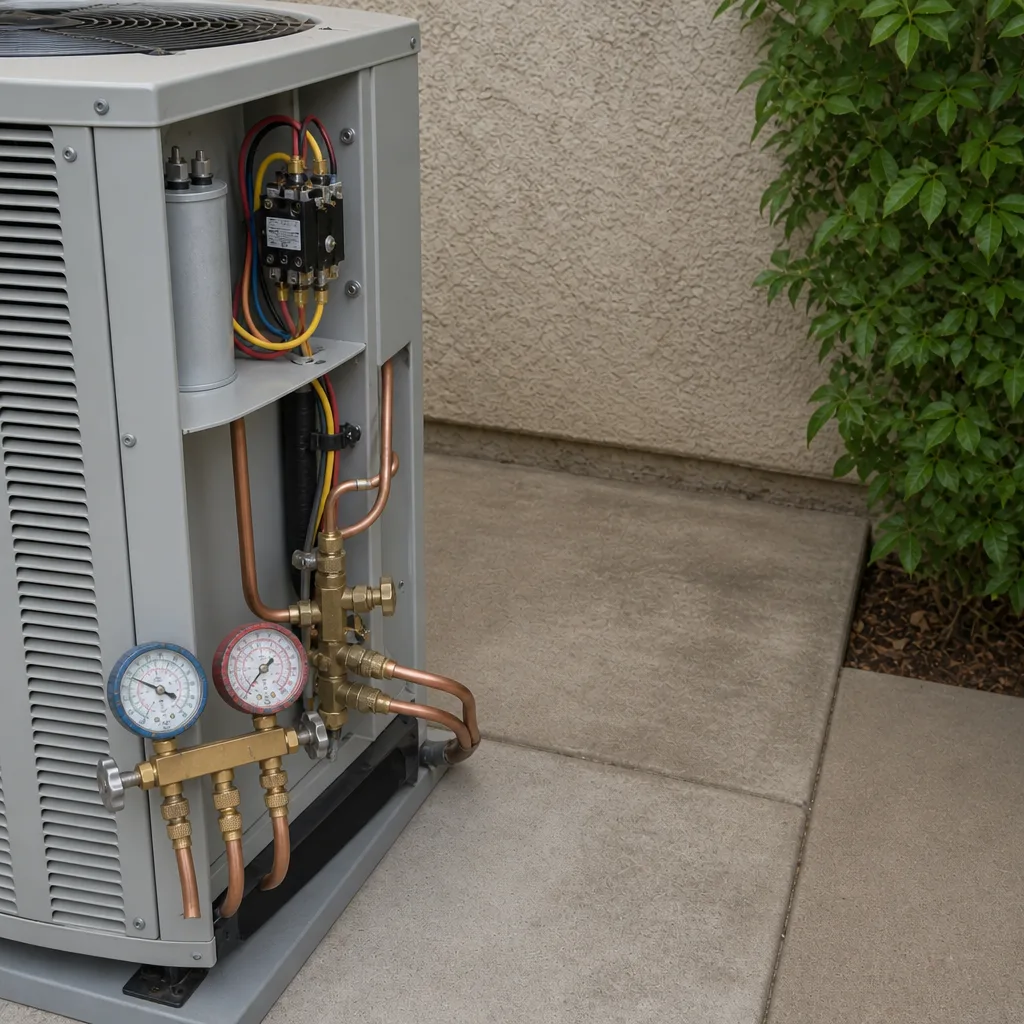
Refrigerant isn’t a fluid you can judge by looking at it. Modern systems use a sealed loop. If the charge is low, a leak is the reason, and adding refrigerant without finding and fixing the leak is illegal under EPA rules and wasteful at any price. The system must be evacuated, the leak located, and the charge measured by weight to a manufacturer spec. None of that is possible without Section 608 certification, a manifold gauge set, a recovery machine, and a vacuum pump.
The legal consequences aren’t theoretical. Releasing refrigerant to the air is a Clean Air Act violation. If you buy a can of refrigerant and charge a system yourself, you’re both violating the rule and guessing at quantities. We’ve seen systems with an added charge of “about a can” that were over-pressurized and on their way to a compressor failure – a repair bill several times the cost of calling a certified technician in the first place.
If a system is low on charge, it needs a licensed professional to recover the old refrigerant, find the leak, repair it, and recharge to spec. That’s a phone call, not a Saturday project. For properties near the Virgin River corridor where systems run hard, we usually find leaks at flare fittings or the evaporator coil, and a proper diagnosis catches both in one visit.
One important safety note: if you smell a strange, sweet or pungent odor near an AC unit, or see oily residue at a joint, don’t investigate yourself. Refrigerant displaces oxygen in a confined space and can cause frostbite on contact. Leave it to a trained technician.
Why Electrical Work Inside the Air Handler Is a Licensed Job
The air handler is a small metal cabinet stuffed with low-voltage controls, a blower motor, a 240-volt disconnect, and, on some systems, heat strips that pull serious amperage. It looks accessible. It isn’t safe to poke around unless you’re licensed to be there.
Three reasons to leave it alone:
- It’s a code and licensing matter. Nevada requires licensed electricians for permanent wiring work. A technician’s high-voltage repair on your air handler is legally a licensed electrician’s job or a licensed HVAC contractor’s job, not yours.
- The stored energy is real. A capacitor can hold a lethal charge long after the breaker is off. This is the number one way people get seriously hurt. Capacitors don’t have a warning label big enough.
- Warranty exposure is automatic. Once someone unlicensed has opened the electrical section, most manufacturers’ language about “unqualified service” or “any modification not authorized” applies, and you’ve voided a warranty without touching refrigerant.
Low-voltage thermostat wiring is different. That’s 24 volts, and it’s the one electrical task we’re comfortable telling a homeowner to do carefully – power off at the breaker, one wire at a time, photograph the terminals before you loosen anything.
Warranty Language That Voids Coverage for Unlicensed Service
Manufacturer warranties on Carrier, Trane, American Standard, and Bryant equipment vary, but the language most of them include has a predictable shape. The parts warranty covers defects in materials and workmanship, and it typically excludes damage or failure arising from improper installation, service by unqualified personnel, or use of non-approved parts. Some go further and void the entire warranty if the system isn’t registered or installed by a qualified contractor within the manufacturer’s window.
Read the actual document for your unit before you consider anything DIY. Three phrases are the ones to hunt for:
- “Failure caused by improper installation, repair, or maintenance.”
- “Service performed by an unqualified or unlicensed person.”
- “Labor, diagnosis, or parts not authorized by the manufacturer.”
When the compressor goes at year six and the factory wants to know who serviced the system, receipts and service records matter. In our experience, a homeowner who can show a documented maintenance history gets a residential parts claim approved in a way that a stack of receipts from an auto parts store cannot match. We’ve watched homeowners near the Oasis Golf Club fight a warranty claim and lose, over a repair a licensed tech would have covered.
The Real Cost-Benefit of DIY Maintenance
DIY maintenance saves real money when it’s on the tasks in the list above. It creates the disaster it’s meant to prevent when it drifts into refrigerant, electrical, or anything requiring a torch or a vacuum pump. Here’s how the math actually works out:
- Filter changes ($5-$20 each, every month or two): The highest-return task on this list. A clogged filter chokes airflow, ices the coil, and forces the system to work harder. This is pure DIY savings.
- Coil cleaning (hose and time): Free and effective. Keeps the condenser rejecting heat efficiently in a Mesquite summer.
- Condensate line clearing (a few minutes): Prevents a water stain on the ceiling and a shutdown on a hot afternoon.
- Thermostat swap ($100-$250 in parts): Legitimate DIY with care. A mis-wired wire into a low-voltage board can cost a $400 control-board replacement – the failure mode that turns a free afternoon into a paid repair.
- Refrigerant top-off or charge adjustment: Not DIY. Not legal. The cost of doing it right is a professional service call; the cost of doing it wrong is a compressor.
That lines up against a pretty reliable milestone: a well-maintained system in the Mesquite heat still needs attention every year, and our $89 seasonal tune-up is priced to catch small problems before they become big ones. Most of the repair calls we make are preventable, and the homeowner on the other side of the call is usually a good DIYer who just didn’t know where the line was.
Why Installation Is Never a Do-It-Yourself Project
Installation isn’t a harder version of maintenance. It’s a different category. A correct install starts with a load calculation (Manual J is the standard), continues with duct design and static pressure measurement, and only then moves to equipment selection. Then the refrigerant lines get brazed, the system is evacuated to a deep vacuum, the charge is weighed in to factory spec, and the whole thing is commissioned with measured airflow and temperature split.
Skip any one of those steps and you get a system that underperforms, runs longer, and fails early. In Mesquite, where summer design temperatures hit 110-plus, an undersized system or a charge that’s a half-pound off shows up as a comfort complaint in the first July. We’ve seen replacement jobs where a homeowner installed it themselves to save money, then called us six weeks later to recover refrigerant and re-evacuate the lines because the brazed joint wasn’t purged properly.
On the installation side of the business, we quote a written fixed price before the job. Same for a heat pump or mini-split. There’s no overtime rate, no surprise line item, and the manufacturer rebate and financing paperwork is handled for you. That’s worth having an adult in the room for. You can read how that process works on our heat pump and mini split page for Mesquite.
Common Mistakes to Avoid
- Buying refrigerant online and “topping off” a system. You cannot legally do this, and if you release refrigerant to the atmosphere you’re on the wrong side of the Clean Air Act. A proper diagnosis finds the leak, which is the actual problem.
- Resetting a tripped breaker repeatedly. One reset is fine. If it trips a second time, the issue is downstream, and a technician with a meter can find it in a way a homeowner cannot. Repeated resetting turns a $200 repair into a $1,200 one.
- Using a pressure washer on the outdoor coils. The fins fold at 1,500 psi and the unit loses airflow permanently. A garden hose and a gentle detergent are the correct tools.
- Ignoring a clogged condensate line in Mesquite. Dust, algae, and desert grit plug the trap faster than in humid climates. A water stain near the air handler is not cosmetic – it’s a step ahead of a shutdown on the hottest day of the year.
- Installing a smart thermostat without checking the system type. A two-stage system on a single-stage thermostat, or the reverse, causes short cycling and an unhappy compressor. Match the thermostat to the equipment, not to the retail display.
- Sealing up an air handler cabinet with foam or tape. It looks like it helps. It changes static pressure and can cause cabinet leaks you can’t see. Leave the cabinet alone.
- Believing a warranty covers “anything” because someone online said so. The warranty is a written document that names exclusions. Read it. When in doubt, take it to the manufacturer, not a forum.
When to Call a Professional
Call a professional when the problem is refrigerant, when the problem is a blown breaker that resets once and trips again, when there’s ice on the coil and the filter is clean, when you smell something burning or sweet near the unit, when the fan runs but the air is warm, and when the system is more than fifteen years old and starting to cost more than it’s worth to repair. Also call when it’s time for a replacement or a heat pump installation – that’s engineered work, not maintenance. Fireside Heating & Air Co. Mesquite offers free estimates in Mesquite – call (888) 570-3601 and a live person answers, day or night. You can also see our heating and furnace services in Mesquite if the problem is on the winter side of the swap.
See the difference
 Before
 After
 Before
 After
 Before
 After
Frequently Asked Questions
No. Adding refrigerant requires EPA Section 608 certification, and that certification is required for anyone who services equipment containing regulated refrigerants. Adding refrigerant also assumes you know the charge is low in the first place, which requires gauges and a system log. If your system is low, there’s a leak to find, and a certified technician needs to recover, repair, evacuate, and recharge to spec. Call (888) 570-3601 for an honest diagnosis – estimates are free.
You can safely change the air filter, replace a low-voltage thermostat, reset a tripped breaker once, clear the condensate drain line, and carefully wash the outdoor condenser coils. These are the tasks that prevent most breakdowns. Anything involving high voltage inside the air handler, refrigerants, or brazing requires a licensed technician. When in doubt, ask before you open a panel.
Often, yes. Most manufacturer warranties on Carrier, Trane, American Standard, and Bryant equipment exclude damage from “improper service,” “service by an unqualified person,” or “unauthorized parts.” Whether your specific policy has that language depends on the unit. Read the warranty document that came with the system before you touch anything. If a repair call requires a warranty claim, a documented service history is what gets the claim approved.
Yes. Nevada requires licensed electricians for permanent wiring work, and the air handler is full of permanent wiring. There’s also the safety issue: capacitors store lethal charge, and the disconnect presents serious risk. Even a simple-looking repair inside the cabinet puts you outside the law and behind on safety. Call a licensed professional. We have technicians trained to service nine major brands including Carrier, Trane, Lennox, Daikin, and American Standard, and we’ve handled this kind of repair across Mesquite for years.
A seasonal tune-up from a professional typically runs around $89 with a written report of what the technician found and recommends. That’s the year’s-worst-case insurance in this climate, where a neglected condenser works harder than the same unit in Las Vegas. DIY filter changes and coil cleaning between professional visits stretch the value further. Call (888) 570-3601 to schedule a tune-up, and we’ll tell you exactly what’s happening with your system.
Technically you can buy the equipment. Practically, you’ll still need a licensed technician to braze the refrigerant lines, evacuate the system, and weigh in the charge, because refrigerant handling requires certification. Add the electrical rough-in, the permit, and the load calculation, and the savings evaporate fast. We quote a fixed written price on heat pump and mini-split installs and handle the rebate and financing paperwork so you don’t have to. Call (888) 570-3601 for a free estimate.
The Bottom Line
The line between safe DIY and licensed work isn’t about how hard the job looks. It’s about the law, the warranty, and the stored energy waiting inside the cabinet. Filter changes, thermostat swaps, one breaker reset, and condensate line clearing are yours to handle, and we’d rather you did them. Refrigerant, high-voltage wiring, and installation belong to a certified and licensed technician, and the risk of doing otherwise is measured in fines, voided coverage, or injury. If you’ve reached the edge of what’s safe, the right move is a phone call, not a YouTube tutorial. Start with our home page for Fireside Heating & Air Co. Mesquite and we’ll point you to the right page.
When you’re ready for a straight answer and a square deal, reach out. Our phones are answered by a live person 24 hours a day, every day, and we’ll tell you plainly what’s safe to do yourself and what isn’t. If it’s a job we handle, we’ll quote a price up front and stand behind it with the 90-Day Done Right Promise. Every repair over $250 gets $50 off, and we’d be glad to give a free second opinion on any written estimate you’ve already received. Call (888) 570-3601 for a free estimate today.
Written by the team at Fireside Heating & Air Co. Mesquite.