
Last updated November 18, 2026
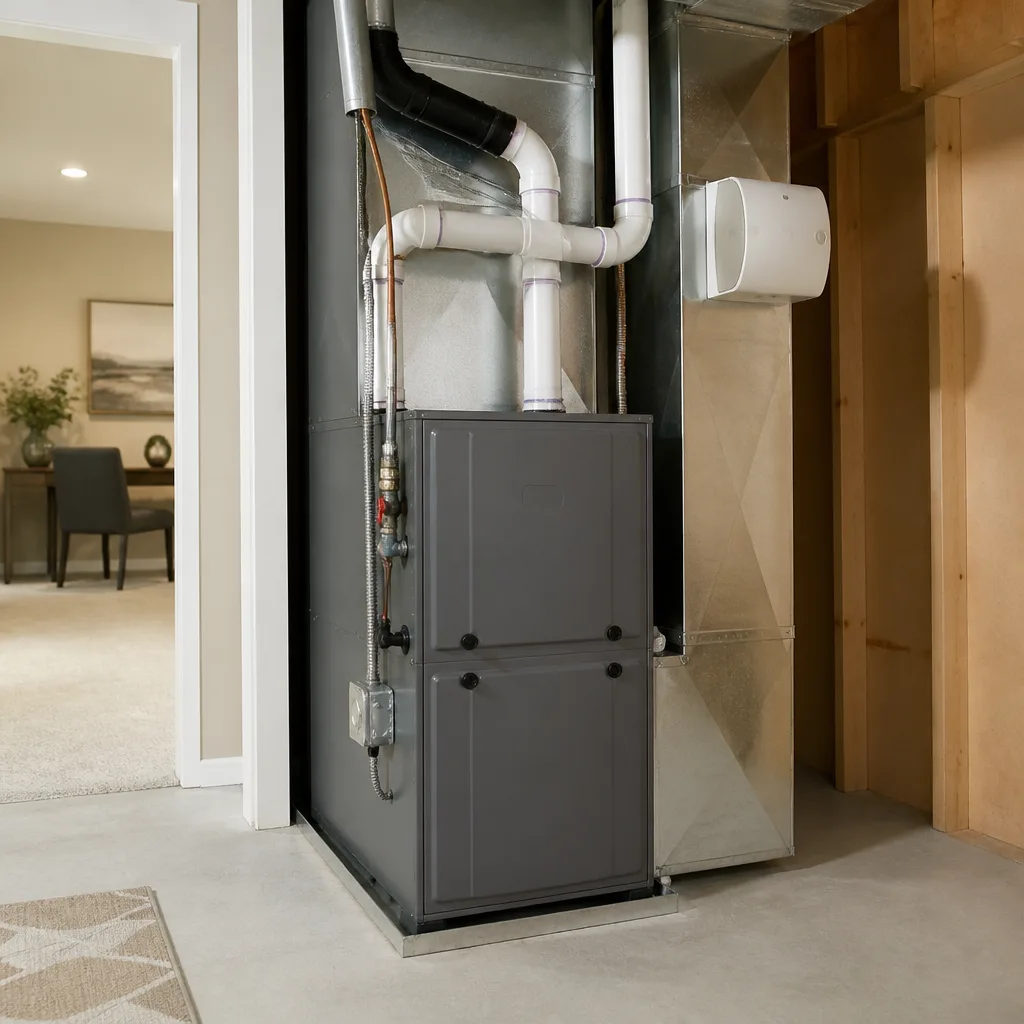 Furnace & heating
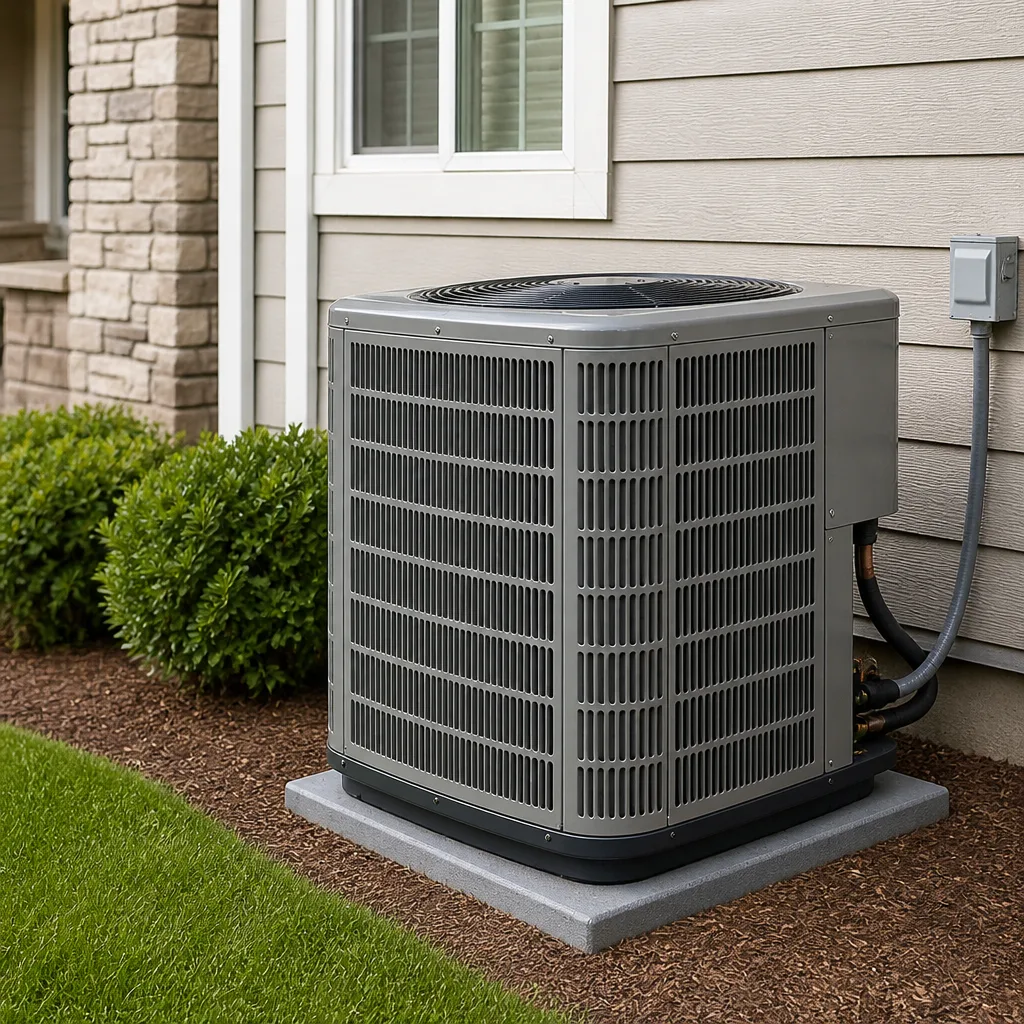 AC repair
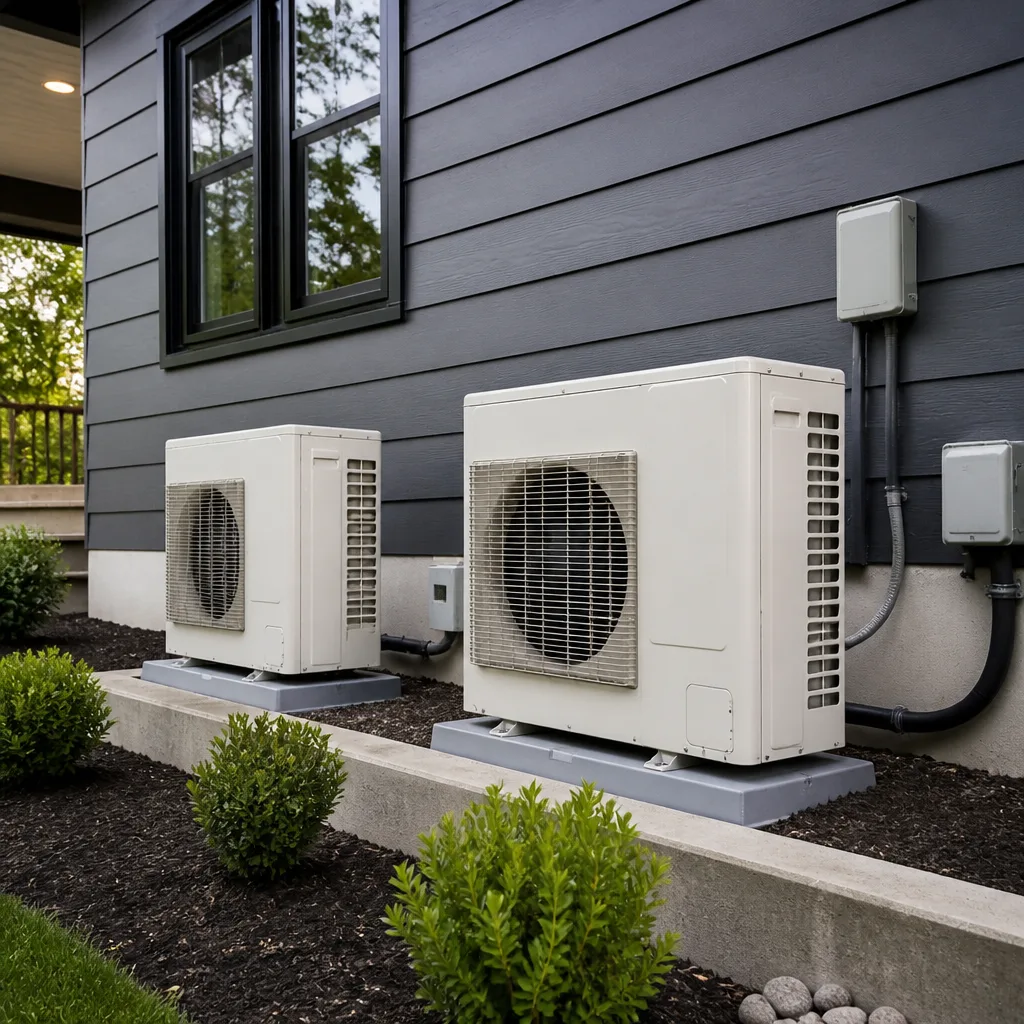 Heat pumps
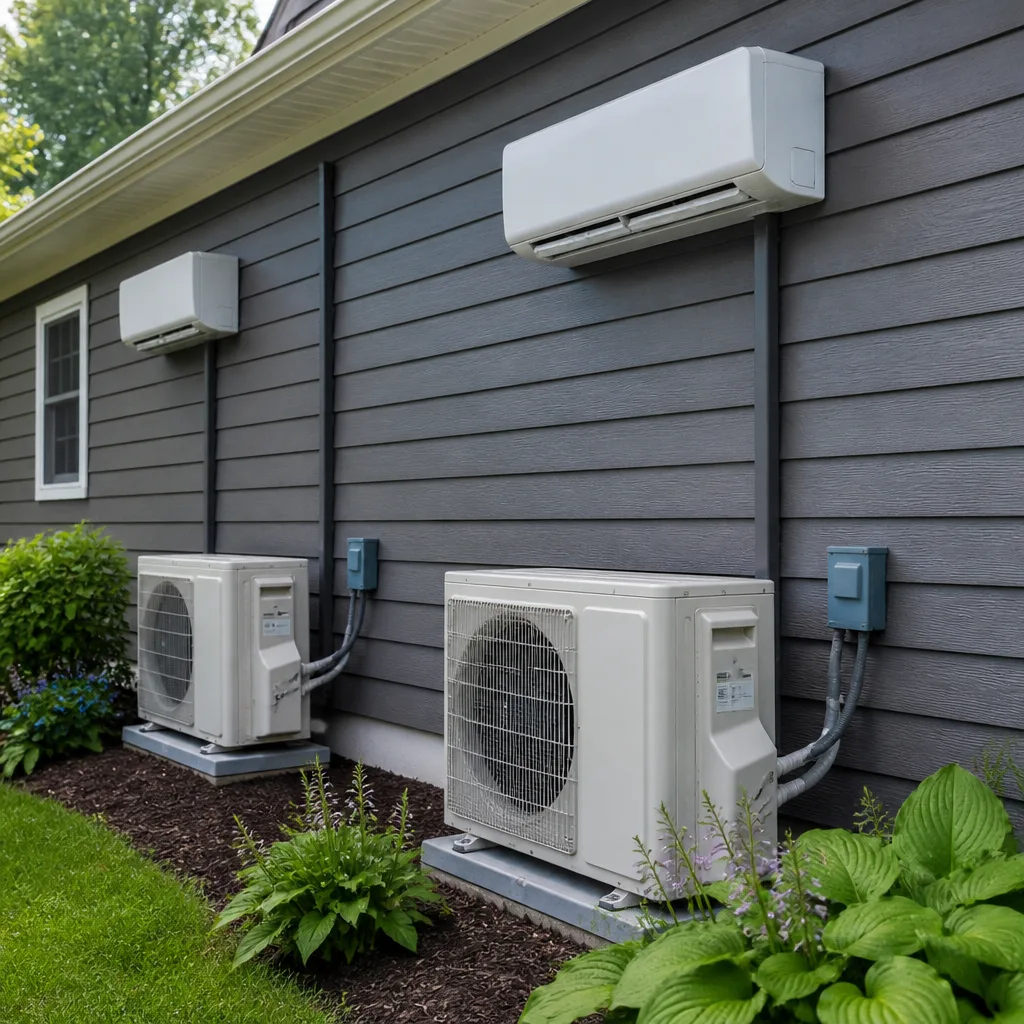 Ductless mini splits
 Carrier
 Trane
 Goodman
Seasonal tune-up and full diagnostic on your Carrier, Trane, or Goodman system - readings shown to you before any repair is proposed
Diagnosis first, numbers second - you approve the repair price before a single part goes in.
Get your free estimateThe Complete Heating & Furnace Guide for Mesquite Homeowners
Mesquite’s average January low is 32°F, and that’s the average, not the extreme. In a home with a heat pump sized for a milder desert climate or a furnace that hasn’t been inspected in eight or ten years, that overnight temperature turns into an emergency call at 2 a.m. that could have been a $150 tune-up in October. Summer dominates every conversation about HVAC in Mesquite, which is exactly why so many heating systems fail on the one night of the year they’re truly needed. This guide covers the whole picture for Mesquite homeowners: choosing between a heat pump, a gas furnace, and dual fuel, right-sizing equipment for a climate that swings hard in both directions, what aging ductwork does to performance, Nevada permit rules, and how to read a heating quote when every local ad is selling air conditioning.
Quick Answer
For most Mesquite homes, a properly sized heat pump paired with a backup heat source is the most efficient choice, though a gas furnace or dual-fuel system can make sense depending on your lot, gas access, and winter usage. The bigger issue than brand or type is sizing and ductwork: a furnace rated at high efficiency will not hit its rated performance if the ducts leak or the equipment is oversized for the house. Get a load calculation and a duct inspection before you sign anything, and get the price in writing.
Styles & brands we work with
- AC repair
- Furnace & heating
- Heat pumps
- Ductless mini splits
- Carrier
- Trane
- Goodman
Table of Contents
- Why Heating Is the Second Half of Your HVAC System
- Heat Pump, Gas Furnace, or Dual Fuel: What Makes Sense in Mesquite
- Right-Sizing for 110°F Summers and 20°F Winter Nights
- What Your Ductwork Has to Do With Furnace Performance
- Nevada Permit and Equipment Rules for Furnace Replacement
- How to Evaluate a Heating Quote in a Cooling-Focused Market
- A Heating Maintenance Rhythm That Prevents 2 a.m. Calls
- Repair or Replace: Straight Talk on the Decision
Why Heating Is the Second Half of Your HVAC System
We’ve watched the same pattern play out across the Mesquite Valley for years. A homeowner spends real money on AC in June because summer is what they feel, and the furnace or heat pump gets whatever attention is left over. Then a January cold snap arrives, the overnight low drops into the low twenties or below, and the system that nobody looked at since the previous spring is now the only thing standing between the house and frozen pipes.
That’s not a hypothetical. Desert winters at roughly 1,600 feet are dry and clear, which means heat leaves a house fast after sundown. The daytime sun that hits 60°F in January disappears, and by 4 a.m. you’re running the heat hard. In a home with undersized equipment, a failing igniter, or a heat pump that’s low on refrigerant, the house doesn’t hold temperature. It falls behind, and you wake up cold at a time when no contractor is answering.
Heating in Mesquite deserves the same seriousness as cooling, for three reasons:
- Overnight lows are the real test. The average January low of 32°F is a median, not a floor. Single-digit and low-twenties nights happen, and older equipment fails on exactly those nights.
- Most heating failures are predictable. Dirty filters, worn igniters, failing capacitors, and low refrigerant are all catchable during a fall tune-up.
- Heating problems hide for nine months. Unlike AC, which gets tested every summer day, a furnace or heat pump can sit idle for months and give you no warning at all.
If you’ve never had your heating system looked at on a schedule, our Heating & Furnace in Mesquite page walks through what a proper inspection includes.
Heat Pump, Gas Furnace, or Dual Fuel: What Makes Sense in Mesquite
Mesquite’s winter profile is mild enough that a heat pump is a genuinely strong fit for most homes, but the right answer depends on your lot, your gas access, and how much of the winter you actually run heat.
A heat pump moves heat rather than generating it, which makes it efficient in the 30°F to 60°F range that covers most of a Mesquite winter. Below roughly 30°F to 35°F, depending on the model, a standard heat pump begins to lose capacity and efficiency, and the auxiliary heat strips kick in. That’s where the economics get interesting, because electric resistance heat is expensive to run compared to a gas furnace.
A gas furnace is the simplest, most durable answer if natural gas is already at the house. It burns fuel for heat, so cold snaps don’t degrade it, and modern units from Rheem or York run in the mid-to-high 90s in AFUE efficiency. The catch is that you’ll want to confirm a gas line and meter at the property before you plan on it.
A dual-fuel system gives you both: a heat pump handles the mild shoulder season, and a gas furnace takes over when the temperature drops. In our experience, dual fuel is the best-performing setup for a Mesquite home that sees real overnight cold and wants low bills the rest of the year, but it also carries the highest upfront cost.
Break down the tradeoffs like this:
- Heat pump, electric backup: lowest install cost, most efficient in mild weather, most expensive to run on the coldest nights.
- Gas furnace with AC coil: strong cold-weather performance and reasonable install cost, if gas is available.
- Dual fuel: highest install cost, best year-round efficiency, and the setup we recommend for homes that stay occupied through January.
Whatever route you take, the system has to pair properly with your cooling side. For a full look at that balance, our Heat Pump & Mini Split in Mesquite page breaks down heat pump options in detail.
Right-Sizing for 110°F Summers and 20°F Winter Nights
This is the heart of the problem with heating in Mesquite. A house here has to handle two extremes, and most equipment sizing conversations only look at one of them.
Sizing happens by a load calculation, not a rule of thumb like square footage divided by 500. A proper Manual J load calculation accounts for the building envelope, window area and orientation, insulation levels, duct loss, and the actual design temperatures for the location. If a contractor quotes you a furnace over the phone based on the number of square feet, you’re getting a guess, not a design.
A system that’s oversized for the cooling season is the more common problem in a hot climate, but it cuts both ways. An oversized furnace short-cycles, which wears the heat exchanger and blower faster and won’t heat evenly. An undersized one runs continuously on the coldest nights and never quite catches up.
Here’s what a proper sizing process should include:
- Room-by-room load calculation using local design temperatures, not national averages.
- Duct leakage and pressure testing so the equipment isn’t sized to overcome bad ducts.
- Window and insulation review, since a west-facing wall of single-pane glass changes the load significantly.
- A written report showing what the calculation determined and why.
Ask for that calculation in the quote. If it isn’t there, ask why. A well-sized system, whether it’s a Bryant furnace or a Daikin dual-fuel setup, is the difference between a comfortable house and one that’s always a little too cold in one room and too warm in another.
What Your Ductwork Has to Do With Furnace Performance
Here’s a fact most heating quotes leave out: a new furnace rated at 96% AFUE will not deliver 96% efficiency if it’s connected to leaky, undersized, or poorly routed ducts. The equipment is only as good as the distribution system it feeds.
In a Mesquite home that’s thirty or forty years old, ductwork is often the weak link. It may be undersized for a modern high-efficiency unit, it may leak 20% or more of its air into the attic or crawlspace, and it may be routed in a way that starves one end of the house while over-supplying another. In our experience, this is the single biggest reason a homeowner replaces a furnace and still feels cold in the back bedroom.
Before you approve a furnace replacement, ask for these checks:
- Static pressure test: confirms the ducts can move the airflow the new equipment needs.
- Duct leakage test: measures how much conditioned air is being lost before it reaches the rooms.
- Visual inspection of flex runs and joints: catches crushed, disconnected, or unsealed sections.
- Return air check: confirms the return side is sized to match the supply side.
Duct repair and sealing is often the smaller, higher-return piece of the job. It’s worth doing at the same time as heating installation, and it matters every bit as much on the cooling side. Our AC Repair & Installation in Mesquite page covers how ductwork affects summer performance too.
Nevada Permit and Equipment Rules for Furnace Replacement
Nevada’s permit and equipment requirements for a furnace replacement differ from what neighboring states require, and this is a detail that out-of-area contractors sometimes get wrong. Furnace replacement generally requires a mechanical permit and an inspection, and the installation has to meet current energy and safety code.
What that means in practice matters for your quote. Ask your contractor:
- Will you pull the permit? A legitimate replacement should include the permit and the inspection in the quoted price.
- What efficiency level does the code require? Modern furnace and heat pump installations have minimum efficiency thresholds, and a unit that doesn’t meet them can’t be legally installed in the first place.
- How is combustion air and venting handled? A high-efficiency condensing furnace vents differently than an older 80% unit, and the venting has to be planned for, not improvised.
- Is there a carbon monoxide safety check? Every furnace install should include one, and a working CO alarm in the home is non-negotiable.
If a contractor offers to skip the permit to save you money, treat that as a red flag. An unpermitted install can surface as a problem when you sell the house, and it puts the safety of your venting system in doubt. A square deal includes the permit. The one we stand behind does.
If you’re comparing bids from contractors whose fleet outnumbers the homes on your block, our Fireside Heating & Air Co. Mesquite home page explains how we handle written estimates and the 90-Day Done Right Promise.
How to Evaluate a Heating Quote in a Cooling-Focused Market
Most HVAC advertising in Mesquite is about cooling, because that’s what sells in July. When you go to buy a heating system in October, you have to read the quote more carefully than you normally would.
A complete heating quote should include all of the following, in writing:
- The make and model number of the equipment being installed, with efficiency rating.
- The load calculation results and the basis for the size selected.
- Duct work scope, if any repairs or replacements are part of the job.
- The permit, inspection, and disposal of the old equipment.
- Thermostat replacement or reuse, and any air quality accessories.
- Startup, commissioning, and a written report of results.
- Labor warranty and manufacturer warranty terms in writing.
Compare quotes on those seven items, not on the bottom line alone. A quote that’s $800 cheaper but skips the permit, skips the load calculation, and reuses a thermostat that’s fifteen years old isn’t actually cheaper once you account for the jobs you’ll pay for again.
This is why we offer a free second opinion on any written estimate. Send us the quote and we’ll walk through it line by line with you. And our standing offer of $50 off any repair over $250 applies when a repair, not a replacement, is the right call.
A Heating Maintenance Rhythm That Prevents 2 a.m. Calls
The cheapest heating repair in Mesquite is the one that never happens, because a $89 seasonal tune-up in October catches the failing igniter, the dirty flame sensor, the worn blower capacitor, and the low refrigerant charge before the first cold night.
Here’s the rhythm we recommend for a home in this climate:
- Late September or early October: full heating tune-up, filter replacement, and a written report of what was actually found.
- Midwinter (January or February): filter check and a quick visual inspection, since filters load faster in heating season than most people expect.
- Late March or April: cooling tune-up, before summer heat sets in.
- Any time you hear a new noise: don’t wait for the tune-up schedule. Rumbling, banging, or a burner that won’t stay lit is a call-now signal.
Our technicians are not paid on what they sell. If the tune-up finds a clean system, that’s what the report says. If it finds a worn part, we quote it transparently, and the senior and veteran 5% discount applies if you qualify.
Repair or Replace: Straight Talk on the Decision
Homeowners ask us this question all the time, and there’s no single right answer. But there’s a reasonable way to think about it.
Repair is usually the right call for a system under ten years old with a clean service history and a repair cost less than a third of replacement. Replace is usually the right call when the equipment is past 15 years, when the repair cost climbs toward half of a new system, or when you’re facing a second major repair on the same unit within a couple of years.
The middle ground that gets ignored: sometimes the right call is replacing the furnace now and the AC in two years, or vice versa, because the two systems age on different schedules. A trained technician can look at both and tell you which one has legs and which one doesn’t.
We see a lot of systems in Mesquite where the original install was sized for the house as it was thirty years ago, before the addition, before the window replacement, before the attic insulation was redone. In those cases, the right answer often isn’t a straight swap. It’s a proper load calculation and a system that fits the house you actually have.
Common Mistakes to Avoid
- Buying a furnace on square footage alone. A quote that doesn’t include a Manual J load calculation is a guess, and a guess is how you end up with a short-cycling furnace and cold back bedrooms all winter.
- Skipping the fall tune-up because “it’s still 95 degrees in October.” Mesquite stays warm well into autumn, which makes it easy to forget the furnace entirely. That’s exactly when the failures start.
- Ignoring ductwork in the bid. Replacing the equipment without testing the ducts is paying for efficiency you’ll never see at the register.
- Letting a contractor skip the permit. An unpermitted furnace install can cost you at resale and puts your venting and CO safety in doubt.
- Choosing the lowest bid without comparing scope. The bid sheet with fewer line items is usually the one that leaves work for you to finish later.
- Running a heat pump on emergency heat all winter. If your aux heat strips are running constantly, something is wrong with the heat pump itself, and the electric bill will tell you first.
- Not putting a CO alarm in a home with a gas furnace. It’s a safety requirement, not an accessory. Every furnace install should include one on the final checklist.
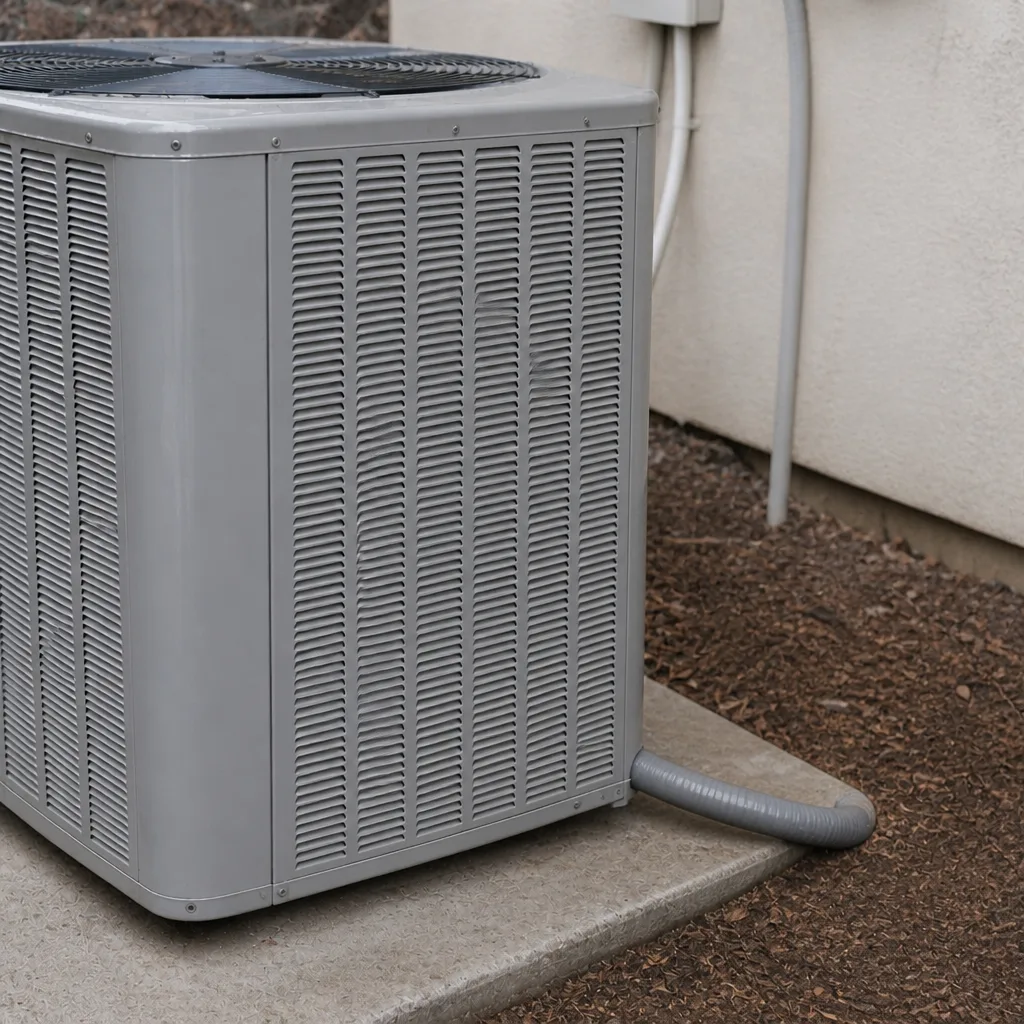
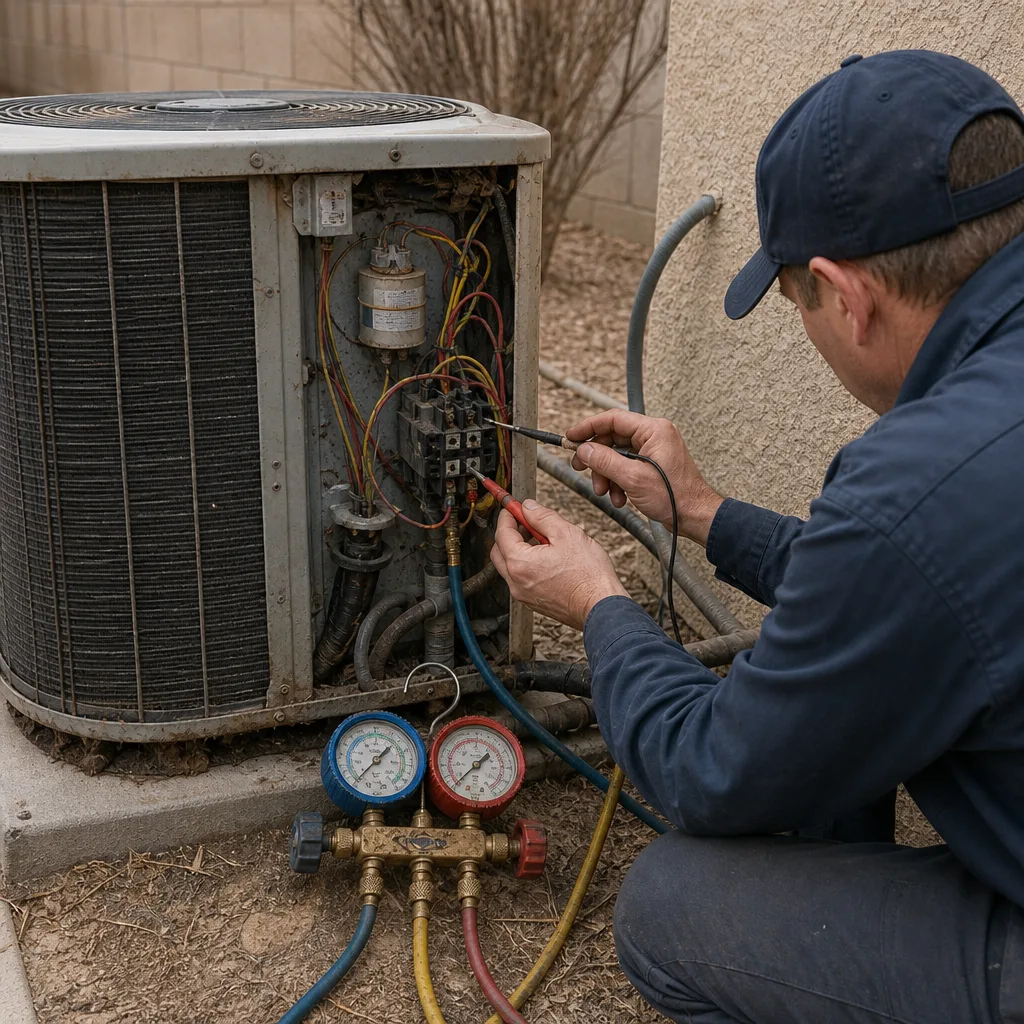
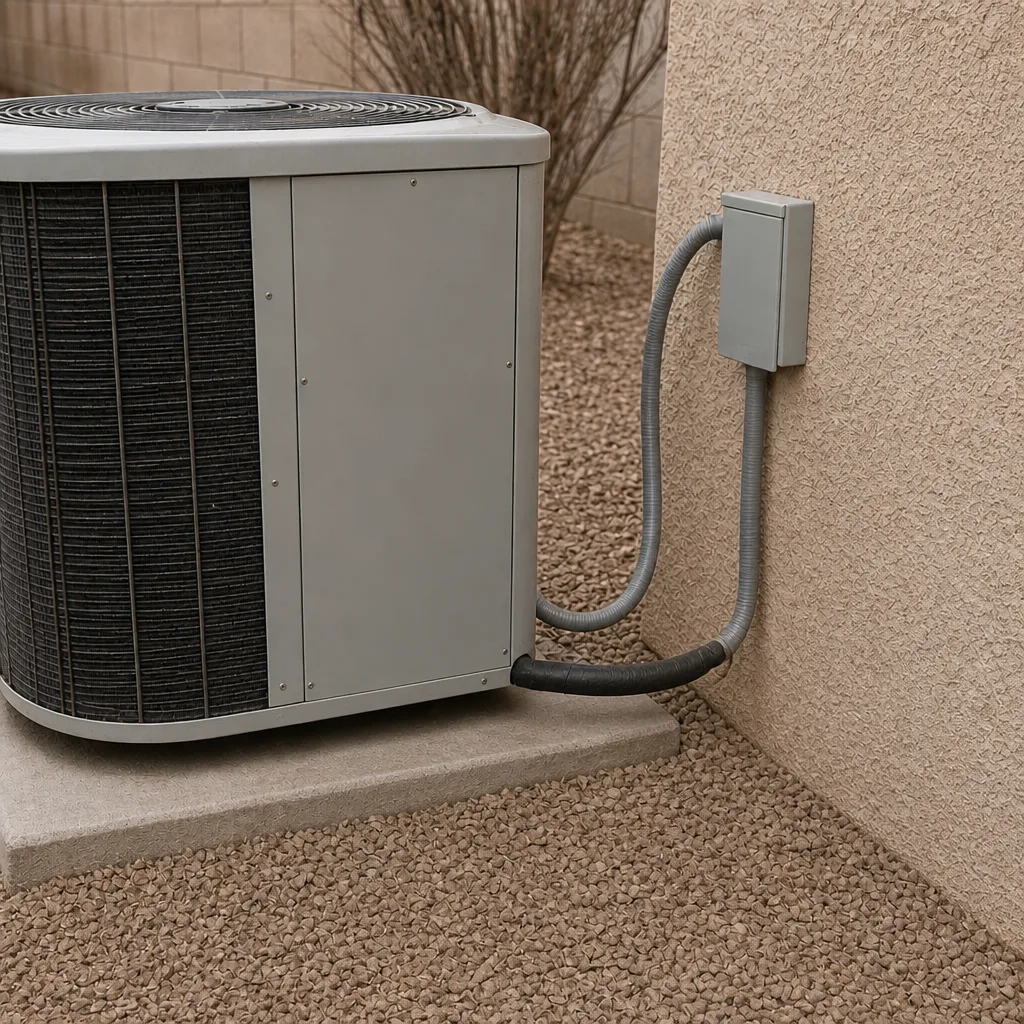
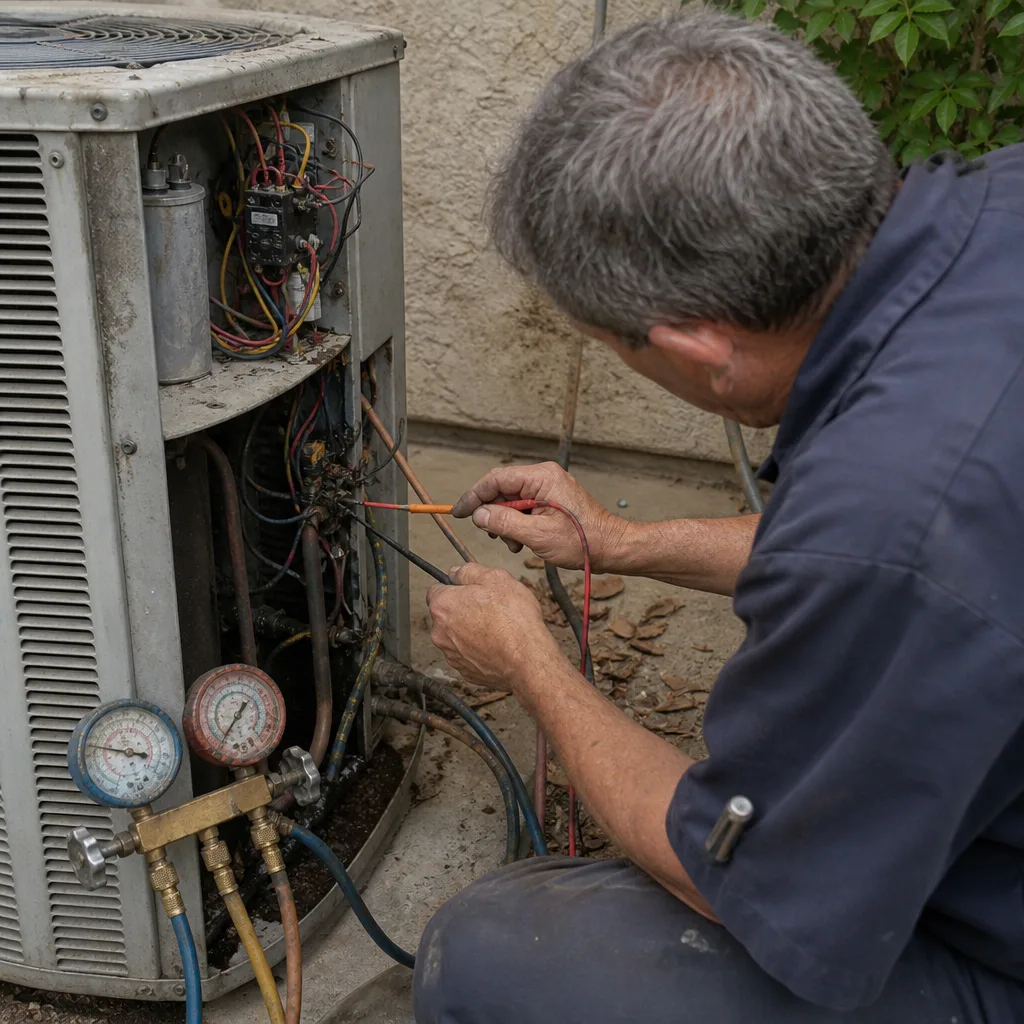
See the difference
 Before
 After
 Before
 After
 Before
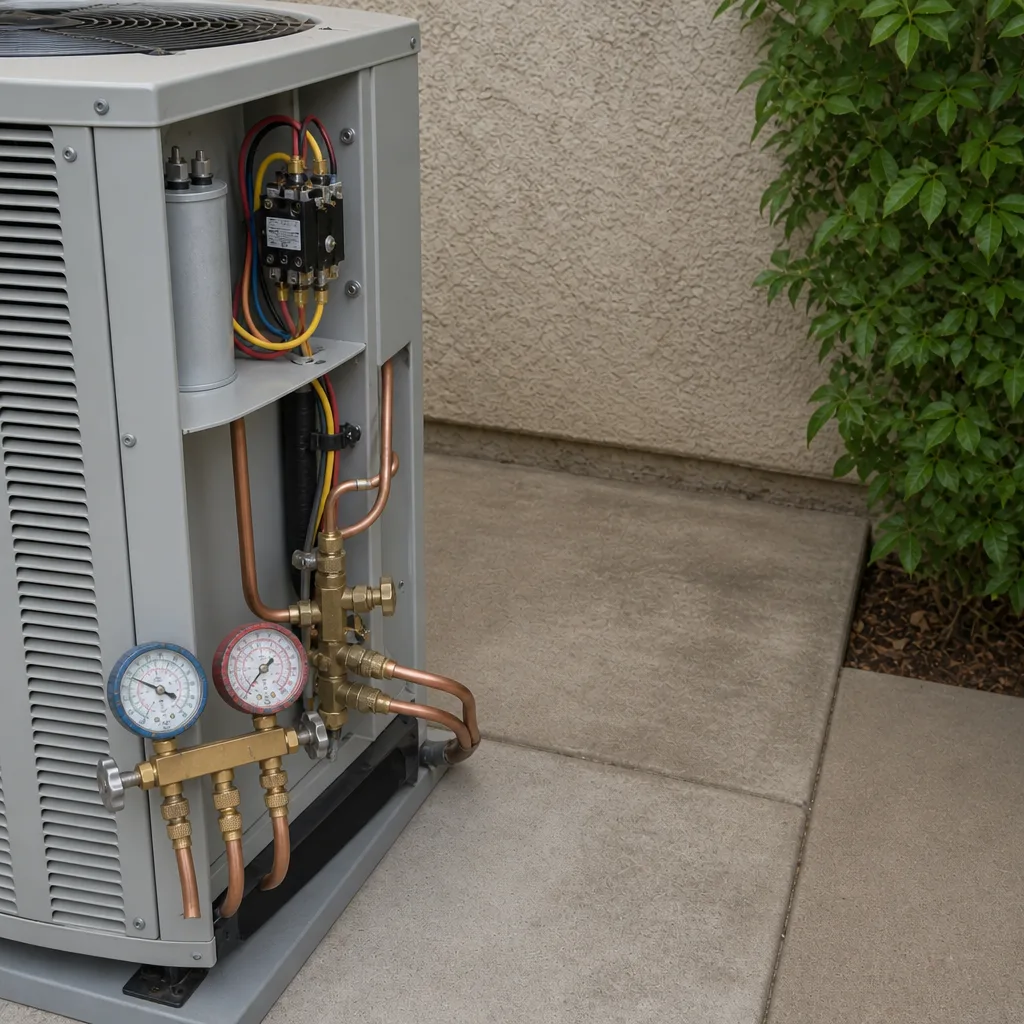 After
When to Call a Professional
Call a professional any time you smell gas, hear a burner that won’t stay lit, see a yellow or orange flame instead of blue, notice soot around the furnace, or find the heat exchanger is showing signs of cracking. These are safety issues, not comfort issues, and they call for a trained technician, not a homeowner with a wrench. Also call when the heat pump runs continuously and never satisfies the thermostat, when the circuit breaker trips repeatedly on the heating side, or when your electric bill spikes in a month that wasn’t especially cold.
For routine maintenance, a fall tune-up is the best single investment in a Mesquite heating system. Fireside Heating & Air Co. Mesquite offers free estimates in Mesquite and a live person answers the phone at any hour. Call (888) 570-3601.
Safety note: If you smell gas or suspect a carbon monoxide problem, leave the house and call your gas utility or 911 first. Do not attempt to diagnose or repair a gas furnace yourself. Furnace heat exchangers, gas valves, and venting systems require a licensed technician, and getting it wrong can be fatal. We’ll be the first to tell you to close the panel and call us.
Frequently Asked Questions
Furnace replacement in Mesquite typically ranges from about $3,800 to $7,500 installed, depending on the size, efficiency rating, brand, and whether ductwork or venting changes are needed. Dual-fuel and high-efficiency systems sit at the upper end. Call (888) 570-3601 for a free written estimate with the price in writing before we start.
For most Mesquite homes, a heat pump handles the mild winter well and is the most efficient choice, but a gas furnace or dual-fuel setup performs better on the coldest nights. The right answer depends on gas availability at your property and how much heating you actually run. Call (888) 570-3601 and we’ll walk through both options for your specific house.
Yes, furnace replacement in Nevada generally requires a mechanical permit and an inspection, and the installation has to meet current energy and safety code. A legitimate quote includes the permit and the inspection. Call (888) 570-3601 if you’d like us to review a quote you’ve received.
Once a year, ideally in late September or early October before the first cold snap. A tune-up at our standing rate of $89 catches failing igniters, dirty flame sensors, and worn components before they become a 2 a.m. no-heat call. Call (888) 570-3601 to schedule.
A heat pump that runs continuously and can’t keep up is usually either undersized, low on refrigerant, or stuck on auxiliary heat because the outdoor unit isn’t working. Any of those needs a technician to diagnose, and none of them get better on their own. Call (888) 570-3601 for a same-day diagnosis if it’s cold outside.
At 15 years, it depends on the repair cost and the system’s history. If the repair is under roughly a third of replacement cost and the system has been reliable, repair is reasonable. If you’re facing a second major repair in two years, replacement usually makes more economic sense. Call (888) 570-3601 for straight talk on your specific unit.
The Bottom Line
Heating in Mesquite is the half of your HVAC system that gets neglected until the one night it matters most. The right approach is straightforward: get a real load calculation before you buy anything, check the ductwork before you assume the equipment is the problem, pull the permit, and keep the system on a fall tune-up schedule so January stays uneventful. A heat pump, a gas furnace, or a dual-fuel setup can all work well here. What separates a good install from a bad one is sizing, ductwork, and a written quote with the price you’ll actually pay.
If it’s ever unclear whether you’re looking at a repair or a replacement, get a second opinion before you sign. We offer free second opinions on any written estimate and we stand behind our work in writing for 90 days. Call (888) 570-3601 for a free estimate in Mesquite, and we’ll be there when we say.
Written by the team at Fireside Heating & Air Co. Mesquite.