
Last updated November 18, 2026
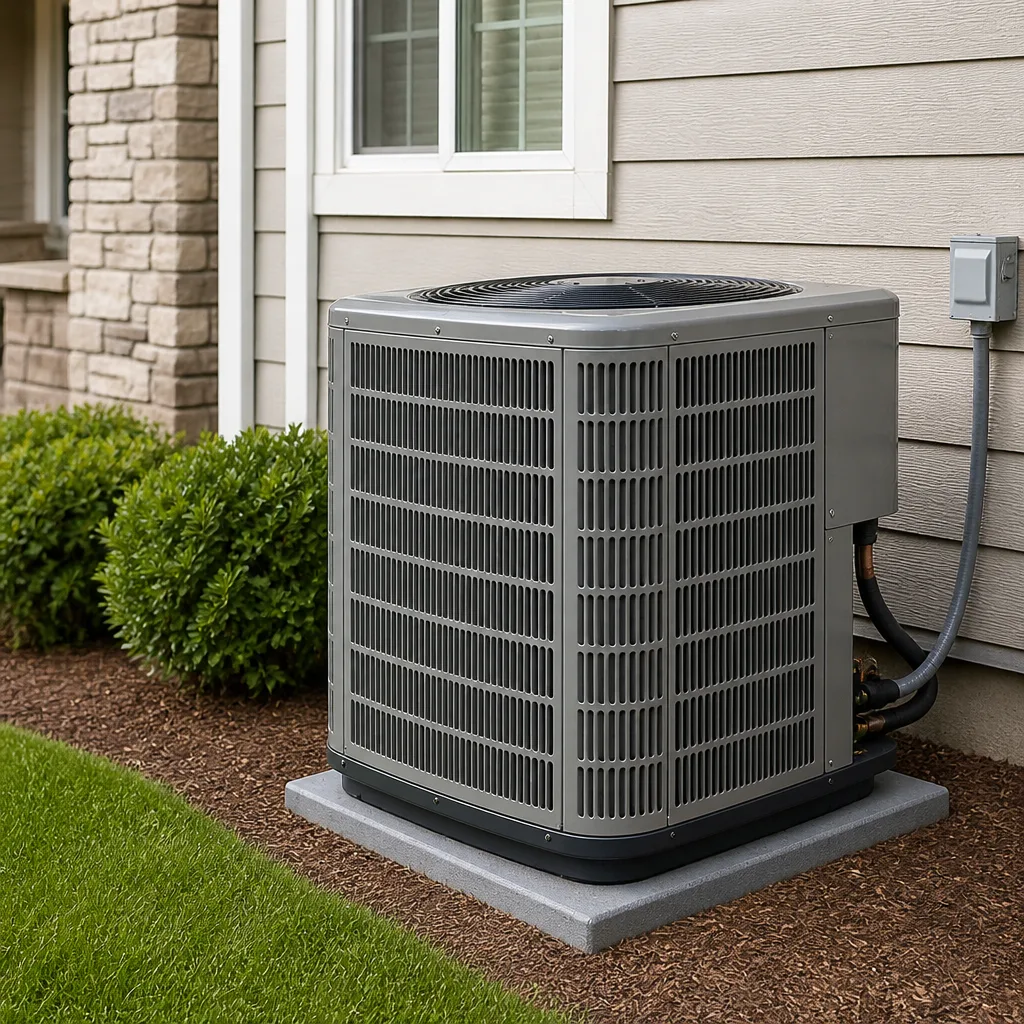 AC repair
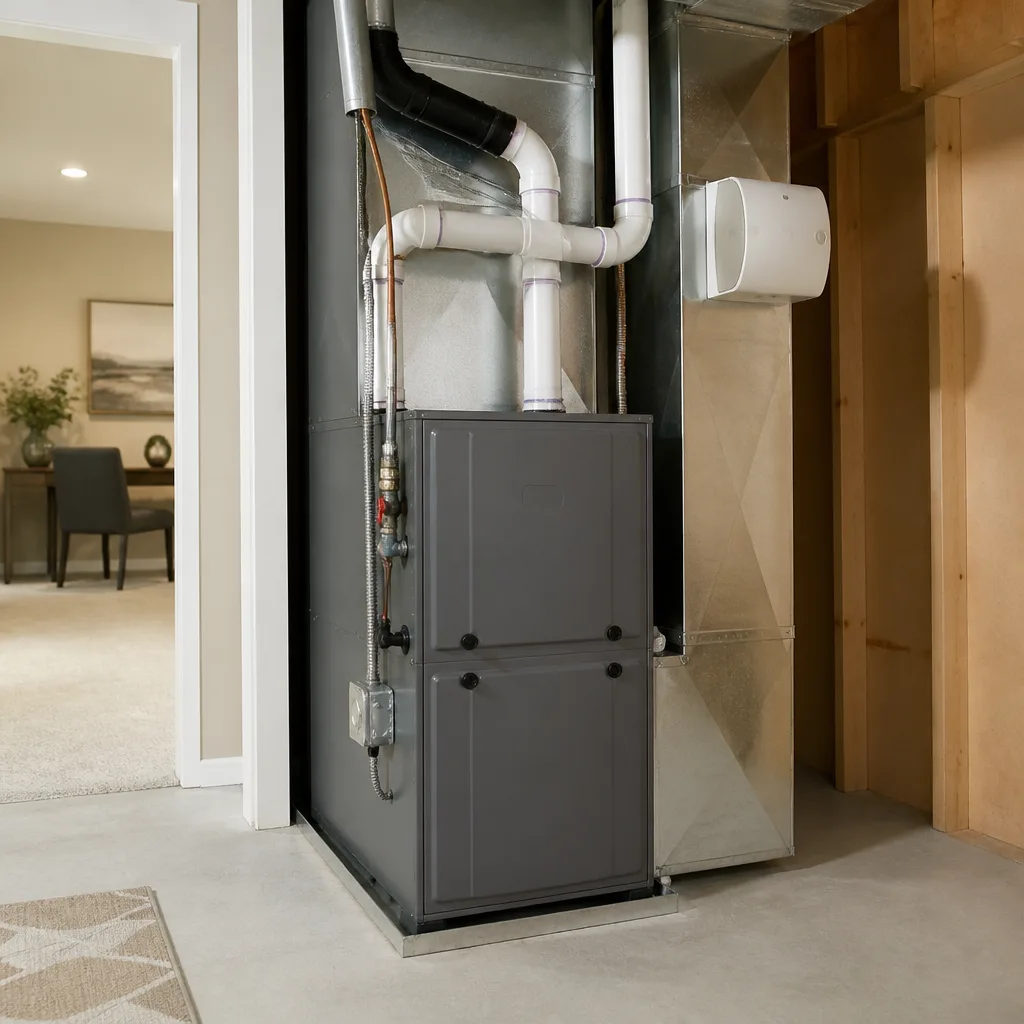 Furnace & heating
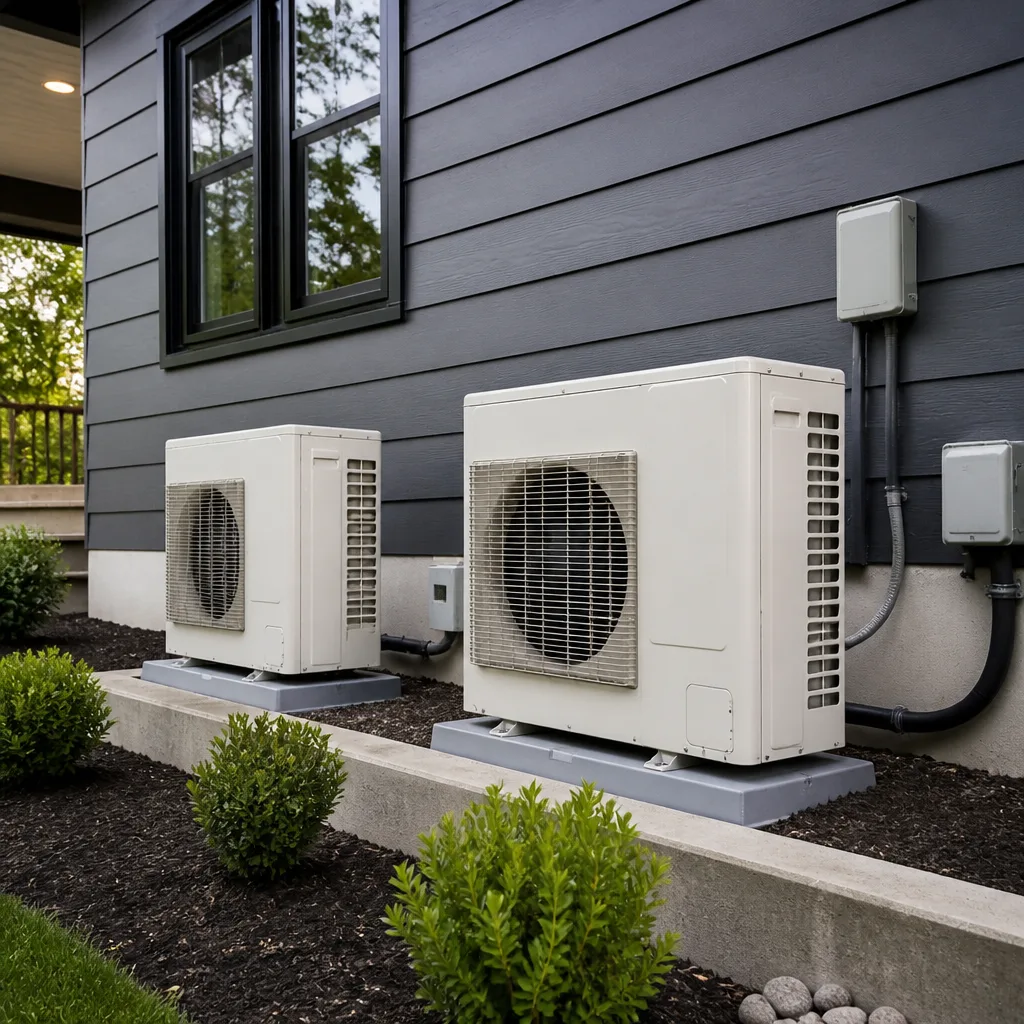 Heat pumps
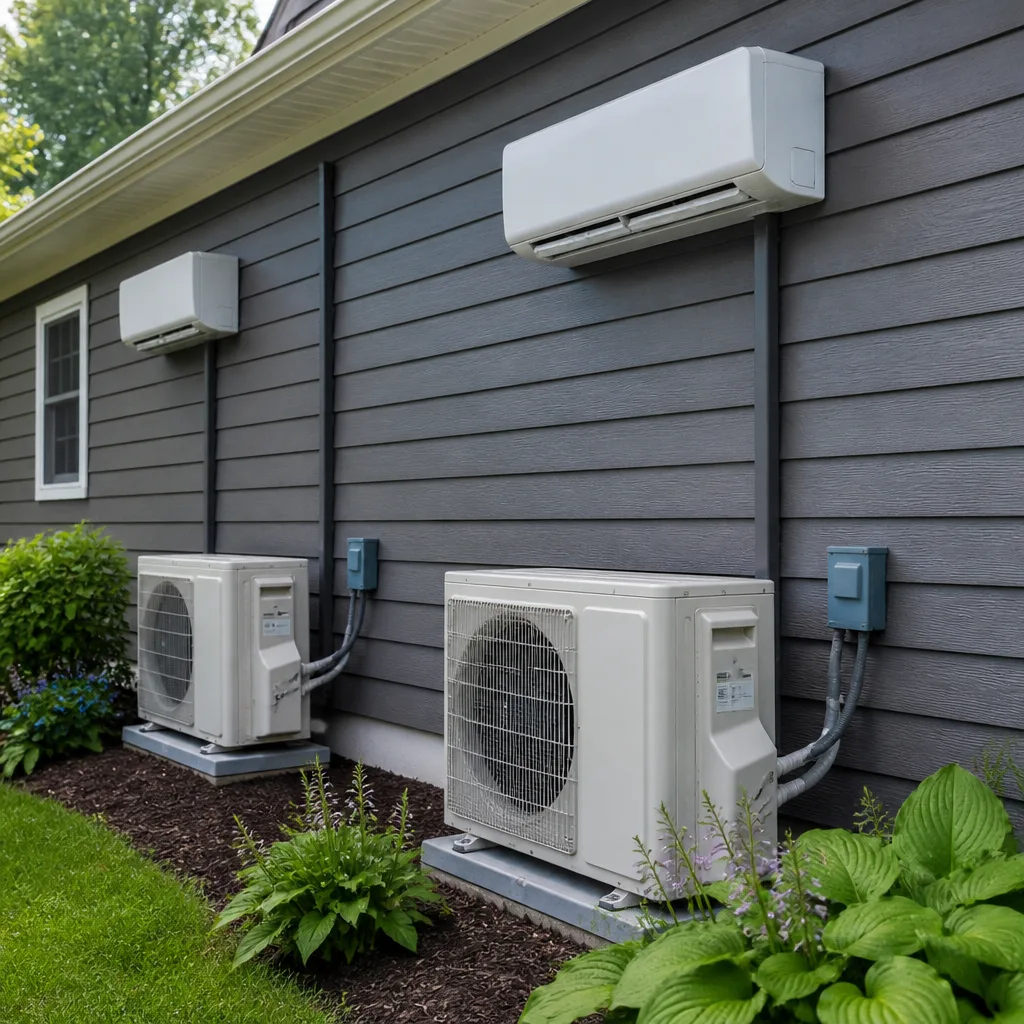 Ductless mini splits
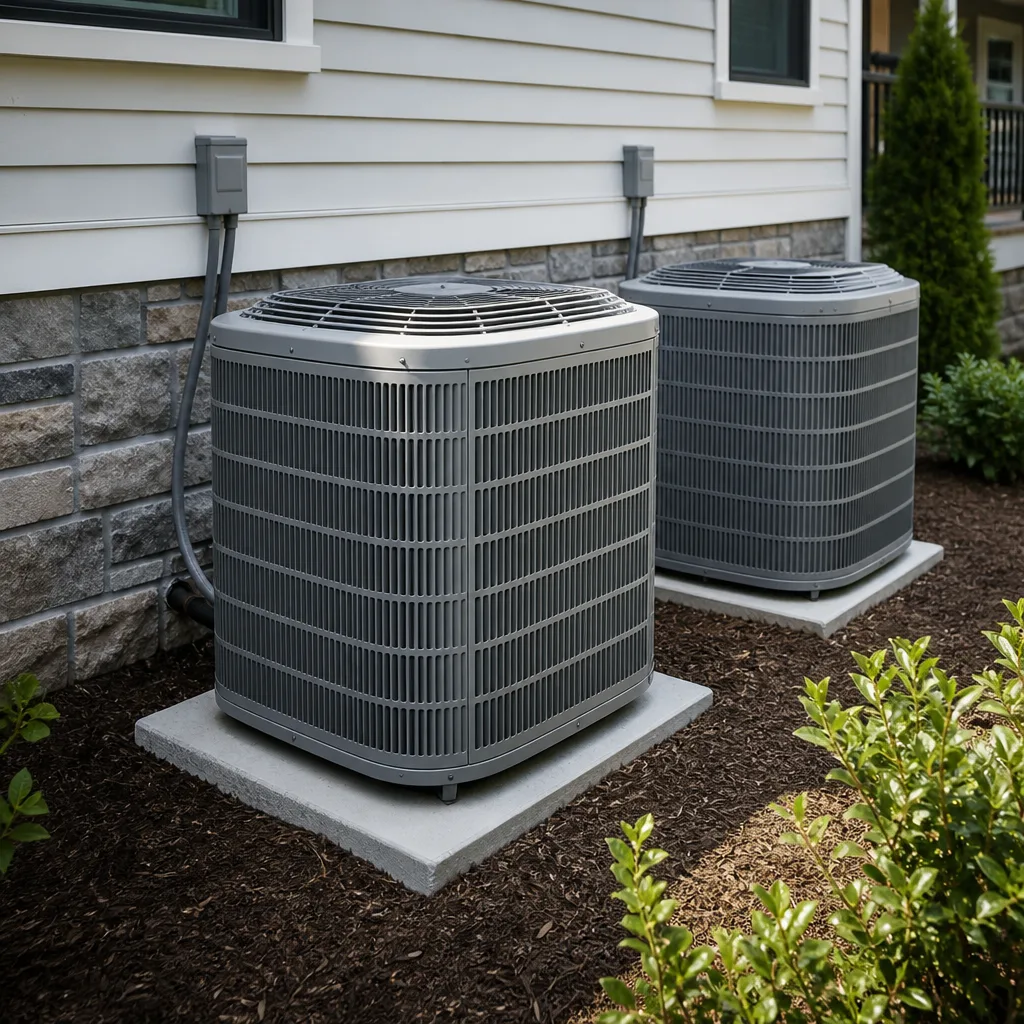 Carrier
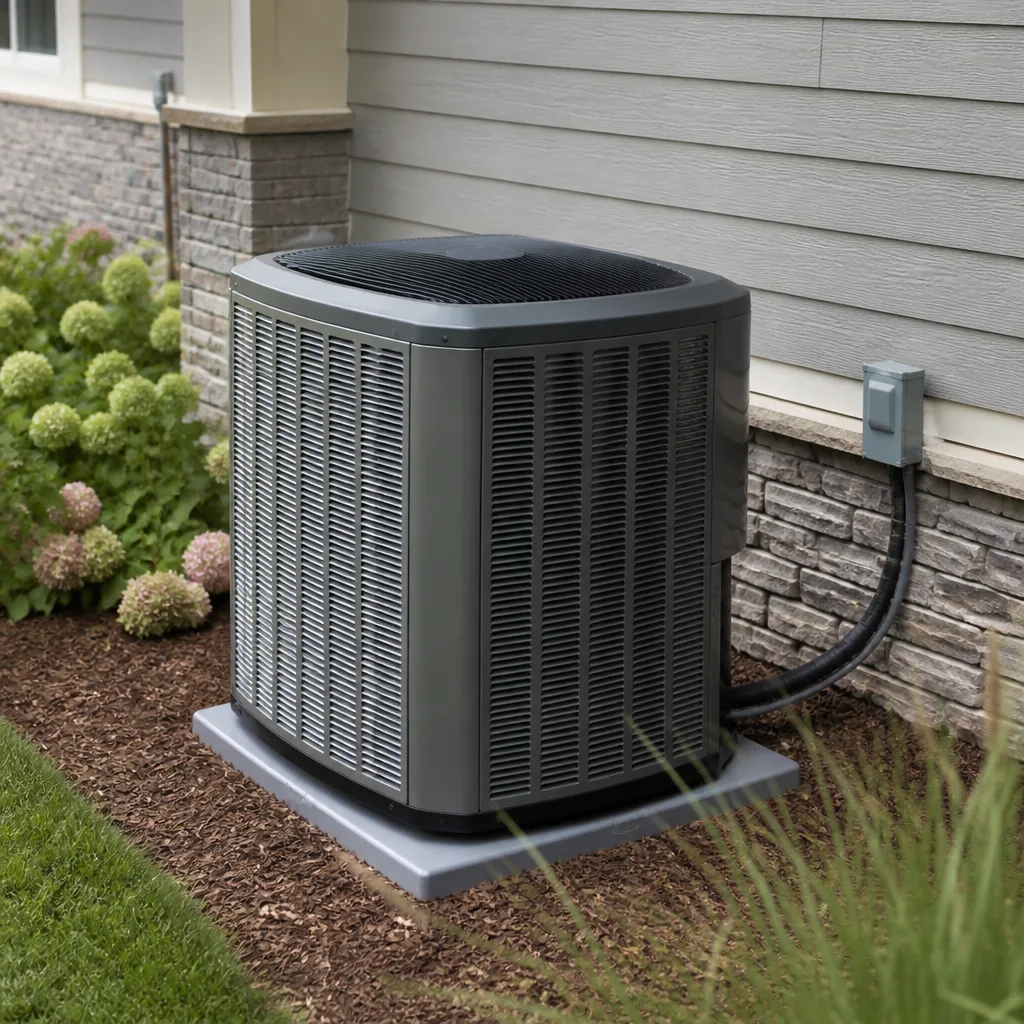 Trane
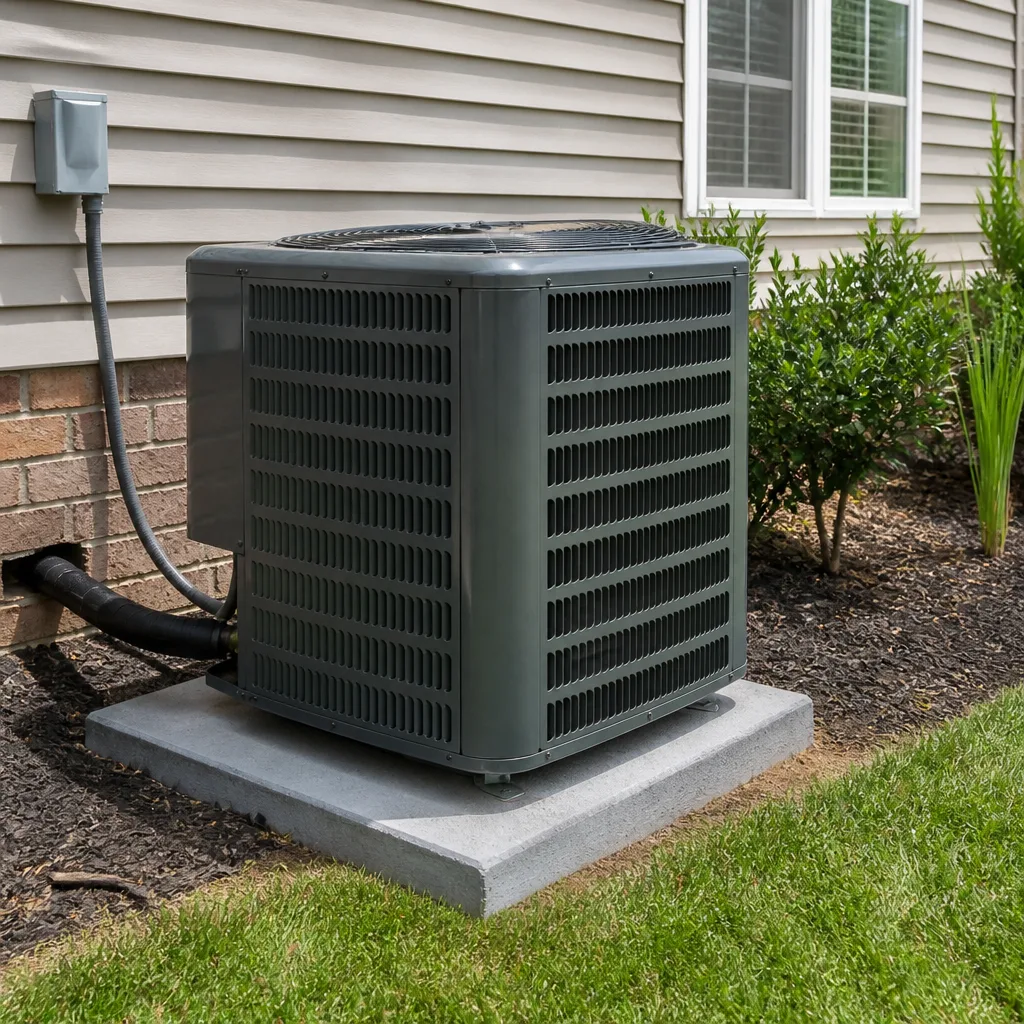 Goodman
Seasonal tune-up and full diagnostic on your Carrier, Trane, or Goodman system - readings shown to you before any repair is proposed
Diagnosis first, numbers second - you approve the repair price before a single part goes in.
Get your free estimateAir Quality & Ventilation Warning Signs Every Homeowner Should Know
If the inside of your window frames shows faint gray streaking near the edges, your home has a negative pressure problem pulling unfiltered air through gaps – and your HVAC system is working against itself every hour it runs. That streaking is attic dust, wall-cavity dust, and outdoor grit dragged through the smallest openings because the house is pulling harder than it pushes. Most ventilation problems don’t announce themselves. They build up for months as dust, humidity imbalance, and stale air wear down the household, and nobody connects the dots. This guide teaches you to read the physical evidence already in your home, including the monsoon trouble we see around Mesquite every fall, rather than waiting for a system alarm that may never come.
Quick Answer
The main warning signs of a ventilation problem are dust streaks at window edges and door corners, allergy symptoms that clear up when you leave the house, musty or metallic smells that come and go, condensation on interior glass, and rooms that stay stuffy even with the system running. In Mesquite’s dry climate, the biggest hidden culprit is late-summer monsoon moisture that gets trapped and surfaces as mold weeks later. Most of these signs are visible or smellable long before your HVAC system fails, which means you can catch the problem early.
Styles & brands we work with
- AC repair
- Furnace & heating
- Heat pumps
- Ductless mini splits
- Carrier
- Trane
- Goodman
Table of Contents
- The Window-Frame Dust Streak Test
- Why Allergy Symptoms That Vanish Outdoors Are a Ventilation Clue
- The Incense Test: A Rough Pressure Check for Any Room
- Reading the Smells: Musty, Metallic, Chemical, and Burning
- The Mesquite Monsoon Trap: Mold That Waits Until Fall
- Filters and Airflow: The First Thing We Check
- Humidity, Condensation, and the Signs on Your Glass
- When It’s Time to Call a Professional
The Window-Frame Dust Streak Test
Here’s a check you can do in five minutes. Run a white tissue along the inside edges of your window frames and door trim, especially on the side of the house that faces the prevailing wind. If the tissue comes back with faint gray or black streaks rather than even, light dust, the house is under negative pressure. It’s pulling air in through gaps faster than it’s being supplied, so it picks up whatever is hiding in the wall cavities and attic and drags it inside. In our experience through Mesquite neighborhoods, this shows up fastest in homes built before the 2000s, where the envelope has more small openings.
- Even, light dust on the tissue: normal.
- Faint gray or black streaking near edges and corners: negative pressure pulling unfiltered air.
- Clean corners but dusty window sills directly under the glass: condensation collecting and drying repeatedly.
- Dust concentrated on one side of the house: a duct or return problem on that side.
The fix isn’t scrubbing harder. It’s balancing your air. A house that runs a continuous bath fan or range hood without a matching supply path will pull from wherever it can, and that includes the attic. If the streaks keep coming back after cleaning, it’s worth a professional look at your ductwork and return sizing. We handle that along with AC repair and installation in Mesquite, and it’s usually a same-day conversation.
Why Allergy Symptoms That Vanish Outdoors Are a Ventilation Clue
If a family member’s congestion, headaches, or itchy eyes clear up within an hour of leaving the house and come back within an hour of walking in the door, that’s not a medical mystery. It’s a diagnostic. The air inside the home is carrying something the air outside isn’t: fine dust, mold spores, or combustion byproducts from a poorly vented appliance. In our experience, this pattern is one of the most reliable signals we get from homeowners in Mesquite – a spouse who feels fine at work and congested at home, kids who sleep better at grandma’s house. That’s a ventilation problem, not an allergy.
Three things usually account for it:
- A return-air path that pulls from the attic or crawlspace instead of conditioned space. This dumps insulation fibers and settled dust into the supply stream.
- A bathroom or kitchen exhaust fan venting into the attic rather than outdoors, which recirculates moisture and odor into the house.
- A filter that hasn’t been changed since the last heating season, which turns the whole system into a dust distributor.
Before you spend money on an air purifier, walk the house and look at where air comes in and where it goes out. If the narrative doesn’t line up, that’s your signal. We’ve walked Mesquite homes where the answer was a five-minute filter change; we’ve walked others where a duct repair solved years of headaches. A professional diagnostic is far cheaper than guessing.
The Incense Test: A Rough Pressure Check for Any Room
You don’t need a manometer to get a rough read on airflow. A single stick of incense will do. Light it, let it burn a moment, and move it slowly around the room. Watch where the smoke drifts.
- At door gaps. Hold the incense about an inch from the bottom and sides of a closed door. If the smoke gets sucked toward the gap, the room is under negative pressure relative to the rest of the house.
- At returns and supplies. Hold it near (not in) the return grille. The smoke should drift toward it in a steady, unhurried way. If it drifts away or hovers, the return isn’t pulling.
- At the bath fan. Run the fan, hold the incense near the grille. If the fan is working, the smoke should be pulled in. If it hangs or blows back, the fan is failing or something downstream is blocked.
- In the middle of a bedroom. Leave the incense on the nightstand for two minutes and watch the drift. A room with poor air exchange will show smoke collecting in one spot and hanging there.
Nothing about this test is precise. It’s a rough, repeatable read. But it tells you in ten minutes what some Mesquite homeowners don’t figure out for years. A home with balanced ventilation moves air gently through every room; a home with a problem pushes air in one place and pulls it in another. Repeat the test after a filter change and see if the smoke pattern shifts. That itself tells you something.
Reading the Smells: Musty, Metallic, Chemical, and Burning
Smell is the most primitive diagnostic tool a homeowner has, and it’s surprisingly specific. Each odor points to a different problem.
- Musty. Moisture in the ductwork, a wet evaporator coil, or standing water in a drain pan. In Mesquite, this often follows a rainy stretch in late summer when outside humidity spikes and the system hasn’t dried out.
- Metallic. Often a sign of oil or metal shavings from a failing blower motor, or aging flex duct with failing seams pulling in dust from a wall cavity.
- Chemical or sharp. A refrigerant leak, a bad capacitor in the air handler, or off-gassing from newly installed duct materials. This one warrants a call, not a nose survey.
- Burning or hot dust. At the start of the heating season, a small amount is normal – dust burning off the heat exchanger. If it persists past the first cycle, or comes with a headache or a metallic taste, shut the system down and call us. That can point to a cracked heat exchanger, which is a safety issue.
Write down when the smell appears. Morning? When the AC kicks on? Only in one room? That information alone helps a technician narrow the cause before they arrive. Our team trained to service nine major brands – Carrier, Trane, Lennox, and American Standard among them – so we’re used to reading the smell patterns that come with each system.
The Mesquite Monsoon Trap: Mold That Waits Until Fall
Mesquite’s climate is dry most of the year, which is exactly why the late-summer monsoon is the trickiest ventilation problem here. When the rains hit in July through September, outdoor humidity climbs sharply for weeks. If the air conditioning is running overtime and the envelope is tight, moisture intrudes and stays – inside the walls, under the evaporated coils, in the attic insulation, in the wall cavity behind the kitchen cabinets. Then the dry weather returns in October, and the indoor humidity drops. And the mold spores that were quietly brewing in the wet spots start to spread.
That’s why home inspections in Mesquite often find mold earlier in fall than in any other season. By that point the visible sign is obvious. The window-streak stage was months earlier. If you noticed condensation on the inside of your glass during monsoon season, or a musty smell that appeared in August and went away, that’s the trail. Persistent dampness during the wet stretch is easier to catch than the after-effects.
The workable strategy: during monsoon season, check your drain pan weekly, run the bath fan for 15 minutes after every shower (not 5), and swap the filter at the start of the season rather than the end. Our heating and furnace service in Mesquite can also check for combustion-related moisture issues in the same visit.
Filters and Airflow: The First Thing We Check
Every ventilation walk-through we do starts with the filter. It’s the cheapest, fastest signal in the house. A filter that’s visibly gray when you hold it up to a light is restricting airflow – which forces the blower to work harder, drops the pressure balance, and turns the whole system into a stale-air problem. In a Mesquite home during monsoon or high pollen weeks, a filter that has run for two months can be at the end of its useful life. Our rule of thumb: change it monthly during heavy-use stretches, every three months otherwise, and always match the MERV rating to your system. Too low, and it lets dust straight through; too high, and it chokes the airflow.
Full-coverage HEPA filtration is worthwhile in some homes. Less known is that poor duct sealing wastes money faster than a weak filter. A duct that’s leaking inside a wall is pulling unfiltered air from the attic. If your filter is clean but the streaks keep coming back on the window frames, ductwork is the next stop.
Humidity, Condensation, and the Signs on Your Glass
Interior moisture on glass is the house telling you it’s over-humidified. In Mesquite, homeowners often assume dry climate means no humidity issue – and they’re surprised. Showers, cooking, and humid monsoon air can push indoor humidity well above the comfortable 40 to 50 percent range without any obvious sign except fog on the inside of windows and a slight clamminess near the bath. If you’re seeing interior condensation in fall and winter, or condensation that doesn’t clear within an hour after cooking or showering, ventilation is the culprit.
Two quick checks:
- Glass. Fog on the inside of single-pane windows is a ventilation signal. Fog that persists after the room has emptied out is worth a call.
- Wood and paint. Swollen door jambs, cupped flooring, or paint peeling near the bath are downstream signs of a moisture problem that’s been brewing.
Your heat pump and mini-split systems in Mesquite can often be part of the humidity solution, but only if the equipment is sized and set up right. A system that’s oversized cools too fast and dehumidifies poorly.
Common Mistakes to Avoid
- Masking the smell instead of finding it. Air fresheners and candles hide the diagnostic signal. A homeowner in Mesquite told us once that the smell went away when she switched brands. What actually happened is her nose got used to it.
- Turning up the fan when the house is stale. A stronger fan on a bad duct system just circulates the same unfiltered air faster. Fix the source before you turn up the speed.
- Skipping the bath fan cycle. Five minutes after a shower doesn’t clear a bathroom. Fifteen is the working number.
- Closing vents to “save money.” Closing supply vents increases pressure and pulls unfiltered air from wherever the house can reach – often the attic. That’s a dust problem you can measure on the window frames.
- Over-filtering without checking airflow. A high-MERV filter on a system designed for lower resistance can cut airflow and create a stale-air problem that looks like a dirty filter issue.
- Assuming the monsoon is over when the rain stops. The moisture inside the house lasts longer than the weather. Fall is when most mold calls actually come in.
- Waiting for the system to fail before calling. Ventilation problems don’t usually cause a system failure. They cause long-term discomfort and quiet wear on the equipment.
See the difference
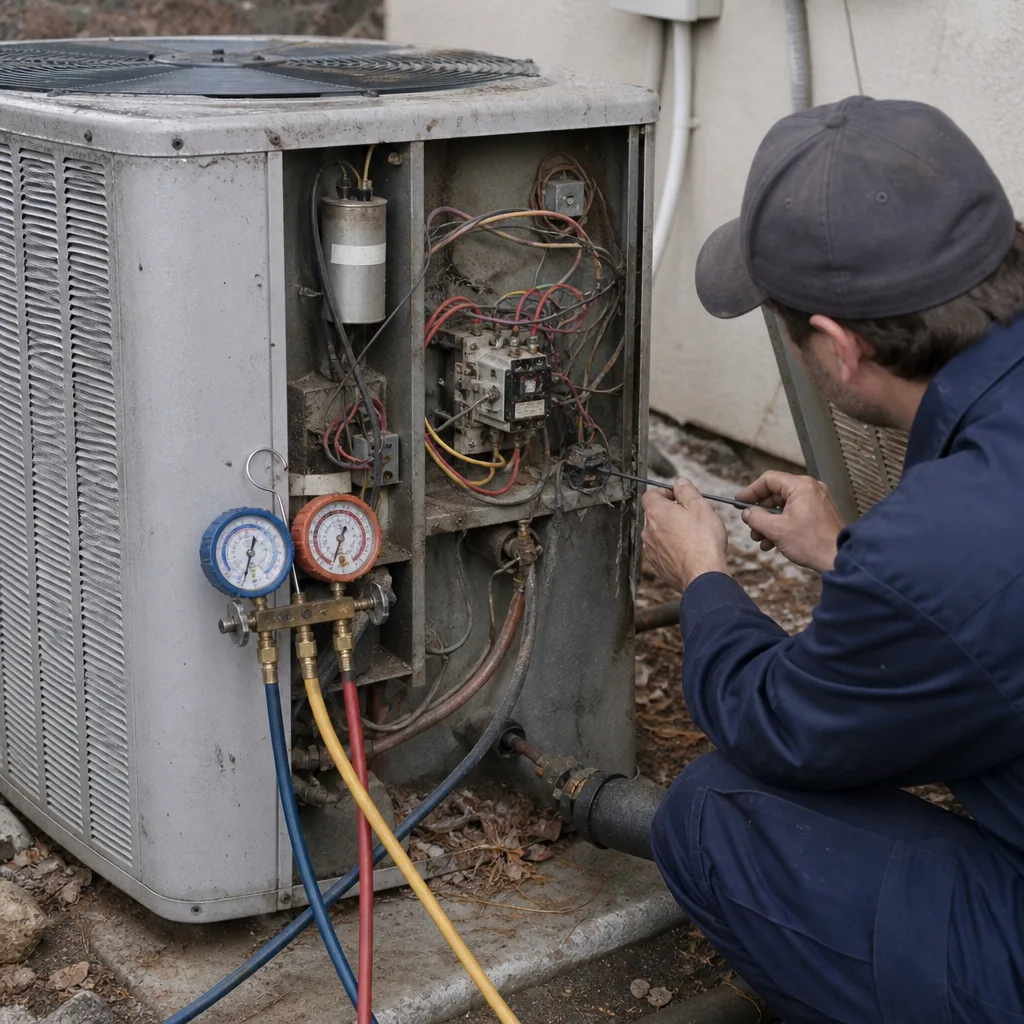 Before
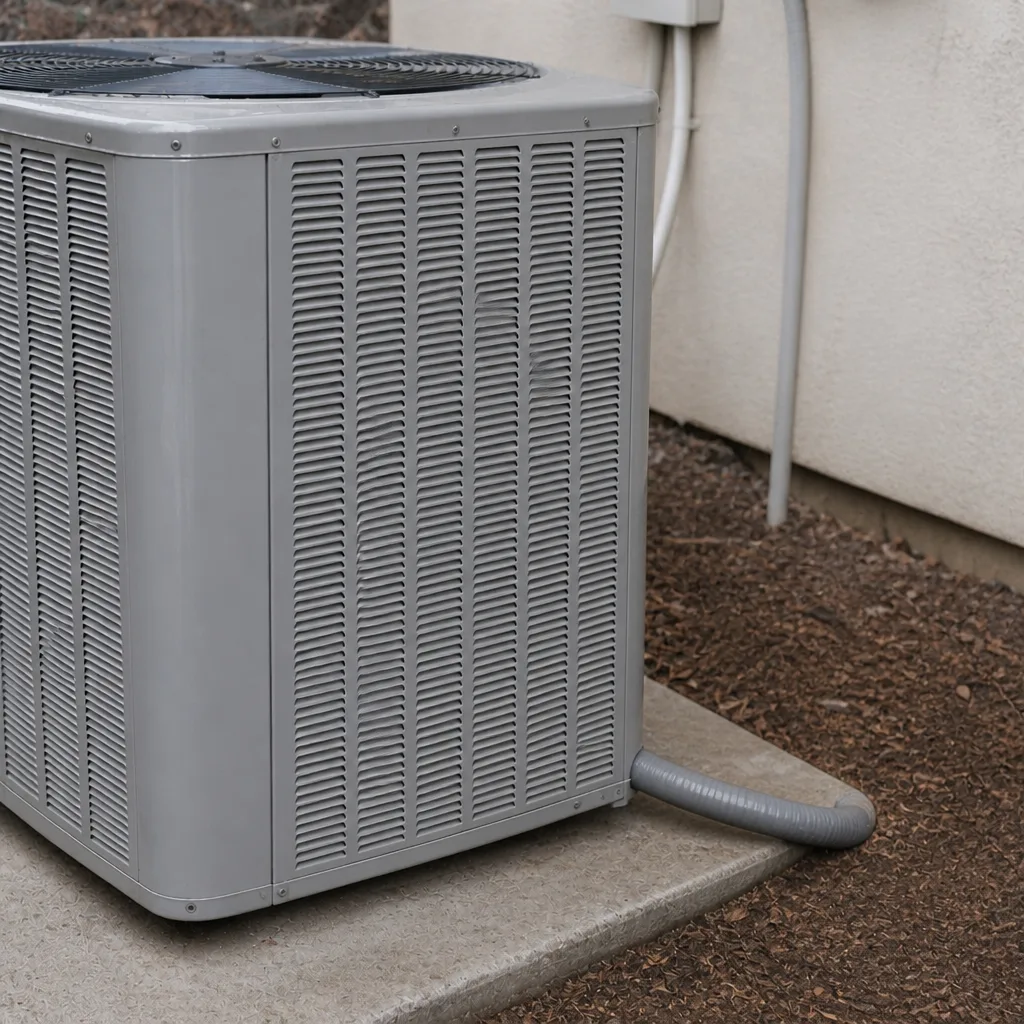 After
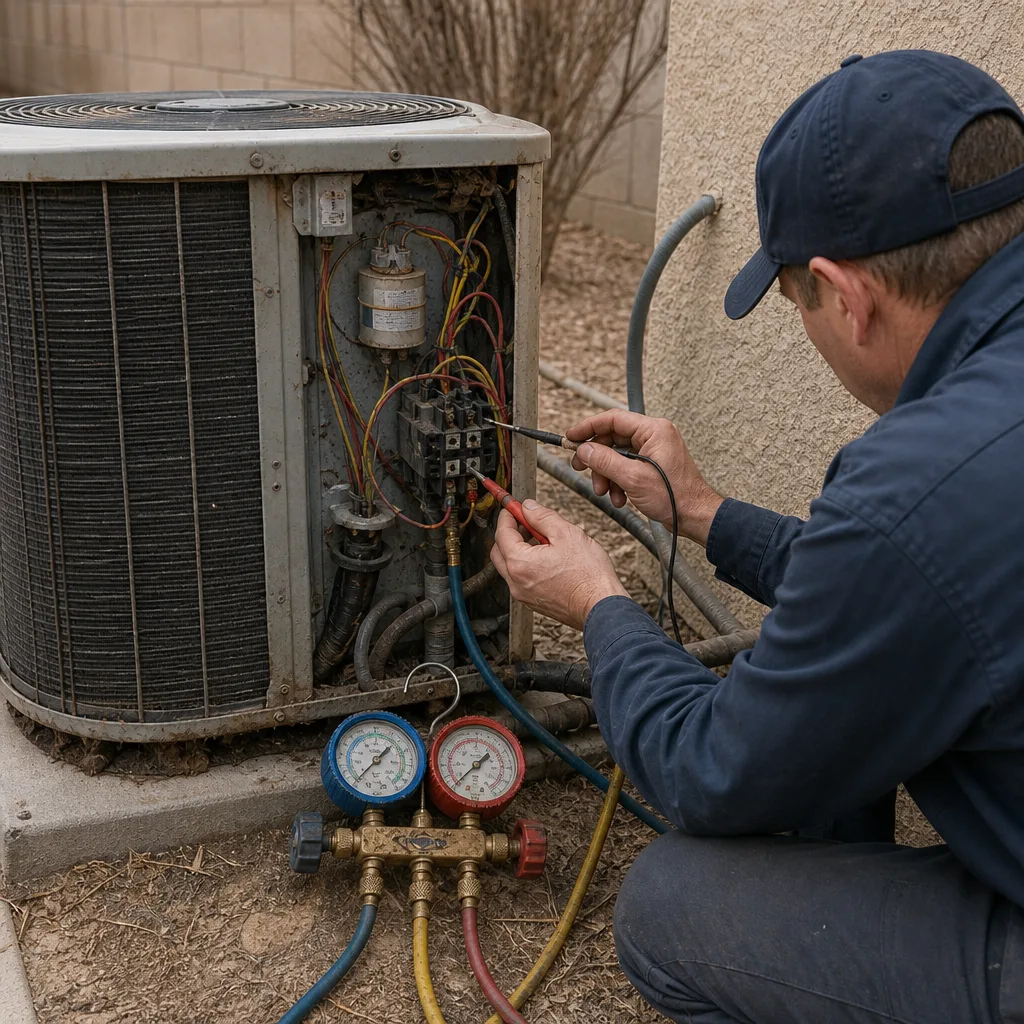 Before
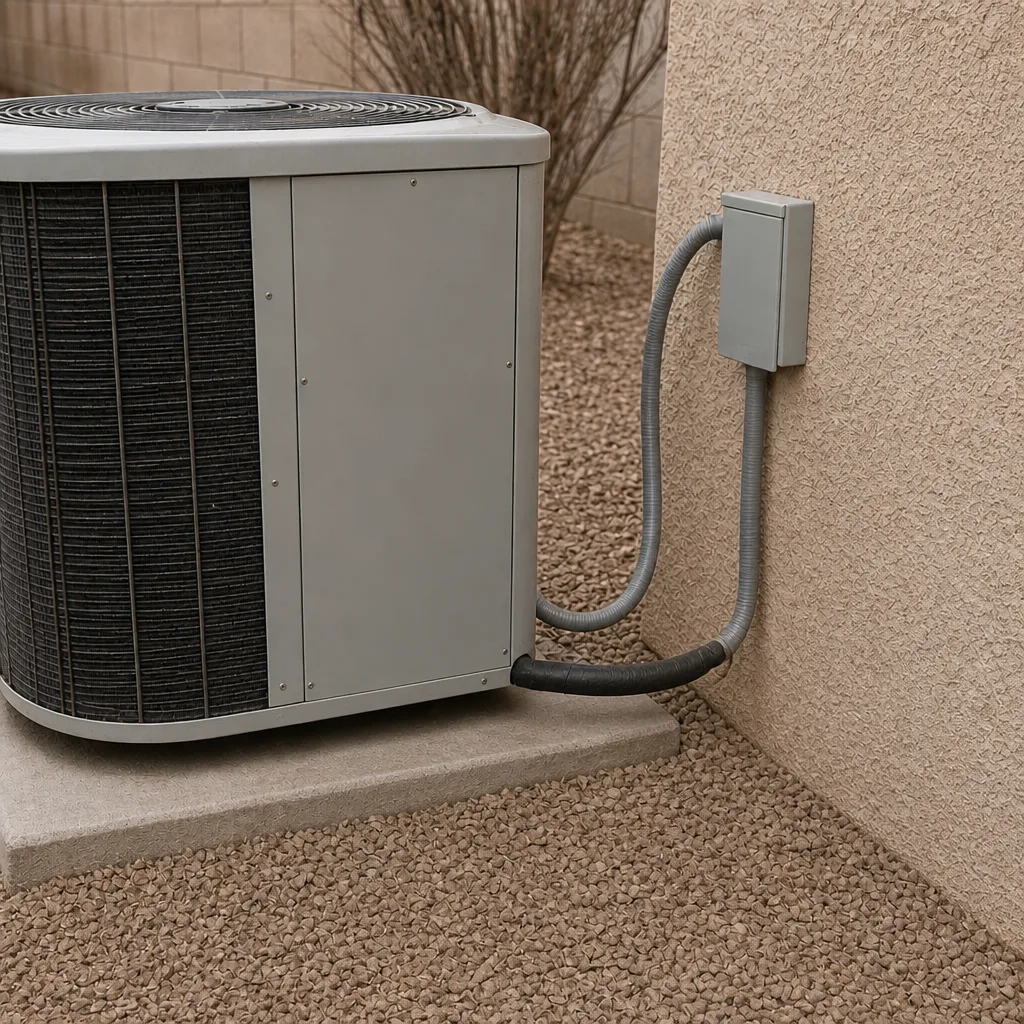 After
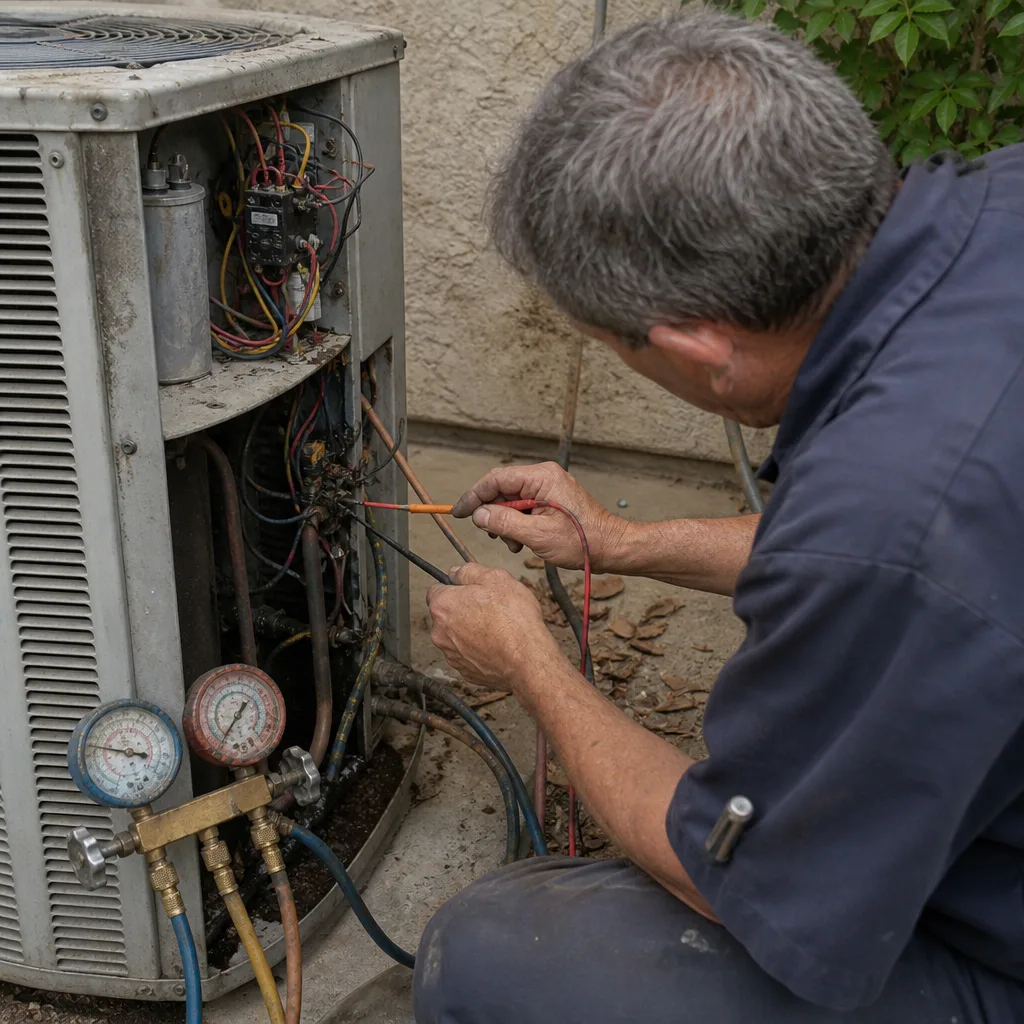 Before
 After
When to Call a Professional
Call us when the signs show up together rather than one at a time: window streaks that return within a week of cleaning, a persistent musty smell in one room or in the whole house, condensation on interior glass that doesn’t clear in a day, or a burning smell that lasts past the first heat cycle of the season. Call us if someone in the household has symptoms that clear up outside the home and return inside it, or if a monsoon season left any moisture in your walls or ductwork that you haven’t had checked. Fireside Heating & Air Co. Mesquite offers free estimates in Mesquite – call (888) 570-3601. We’ll come out, walk the house, and tell you straight what we find and what it costs to fix.
Frequently Asked Questions
Start with the window-frame tissue test, the incense drift test, and a filter check. Those three take under 15 minutes and will tell you whether your home has a pressure, airflow, or filtration problem. They won’t measure fine particulates, but they’ll point you at the right next step. If you’re in Mesquite and the signs point toward a real issue, a professional walk-through is worth the call.
Because the air inside your home is carrying something the outdoor air isn’t, usually dust from wall cavities, mold spores, or a poorly vented appliance. That pattern is one of the strongest indicators of a ventilation imbalance. It’s worth having your ducts, return sizing, and exhaust paths checked before you spend money on medication.
It means your home is under negative pressure and pulling unfiltered air through small gaps. The streaking is attic or cavity dust being drawn in, and it usually means the system’s returns are undersized or something else is exhausting more air than is being supplied. A duct inspection will sort out which.
Yes, and more than most homeowners expect. The dry climate makes the late-summer humidity spike especially hard on the house, because the walls and ducts aren’t used to holding moisture. Mold that starts during the monsoon often doesn’t show visible signs until fall, which is why that season produces so many calls in Mesquite.
Monthly during peak-use stretches – summer cooling and the late-summer monsoon – and every three months otherwise, or when the filter is visibly gray in good light. If you run the system in high dust conditions, err on the side of earlier.
In most cases we see, repair is the answer. Duct sealing and return sizing solve a lot of ventilation problems at a fraction of the cost of a system replacement. If you’re facing both a duct issue and an aging system that’s served well past its prime, that’s where a straight comparison makes sense. Call (888) 570-3601 for a free estimate – we’ll tell you honestly which one your system actually needs.
The Bottom Line
Ventilation problems don’t announce themselves. They leak through window frames, drift through door gaps, and collect on glass until the signs are impossible to miss. Most of the same warning signs apply across the country: dust streaks, allergy patterns, interior condensation, smells that point to specific causes, and filter patterns. In Mesquite, the late-summer monsoon adds a trap that catches homeowners in fall when they thought the wet season was over. You can read these signs yourself with a tissue and a stick of incense, and the sooner you do, the cheaper the fix. When the signs stack up, call us. A square deal and a job done right mean we’d rather help you catch it early than charge you for an emergency.
If you’re in Mesquite and something on this list sounds familiar, we’re here to help. Our team has served homeowners for over 42 years with upfront pricing and a written 90-Day Done Right Promise on every job, and our phones are answered by a live person around the clock. Call Fireside Heating & Air Co. Mesquite at (888) 570-3601 for a free estimate – and if you’re the kind of homeowner who wants the whole story on your system, our Fireside Heating & Air Co. Mesquite home is the place to start.
Written by the team at Fireside Heating & Air Co. Mesquite.