
Last updated November 18, 2026
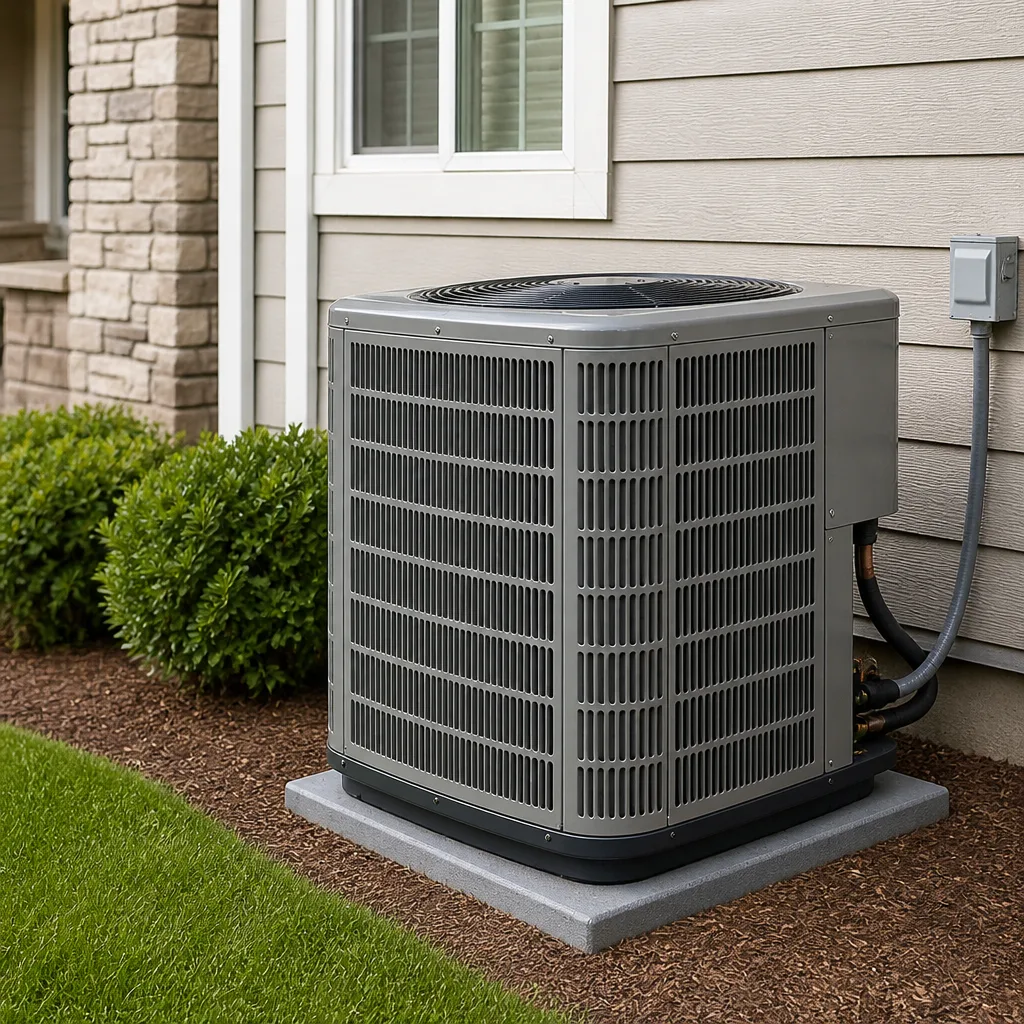 AC repair
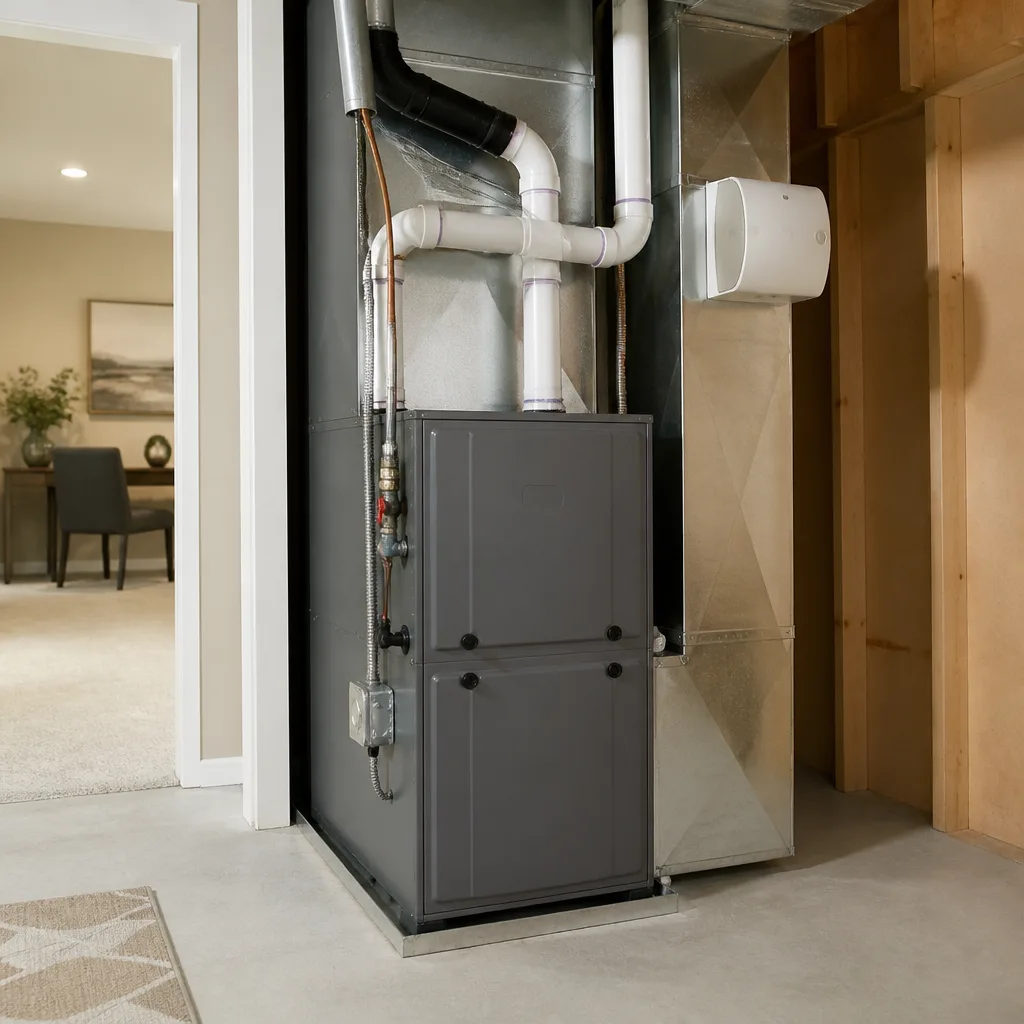 Furnace & heating
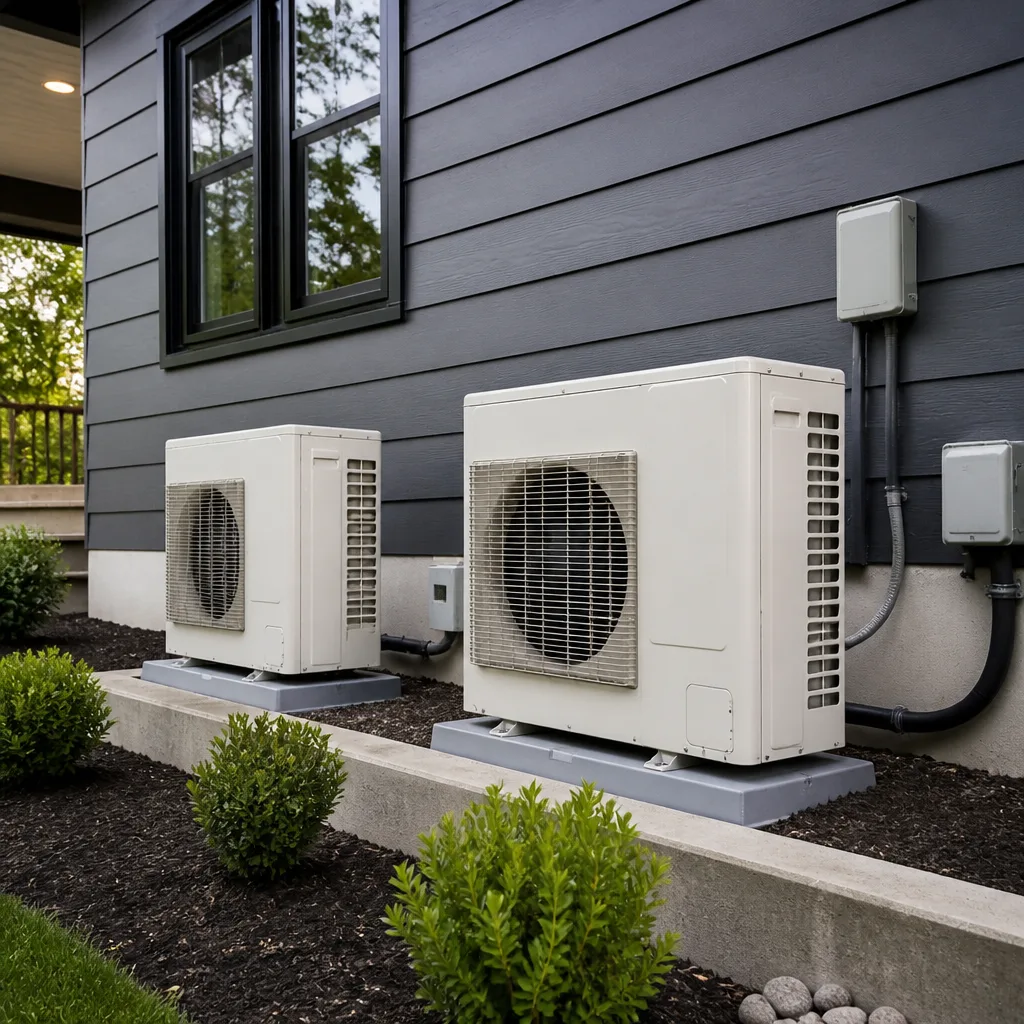 Heat pumps
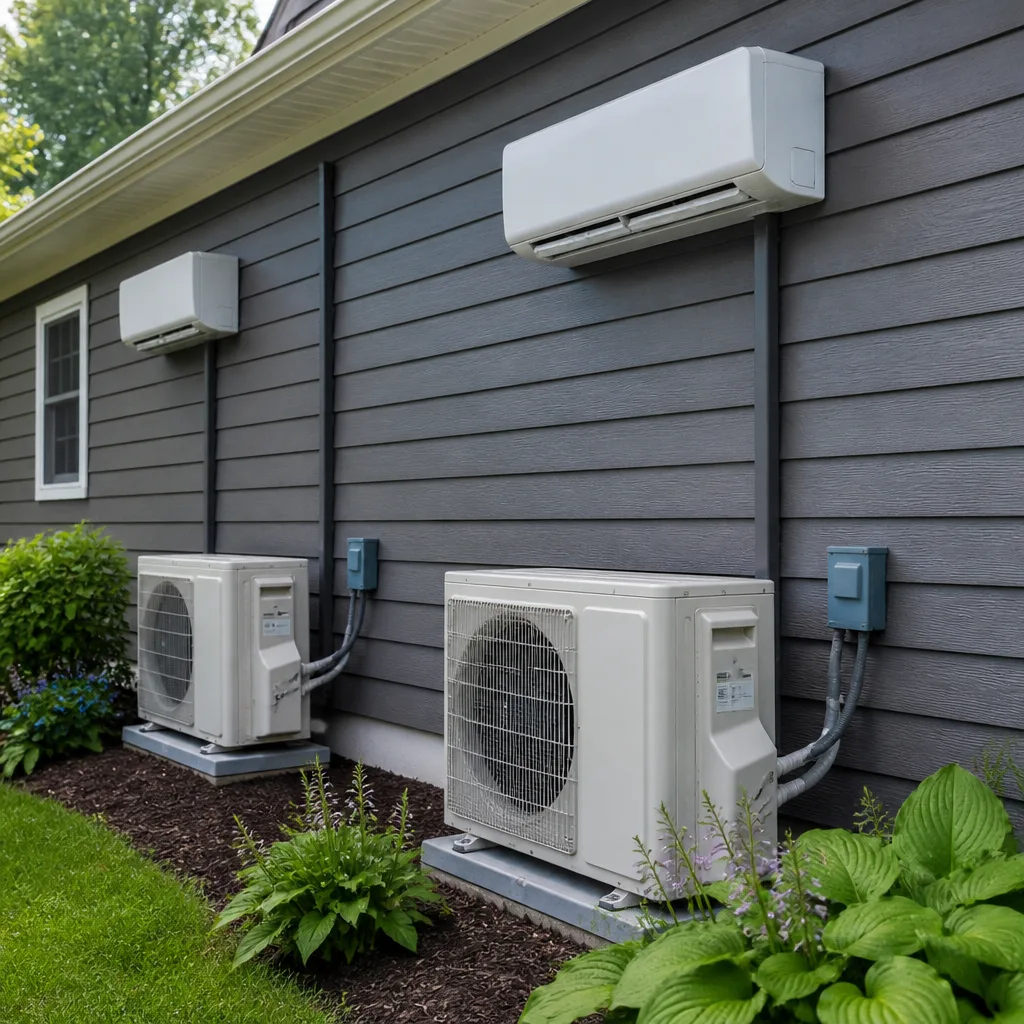 Ductless mini splits
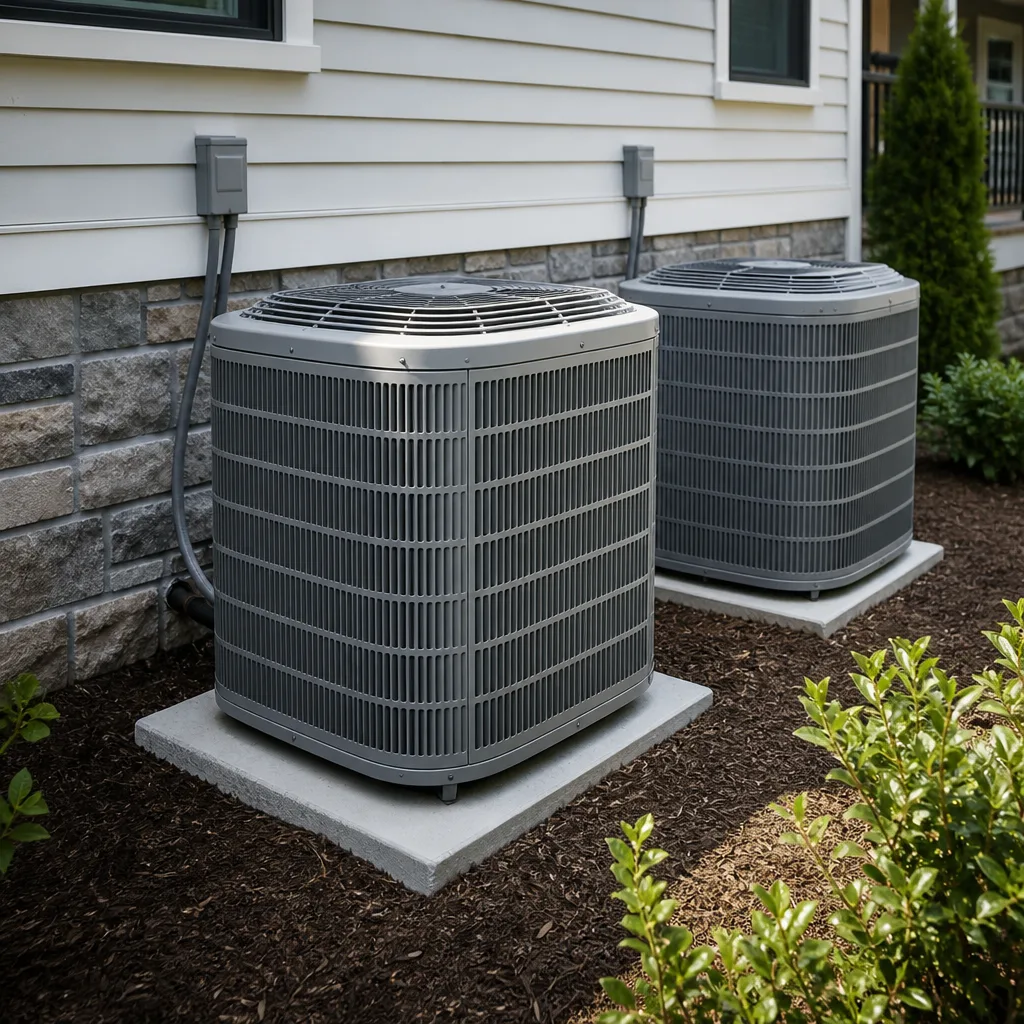 Carrier
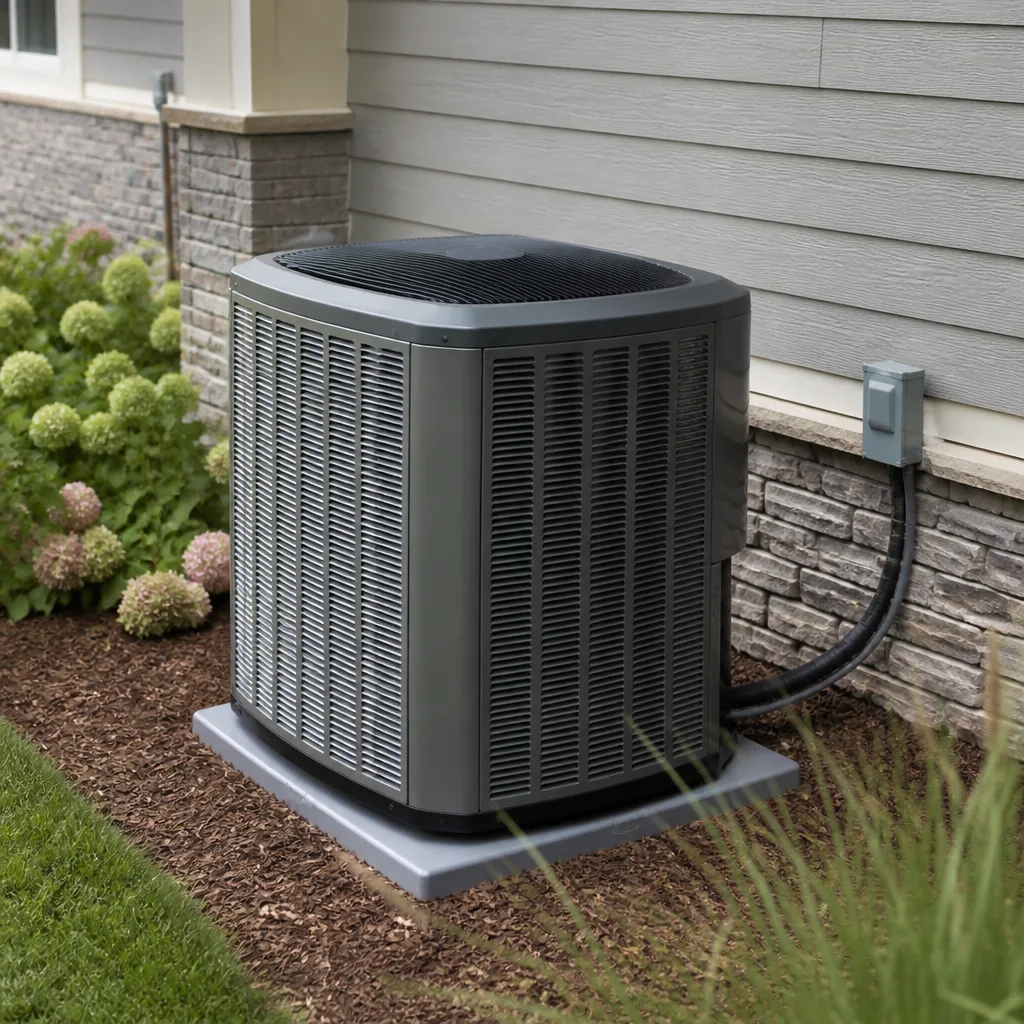 Trane
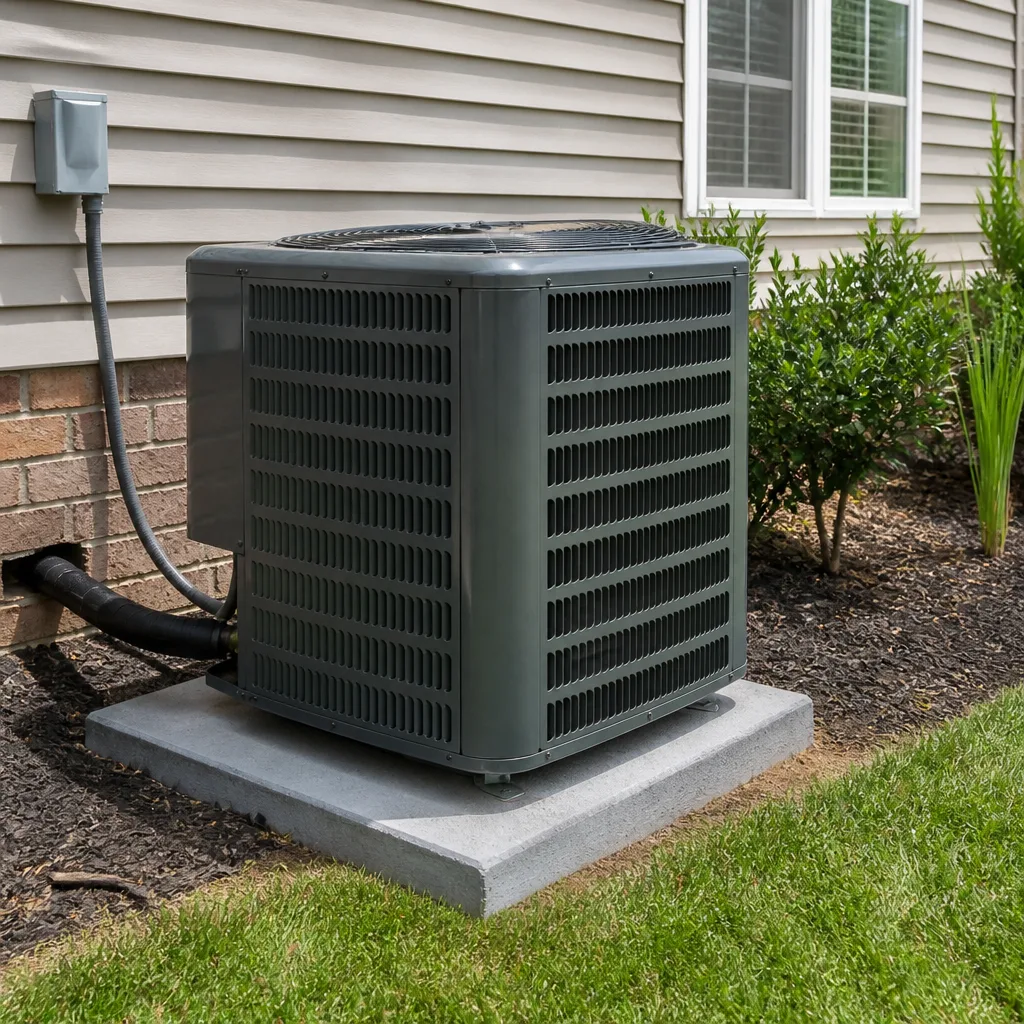 Goodman
Seasonal tune-up and full diagnostic on your Carrier, Trane, or Goodman system - readings shown to you before any repair is proposed
Diagnosis first, numbers second - you approve the repair price before a single part goes in.
Get your free estimateThe Complete Air Quality & Ventilation Guide for Mesquite Homeowners
Most Mesquite homeowners assume the dust inside their house blew in from the desert. It usually didn’t. In a tightly sealed home, particulate concentrations often measure two to five times higher than the outdoor air on a calm day, because the dust isn’t entering. It’s being generated indoors, then trapped and recirculated by the same system that’s supposed to keep you comfortable. The dry air compounds it, pulling moisture out of building materials and finishes so they release volatile compounds faster than they would in a humid climate. This guide covers what’s actually happening in Mesquite homes, when a high-MERV filter helps and when it hurts your equipment, how ERV and HRV ventilation differ in a dry climate, and how to tell honest air quality measurement from marketing claims.
Quick Answer
Indoor air in a well-sealed Mesquite home is often worse than the outdoor air, driven by fine alkaline desert dust, very low humidity that speeds off-gassing from building materials, and modern construction that leaves no natural dilution. The fix isn’t a single purifier. It’s a balanced approach: the right filtration without choking airflow, balanced mechanical ventilation, and source control. An assessment tells you which of those you actually need.
Styles & brands we work with
- AC repair
- Furnace & heating
- Heat pumps
- Ductless mini splits
- Carrier
- Trane
- Goodman
Table of Contents
- Why Mesquite Indoor Air Is Different
- MERV Ratings: When They Protect and When They Hurt
- ERV vs. HRV: What Works in a Dry Climate
- Backdrafting: The Invisible Ventilation Problem
- What an IAQ Assessment Actually Measures
- Air Purifier Claims vs. Reality
- A Step-by-Step Plan for Your Home
- Common Mistakes to Avoid
Why Mesquite Indoor Air Is Different
Mesquite sits in the high desert of the Virgin River valley, and that geography shapes indoor air in ways that generic national advice never accounts for. Three forces work together here.
Fine alkaline dust. The soil around Mesquite is mineral-rich and alkaline. When it gets tracked in, it doesn’t just settle as visible grit. The finest fraction, the particles you can’t see, gets resuspended every time someone walks across a floor, sits on a couch, or the blower kicks on. Those particles stay airborne for hours and land in your lungs rather than on your shelves.
Very low humidity. Relative humidity in Mesquite routinely drops into the teens and single digits. Dry air does two things indoors. It pulls moisture from wood, drywall, paint, adhesives, and furniture, and that outgassing releases volatile organic compounds more readily than in a humid climate. Low humidity also makes airborne particles lighter and easier to keep aloft.
Tight construction with no natural dilution. Newer Mesquite homes are built to hold their conditioned air, which is good for your power bill and bad for air exchange. Older homes leaked enough that outdoor air diluted whatever built up inside. A tight house has no such relief valve, so particles, moisture, and gases accumulate. That’s the core of the desert indoor air story: the problem is generated and trapped inside, not blown in.
None of that means the outdoor air is clean. It means you can’t assume opening a window fixes things. On a windy spring day in Mesquite, an open window is a dust delivery system. Real control comes from filtration, ventilation, and source management working together.
MERV Ratings: When They Protect and When They Hurt
MERV, or Minimum Efficiency Reporting Value, measures how well a filter captures particles. Higher numbers catch more, but they also resist airflow more. On a desert system, that tradeoff matters more than it does anywhere else, and it’s where a lot of well-intentioned homeowners quietly damage their equipment.
Here’s the honest picture for Mesquite:
- MERV 8 to MERV 11 is the practical zone for most residential systems. It captures the bulk of respirable dust without overloading the blower.
- MERV 13 can make sense if your ductwork and blower are sized for it. Many aren’t, and a filter that’s too restrictive starves the system of air.
- MERV 13 and above on an undersized system raises static pressure, drops airflow across the coil, and can lead to frozen coils, short cycling, and a shorter equipment life. The filter says “cleaner air” on the box. The compressor pays for it.
The static pressure problem is the one we see most often. A homeowner reads that MERV 13 is best, buys the highest number on the shelf, and within a season the system is laboring. Before you raise the MERV rating, someone needs to check whether the return duct and blower can move enough air through it. That’s not a guess. It can be measured. On a Mesquite system fighting desert dust, a filter that fits the equipment and gets changed on schedule beats an oversized one that chokes it every time.
Change frequency matters more here than in most places. Alkaline dust loads a filter faster than the pollen and humidity of a coastal climate. A filter that lasts three months in a mild climate may need attention in six to eight weeks in Mesquite during dust season. When in doubt, look at it. A filter you can’t see light through is already costing you airflow.
ERV vs. HRV: What Works in a Dry Climate
Standard guidance says use an HRV (heat recovery ventilator) in cold climates and an ERV (energy recovery ventilator) in hot, humid ones. That rule of thumb points to ERV for Mesquite, and it holds up all year here. The reasoning is worth walking through, because it’s the part most homeowners get wrong.
Both devices bring fresh outdoor air in and push stale indoor air out while recovering energy from the exchange. The difference is what they recover.
- An HRV recovers heat only. It transfers warmth between the airstreams but not moisture.
- An ERV recovers both heat and moisture. It can hold humidity back on a dry day and keep it from over-drying your home.
In a Mesquite summer, that distinction matters less for moisture and more for the simple fact that you don’t want a ventilation device dumping hot desert air into a cooled house without tempering it. In winter, the valley gets cold enough that an ERV’s heat recovery keeps the incoming air from feeling like a draft. And because your indoor air is already dry, an ERV’s moisture handling keeps the exchange from making it drier. For a year-round single solution in this climate, ERV is the fit.
Ventilation isn’t ventilation-optional in a tight house, but this isn’t a do-it-yourself project. Sizing a ventilator means calculating the home’s required airflow, tying into ductwork, and balancing the system so it doesn’t pressurize or depressurize the house. If you’re weighing a whole-house solution alongside your heating and cooling equipment, our Heat Pump & Mini Split in Mesquite page covers how fresh-air and comfort systems get planned together.
Backdrafting: The Invisible Ventilation Problem
This is the part of air quality that can actually hurt you, and it’s the one nobody thinks about until it’s a carbon monoxide call. Backdrafting means combustion gases from a gas water heater, furnace, or fireplace are being pulled back into the house instead of venting up the flue. In a modern airtight home, that risk rises, because the house can become negatively pressurized. When a bath fan or range hood pulls air out faster than the house can replace it, the path of least resistance for combustion gas becomes your living room.
The signs are easy to miss or dismiss:
- A flue that feels cool to the touch when the appliance is running
- Soot or moisture streaks near the vent connector
- Headaches, dizziness, or nausea that clear when you leave the house
- A CO alarm that chirps intermittently and gets “reset” instead of investigated
These are the mild end. At the serious end, backdrafting is a carbon monoxide hazard with no warning smell. This is not a problem to diagnose by trial and error. Testing for spillage and pressure imbalance requires instruments and training. If you have any gas-burning appliance and a tightly sealed Mesquite home, a combustion safety check belongs in your plan, not on your someday list. Our Heating & Furnace in Mesquite team handles that testing alongside the rest of your system.
What an IAQ Assessment Actually Measures
An indoor air quality assessment is a diagnostic, not a sales pitch. Here’s what a legitimate one looks at, and what it doesn’t.
What gets measured:
- Particulate levels in key zones (bedrooms, living areas, near the return), often at multiple size ranges including the fine particles that penetrate deep into the lungs.
- Relative humidity room by room, since a whole-house number hides dry and damp pockets.
- Carbon monoxide and combustion safety, especially around gas appliances.
- Airflow and static pressure across the filter and coil, which tells you whether your filtration choice is hurting equipment.
- Ventilation and pressure balance, including whether the house is being pulled negative by exhaust fans.
- Moisture and visible growth around the air handler, drain pan, and ducts.
What a real assessment does not do is hand you a machine and a finish line. It identifies the source of the problem first. A particle counter reading is only useful if it tells you where the particles are coming from and what to do about the source.
We’ve seen Mesquite homes where the culprit was a soil-tracked dust problem solved by a mat at every door and a shoe policy, not a $900 purifier. We’ve seen others where the air handler and ducts hadn’t been cleaned in twenty years and every filter change was fighting a losing battle. The assessment tells you which one you’re in.
Air Purifier Claims vs. Reality
Purifiers can do real work, but the marketing outruns the physics. Here’s how to read the box honestly.
Look for a Clean Air Delivery Rate (CADR) that’s sized to the room. CADR measures how much clean air the unit delivers per minute, and it’s the one number that means something. A high CADR in a tiny room is fine; a high CADR claim on a unit that only filters the air next to it is not.
Be skeptical of “removes 99.9% of particles.” Almost any HEPA filter does that at the filter. The question is how much air actually passes through it and how often the room’s air cycles through the machine. A top-tier filter on an underpowered fan cleans a small bubble while the rest of the room keeps filling with dust.
Treat UV and ionizer claims with caution. UV-C can help with certain growth on a coil surface, but it’s not a room-air solution. Ionizers and ozone generators can produce byproducts you’d rather not breathe. “Fresh-smelling” is not the same as “cleaner.”
For a Mesquite home, portables can help in a single bedroom or a home office. Whole-house air quality comes from the system that already moves your air every day: the filter, the ducts, the humidity, and the ventilation. A standalone purifier in a corner can’t fix a house that’s under-ventilated and over-dusty. If you’re planning a system-level fix alongside comfort upgrades, our AC Repair & Installation in Mesquite page shows how whole-house air handling and filtration get designed as one system.
A Step-by-Step Plan for Your Home
Here’s a practical order of operations for a Mesquite home. Start with the cheap stuff, then escalate only where the assessment points.
- Control the source. Mats at every exterior door, shoes off inside, and a quick wipe of high-traffic floors. The soil here is alkaline and fine, so keeping it from being tracked in cuts the airborne particle load before it starts.
- Right-size the filter, then change it on schedule. Confirm the rating your system can actually handle. In Mesquite’s dust, six to eight weeks during heavy season is realistic for many homes.
- Check the air handler and ducts. If the system’s been running for decades, the cabinet and ducts may be holding their own dust load. Cleaning can be the single biggest particulate win.
- Test combustion safety. Any gas appliance, tested for spillage and pressure imbalance. This is the step to never skip in a tight house.
- Measure humidity and plan for dry air. If indoor humidity is floored year-round, a whole-house humidifier alongside ventilation keeps materials from off-gassing and your skin and sinuses from paying for it.
- Add balanced ventilation where the assessment calls for it. An ERV sized and balanced to the home keeps fresh air coming in without pressurizing the house or dragging in dust.
- Consider portables only where they’re solving a local problem. A single CADR-sized unit for a bedroom, not a whole-house strategy.
Every step is measurable, and none of them require you to buy anything before you know what’s actually wrong.
Common Mistakes to Avoid
- Buying the highest MERV filter on the shelf. MERV 13 on a system that can’t move air through it drops airflow and can freeze your coil. Match the filter to the equipment, not to the marketing.
- Assuming an open window fixes indoor air in a dusty season. On a windy spring day in Mesquite, an open window delivers desert dust by the pound. Ventilation needs filtering and balancing, not a propped screen.
- Chasing an air purifier before finding the source. A $900 machine won’t win against a 20-year-old dust load in the air handler or dust tracked in from the yard every day.
- Ignoring combustion safety in a tight home. Backdrafting is invisible until it’s a carbon monoxide problem. A gas appliance check is not optional.
- Shrugging off chronic dryness. Low humidity speeds off-gassing from finishes and wood, and it makes fine dust easier to stay airborne. It’s an air quality issue, not just a comfort one.
- Letting a filter go “until it looks bad.” By the time it looks bad, you’ve been paying for restricted airflow. Calendars beat eyeballs on a dust-loaded system.
- Skipping the assessment and guessing at fixes. A particle counter tells you the source and the size. Without it, you’re buying parts and hoping.
When to Call a Professional
Some air quality work is routine. Some is not. Call a professional when any gas appliance could be involved, when a CO alarm has ever sounded, when a flue or vent doesn’t look right, or when you’re planning whole-house ventilation or ductwork. Sizing an ERV, measuring static pressure, and testing for backdrafting require instruments and training. Don’t diagnose a potential carbon monoxide problem by trial and error. Fireside Heating & Air Co. Mesquite offers free estimates in Mesquite and free second opinions on any written estimate. Fireside Heating & Air Co. Mesquite home has the team and the tools to assess, measure, and recommend honestly. Call (888) 570-3601 and a live person answers around the clock.
See the difference
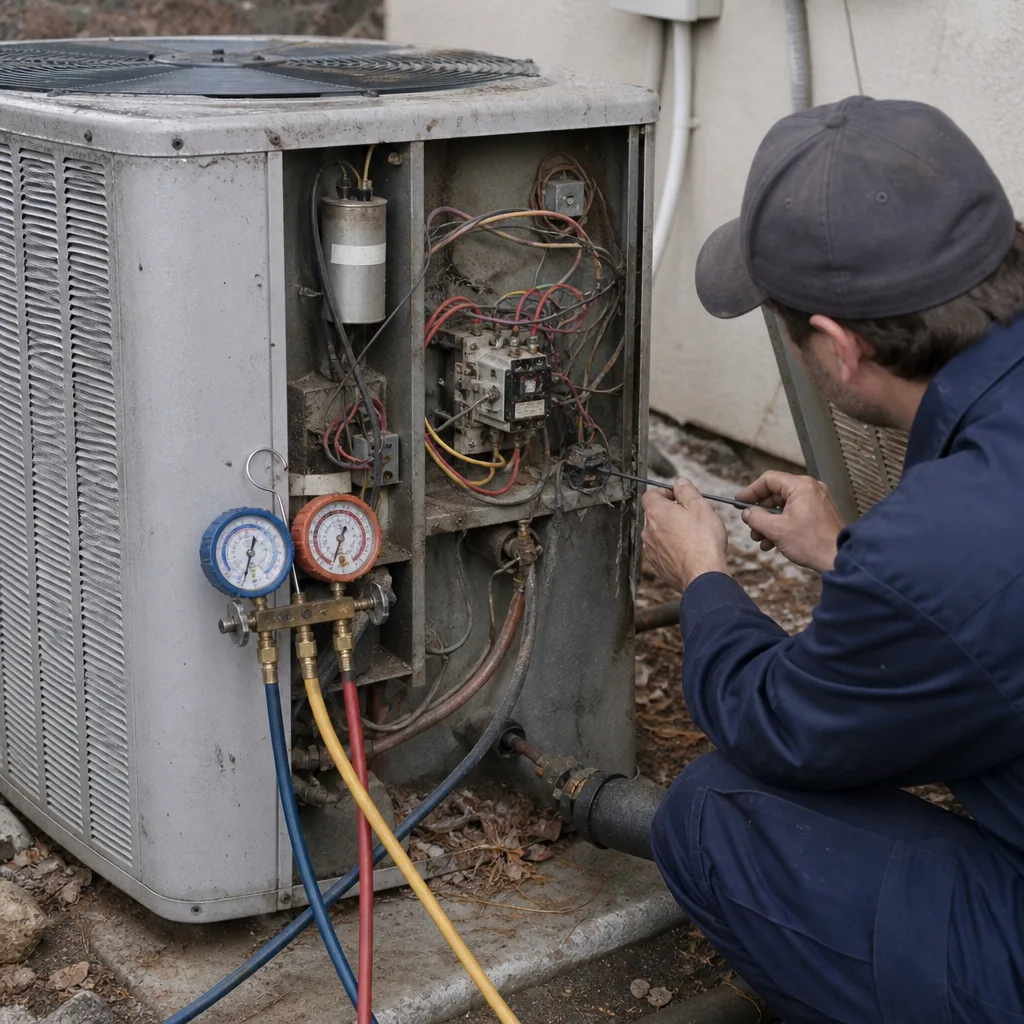 Before
 After
 Before
 After
 Before
 After
Frequently Asked Questions
In a well-sealed home, yes. Indoor particulate often runs two to five times outdoor levels on a calm day, because fine desert dust gets tracked in and resuspended and there’s no natural air exchange to dilute it. A filtration and ventilation assessment is the way to confirm it for your specific home. Call (888) 570-3601 for a free estimate.
Most Mesquite homes do best with MERV 8 to MERV 11. MERV 13 is only safe if your return duct and blower are sized for it, since too high a rating raises static pressure and drops airflow. Check your equipment’s capability before you raise the rating. Call (888) 570-3601 and we’ll verify what your system can handle.
ERV is the better year-round choice for Mesquite. It recovers both heat and moisture, so it tempers incoming air in summer and doesn’t over-dry your home in winter. An HRV recovers heat only, which leaves the moisture problem unaddressed. Call (888) 570-3601 to size one for your home.
Backdrafting is combustion gas being pulled back into the house instead of venting up the flue, and it’s more likely in tightly sealed modern homes that get pulled negative by exhaust fans. It’s a carbon monoxide risk with no warning smell. Any gas appliance should be tested for it. Call (888) 570-3601 for a combustion safety check.
Only if the source is addressed first. A purifier with adequate CADR helps in a single room, but it can’t overcome a dust-loaded air handler, an under-ventilated house, or sources you haven’t identified. An assessment tells you whether a purifier is the right answer or the wrong one. Call (888) 570-3601 for a free estimate.
Very low outdoor humidity, year-round, pulls moisture out of your home’s materials and makes fine dust easier to keep airborne. That’s a real air quality issue, not just discomfort. Whole-house humidity control planned alongside ventilation addresses it properly. Call (888) 570-3601 for a free second opinion on any written estimate.
The Bottom Line
Mesquite air quality problems start inside, not outside. Fine alkaline dust, very low humidity, and tight construction combine to trap and concentrate particles that standard advice never accounts for. The answer isn’t one product. It’s source control, a filter matched to your equipment, a clean air handler, combustion safety testing, and balanced ERV ventilation where the home needs it. Start with an assessment so you’re spending on the actual problem. We’ve spent over 42 years working on Mesquite systems, and our technicians have up to 8 years of experience. Fireside Heating & Air Co. Mesquite backs every job with the 90-Day Done Right Promise: if it’s not done right, we make it right, in writing, no arguing.
Contact
If your home’s air is leaving you with more questions than answers, call Fireside Heating & Air Co. Mesquite at (888) 570-3601 for a free estimate. A live person answers every call, day or night. We’ll assess what’s actually happening in your home, quote a price we stand behind, and be there when we say. No pressure, no fine print, no surprise on the invoice.
Written by the team at Fireside Heating & Air Co. Mesquite.