
Last updated November 18, 2026
 AC repair
 Furnace & heating
 Heat pumps
 Ductless mini splits
 Carrier
 Trane
 Goodman
Seasonal tune-up and full diagnostic on your Carrier, Trane, or Goodman system - readings shown to you before any repair is proposed
Diagnosis first, numbers second - you approve the repair price before a single part goes in.
Get your free estimateAir Quality & Ventilation Maintenance Schedule: What to Do and When
Nevada’s average outdoor particulate levels run well above the national average, and most HVAC maintenance schedules handed out by national chains were written for climates with half the dust load. A calendar built for Ohio or Georgia will not protect a house in Mesquite, where spring wind carries fine desert grit into every intake, winter humidity drops into the teens, and summer heat cycles push duct systems through expansion and contraction that a milder climate never delivers. What follows is a month-by-month schedule built for the conditions outside your door in Mesquite, not a generic quarterly template. You’ll learn which tasks compound if skipped, how to log maintenance so patterns show up across years, and exactly when to call someone.
Quick Answer
In Mesquite, air quality and ventilation maintenance runs on a spring and fall cycle with monthly filter checks in between: inspect vents and intake screens before the spring wind season, check duct seals and gaskets as winter humidity drops, and have a technician verify airflow, filtration, and fresh-air intake each fall before heating season. Filters need attention every 30 to 60 days during heavy dust months, and a full professional ventilation inspection is worth doing once a year.
Styles & brands we work with
- AC repair
- Furnace & heating
- Heat pumps
- Ductless mini splits
- Carrier
- Trane
- Goodman
Table of Contents
- Why Desert Air Changes the Schedule
- Spring: The Wind Season Vent Inspection
- Summer: Heat, Dust, and Filter Load
- Fall: Pre-Heating Airflow Check
- Winter: Low Humidity and Duct Seals
- Tasks That Compound If Skipped
- How to Log Maintenance for the Long Haul
- Common Mistakes to Avoid
Why Desert Air Changes the Schedule
Mesquite sits in a pocket of the Mojave where wind funnels through the Virgin River corridor and kicks up fine particulate matter most of the spring. That dust is finer than what a standard one-inch filter is built to catch, which means your return-air grilles, vent screens, and blower wheel load up faster here than the manufacturer’s literature assumes. We’ve pulled blower wheels in Mesquite that were packed with a felt-like mat of desert dust in under two years.
Low humidity is the second factor. Our winter relative humidity can drop into the teens, and that pulls moisture out of rubber gaskets, duct mastic, and flexible duct connectors. A gasket that stays pliable for a decade in a humid climate can dry and crack here in half that. When it fails, you don’t just lose efficiency: unfiltered attic air and whatever lives in your crawlspace gets pulled into the supply stream.
The third factor is the extreme heat cycle. Summer days past 110 degrees push duct systems through daily expansion and contraction that loosens joints over time. This is why the Mesquite schedule leans on inspection rather than assuming last year’s tight seal is still tight. A home in Sun City Mesquite with a long attic run behaves differently than a smaller house near the Oasis, and the schedule should reflect that.
If you want the broader picture of how your system handles this climate, our Fireside Heating & Air Co. Mesquite home page lays out the services behind each task below.
Spring: The Wind Season Vent Inspection
Spring is the one season most generic schedules get wrong. They jump from winter to “check your AC” and skip the pre-season vent inspection entirely. In Mesquite, that inspection is the single most valuable task on the calendar, because the wind season arrives before the cooling season and loads every intake before your system works hard.
- Inspect all exterior vent caps and intake screens for grit buildup and loose screens. A screen that has pulled loose lets dust straight into the duct run.
- Check the fresh-air intake if your home has one. Desert dust clogs louvers and restricts airflow without any obvious sign inside the house.
- Confirm return-air grilles are seated and sealed. A grille that has worked loose at the drywall is a direct dust path into the return.
- Replace the filter and note the date. Switch to the 30-day check for the next three months.
- Walk the attic ducts for disconnected flex runs or sagging sections that collect grit.
Do this in March or early April, before the first sustained wind events. A vent inspection in May is already behind the curve. If your system hasn’t had a proper airflow inspection in a few years, this is the time to schedule one, and our AC Repair & Installation in Mesquite team handles the cooling-side checks that pair with it.
Summer: Heat, Dust, and Filter Load
Once the heat locks in, your filter becomes the working part of the system. In Mesquite’s dust months, a filter that would last 90 days in a mild climate can load solid in 30. Check it every 30 days from May through September, and don’t be shy about changing it early. A clogged filter forces the blower to work harder, and that extra strain shows up first as higher electric bills, then as a frozen coil or a failed blower motor.
- Filter check every 30 days. Hold the filter up to a light. If you can’t see through it, it’s done.
- Wipe return grilles monthly. Dust collects on the face and gets pulled straight through.
- Listen for airflow changes. A whistle or a soft roar that wasn’t there last month is a restriction signal.
- Keep the outdoor unit clear. Blown grit and debris collect on the coil fins and reduce heat exchange.
- Watch indoor humidity. A properly running system in Mesquite should stay in a comfortable range. A creeping rise points to a duct or coil problem.
This is also the season when a whole-home air cleaner earns its keep if you have one. On a York or Daikin system, the filtration media and the cabinet gaskets both need a look, not just the filter. Our team services both brands along with American Standard and Bryant, so the check is the same call.
Fall: Pre-Heating Airflow Check
Fall is your second critical inspection window. Before the heating season starts, you want to confirm that airflow is unobstructed and that the ventilation path is clean. In Mesquite, this check should happen in October, before the first cool nights push the furnace or heat pump into regular use.
Start with the same vent screens and intake you checked in spring. Dust that built up over the summer needs clearing before it gets cooked by heating season. Then check the supply registers inside the house: a closed or obstructed register in one room throws off balance across the whole system. If you have a return in a hallway, make sure it hasn’t been covered by a piece of furniture or a rug over the summer.
Have a technician verify static pressure and confirm that the fresh-air intake (if you have one) is drawing as it should. This is also when a heat pump changeover check makes sense: a system that ran all summer needs its reversing valve and defrost cycle confirmed before it takes on heating duty. Our Heat Pump & Mini Split in Mesquite service covers that specifically, and it’s worth scheduling before the first cold snap rather than after.
Winter: Low Humidity and Duct Seals
Winter is when the desert quietly works on your duct system. With relative humidity in the teens and indoor heating running, every rubber gasket and mastic joint in the system dries and shrinks. A small crack that wouldn’t matter in a humid climate becomes a real leak here, and the leak pulls unconditioned attic air into your supply stream. That’s an air quality problem first and an efficiency problem second.
You can’t inspect every joint yourself, but you can watch for the signs:
- Dust around the register boots. A fine line of dust at the grille edge often means air is escaping past the boot seal.
- Cold drafts near vents when the system is running.
- A musty or dusty smell when the heat first kicks on each day.
- Uneven room temperatures that weren’t there in the fall.
Keep the filter schedule going in winter but you can relax to the 60-day check if the wind has settled. The key winter task is sealing, not filtering. If you notice any of the signs above, get it looked at before spring, because a failed duct seal compounds into bigger problems once the wind returns. For heating-side service, see our Heating & Furnace in Mesquite page.
Tasks That Compound If Skipped
Not every task on the schedule is equally important. Some are maintenance. Some are insurance. The difference is what happens downstream when you skip them for a year.
Filters are the obvious one. Skip them for a season and you shorten the life of a blower motor that costs far more to replace than a year’s worth of filters. This is the cheapest task on the list and the most expensive to ignore.
Duct seal checks compound quietly. A cracked winter gasket leaks unconditioned air all spring, then the wind season pulls dust through that leak into the supply stream. By the following winter, you have a dust problem inside the house that mirrors a duct problem in the attic, and the fix has grown.
Vent screens compound in a different way. A loose exterior screen becomes a direct path for grit, pests, and debris into the duct run. Once it’s in there, cleaning it out is a bigger job than re-seating the screen was.
The blower wheel is the one homeowners rarely think about. It’s not on most schedules at all. In Mesquite, a loaded blower wheel cuts airflow across the whole system, and the symptoms (weak airflow, high bills) look like a dozen other problems. Catching it early on a yearly inspection saves a mid-summer surprise.
How to Log Maintenance for the Long Haul
The single best thing you can do for your system’s long-term health is keep a written log. Not a folder of receipts in a drawer, but a simple record that a technician can read at a glance and use to spot patterns across years. In Mesquite, patterns repeat: the same vent screen clogs each spring, the same duct joint loosens each winter, the same filter loads early.
- Start a single sheet with columns for date, task, filter type, and notes.
- Record the filter change date and the MERV rating. MERV rating matters: a filter rated too high for your blower restricts airflow over time.
- Note the technician’s findings each visit in their words, not yours. Static pressure readings and airflow measurements belong on this sheet.
- Photograph the filter before changing it. A phone photo taken at the same angle each time shows the loading pattern.
- Keep the log with the system, not buried in a file cabinet. Any technician who arrives should be able to read it in two minutes.
A log like this is what turns maintenance from a series of one-off fixes into a record of how your specific house behaves. It’s also the kind of thing that helps a technician spot a failing gasket before it fails, and it’s how a company earns the 90-Day Done Right Promise on the work that follows.
Common Mistakes to Avoid
- Using a generic national maintenance template. A schedule written for a humid climate skips the spring vent inspection that Mesquite needs most. Build the calendar around the desert, not around a brochure.
- Changing the filter only when it “looks dirty”. In a dusty month, a filter that looks fine can be 80 percent loaded. Check by holding it to a light, and check every 30 days in spring and summer.
- Ignoring the exterior vent screens. These are outside, so they get forgotten. A pulled-loose screen lets grit straight into the duct run, and the fix later is far bigger than the re-seat was.
- Skipping the fall airflow check. Launching into the heating season on restricted airflow puts the blower under strain it doesn’t need. October is when to look, not January.
- Not logging the maintenance. Without a record, a technician fixes today’s symptom and nobody spots the pattern. The same clogged vent screen shows up every spring for ten years because nobody wrote it down.
- Installing a filter that’s too restrictive. A high-MERV filter sounds good until it strangles the blower. Match the filter to the system, not to the marketing.
- Assuming the ductwork is fine because the house feels fine. Duct seal failures are invisible until they aren’t. The musty smell at heat-up is a signal, not a nuisance.
See the difference
 Before
 After
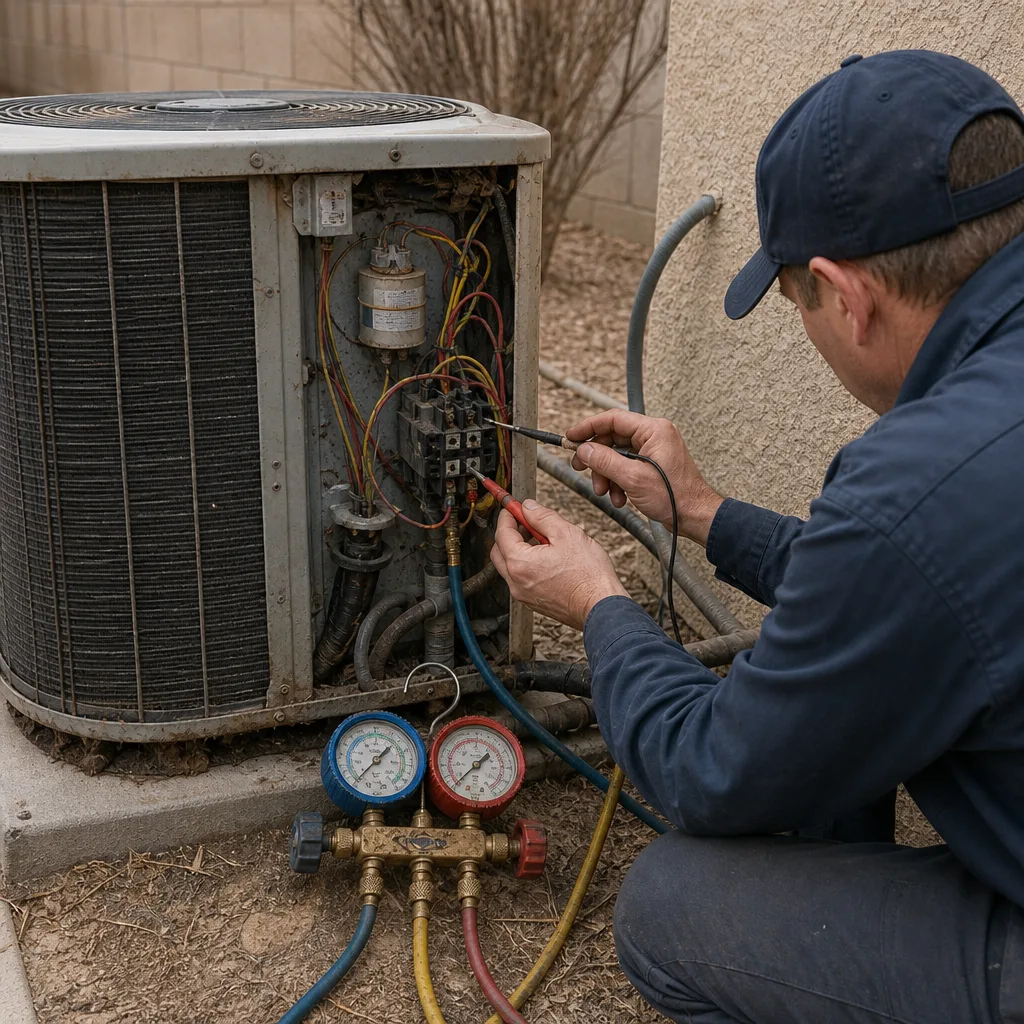 Before
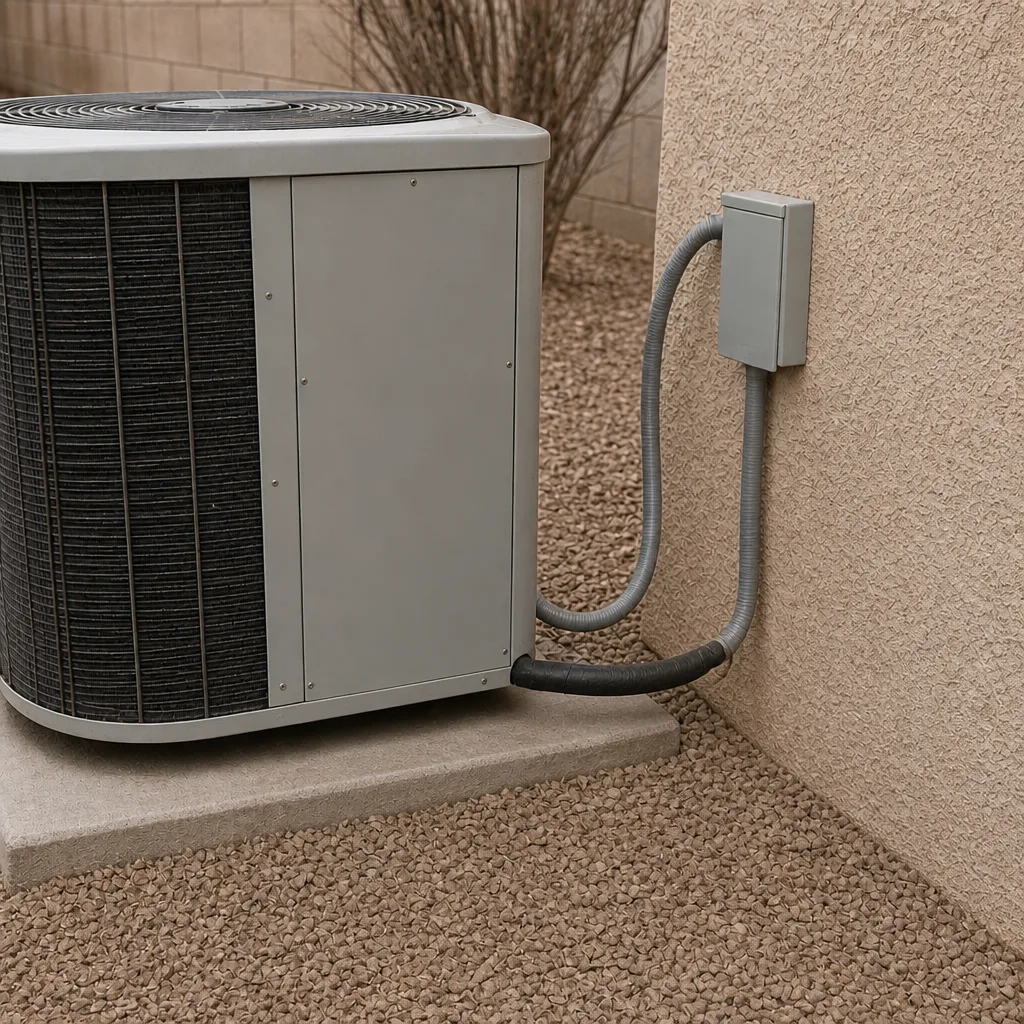 After
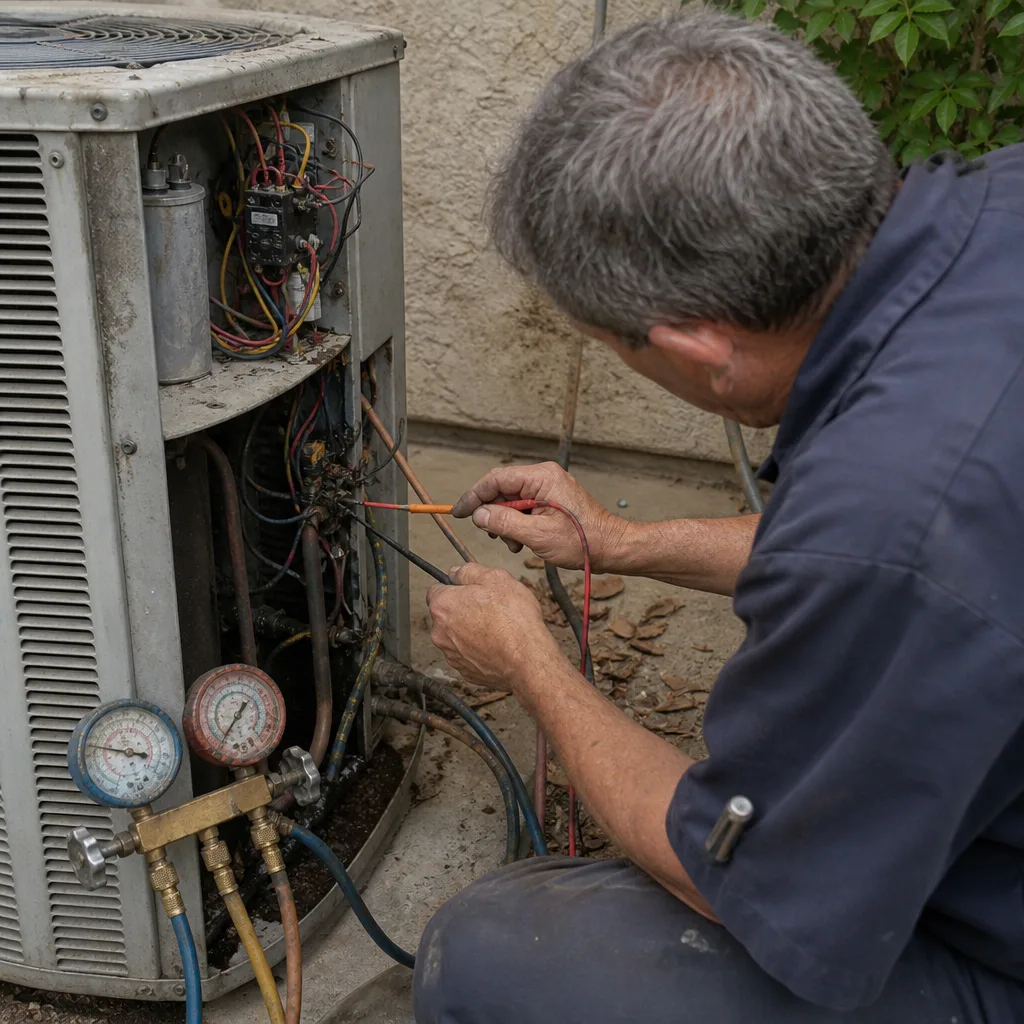 Before
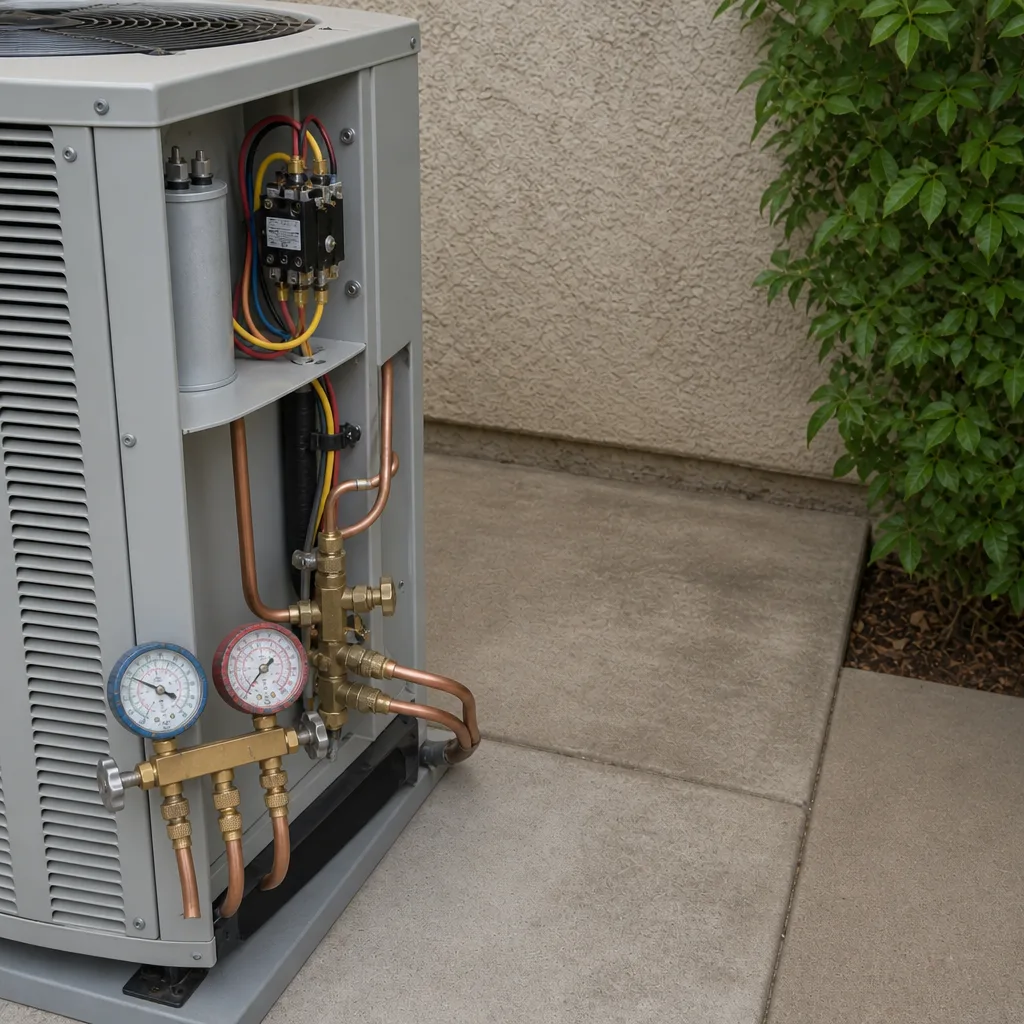 After
When to Call a Professional
Some tasks on this schedule are yours. Others need a trained technician with the right instruments. Call a professional when you notice a musty smell at heat-up, a line of dust around a register boot, airflow that has dropped noticeably, or a filter that loads solid in under three weeks. Call us when you haven’t had a full ventilation inspection in more than a year, when you’re moving a lot of air through a low-MERV filter to compensate for a dusty house, or when you want an honest read on whether a duct seal problem is worth fixing now or later. Fireside Heating & Air Co. Mesquite offers free estimates in Mesquite. Call (888) 570-3601 and a live person answers, day or night.
Frequently Asked Questions
Every 30 days during spring and summer dust months, and every 60 days the rest of the year. Mesquite’s dust load is far heavier than what most filter-replacement guides assume, so the 90-day advice you’ll see online is too slow for this climate. Call (888) 570-3601 for a free estimate if you’re not sure which filter your system can handle.
Exterior vent caps, intake screens, return-air grilles, the fresh-air intake if you have one, and a walk of the attic ducts for disconnected or sagging runs. It’s a visual and airflow check, not a repair job unless something turns up. Book it in March or early April, before the wind season.
Desert humidity drops into the teens in winter, and that dries out rubber gaskets, mastic joints, and flexible duct connectors until they crack. A cracked gasket pulls unconditioned attic air into your supply stream, which shows up as dust and a musty smell when the heat runs. It’s an air quality issue before it’s an efficiency issue.
Repair makes sense when the problem is localized: a cracked gasket, a small flex-run disconnect, a pulled vent screen. Replacement starts making sense when you have several leaking joints, a blower that has been loaded for years, and duct runs that no longer hold a seal through a heat cycle. A free estimate from our team gives you a straight answer, and a second opinion on another estimate is free too.
We answer the phone 24/7 and handle same-day and emergency calls around Mesquite. For a dust problem once the wind is on, we’ll get a technician out as fast as we can. Call (888) 570-3601 and a live person picks up, not a voicemail tree.
Yes, and most homeowners don’t keep one. A written log with dates, filter types, and technician findings lets the next visit catch a pattern instead of just a symptom. It’s how you spot the vent screen that clogs every spring before it fails, and how you stop paying to fix the same problem twice.
The Bottom Line
A Mesquite maintenance schedule is not a generic quarterly checklist. It’s a calendar built around the desert: a spring vent inspection before the wind, monthly filter checks through the dust months, a fall airflow check before heating, and winter duct-seal attention as humidity drops. Skip the filler and focus on the tasks that compound if ignored, because a clogged screen or a cracked gasket grows into a real bill. Keep a log so patterns show up across years, not just this year. Fireside Heating & Air Co. Mesquite has 42 years behind this work and a 90-Day Done Right Promise on every job. If you want a schedule tailored to your house, call (888) 570-3601 for a free estimate.
Ready to put this schedule to work? Call Fireside Heating & Air Co. Mesquite at (888) 570-3601 for a free estimate. A live person answers around the clock, and we’ll walk your vents, ducts, and filters with you and tell you plainly what needs doing, and what can wait. Current offers include $50 Off Any Repair Over $250, a Free Second Opinion on Any Written Estimate, an $89 Seasonal Tune-Up, and a Senior & Veteran 5% discount. Done right, or we make it right.
Written by the team at Fireside Heating & Air Co. Mesquite.