
Last updated November 18, 2026
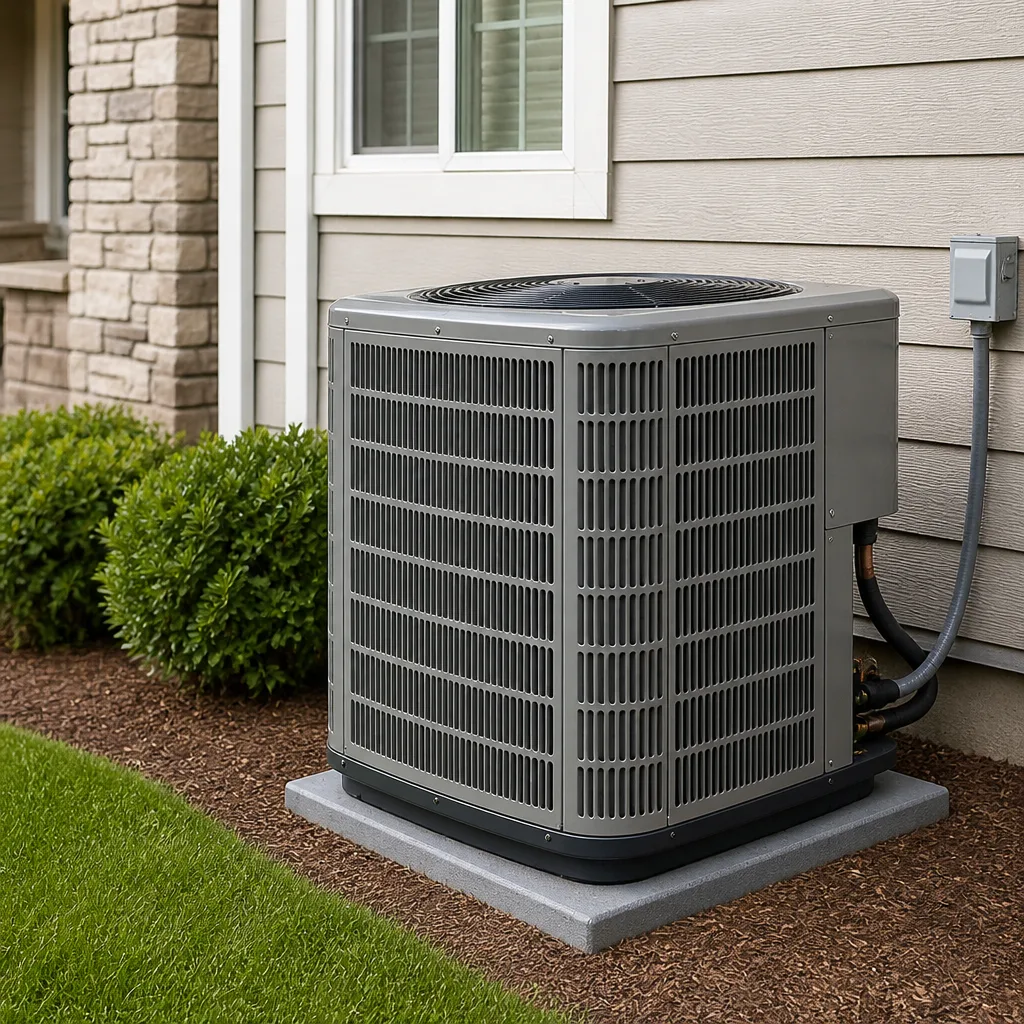 AC repair
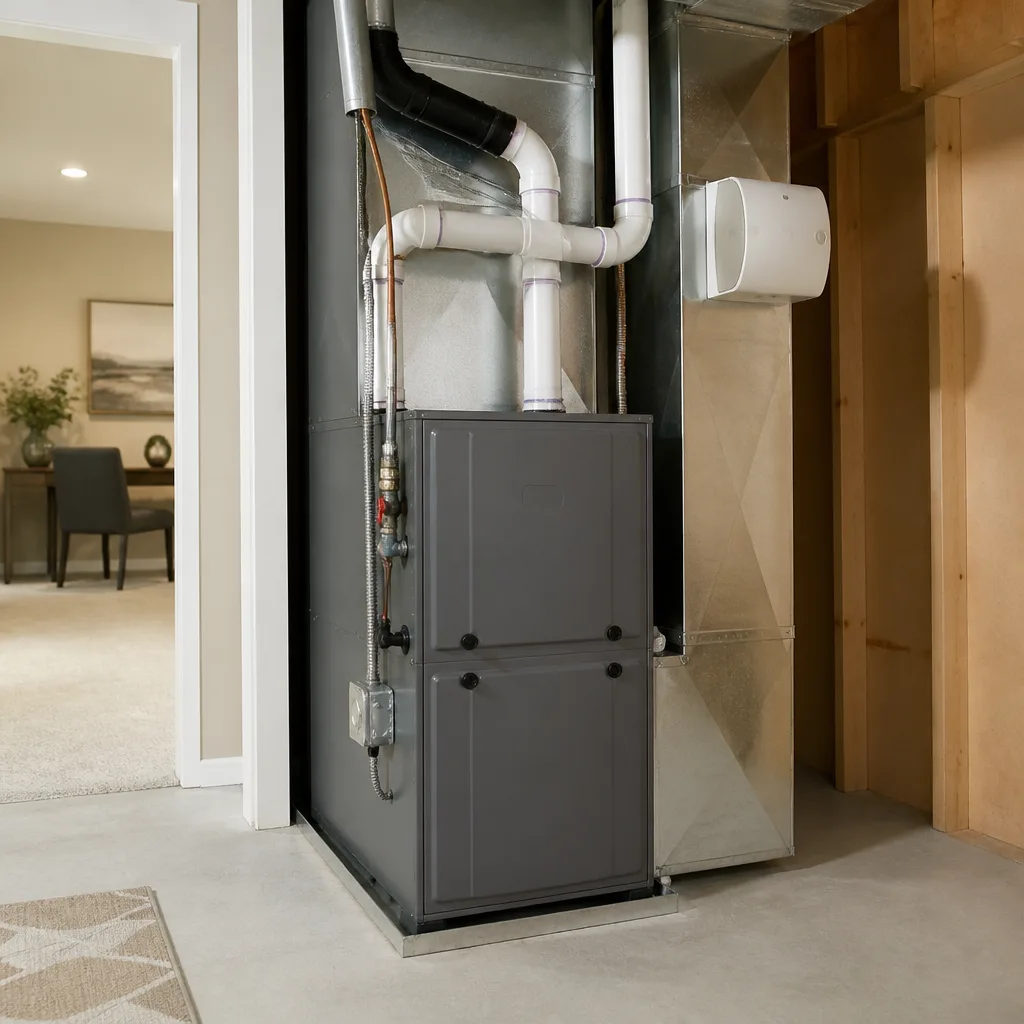 Furnace & heating
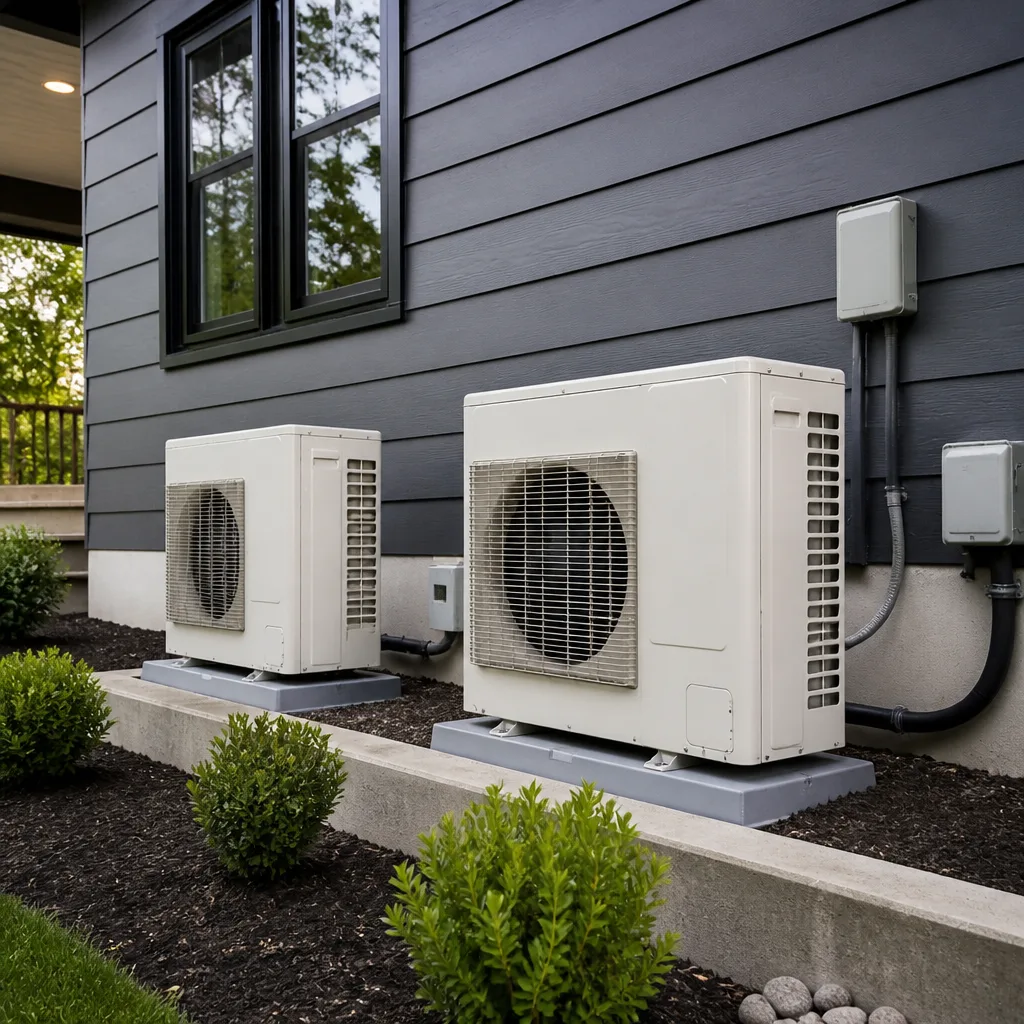 Heat pumps
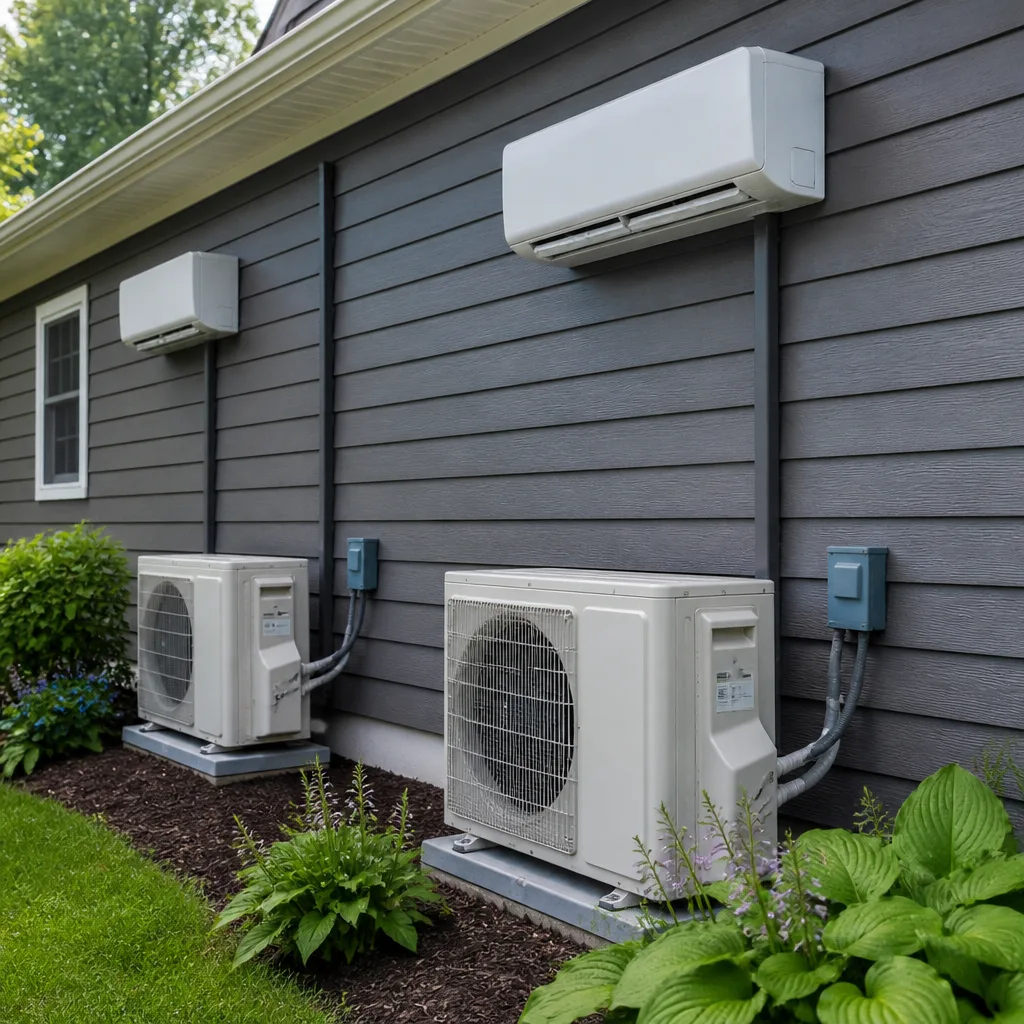 Ductless mini splits
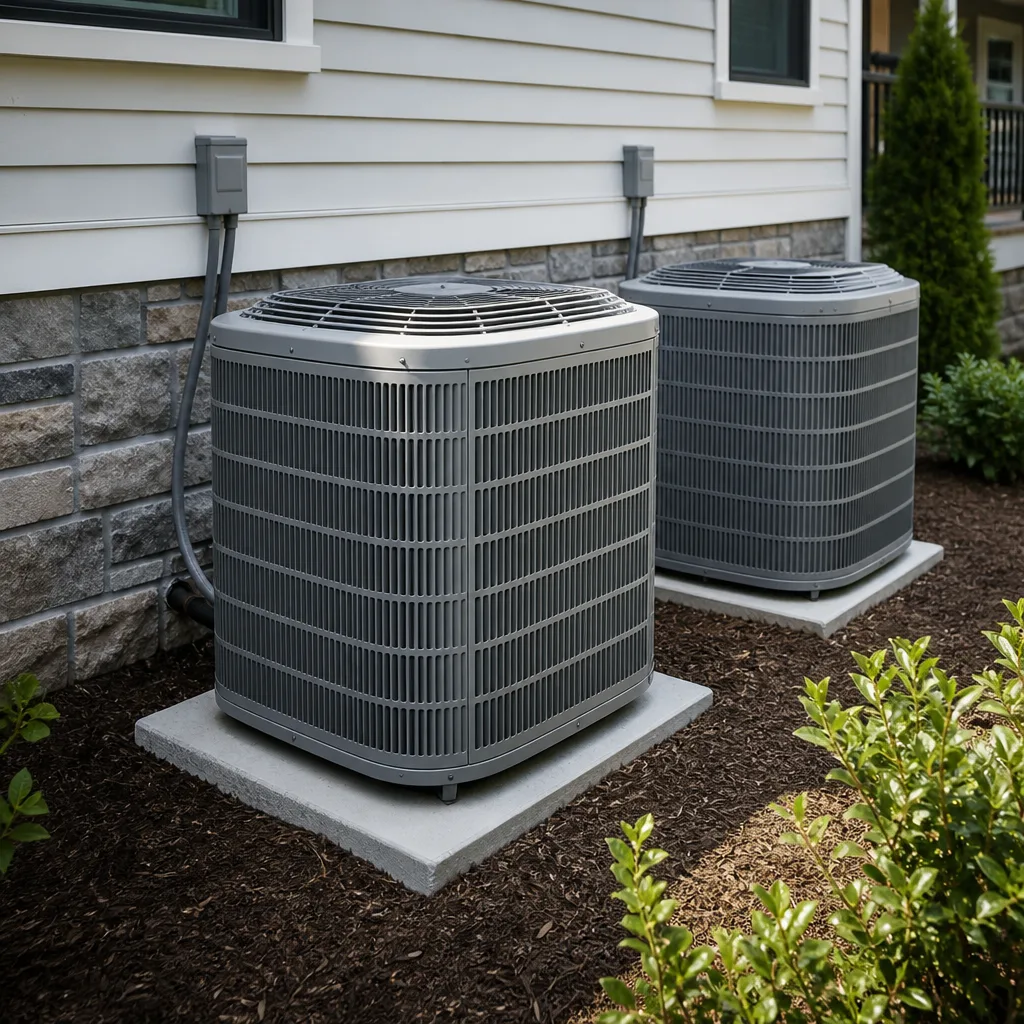 Carrier
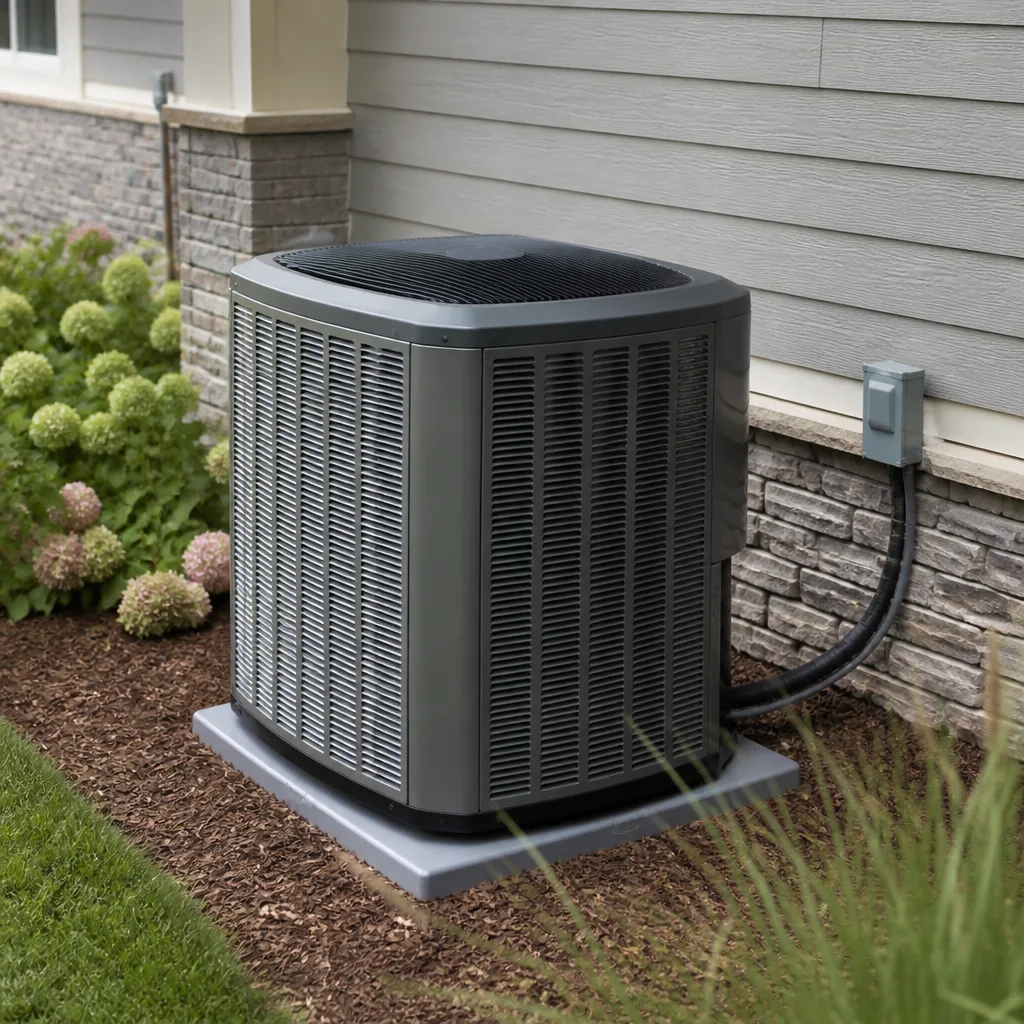 Trane
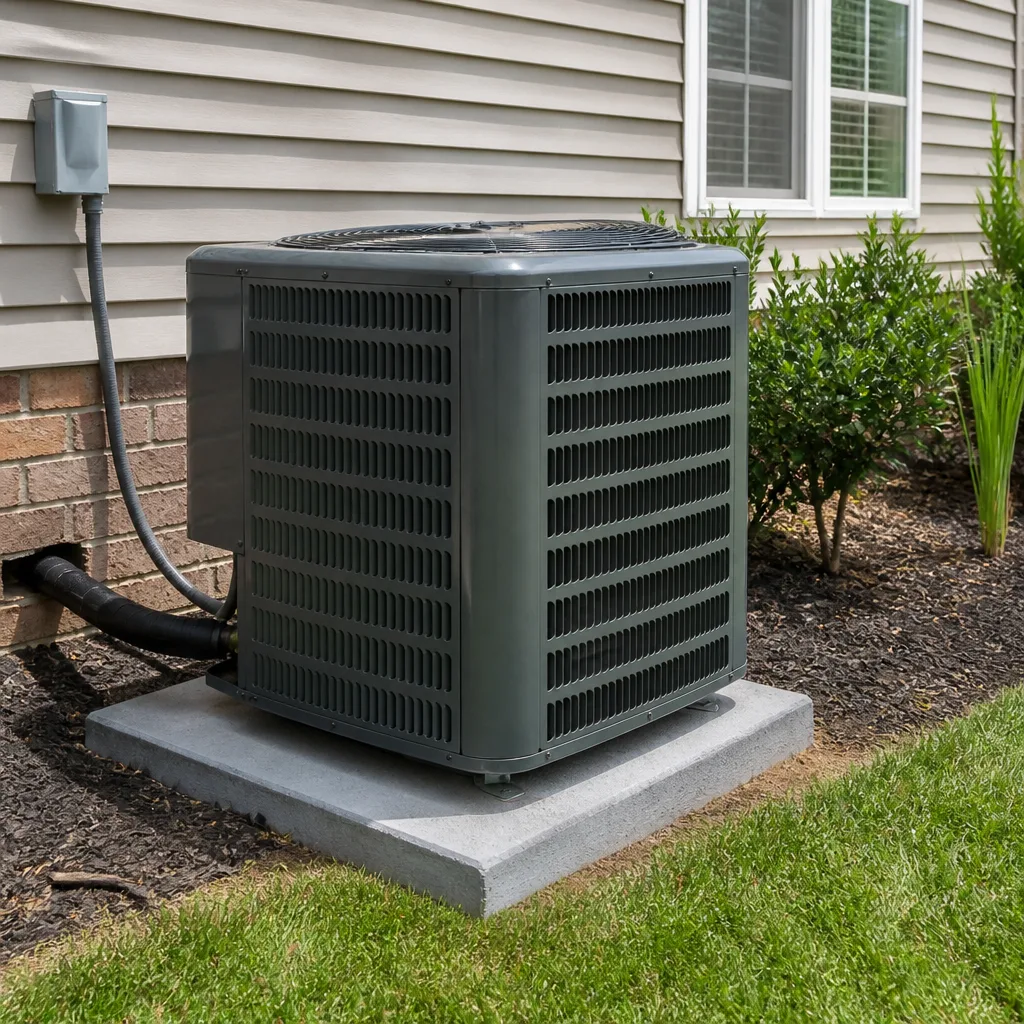 Goodman
Seasonal tune-up and full diagnostic on your Carrier, Trane, or Goodman system - readings shown to you before any repair is proposed
Diagnosis first, numbers second - you approve the repair price before a single part goes in.
Get your free estimateAC Repair & Installation Warning Signs Every Homeowner Should Know
A compressor that’s three months from failure will often make a brief grinding sound at startup that lasts less than two seconds. Most homeowners hear it, assume it’s nothing, and later spend $3,000 learning it was not nothing. Early warning signs are quiet on purpose; they don’t announce themselves. In Mesquite, where summer afternoons push past 110 degrees and the system runs nearly nonstop from May through September, those quiet signals get buried under what feels like “normal summer behavior.” This guide names the specific indicators that separate a cheap fix from a system replacement, so you can tell the difference before the decision is made for you.
Quick Answer
The warning signs that matter most are startup noises that last only a second or two, one room that never keeps up with the rest of the house, condensate pans that won’t stay dry, and June NV Energy bills that jump without a change in habits. Any one of those on a system under 10 years old usually means a repair. Two or more on a system past 12 years, and you should be pricing a replacement alongside the fix. Catching these early is the whole game, and in Mesquite’s climate the window closes faster than most people expect.
Styles & brands we work with
- AC repair
- Furnace & heating
- Heat pumps
- Ductless mini splits
- Carrier
- Trane
- Goodman
Table of Contents
- The startup sounds that tell you what’s actually failing
- Why one warm room is almost never a thermostat problem
- What a June NV Energy bill is really telling you
- Reading your condensate pan for early coil freeze
- The age-plus-symptom threshold for repair versus replace
- Installation warning signs you can check in five minutes
- A seasonal checklist for Mesquite homeowners
The Startup Sounds That Tell You What’s Actually Failing
When your AC kicks on, listen for the first two seconds. That window carries more diagnostic information than anything else your system does all day, and it’s the single most overlooked clue we find when we open up a unit in Mesquite. Here’s how to translate what you’re hearing.
A sharp click, then a hum that doesn’t quite start
This is usually a failing start capacitor. The compressor is trying to spin up and the capacitor isn’t giving it the jolt it needs. It might catch on the second or third try, which is exactly why people ignore it. A capacitor is one of the least expensive parts in the system, and replacing it early prevents the compressor from burning itself out trying to start against a dead capacitor. That’s a $200-ish repair versus a compressor replacement that runs into four figures.
A brief grinding or metallic scrape at startup
Grinding that lasts under two seconds and then goes quiet is often the first sign of bearing wear in the outdoor fan motor or the compressor itself. It’s the sound the hook mentions, and it’s the one homeowners most often dismiss. Once bearing noise becomes constant, the motor is on its way out. Catching it at the brief-grind stage means a motor replacement; waiting means you may be looking at a compressor that died from the strain.
A rattle or clatter that changes with the weather
Rattles that get worse on hotter afternoons usually point to refrigerant pressure issues or a loose fan blade. Pressure problems show up as the system working harder as the day heats up. In Mesquite we see this most in late June, when units that were fine in April start complaining. A refrigerant check is a routine service call; a system that’s been running low on charge for a season is not.
What “normal” actually sounds like
A healthy system has a steady, low hum and the whoosh of air moving. It does not click repeatedly, grind, rattle, or cycle on and off in short bursts. If you can’t remember what your system sounded like when it was new, have someone listen with you. Any noise that wasn’t there two summers ago is worth a look.
Why One Warm Room Is Almost Never a Thermostat Problem
This is the single most common misdiagnosis we correct in Mesquite. A homeowner feels warm air in the back bedroom, replaces the thermostat, and the room stays warm. The thermostat was never the problem in a single-zone system, because a single-zone thermostat has no way to send different temperatures to different rooms. It reads one spot and tells the whole system to run or stop.
So what actually causes one room to lag behind the rest?
- Duct leakage or a disconnected run. In older Mesquite homes, attic ducts take a beating from the heat. A joint that has pulled apart or a flex duct that’s crimped sends conditioned air into the attic instead of the bedroom. This is the most common cause we find.
- A failing zone damper or a damper stuck closed. If the home has zones, one damper can stick and cut off a room. If it doesn’t have zones, this doesn’t apply, which is why knowing your system layout matters.
- Low refrigerant charge. A system that’s low on charge struggles to cool the whole house, but the room at the end of the longest duct run feels it first.
- Return air starvation. A bedroom with a closed door and no return path can’t shed its heat. Opening the door or adding a return path fixes it; no repair parts required.
- Sun load. In Mesquite, a west-facing room with single-pane windows gains heat faster than the system can remove it on a 112-degree afternoon. Sometimes the answer is window film, not a repair.
Before anyone touches the thermostat, a technician should check duct pressure, refrigerant charge, and airflow at the register. That’s how you find the real cause the first time instead of guessing. Our AC repair and installation work in Mesquite starts with that airflow check on every no-cooling call, because a thermostat swap is the wrong fix nine times out of ten.
What a June NV Energy Bill Is Really Telling You
Your electric bill is the earliest honest report card your system produces. In Mesquite, where cooling is the dominant power draw, a June bill that jumps 20 to 30 percent over last June with no change in your habits is a system-efficiency warning, not a billing error. Utilities don’t round up to punish you; the meter records what the compressor actually drew.
Here’s what to compare, in order:
- This June against last June, not against May. June is the first full month of real cooling load in Mesquite, so June over June is the cleanest comparison you’ve got.
- Your usage in kilowatt-hours, not just the dollar total. Rates can shift, but kWh tells you how much the system drew. A usage jump with flat rates points straight at the equipment.
- The month after a tune-up. If you had the system serviced in spring and usage still climbed, that’s a stronger signal than a bill alone.
A system running 15 to 20 percent above its historical usage is usually a system with a dirty coil, a low charge, or a compressor working harder than it should. Those are all fixable. A system that’s climbed two summers in a row at that pace is usually headed for replacement. If the bill pattern worries you, call us and we’ll compare it against a proper diagnostic rather than guesswork: (888) 570-3601.
Reading Your Condensate Pan for Early Coil Freeze
Find the condensate drain pan under your indoor unit. Look at it once a month during cooling season. It’s the cheapest early-warning device in your house, and almost nobody checks it. In Mesquite, pan issues show up earlier than in milder climates because the coil works harder and longer.
What the pan is telling you:
- Standing water that won’t drain often means a clogged drain line. The pan fills, the safety switch may trip, and the system stops. Clearing the line is a quick fix if you catch it before the pan overflows and stains your ceiling.
- Ice on the coil or the refrigerant lines is a sign of a frozen coil, which usually points to restricted airflow or low refrigerant charge. Ice on the line is not “extra cooling”; it’s a system that can’t pass air over the coil efficiently. Low charge due to a slow leak is the usual culprit, and a leak won’t fix itself.
- Rust streaks or a mineral ring in the pan tell you the pan has been wet and draining poorly for a while. That’s a condition worth a professional look, especially on a unit that’s also making noise or short-cycling.
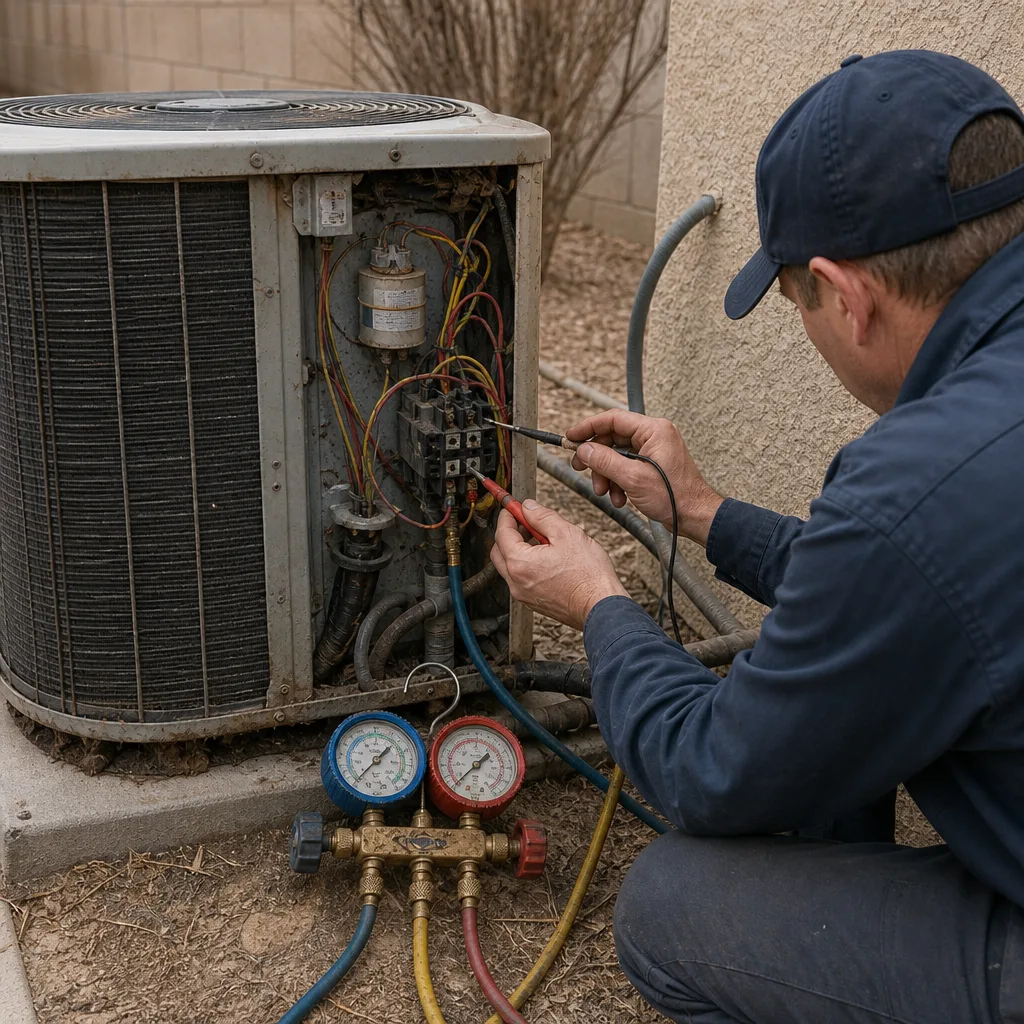
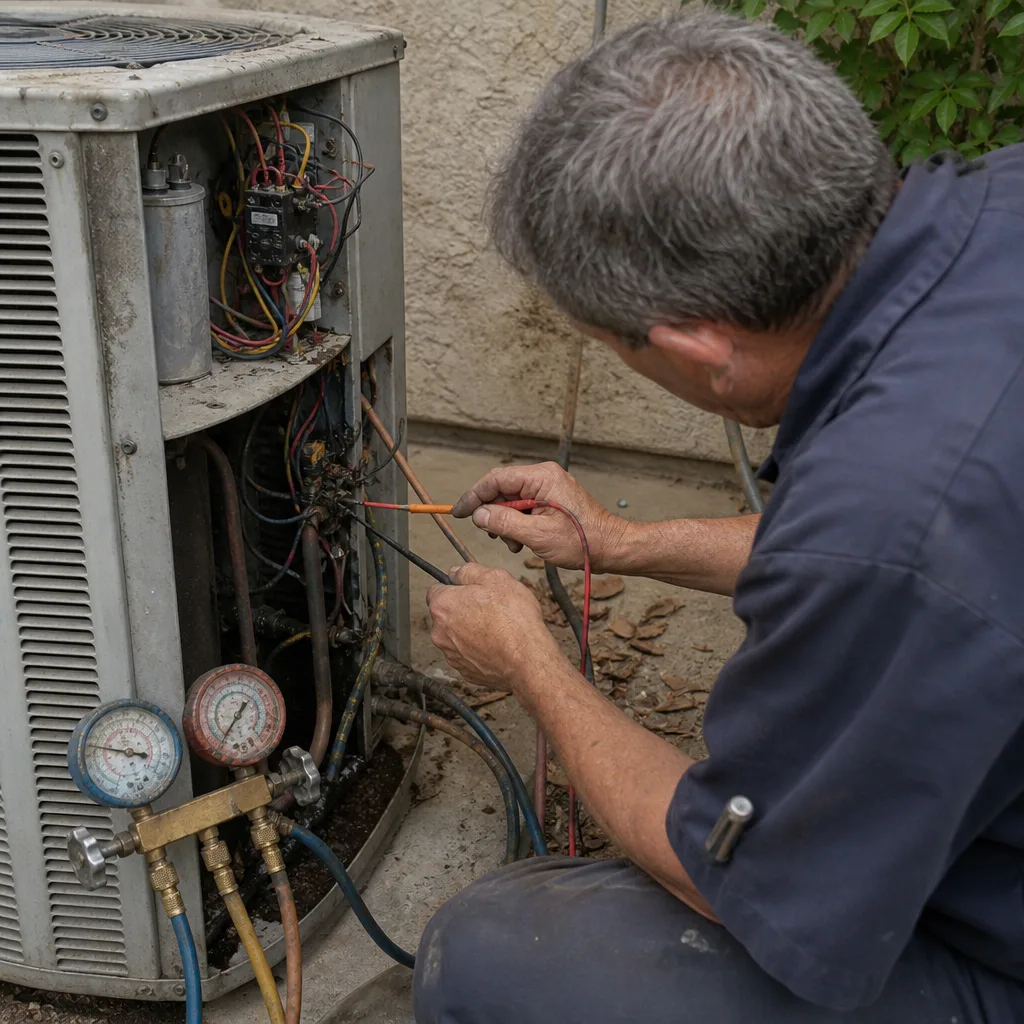
If you see ice, turn the system off and let it thaw before anyone runs it again. Running a frozen system can damage the compressor. Then get a technician out to find the actual cause: airflow, charge, or a failing metering device. Any of the Mesquite home comfort services we handle start with that diagnostic, and a proper refrigerant check is standard on every cooling call.
The Age-Plus-Symptom Threshold for Repair Versus Replace
Here’s the straight talk on repair versus replace. A system’s age alone never decides it; good systems last past their nominal lifespan, and cheap systems can fail early. What matters is age combined with symptoms. The rule we use:
- Under 10 years old, one symptom: repair. This is almost always the better call, and the fix is usually a capacitor, contactor, or fan motor.
- 10 to 12 years old, one or two symptoms: repair, but get a written estimate that includes a replacement comparison. You’re near the zone where the next failure decides things.
- Over 12 years old, two or more symptoms: the repair estimate should automatically come with a replacement price next to it. A $900 repair on a 14-year-old system is $900 into a unit that may not last another three summers.
- Over 15 years old, any major component failure (compressor, coil, reversing valve): replace. The math is not close.
That comparison is the piece most homeowners don’t know to ask for. When a contractor quotes a repair on an older system without a replacement price alongside it, you can’t make an informed decision. Ask for both. In Mesquite, systems past 12 years also tend to run on R-22 or early R-410A refrigerant, and R-22 is no longer manufactured, which pushes repair costs up and long-term viability down. That’s a climate-and-era factor specific to homes built in the 1990s and early 2000s, and it’s worth knowing before you commit to a big repair.
If you want that comparison side by side, our AC repair and installation experts in Mesquite will put the repair estimate and the replacement price on the same page, with the numbers spelled out and no pressure either way.
Installation Warning Signs You Can Check in Five Minutes
A poorly installed system fails early and quietly, and the signs are mostly visible. Before you blame the equipment, inspect the installation. In Mesquite, where attics hit 140 degrees and installers have to work fast, a rushed install is one of the most common reasons a five-year-old system starts acting like a fifteen-year-old one.
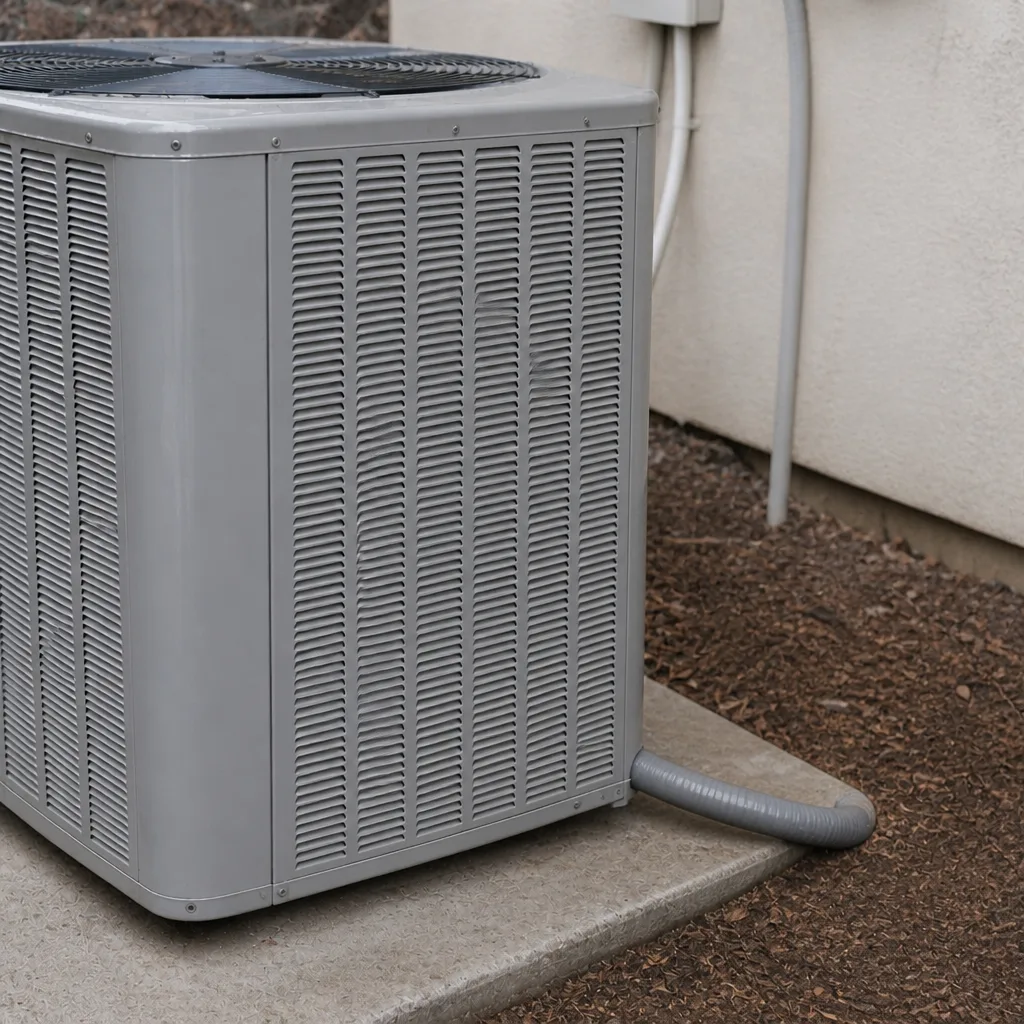
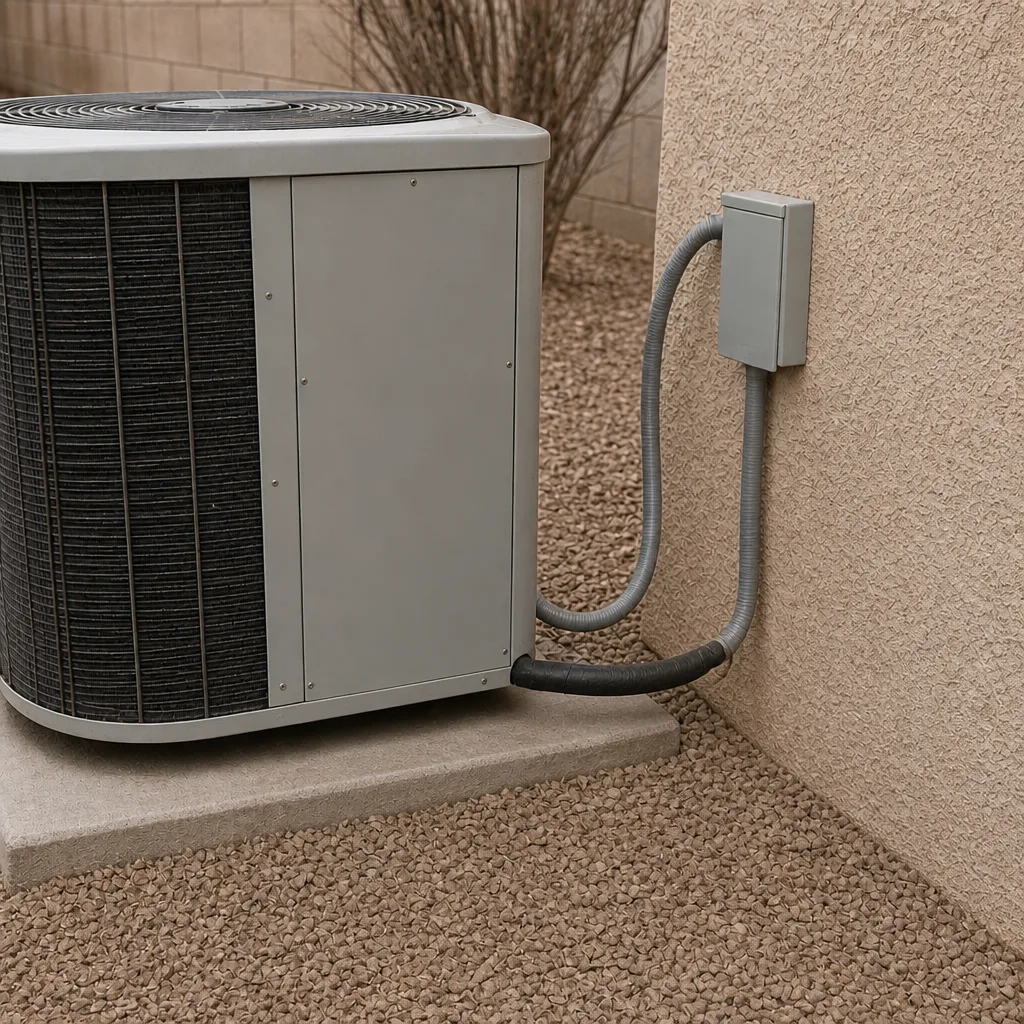
- Look at the line set where it enters the wall. Copper lines should be insulated all the way to the wall with no bare sections. Missing insulation means lost efficiency and a line that sweats.
- Look at the electrical whip and the disconnect. A properly installed unit has a service disconnect within sight of the outdoor unit, and the whip should be secured, not dangling.
- Check the concrete pad. The unit should sit level, not tilted, and there should be clearance around it. Debris, pavers, or shrubbery blocking airflow near the unit raises compressor temperatures.
- Check the filter and the return. The right size filter, seated properly, with a return sized for the system. An undersized return on a new install is a common reason for later airflow complaints.
- Ask for the load calculation and the manual. A proper install starts with a load calculation for your specific house. If you never received one, the equipment may be sized wrong, and a wrong-sized system will never perform like it should no matter how well it’s serviced.
We install Carrier, Trane, and Daikin equipment most often, and every install starts with the load calculation and the proper paperwork, including the rebate and financing forms. We’ll never promise same-day installation; that work is ordered and scheduled, and we’d rather do it right than do it fast.
A Seasonal Checklist for Mesquite Homeowners
Run this list once in spring and once in early fall. It takes twenty minutes and catches most of what a mid-summer breakdown would cost you in both money and discomfort.
- Listen at startup. Any click, grind, or rattle that lasts more than a second gets noted and watched for a week. If it repeats, have it checked.
- Compare your bill to last year’s same month. A 20 percent jump with no lifestyle change is a signal, not noise.
- Check the condensate pan for water, ice, or rust streaks. Clear the line if it’s slow.
- Replace the air filter. In Mesquite’s dust environment, filters load faster than the box says. Check monthly in summer.
- Walk the outdoor unit. Clear the area, check the pad is level, listen for steady operation.
- Test the thermostat against a room thermometer. If the room reads three or more degrees off the setpoint with the system running, airflow or charge is worth checking.
If you’d rather have a technician do it, a seasonal tune-up is the easier way to catch these before they cost you. Both a tune-up and any repair are backed by the 90-Day Done Right Promise: if it’s not done right, we make it right, in writing, no arguing.
Common Mistakes to Avoid
- Replacing the thermostat for a one-room problem. In a single-zone system, the thermostat can’t cool one room and ignore another. The problem is airflow or charge, and a thermostat swap wastes money and delays the real fix.
- Ignoring a two-second startup sound. The brief grind or click is the earliest, cheapest-to-fix signal you’ll get. Waiting for it to become constant means paying for the damage it caused.
- Judging repair versus replacement on age alone. A 13-year-old system can be worth repairing; a 9-year-old one can be a money pit. Age-plus-symptoms is the honest test, and you should always see both prices side by side.
- Running a frozen coil until it thaws on its own. Turn it off, let it thaw, and find the cause. Running a frozen system can wreck the compressor.
- Assuming a rising bill is a rate increase. Compare your kWh, not just your dollars. Usage tells you what the equipment actually did.
- Trusting a low bid without a load calculation. In Mesquite’s heat, a wrong-sized system never performs right. A proper install starts with the calculation, and a bid without one is a guess.
- Skipping the filter. In dusty desert air, a clogged filter is the cheapest cause of an expensive-looking problem. Check it monthly in summer.
See the difference
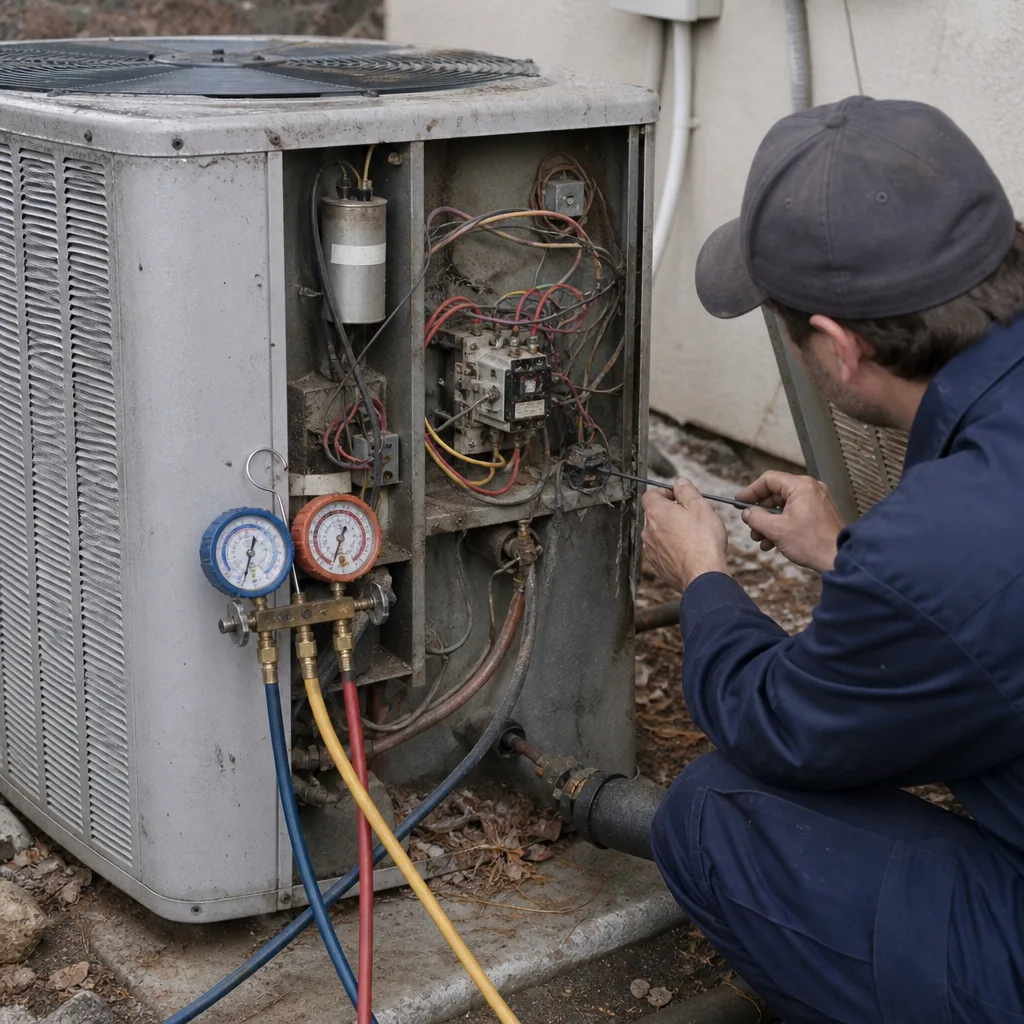 Before
 After
 Before
 After
 Before
 After
When to Call a Professional
Call a professional when you hear a new startup sound that repeats, when one room stays warm while the rest of the house cools, when your June bill jumps 20 percent or more with no lifestyle change, when you find ice or standing water in the condensate pan, or when your system is past 12 years old and facing a repair. Also call if you smell burning or see any scorching near the electrical connections at the outdoor unit; stop using the system and have it checked. Some of these are quick, inexpensive fixes, and all of them are cheaper caught now than later. Our team has up to 8 years of technician experience, we answer the phone with a live person around the clock, and we quote a square deal: the price quoted is the price paid. Fireside Heating & Air Co. Mesquite offers free estimates in Mesquite. Call (888) 570-3601 and we’ll be there when we say.
Frequently Asked Questions
Under 10 years old with one symptom, repair it; over 12 years old with two or more symptoms, price a replacement alongside the fix. The reliable test is age combined with symptoms, not age alone. In Mesquite’s climate, equipment past 12 years also often runs on refrigerant that’s no longer manufactured, which pushes repair costs up. Call (888) 570-3601 for a free estimate that puts both numbers on the same page.
A grind that lasts under two seconds and then stops usually points to bearing wear in the outdoor fan motor or compressor, and sometimes to a start capacitor that’s failing. It’s the earliest and cheapest warning you’ll get. Have it checked before the noise becomes constant, because a motor replacement at that stage is far cheaper than the compressor failure it could lead to. Call (888) 570-3601 for an inspection.
In a single-zone system it’s almost never the thermostat. It’s usually duct leakage, a stuck zone damper, low refrigerant charge affecting the longest duct run, or return-air starvation in a closed room. A proper diagnostic checks duct pressure, airflow at the register, and charge. Call (888) 570-3601 and we’ll find the actual cause instead of swapping the thermostat.
A June bill 20 to 30 percent above last June with no change in habits is a genuine efficiency warning, though not always a failure. Compare kilowatt-hours, not just dollars, and check the month after a tune-up. A system running 15 to 20 percent above its historical usage is worth a diagnostic. Call (888) 570-3601 for a free estimate and we’ll match the bill pattern to what the equipment is actually doing.
At 14 years old with two or more symptoms, replace, or at least price replacement next to the repair before you decide. The math tips toward replacement once a repair runs into hundreds of dollars on a system likely running on R-22 refrigerant. A repair alone on that age is usually money into a unit that may not last another three summers. Call (888) 570-3601 for a side-by-side comparison with no pressure.
Look at line-set insulation to the wall, the service disconnect, a level pad with clearance, a properly seated filter, and a fully sized return. Then ask for the load calculation and the manual; a proper install starts with a calculation for your specific house. Without one, the equipment may be sized wrong and will never perform like it should. Call (888) 570-3601 if you’d like us to look at what you’ve got.
The Bottom Line
The costliest AC failures in Mesquite send signals weeks or months in advance, and they’re quiet on purpose. A brief startup grind, one warm room, a June bill that jumps 20 percent, a condensate pan that won’t stay dry: any one of these is a small fix caught early. Combined with age, they spell the difference between a repair and a replacement, and the age-plus-symptom test is how you decide with real information instead of guesswork. Check these signs once a season, ask for repair and replacement prices side by side when it’s close, and call when something repeats. That’s how you avoid the $3,000 version of a $200 problem.
To get an honest read on your system, get in touch with our team at Fireside Heating & Air Co. Mesquite. We offer free estimates and a live person answers every call around the clock. Call (888) 570-3601 for a free estimate, and we’ll be there when we say.
Written by the team at Fireside Heating & Air Co. Mesquite.