
Last updated November 18, 2026
 AC repair
 Furnace & heating
 Heat pumps
 Ductless mini splits
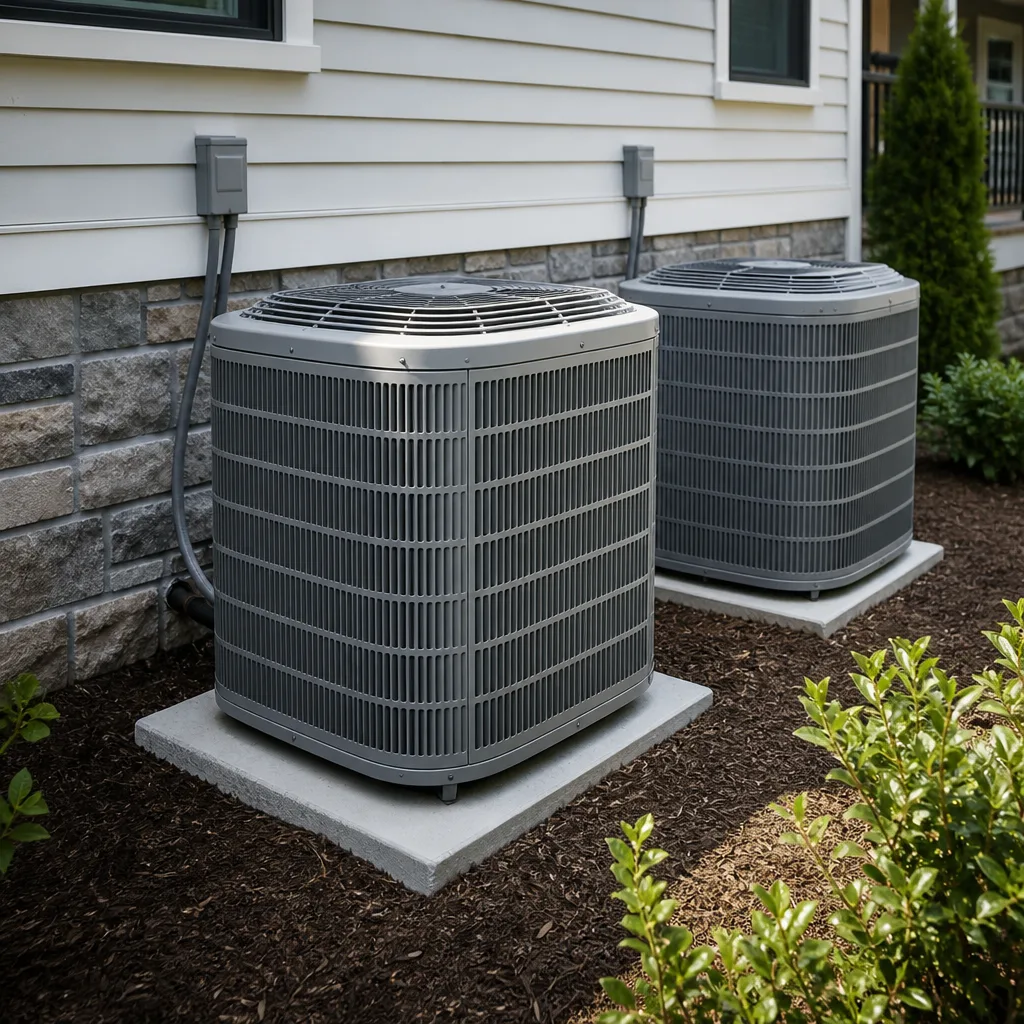 Carrier
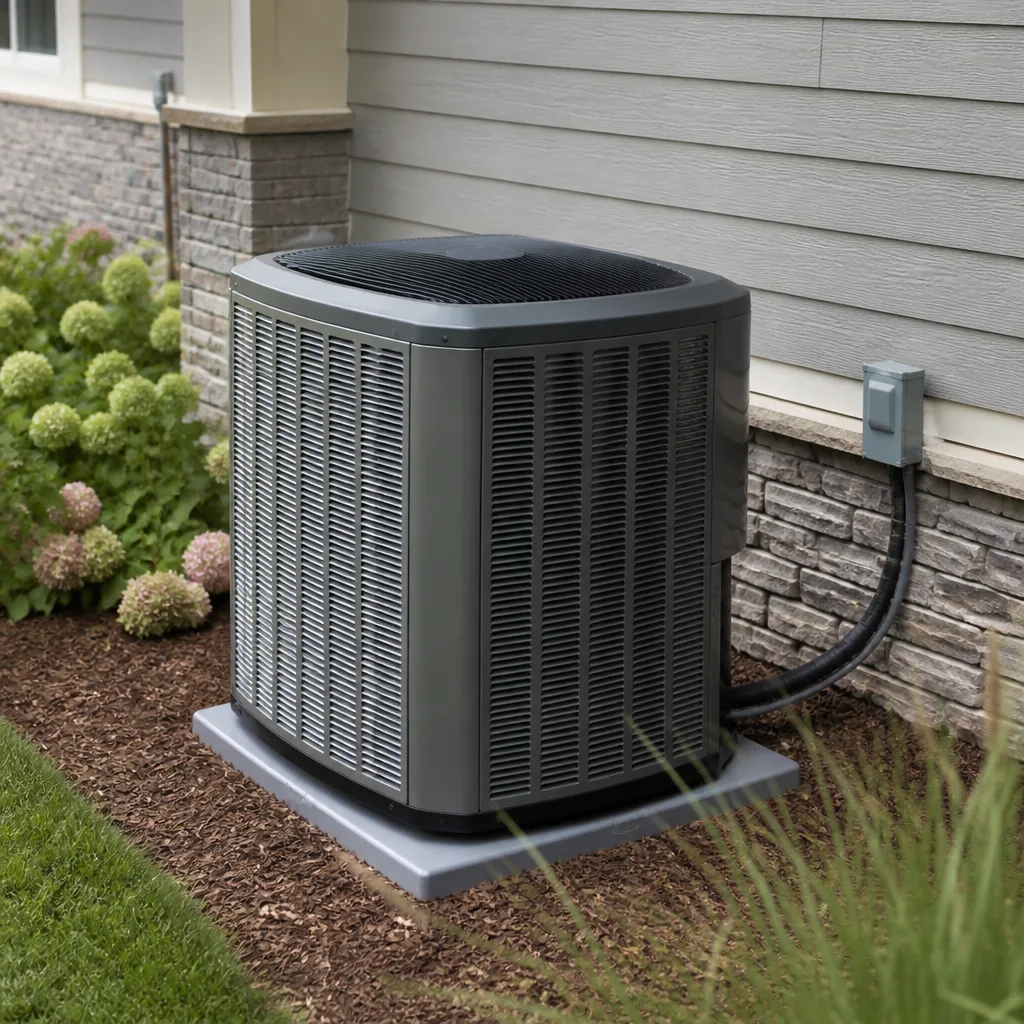 Trane
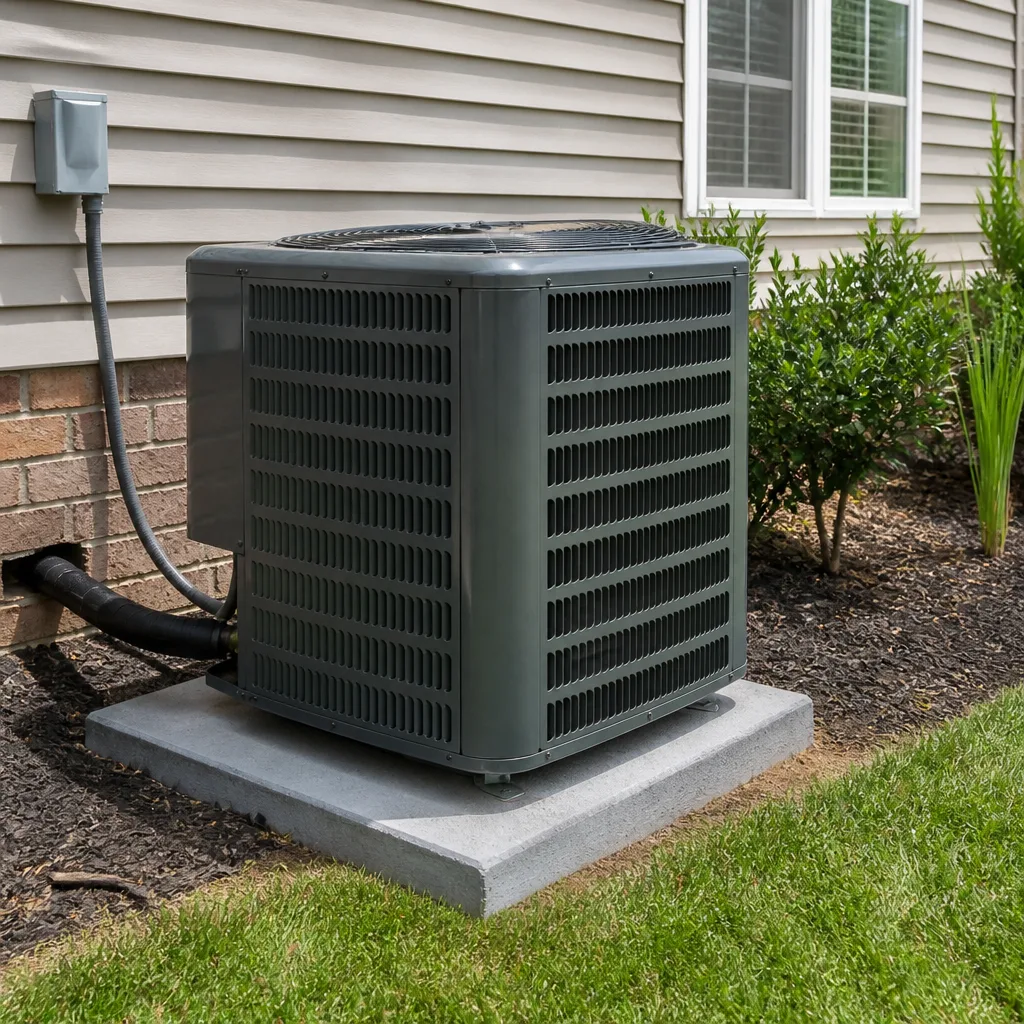 Goodman
Seasonal tune-up and full diagnostic on your Carrier, Trane, or Goodman system - readings shown to you before any repair is proposed
Diagnosis first, numbers second - you approve the repair price before a single part goes in.
Get your free estimateDIY vs Professional Air Quality & Ventilation: What’s Safe to Do Yourself
One of the most common calls we get starts the same way: a homeowner cleaned their own ducts with a shop vac, felt proud of the savings, and then spent three weeks wondering why the whole house smelled like disturbed dust. What happened is predictable. They knocked years of debris loose without the negative-pressure containment a professional setup uses, so all that dust went looking for somewhere to settle – and found the living room. In Mesquite, where we live with windblown desert dust and long cooling seasons, that mistake happens more than you’d think. This guide draws a firm line between the handful of air quality tasks any careful homeowner can handle and the ones that look simple on a video but create mold pathways, pressure imbalances, and warranty headaches.
Quick Answer
Changing your air filter, wiping down vent covers, and visually inspecting the exterior of an ERV or HRV are safe for most homeowners and genuinely worth doing yourself. Duct cleaning, sealing, and anything that changes how air moves through the system are not DIY jobs – they require containment equipment and a working knowledge of the home’s pressure balance. When in doubt, a professional assessment is cheaper than the repair that follows a mistake.
Styles & brands we work with
- AC repair
- Furnace & heating
- Heat pumps
- Ductless mini splits
- Carrier
- Trane
- Goodman
Table of Contents
- What’s Genuinely Safe to Do Yourself
- Filters: The One Task Worth Mastering
- Why Duct Cleaning Is Almost Never a DIY Job
- The Invisible Risk: Pressure Imbalances
- ERV/HRV Exterior Inspection: What to Look For
- How to Vet a Contractor’s Air Quality Credentials
- The Warranty Clause Most Homeowners Miss
- Common Mistakes to Avoid
What’s Genuinely Safe to Do Yourself
The safe list is shorter than the internet suggests. These are the tasks we tell our own neighbors in Mesquite they can absolutely handle without us:
- Replacing the air filter. Every 30 to 90 days, depending on filter rating and how much dust your household generates. In Mesquite’s dry, windy spring, we lean toward the shorter end.
- Vacuuming and wiping vent covers. Pop the grille off, wash it in the sink with dish soap, dry it, put it back. This removes surface dust without disturbing anything inside the duct.
- Clearing the area around return grilles. Furniture, rugs, and boxes should never block a return. That’s a five-minute fix that improves airflow immediately.
- Checking your ERV or HRV exterior hood. Look for debris, bird nests, or lint buildup on the outside wall or roof termination. If it’s visible from the ground or a stepstool, clear it – but don’t climb onto the roof.
- Dusting ceiling fans and register surrounds. It sounds trivial, but ceiling fans in a Mesquite home push settled dust back into the air every time they spin up.
Notice what’s not on that list: anything that requires opening the air handler, anything that touches duct interiors, and anything that involves sealing or modifying how the system moves air. Those cross the line from maintenance into system work.
Filters: The One Task Worth Mastering
Filter changes are the single highest-value air quality action you can take, and they’re entirely within reach for any homeowner. The trick is choosing the right filter rather than the most aggressive one on the shelf.
A common mistake in Mesquite is grabbing the highest MERV rating available – MERV 13, MERV 16 – thinking more filtration is always better. It isn’t. A high-MERV filter adds resistance to the airflow. On an older system or a system not designed for that pressure drop, it can strain the blower, reduce cooling capacity, and in some cases void a manufacturer’s warranty provision.
- Check your system manual or the label inside the air handler for the recommended MERV range. Most residential systems in Mesquite are happiest at MERV 8 to MERV 11.
- Measure the filter slot. It’s usually printed on the existing filter frame – something like 20x25x1.
- Replace with the arrow pointing in the direction of airflow (toward the blower, away from the return).
- Write the date on the filter frame with a marker so you remember when it went in.
- Check it monthly during spring and fall, when the desert wind kicks up the most dust.
That’s the whole job. It takes ten minutes and does more for indoor air than most gadgets you can buy. If your system uses a media cabinet with a thicker filter, the same rules apply – match the rating, don’t overshoot it.
Why Duct Cleaning Is Almost Never a DIY Job
Search “duct cleaning” and you’ll find dozens of tutorials featuring a shop vac, a length of hose, and a confident narrator. What those videos leave out is the part that matters: containment.
Professional duct cleaning uses negative-pressure containment. The technician seals the system, attaches a high-powered vacuum to create a slight vacuum throughout the ductwork, and then uses agitation tools – compressed air whips, brushes, rotary tools – to knock debris loose while the vacuum is pulling it out. The whole point is that loosened dust never enters the living space.
Without that containment, you’re in the scenario we described at the top. You knock debris loose, the shop vac can’t keep up, and fine particles settle into every room. Worse, if there’s any moisture in the system – and in Mesquite, even a little condensate from the cooling coil can be enough – you’ve now created a damp dust layer inside a dark duct. That’s the textbook recipe for biological growth.
Age matters too. Homes in Mesquite with original ductwork from the 1980s or 1990s often have flex duct that’s brittle or partially disconnected. A shop vac can easily tear the inner liner of flex duct or dislodge a joint you can’t see. When that happens, we’ve seen systems go from efficient to losing 20 percent of their airflow overnight. If your home is older and you’re curious about duct condition, a professional inspection through AC Repair & Installation in Mesquite is the sensible starting point.
The Invisible Risk: Pressure Imbalances
Here’s the piece most homeowners never hear about: your HVAC system is a pressure-balanced machine. It pushes a specific volume of air into each room and pulls roughly that same volume back out through the returns. The system’s design assumes specific opening sizes on every supply and return.
When you block a vent – with furniture, tape, a piece of cardboard, a magnetic cover – you change the pressure inside that part of the duct. The system compensates by pushing more air out the other vents. Most people think this is fine and even desirable (“I’ll just close off the bedroom I don’t use”). In reality, several things happen:
- The oversized air volume through the remaining vents creates noise and drafts.
- The blower runs at a different point on its curve, drawing more electricity and wearing sooner.
- Negative pressure can develop in the closed-off spaces, pulling outdoor air in through gaps in the envelope.
- In cooling season, that pulled-in air carries moisture. In a desert climate that sounds harmless, but warm, humid air hitting cold duct surfaces is exactly how condensation and mold begin.
In Mesquite, we regularly see this play out when homeowners close off a guest room or block returns behind new furniture. The cooling system struggles, the homeowner assumes the unit is failing, and the actual cause is a five-minute fix. If your home feels uneven and you’ve already tried blocking vents, it’s worth having airflow measured before you spend money on anything else.
ERV/HRV Exterior Inspection: What to Look For
If your Mesquite home has an energy recovery ventilator or heat recovery ventilator, the exterior hood is the one part of the system you can inspect without touching the internals. Here’s what to check from the ground or a stepstool – never by climbing onto the roof:
- Look for obvious blockages: bird nests, wasp nests, lint, or packed dust in the intake and exhaust hoods.
- Check that the hood is still attached and not hanging loose from wind.
- Look for signs of water staining on the wall around the hood. That suggests the seal has failed.
- Note any debris you clear – if it returns within weeks, airflow may be pulling from a source it shouldn’t.
Anything inside the unit – filter core cleaning, blower inspection, damper adjustments – is a technician task. ERV and HRV cores are delicate, and the motors are wired into the home’s low-voltage system. If you’re unsure how your ventilation setup works, our team covers that under Heat Pump & Mini Split in Mesquite, since ERV/HRV work often overlaps with ducted system service.
How to Vet a Contractor’s Air Quality Credentials
Air quality work is one of the least regulated corners of HVAC. Anyone with a van can print “duct cleaning” on the side and show up in Mesquite tomorrow. Here’s what to actually look for before you hire:
- Licensing and insurance. Ask for the state licensure and general liability insurance information in writing. A real contractor gives this without hesitation.
- Equipment. Ask what negative-pressure equipment they’ll use. If the answer is “a big shop vac,” that’s not containment, and you should keep calling.
- Camera inspection. A serious air quality contractor will offer before-and-after photos or video of the duct interiors. If they can’t show you what they found, you can’t verify what they did.
- Written scope of work. Vague promises like “we’ll sanitize the ducts” mean nothing. A real scope specifies which duct runs, what method, and what’s included in the price.
- Trained technicians. Our technicians have up to 8 years of experience, and we’re trained to service nine major residential brands including Daikin, Bryant, and American Standard – so any related equipment questions get answered on the same visit.
One more: ask whether they measure airflow before and after. If they don’t, you can’t tell whether the work improved anything.
The Warranty Clause Most Homeowners Miss
Buried in nearly every manufacturer’s residential warranty is language that ties coverage to “proper installation and maintenance by a qualified technician.” That clause is where DIY enthusiasm gets expensive.
The specific actions we’ve seen void or complicate a warranty claim:
- Sealing ductwork with hardware-store mastic or tape that isn’t rated for HVAC use (and can fail within a year in desert heat).
- Removing or modifying the air handler cabinet for any reason, even to clean inside.
- Adding aftermarket UV or filtration components to a system without checking the manufacturer’s allowances.
- Blocking off vents in a way that’s caused blower failure – many manufacturers consider this a system modification.
If your equipment is still under warranty, do the five-minute tasks and leave the rest alone. A $300 professional visit is cheaper than a $3,000 warranty fight. The one exception worth exploring is our Free Second Opinion on Any Written Estimate – if a contractor tells you a duct system needs replacing, get a second look before you commit.
Common Mistakes to Avoid
- Shop-vac duct cleaning. As covered above, this knocks dust loose without containment and can leave the system dirtier than it started – a particular problem in Mesquite’s dry, dusty climate where particles stay airborne longer.
- Blocking returns. Covering a return with furniture because it’s “in the way” is the fastest way to a lazy airflow problem. If a return is genuinely inconvenient, ask about relocating it rather than blocking it.
- Oversizing the filter MERV rating. Buy the rating your system was designed for, not the highest one on the shelf.
- DIY duct sealing with hardware-store foil tape. It peels in Mesquite’s summer heat. Duct mastic does the job, but only if applied with a proper seal at every joint – which requires access to the whole system.
- Ignoring a musty smell near a return. That smell is a signal, not a nuisance. Nine times out of ten, it’s moisture finding a place it shouldn’t be.
- Assuming a new filter solves everything. A filter handles particles. It doesn’t handle humidity, pressure, or ventilation – three things that matter just as much to indoor air in a tightly built home.
- Not writing down dates. A filter that looks clean after 60 days in a Mesquite guest room may be plugged after 15 days in an occupied kitchen. Track it.
See the difference
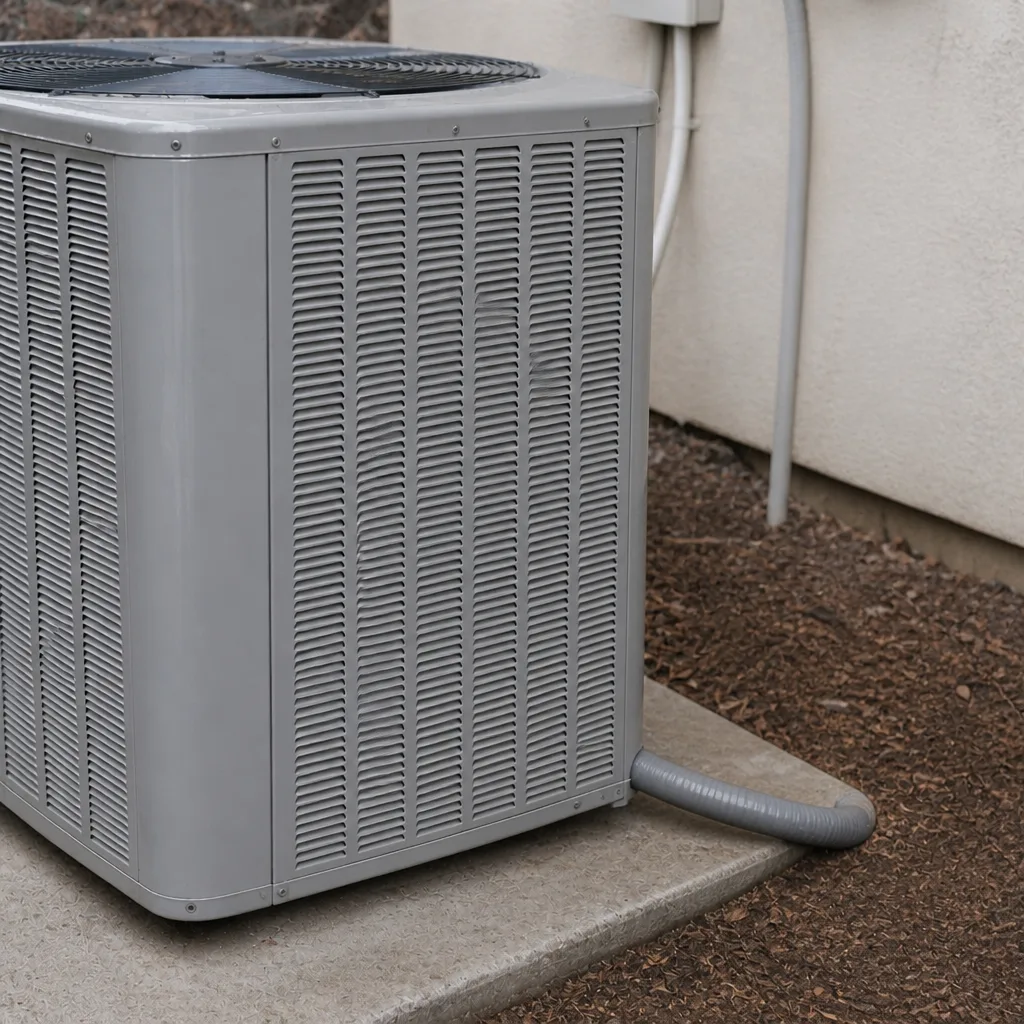
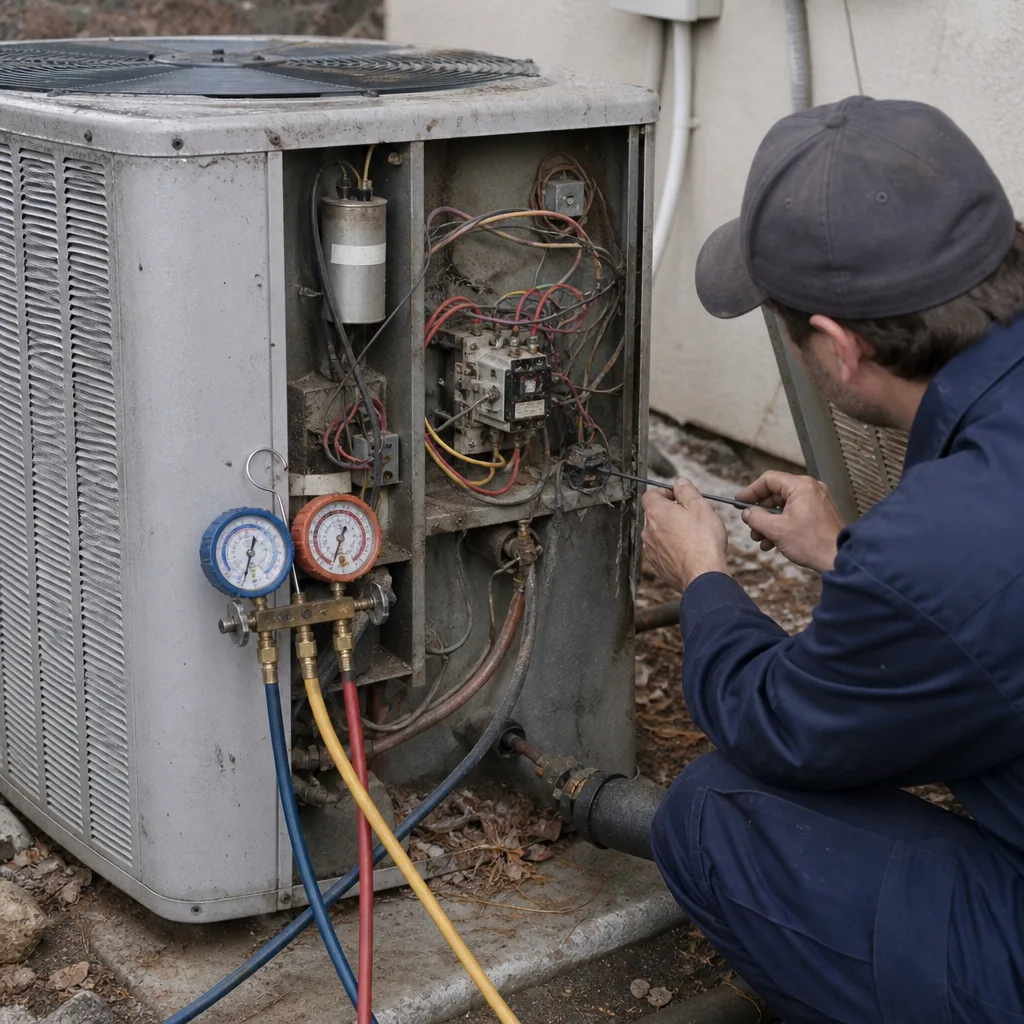 Before
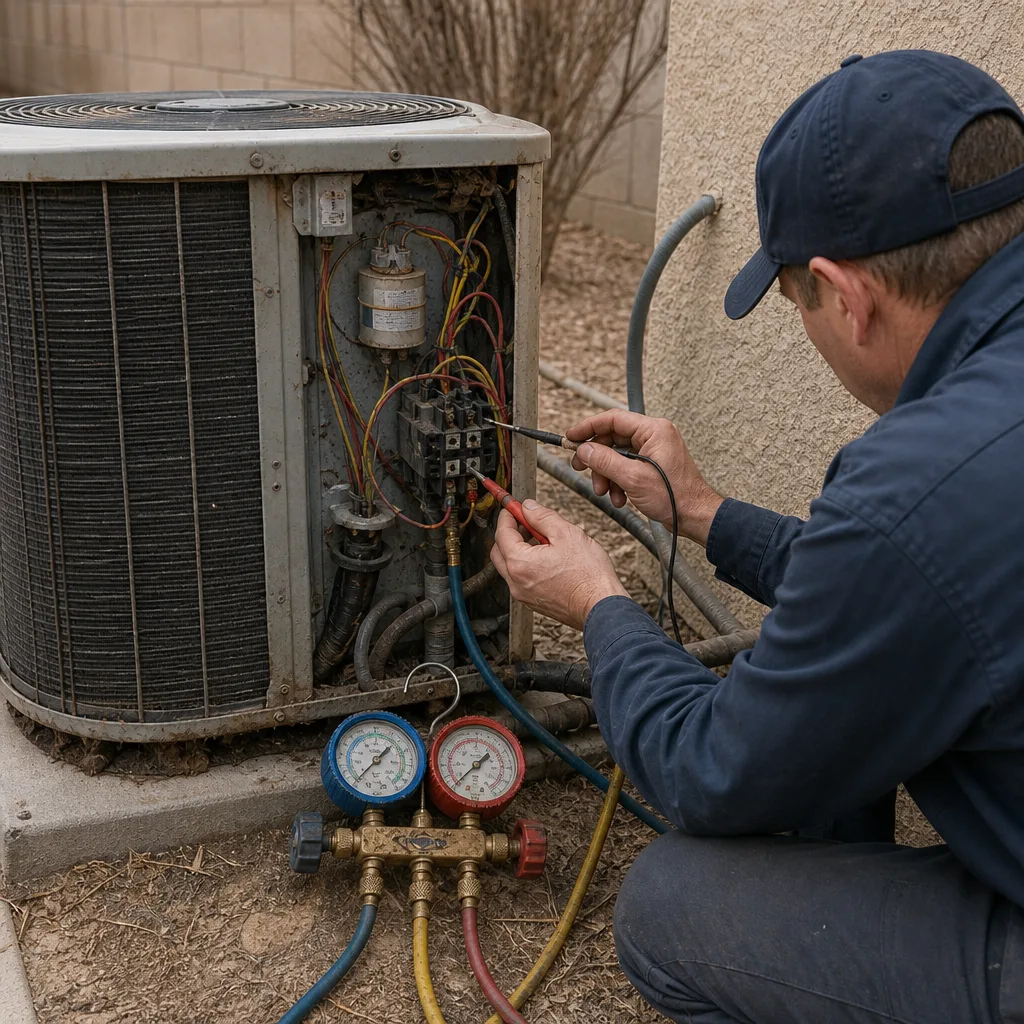
 After
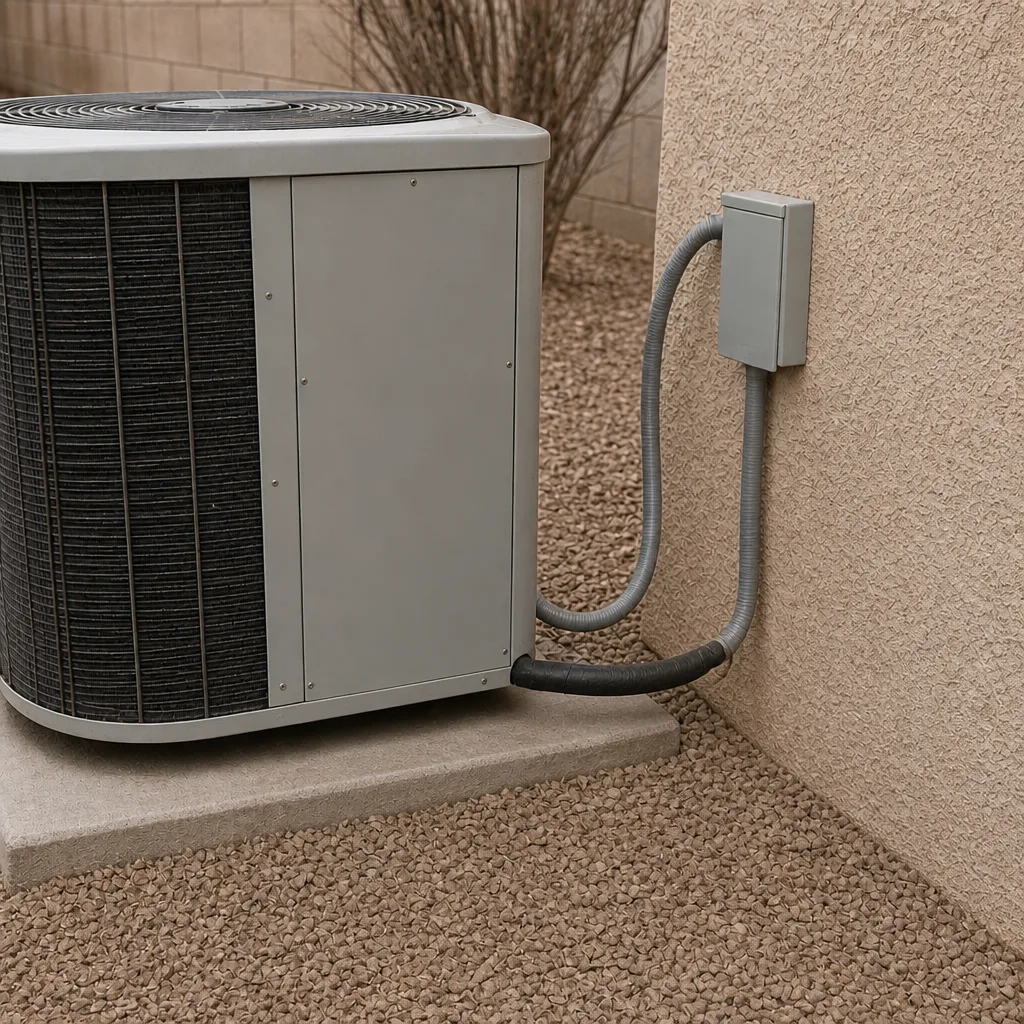
 Before
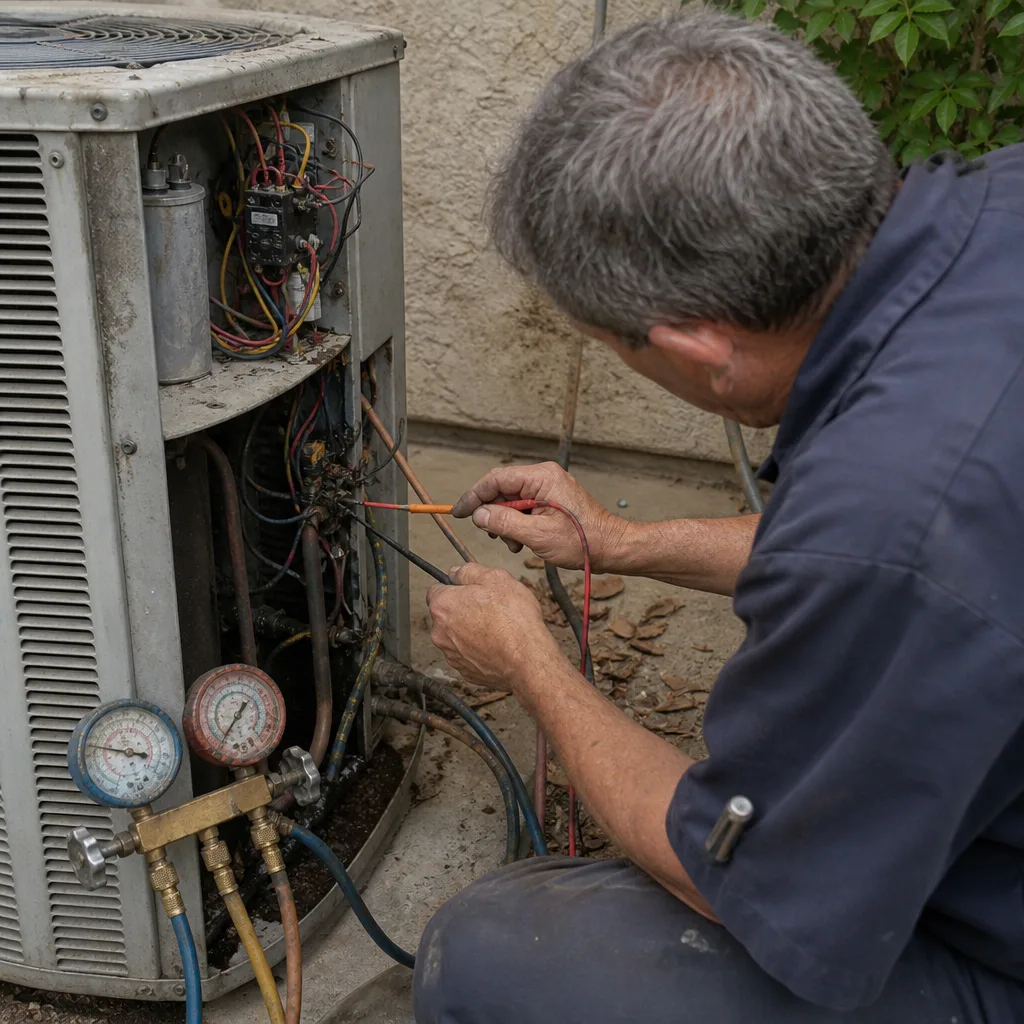
 After
 Before
 After
When to Call a Professional
Call us when you’re past the filter changes and vent wiping. That’s the point where the risk climbs fast. Specific situations that warrant a professional look:
- Any musty or persistent odor you can’t trace to a specific item.
- Uneven temperatures room to room that didn’t exist two seasons ago.
- Symptoms in your household that seem tied to time indoors – headaches, congestion, irritated eyes.
- Ductwork you suspect has never been cleaned, especially if the home is 25 years old or older.
- Visible moisture, staining, or biological growth around vents or the air handler.
- Any equipment still under warranty that you’re tempted to open up.
Air quality is one area where the cost of guessing wrong keeps climbing. Fireside Heating & Air Co. Mesquite offers free estimates in Mesquite – call (888) 570-3601 and we’ll help you sort which problems are urgent and which can wait.
Frequently Asked Questions
No. A shop vac lacks the negative-pressure containment that professional duct cleaning relies on, so loosened debris settles back into your living space instead of being pulled out. In our experience across Mesquite homes, DIY duct cleaning usually makes the dust problem worse before it makes it better.
Every 30 to 60 days during spring and fall dust season, and every 60 to 90 days the rest of the year. Mesquite’s windblown desert dust loads filters faster than in wetter climates, so err on the shorter side if you’re unsure. If you’re noticing reduced airflow between changes, check monthly.
Only if your system is designed for it. A MERV 13 filter on a system rated for MERV 8 adds resistance, reduces airflow, and can strain the blower. Match the rating your air handler specifies, and combine it with other measures – ventilation, humidity control – if you want a real improvement in air quality.
We don’t recommend it. Blocking supply or return vents changes the pressure balance inside your duct system, and in cooling season that can pull humid outdoor air into the ductwork – exactly the condition that grows mold. If a room is uncomfortable, the correct fix is a zoning adjustment, not a closed vent.
Anything that involves opening the air handler, sealing or modifying ductwork, or adding aftermarket components without manufacturer approval. Filter changes, vent cleaning, and dusting are always safe. If you’re unsure whether a task crosses the line, check the manufacturer’s written warranty before you start. Our technicians can tell you in a five-minute phone conversation.
Look for these signs: visible dust puffing from vents when the system kicks on, musty odors near returns, a home over 20 years old with no documented duct cleaning, or allergy symptoms that get worse indoors. Filter changes handle the rest. Call (888) 570-3601 for an honest assessment – we tell you when you don’t need us.
The Bottom Line
The line between safe DIY and dangerous DIY in air quality work is clearer than most homeowners expect. Filters, vent covers, and exterior inspections are yours to handle. Duct cleaning, duct sealing, airflow modification, and anything that opens the air handler belong to a professional with containment equipment and a working understanding of pressure. If you stick to the safe list, you’ll save real money and keep the air clean. If you cross the line without the right equipment, you’ll spend more than you saved. Fireside Heating & Air Co. Mesquite is here when you’d rather not guess – call (888) 570-3601 for a free estimate, and we’ll give you a square deal: the price quoted is the price paid.
If you’re scheduling air quality or ventilation work alongside other service, the best starting points are our Fireside Heating & Air Co. Mesquite home, Heating & Furnace in Mesquite, and AC Repair & Installation in Mesquite.
Call (888) 570-3601 for a free estimate on any air quality or ventilation concern in Mesquite. A live person answers every call, 24 hours a day, including the 2 a.m. questions, and every job is backed by our 90-Day Done Right Promise – done right, or we make it right. Current standing offers include $50 Off Any Repair Over $250, a Free Second Opinion on Any Written Estimate, an $89 Seasonal Tune-Up, and a Senior & Veteran 5% discount, always.
Written by the team at Fireside Heating & Air Co. Mesquite.