
Last updated November 18, 2026
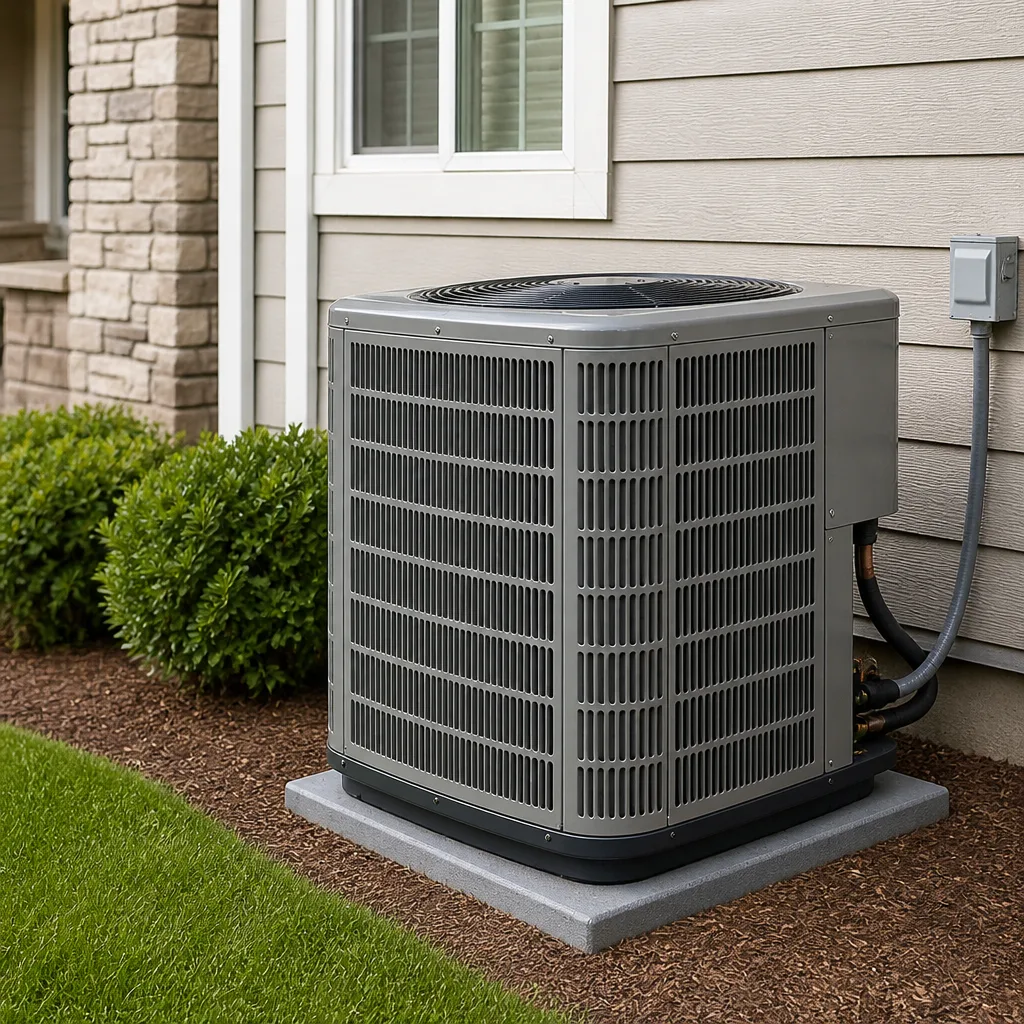 AC repair
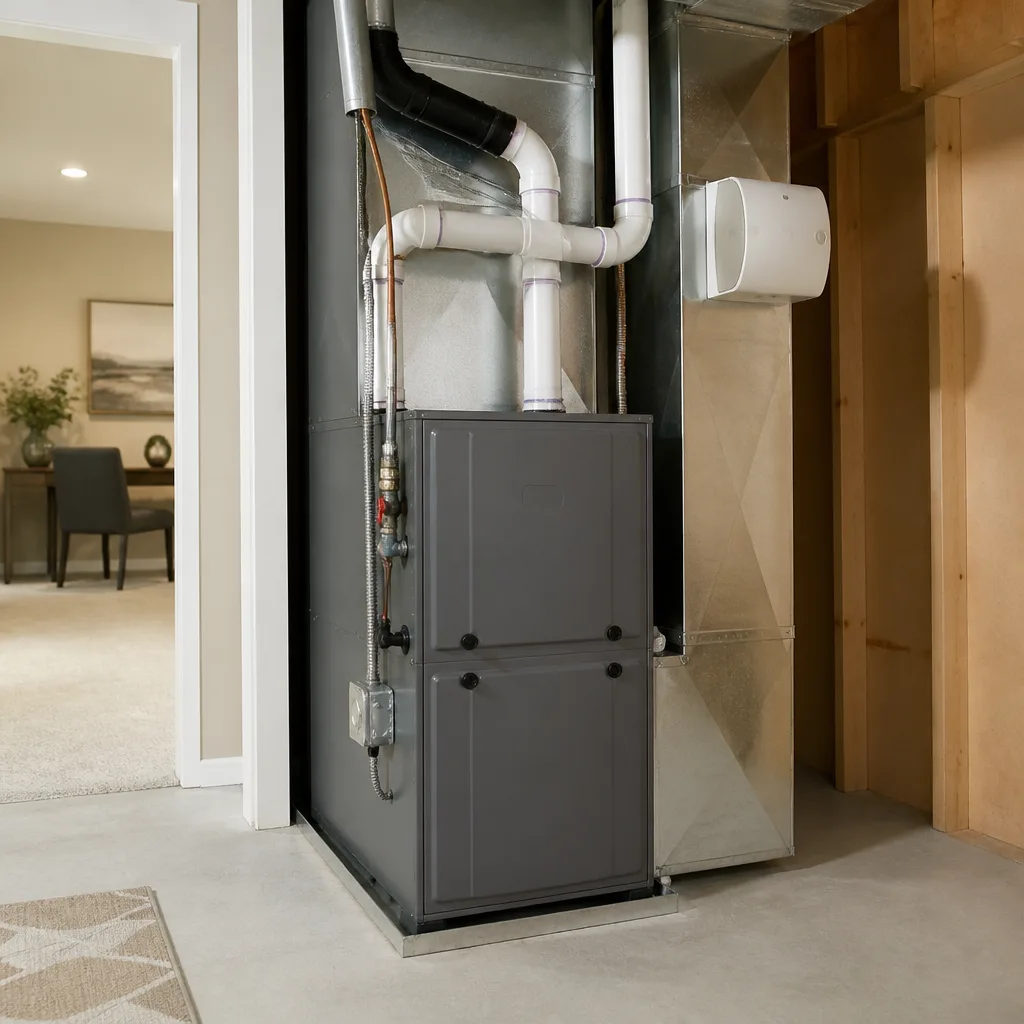 Furnace & heating
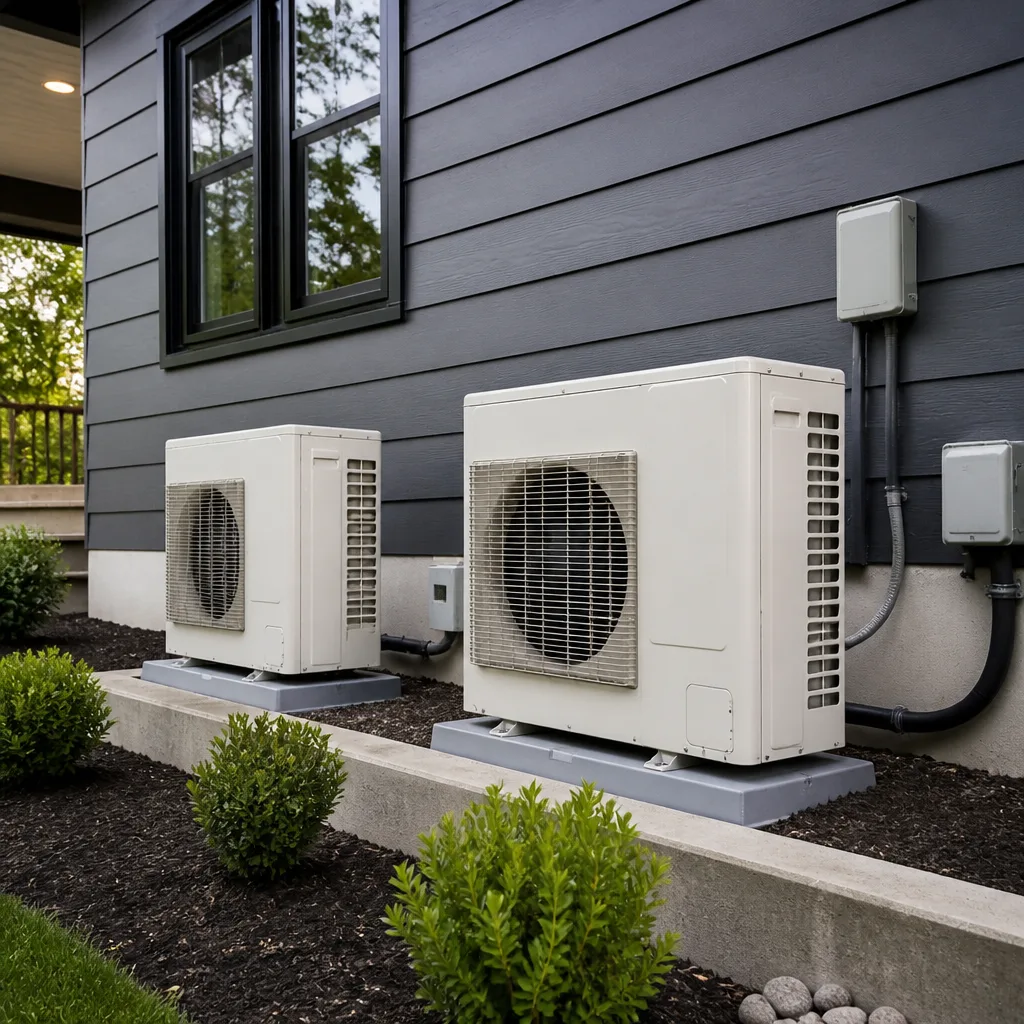 Heat pumps
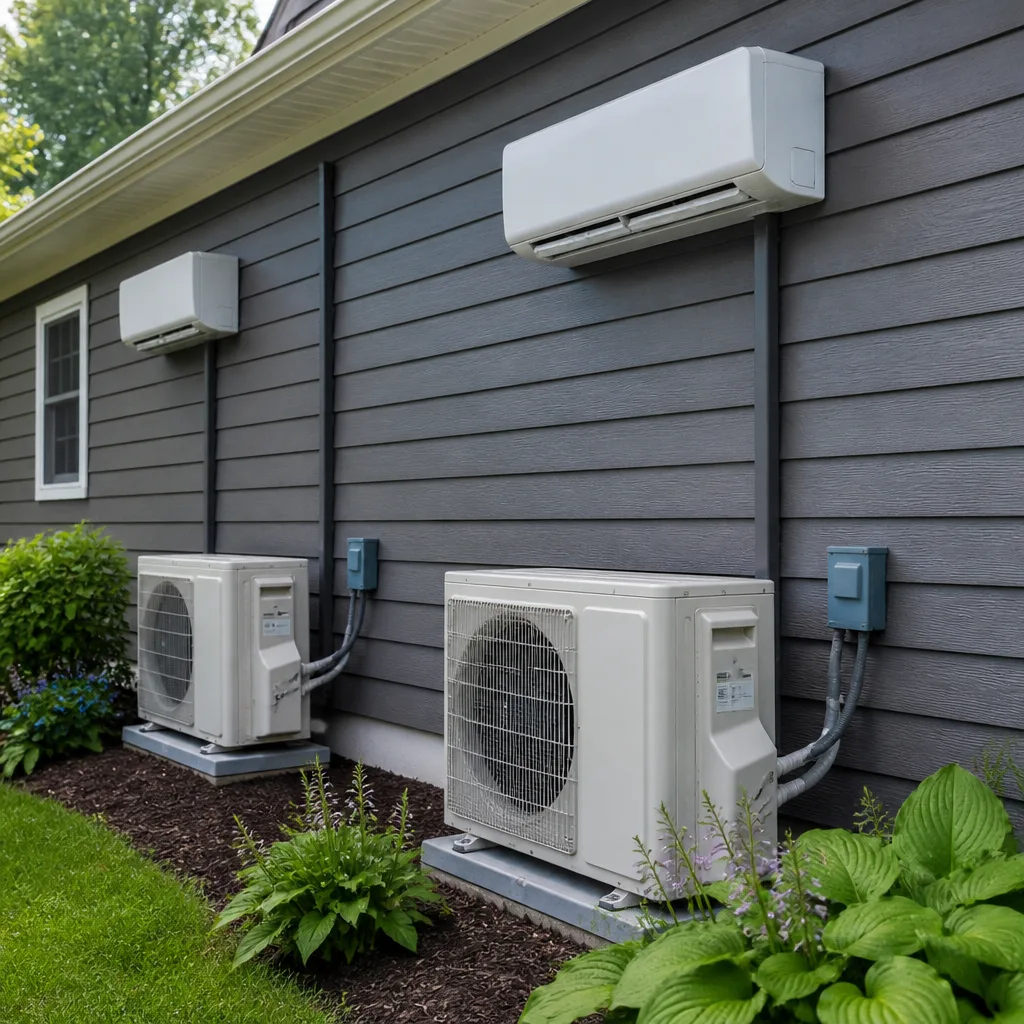 Ductless mini splits
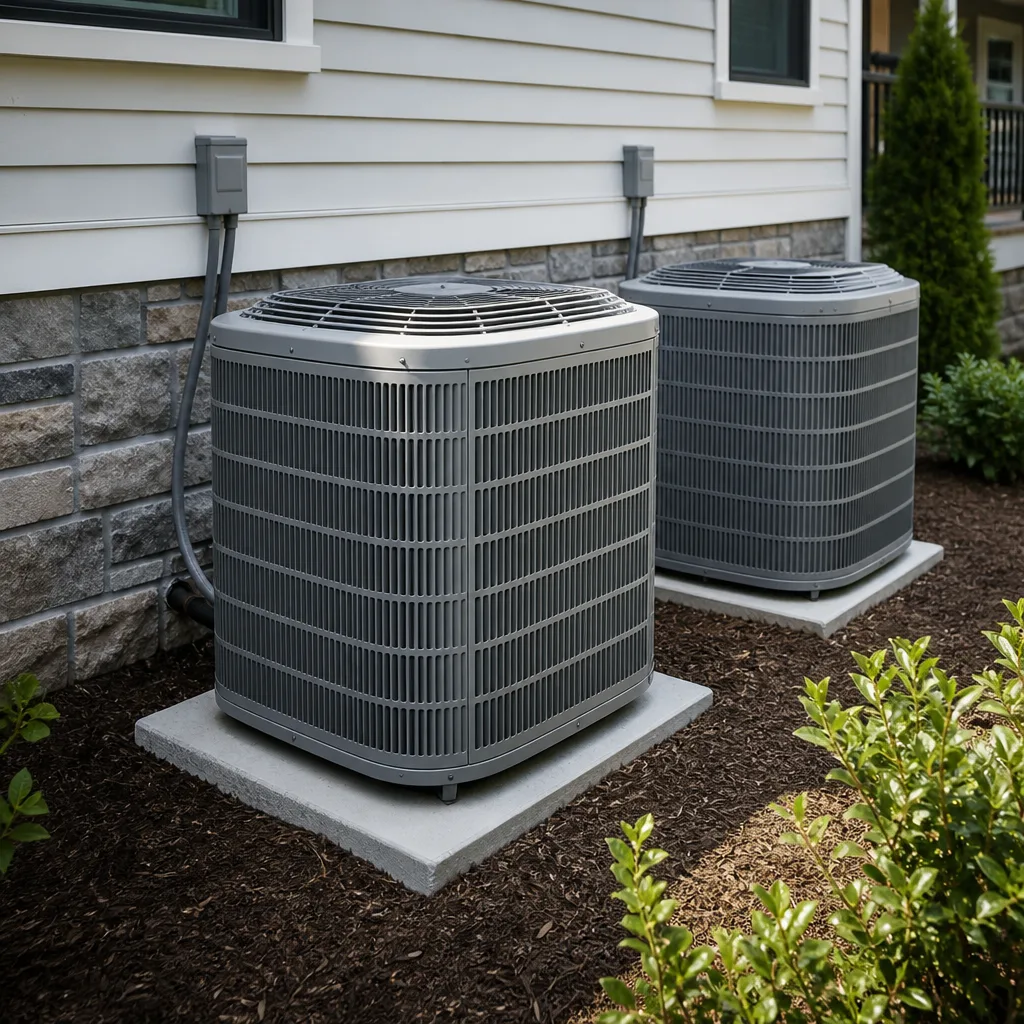 Carrier
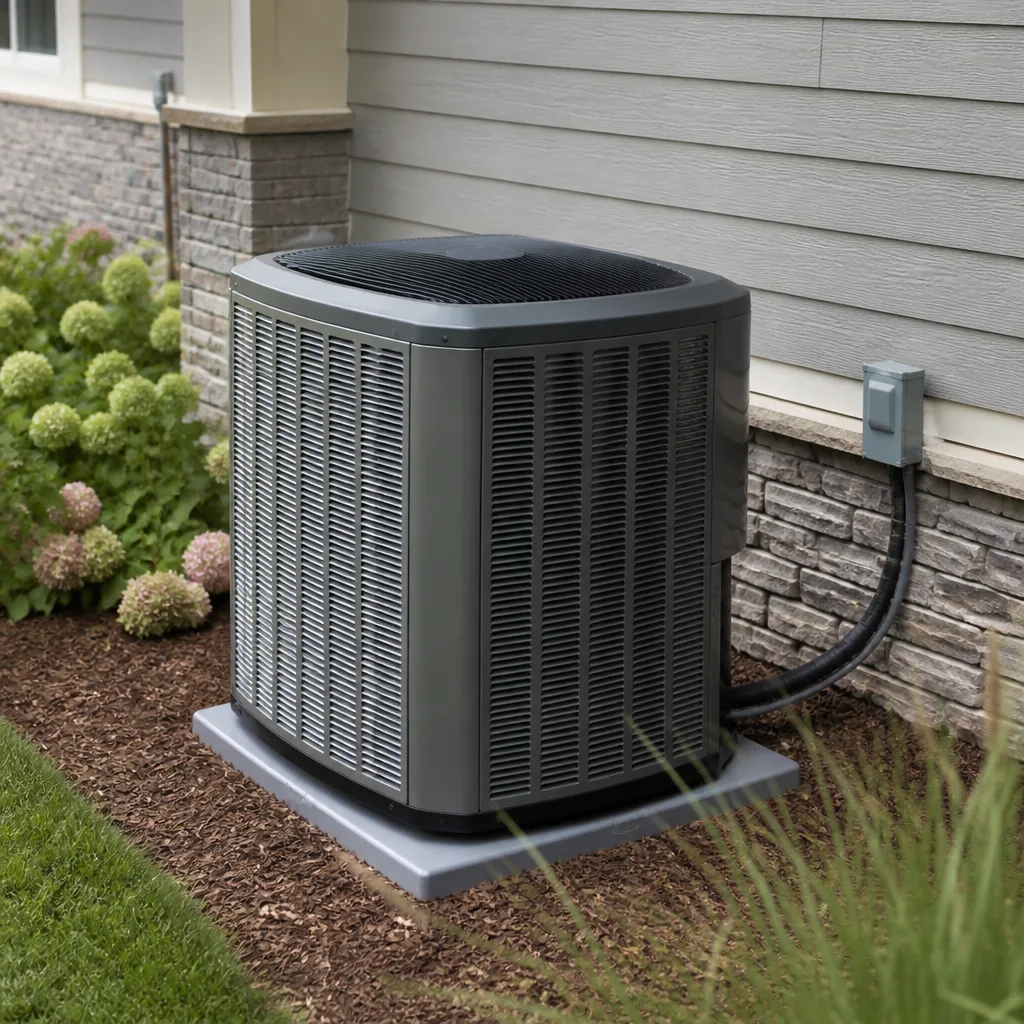 Trane
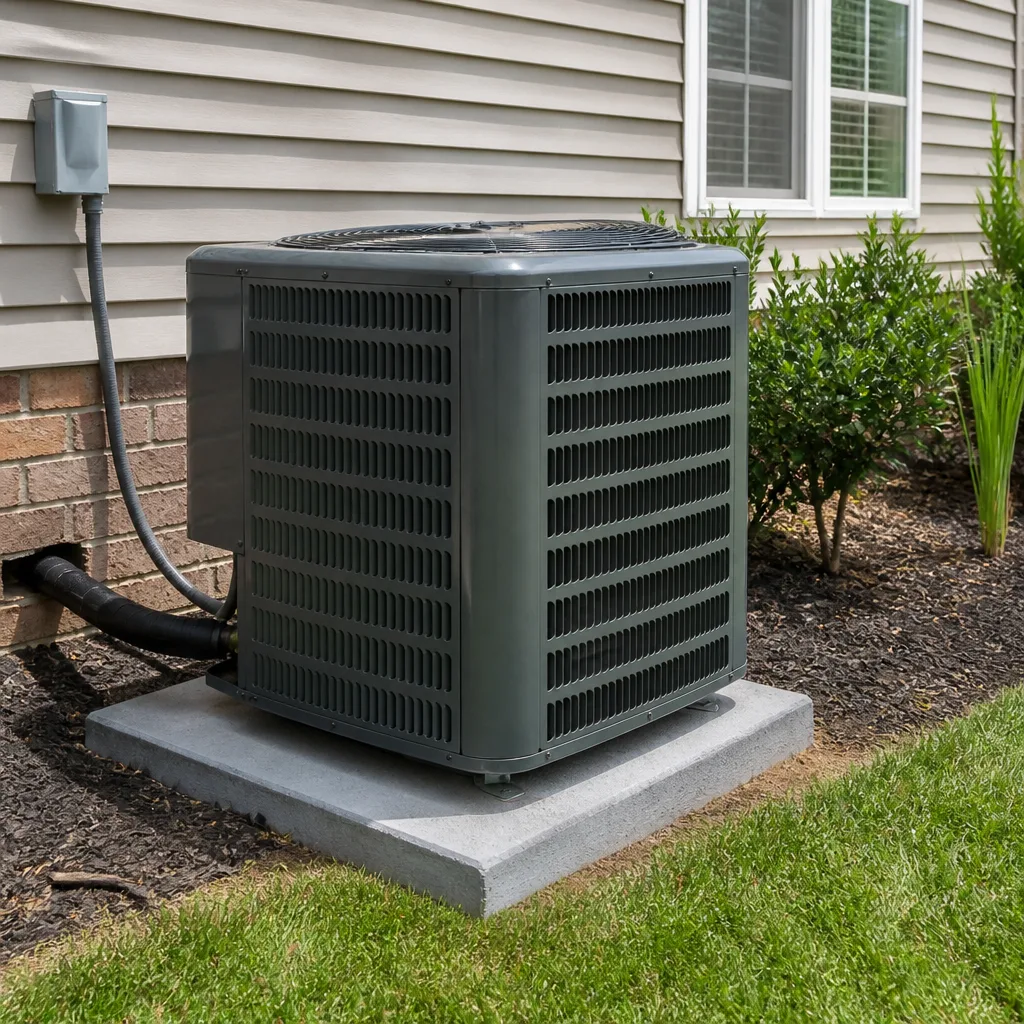 Goodman
Seasonal tune-up and full diagnostic on your Carrier, Trane, or Goodman system - readings shown to you before any repair is proposed
Diagnosis first, numbers second - you approve the repair price before a single part goes in.
Get your free estimateAir Quality & Ventilation Troubleshooting: Common Problems and How to Fix Them
Homeowners spend $600 on a freestanding air purifier for symptoms that a $12 filter change and a tube of caulk would have fixed. We see it every week in Mesquite. The purifier treats the air downstream of the problem. The problem itself is usually a leak, a dirty coil, or a return duct pulling attic air into the living room. Troubleshooting indoor air quality means ruling out sources in order of likelihood, cheapest first, before you buy a single piece of equipment. This guide walks through the symptom-to-source path we use on service calls, including the duct checks you can do yourself and the parts of the job that need a trained technician.
Quick Answer
Most indoor air quality complaints in a home trace to one of four sources: a clogged filter or dirty evaporator coil, duct leakage pulling contaminants from the attic or crawl space, uncontrolled humidity (too low in Mesquite’s dry climate, sometimes too high near bathrooms and laundry), or a ventilation system that isn’t moving enough outside air. Fix the source before buying air treatment equipment. A technician can diagnose the HVAC-side causes on a standard service call; a full indoor air quality assessment with lab testing usually needs a separate specialist.
Styles & brands we work with
- AC repair
- Furnace & heating
- Heat pumps
- Ductless mini splits
- Carrier
- Trane
- Goodman
Table of Contents
- Start With the Symptom, Not the Equipment
- How to Check for Duct Leakage Without Equipment
- Low Humidity in Mesquite: HVAC Issue, Envelope Issue, or Ventilation Issue?
- When the HVAC System Itself Is the Contamination Source
- Is Your Home Getting Enough Fresh Air?
- Filtration and Air Treatment: What Actually Works
- What a Technician Can and Cannot Diagnose on a Service Call
- The Maintenance Habits That Prevent Most of This
Start With the Symptom, Not the Equipment
Air quality complaints cluster into five symptom groups, and each one points at different root causes. Working backward from the symptom saves money. In our experience, homeowners who skip this step end up replacing filters weekly and still feeling the same irritation.
- Respiratory irritation, sneezing, or worsened allergies indoors. Usually filtration, duct leakage, or a dirty coil. Less often a ventilation shortfall.
- Dry eyes, dry skin, static shocks, chapped lips in winter. Low indoor humidity. In Mesquite this is common from November through March and can be a building envelope issue as easily as an HVAC one.
- Musty or earthy odors. Moisture somewhere: condensate pan, duct liner, bathroom exhaust venting into the attic instead of outside, or a slab that stays damp.
- Chemical or sharp odors. Off-gassing from new furniture, paint, or cleaning products, made worse by a tight house with poor ventilation.
- Visible dust settling on surfaces within a day or two of cleaning. Return duct leakage, an unsealed filter slot, or a blower cabinet that was never taped shut.
Write down which of these describes your home before you call anyone. A technician can move much faster with that list, and in Mesquite, where summer temperatures push 110°F and the system runs hard for months, the difference between a filter problem and a duct problem often shows up as a utility bill spike alongside the symptoms.
How to Check for Duct Leakage Without Equipment
Duct leakage is the most overlooked air quality problem in Southern Nevada homes, and you can find most of it with a flashlight, a roll of blue tape, and ten minutes in the attic. Leaky return ducts pull air from wherever the pressure is lowest, which in a Mesquite attic means 140°F air, insulation fibers, and whatever else has settled up there.
- Look at the filter slot and blower cabinet. If you can see daylight around the filter frame, unfiltered air is bypassing the filter. A strip of foil tape is the fix.
- Check the return plenum joints. Follow the large duct from the air handler back to the return grille. Any joint with visible gaps, sagging tape, or separated flex is a leak.
- Run the system fan only and feel for airflow at the joints. Hold your hand near the seams of the air handler and the supply trunk. A noticeable draft means conditioned air is escaping and attic air is being drawn in somewhere else.
- Inspect flex duct runs for crushed or disconnected sections. Crushed flex cuts airflow; disconnected flex dumps conditioned air into the attic. Both show up as rooms that never feel comfortable.
- Check the return grille in the hallway or central return. If it pulls hard enough to hold a tissue, that’s normal. If you feel air blowing out of it when the system is running, the duct is routed wrong or disconnected.
What you cannot check without a duct blaster is the leakage rate in cubic feet per minute. That requires a calibrated fan and a pressure gauge, and it is not part of a standard service call. If your visual checks turn up significant gaps, a technician can seal what is reachable and tell you whether a full duct sealing or replacement makes sense. Doing this work in Mesquite matters because the temperature differential between attic and living space is enormous, and a small leak costs real money on every cooling cycle.
Low Humidity in Mesquite: HVAC Issue, Envelope Issue, or Ventilation Issue?
Mesquite sits in the Mojave Desert with summer relative humidity often below 15% and winter indoor humidity that can drop into the teens once the furnace runs. Homeowners blame the HVAC system for dry skin and static, but in our experience the cause splits three ways, and knowing which one you have changes the fix.
- HVAC issue: An oversized system that short-cycles never runs long enough to move air across a humidifier, and a system without a humidifier offers no humidity control at all beyond what the building envelope holds. If your furnace cycles off in five minutes and the house feels dry, sizing and runtime are part of the story.
- Envelope issue: Air leaks around windows, doors, and penetrations let dry outside air in constantly. A blower door test measures the leakage rate; a candle or smoke pencil at the trim tells you whether a specific window is leaking. Around half of the low-humidity calls we handle in older Mesquite homes come down to envelope infiltration.
- Ventilation issue: Bathroom and kitchen exhaust fans that run too long, or a fresh-air intake on the HVAC that pulls in unconditioned desert air, dry the house out. If dryness got worse after a remodel or a new ventilation install, ventilation is the likely cause.
The symptom that separates them: if the whole house is dry and cold drafts come from windows and outlets, it’s envelope. If only rooms with exhaust fans are dry, it’s ventilation. If the whole house is dry only when the heating season starts and the system is short-cycling, it’s HVAC. Whole-house humidifiers are an option in Mesquite, but they only work if the system runs long enough to distribute moisture, which is why we look at runtime before recommending one. See our Heating & Furnace in Mesquite page for how runtime and sizing get assessed.
When the HVAC System Itself Is the Contamination Source
It’s a common assumption that mold can’t be a problem in Mesquite because it never rains. That’s not accurate. The air handler sits in an attic where temperatures swing from 40°F at night to 120°F by afternoon, and the evaporator coil stays wet for months. Condensate pans sit in standing water during the cooling season, and duct liner in the plenum stays damp. That’s enough moisture for biological growth, and the blower pushes it through every room in the house.
The three HVAC-side contamination sources we find most often:
- Dirty evaporator coils. A coil caked with dust and debris holds moisture and grows biological matter. It also drops efficiency, and in Mesquite that’s the difference between a system that keeps up in July and one that doesn’t. Coil cleaning is routine; do not attempt to clean the coil yourself, because coil fins are sharp and easily crushed and the coil sits inside a sealed cabinet.
- Stagnant condensate pans. Slime and standing water in the pan are a source of musty odor. The pan needs to drain fully and be cleaned at each service.
- Duct mold or liner deterioration. If flex duct inner liner is torn or wet, it traps dust and moisture. Replacement is often the only honest answer. In our experience this shows up most in duct systems installed more than fifteen years ago and never sealed.
If you smell mustiness every time the system starts, that’s the system, not the room it’s blowing into. Call a technician before you buy a purifier, because a purifier downstream of a contaminated coil is filtering the exhaust of the real problem.
Is Your Home Getting Enough Fresh Air?
Homes built in the last fifteen years are sealed much tighter than the Mesquite houses from the 1980s and 1990s. Tight construction is good for efficiency and bad for stale air. Carbon dioxide builds up, cooking odors linger, and off-gassing from new furniture has nowhere to go. The fix is fresh air, deliberately introduced, not a window cracked open.
Signs your home is under-ventilated:
- Stuffy air in the morning and after cooking, even with the kitchen hood running.
- Condensation on interior windows in winter (less common in Mesquite, more common with a whole-house humidifier).
- Headaches that clear up when you spend time outdoors.
- Bathroom mirrors fogged for twenty minutes after a shower, which means the exhaust fan is undersized or ducted wrong.
The easiest check: hold a piece of tissue to the bathroom exhaust grille while the fan runs. It should pull it tight. If it barely moves, the fan is undersized, the duct is crushed, or the fan vents into the attic instead of through the roof. Venting into the attic is a code issue and a moisture issue, and it’s more common in Mesquite than you’d expect. A balanced approach may include a small energy recovery ventilator, but that’s a design decision, not a service call impulse buy. For duct and equipment layout questions, our Heat Pump & Mini Split in Mesquite team handles ventilation side work on those systems.
Filtration and Air Treatment: What Actually Works
In order of cost versus payoff, our advice is the same every time: fix the source, then filter, then consider treatment.
- Filter upgrade: A pleated MERV 8 to MERV 11 filter is the best value in this whole guide. Change it on schedule, and after any drywall or remodeling work. Filters above MERV 13 typically restrict airflow in residential duct systems, so ask before you go higher.
- Seal the return: Air that bypasses the filter is not filtered. Tape and mastic on the filter slot and plenum joints is cheap, permanent, and often the single biggest improvement.
- UV-C: Useful at the coil when biological growth is confirmed, not as a whole-house air cleaner. It only treats air passing close to the lamp.
- Whole-house HEPA or electronic filters: Effective but require a properly sized blower and regular maintenance. Not a set-and-forget item.
- Standalone purifiers: They work for one room. They do not fix duct leakage, dirty coils, or humidity, and buying one first is what most of the homeowners we visit wish they hadn’t done.
We service Carrier, Trane, and American Standard equipment most often in Mesquite, and the filter recommendation is nearly identical across the brands, so the brand isn’t the issue. The filter schedule is.
What a Technician Can and Cannot Diagnose on a Service Call
Most air quality complaints are partly HVAC-side and partly not, and knowing who to call first saves a second appointment and a second fee.
A standard HVAC service call can diagnose and address:
- Dirty filters, coils, and blower wheel.
- Condensate pan and drain condition.
- Visible duct leakage, disconnected flex, and crushed runs.
- Bathroom and kitchen exhaust fan function.
- Ventilation intake configuration where present.
- Runtime, airflow, and humidity readings at the return.
What requires a separate indoor air quality assessment:
- Mold species identification and spore counts (needs lab sampling).
- Volatile organic compound testing (needs calibrated instrumentation and a defined protocol).
- Radon testing (needs a passive detector or continuous monitor, and a licensed mitigator if results are high).
- Formaldehyde and combustion byproduct analysis beyond a basic CO check.
Our advice: call for HVAC service first if the symptoms follow the system. Call an independent IAQ assessor if the symptoms persist after the system is clean and the ducts are sealed, or if you suspect a specific contamination event like water damage or a renovation. Starting with AC Repair & Installation in Mesquite for a thorough system check rules out the common causes before you spend on lab work.
The Maintenance Habits That Prevent Most of This
Nine out of ten air quality service calls we run in Mesquite would not have happened with a simple maintenance rhythm. None of this is glamorous, and all of it works.
- Filter changes every 60-90 days in the cooling season, more often if you have pets or live near open desert. Write the date on the filter edge.
- A seasonal tune-up twice a year, once before cooling season and once before heating season. Coil cleaning, condensate pan check, and blower inspection belong in that visit.
- Duct inspection every few years in the attic. Flex duct sags and separates. Ten minutes with a flashlight catches most of it.
- Exhaust fan verification once a year with the tissue test.
- Humidity tracking with an inexpensive hygrometer. Fifteen dollars buys a reading, and the reading tells you whether to call anyone at all.
Common Mistakes to Avoid
- Buying a purifier before finding the source. A purifier treats air after the contamination has already entered the system. Fix the leak, coil, or humidity issue first.
- Installing a high-MERV filter “for better air.” MERV 16 filters can starve a residential blower and cause coil icing in summer. Most Mesquite homes do best at MERV 8 to MERV 11.
- Ignoring the attic ductwork because the house “feels fine.” Leaky return ducts in a 135°F attic pull contaminants into the living space and drive up the power bill at the same time.
- Running bathroom fans for 30 minutes “to be safe.” In Mesquite’s dry climate, that pulls conditioned air out of the house and pulls dry desert air in through every crack. Ten to fifteen minutes is plenty.
- Assuming mold needs rain. Wet evaporator coils and condensate pans support growth in the driest climate. Musty odor during operation is a system problem.
- Hiring an “air quality specialist” who sells equipment on the first visit. Start with diagnostics from a service company, then get a second opinion on any written IAQ proposal that runs past a few hundred dollars.
- Venting the dryer or bath fan into the attic. It’s a code violation and a moisture problem. If you find this in a Mesquite home, get it corrected before adding any ventilation equipment.
See the difference
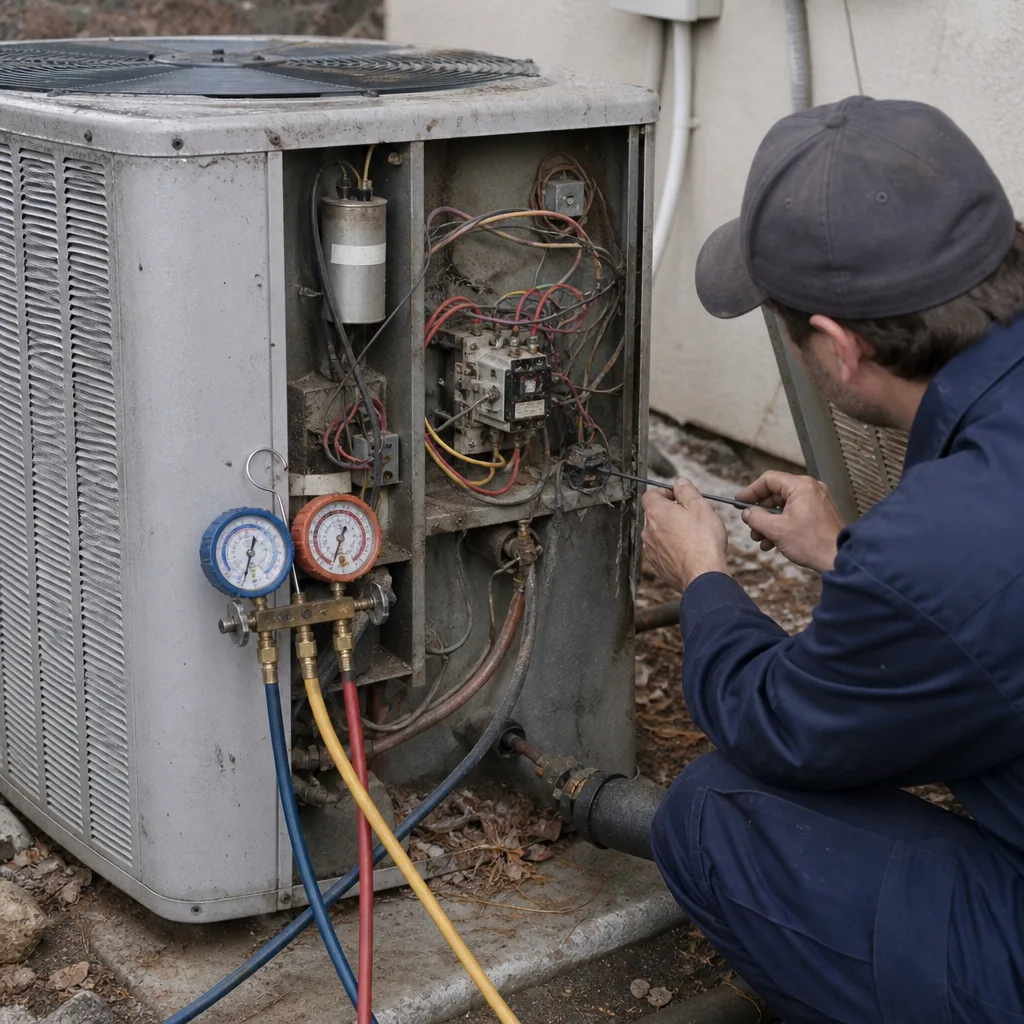 Before
 After
 Before
 After
 Before
 After
When to Call a Professional
Call a professional when the symptoms follow the system: musty odor on startup, dust settling within a day of cleaning, cold rooms that never balance, humidity complaints that changed after a remodel, or a utility bill that jumped alongside an air quality complaint. Call if the visual duct checks turn up separated flex or gaps you can’t reach safely. Attic work in a Mesquite summer is genuinely dangerous, with attic temperatures above 140°F, so don’t climb up there in the afternoon. Also call if you smell gas, see soot around the furnace, or the CO detector has ever alarmed. That’s not a filter problem. Fireside Heating & Air Co. Mesquite offers free estimates in Mesquite – call (888) 570-3601. Our technicians have up to 8 years of experience, are background-checked and uniformed, and are trained to service all nine major brands including Bryant and Lennox.
Frequently Asked Questions
Return duct leakage or an unsealed filter slot is the most common cause. Unfiltered air bypasses the filter and carries attic dust into the living space. A technician can find it with a flashlight and seal it in one visit, usually within an hour. Call (888) 570-3601 for a free estimate on the repair.
Usually not. Most homes benefit more from a good filter schedule, sealed return ducts, and a clean evaporator coil than from added equipment. If the system is clean and sealed and you still have symptoms, that’s the point to discuss filtration upgrades. Start with a service call and a straight answer about what your system actually needs.
Low indoor humidity dries out nasal passages and skin, and in our experience it makes winter colds feel worse. In Mesquite, the fix depends on whether the cause is envelope leakage, ventilation, or an HVAC system running short cycles. A technician can measure the runtime and the infiltration side before recommending a humidifier. Call (888) 570-3601 for an assessment.
Every 60 to 90 days during cooling season for most homes, and more often if you have pets or live along open desert where dust blows. During a remodel, change it weekly until the drywall work is finished. The filter is the cheapest air quality device in your house, and skipping it is what fills coils and ducts with debris.
Yes. Wet evaporator coils, standing condensate pans, and damp duct liner hold enough moisture for growth even when outdoor humidity is low. A musty smell on startup is the giveaway. Coil and pan cleaning is routine HVAC work; duct liner replacement is sometimes necessary. Call for an inspection before assuming the symptom is harmless.
A service call covers filters, coils, ducts, exhaust fans, and humidity readings tied to your system. An IAQ assessment involves lab sampling and calibrated instruments for mold, VOCs, radon, or combustion analysis, and it’s usually performed by a separate specialist. Start with HVAC service, and only move to a formal assessment if symptoms persist after the system is clean and sealed. Call (888) 570-3601 to schedule the first step.
The Bottom Line
Indoor air quality almost never has one cause. It’s a stack: a clogged filter, a leaky return, an oversized system, a vent fan that dumps into the attic, a coil that’s been wet since May. Troubleshooting works when you rule out the sources in order of likelihood, starting with the cheapest checks. Fix the source, then filter, then consider treatment equipment. Most of what we find in Mesquite homes could have been caught with a filter calendar and a yearly duct inspection. When the check turns up something you can’t safely reach or diagnose, that’s what we’re here for. See our Fireside Heating & Air Co. Mesquite home for how we work, and remember the standing offers: $50 off any repair over $250, a free second opinion on any written estimate, an $89 seasonal tune-up, and a permanent 5% discount for seniors and veterans. The price quoted is the price paid, and every job is backed by the 90-Day Done Right Promise.
Call (888) 570-3601 for a free estimate on any air quality or ventilation concern in Mesquite. A live person answers the phone 24 hours a day, including the 2 a.m. no-heat call, and we will be there when we say.
Written by the team at Fireside Heating & Air Co. Mesquite.