
Last updated November 18, 2026
 Heat pumps
 AC repair
 Furnace & heating
 Ductless mini splits
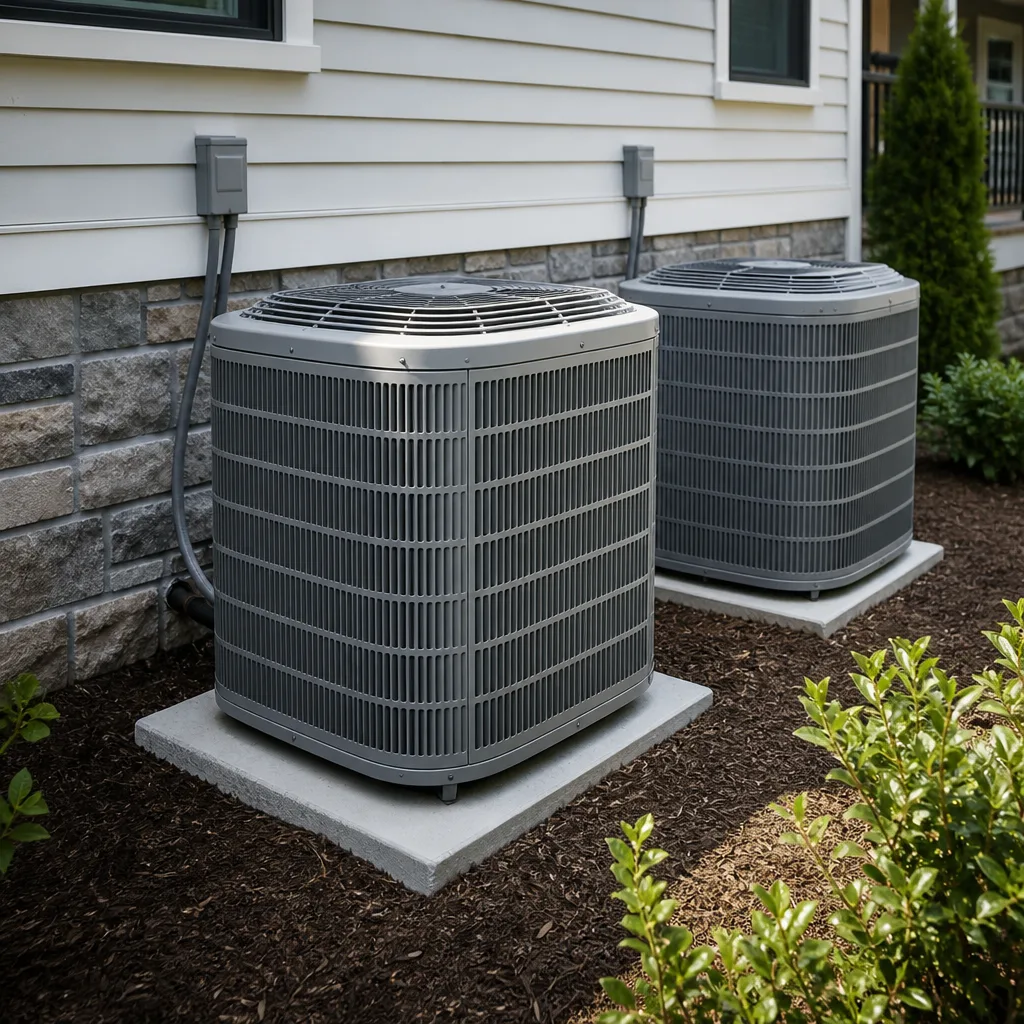 Carrier
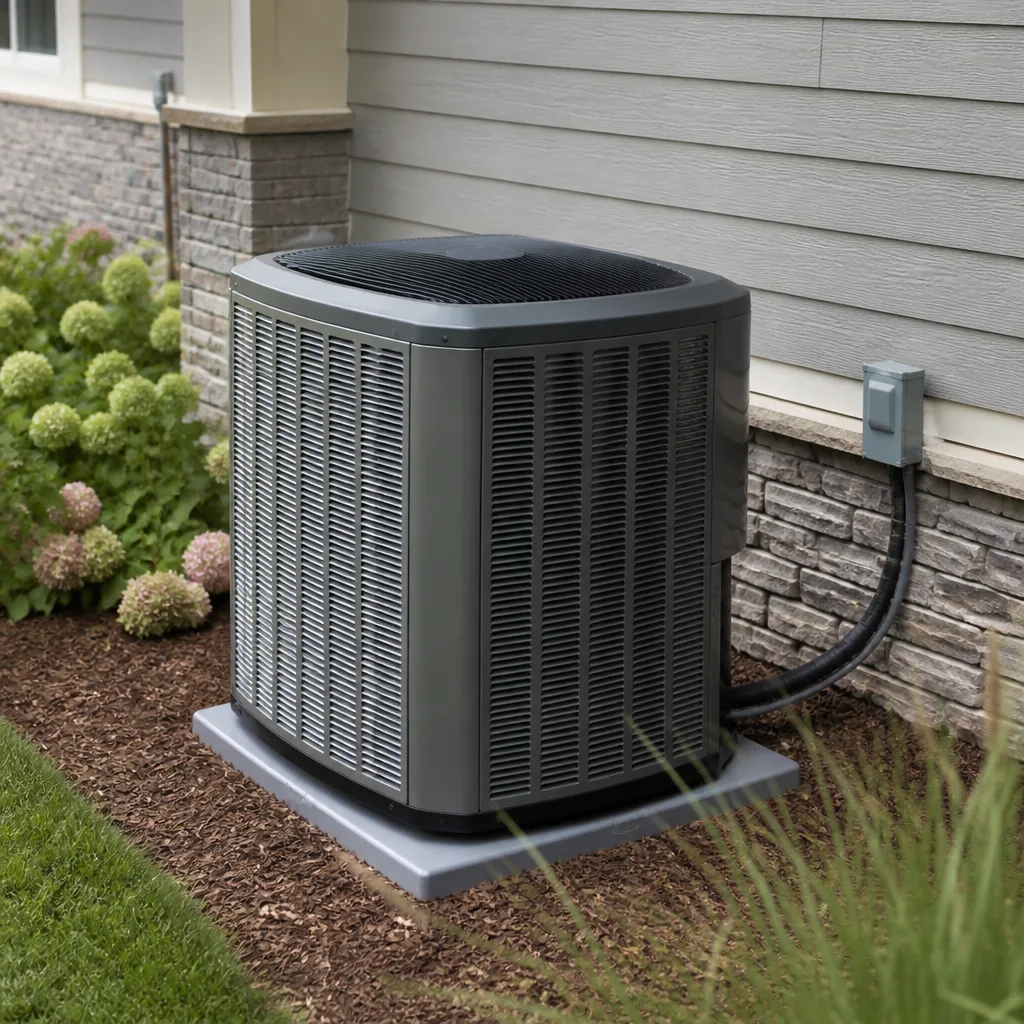 Trane
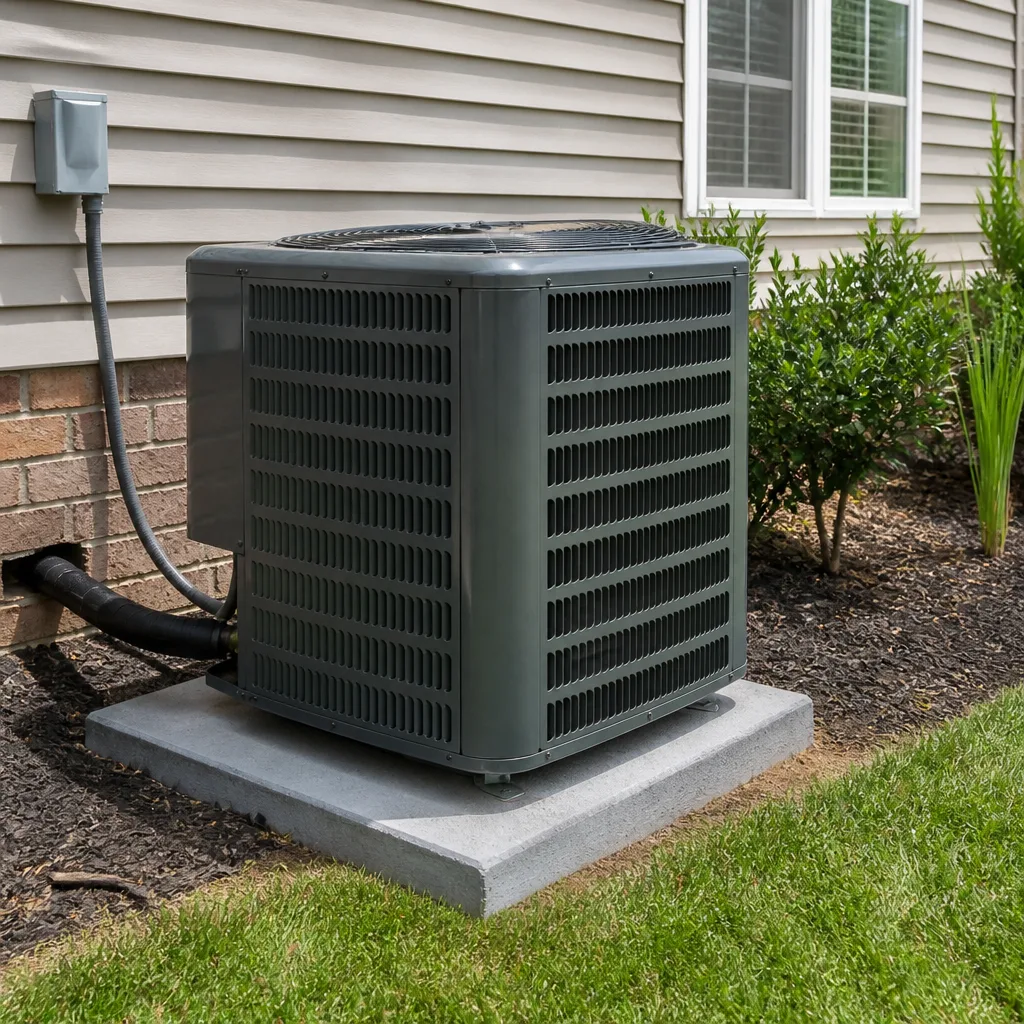 Goodman
Seasonal tune-up and full diagnostic on your Carrier, Trane, or Goodman system - readings shown to you before any repair is proposed
Diagnosis first, numbers second - you approve the repair price before a single part goes in.
Get your free estimateHeat Pump & Mini Split Warning Signs Every Homeowner Should Know
When your mini split starts running longer cycles to hit the same setpoint, most homeowners assume it’s just a hot summer. It’s actually the most reliable early indicator of refrigerant loss or coil fouling, and it shows up 60 to 90 days before any error code appears. In a moderate desert climate like ours, that window is easy to explain away: the afternoon climbs, the unit keeps up, nothing flashes on the remote, and life goes on. Then August arrives and the system quits on the hottest day of the year, usually a Sunday. This guide walks through the warning signs in the order they tend to appear, from runtime creep to electrical hiccups, with the Mesquite-specific details that matter for homes out here.
Quick Answer
The earliest heat pump and mini split warning signs are longer runtimes for the same setpoint, ice on the indoor coil outside of a normal defrost cycle, and a condenser fan that sounds like it’s laboring in high heat. Catching these performance changes early usually means a recharge, a cleaning, or a small part swap instead of a compressor replacement. Homeowners in Mesquite who track runtime and watch the outdoor unit can spot most failures weeks before the system stops.
Styles & brands we work with
- AC repair
- Furnace & heating
- Heat pumps
- Ductless mini splits
- Carrier
- Trane
- Goodman
Table of Contents
- Why Runtime-to-Output Ratio Is Your Best Early Warning
- What Ice on the Indoor Unit Is Really Telling You
- Outdoor Unit Signs That Matter in Mesquite Heat
- Refrigerant Leak Clues Before Frost or Error Codes
- Electrical Warning Signs: Capacitors and Control Boards
- Sounds, Smells, and Other Sensory Clues
- How to Build a Simple Monthly Check
- When a Sign Points to a Bigger Problem
Why Runtime-to-Output Ratio Is Your Best Early Warning
Every mini split has a rhythm. In cooling season, a healthy system runs a stretch, satisfies the setpoint, and rests. How long it runs compared to how long it rests is your runtime-to-output ratio, and it’s the single most useful thing you can track without owning a gauge, a thermometer, or any special tool.
Normal behavior looks like this: the system runs for 20 to 40 minutes in moderate heat, then sits idle for a comparable stretch, keeping the room steady. As outdoor temperatures climb in Mesquite through June and July, more runtime is expected, and a properly sized unit will run longer in the afternoon than in the morning.
What warrants a call is a shift in pattern. Watch for:
- Runs that stretch well past what they did last summer for the same setpoint.
- Shorter rest periods that shrink to a few minutes or disappear entirely.
- The room still feels off-setpoint even when the system runs almost constantly.
- Early morning or evening runtime creeping up, when the load should be lighter.
In our experience, most refrigerant leaks and coil-fouling cases announce themselves this way weeks before anything else. The system is still cooling, just working harder to do it. That extra effort is exactly the kind of thing a trained tech can diagnose quickly and fix before the compressor pays the price. If you’re seeing this pattern and want someone to look at it, our team handles Heat Pump & Mini Split in Mesquite and can usually pinpoint the cause on a single visit.
What Ice on the Indoor Unit Is Really Telling You
Ice on the indoor unit is one of those signs homeowners react to differently than they should. Some see a little frost and ignore it. Others see a block of ice and assume the system is beyond saving. The truth is in the middle: ice almost always points to one of a few specific problems, and none of them fix themselves.
Here’s how to tell what you’re looking at.
- Ice with weak airflow. A clogged filter, blocked return, or a blower problem starves the coil of warm air. The coil surface drops below freezing and frost builds up. This is the most common cause, and it’s often the simplest to fix.
- Ice with normal airflow. If filters are clean and airflow feels right, a low refrigerant charge is the likely culprit. Refrigerant measured below spec causes the coil to run colder than it should, and it freezes regardless of airflow.
- Ice in heating mode. In heating season, brief frost on the outdoor coil is normal. The system enters a defrost cycle, typically every 30 to 90 minutes depending on conditions, and the frost clears. If the outdoor unit stays iced over or the indoor unit frosts in heating mode, that’s not defrost behavior and needs a look.
One caveat: turn the system off if it’s iced up and call a professional. Forcing a frozen system to run can damage the compressor, and the ice can mask a leak until it becomes a much bigger repair. For broader help across your home’s cooling needs, our AC Repair & Installation in Mesquite page covers how we diagnose these patterns on standard systems too.
Outdoor Unit Signs That Matter in Mesquite Heat
Desert heat stresses outdoor equipment harder than most homeowners realize. When ambient temperatures push past 105 degrees, a mini split’s condenser has to reject heat into air that’s already loaded with it. That’s a normal part of the design, but it means the outdoor unit rewards a little attention.
Three things to watch for on the outdoor unit specifically.
- Compressor laboring in high ambient heat. A healthy compressor has a steady, even hum. If it sounds strained, cycles on and off rapidly, or buzzes louder than usual on the hottest afternoons, that’s a stress signal. Rapid cycling in high heat often means the refrigerant charge is off or the condenser coil is fouled.
- Condenser fan behavior. The fan should spin smoothly and push warm air off the unit. Wobbling, squealing, slowing down, or stopping entirely are all red flags. A failing fan capacitor or motor will eventually take the compressor with it if it’s not addressed.
- Debris accumulation. In Mesquite, dust, cottonwood fluff, and dry leaf litter all collect on the condenser fins. The first sign is usually a drop in efficiency (back to your runtime pattern), followed by higher head pressure and laboring. A clogged coil can cut efficiency significantly, and it’s often a five-minute visual check to catch.
Keeping 2 to 3 feet of clearance around the outdoor unit and hosing off the fins gently a couple of times a season matters out here. If you notice any of the above and want it looked at, Fireside Heating & Air Co. Mesquite home is the place to start.
Refrigerant Leak Clues Before Frost or Error Codes
Refrigerant leaks are sneaky because the most obvious signs (frost, error codes, complete loss of cooling) show up last. Before any of that, the system leaves quieter clues that reward homeowners who know what to look for.
The three most reliable early signs:
- Oil staining on the linesets. Refrigerant oil travels with the refrigerant, so a slow leak often leaves a small oil mark at the connections or along the copper line. It looks like a faint dark smudge near a flare fitting or valve. If you see one, note its location and call. A leak there is usually a straightforward repair.
- Unexplained utility increases. A slow leak forces the system to work longer to achieve the same output. You’ll see it on the power bill before you feel it in the room. If your summer usage has crept up and nothing else in the house has changed, that’s worth a diagnostic.
- Musty or chemical odors from certain refrigerants. Some blends carry a faint sweet or musty smell when they leak, and a small leak in an enclosed space can be noticeable. Note that some refrigerants are odorless, so the absence of smell proves nothing. It’s one signal among several.
Mini splits, particularly Daikin and Bryant units, hold small charges, so even a slow leak matters more than it would on a central system. Catching one early means a faster repair and no compressor damage from running low. If you suspect a leak, don’t add refrigerant on your own or top it off with a can from the hardware store; the wrong charge can make things worse. For heating-side issues, our Heating & Furnace in Mesquite team handles the same diagnostic work on the heating cycle.
Electrical Warning Signs: Capacitors and Control Boards
Mini splits are simple machines on the surface and electrical machines underneath. Two components account for a large share of the “it works sometimes” reports we get: capacitors and control boards.
Capacitor fatigue. Start and run capacitors help the compressor and fan motors spin up. As they age, they lose capacitance. The symptoms are often subtle: the unit takes longer to start, the fan spins up slowly, or the system occasionally fails to kick on and then works fine a minute later. Capacitor fatigue is common and inexpensive to fix. It’s also easy to misdiagnose, which is why a proper meter check matters.
Control board anomalies. Modern mini splits run on inverter boards and logic boards that manage fan speed, compressor modulation, and defrost cycles. A failing board can produce strange behavior: the unit resets on its own, runs in the wrong mode, or refuses to ramp up. Sometimes the remote shows odd codes or nothing at all. Board failures aren’t as common as capacitor failures, but they’re the reason intermittent operation deserves a proper electrical check rather than a guess.
What intermittent operation actually means. When a mini split works one day and doesn’t the next, it’s almost never a mystery fault. It’s usually a tired component that fails under load or heat, then recovers when conditions change. York and American Standard units have their own known failure points, which is part of why our techs are trained across those brands. Get it looked at before the intermittent becomes permanent, ideally on a day when it’s misbehaving so the tech can catch it in the act.
Sounds, Smells, and Other Sensory Clues
Most warning signs are performance changes, but the senses still catch things worth acting on. A quick rundown of what commonly signals trouble:
- Rattling or buzzing. Loose panels, mounting hardware, or fan blade contact. Usually minor but worth fixing before it becomes a worn bearing.
- Hissing or bubbling near the lineset. A refrigerant leak in progress. Call it in.
- Grinding or squealing from the fan. Bearing failure in the indoor or outdoor fan motor. Escalates fast.
- Musty smell from the indoor unit. Often a wet evaporator coil or a clogged drain line. In our climate, drain lines can also dry out during shoulder seasons and pull in dust; that’s a cleaning issue, not a refrigerant one.
- A burning or hot-plastic smell. Shut the system off at the thermostat and call. This can indicate an electrical issue that shouldn’t be ignored.
None of these are things you need to diagnose yourself. They’re things to note and report. The value of catching them early is that most are inexpensive to resolve when you call promptly.
How to Build a Simple Monthly Check
You don’t need to be an HVAC tech to catch most of these signs. A 10-minute monthly routine, ideally done on a warm afternoon when the system is working hard, will surface most of what matters.
- Note the start and stop times of a full cycle. Write it down or note it on your phone. Compare with last month.
- Look at the indoor unit for frost or ice. If you see any, turn the system off and call.
- Walk out to the outdoor unit. Clear any debris within 2 to 3 feet, check that the fan is spinning smoothly, and listen for laboring or rattling.
- Check the filter. In Mesquite’s dusty conditions, filters load up faster than most climate guides say. Replace or clean as needed.
- Inspect the lineset where visible for oil staining or dark smudges near the connections.
- Review your last power bill against the same month last year. Unexplained jumps are a prompt to schedule a check.
A scheduled seasonal tune-up catches most of these for you and adds a refrigerant check and a coil cleaning. If it’s been more than a year since your last service, that’s a good reason to call. Senior and veteran homeowners in Mesquite also get a permanent 5% discount on service, and there’s currently an $89 seasonal tune-up available.
When a Sign Points to a Bigger Problem
Some signs stay small. Others are the first note of a bigger repair. In our experience, the difference usually comes down to how early you act. A single ice event traced to a dirty filter is a $30 fix. The same ice event left to run for a month can stress a compressor into replacement territory.
A few rules of thumb:
- One symptom at a time is usually a small repair. Three or more stacking up (runtime creep, ice, and a strained fan, for example) often points to a systemic issue like low charge or a failing board.
- Repeated failures after fresh refrigerant almost always mean an undetected leak.
- A system past 12 to 15 years that needs a compressor or board usually warrants a replacement conversation. We’ll tell you plainly when repair no longer makes sense, and we won’t sell you a new system you don’t need.
For heating-facing systems, the same rules apply on the heat pump side. If your system is struggling in heating season, our Heating & Furnace in Mesquite page covers the typical winter symptoms. If you want to skip the diagnosis and just get eyes on your unit, we recommend a seasonal tune-up before the season shifts.
Common Mistakes to Avoid
- Assuming longer runtimes are just the weather. A little extra runtime in July is normal; a shift from last July is not. If your system is running 30 minutes longer for the same setpoint this summer, note it and call.
- Ignoring a little frost as “normal defrost.” Defrost cycles happen in heating mode on the outdoor coil. Frost on the indoor unit in cooling mode is never normal and usually points to airflow or charge.
- Adding refrigerant from a store-bought can. The wrong charge can damage a compressor and mask a leak that will just return. Mini splits need a measured charge, not a top-off.
- Clearing debris off the outdoor unit only after a problem starts. In Mesquite’s dusty conditions, a routine seasonal rinse of the condenser fins and 2 to 3 feet of clearance prevents more failures than it costs.
- Chalking intermittent operation up to “quirks.” A unit that works one day and doesn’t the next has a tired capacitor or a failing board. Both are cheaper now than after they take a compressor with them.
- Waiting for an error code to appear. Mini splits don’t code until a fault is already serious. The performance changes we’ve covered are your real early warning system.
- Calling the cheapest bid to save $50. We’ve seen too many Mesquite homeowners pay twice for a compressor repair because the first job was done wrong. The price quoted should be the price paid, backed in writing.
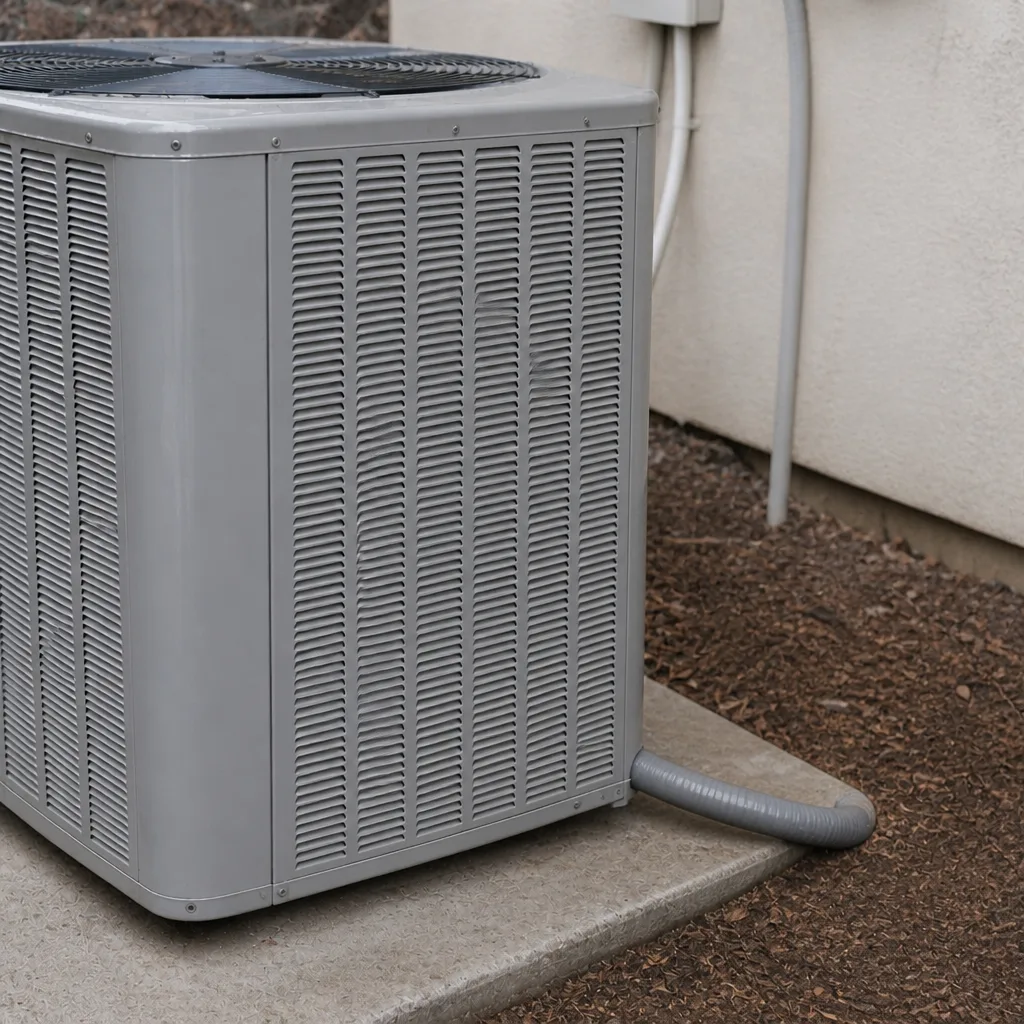
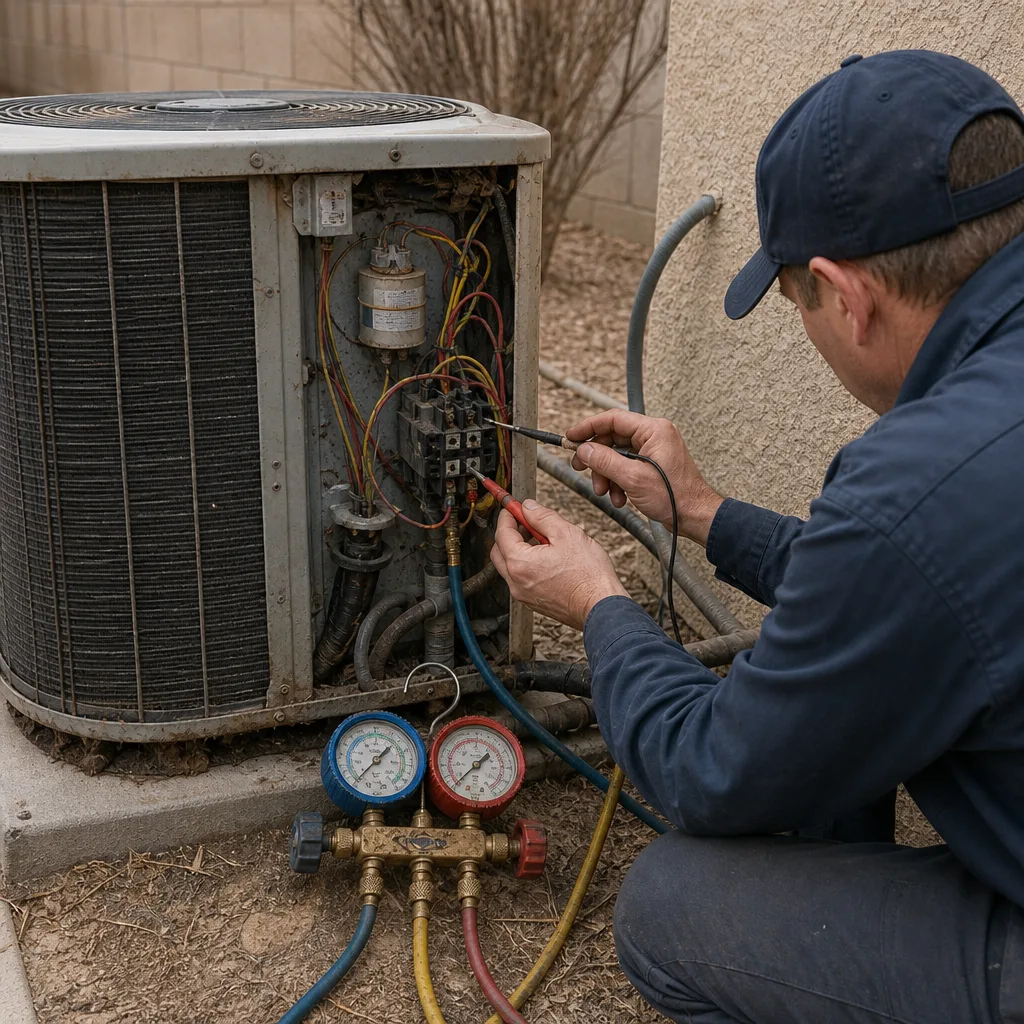
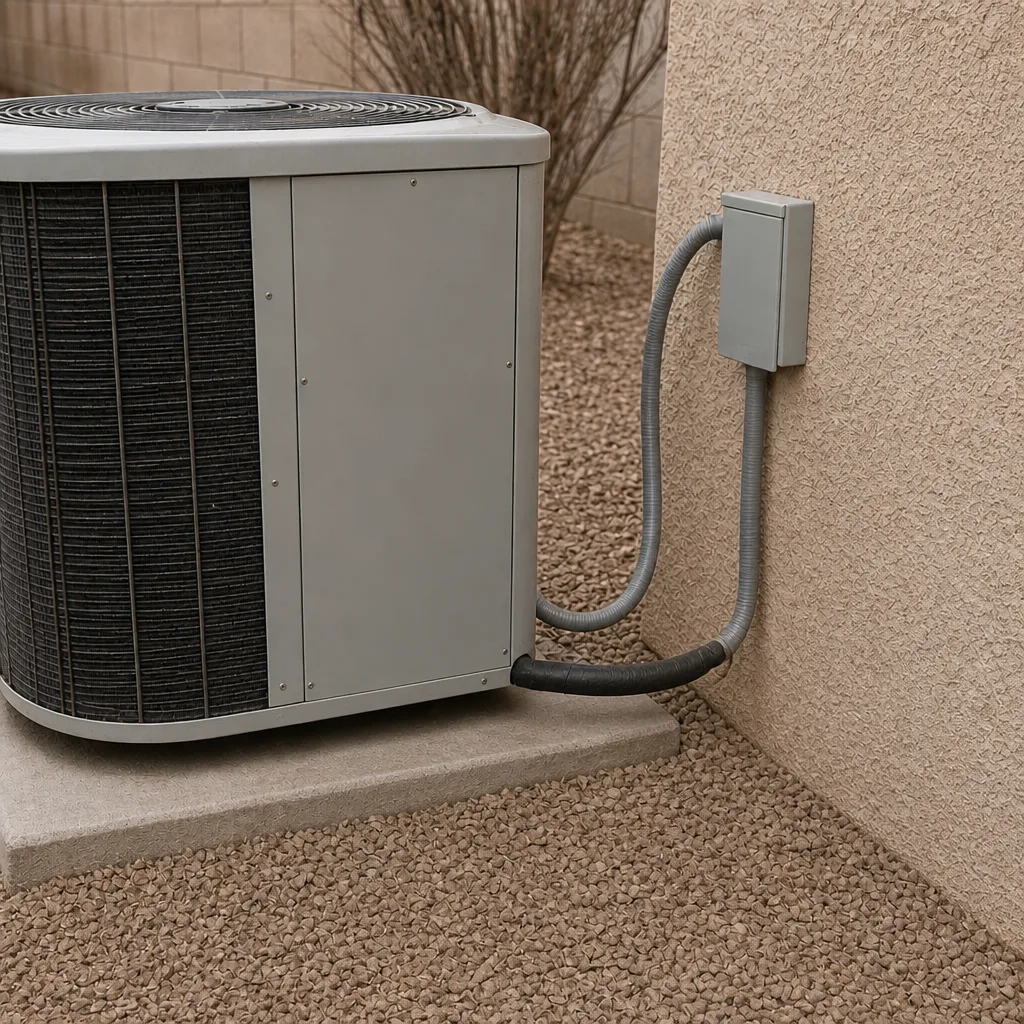
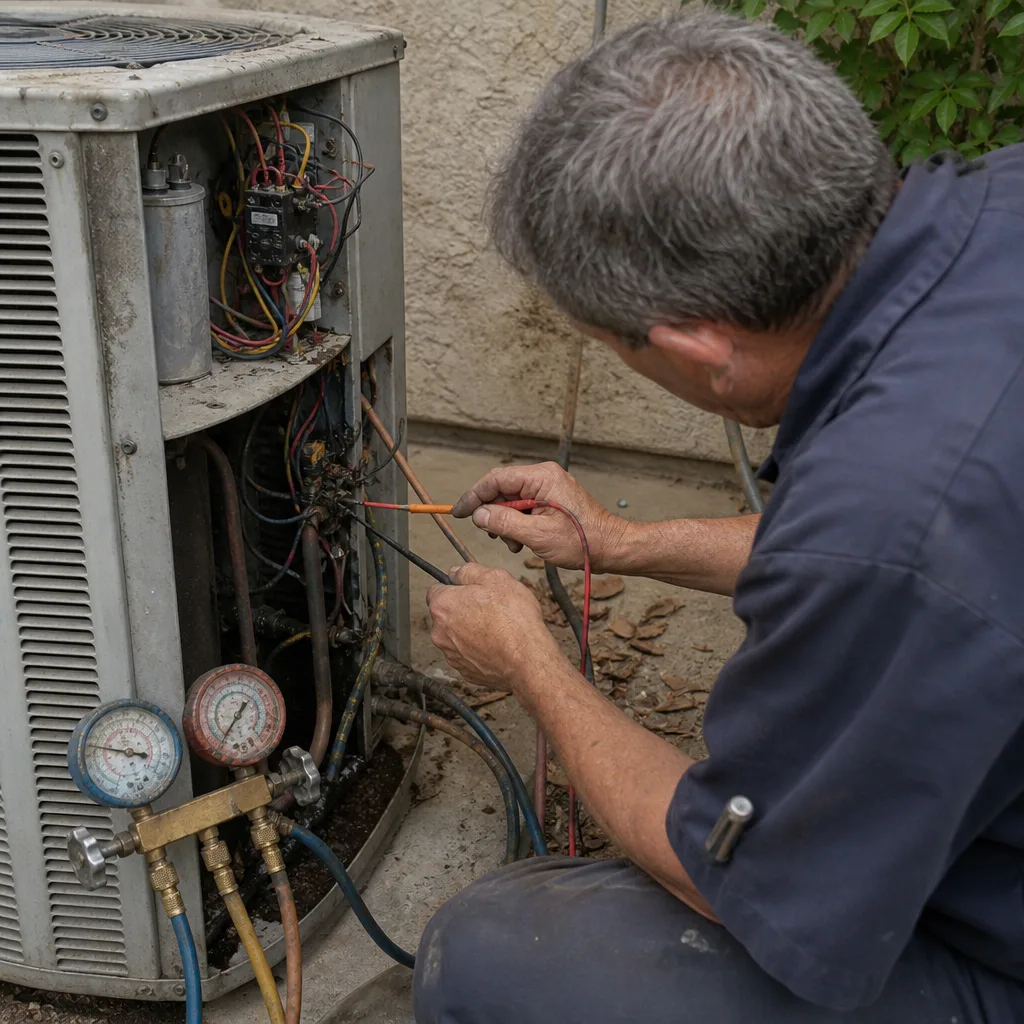
See the difference
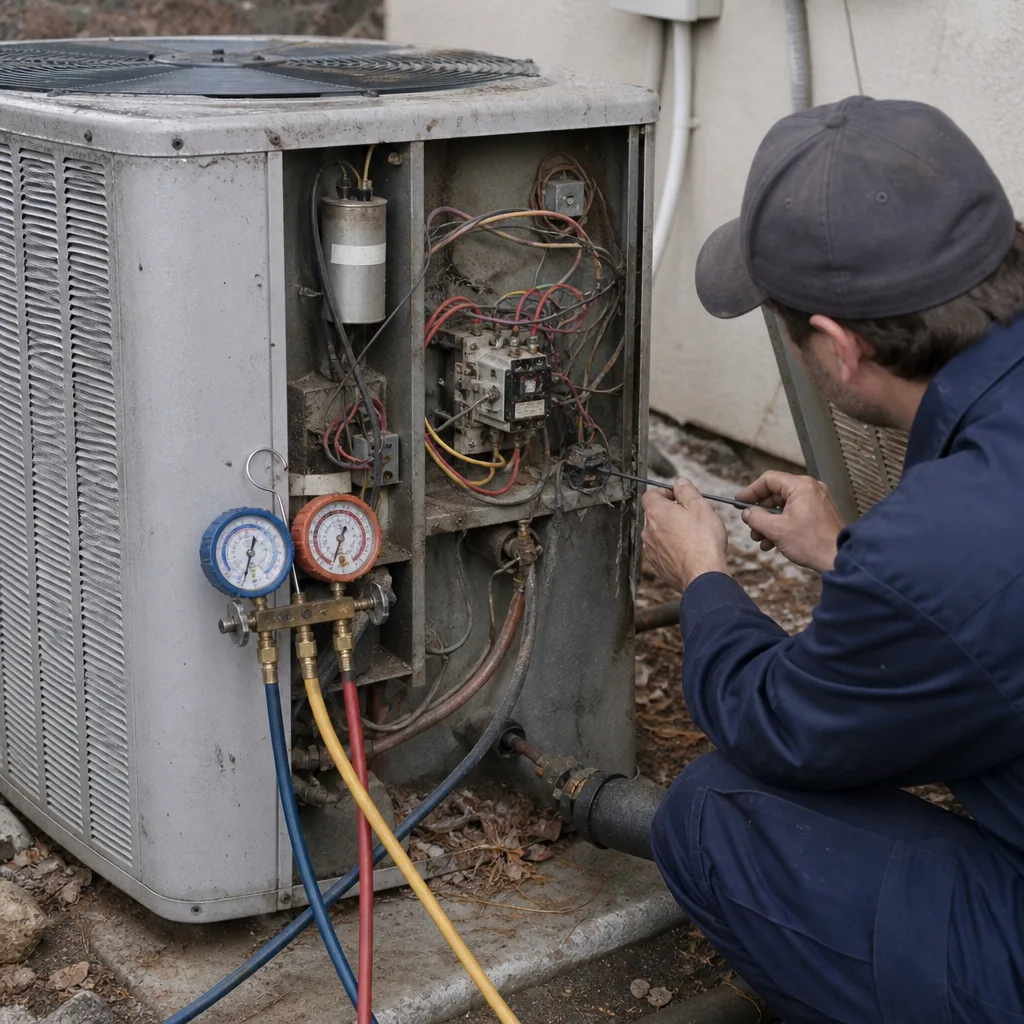 Before
 After
 Before
 After
 Before
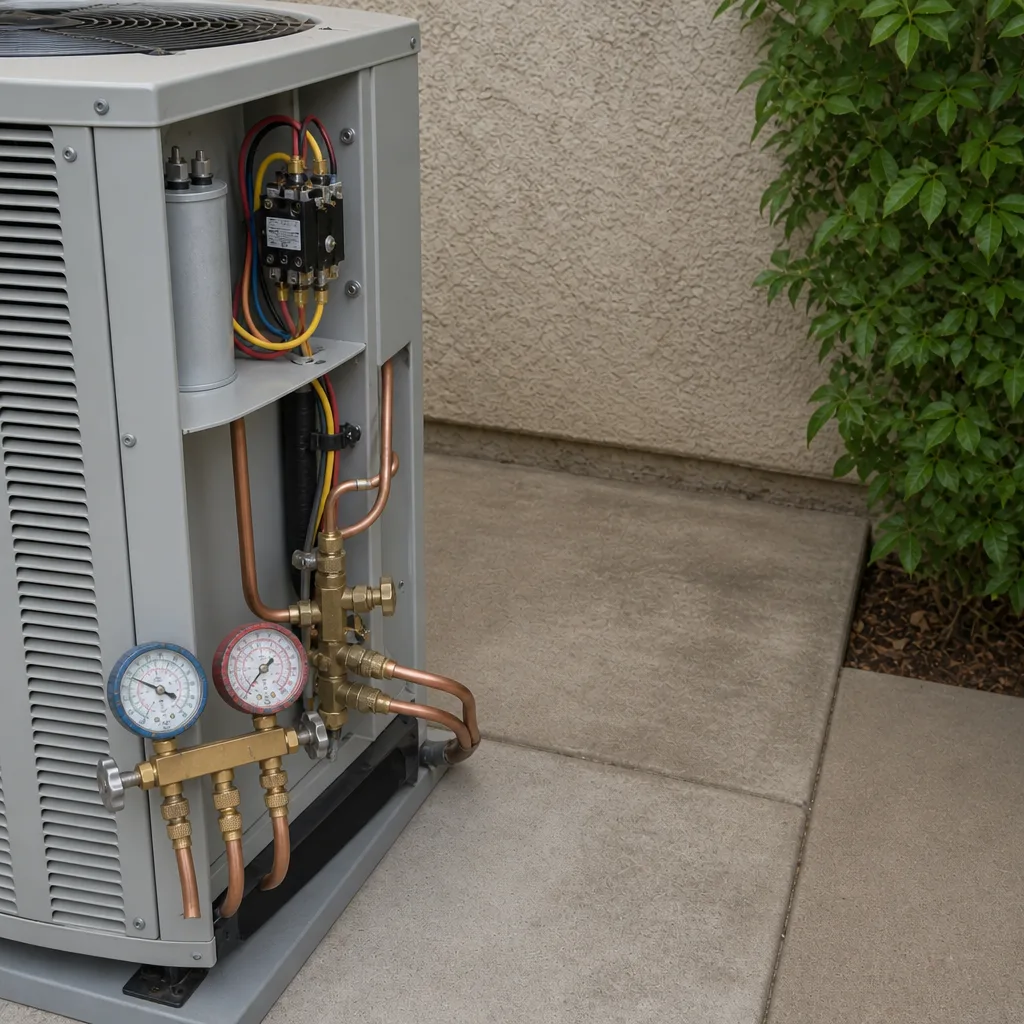 After
When to Call a Professional
Call us when you see any of the following: ice on the indoor unit that isn’t melting off, a runtime pattern that’s clearly shifted from last season, oil staining on the lineset, a condenser fan that’s wobbling, slowing, or loud, a power bill that’s jumped with no explanation, or a system that works one day and doesn’t the next. If the compressor is laboring on a 110-degree Mesquite afternoon or the unit has quit altogether, that’s the no-heat or no-cool emergency situation, and we answer the phone live, day or night. Fireside Heating & Air Co. Mesquite offers free estimates in Mesquite and a free second opinion on any written estimate you’ve already received. Call (888) 570-3601 and we’ll take it from there. Every job is backed by our 90-Day Done Right Promise, and if we don’t get it right, we come back and make it right, in writing.
Frequently Asked Questions
The most reliable sign is a shift in runtime for the same setpoint. If the system runs noticeably longer this summer than last, that’s the earliest indicator of refrigerant loss or coil fouling. Add ice on the indoor unit, oil staining on the lineset, or a laboring outdoor fan and you have a clear picture. Call (888) 570-3601 for a diagnosis; estimates are free.
Ice in cooling mode almost always comes from one of two causes: restricted airflow (a clogged filter or blocked return) or low refrigerant charge. Our dust loads filters faster than most climate guides account for, so filters in Mesquite homes often need attention more often than the packaging says. Turn the system off and get it looked at before the compressor pays the price.
Intermittent operation is usually a tired capacitor or a failing control board, and both are cheaper to fix now than after they damage the compressor. If it works one day and won’t start the next, don’t wait for it to fail permanently. Call (888) 570-3601 while it’s still misbehaving so a tech can catch it in the act.
No. Mini splits hold a precise charge, and the wrong amount damages the compressor while potentially masking an active leak. Store-bought cans aren’t a fix; they’re a delay. Let a licensed tech measure the charge, find any leak, and repair it properly.
If the system is under 10 years old, repair usually wins. Past 12 to 15 years with a major component failure (compressor or control board), replacement often costs less over the next three to five years. A free second opinion on any written estimate is available, and we’ll tell you plainly which way the math points.
Rebate availability shifts by program and by system, so the best first step is a free estimate where a tech walks through what applies to your setup. Standing offers with Fireside include $50 off any repair over $250, a free second opinion on any written estimate, an $89 seasonal tune-up, and a permanent 5% senior and veteran discount. Call (888) 570-3601 to schedule a free estimate.
The Bottom Line
Mini split and heat pump failures rarely arrive without warning. Most give a 60 to 90 day notice, and it usually shows up first as a change in runtime, then as a subtle sensory cue like frost, an oil smudge, or a fan that’s a little off. In Mesquite’s climate, those signals are easy to rationalize until the system quits on the hottest afternoon of the year. Track your runtime, watch the outdoor unit, and note anything odd on the lineset or power bill. Catching a problem early is usually a small repair. Catching it late is often a compressor. Call (888) 570-3601 for a free estimate, and we’ll give you straight talk on what your system needs and what it will cost.
Written by the team at Fireside Heating & Air Co. Mesquite.