
Last updated November 18, 2026
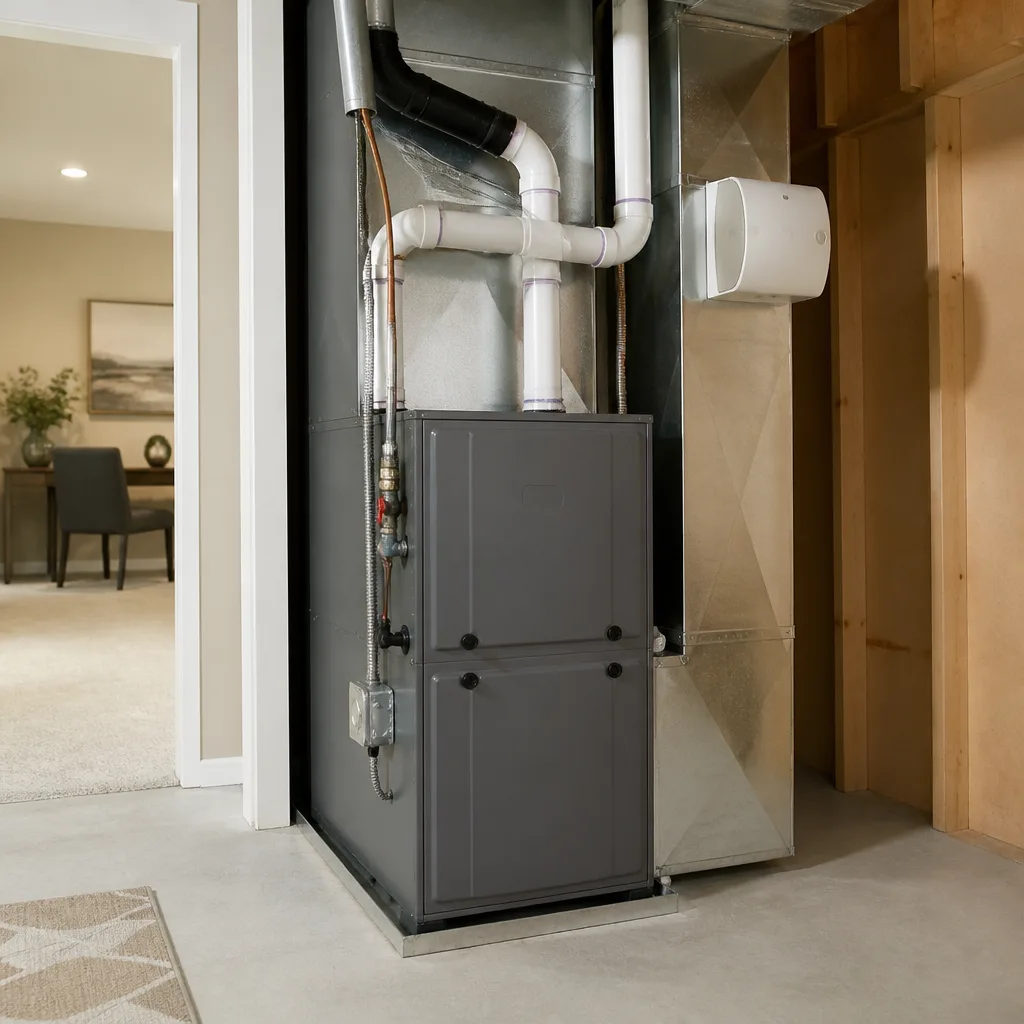 Furnace & heating
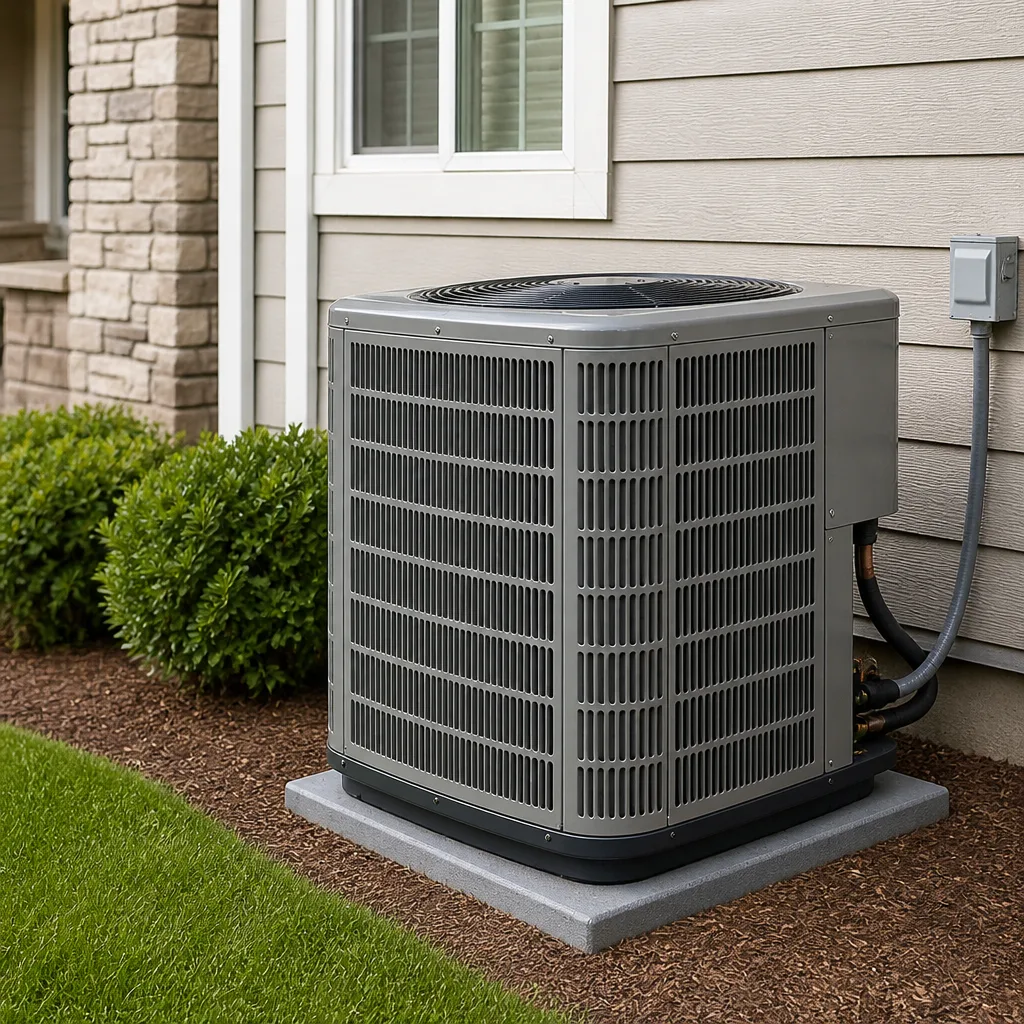 AC repair
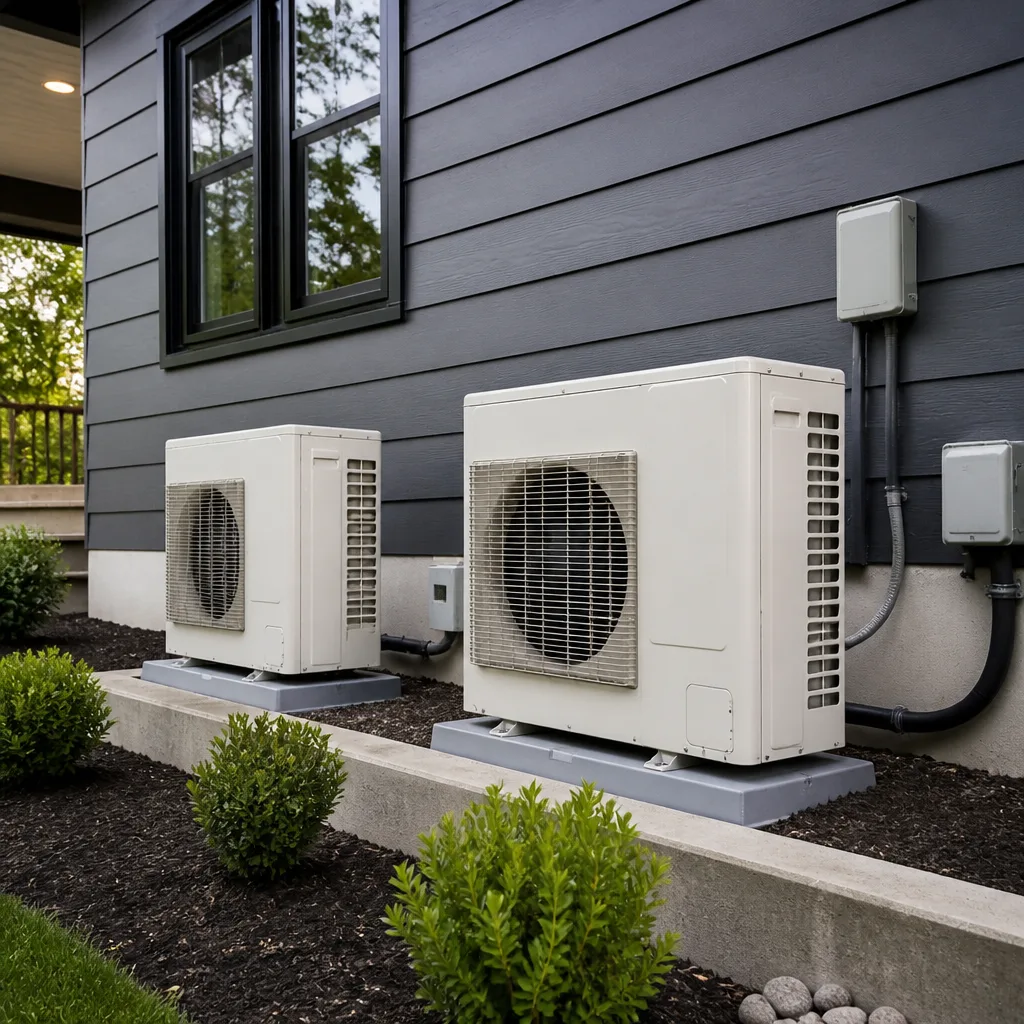 Heat pumps
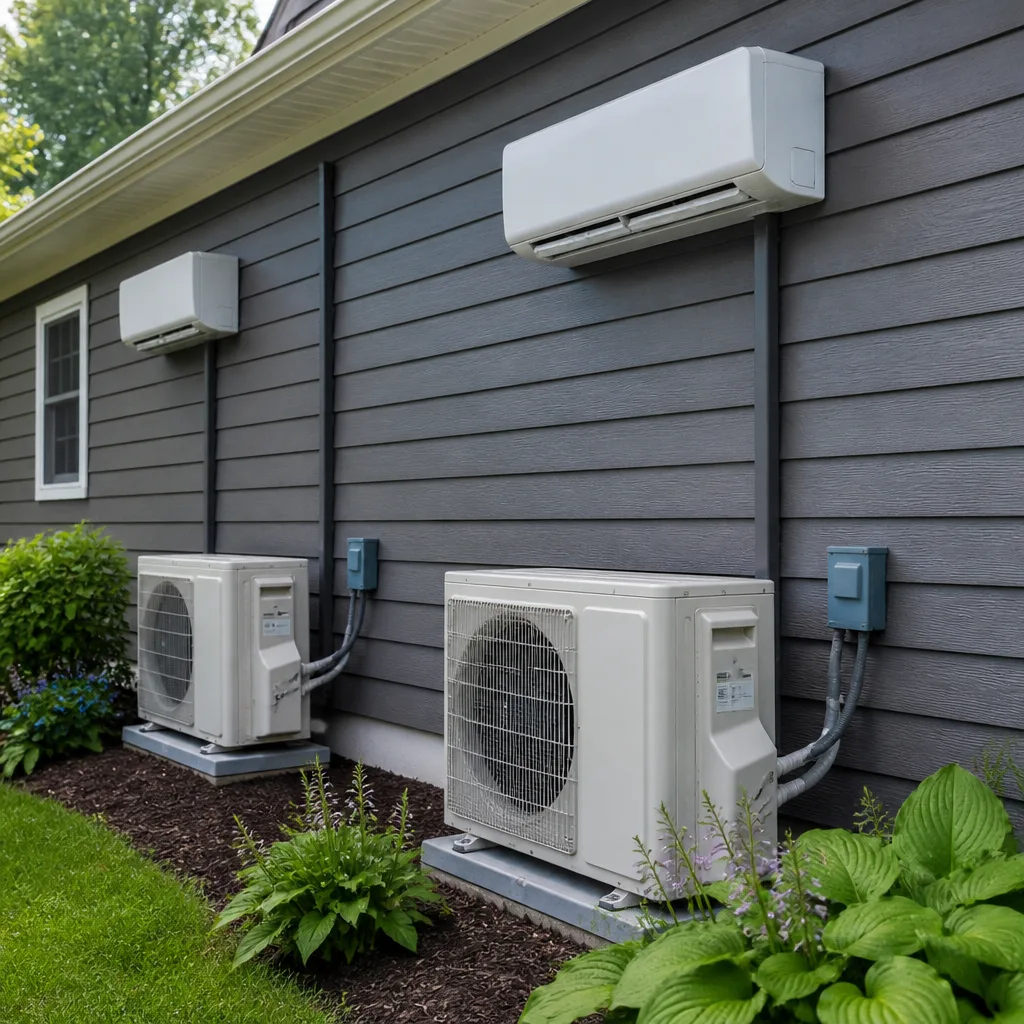 Ductless mini splits
 Carrier
 Trane
 Goodman
Seasonal tune-up and full diagnostic on your Carrier, Trane, or Goodman system - readings shown to you before any repair is proposed
Diagnosis first, numbers second - you approve the repair price before a single part goes in.
Get your free estimateHeating & Furnace Troubleshooting: Common Problems and How to Fix Them
The most common furnace failure call of the winter season happens on the first genuinely cold night of the year. Not because the furnace broke that night, but because it had been cycling incorrectly for six weeks of mild weather and nobody noticed until the temperature demanded full output. In Mesquite, that window is wide. October and November here are warm enough that a furnace might run twenty minutes a day, or not at all, and a gas valve that’s sticking or a flame sensor that’s carboned over has no reason to announce itself. This guide covers the intermittent, early-season failures that turn into January emergencies, and what you can check yourself before you call anyone.
Quick Answer
Most furnace problems that show up in fall come down to four things: a dirty flame sensor, a worn igniter, a tripped limit switch, or a blower that’s running but not moving enough air. A furnace that ignites and shuts off after 30 to 90 seconds is almost always a flame sensor reading, not a gas problem. Anything involving gas smell, a cracked heat exchanger, or a carbon monoxide alarm is a stop-immediately situation – shut the system down and call a professional.
Styles & brands we work with
- AC repair
- Furnace & heating
- Heat pumps
- Ductless mini splits
- Carrier
- Trane
- Goodman
Table of Contents
- Why a Furnace Ignites and Then Shuts Off After 30 to 90 Seconds
- Furnace Blowing Cold Air: Igniter, Limit Switch, or Gas Supply?
- Why a Furnace That Works in October Fails in January
- Reading Furnace Error Codes Without the Manual
- Cracked Heat Exchangers and Carbon Monoxide
- Desert-Specific Furnace Problems We See in Mesquite
- A Pre-Season Checklist for Early Fall
- Repair or Replace: Straight Talk on the Decision
Why a Furnace Ignites and Then Shuts Off After 30 to 90 Seconds
This is the single most common furnace call every winter, and it’s usually not the gas valve, the igniter, or the control board. It’s the flame sensor, and most homeowners have never heard of it.
The flame sensor is a short metal rod that sits in the burner flame. It works on a principle called flame rectification: the flame conducts a small electrical current back through the rod to the control board, and the board reads that current as proof the burners actually lit. If the rod is coated with oxidation or carbon, the current drops below the board’s threshold. The board doesn’t know the flame is fine – it only knows it lost its proof signal. It does the safe thing and closes the gas valve. From your side of the room, the furnace fires for forty seconds and then goes quiet.
What you’ll typically observe:
- Burners light with a visible blue flame, then shut off within 30 to 90 seconds
- The draft inducer motor runs for a minute or two afterward before shutting down
- This repeats two or three times, then the furnace locks out
- No heat for the rest of the cycle, sometimes for hours until the board resets
Cleaning a flame sensor is a routine service item, not a repair. A technician pulls it, cleans or replaces it, verifies the microamp reading at the board, and confirms the pressure switch and rollout sensors are all working. It’s a short visit. What we don’t recommend is the common DIY move of scuffing the sensor with sandpaper and calling it done – the reading needs to be verified on a meter, and a sensor that reads 1.8 microamps when the board wants 3.0 will fail again within weeks. Nine times out of ten, that’s the exact furnace behavior behind a call we get in Mesquite on the first cold snap.
If you want a team that knows the sequence on your specific make – Rheem, York, Bryant, and others all have slightly different thresholds – that’s the kind of thing our Heating & Furnace in Mesquite team handles every week of the season.
Furnace Blowing Cold Air: Igniter, Limit Switch, or Gas Supply?
Cold air from the vents means something is running (usually the blower) but the burners aren’t producing heat. Three suspects account for the vast majority of these calls. Here’s how to tell which one you’re facing before you pick up the phone.
Failed igniter. Most modern furnaces use either a hot surface igniter (a ceramic element that glows orange) or a spark igniter. A hot surface igniter is the single most common wear part on a gas furnace, and it fails in a specific way: it cracks, the control board calls for heat, the element doesn’t glow, the burners never light, and after three tries the board locks out. You’ll often hear the inducer motor run and then stop without any burner flame. On many systems you can see the igniter through a small sight glass on the burner door – if it’s not glowing during a call for heat, that’s your answer.
Tripped limit switch. The limit switch is a safety thermostat on the heat exchanger that opens when the furnace gets hotter than it should. It trips when airflow is restricted – most often a filter that hasn’t been changed in six months, a blocked return grille, or a blower wheel caked with dust. The tell-tale: the burners light, run for five to eight minutes, then shut off before the house is warm. Once the furnace cools, it restarts. If you’re seeing short, hot cycles that repeat, check the filter first. In desert homes, that filter loads up faster than most people expect because of dust carried in on the return side.
Gas supply issue. This one is less common but more serious. If the burners won’t light at all, and you’re not sure your gas valve at the meter is fully open, or you’ve had the gas shut off for any reason, that’s a call to the gas utility or a licensed technician. Do not test this yourself. A furnace that smells of gas – even faintly – needs the gas shut off at the appliance valve and a professional on site, no exceptions.
Why a Furnace That Works in October Fails in January
Mesquite winters are mild enough that most furnaces run a handful of times in October and early November. That’s exactly the problem. A furnace that runs constantly will announce its issues. A furnace that runs twenty minutes a day can nurse a fading igniter, a partially blocked flue, or a flame sensor that’s marginally out of range for months – and then fail on the first two-week cold stretch when the system is called on to run continuously.
The mechanism is wear accumulation without load. Consider what happens to a hot surface igniter: every heat cycle, the element heats to roughly 2,500°F and cools back down. On a system that runs 15 cycles a day in January, that’s 450 cycles in a month. On a system that runs 3 cycles a day in October, it’s 90. The igniter that’s already weak – say twelve seasons old – has plenty of cycles stored up. The failure just happens to land on the night you need the system most. Same story for flame sensors, which slowly accumulate oxide between cleanings regardless of how much the system runs.
The practical fix is simple: get the system serviced in September or early October, before the load picks up. A tune-up catches a weak igniter reading, a borderline flame sensor, a dirty blower, a partially restricted filter, and a draft inducer that’s starting to slow down. Doing that service in the shoulder season means you find the problem on a schedule instead of on the coldest night of the year. Many of the calls we take in January are for parts that would have been flagged in September if the system had been opened up.
Reading Furnace Error Codes Without the Manual
Every modern gas furnace has a control board that stores fault codes. On most residential units – Carrier, Trane, Lennox, Goodman, Rheem, York, Daikin, Bryant, and American Standard all use some variation – the code is displayed either as a flashing LED sequence or a two-digit number on a small display, depending on model year. You don’t need the manual to understand the pattern. Here’s the general language the board speaks:
- Steady flash or one flash, pause, repeat. Usually means the board is in normal standby, no fault. If the system won’t heat with a steady flash, the call for heat isn’t reaching the board – thermostat, wiring, or a low-voltage fuse.
- Two or three flashes, repeating. On most makes this maps to a pressure switch or draft inducer fault. The inducer isn’t proving airflow through the flue. Could be a blocked flue, a failed inducer, or a pressure switch that’s stuck.
- Four flashes, repeating. High limit switch open. Restricted airflow – filter, blower, or ductwork. Very common in homes where the filter hasn’t been changed.
- Five or six flashes, repeating. Flame sense failure. The board lit the burners but lost proof of flame. This is the flame sensor pattern we covered above.
- Seven or more flashes, or a solid fault light. Various – rollout switch, gas valve fault, or board fault. Rollout switches only trip when flames are rolling out of the heat exchanger, which is a stop-the-system situation.
- Lockout after repeated attempts. After three failed ignition tries, most boards lock out for a set period (often one hour). Power cycling the furnace with the service switch will reset it, but if it locks out a second time, stop resetting and call a technician.
Codes are a starting point, not a diagnosis. A “four flash” high limit fault could be a filter or it could be a blower motor on its way out. The code points at a category of problem; the technician finds the actual cause with a meter and a manometer. What the code does buy you is confidence on the phone – when you call and say “my furnace is showing a flame sense fault and locking out,” you get faster scheduling and less back-and-forth.
Cracked Heat Exchangers and Carbon Monoxide
This is the one furnace symptom that ends the repair-or-replace conversation. A cracked heat exchanger can allow combustion gases, including carbon monoxide, to mix into the supply air moving through your home. It’s not something a homeowner can safely inspect, and it’s not something to defer while waiting to see whether the smell goes away. If you get a CO alarm anywhere in the home, get everyone outside, call the gas utility or 911, and don’t run the furnace until a technician has inspected the heat exchanger.
Signs that point toward a heat exchanger problem, in the order we’d look for them:
- A CO alarm – treat as real, not a false positive
- A persistent smell of combustion byproducts (not raw gas – that’s a separate leak)
- Family members with recurring headaches, dizziness, or nausea that ease when they’re out of the house
- Visible flame distortion through the sight glass – a yellow or lifting flame, particularly with a rollout switch tripping
- Soot streaks around the burner compartment or induction motor housing
Heat exchangers are steel or stainless, and in desert climates the temperature cycling is less aggressive than in colder markets, but that doesn’t make them immune. Cycling between hot and cold thousands of times over 15 to 20 years causes metal fatigue. A technician verifies the exchanger with a visual inspection through the burner openings and, where it’s needed, a combustion analyzer reading on the flue. If the exchanger is cracked or compromised, the honest recommendation is replacement – not a patch, not a sealant, and not “let’s see how it goes.” We won’t leave a furnace running with a compromised heat exchanger on a Mesquite home, and we’ll say so plainly.
If you’re not sure whether your furnace needs a seasonal inspection or an emergency visit, this is the one topic where we’d rather you call. Fireside Heating & Air Co. Mesquite home has technicians trained to inspect heat exchangers, and we’ll tell you what we actually find.
Desert-Specific Furnace Problems We See in Mesquite
Desert homes have their own furnace failure patterns, and they don’t match what a guide written for Ohio or Pennsylvania will tell you. Mesquite’s dry air, dust, and wide day-night temperature swings push certain problems to the front of the line.
Dust and blower load. Fine desert dust gets pulled into return air and deposits on blower wheels. A blower with a dust-loaded wheel moves less air, which drives up static pressure and trips high limit switches. In our experience, homes in Sun City Mesquite and along the older streets near downtown see this more often because of how the return air is ducted – many of these homes have a single central return that pulls dust into the blower from the open living area.
Filter change intervals. A filter that a homeowner in a humid climate could run two to three months here needs changing at 30 to 45 days during the heating season, especially with pets or open windows in fall. That’s not a sales pitch – it’s a static pressure reality. A clogged filter is the number one cause of the high limit trip that ends with a cold house.
Wide temperature swings. Fall days in Mesquite routinely swing from the low 50s at dawn to the low 80s by afternoon. Furnaces cycle more than people expect, and those cycles add up on igniters and flame sensors. It also means the first real cold snap is the first time the system is asked to run continuously – which is exactly when an already-marginal part fails.
Gas pressure. Desert climates sometimes mean gas service pipes run through hotter attics and exterior walls. We check gas manifold pressure on every tune-up because the wrong inlet pressure can cause ignition problems that look like a flame sensor failure. On a 20-year-old system, that check matters more than people realize.
For heat pump and mini-split systems – which plenty of Mesquite homes now use alongside or instead of a furnace – the failure patterns are different, and our Heat Pump & Mini Split in Mesquite page covers those in detail.
A Pre-Season Checklist for Early Fall
Run this in September or early October, before the load picks up. Nothing on this list requires disassembling the furnace or opening the burner compartment. That’s for a technician.
- Replace the filter. Fresh filter, correct size, right MERV rating (a MERV 8 to 11 is right for most residential systems; higher than that can restrict airflow in older ductwork).
- Check the thermostat. Fresh batteries if it uses them, set it to Heat and run it for ten minutes on a mild day to confirm it comes on and blows warm air.
- Look through the sight glass. Watch a heat cycle. Burners should light within a minute of the thermostat call, with a steady blue flame. If the flame lifts, rolls, or looks yellow, note it and call.
- Listen for the inducer. You should hear a small motor spin up before the burners light. If you hear it spin and stop, or hear nothing at all, the pressure switch path is failing.
- Check the flue termination. Outside the home, confirm the furnace vent isn’t blocked by debris, bird nests, or vegetation. A blocked flue will trip the pressure switch.
- Confirm CO alarms are working. Test every alarm in the home. Replace any that are past their manufacturer’s replacement date (usually 7 to 10 years).
- Schedule a tune-up. A technician verifies microamp readings, gas pressure, and temperature rise on a heat cycle. This is the visit that catches a “maybe next month” igniter before it becomes a “why is the house cold” call.
If a tune-up turns up something that needs repair, our $89 Seasonal Tune-Up and $50 Off Any Repair Over $250 are standing offers, and there’s a permanent 5% Senior and Veteran discount as well. No fine print.
Repair or Replace: Straight Talk on the Decision
The right call on repair versus replace isn’t about the price of the part. It’s about the age of the system, the condition of the heat exchanger, and how many other things are about to need attention. Here’s the rule of thumb we use when we’re standing in front of a furnace:
- Under 12 years old, single failed part, heat exchanger sound: repair it. A flame sensor, igniter, or pressure switch on a healthy furnace is a straightforward repair.
- 12 to 15 years old, one repair, general condition good: usually repair, with a note that bigger repairs are on the horizon. Worth getting a written second opinion if the first bid is high.
- 15 to 18 years old, major repair (control board, blower, inducer motor): replacement usually wins on cost per remaining year of service.
- Compromised heat exchanger – any age: replace. No exceptions, no patches.
- Two or more meaningful repairs in a single season: replacement is the better long-term money.
If you’ve been told you need a new furnace and you’re not convinced, our Free Second Opinion on Any Written Estimate exists for exactly that moment. A written quote from a franchise company and a written quote from us should be compared on the same line items – and if repair is the right answer, we’ll tell you that instead. That’s the 90-Day Done Right Promise in practice: the job is right, in writing, for 90 days, and if it isn’t, we make it right with no paperwork and no arguing. If you’re weighing a new system, AC Repair & Installation in Mesquite covers what we handle on the cooling side, and it’s often the same visit.
Common Mistakes to Avoid
- Reset-and-pray on a lockout. A furnace that locks out once deserves a look. A furnace that locks out three times in a week is telling you something is failing. Resetting without diagnosis is how a small repair becomes a January emergency.
- Skipping the fall tune-up because “it’s still warm.” That’s the whole problem with an intermittent furnace. The tune-up is most valuable in September, before the load picks up, not in January when the failure lands.
- Using a higher-MERV filter “for air quality.” A MERV 13 filter on a system designed for MERV 8 will restrict airflow enough to trip the high limit. Match the filter to what the system was designed for.
- Cleaning a flame sensor and calling it done. Cleaning without verifying the microamp reading means you don’t know if it worked. It’ll fail again on the next cold night if the reading is marginal.
- Taping over a rollout switch or a limit switch “to get through the weekend.” Those switches exist because the furnace is hot or flames are rolling. Bypassing them removes the safety and risks the home.
- Trusting a “professional” who won’t show the fault code reading. Any technician should be able to show you the code on the board and explain what it means. If they can’t or won’t, get a second opinion from a shop that will.
- Ignoring a faint gas smell at the furnace. Even a small gas odor near the appliance deserves a professional visit. There is no “probably fine” version of this call.
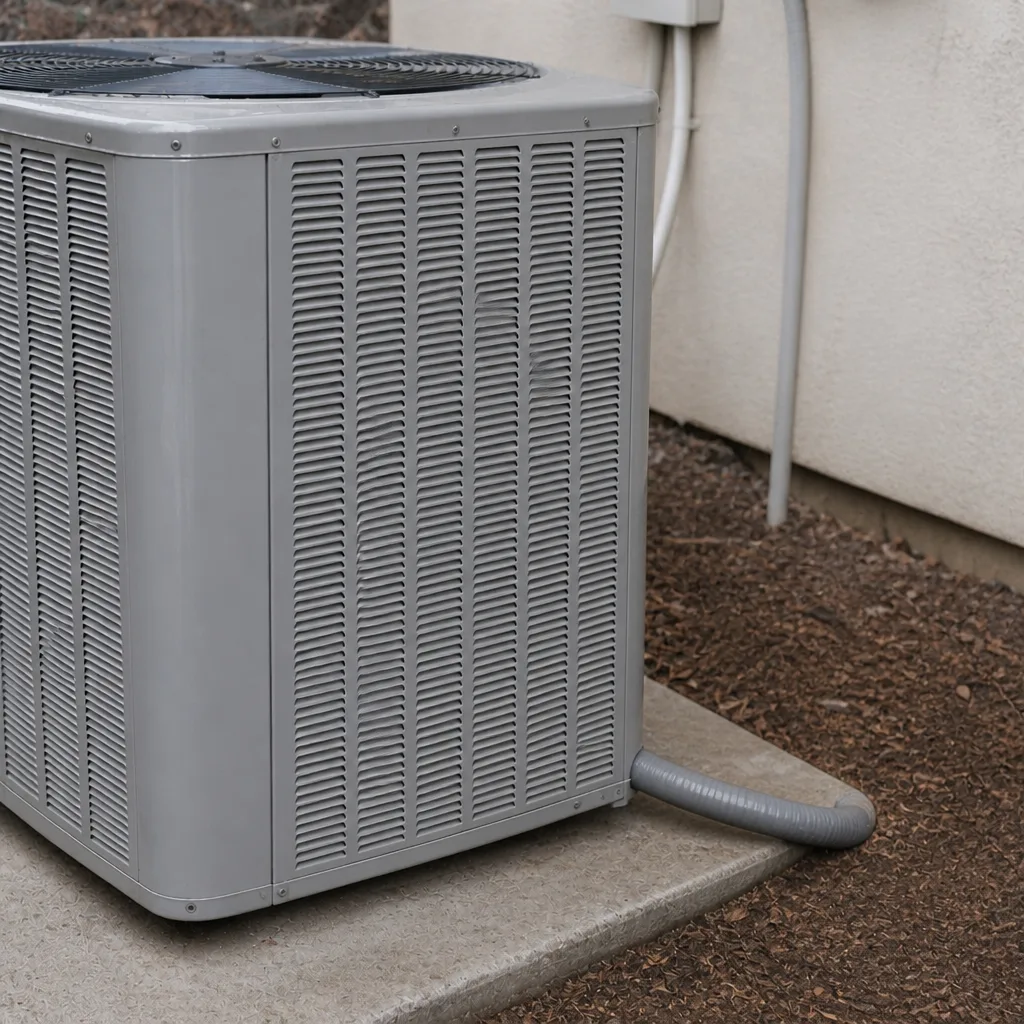
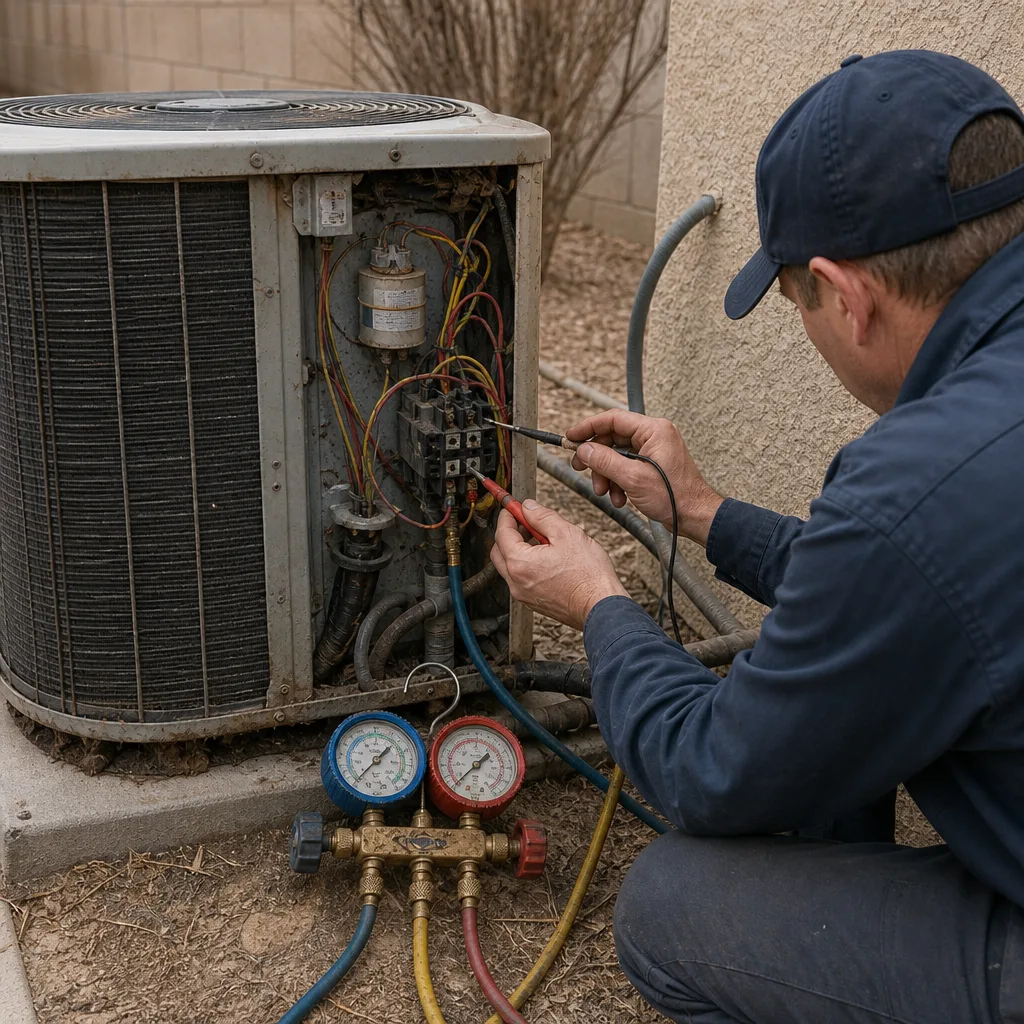
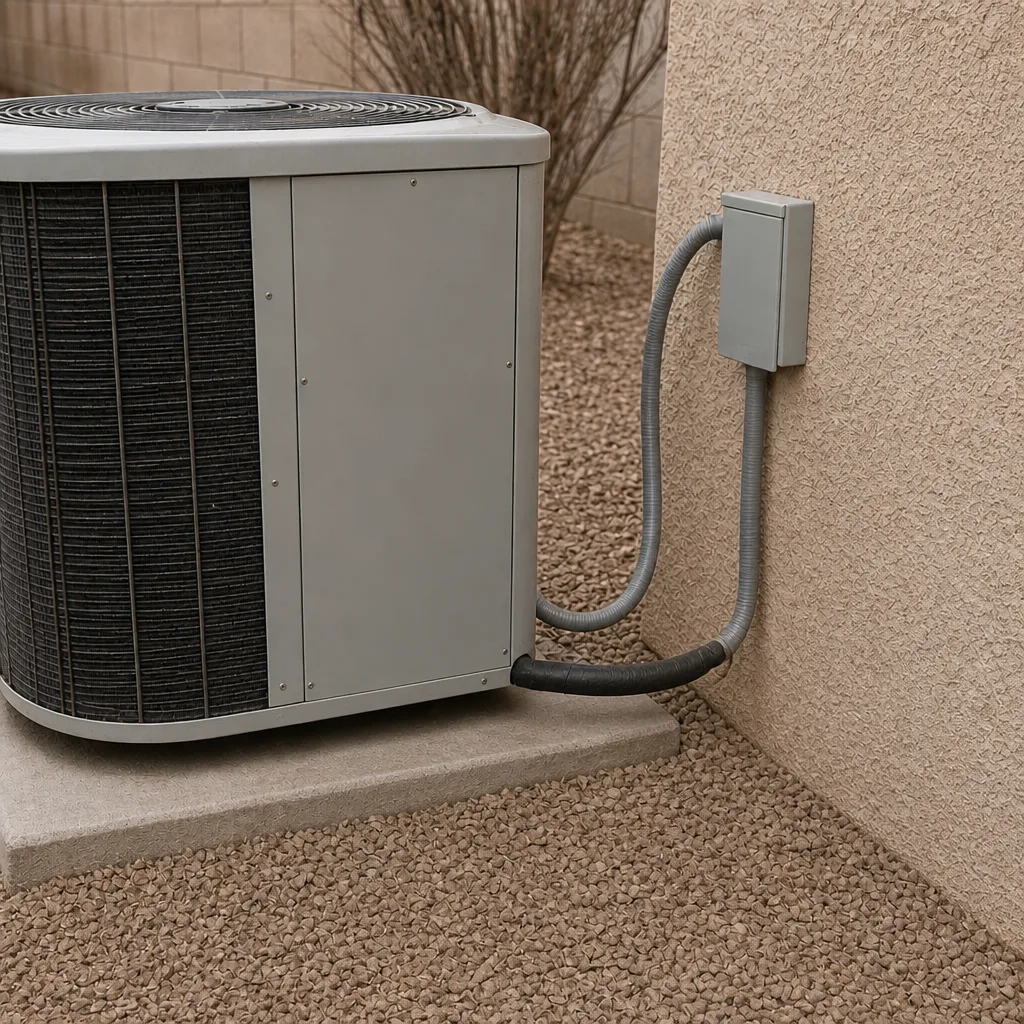
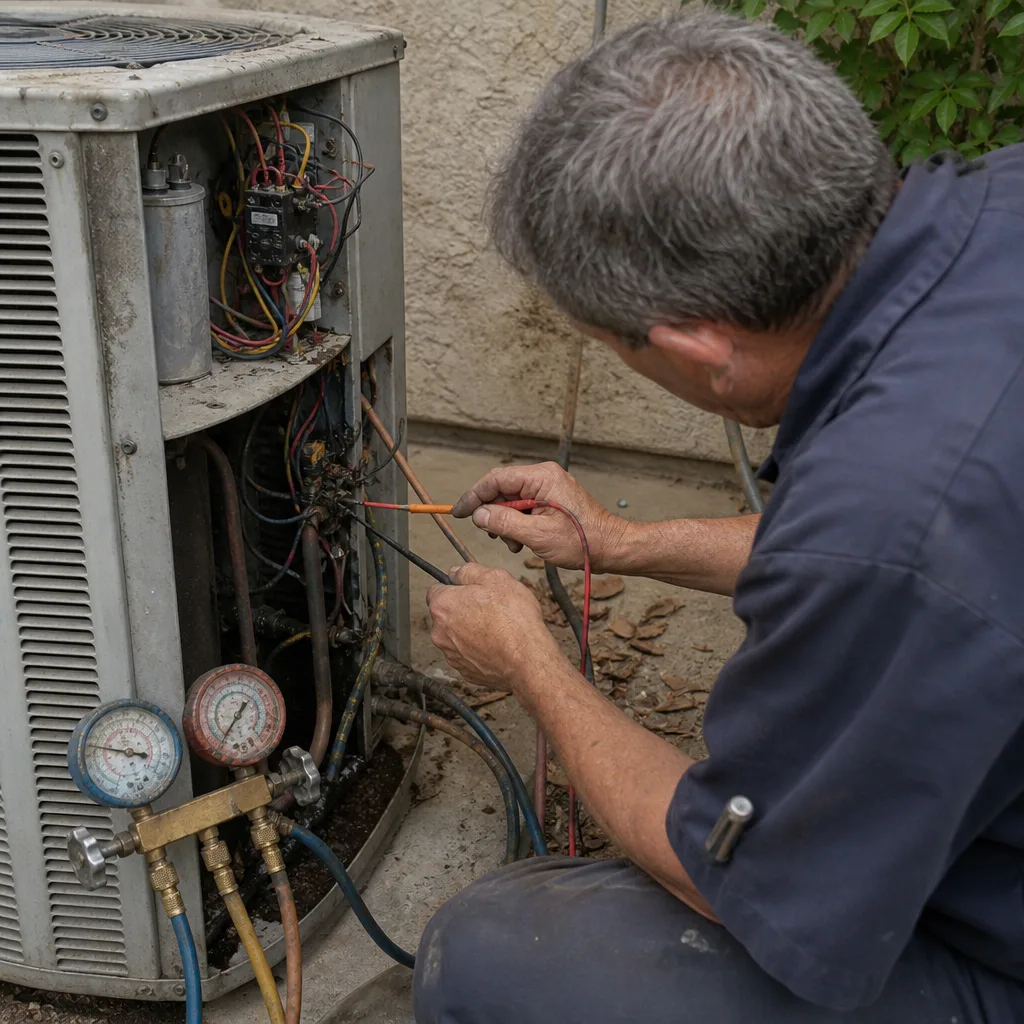
See the difference
 Before
 After
 Before
 After
 Before
 After
When to Call a Professional
Call a professional immediately for any gas smell, any carbon monoxide alarm, a furnace that trips a rollout switch or high limit repeatedly, a visible yellow or lifting flame, or a system that’s locked out more than once in a season. Also call when you’re not sure: an intermittent furnace that cycles oddly in October is worth a diagnosis before January, not after. Our phones are answered by a live person 24 hours a day, including the 2 a.m. no-heat call, and our technicians are background-checked, uniformed, and trained to service all nine major residential brands. Fireside Heating & Air Co. Mesquite offers free estimates in Mesquite. Call (888) 570-3601 and we’ll get it scheduled.
Frequently Asked Questions
A furnace that ignites and then shuts off after 30 to 90 seconds is almost always failing to prove flame to the control board, which usually means a dirty or failing flame sensor. The board lights the burners, loses the microamp signal, and closes the gas valve as a safety. This is a routine repair, but it needs a meter reading to verify the fix, not just a cleaning.
Cold air from the vents in November is usually a failed hot surface igniter, a tripped high limit switch from a restricted filter or blower, or a gas supply issue. If the burners never light, suspect the igniter or gas supply. If the burners light and then shut off mid-cycle, suspect a high limit or flame sensor. A tune-up in October catches all three before the load picks up.
At 15 years with one failed part and a sound heat exchanger, repair usually wins. At 15 years with a failed control board, blower, or inducer motor, replacement is often the better money over the next five years. Any cracked heat exchanger means replace, regardless of age – that’s not a repair decision. Call (888) 570-3601 and we’ll give you a written second opinion on any estimate you’ve been given.
The flashing LED sequence on a furnace control board is a fault code. Two or three flashes usually means a pressure switch or inducer fault. Four flashes usually means a high limit trip from restricted airflow. Five or six flashes usually means flame sense failure. Check your door panel for a code chart specific to your model, or call us and we’ll walk you through what the sequence likely points to before scheduling.
Once a year, in September or early October, before the heating load picks up. Our $89 Seasonal Tune-Up includes filter inspection, flame sensor and igniter readings, gas pressure check, temperature rise verification, and a written report of what we found. Desert dust loads blowers and filters faster than in humid climates, so the fall visit matters more here than it does in most markets.
No. Get everyone out of the home, call the gas utility or 911, and do not run the furnace until a technician has inspected the heat exchanger. A CO alarm should be treated as real every time. We inspect heat exchangers on every tune-up, and if we find a compromised one, we won’t leave the furnace running. Call (888) 570-3601 for a same-day inspection.
The Bottom Line
The furnace call that ruins a January starts as a small unrecognized symptom in October. A flame sensor that reads just under threshold. An igniter with one more season of cycles than it has left. A filter that’s been in since spring. In a Mesquite climate, those small failures hide because the system runs so little in fall. The fix is straightforward: get the system looked at before the load picks up, know what the fault codes are telling you, and treat gas smell or a CO alarm as the stop-immediately situation it is. Everything else is a scheduled repair. Straight talk, done right the first time, and backed in writing for 90 days – that’s how we’ve handled furnaces for over 42 years.
If you’re not sure what your furnace is doing, call Fireside Heating & Air Co. Mesquite at (888) 570-3601 for a free estimate. A live person answers every call, every day, and we’ll tell you what we actually find – not what’s convenient to sell.
Written by the team at Fireside Heating & Air Co. Mesquite.