
Last updated November 18, 2026
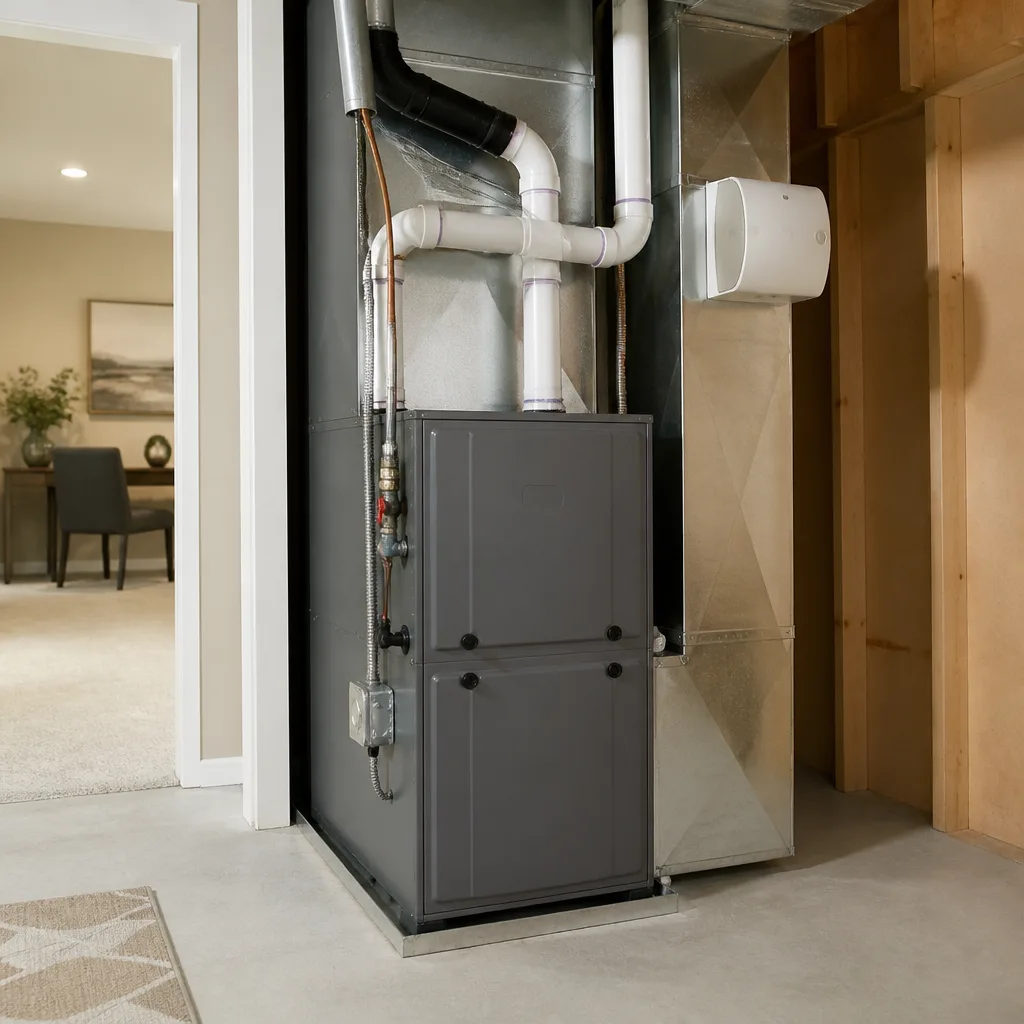 Furnace & heating
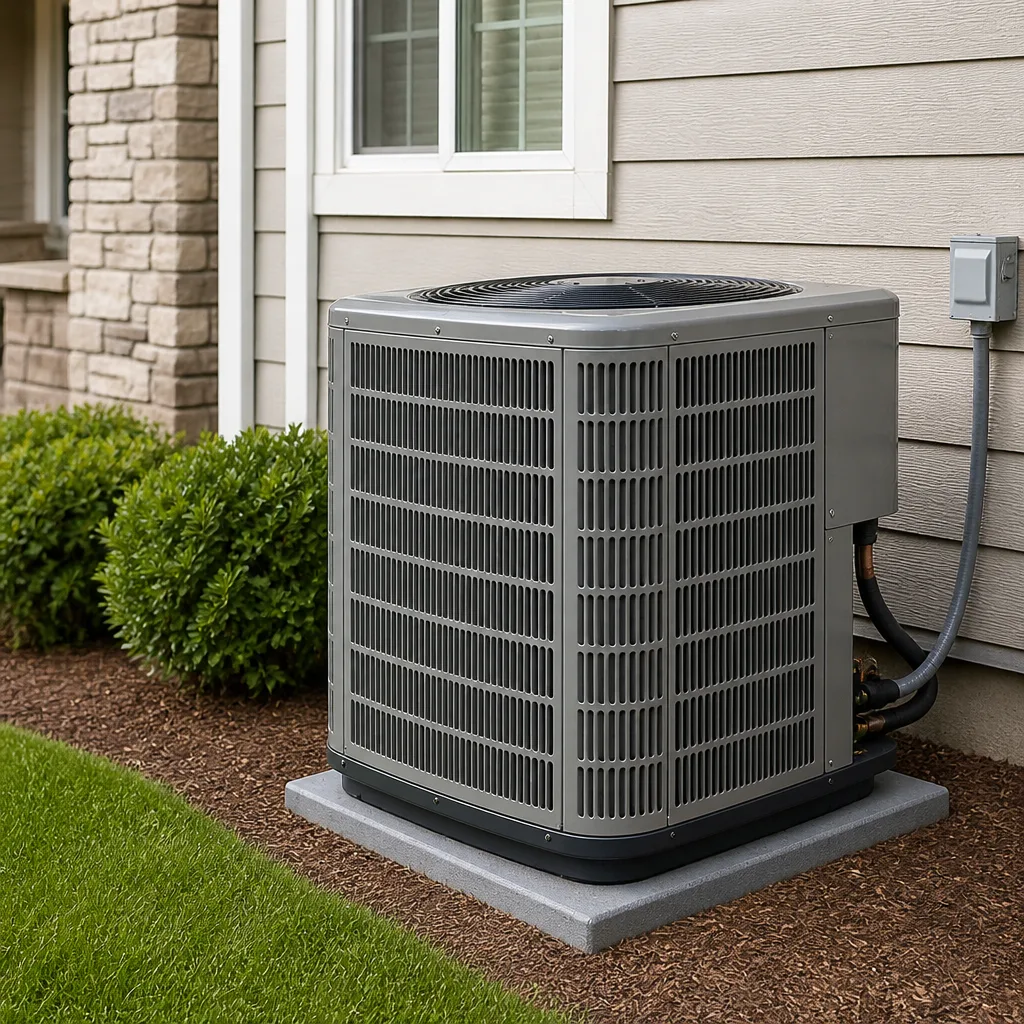 AC repair
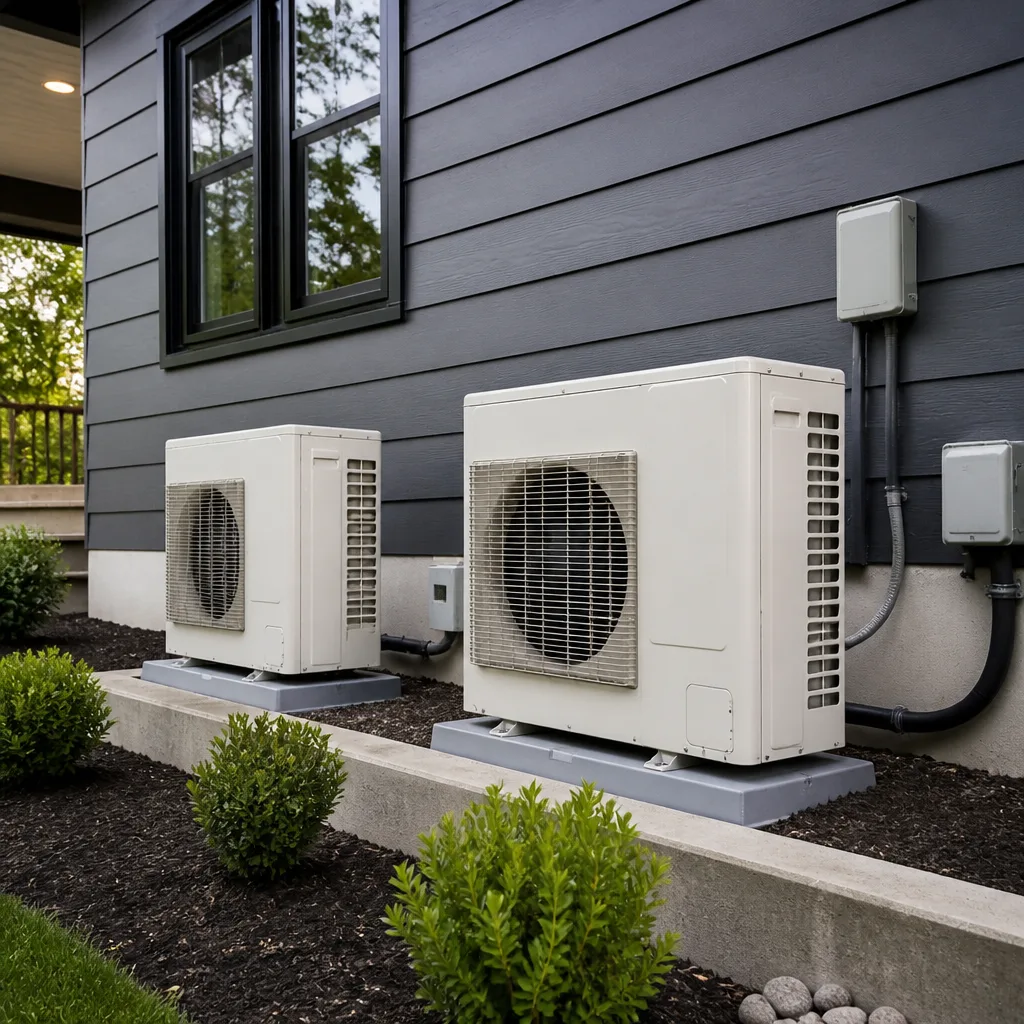 Heat pumps
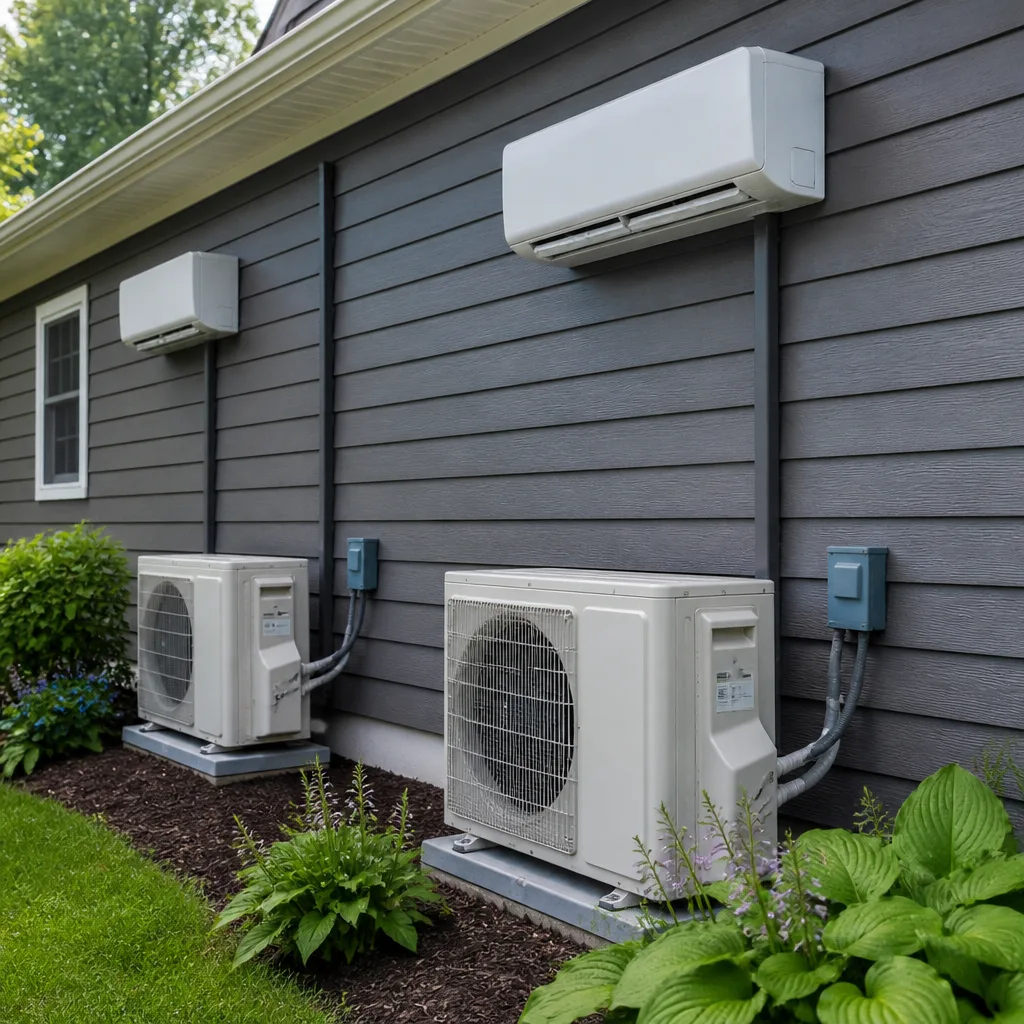 Ductless mini splits
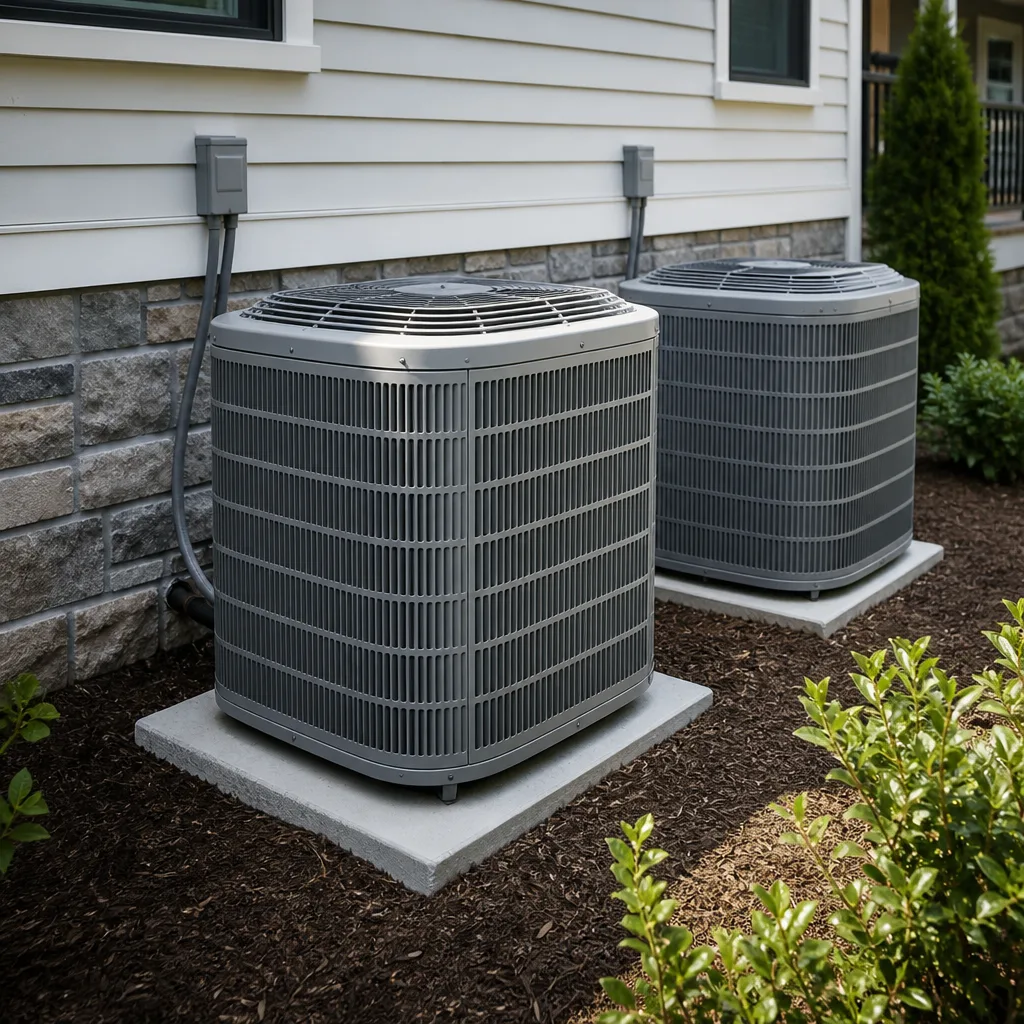 Carrier
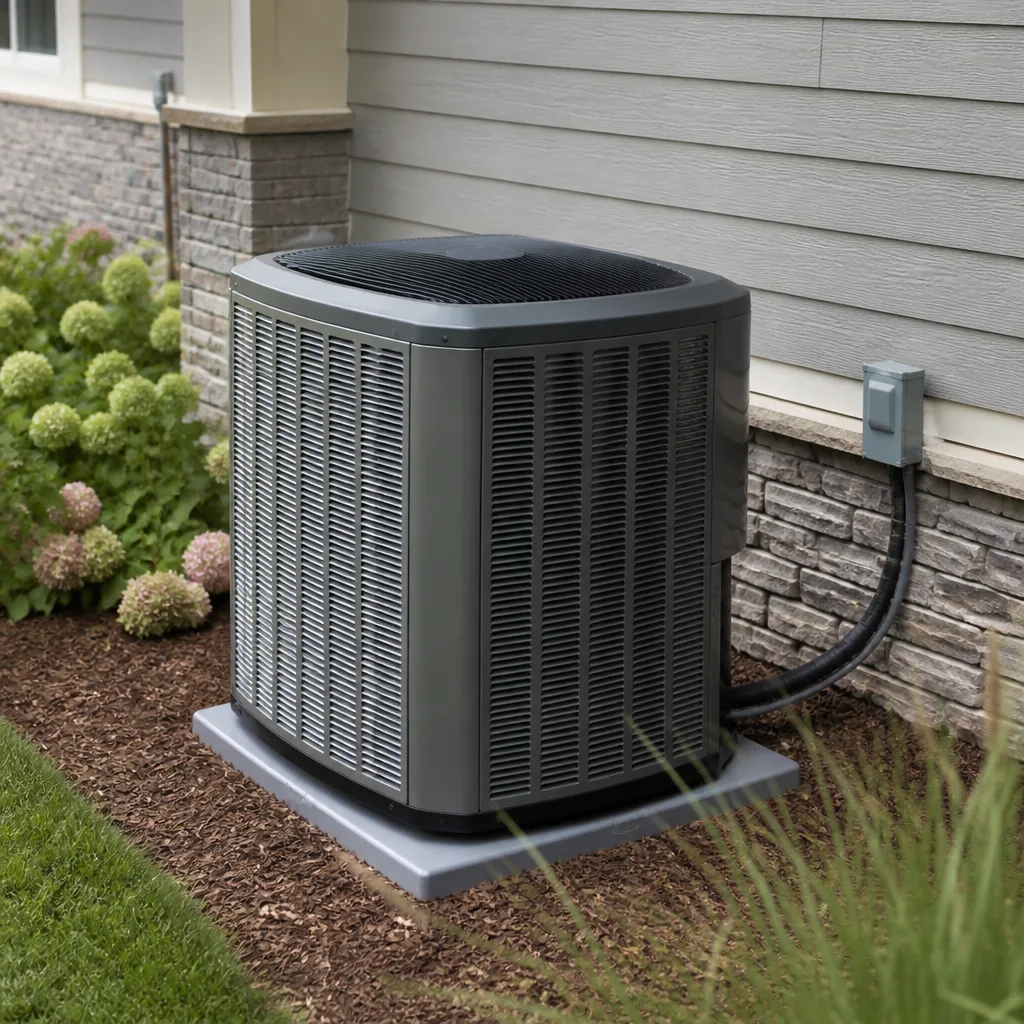 Trane
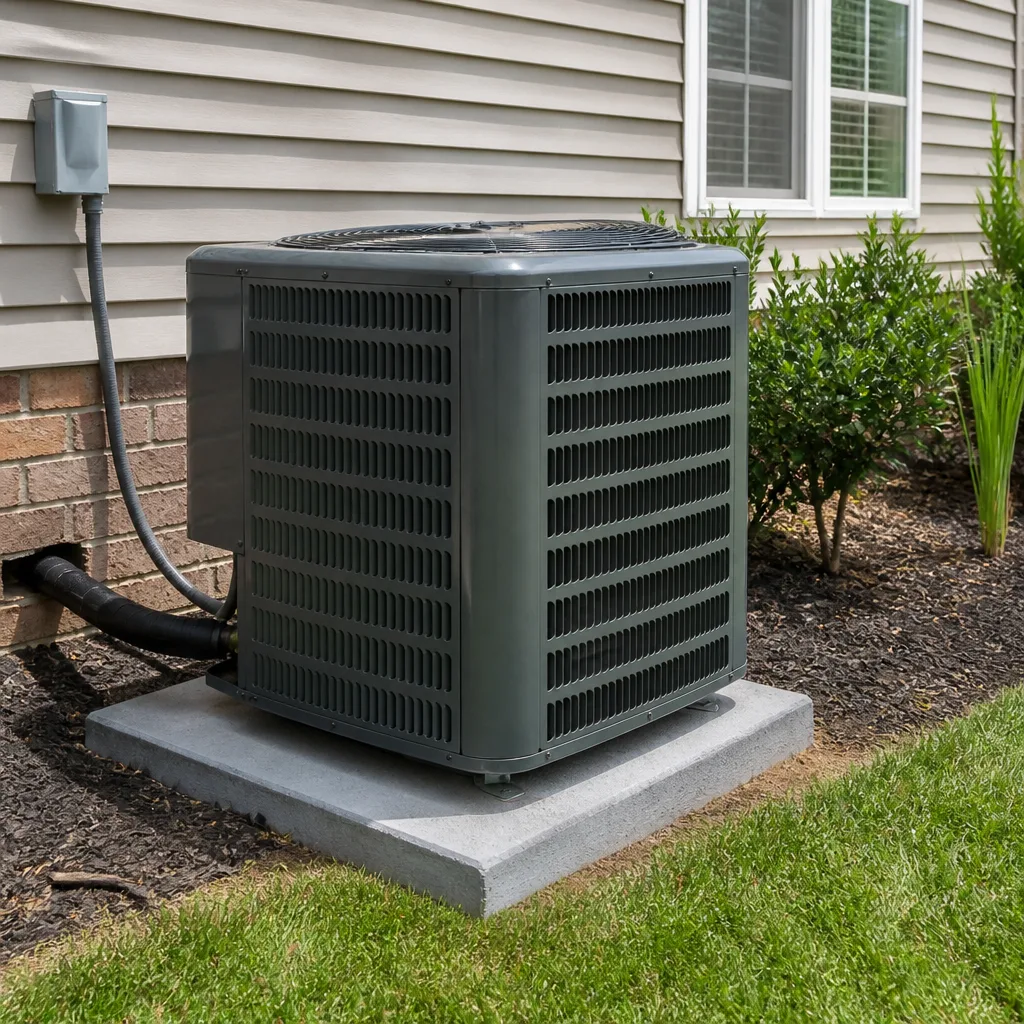 Goodman
Seasonal tune-up and full diagnostic on your Carrier, Trane, or Goodman system - readings shown to you before any repair is proposed
Diagnosis first, numbers second - you approve the repair price before a single part goes in.
Get your free estimateHeating & Furnace Warning Signs Every Homeowner Should Know
Carbon monoxide detectors don’t catch a cracked heat exchanger until it’s already leaking. The sign you should have caught was a faint sulfur smell three winters ago, or the low, uneven rumble that started around the same time. In our experience across Mesquite, the furnaces that fail hard in January gave plenty of quiet warnings the winter before. This guide is about catching those warnings early. We’ll walk through the sounds, smells, discoloration, bill creep, and ignitor behavior that tell you something is changing six to eighteen months before a breakdown. Not every quirk means replacement. Some do. Learning the difference is the whole point.
Quick Answer
The most reliable signs your furnace is going out are: utility bills climbing more than 15% year over year with no rate change, a faint sulfur or metallic smell near the unit, discoloration or soot near the burner, a flame that’s yellow instead of blue, short-cycling that repeats several times an hour, and unusual rumbling, banging, or screeching on startup. Any one of these is worth a service call. Two or more together usually means the furnace is near the end of its service life.
Styles & brands we work with
- AC repair
- Furnace & heating
- Heat pumps
- Ductless mini splits
- Carrier
- Trane
- Goodman
Table of Contents
- Cosmetic Quirks vs. Structural Warning Signs
- The Heat Exchanger Risk in Mesquite’s Dry Desert Climate
- Utility Bill Creep as a Diagnostic Tool
- Pilot Light and Ignitor Behavior: Normal Aging vs. Imminent Failure
- Why Short-Cycling in a Nevada Home Is Usually a Downstream Problem
- Sounds and Smells That Matter (and a Few That Don’t)
- The Age Question: When Repair Stops Making Sense
- A Simple Seasonal Check Any Homeowner Can Do Safely
Cosmetic Quirks vs. Structural Warning Signs
Furnaces make noise. Some of it is the sound of a machine doing its job, and some of it is the sound of a machine telling you something. The hard part for a homeowner is telling those apart without a technician’s ear. Here’s how we sort it out on a service call.
Cosmetic quirks are the ones that don’t change over time. A slight hum from the blower motor. A single click when the burners light. A soft whoosh at startup. If those sounds have been there since the day you moved in and haven’t gotten louder, they’re the furnace’s normal voice. Ignore them.
Structural warning signs are the ones that appeared recently or are getting worse. We’ve watched homeowners in Sun City Mesquite put up with a rumble for two winters because it “wasn’t that bad,” then call us in a panic when the furnace quit on a 28-degree night. The rumble was the warning. Here’s what to listen for:
- Rumbling or booming at startup – often means delayed ignition, where gas builds up before the burner lights.
- Screeching or squealing – usually the blower motor or inducer motor bearing going dry.
- Banging or clanking – a loose panel, or worse, a blower wheel coming off its shaft.
- A consistent rattle that wasn’t there last year – often a cracked heat exchanger shield or a failing draft inducer.
- Whistling – restricted airflow, usually a clogged filter, ducting, or a failing blower.
The rule of thumb we use: if the sound is new, louder than last year, or only happens during one part of the cycle, it’s worth a look. If the sound has been there since installation and hasn’t changed, it’s probably just the way that unit runs. Furnace brands vary here – Carrier and Trane units tend to run quiet, while older Goodman and Lennox models can be noisier without anything being wrong. We work on all four, and the call is the same: is this sound new?
The Heat Exchanger Risk in Mesquite’s Dry Desert Climate
This is the section nobody wants to read, and the one that matters most. The heat exchanger is the metal chamber that keeps combustion gases separate from the air you breathe. When it cracks, carbon monoxide can leak into your ductwork. It’s the single most dangerous failure a furnace can have, and in Mesquite’s climate, the warning signs look different than most guides describe.
Most of the country runs a furnace five or six months a year. Here in Mesquite, many homes run theirs intermittently through winter, cycling on for a few hours at night when the desert drops to 35 degrees and off again by mid-morning when it climbs back into the sixties. That on-off pattern stresses the heat exchanger in a specific way. Every heat cycle expands the metal, every cool cycle contracts it. Over fifteen or twenty seasons, those micro-movements add up. Dry desert air also removes moisture that would otherwise lubricate and cool the metal, and the fine dust that blows through the Virgin River valley gets pulled into the burner compartment and settles on the exchanger surfaces.
So what should you look for? Three things, and all of them require a visual check near the burner – which means with the unit powered off and the gas shut off, or better, left to a technician.
- Soot or dark streaking near the burner compartment. A heat exchanger that’s cracking will often produce incomplete combustion, which leaves fine black soot around the burner opening. If you see a patch of black dust that wasn’t there last spring, don’t wait.
- Discoloration patterns on the metal itself. A healthy exchanger holds a steady gray or bluish-gray tone. Rust-colored, brown, or white-ash patches near the seams are signs of corrosion or overheating. Any visible crack – even a hairline – means the unit needs a professional evaluation the same day.
- A yellow or orange flame instead of a crisp blue one. Blue with a slight inner cone is normal. A soft yellow-tipped flame, or a flame that lifts off the burner, means the air-gas mix is off – often a symptom of a cracked exchanger, a blocked flue, or a dirty burner.
None of these checks should be done by a homeowner with a screwdriver. A cracked heat exchanger is a carbon monoxide risk, and carbon monoxide doesn’t smell. If you suspect a problem, shut the furnace off at the thermostat, open a window, and call a professional. We service Carrier, Trane, Lennox, and Goodman heat exchangers regularly across Mesquite and can tell you within an hour whether a unit is safe to run. Our Heating & Furnace in Mesquite page has more on how we handle heat exchanger inspections.
Utility Bill Creep as a Diagnostic Tool
Your gas bill is a diagnostic instrument. It just happens that most people never read it that way. A furnace that’s losing efficiency doesn’t announce it – it charges you for it, quietly, month after month, until one January you open the bill and wonder what happened.
Here’s the calculation we recommend. Pull your most recent winter bill and the same month from three years ago. Adjust for any rate increase you know about (the utility will list it on the bill). If the adjusted number is up more than 15% while your usage habits haven’t changed, the furnace is working harder than it used to. That’s efficiency loss, and on a gas furnace it usually points to one of four things:
- A dirty burner or clogged orifice – common in Mesquite where fine dust works its way into the combustion chamber. Cleaning restores efficiency fast.
- A failing inducer motor – pulling less air through the system than it should, so combustion is incomplete.
- A dirty blower wheel or evaporator coil – reducing airflow across the heat exchanger so the furnace runs longer to heat the same rooms.
- A heat exchanger that’s no longer transferring heat efficiently – the worst case, and often the one that comes with soot and discoloration.
Contrast that with normal aging. A furnace five years old and one fifteen years old both use more gas than they did new, but the fifteen-year-old has earned it through years of duty. The difference between “old” and “failing” is the rate of change. A bill that jumps 25% in one year is a rate of change. A bill that’s climbed 3% a year for a decade is not. That’s the distinction that justifies a service call versus a calendar reminder.
The other number worth knowing: gas furnace efficiency drops roughly 1 to 2 percent per year of service as parts wear and seals degrade. If your unit is rated at 80% AFUE and it’s twelve years old, it’s likely running closer to 65 to 70% now. At that point a $180 service call to clean the burners and blower often recovers half the loss, and it pays for itself in one or two billing cycles. Our team handles this kind of efficiency diagnostic on every service call.
Pilot Light and Ignitor Behavior: Normal Aging vs. Imminent Failure
How your furnace starts tells you more about its health than how it runs. The startup sequence is the most demanding part of the cycle, and small failures surface there first.
Standing pilot furnaces (older models) should light with a steady blue flame that stays lit through the off cycle. Here’s what we tell homeowners to watch:
- If the pilot flame is yellow and soft, the thermocouple is likely failing or the orifice is dirty.
- If the pilot goes out more than once a season, that’s not normal and shouldn’t be relit “one more time.”
- If the pilot lights but the main burner doesn’t, the gas valve is failing.
Electronic ignition furnaces (most units installed in the last twenty years) work differently. An ignitor – usually a hot-surface element – glows to light the burner, then shuts off once the flame proves. The sequence should be: click, glow, whoosh, run. Anything else is a signal.
- A long delay before the whoosh. If it used to take 3 seconds and now takes 10, the ignitor is weak. Weak ignitors fail eventually and sometimes fail hard, leaving you without heat on the coldest night of the year.
- Three clicks with no whoosh. The control board is trying to light the burner and failing. Often a dirty flame sensor, sometimes a failing ignitor or gas valve.
- Short-cycle on startup – lights, runs a minute, shuts off, tries again. Could be a flame sensor that’s dirty or a pressure switch that’s failing. Do not ignore this. The flame sensor is a safety device and its failure mode is gas buildup.
- No click at all. Control board or thermostat issue, not usually the furnace itself.
One thing that trips up a lot of our Mesquite customers: modern furnaces have a small window on the front panel that shows a blinking LED code. That code is a map. On a Carrier or Trane unit, a specific blink pattern tells you exactly what the board thinks is wrong. Take a photo of the blink sequence and call us – it often shortens the diagnostic step and gets the part ordered before we arrive.
Why Short-Cycling in a Nevada Home Is Usually a Downstream Problem
Short-cycling – the furnace turning on and off every few minutes instead of running in longer, steady cycles – is the symptom homeowners mention most often. It’s also the most misdiagnosed, because most guides tell you it means the furnace is failing. In our experience, that’s rarely true. The furnace cycles because something downstream is telling it to.
Here’s how a furnace decides to cycle. A thermostat calls for heat. The furnace lights and runs. When the thermostat reads the set temperature, it signals the furnace to shut off. If the house heats up too fast, or the thermostat reads wrong, or the airflow is restricted, the furnace shuts off before it should. The furnace is doing what it’s told.
In Nevada homes, we see four common downstream causes:
- An oversized furnace – common in homes built in the last decade across the Valley, where builders matched furnace size to square footage rather than load calculation. An oversized furnace heats the house in four minutes, then shuts off. Every cycle is too short. This is a sizing problem, not a furnace problem, though the furnace takes the blame.
- A failing thermostat – especially in homes with programmable thermostats ten or more years old, which read the room temperature inaccurately. A thermostat that thinks it’s 72 when the room is 68 will cycle the furnace continuously.
- Restricted airflow – a clogged filter (check it monthly in dusty conditions), a collapsed flex duct in the attic, or a blocked return grille. The furnace reaches its high-limit temperature and cuts out on safety. This is common in Mesquite homes with return air grilles in hallways that get blocked by furniture.
- A shorted high-limit switch – the safety that shuts the furnace down when it overheats. It can fail closed, causing short cycles that look like a furnace problem.
The point: don’t replace a furnace because it’s short-cycling. Find out why. Our team handles this diagnostic on hundreds of Mesquite homes each winter, and in almost every case the fix isn’t the furnace – it’s the thermostat, the filter, the duct, or the sizing.
Sounds and Smells That Matter (and a Few That Don’t)
Smells get missed more than sounds because people adapt to them. A faint smell that’s been there for two winters starts to feel like “how the house smells in winter.” It shouldn’t. Here’s the short list.
Smells worth a phone call
- Faint sulfur or rotten egg near the furnace – the mercaptan added to natural gas to make it detectable. Could be a small leak at a connection or a cracked heat exchanger. Call the same day.
- Metallic or hot-dust smell on first startup in fall – usually normal, burning off summer dust. If it persists more than a half hour of runtime, it’s not normal.
- A persistent burning-plastic or oily smell – failing motor windings or a hot electrical component. Shut it off and call.
- Chemical or solvent smell near the flue or vent – combustion byproducts leaking back into the home. Serious.
Smells that typically aren’t the furnace
- The “hot dust” smell at the start of every heating season, which clears after a day.
- A faint musty smell in the first few minutes – usually stale air in the ducts, worth cleaning but not a failure.
- Any smell that comes from a specific room rather than the furnace closet or vents.
One more signal. If your carbon monoxide detector has ever chirped – even once, even if it reset – treat that as a real event. Check the battery, then call a professional to test the combustion. In our experience, a CO alarm that fires once will fire again, and the second time isn’t always caught in time.
The Age Question: When Repair Stops Making Sense
The average gas furnace lasts 15 to 20 years. In Mesquite, we see a lot of units hit 18 years old and fail in the same season, which is not coincidence – it’s the design life of the components lining up. Here’s the framework we use to advise homeowners on repair versus replace.
- Under 10 years old, repair. Almost always the right call. The remaining life is worth more than the repair cost, and parts are usually available.
- 10 to 15 years old, repair if the fix is under $800 and the efficiency loss is modest. A heat exchanger crack often changes this math, because a new heat exchanger costs close to a new furnace.
- Over 15 years old, replace if the repair is a major component. A blower motor, inducer, or heat exchanger on a 16-year-old furnace is a down payment on a replacement that’s already coming.
- Any age, replace if it’s a heat exchanger crack and the unit is out of warranty. The labor to swap a heat exchanger in an older furnace almost always exceeds the value of the unit.
We’re direct about this because straight talk is what homeowners want. A $400 repair on a 17-year-old furnace is a decision to replace it in twelve to eighteen months, not a decision to keep it forever. Our team will quote the repair honestly and, if replacement makes more sense, quote that too – with the Fireside Heating & Air Co. Mesquite home page laying out how we run a replacement job.
A Simple Seasonal Check Any Homeowner Can Do Safely
You don’t need to open the furnace to catch most of these signs. Here are the checks we recommend every fall, all safe to do with the unit off.
- Change the filter. In Mesquite’s dusty conditions, check it monthly and replace every 60 to 90 days. A clogged filter is the single most common cause of efficiency loss and short-cycling.
- Look at the flame. With the unit running, look through the sight glass (or burner window, if your model has one). A crisp blue flame with a small inner cone is healthy. Yellow, orange, or lifting flames are not.
- Check for soot or discoloration. Look near the burner opening and the flue pipe. Any black, brown, or white-ash streaking is worth a technician’s eyes.
- Test your carbon monoxide detectors. Press the test button on each one. Replace batteries annually.
- Listen at startup. Stand near the furnace when it kicks on. Note any new sound. Compare to last year.
- Pull last winter’s gas bills. Do the 15% math. If it’s up more than the rate increase explains, schedule a service call.
- Clear the area around the furnace. Two feet of clearance on all sides, no storage, no paint cans, no holiday decorations. We see this in a lot of Mesquite homes with tight furnace closets.
Our $89 Seasonal Tune-Up covers all of this and more, including a combustion analysis and a written report of what we found. If you’d rather not do it yourself, that’s a good reason to call.
Common Mistakes to Avoid
- Relighting a pilot without finding out why it went out. A pilot that goes out repeatedly is telling you the thermocouple, gas valve, or venting is failing. Relighting it “one more time” hides a real problem.
- Assuming short-cycling means a new furnace. In a Mesquite home, it’s usually the thermostat, filter, or a sizing issue. Get a diagnostic before you price a replacement.
- Ignoring a yellow flame because “it’s always been like that.” A yellow flame is incomplete combustion. Even if it’s been yellow for years, it’s been dumping carbon monoxide into your home for years.
- Running the furnace with a known heat exchanger crack. There’s no version of this that’s safe. Shut it off and call for a professional inspection.
- Skipping the annual tune-up because “it’s working fine.” A tune-up catches what a homeowner can’t see – the ignitor that’s about to fail, the flame sensor that’s dirty, the heat exchanger seam that’s starting to separate. It’s the cheapest insurance on the system.
- Replacing a furnace without a load calculation on the new one. The most common cause of short-cycling in newer Mesquite homes is an oversized replacement furnace. Insist on a Manual J or equivalent load calculation before installing.
- Choosing the cheapest bid on a heat exchanger repair. A heat exchanger is a safety component. The cheapest bid is often the one that skips a combustion analysis or doesn’t replace the gaskets correctly. Our AC Repair & Installation in Mesquite page covers how we approach the same discipline on the cooling side.
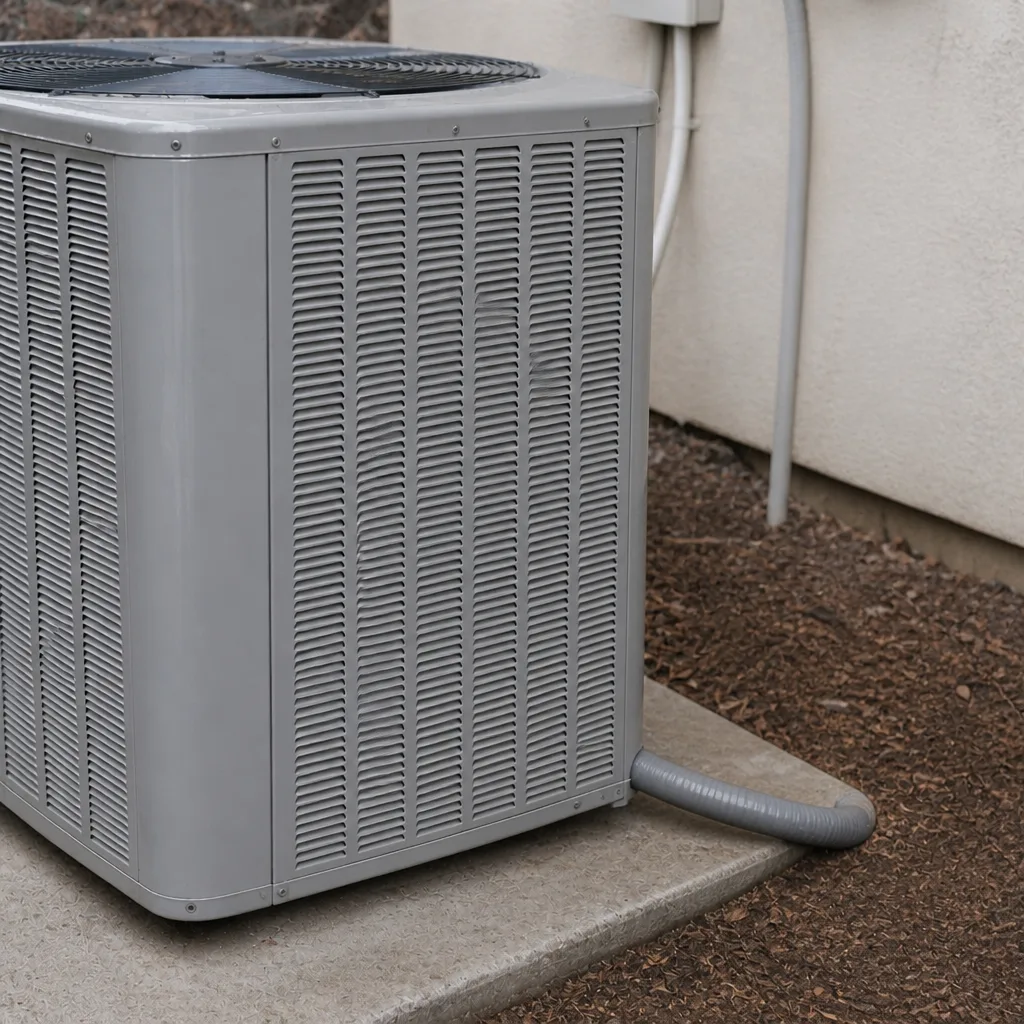
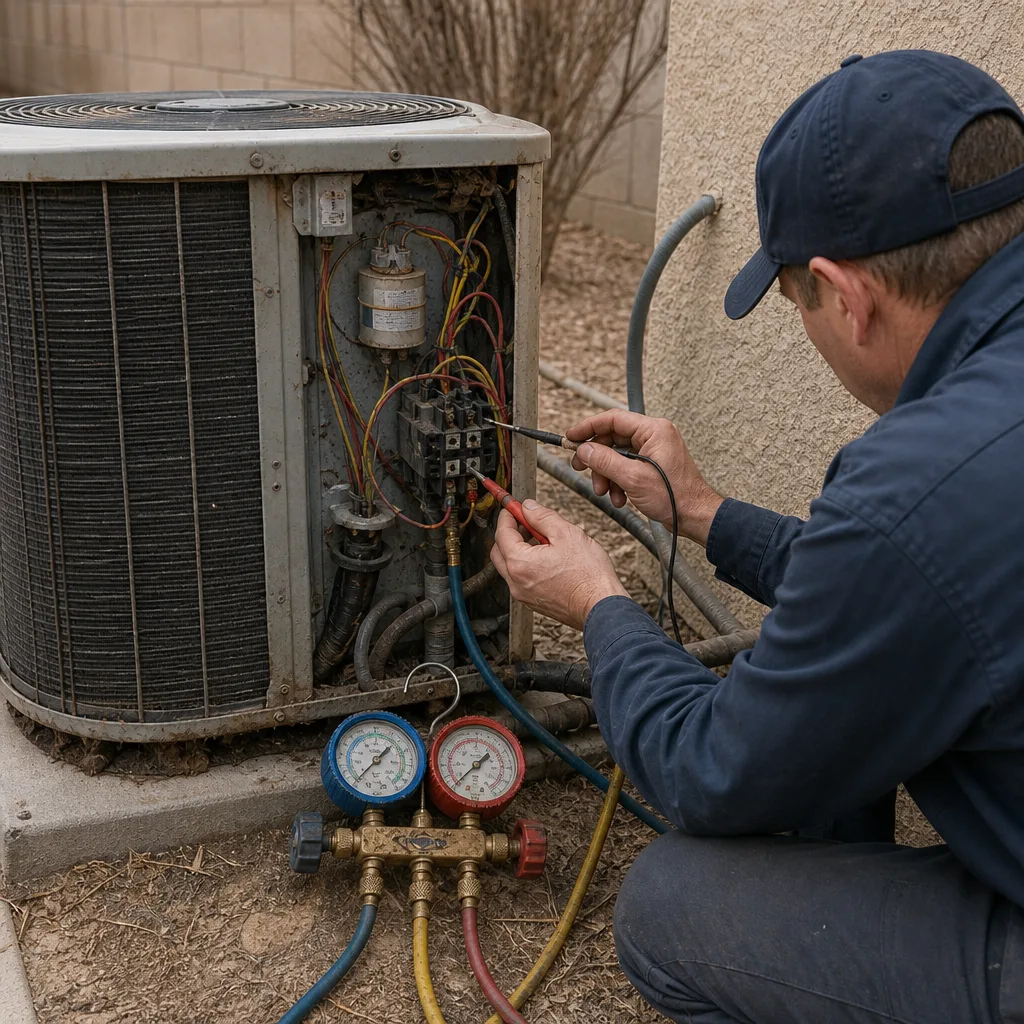
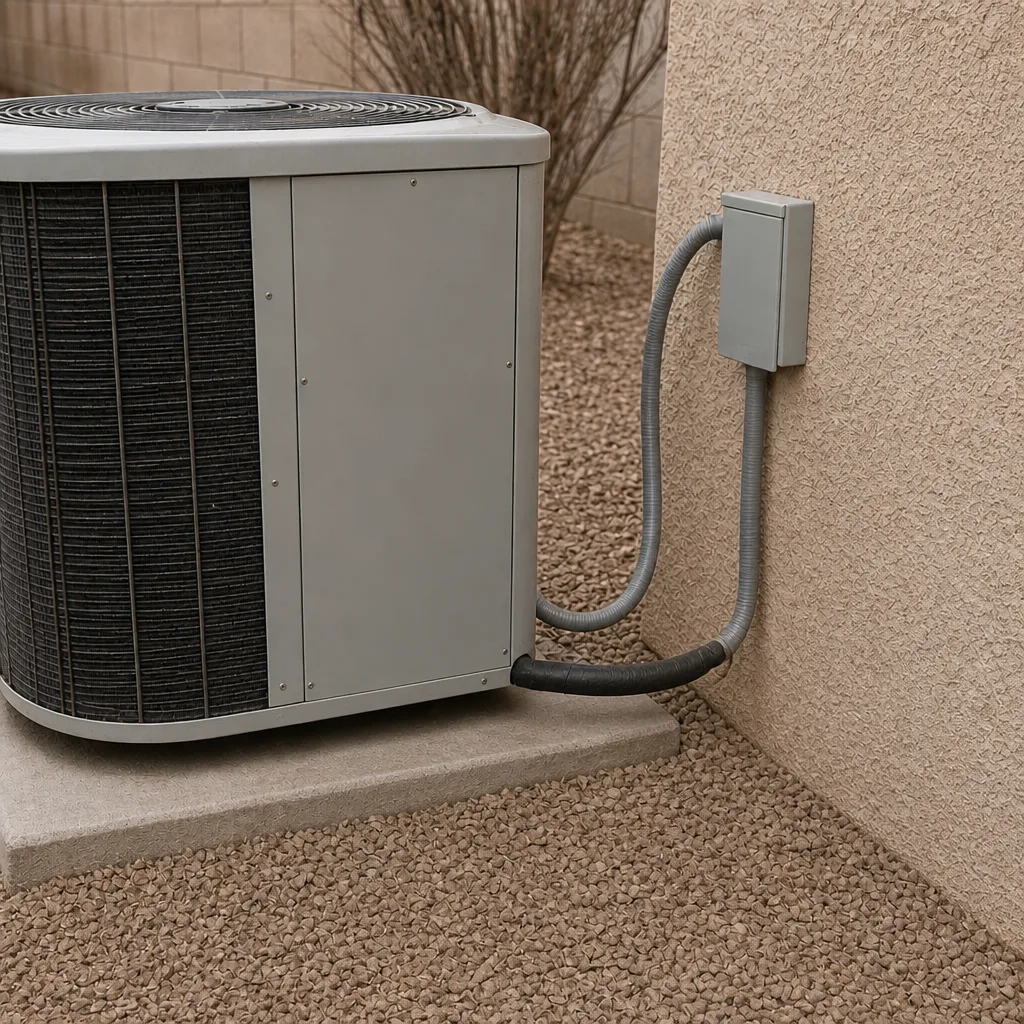
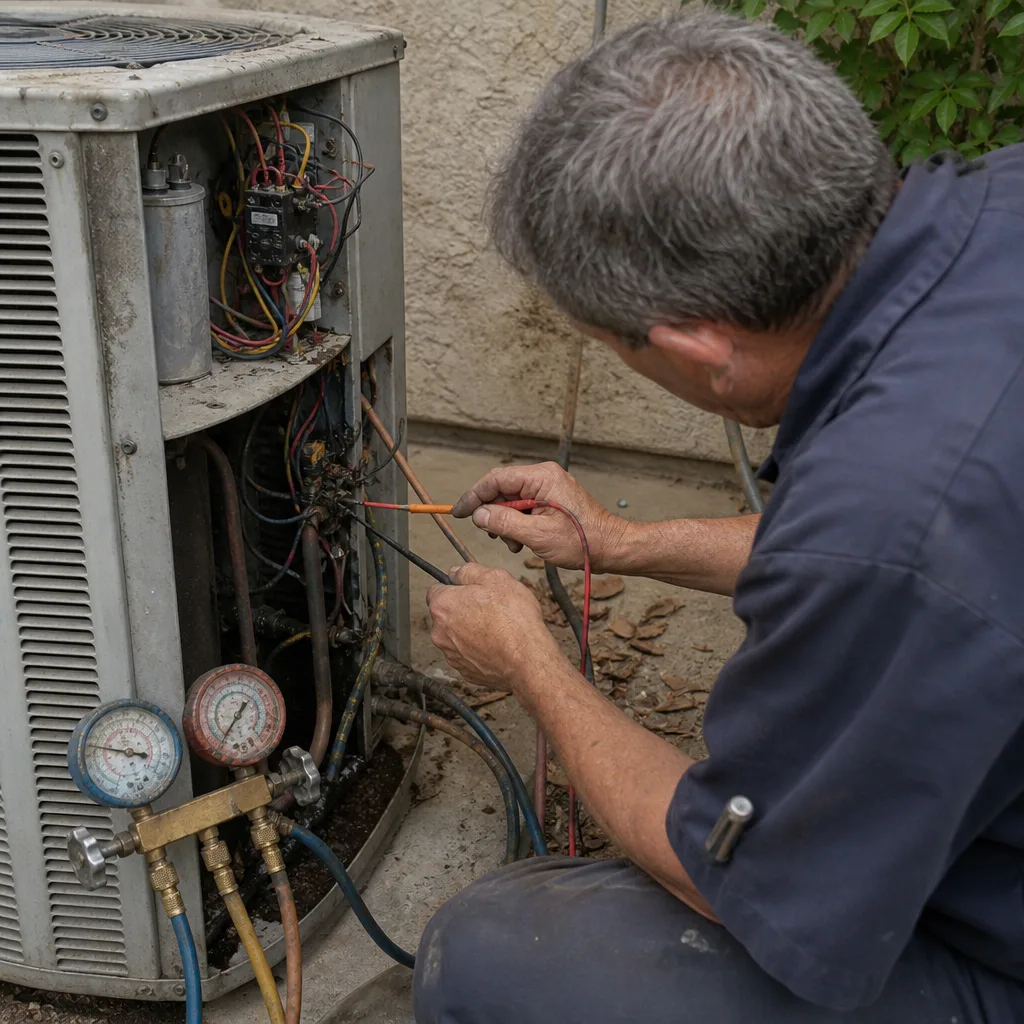
See the difference
 Before
 After
 Before
 After
 Before
 After
When to Call a Professional
Some of this you can check yourself. Some of it you can’t, and shouldn’t. Call a professional the same day if you smell sulfur or rotten egg near the furnace, if your CO detector has ever sounded, if you see soot or discoloration near the burner, if the flame is yellow or orange, if the heat exchanger shows any visible crack, or if the furnace has failed entirely during cold weather. Call within the week if utility bills are up more than 15%, if you hear a new sound at startup, or if short-cycling has become regular. Fireside Heating & Air Co. Mesquite offers free estimates in Mesquite – call (888) 570-3601. Every call is answered by a live person, day or night, and every job is backed by our 90-Day Done Right Promise. If we don’t do it right, we make it right – in writing, no arguing.
Frequently Asked Questions
The first sign is usually a change in how the furnace starts up – a longer delay before the burner lights, a new rumble, or a flame that’s flickering or yellow instead of crisp blue. These changes often show up six to eighteen months before a full failure, which is why the annual tune-up catches so many problems early. If you notice any of these in your Mesquite home, call (888) 570-3601 for a diagnostic.
At 15 years, it depends on what’s wrong. A minor repair like a flame sensor or ignitor is worth doing if the unit otherwise runs well. A heat exchanger crack, blower motor, or inducer on a 15-year-old furnace usually tips toward replacement, because the repair cost approaches half the price of a new unit and the remaining life is short. Call (888) 570-3601 and we’ll give you both numbers side by side.
A new gas furnace in Mesquite typically runs $3,800 to $7,500 installed, depending on size, efficiency rating, and whether ductwork needs modification. High-efficiency condensing units run higher; standard 80% units run lower. We quote firm prices in writing and hold them – the price quoted is the price paid. Call (888) 570-3601 for a free in-home estimate.
Short-cycling is usually a downstream problem, not a furnace problem. In Nevada homes, the most common causes are an oversized furnace installed without a load calculation, a failing thermostat, a clogged filter in dusty conditions, or a blocked return air grille. Replacing the furnace before diagnosing the cause is a common and expensive mistake. Call (888) 570-3601 for a diagnostic before pricing a replacement.
Yes. Our phones are answered by a live person 24 hours a day, 7 days a week, including the 2 a.m. no-heat call. We service Carrier, Trane, Lennox, Goodman, Rheem, York, Daikin, Bryant, and American Standard units, and most jobs are completed in a single visit. Call (888) 570-3601 for same-day emergency heating service in Mesquite.
Yes, but they change by year and by efficiency tier. Nevada offers utility rebates on qualifying high-efficiency units, and federal tax credits have applied to certain condensing furnaces in recent years. We’ll pull the current rebate list for your address and factor it into the quote – you shouldn’t have to chase the paperwork. Call (888) 570-3601 and we’ll walk through what’s available right now.
The Bottom Line
The warning signs that matter are the quiet ones. A faint sulfur smell you talked yourself out of. A rumble that got a little louder each winter. A gas bill that crept up 20% while your habits stayed the same. A flame that went from blue to yellow and stayed there. Catching these signs early is worth far more than catching them late, and the checks in this guide cost nothing but a few minutes each fall. If you’re in Mesquite and something doesn’t sound right, don’t wait. Call Fireside Heating & Air Co. Mesquite at (888) 570-3601 for a free estimate. Our team has up to 8 years of experience per technician, we answer the phone around the clock, and we stand behind every job with our 90-Day Done Right Promise. Whether it’s a heat pump or a furnace, mini-split or full system replacement, we’ll tell you straight what’s wrong and what it costs. Our Heat Pump & Mini Split in Mesquite page covers the equipment side if you’re weighing a system change.
Written by the team at Fireside Heating & Air Co. Mesquite.