
Last updated November 18, 2026
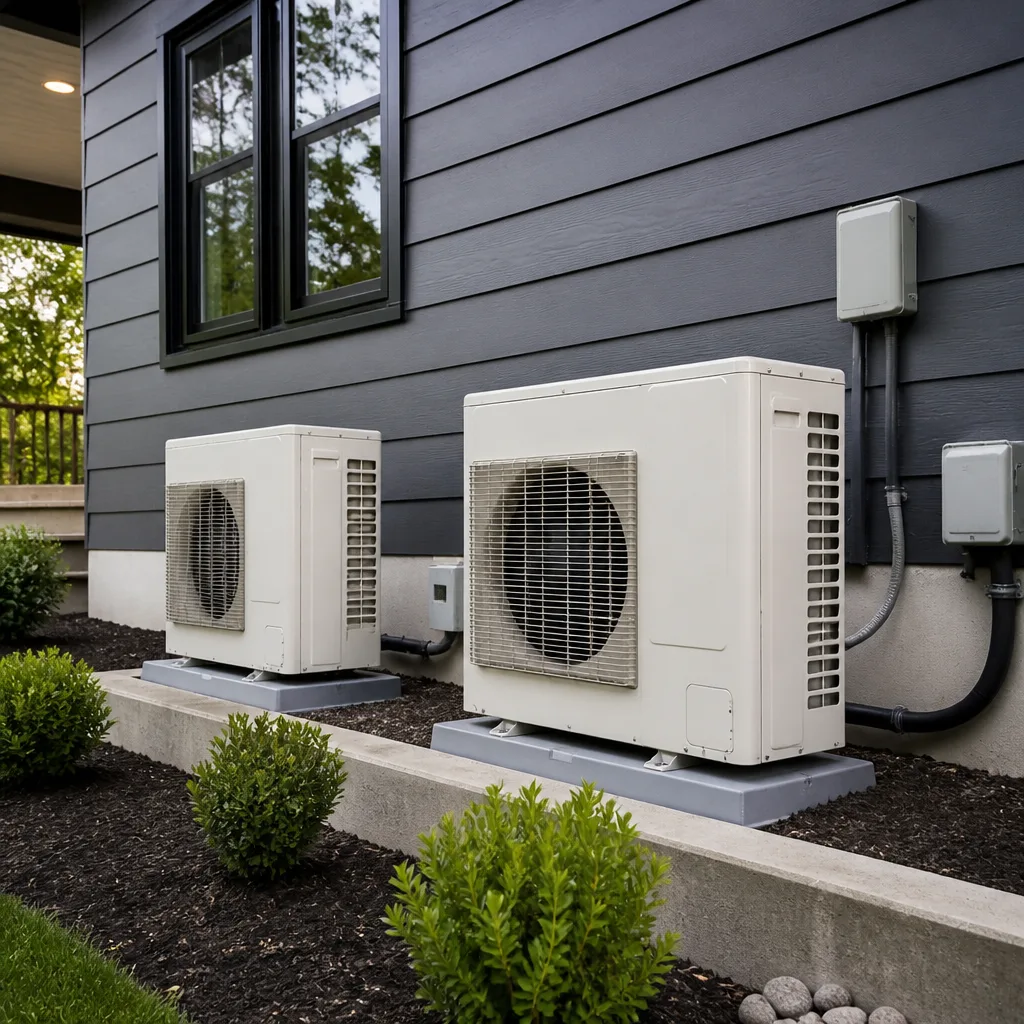 Heat pumps
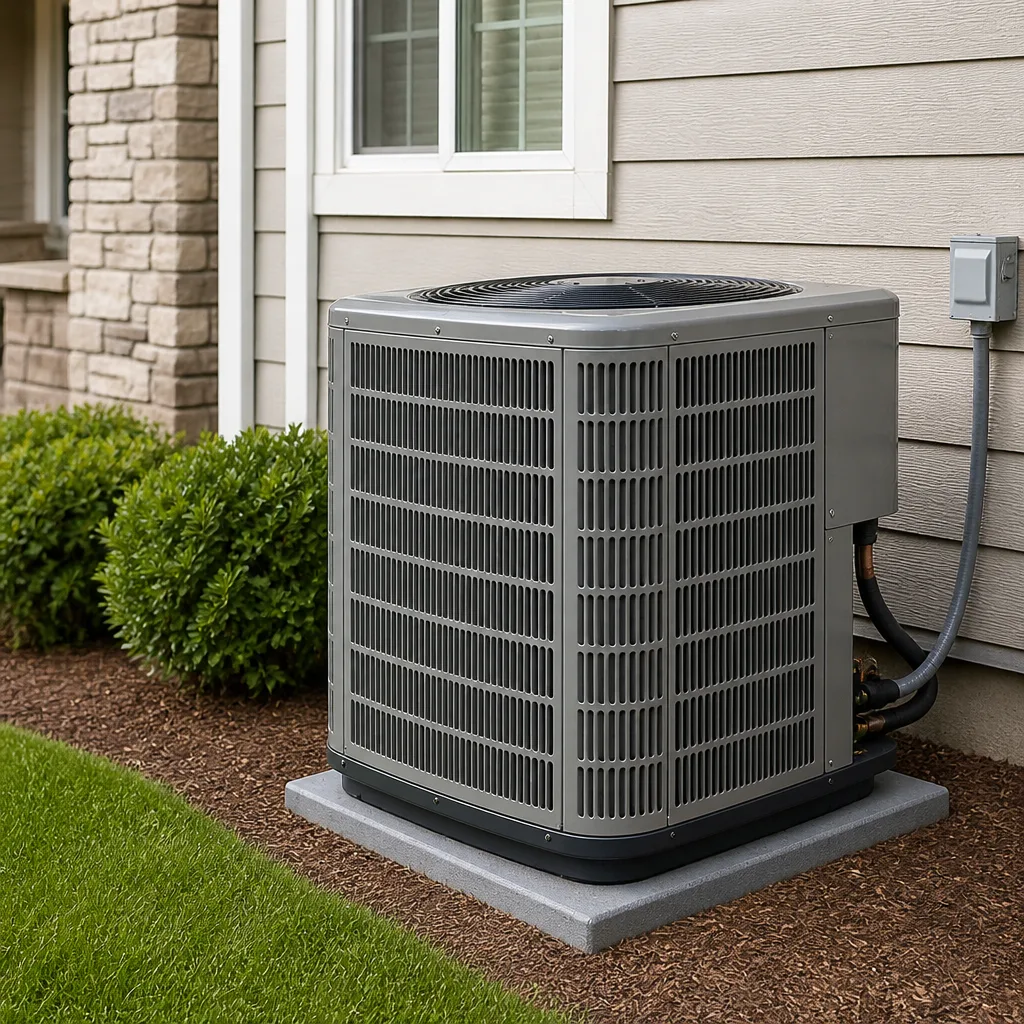 AC repair
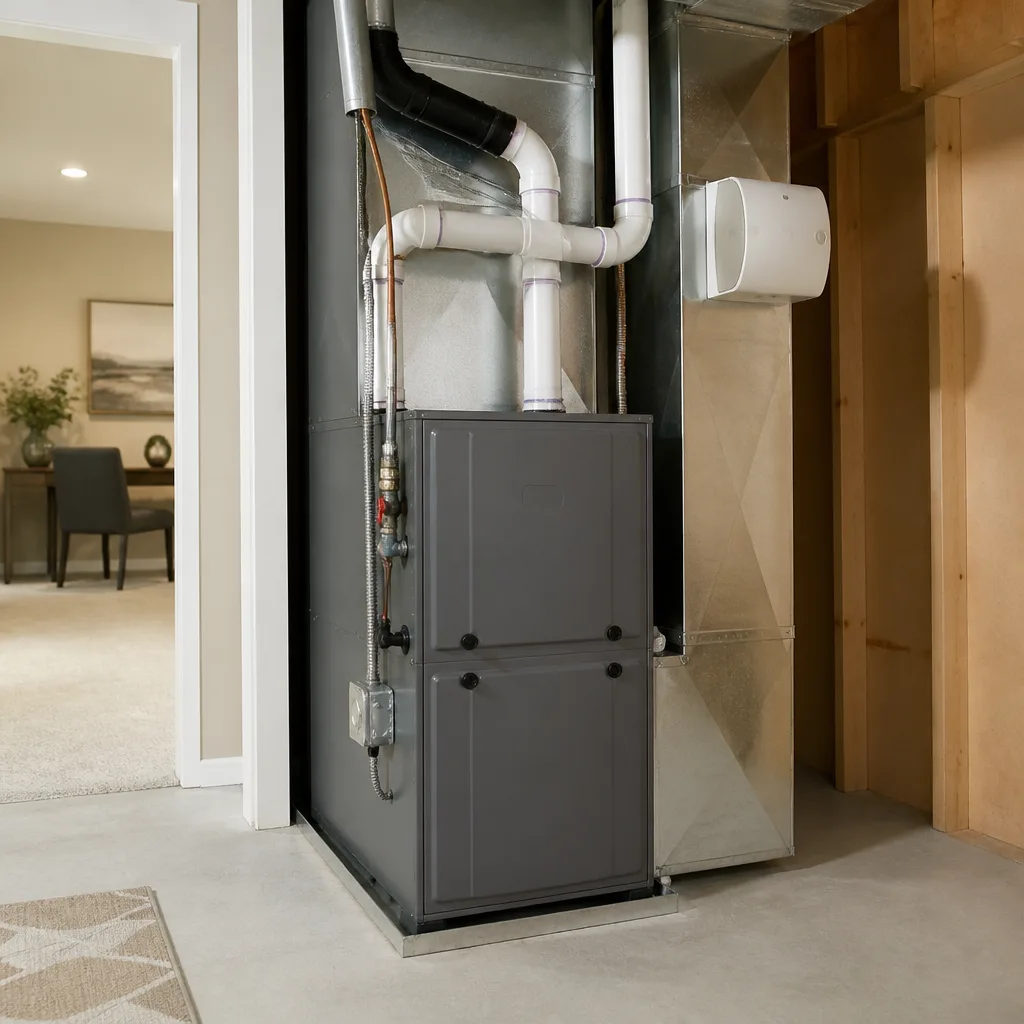 Furnace & heating
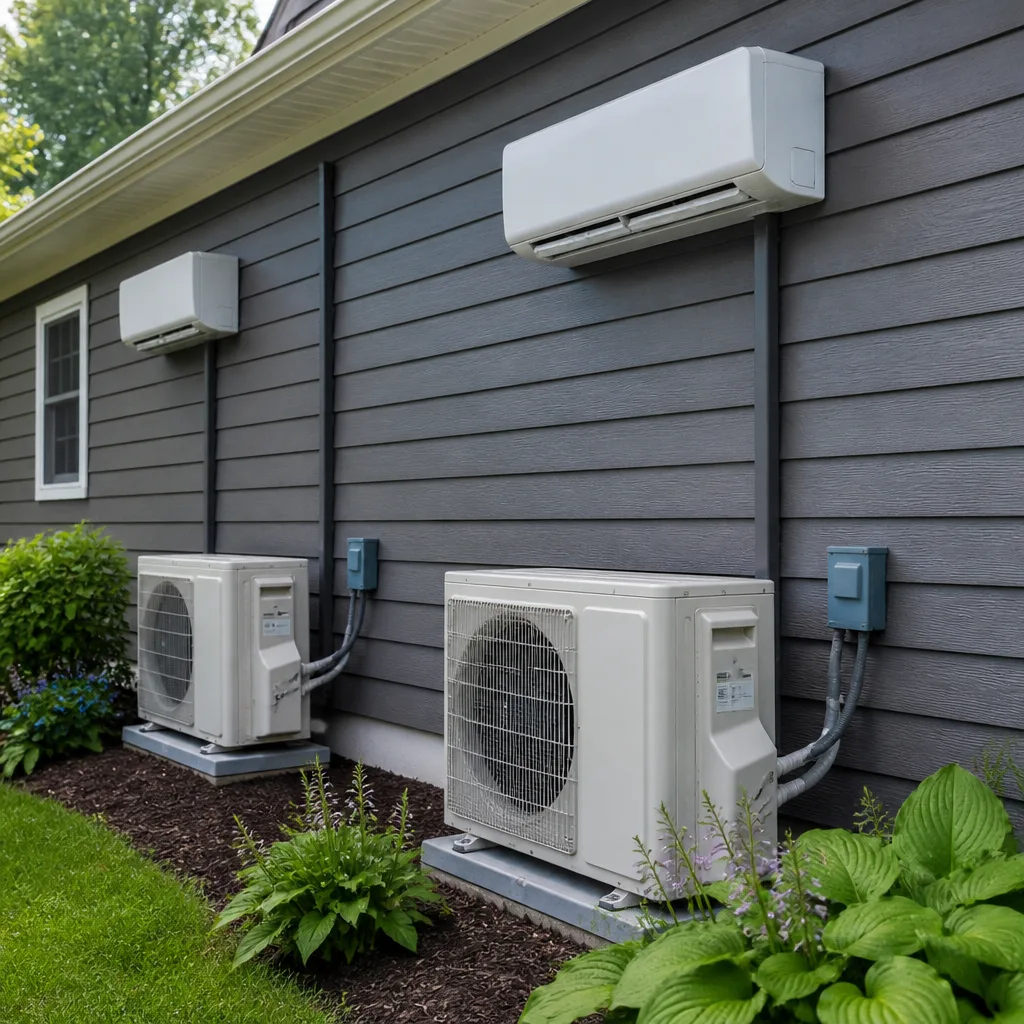 Ductless mini splits
 Carrier
 Trane
 Goodman
Seasonal tune-up and full diagnostic on your Carrier, Trane, or Goodman system - readings shown to you before any repair is proposed
Diagnosis first, numbers second - you approve the repair price before a single part goes in.
Get your free estimateHeat Pump & Mini Split Maintenance Schedule: What to Do and When
Following the manufacturer’s maintenance schedule in Mesquite is a little like trusting a rain gauge calibrated for Seattle. The interval is wrong for the conditions you’re actually running in. Most mini split manuals assume a mild, humid climate with a clean air stream. Mesquite gives you the opposite: months of 115°F afternoons, alkaline dust carried on spring and monsoon winds, and an outdoor coil that fouls in a pattern no humid-climate engineer planned for. This guide lays out a maintenance calendar built around Mesquite’s actual seasons, explains why coil cleaning matters more here than anywhere, and shows you how to verify a professional inspection actually did the work. By the end you’ll know what to do each month and when to put it in someone else’s hands.
Quick Answer
In Mesquite, clean or rinse your indoor filters every two to four weeks during cooling season, inspect and clean the outdoor coil at least monthly through summer and after every dust event, flush the condensate line before summer and again before heating season, and book a professional inspection once a year in spring. Manufacturer schedules written for mild climates understate filter and coil work and overstate tasks like deep refrigerant checks. The single highest-value habit is frequent outdoor coil cleaning, because alkaline desert dust fouls a coil faster and differently than humid-climate grime.
Styles & brands we work with
- AC repair
- Furnace & heating
- Heat pumps
- Ductless mini splits
- Carrier
- Trane
- Goodman
Table of Contents
- Why the Standard Schedule Doesn’t Fit Mesquite
- The Month-by-Month Mesquite Calendar
- Outdoor Coil Cleaning: The Job That Matters Most Here
- Condensate Lines: Two Opposite Problems
- Filter Cleaning in a High-Dust Environment
- What a Real Professional Inspection Includes
- Questions That Prove the Work Was Done
- Common Mistakes to Avoid
- When to Call a Professional
Why the Standard Schedule Doesn’t Fit Mesquite
Mini split and heat pump manuals are written by engineers covering a global market. Their maintenance intervals assume moderate summer highs, regular humidity, and a fairly clean outdoor air stream. None of those hold in Mesquite. Summer afternoons here routinely push past 110°F, and the wind that blows through the valley carries fine alkaline dust that settles on the outdoor coil and clings to it. The system runs longer and harder than the manual anticipates, and it pulls in more airborne grit while doing it.
That mismatch has a cost. A mini split that would go a full season between coil cleanings in a mild climate may need attention every few weeks here. When the outdoor coil is fouled, the system can’t reject heat efficiently. It runs longer, draws more power, and the compressor works harder than it should. You feel it on the electric bill before you notice it in the comfort of the room.
So the sensible approach isn’t to throw out the manual. It’s to reweight it. Lean heavier on the tasks Mesquite punishes you for skipping – filter and coil cleaning – and don’t over-invest in the deep refrigerant and component checks most manufacturers front-load. A sealed refrigerant circuit either holds its charge or it doesn’t; you don’t need to chase it every month. What you do need to chase is dust.
The other local wrinkle is our dry air. Humidity-driven problems that dominate maintenance advice elsewhere – mold in the drain pan, algae in the condensate line – show up here under specific conditions and, more often, don’t show up at all. Instead you get dust blockages, which are a different problem with a different fix. We’ll get to that.
The Month-by-Month Mesquite Calendar
This is the schedule we’d hand a homeowner who wants to stay ahead of the system instead of reacting to a breakdown in August. It’s grouped by season rather than strict calendar months, because Mesquite’s heat arrives early and lingers. Adjust the edges by a couple of weeks based on the year.
- Late winter (February to March) – pre-summer tune-up. Book a professional inspection before cooling season. Clean interior filters. Clear debris and plant growth from around the outdoor unit. Check that the condensate line drains freely.
- Spring (April to May) – coil and airflow focus. Rinse the outdoor coil. Trim anything crowding the unit. Run the system on cooling for a full cycle and note any weak airflow or odd noise before the first hot stretch.
- Early summer (June) – peak readiness. Clean filters again. Verify the outdoor coil is clear after the windy spring. Confirm the thermostat is holding setpoints. This is when small issues become expensive ones, so address them now.
- Peak summer (July to August) – dust watch. Check filters every two to four weeks. Rinse the outdoor coil monthly and after any significant dust or wind event. Watch for ice on the indoor coil or refrigerant lines, which signals an airflow or charge problem.
- Monsoon and late summer (late August to September) – post-storm cleanup. Wind events coat the outdoor coil in a fresh layer of dust. Clean it. Check the condensate line again, since the occasional humid stretch can finally support the algae growth that dry months suppress.
- Fall (October to November) – heating-season switchover. Test the system in heating mode before you need it. Clean filters. Flush the condensate line once more. Listen for any change in sound during defrost cycles as temperatures swing.
- Winter (December to January) – light monitoring. Mesquite winters are mild enough that the load drops, but heat pump defrost cycles still matter. Keep filters clean and watch for ice buildup on the outdoor coil that doesn’t clear.
If all this feels like a lot to track, the honest answer is that most homeowners don’t need to. A once-a-year professional visit plus a simple monthly filter-and-coil habit covers the essentials. If you’d rather hand off the seasonal work entirely, our Heat Pump & Mini Split in Mesquite service is where that conversation starts.
Outdoor Coil Cleaning: The Job That Matters Most Here
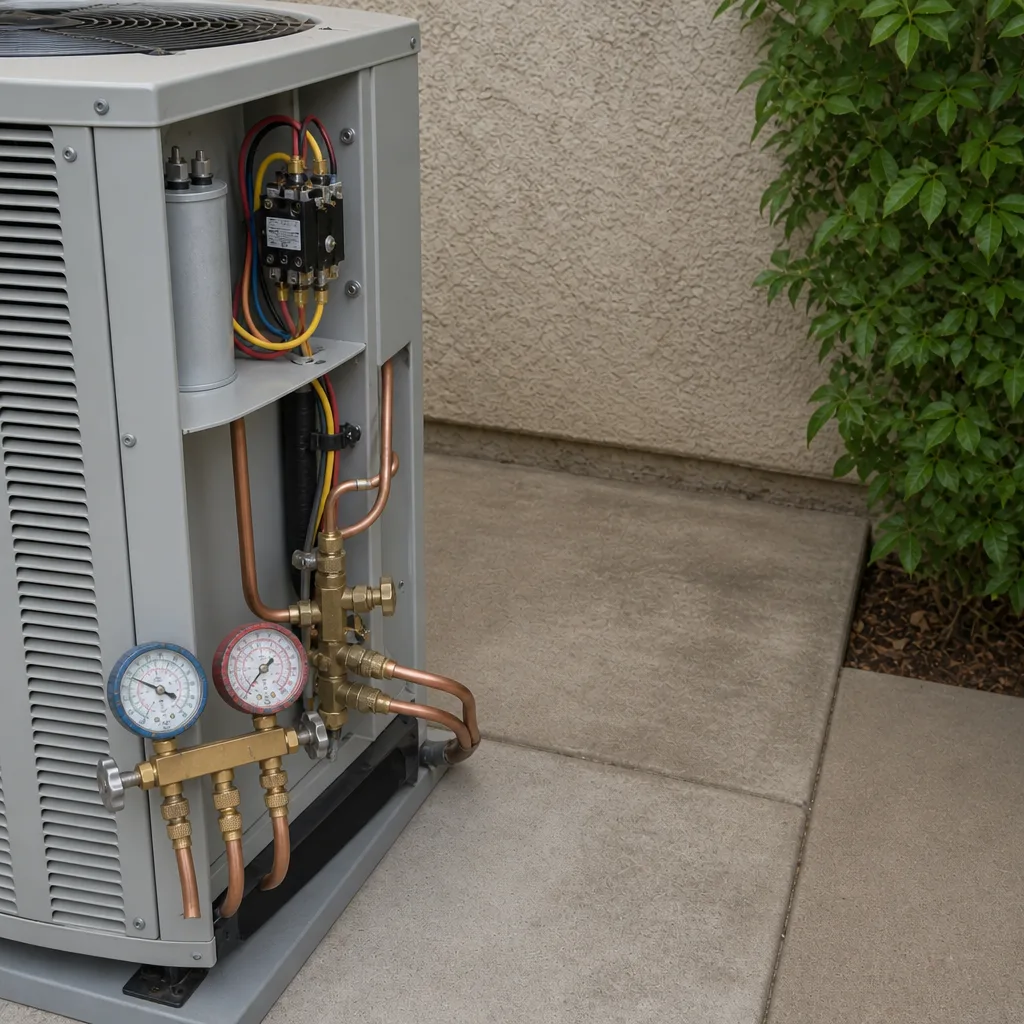
The outdoor coil is where your system sheds the heat it pulled out of your home. If its fins are packed with dust, that heat has nowhere to go, and the whole system suffers. In Mesquite the fouling pattern is distinctive. Our dust is fine and alkaline, and it doesn’t wash away with humidity the way it might in a wetter climate. It cakes onto the fins, works into the gaps between them, and builds a layer that insulates the coil and blocks airflow.
Humid-climate systems deal with a different enemy: a sticky film of moisture, pollen, and organic matter. That’s why some generic coil-cleaning advice doesn’t map cleanly onto what you’ll find on a Mesquite unit. You’re not fighting a wet mat here. You’re fighting dry, mineral-heavy dust that has been baked on by the sun. It often needs a gentle coil cleaner to loosen, not just a garden hose.
Here’s a safe routine homeowners can do, staying well clear of anything electrical or refrigerant-related:
- Cut power to the outdoor unit at the disconnect or breaker before you touch it.
- Remove any leaves, tumbleweeds, or debris around the base and behind the unit.
- Look at the coil fins. If they’re visibly gray and caked, it’s time to clean.
- Rinse gently from the inside out where you can reach, and straight across from the outside. Never bend the fins with a pressure washer – a normal hose and a soft brush are enough.
- If the dust is stubborn or you can’t safely reach the coil, that’s the point to call a professional rather than force it.
Cleaning frequency is where Mesquite homeowners should ignore the manual. Monthly through peak summer, and after any major dust event, is not excessive here. It’s maintenance. Skipping it is how you end up with a compressor that fails in mid-July. If your system is already struggling, our AC Repair & Installation in Mesquite team can tell you whether cleaning will fix it or whether something else is going on.
Condensate Lines: Two Opposite Problems
Most condensate-line advice online is written for humid climates, and it focuses on algae. In a warm, moist environment, the standing water inside a drain line becomes a breeding ground for biological growth that clogs the pipe. That’s a real problem – just not the main one you’ll face in Mesquite.
Our air is dry, so the condensate line sees less continuous water flow and more of a stop-start pattern. The bigger risk here is dry-climate blockage: dust and grit that migrate into the drain pan and line, combine with the occasional bits of debris, and build a plug. You get the same result – water backing up and a system that shuts off on a safety switch – from an opposite cause. The solutions diverge too. Algae responds to a biocide treatment. Dust plugs respond to physical flushing and keeping the pan clean.
So the practical approach is to flush the line with clean water before cooling season and again before heating season, and to keep the drain pan clear of dust and debris. If you see water pooling near the indoor unit or the system stops cooling with no other obvious cause, the condensate line is a prime suspect. On some systems a neglected line can drip into drywall or flooring, which turns a simple maintenance item into a repair bill. Flushing twice a year is cheap insurance.
This is also a good time to mention that these systems don’t fix themselves in our climate. If you’ve been putting off the whole schedule, our Fireside Heating & Air Co. Mesquite home page is a simple place to start the conversation.
Filter Cleaning in a High-Dust Environment
Manufacturers typically recommend cleaning mini split filters every two to four weeks during heavy use, and monthly is a common shorthand. In Mesquite, treat that as a floor, not a ceiling. During a dusty spring or after a wind event, you may need to clean them weekly, or even more often, until conditions settle. The filters are the first line of defense, and when they load up, the coil behind them starts to foul too.
Here’s the plain economics of it. A clogged filter restricts airflow across the indoor coil. That does two things. First, it reduces how much cool air actually reaches the room, so you run the system longer to get the same comfort. Second, low airflow lets the indoor coil drop below freezing and ice up, which is a repair, not a maintenance item. A filter you can rinse in two minutes protects a coil that takes a technician a real visit to clean properly. That’s why we tell homeowners to clean filters often and not overthink it.
Cleaning them is straightforward:
- Turn the system off.
- Open the front panel and slide out the mesh filters.
- Rinse with lukewarm water – never hot, and skip the dishwasher.
- Let them dry completely before reinstalling, since damp filters invite problems.
- Check the coil behind the filters while you’re in there. A gray film on the fins means it’s due for a professional cleaning.
If you’re not comfortable removing the filters or you can’t reach the indoor coil, that’s fine. It’s one of the things a proper inspection covers, and it’s exactly the kind of routine care that keeps a system running through a Mesquite summer.
What a Real Professional Inspection Includes
Once a year, in spring, it’s worth having a technician go through the system properly. The trouble is that “annual inspection” means different things to different companies. Some are thorough. Some are a quick glance and an invoice. Here’s what a real one should cover, so you know what you’re paying for.
- Filter and indoor coil condition, with the coil cleaned if fouled.
- Outdoor coil cleaning and fin straightening where needed.
- Condensate line flush and drain pan check.
- Refrigerant charge verification on the sealed circuit, without unnecessary topping off.
- Electrical connections checked for tightness and wear.
- Blower and fan motor function.
- Thermostat calibration and setpoint accuracy.
- Defrost cycle function on heat pump systems.
- A written summary of what was found and what, if anything, needs attention.
An inspection isn’t just a cleaning. It’s a chance to catch a worn capacitor, a loose connection, or a slow refrigerant leak before it strands you in August. In Mesquite, where a failed system during a heat wave is a genuine health concern, that early warning is worth the visit on its own. Our Heating & Furnace in Mesquite team handles heat pump and mini split inspections the same way, seasonal and thorough.
Questions That Prove the Work Was Done
You don’t have to watch over a technician’s shoulder, and you shouldn’t have to. But you’re entitled to know the work was actually done. A few plain questions, asked before the visit, tell you a lot about how a company operates.
- “Will you give me a written summary of what you found?” A real inspection produces a report. A vague verbal “everything looks good” isn’t one.
- “Do you clean the outdoor coil as part of the visit, or is that extra?” Given our dust, coil cleaning should be a standard part of the service, not a surprise line item.
- “Will you check the condensate line and drain pan?” It’s a five-minute task that prevents a much bigger problem, so it should be on the list.
- “What’s the price, all in?” You should get a clear number before anyone starts. The price quoted should be the price paid.
- “Are your technicians background-checked and uniformed?” You’re letting someone into your home. That’s a fair question.
These questions aren’t about catching anyone. They’re about trusting the company you called. We answer every one of them the same way, because we’ve been doing this work long enough to know that straight answers are what keep a homeowner’s business for years.
Common Mistakes to Avoid
- Following the manual’s cleaning interval to the letter. A schedule built for a mild climate will let your Mesquite coil foul badly before the calendar says it’s time. Weight your effort toward filters and coils here.
- Pressure-washing the outdoor coil. A pressure washer bends fins flat and pushes dust deeper into the coil. Use a garden hose and a soft brush, gently.
- Assuming a dry climate means no condensate problems. Algae may be rare here, but dust plugs are common. Flush the line twice a year regardless.
- Skipping the spring inspection because the system “seems fine.” Systems fail loudest in August. Catching a worn part in April is far cheaper than an emergency call in a heat wave.
- Letting debris build up around the outdoor unit. Tumbleweeds, leaves, and plant growth crowd the coil and cut airflow. Keep a clear foot or two around the unit.
- Ignoring ice on the refrigerant lines. Ice on the indoor coil or lines signals an airflow or charge problem. It’s not normal, and it won’t fix itself.
- Trusting a cheap “tune-up” that does nothing. An inspection with no written findings, no coil check, and no condensate flush isn’t worth the price. Ask what’s included before you book.
When to Call a Professional
Some maintenance is a homeowner’s job: filters, coil rinses, keeping the area clear. Some of it is not, and it’s not worth risking your system or your safety to save a service call. Call a professional when the outdoor coil is badly fouled or you can’t safely reach it, when ice forms on the indoor coil or refrigerant lines, when the system stops cooling or heating without an obvious cause, when you see water pooling near the indoor unit, or when you notice a new noise, a burning smell, or a tripped breaker. Refrigerant work and electrical diagnosis belong to a trained technician, full stop. Fireside Heating & Air Co. Mesquite offers free estimates in Mesquite – call (888) 570-3601, and a live person will answer, day or night.
See the difference
 Before
 After
 Before
 After
 Before
 After
Frequently Asked Questions
Every two to four weeks during cooling season, and weekly during dusty spring and monsoon wind events. Mesquite’s airborne dust loads filters faster than the manufacturer’s mild-climate schedule assumes, so treat the standard interval as a minimum and clean more often when conditions are dusty. Call (888) 570-3601 for a free estimate if you’d like us to handle the seasonal work.
Mesquite’s fine, alkaline dust coats the outdoor coil quickly and clings to the fins, and our dry air doesn’t wash it away the way humidity might in a wetter climate. That’s why monthly coil cleaning through summer and after dust events isn’t overkill here – it’s necessary. Call us for an exact quote on a professional coil cleaning.
Yes, though the load is lighter. Test the system in heating mode in fall before you need it, keep filters clean, and watch for ice on the outdoor coil that doesn’t clear during defrost. Our winters are mild, but heat pump defrost still matters. Estimates are free – call (888) 570-3601.
It depends on age, the cost of the repair relative to a replacement, and how often it’s failing. A single repair on a system with years of life left is usually worth it; repeated failures on an aging unit often point to replacement. We’ll give you straight talk on repair versus replace, in writing. Call for a free second opinion on any written estimate.
It varies by system type and condition, but a seasonal tune-up is the budget-friendly way to get it done – our standing $89 seasonal tune-up covers the essentials, and we quote any additional work upfront before we start. The price quoted is the price paid. Call (888) 570-3601 for an exact quote.
In most cases, yes. We answer every call with a live person, 24 hours a day, and a failed system during a Mesquite heat wave is a genuine health concern, so we treat it that way. Call (888) 570-3601 and we’ll tell you honestly when we can be there.
The Bottom Line
The right maintenance schedule for a Mesquite heat pump or mini split isn’t the one printed in the manual. It’s heavier on filters and outdoor coil cleaning, lighter on the deep checks the manual over-specifies, and honest about the fact that our dry dust creates different problems than humid climates do. Clean filters often. Rinse the outdoor coil monthly through summer and after dust events. Flush the condensate line twice a year. Book one thorough spring inspection and ask what it includes. Do those things and your system will hold up through the worst of a Mesquite summer. Skip them and you’ll meet us in August under the worst possible circumstances. Stay ahead of it instead – and if you’d like a hand, we’re one call away.
Ready to put this schedule to work? Call Fireside Heating & Air Co. at (888) 570-3601 for a free estimate. A live person answers around the clock, we quote a clear upfront price before anyone starts, and every job is backed by our 90-Day Done Right Promise – done right, or we make it right, in writing, no arguing.
Written by the team at Fireside Heating & Air Co.