
Last updated November 18, 2026
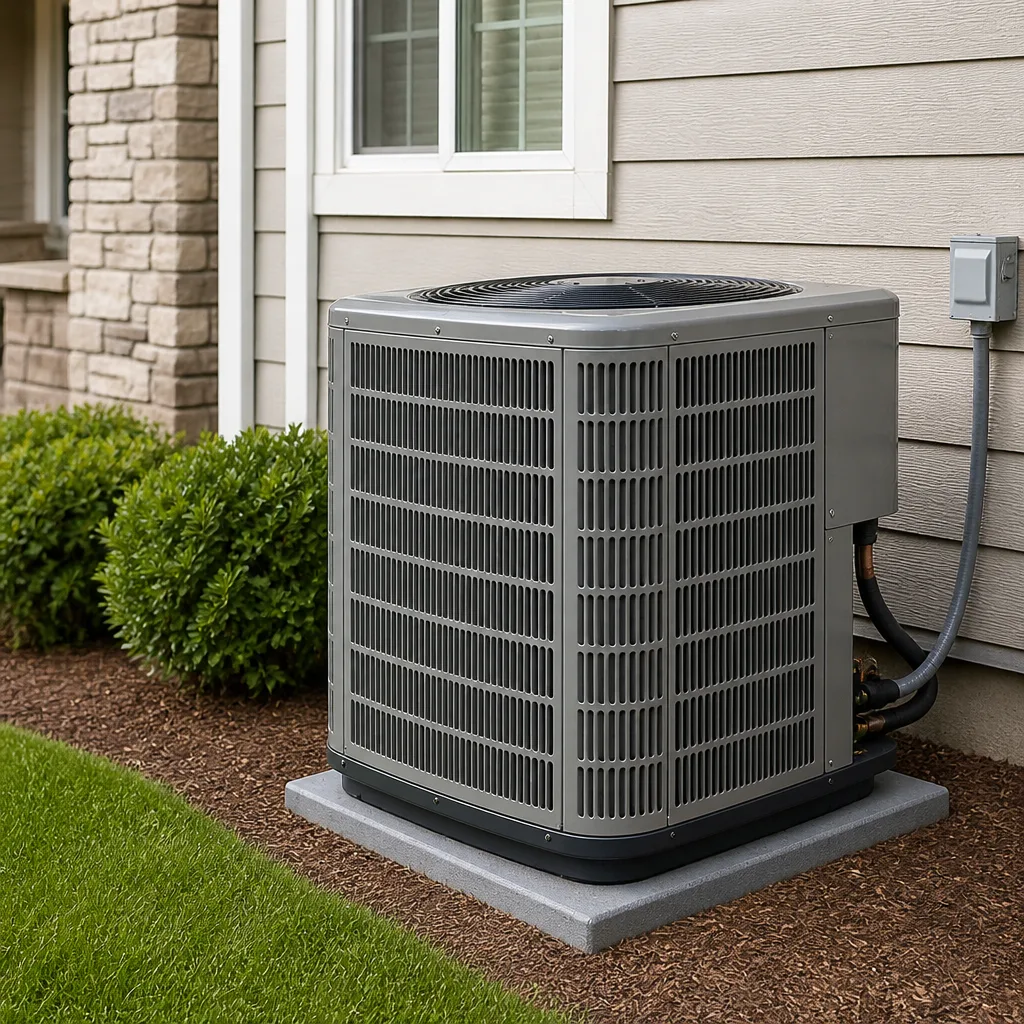 AC repair
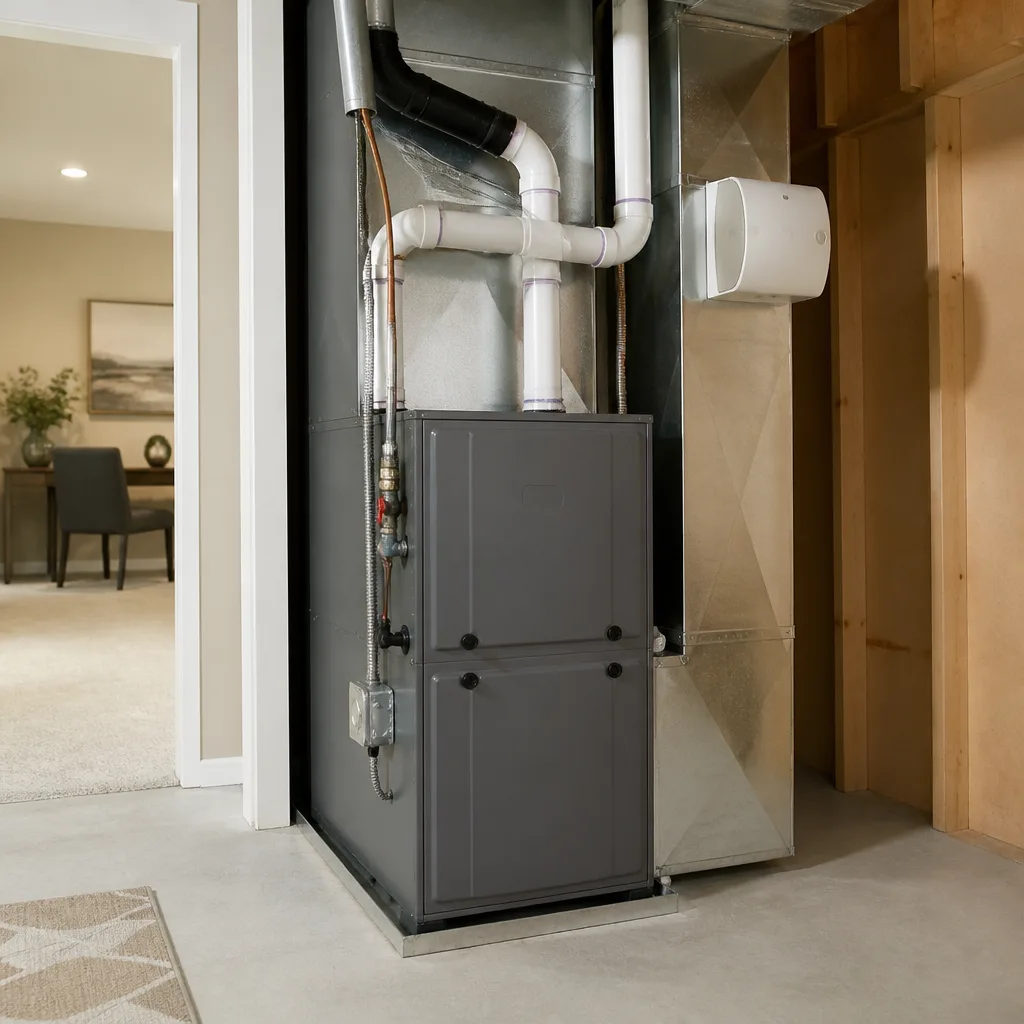 Furnace & heating
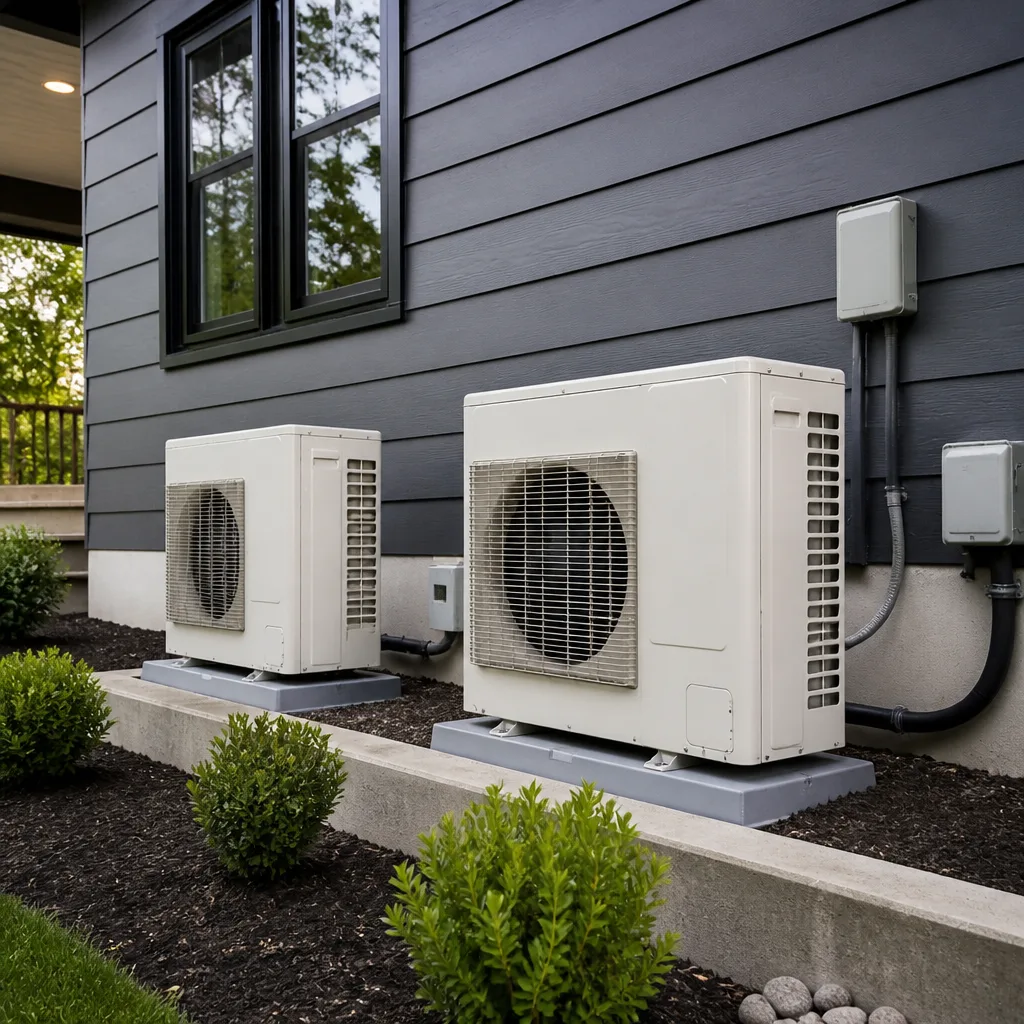 Heat pumps
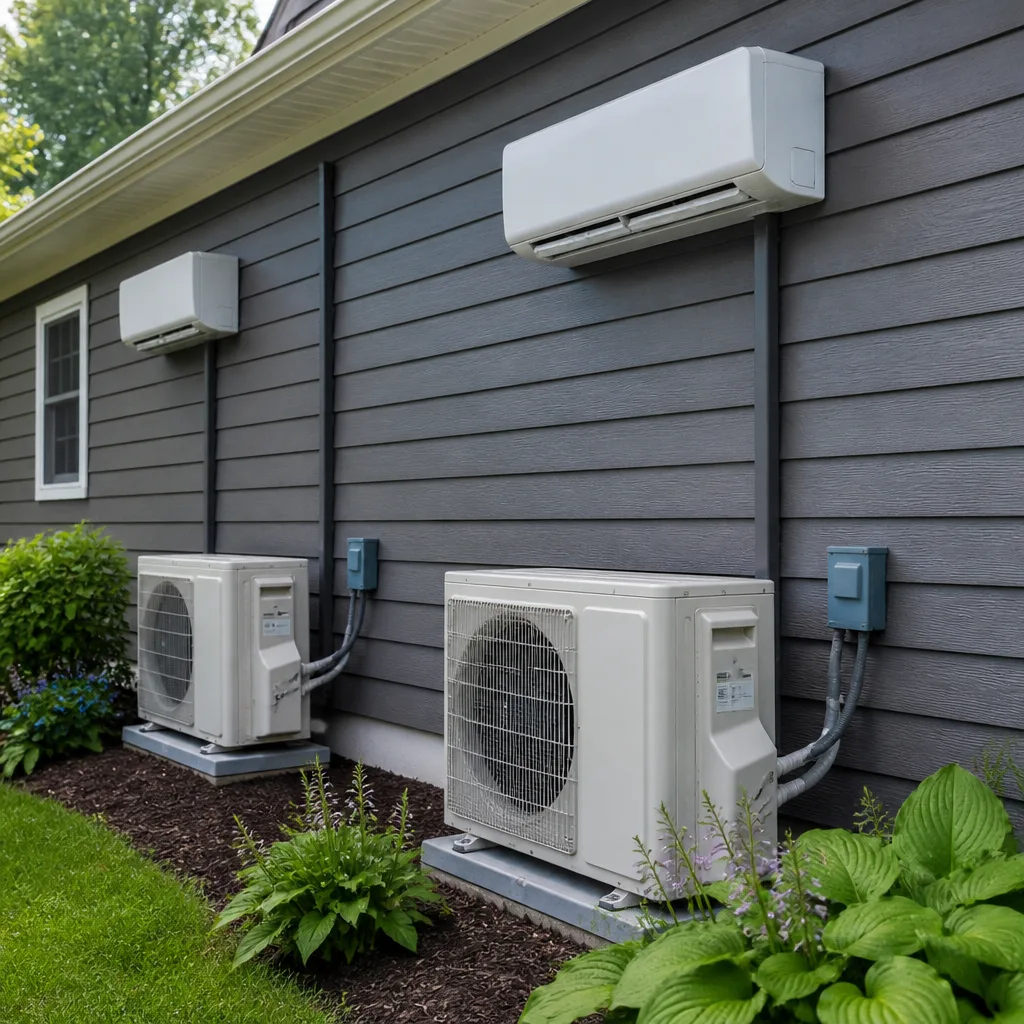 Ductless mini splits
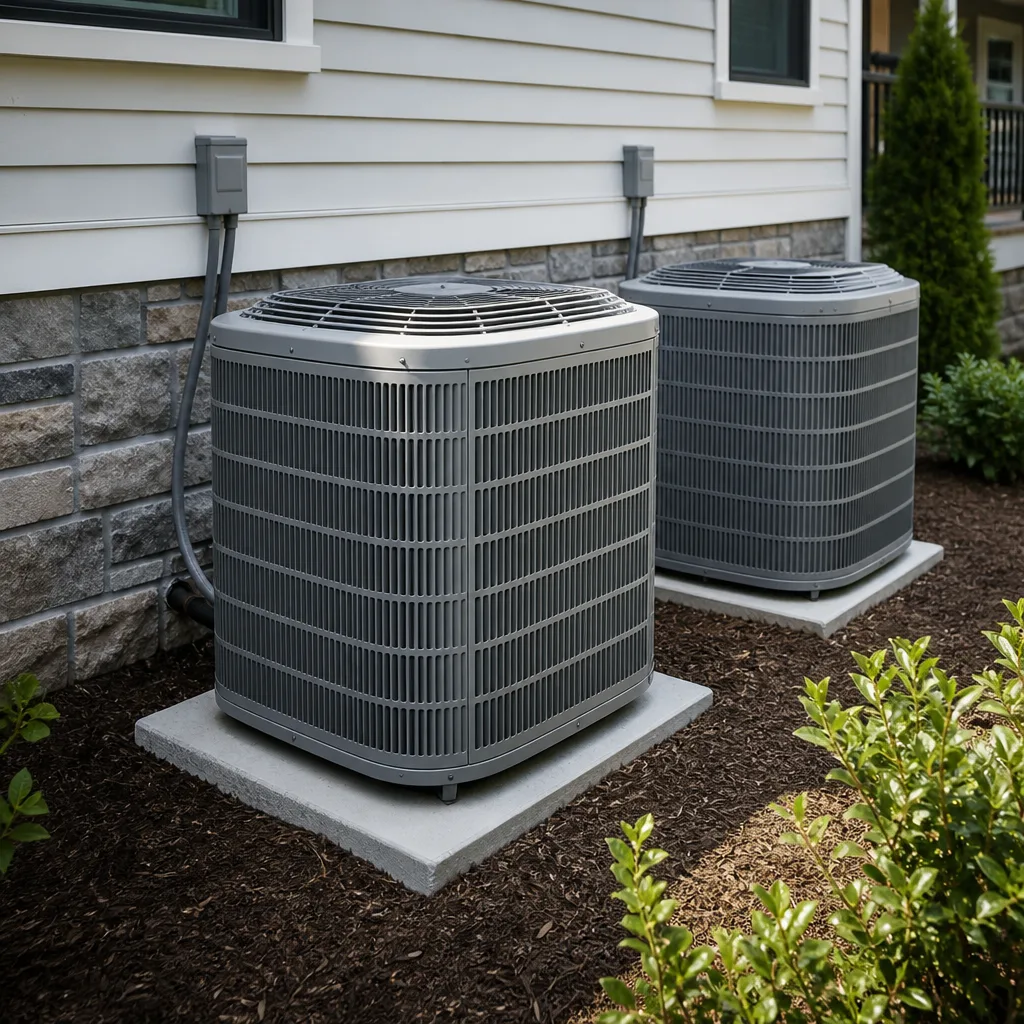 Carrier
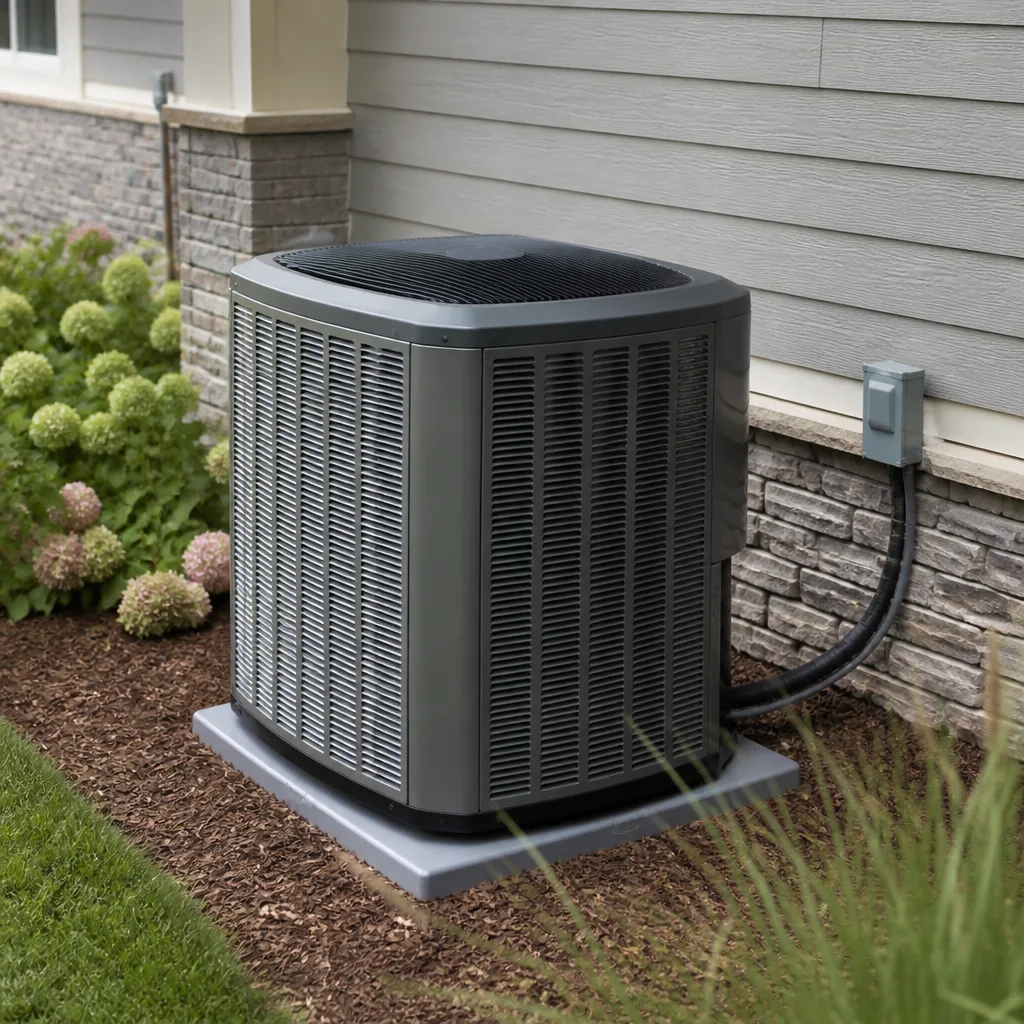 Trane
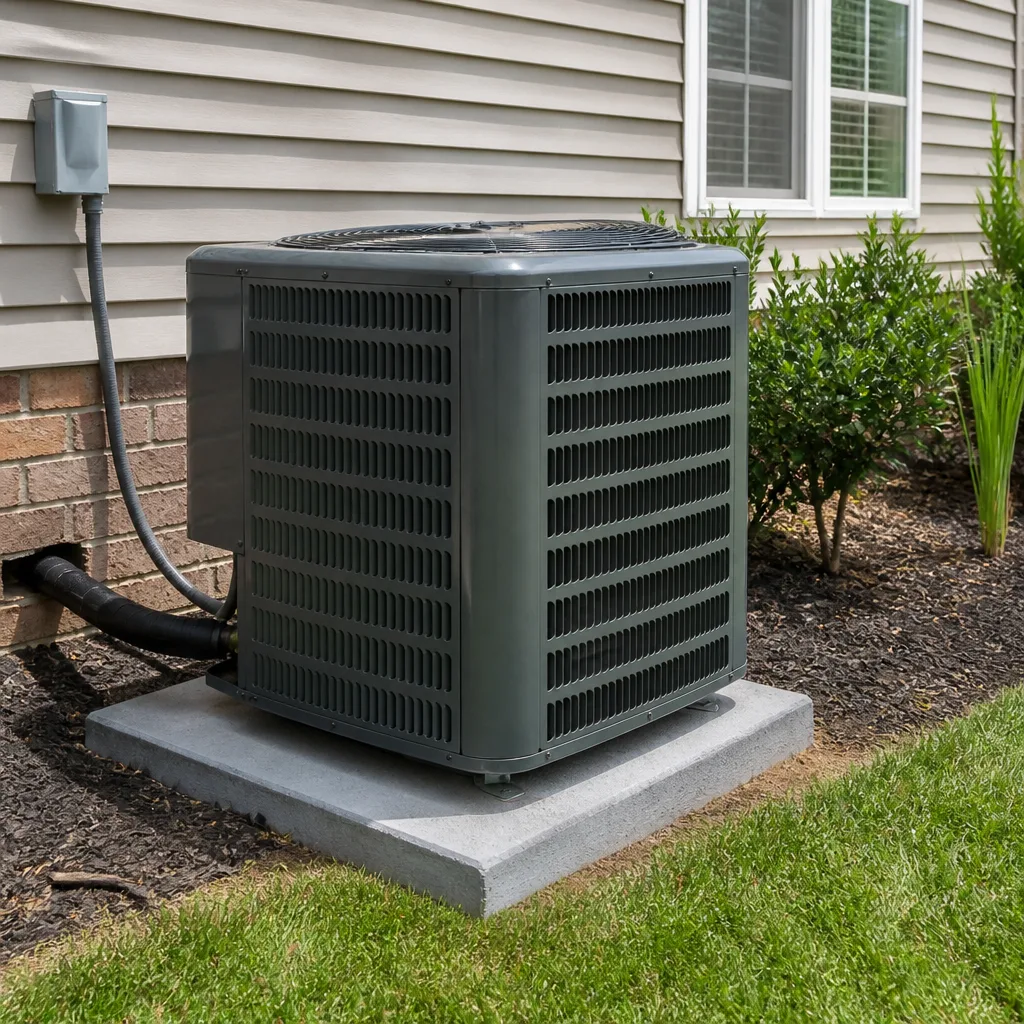 Goodman
Seasonal tune-up and full diagnostic on your Carrier, Trane, or Goodman system - readings shown to you before any repair is proposed
Diagnosis first, numbers second - you approve the repair price before a single part goes in.
Get your free estimateThe Complete Emergency & Commercial HVAC Guide for Mesquite Homeowners
When outdoor temps hit 115°F in Mesquite, a home without working AC can climb into dangerous internal temperatures in 2 to 3 hours. That window is shorter than most HVAC companies’ emergency response guarantees, which is the whole reason this guide exists. A failed system here is a health event, not a comfort problem. What follows is the reference we wish every Mesquite property owner had before the compressor quits on a July afternoon: what an emergency actually means in this climate, how commercial systems differ from residential ones, how to triage the first 30 minutes safely, and how to avoid the panic decisions that cost the most money.
Quick Answer
In Mesquite, an HVAC failure becomes a genuine emergency when indoor temperatures approach or exceed 90°F and the people inside are elderly, very young, or living with a heart or respiratory condition. The right move is to call for service immediately, move occupants to the coolest available space, and run fans and any secondary cooling you have while you wait. A live person answers every call, day or night, at (888) 570-3601.
Styles & brands we work with
- AC repair
- Furnace & heating
- Heat pumps
- Ductless mini splits
- Carrier
- Trane
- Goodman
Table of Contents
- What “Emergency” Actually Means in Mesquite’s Climate
- Residential vs. Light-Commercial Systems: Why Protocols Differ
- How to Triage a Failed System in the First 30 Minutes
- What to Look for in an Emergency HVAC Contract Before You Need One
- Mesquite Permitting and Code: How It Affects Repair Timelines
- Commercial Stakes: Downtime Costs Beyond the Repair Bill
- Pre-Season Checks That Prevent Most Emergencies
What “Emergency” Actually Means in Mesquite’s Climate
Most of the country treats a broken AC as an inconvenience. In Mesquite it’s a different calculation. Outdoor temperatures here routinely push past 110°F in July and August, and a well-sealed home with a failed system can gain heat faster than you would expect. The temperature thresholds below are how we decide whether a call gets dispatched immediately or scheduled for the next available window.
- Indoor temperature 85°F to 90°F with healthy adults: urgent but not life-threatening. Same-day service, and keep fans running.
- Indoor temperature climbing past 90°F: treat as an emergency, especially in afternoon heat.
- At-risk occupants (elderly, infants, heart or lung conditions): emergency at any indoor temperature above 85°F. The body’s ability to shed heat declines with age, and many Mesquite residents fall into that group.
- No heat in a Mesquite winter: less common but real. Overnight lows in the 30s are rare here but do happen, and a failed furnace with a vulnerable occupant still warrants a same-day response.
We’ve learned that the single most useful thing a homeowner can do is know their own threshold before it matters. If someone in your home is on a heart medication, has COPD, or is over 70, your emergency number is lower than your neighbor’s. That’s not alarmism; it’s how heat stress actually works. Deep cooling is the priority, and the timetable is measured in hours.
Residential vs. Light-Commercial Systems: Why Protocols Differ
A home and a commercial space in Mesquite can both run central air, but the equipment and the failure modes are not the same. Knowing which system you have tells you what to expect when something breaks, and it tells the dispatcher how to send help.
Residential systems
Most Mesquite homes run a split system: an outdoor condenser paired with an indoor air handler and coil. Capacities are typically 1.5 to 5 tons. When the compressor fails, you call for repair and the whole house is affected. Critical parts are usually stocked regionally, and most repairs finish in a single visit.
Light-commercial systems
Small retail shops, restaurants, and offices along the Mesquite commercial corridors often use packaged rooftop units (RTUs) or light-commercial split systems in the 5 to 25 ton range. These systems have:
- Multiple circuits and staging so a partial failure may leave some cooling running. That is often why a commercial failure goes unnoticed until it becomes a full outage.
- Economizers and ventilation controls that add failure points and affect code compliance, not just comfort.
- Rooftop placement that means access, safety, and sometimes a crane or lift are part of the job.
- Refrigerant and electrical service requirements that are handled differently from a residential split system.
The practical difference for the property manager: a commercial failure may affect customers, product, and employee safety all at once, and the repair often needs a different kind of dispatch. Plan for these differences in advance, not at 2 a.m. when the walk-in cooler is warming up.
How to Triage a Failed System in the First 30 Minutes
What you do before a technician arrives matters, and so does what you don’t do. Here is the safe sequence we walk customers through on the phone while help is on the way.
- Check the thermostat and breaker. Make sure the thermostat is in cooling mode, set below room temperature, and the batteries are good. Then find the air-handler breaker. A tripped breaker is a common and easily-corrected cause. If it trips again immediately, leave it off and tell the dispatcher.
- Check the air filter. A clogged filter can ice the coil or trip the system on high head pressure. A clean filter costs nothing to check. Don’t try to run the system with no filter; that’s worse than a dirty one.
- Note any symptoms. Is the indoor blower running? Is the outdoor fan spinning? Any ice on the refrigerant lines? Any burning smell or tripped breaker? These details help the technician arrive prepared.
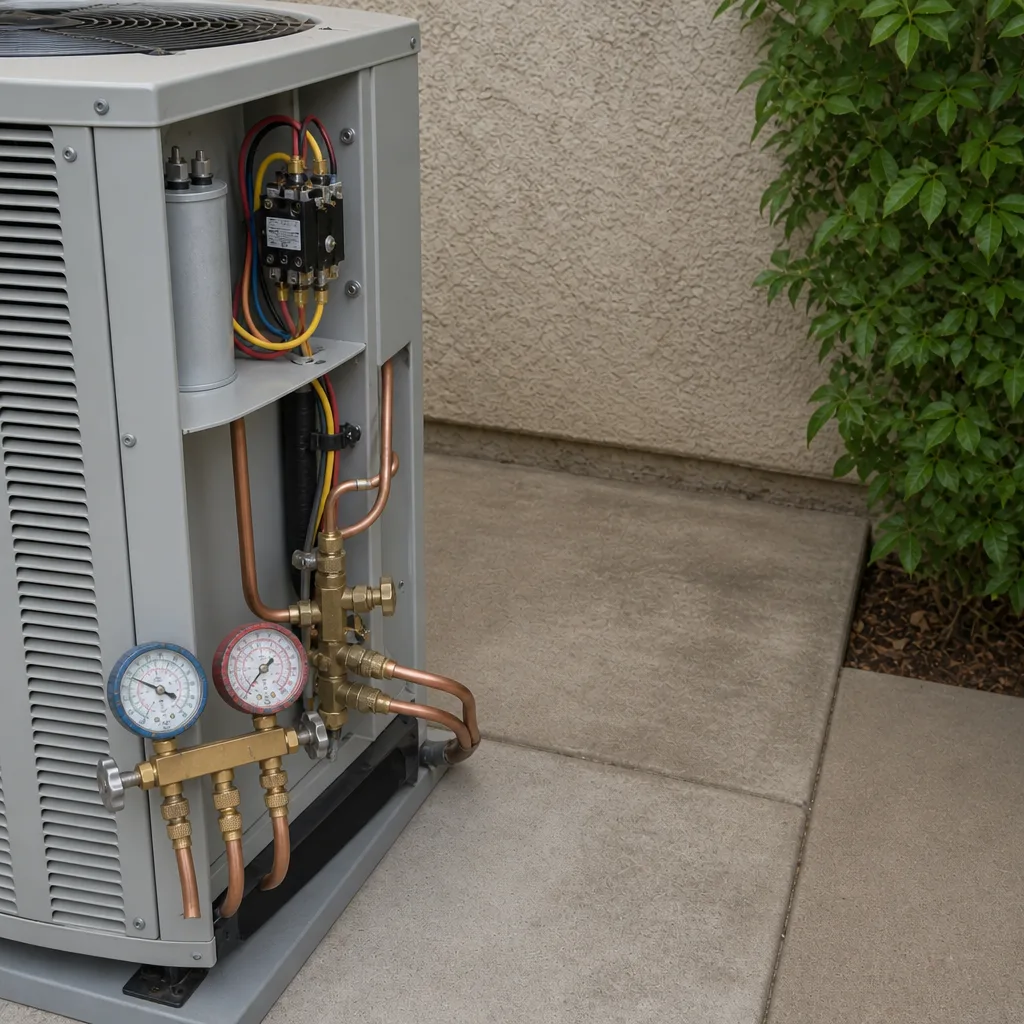
- Do NOT open the electrical panel or the outdoor unit. Capacitors, contactors, and compressor terminals carry lethal voltage, and the outdoor disconnect may still be live. This is a professional’s job, full stop.
- Do NOT add refrigerant or “top off” the system yourself. Refrigerant handling is regulated, and a system that’s low is leaking. Guessing at the charge makes the real repair more expensive.
In the meantime, close blinds and curtains on the sunny side, run ceiling and box fans, and move occupants to the coolest room in the house. If the indoor temperature is climbing past 90°F and there’s no relief, going somewhere cool is not overreacting. We would rather you be comfortable and safe than wait in a hot house.
What to Look for in an Emergency HVAC Contract Before You Need One
Emergency service agreements work best when they’re arranged in advance. Signing up in the middle of a crisis is how people end up with vague promises and surprise overtime charges. Look for these markers before you commit:
- Live person on the phone, 24 hours. A voicemail tree at 2 a.m. is a red flag. When your system fails in Mesquite in July, you need a human, not a callback form.
- Upfront pricing in writing. The price quoted should be the price paid. Overtime charges should be spelled out, not revealed at the door.
- A written guarantee on the repair. Our 90-Day Done Right Promise means if it isn’t done right, we make it right, in writing, no arguing. Look for a real written guarantee, not a verbal promise.
- Background-checked, uniformed technicians. The people entering your home or business should be vetted and identified.
- Clarity on what’s included. Know what the agreement covers for residential and commercial properties, and what’s an add-on.
We handle scheduling by phone, which is how most of our long-tenure customers prefer it. It’s straightforward: you call, a person answers, and you get a time and a price. That is the whole contract. When you’re ready to set up a plan, our team at Fireside Heating & Air Co. Mesquite home can walk you through it, and any written estimate we provide is eligible for a free second opinion.
Mesquite Permitting and Code: How It Affects Repair Timelines
Residential repairs like a compressor replacement or a blower motor swap usually don’t need a permit. Larger commercial work often does, and that changes the timetable for a business owner. In Mesquite, commercial HVAC work that involves new equipment, duct changes, or electrical service modifications typically needs a permit from the city’s building department, and the scope of the work determines how long that takes.
What you should plan for on the commercial side:
- Permit review adds days to the calendar, so a commercial repair that needs a permit is not a same-day fix. Build that into your expectations.
- Changeouts trigger more paperwork than repairs. A like-for-like part swap is simpler than a new rooftop unit, which involves plan review, electrical, and sometimes structural considerations.
- Code compliance is inspected, not assumed. Economizers, ventilation, and electrical disconnects all get checked on commercial jobs, and the inspection may need scheduling.
The practical upshot: an emergency commercial repair in Mesquite may be triaged to restore cooling safely while the permitted work gets scheduled. That’s a legitimate approach, and it’s one reason to have a relationship with a company that knows the local process. For commercial repairs, a licensed contractor handles the permitting side so you’re not learning the city’s procedures in the middle of a heat wave.
Commercial Stakes: Downtime Costs Beyond the Repair Bill
For a Mesquite business, an HVAC failure in July isn’t only about the repair invoice. It’s about the walk-in cooler, employee heat exposure, customer walkouts, and the message it sends. A restaurant near Mesquite Boulevard that loses cooling on a Friday afternoon has more than a hot dining room; it has a potential food-safety problem and a lost weekend of revenue.
We advise commercial clients to think in three lanes:
- Protect people and product first. Move perishables, get employees into cooler space, and close if the heat becomes unsafe.
- Freeze the scene and call. Note the failure mode, don’t attempt repairs beyond the breaker and filter check, and call for service with the equipment make and model in hand.
- Plan the real fix. Once cooling is restored, look at the underlying cause. A packaged unit that drops out repeatedly usually has one core fault, not five. Fixing the root is cheaper than a string of emergency calls.
The commercial systems we service most often carry national brands like Carrier, Trane, and Lennox, and those platforms share common failure points. Knowing which one you’re dealing with speeds up the diagnostic. When the immediate crisis is handled, the next step is a planned AC repair or replacement in Mesquite that addresses the cause instead of the symptom.
Pre-Season Checks That Prevent Most Emergencies
Most emergency calls we get in Mesquite are the result of a small problem that was ignored until it got loud. A pre-season tune-up is the cheapest insurance against a mid-summer failure.
- Clean or replace the filter every 1 to 3 months during heavy cooling season. In dusty Mesquite summers, err toward monthly.
- Clear vegetation and debris around the outdoor unit so it can shed heat. A condenser that can’t breathe works harder and fails sooner.
- Have the system checked before June. A tune-up catches weak capacitors, low refrigerant, and dirty coils while they’re still cheap to fix. Our AC repair and installation service in Mesquite offers seasonal tune-ups at a flat price, and our current $89 Seasonal Tune-Up is a straightforward way to do it.
- For commercial equipment, schedule the check in spring before the cooling load peaks. Rooftop units that get a spring check rarely fail at the worst moment.
- For heating, service the furnace in fall. The same logic applies, and our heating and furnace service in Mesquite covers the desert temperature swings that catch homeowners off guard.
- Consider a heat pump or mini-split for additions or shops. These handle the Mesquite climate well and often have fewer components to fail. See our heat pump and mini split information in Mesquite for the details.
Common Mistakes to Avoid
- Waiting for the house to “cool down on its own.” In a Mesquite July, indoor temperatures rise faster than most people expect. Waiting two hours can turn an inconvenience into a health risk.
- Opening the electrical panel or outdoor unit. This is the single most dangerous thing a homeowner can try. Live voltage and refrigerant are not DIY territory, and it can turn a repair call into a serious injury.
- Topping off refrigerant at the first sign of trouble. A system that’s low is leaking. Adding refrigerant without fixing the leak just delays the inevitable and costs more.
- Calling the first number on the search results page. That often means a call center, not a local company. Ask if a live person answers, whether the price is upfront, and what the written guarantee covers.
- Skipping the filter change. It sounds trivial, but a clogged filter is the most common preventable cause of a summertime breakdown, and it’s the cheapest fix there is.
- Signing a commercial service agreement without reading what’s covered. If the agreement doesn’t spell out emergency response, overtime, and what’s included, ask before you sign.
- Assuming a commercial repair is a same-day job. Permits and inspections add time in Mesquite. Plan the permitted work around the calendar, not in a panic.
See the difference
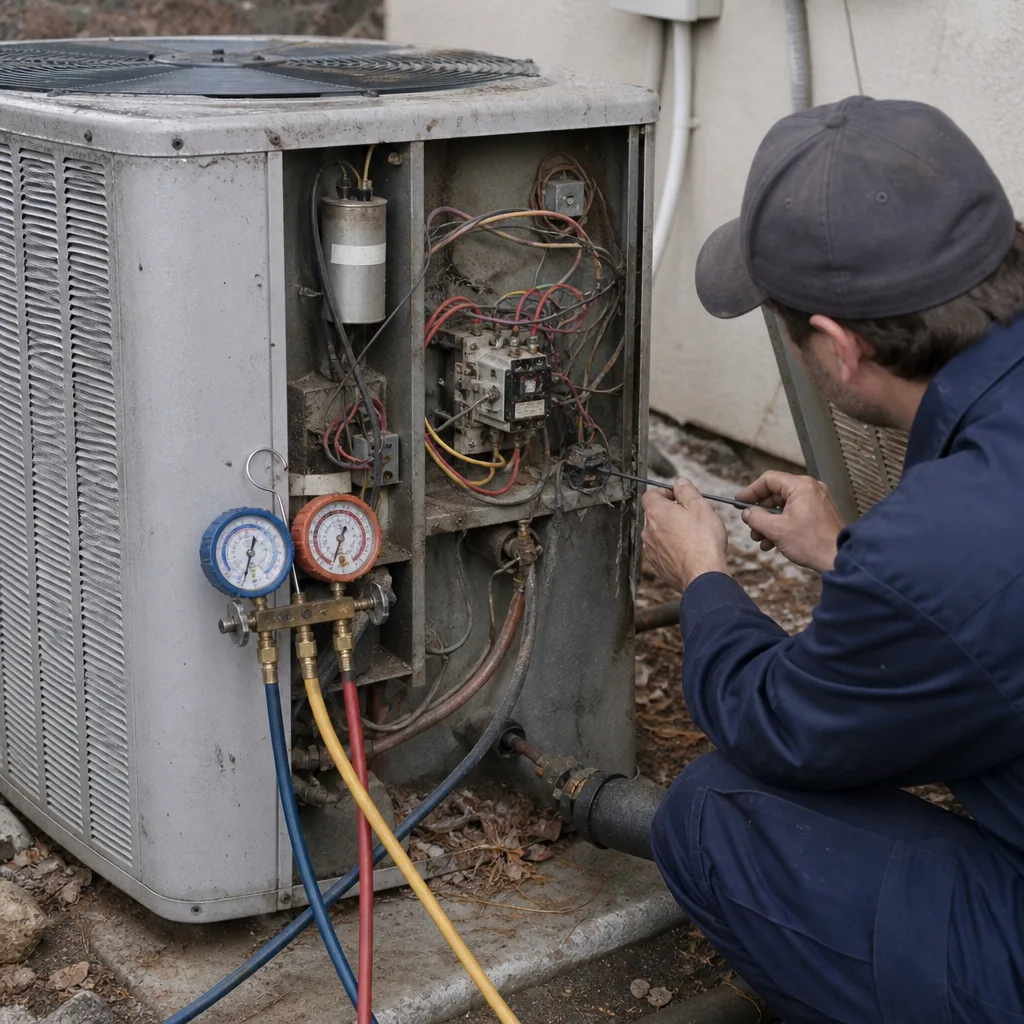 Before
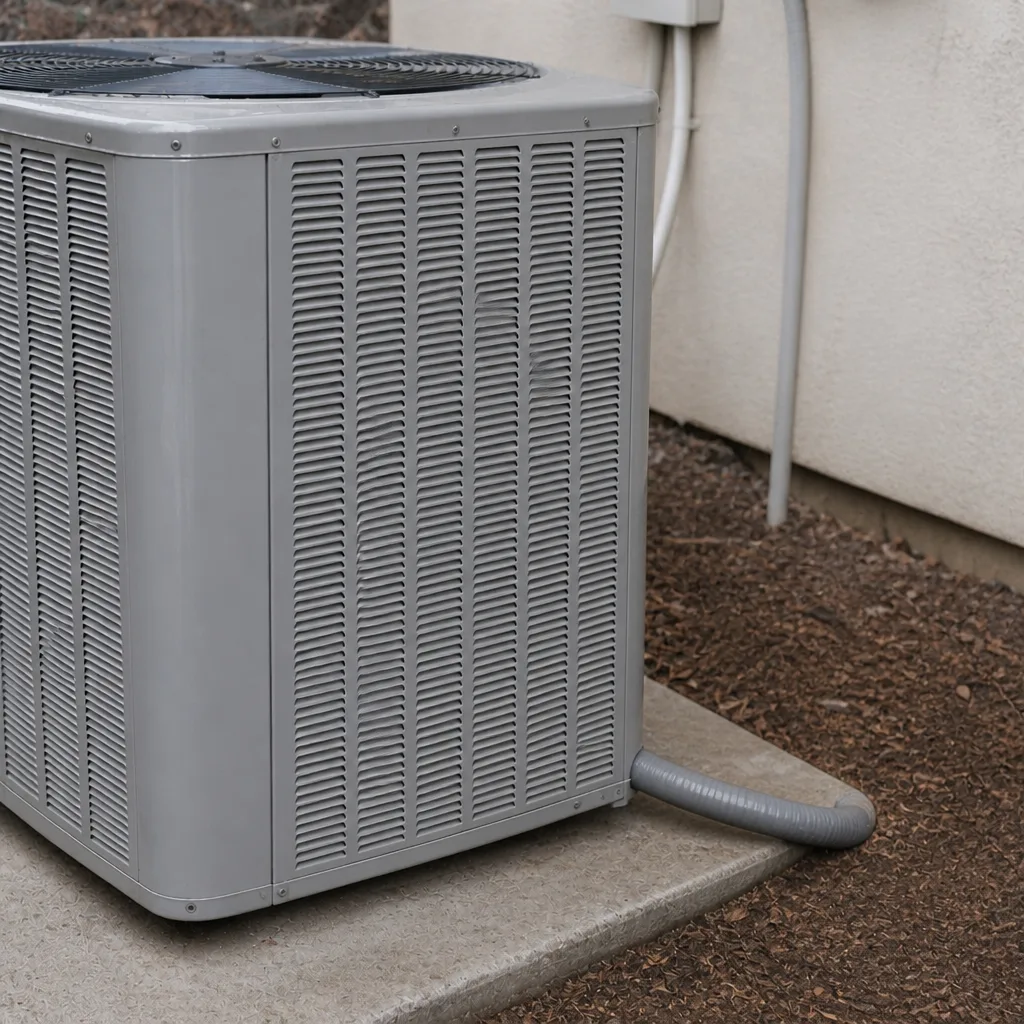 After
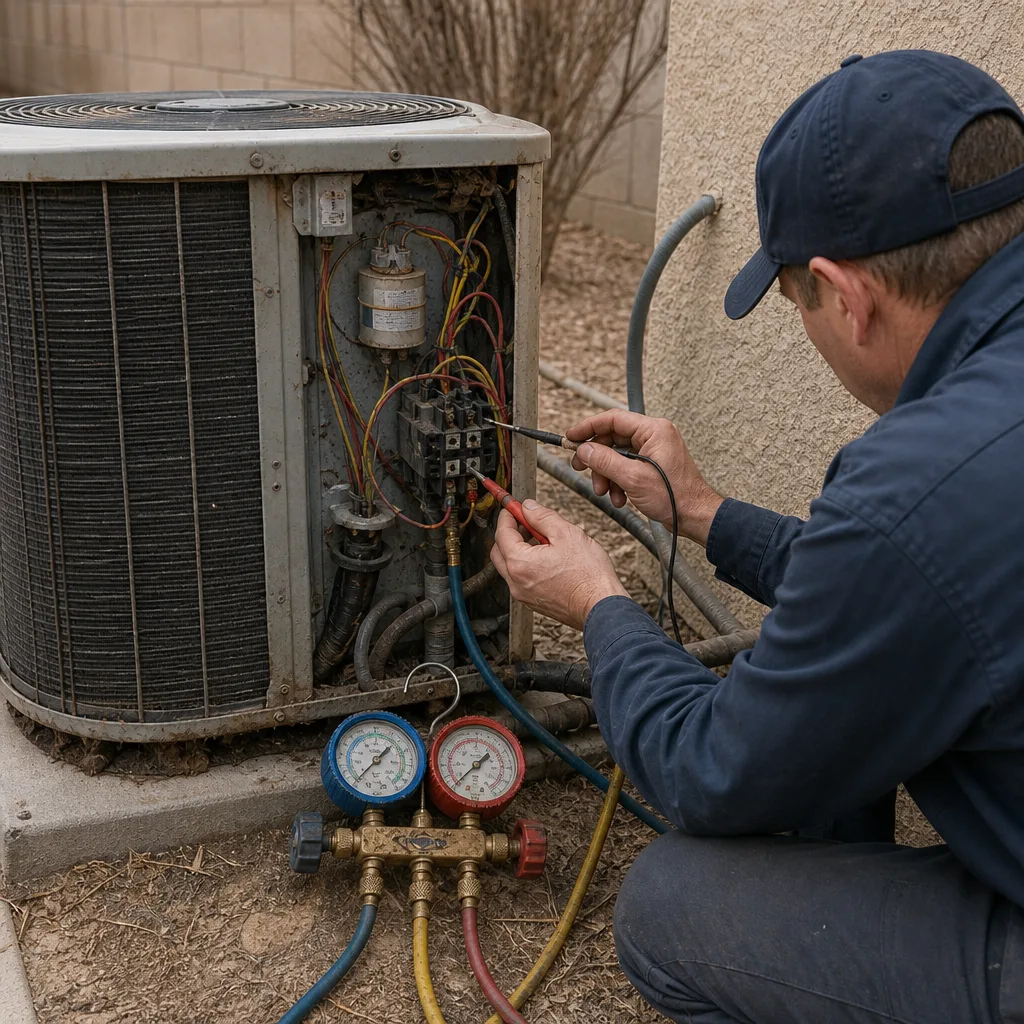 Before
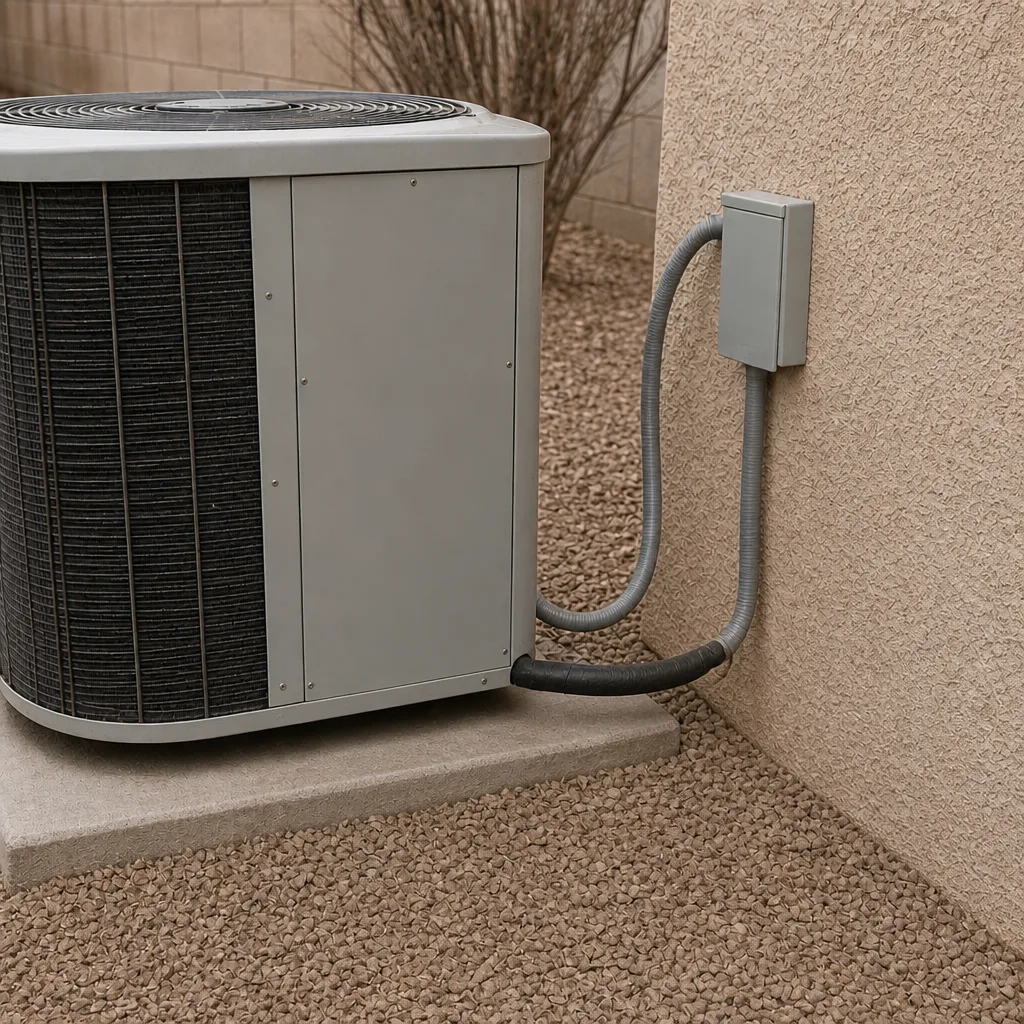 After
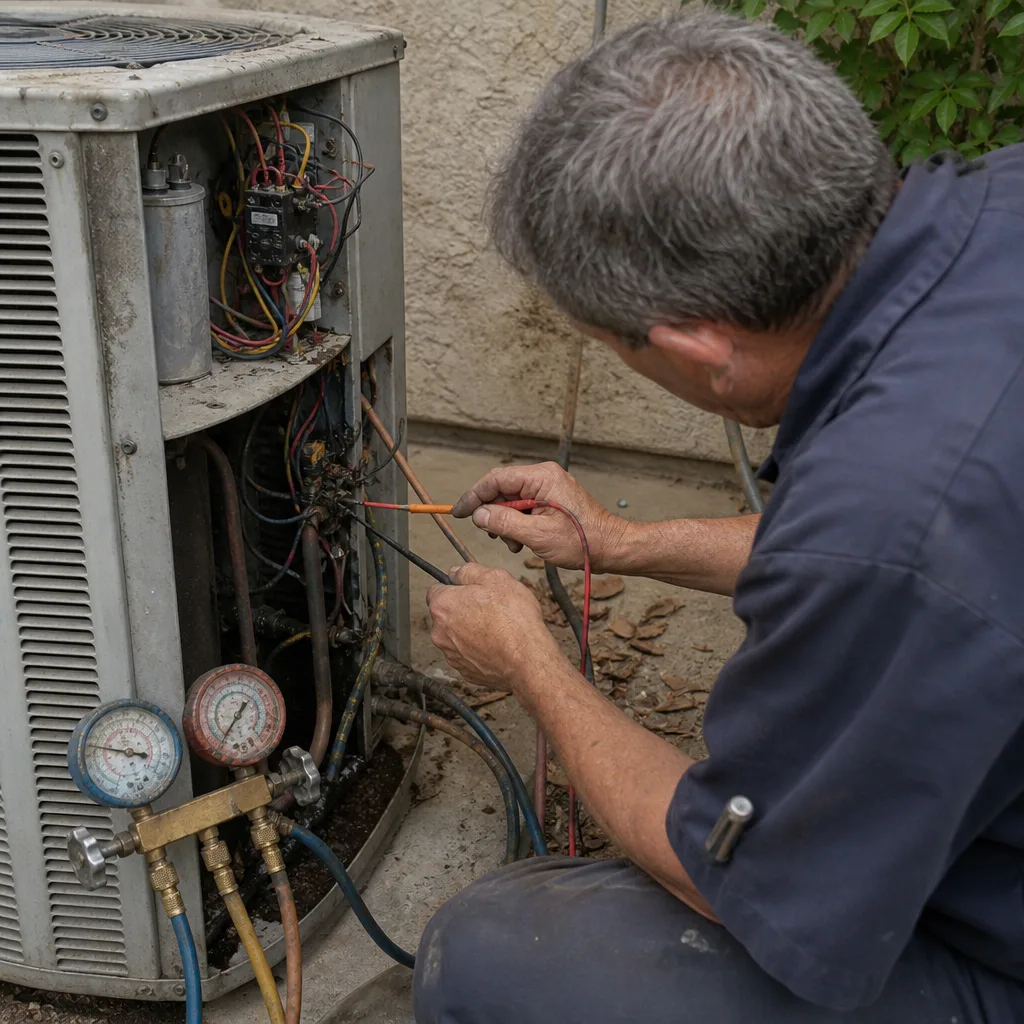 Before
 After
When to Call a Professional
Call a professional when the breaker trips more than once, when there’s a burning smell, when ice forms on the refrigerant lines, when the outdoor unit won’t start, or any time the indoor temperature is climbing past 90°F with vulnerable people in the home. For commercial systems, call the moment you see a partial failure, a walk-in cooler struggling, or an RTU that’s cycling oddly. Those are the calls that save the most money, because they catch the failure before it’s total.
Fireside Heating & Air Co. Mesquite offers free estimates in Mesquite and a live person answers every call, night or day. Call (888) 570-3601 for a free estimate. Our technicians bring up to 8 years of experience and service nine major brands, and every job is backed by our 90-Day Done Right Promise. If it isn’t done right, we make it right, in writing, no arguing.
Frequently Asked Questions
A house without working AC in Mesquite can climb into dangerous temperatures in 2 to 3 hours when outside air is above 110°F, faster if the home is poorly insulated or has large west-facing windows. The indoor temperature is the number that matters, so check a thermometer rather than guessing from how it feels.
An HVAC emergency in Mesquite is a failure that puts people or product at risk: indoor temperatures approaching or exceeding 90°F, any failure with an elderly or medically vulnerable occupant, a commercial walk-in cooler losing temperature, or a commercial space that can’t safely stay open. In those cases, call (888) 570-3601 and a live person will help you decide the next step.
You can safely check the thermostat, the breaker, and the air filter. Beyond that, no. The electrical panel, capacitors, compressor, and refrigerant lines can cause serious injury or death, and refrigerant handling is regulated. For anything past the filter and breaker, call a licensed professional.
Commercial repairs often involve permits, inspections, and equipment that requires different access and parts. In Mesquite, a rooftop unit changeout or a duct modification typically triggers plan review, while a residential compressor swap usually does not. The scope of the work is what sets the timeline, so expect more calendar time for commercial jobs that need permits.
Ask three questions before you sign anything: does a live person answer the phone 24/7, is the quote upfront and in writing, and what does the written guarantee cover. A company that answers all three has nothing to hide. When you’re ready, call (888) 570-3601 for a free estimate and a straight answer.
Repeated failures in a system that’s 12 to 15 years old usually point to replacement. A single failure on a younger system usually points to repair. Age, repair history, and the cost of the next repair versus a new system are the three numbers that decide it. Call (888) 570-3601 for a free estimate and a straight comparison, with a second opinion available on any written estimate.
The Bottom Line
Mesquite’s heat turns a broken HVAC system into a health event faster than most places in the country, and the decisions you make in the first 30 minutes matter. Know your emergency threshold. Check only the thermostat, breaker, and filter before help arrives. Never open the panel or touch the refrigerant. Set up your service relationship before the emergency: a live person on the phone, upfront pricing, and a written guarantee. On the commercial side, plan for permits and inspections and treat a partial failure as a full emergency. Done right, the system gets fixed once and you never think about it again. That’s the standard. Call (888) 570-3601 for a free estimate, day or night.
Written by the team at Fireside Heating & Air Co. Mesquite.