
Last updated November 18, 2026
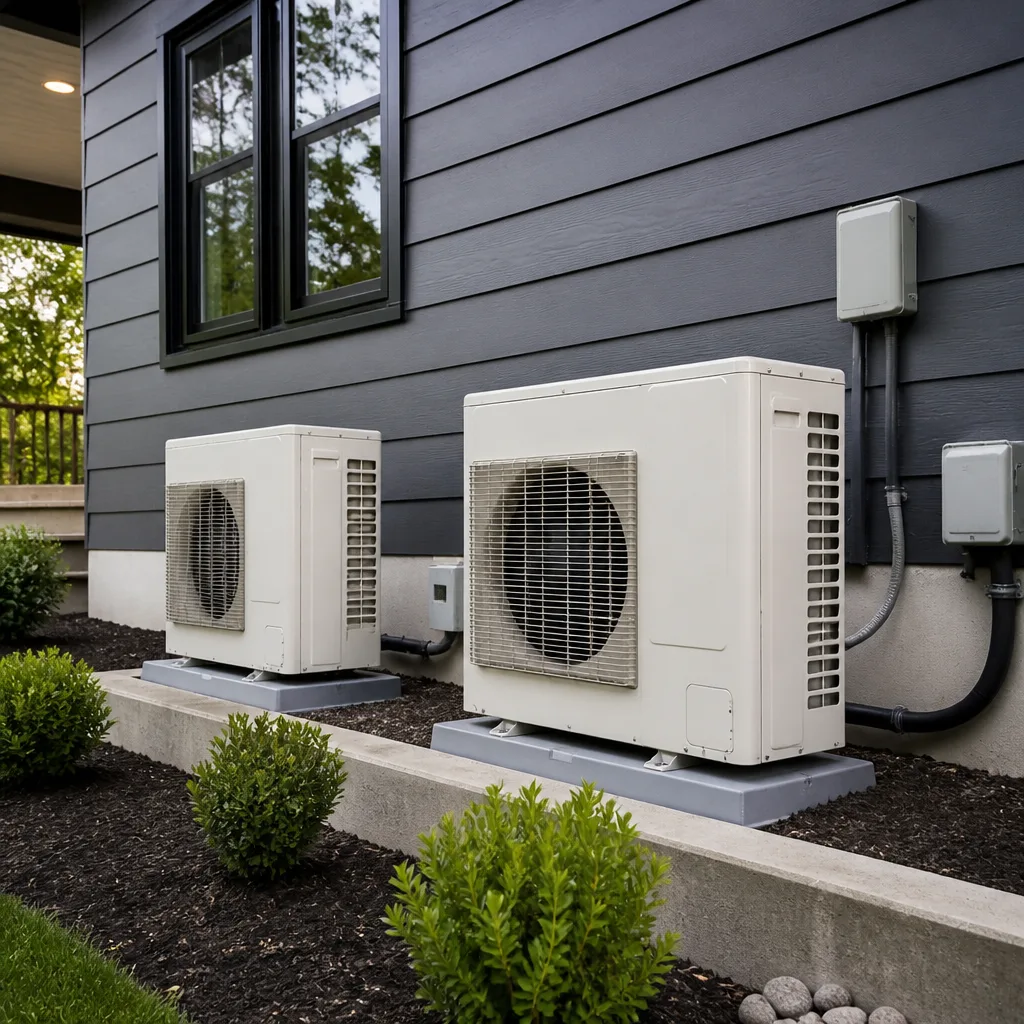 Heat pumps
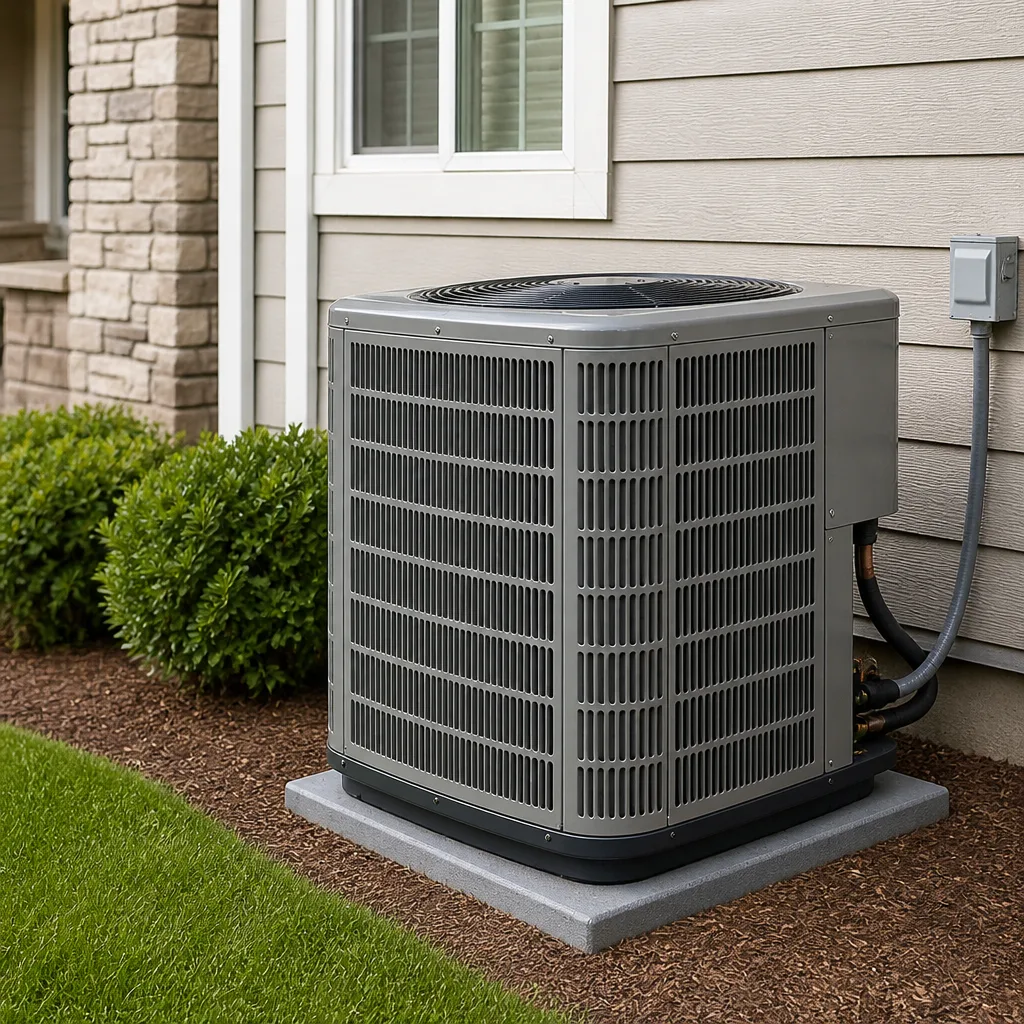 AC repair
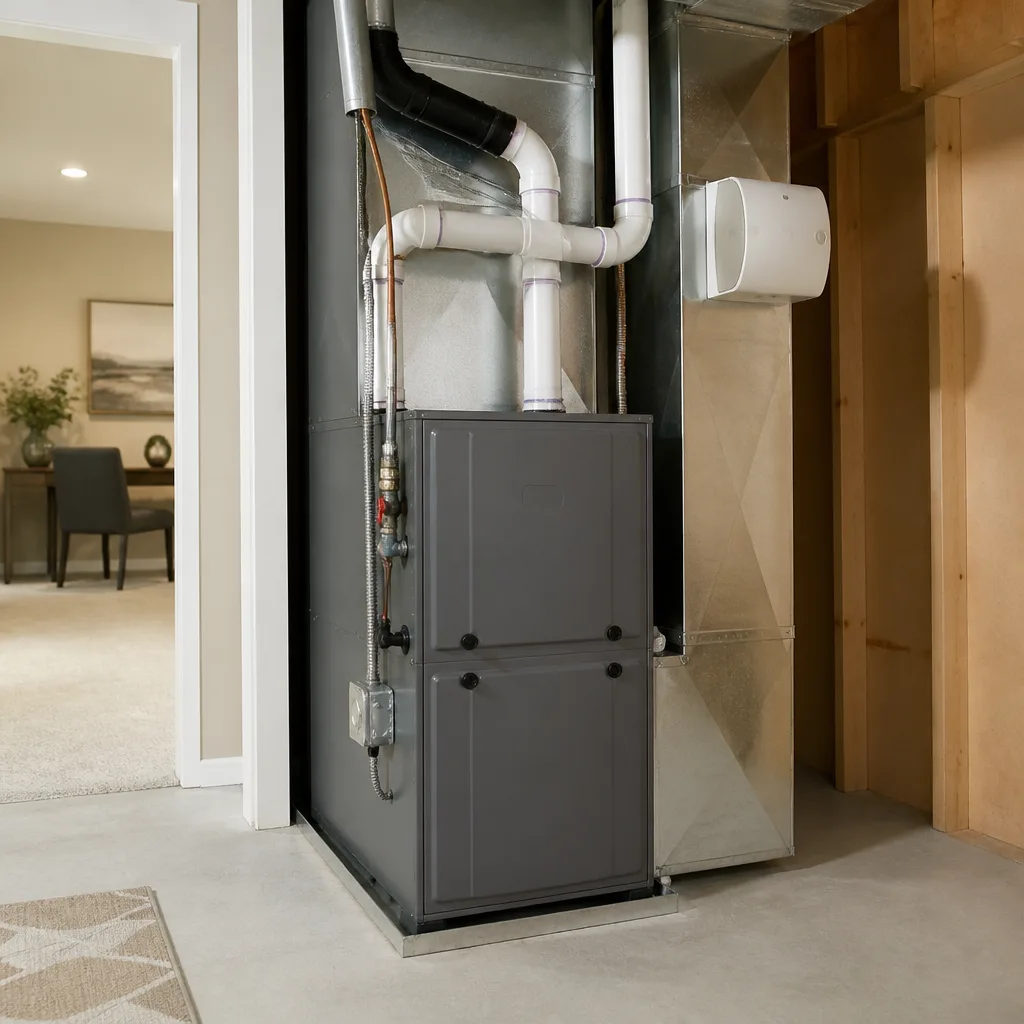 Furnace & heating
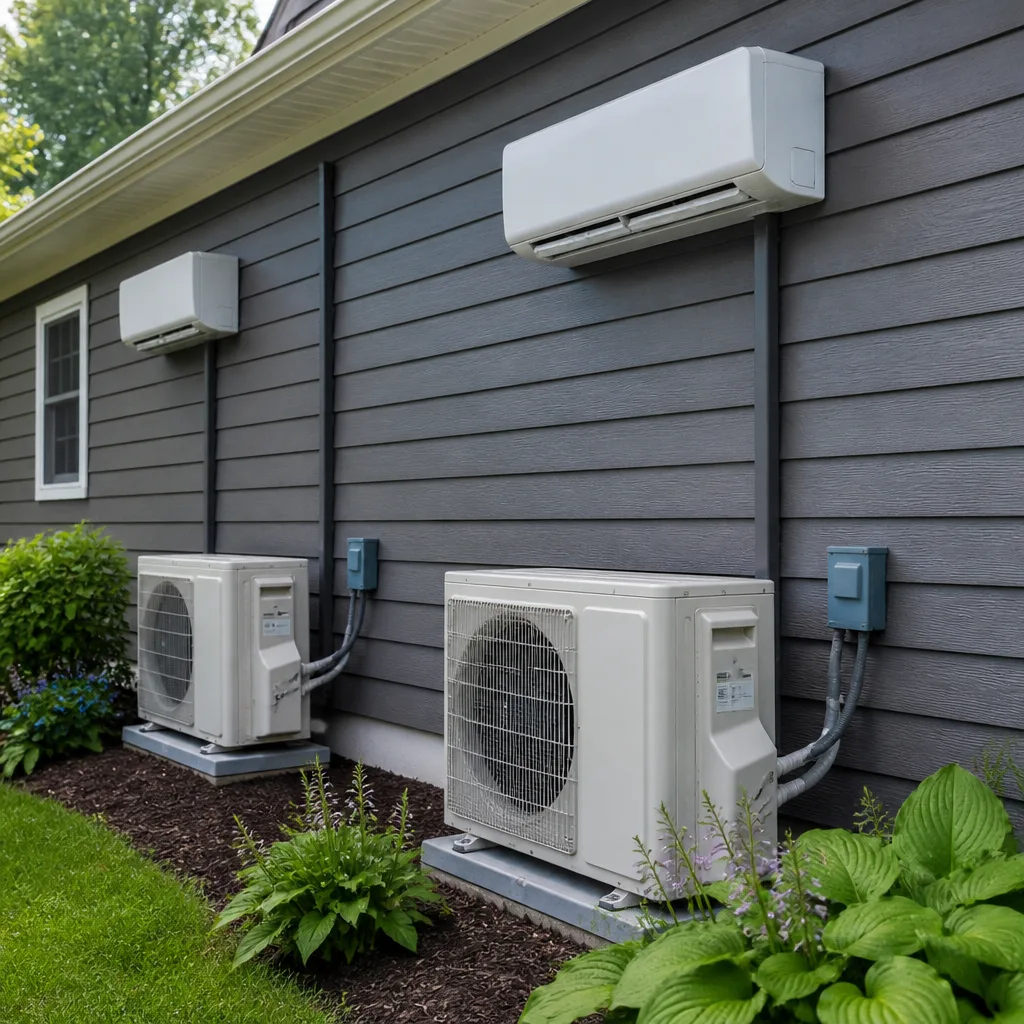 Ductless mini splits
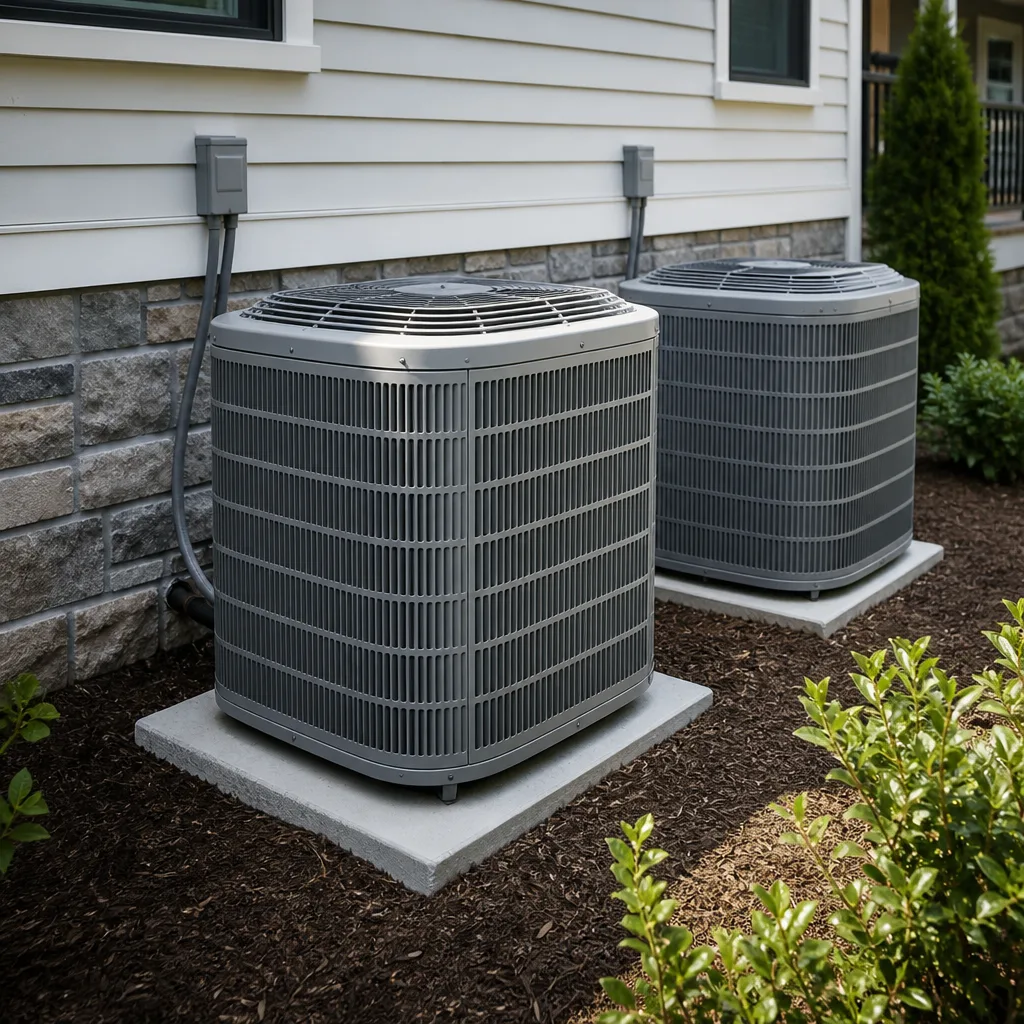 Carrier
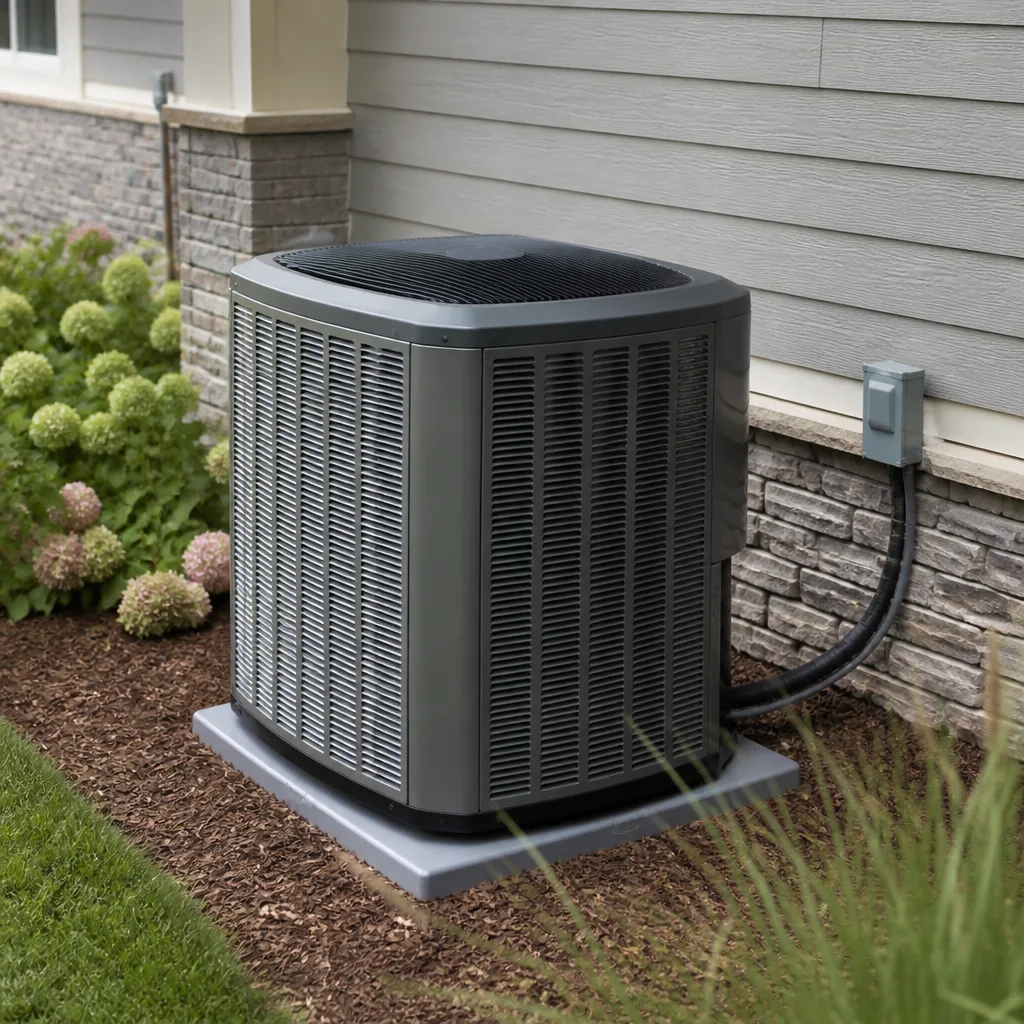 Trane
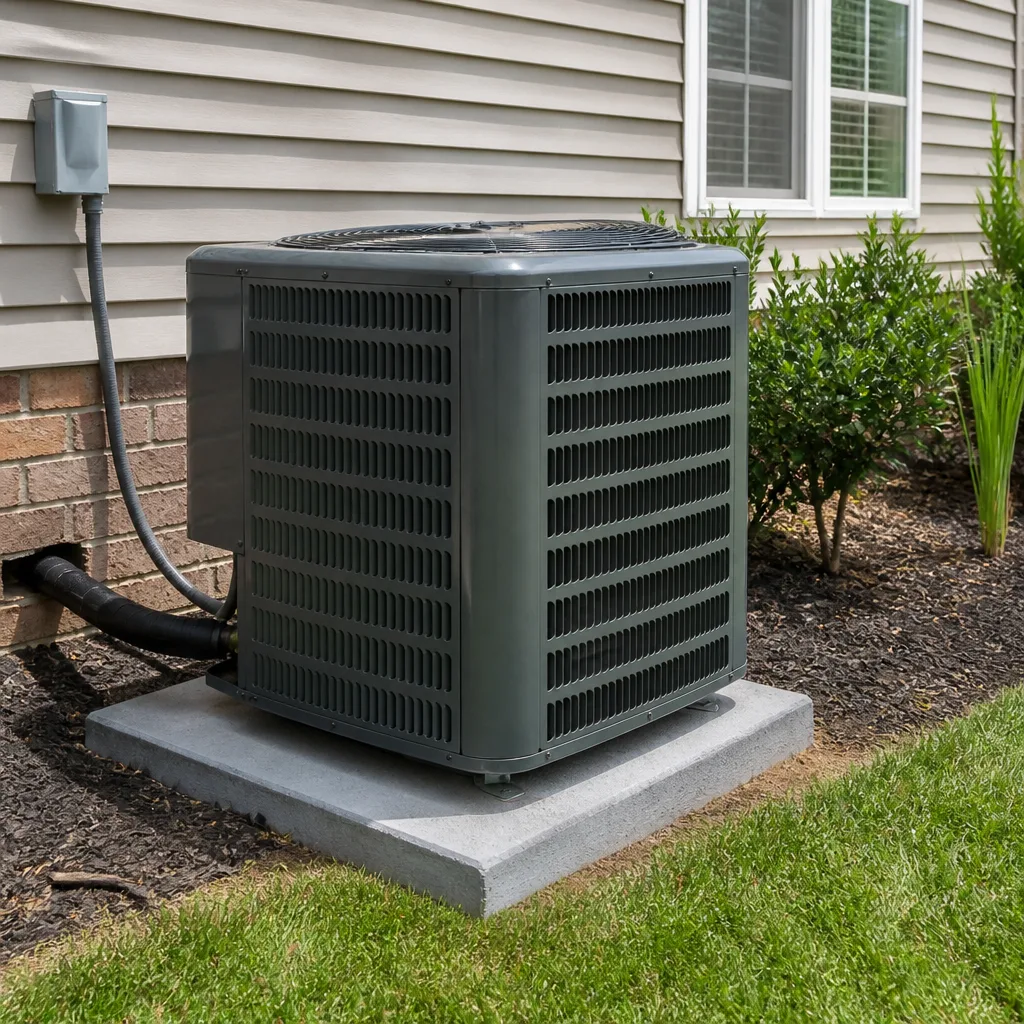 Goodman
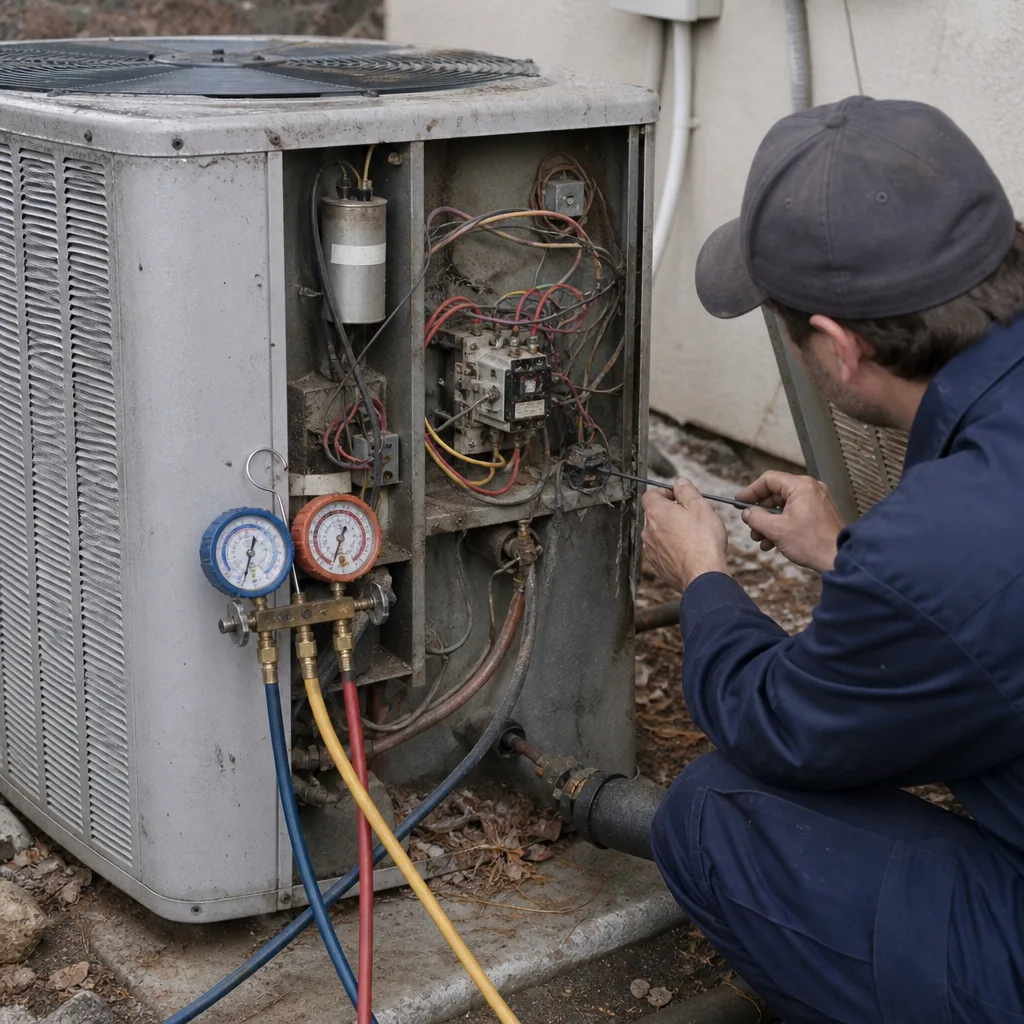
Seasonal tune-up and full diagnostic on your Carrier, Trane, or Goodman system - readings shown to you before any repair is proposed
Diagnosis first, numbers second - you approve the repair price before a single part goes in.
Get your free estimateHow Long Does Heat Pump & Mini Split Take? Timelines and What to Expect
The four-hour mini split install exists. We’ve done them. It happens when the wall is exterior wood frame, the electrical panel has a free breaker slot, and the lineset runs twelve feet through open space. That combination is rarer than the internet makes it sound. In Mesquite, where stucco over block is the standard wall and summer attic temperatures climb past 140°F, most installs take longer than a half-day, and the reasons are physical, not upsells. This guide breaks down realistic timelines by system type, explains the four variables that actually control the clock, and tells you what a proper startup and leak check should include so you know what you paid for.
Quick Answer
A single-zone mini split typically takes 4 to 8 hours of on-site labor. A two-zone system runs 8 to 12 hours, usually split across two visits. Three or more zones generally takes 1 to 3 days depending on lineset routing and panel capacity. Heat pump replacements run 6 to 10 hours for a straight swap. Add time for permitting where required, and add a separate scheduling track if your electrical panel needs an upgrade first.
Styles & brands we work with
- AC repair
- Furnace & heating
- Heat pumps
- Ductless mini splits
- Carrier
- Trane
- Goodman
Table of Contents
- Timeline by system type: single-zone, multi-zone, and heat pump
- Why wall construction changes the clock in Mesquite
- The electrical panel assessment that happens before work begins
- Lineset routing in one-story desert homes
- Startup, commissioning, and leak check: the phase you should watch for
- What goes into hanging a head unit and running the drain
- Permits, inspections, and scheduling realities in Mesquite
- Common mistakes to avoid
- When to call a professional
Timeline by System Type: Single-Zone, Multi-Zone, and Heat Pump
These three categories are not variations on the same job. They’re different jobs with different labor math, and treating them as interchangeable is how homeowners end up with a crew that promised a half-day and left at dusk.
Single-zone mini split. One outdoor unit, one indoor head, one lineset, one drain. On a favorable wall with a free breaker, this is a 4 to 6 hour job. On a Mesquite block wall with a long lineset run, it’s 6 to 8.
Multi-zone, two heads. Two indoor heads sharing one outdoor condenser. The second head roughly doubles the indoor work but not the outdoor work. Expect 8 to 12 hours, and most installers split it across two visits because the commissioning and leak check deserve a fresh start, not a tired end.
Multi-zone, three or more heads. Each additional head adds a branch box, a separate lineset, a separate drain route, and a separate wall penetration. Three heads is typically 1.5 to 2 days. Four or five heads is 2 to 3 days. If the branch box has to go in an attic with shallow clearance, add half a day.
Heat pump replacement (ducted). A straight swap of an existing outdoor unit and air handler runs 6 to 10 hours. A conversion from a gas furnace to a heat pump is a different scope entirely and usually takes 2 days because the electrical, refrigerant, and sometimes the ductwork all change.
Our technicians have up to 8 years of experience, and on systems from Carrier, Trane, and American Standard the labor pattern holds steady across brands. The system isn’t what determines the timeline. The house is.
Why Wall Construction Changes the Clock in Mesquite
Most of Mesquite is stucco over concrete block. That matters more than any other single variable in this guide.
Cutting a clean penetration through stucco over block means scoring the stucco, breaking through the wire lath, boring the block, and then sealing the penetration against both water intrusion and the fine desert dust that finds every gap. A wood-frame wall with vinyl siding takes minutes. A Mesquite block wall takes considerably longer, and the difference isn’t just time – it’s the quality of the seal. A rushed penetration through stucco is where you get hairline cracks and moisture problems two summers later.
Three wall conditions we plan around in Mesquite:
- Stucco over block, exterior wall. The most common condition. Longer penetration time, higher need for a proper sleeve and seal.
- Stucco over frame. Faster than block but still requires cutting and patching stucco.
- Interior wall routing to exterior. Sometimes the only reasonable path is a head mounted on an interior wall with the lineset running up and over. Faster on the wall, longer on the routing.
If you’re in a newer build near the Sun City Mesquite area, you may have frame construction and a shorter install. If you’re in one of the older ranch homes closer to downtown Mesquite, block is the likely answer and you should plan accordingly. Neither is a problem. They just cost different amounts of time.
For a closer look at how we scope these jobs in this climate, see our Heat Pump & Mini Split in Mesquite page.
The Electrical Panel Assessment That Happens Before Work Begins
Before anyone hangs a head unit, someone should be looking at your electrical panel. This step is skipped by installers who want to quote a half-day and get moving, and it’s the single most common reason a mini split install turns into a two-week ordeal.
Here’s the sequence, in order:
- Confirm available amperage. A single-zone mini split typically needs a dedicated 15 to 30 amp circuit depending on the unit. Multi-zone and heat pump systems need more.
- Count open breaker slots. No open slots means either a tandem breaker substitution (if the panel supports it) or a subpanel.
- Check panel age and bus rating. Older 100-amp panels in some Mesquite homes may not have headroom for a new dedicated circuit without an upgrade.
- Verify the disconnect location. Code requires a service disconnect within sight of the outdoor unit. If the placement isn’t obvious, this is a planning item.
- Schedule electrical separately if needed. Panel work runs on a different track and a different set of hands than HVAC work. If your panel needs an upgrade, that happens first, on its own day, with its own inspector.
We’ve seen this play out enough times to say it plainly: if your installer doesn’t ask about the panel before scheduling, ask them to. It’s the difference between a crew that arrives ready and a crew that arrives and then leaves to find a breaker.
Lineset Routing in One-Story Desert Homes
Mesquite is full of single-story homes. That’s a wonderful thing for living in and an occasionally difficult thing for running refrigerant lines.
The lineset is the insulated pair of copper lines that carries refrigerant between the indoor head and the outdoor condenser. It has a maximum length (typically 25 to 50 feet depending on the unit) and a maximum vertical rise. Within those limits, the shortest, cleanest route wins. Outside those limits, you’re looking at a different system configuration.
The routing problem in Mesquite specifically:
- Attic clearance. Many single-story homes here have shallow attics with blown-in insulation and limited walking room. When the lineset has to route through the attic, our installers are working in a space that can hit 140°F or higher in July. Work in that environment has to be paced, and it takes longer than a route through open crawl or a straight exterior run.
- Through conditioned space. When the only path runs through a closet, a hallway soffit, or a mechanical chase, the lineset has to be sleeved, insulated, and hidden. That adds finish work that has to look right when the job is done.
- Exterior wall routing.
- Vertical rise limits. A second-story head mounted far above the condenser may exceed the manufacturer’s rise limit. This changes the plan.
Sometimes the cleanest path is outside the house in a line hide cover. Faster, but visual. Some homeowners accept it, some don’t. Worth discussing before the crew arrives.
The lineset distance and route are two of the four variables a formal site visit resolves. Call (888) 570-3601 and we’ll send someone out to lay eyes on the actual walls before anyone quotes a timeline.
Startup, Commissioning, and Leak Check: The Phase You Should Watch For
This is the part of the install most homeowners can’t see, and it’s the part that determines whether the system is still running well five summers from now.
After the lineset is run, the heads are hung, the drains are in, and the electrical is connected, a proper install does the following before the technician drives away:
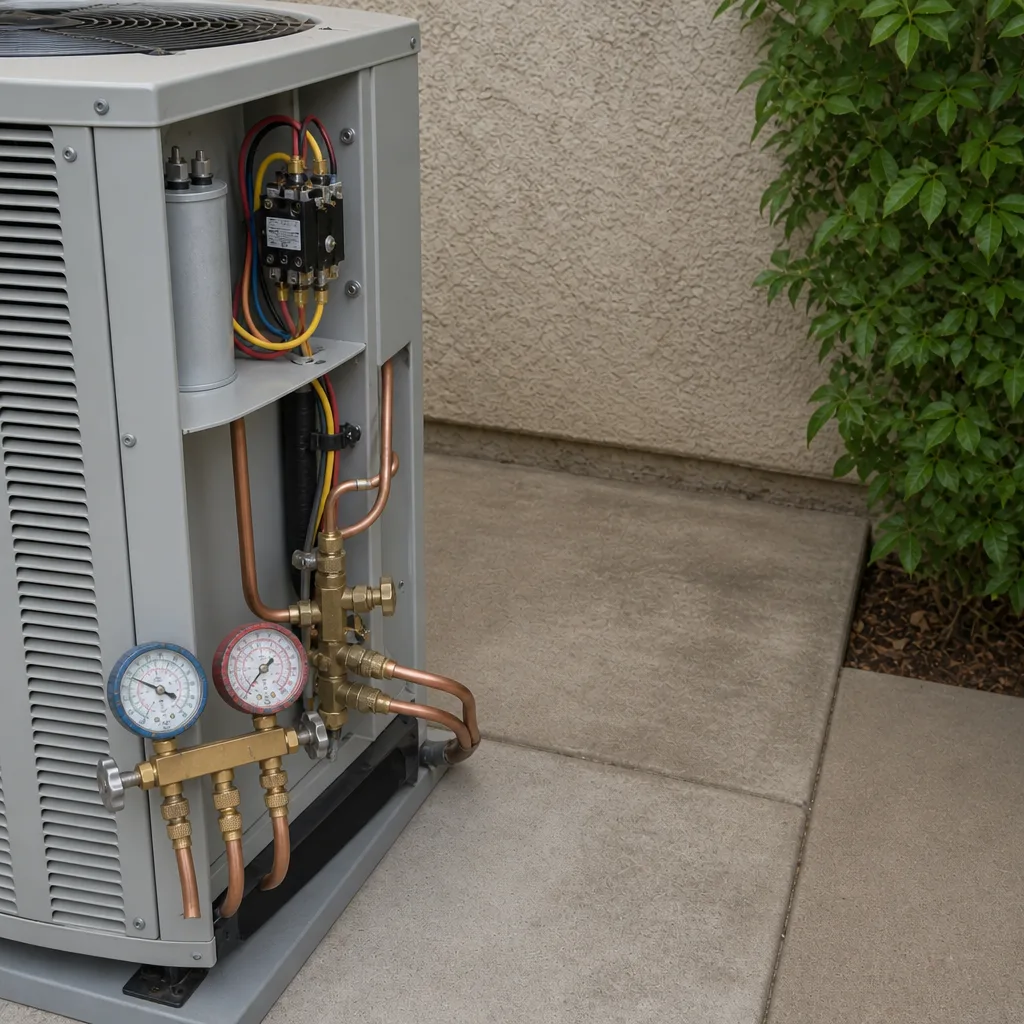
- Pressure test with dry nitrogen. The system is pressurized and held. This is how leaks in the brazed joints and flare connections get caught while they’re still fixable.
- Vacuum to a target micron level. Moisture in a refrigerant system is a slow death. Proper evacuation pulls the system down to a specified vacuum and holds it there for a set period.
- Weigh in or charge to spec. Refrigerant is either weighed in to the manufacturer’s specified charge or adjusted based on lineset length. “Close enough” is not a charge specification.
- Verify drain flow and pitch. Condensate drains have to slope. A drain that runs uphill will eventually back up, and in a Mesquite summer the unit runs long enough to find that out fast.
- Run the system through a full heat and cool cycle. Confirm the unit responds to thermostat commands, that the head is producing the expected temperature differential, and that the outdoor unit is behaving.
- Confirm the low-voltage controls and any remote or app integration.
A technician who skips the pressure test and the vacuum is not saving you time. They’re handing you a system with an unknown clock ticking inside it. We treat every install this way because the alternative – coming back on a 110°F day to find a leak you should have caught on install day – is not a good use of anyone’s time. It’s also why every job we do is backed by the 90-Day Done Right Promise, in writing, no arguing.
What Goes Into Hanging a Head Unit and Running the Drain
The head unit is the part you see on the wall. It’s the fastest part of the job when the wall is ready and the slowest part when it isn’t. On a clear interior wall, mounting the plate, boring the penetration, hanging the head, and connecting the lineset typically takes one to two hours per head. On a block wall, add time for the penetration and seal.
The condensate drain deserves its own mention. Mini split heads produce condensate, and the drain has to run somewhere – outdoors, to a receptacle, to a condensate pump if gravity won’t carry it. In Mesquite’s dry climate the condensate volume is generally lower than in humid parts of the country, but the drain still has to be right. A drain that runs level, or uphill, or into a spot the homeowner can’t reach for maintenance, is a future repair. When you’re planning, ask where the drain will go. It’s a fair question and a good sign if your installer already has an answer.
The other thing that matters here: where the head sits on the wall. A head mounted too close to a ceiling gets poor airflow. One blowing directly at where you sit eats into the comfort the system was supposed to deliver. These aren’t time-consuming decisions but they are decisions, and they should be made before the crew is holding a level.
Permits, Inspections, and Scheduling Realities in Mesquite
Permit requirements vary by jurisdiction and by scope of work. A like-for-like mini split replacement may not need one; a new installation with new electrical often does. Rather than guess, the right move is to ask directly: “Is a permit required for this job, and who’s pulling it?” The answer should be clear and you should see the permit on file before work begins.
What permitting realistically adds to a timeline:
- Permit application and issuance: typically a few business days, sometimes longer depending on the jurisdiction’s current workload.
- Scheduling around permit issuance: work generally cannot begin before the permit is issued, so the install date shifts to match.
- Inspection scheduling after completion: usually a few days to a week or more, depending on the inspector’s calendar.
None of this is a reason to skip the permit. It’s a reason to plan honestly. A project that includes a permit is a one to two week project end to end on the calendar, even if the on-site labor is only a day and a half.
Scheduling pressure in Mesquite peaks in late spring and early summer, when the first 100°F weeks remind everyone that last summer’s portable unit wasn’t a long-term plan. If your install is going to land in that window, book early. The calendar fills. If you’re trying to time this against other work, our AC Repair & Installation in Mesquite page covers how we sequence cooling projects, and if you’re also looking at heating-side upgrades, the Heating & Furnace in Mesquite page lays out the counterpart scope.
One more thing worth saying plainly: heat pumps and mini splits have no user-serviceable components inside the refrigerant circuit. The refrigerant circuit operates under pressure and is not a DIY component. The safety guidance here is straightforward – don’t open the system to “check” it, and don’t let an unlicensed handyman attempt a charge adjustment or a refrigerant connection. That’s how people get hurt and how systems get prematurely ruined.
Common Mistakes to Avoid
- Accepting a four-hour quote without a site visit. A quote that isn’t based on the actual wall, attic, and panel is a guess. It’s fine to ask for a phone quote, but ask whether the timeline will hold after the crew arrives.
- Skipping the panel assessment. If your electrical panel doesn’t have the capacity for the new circuit, the whole schedule shifts. Ask about the panel before you sign.
- Not asking where the drain goes. A drain that runs to a spot you can’t service is a maintenance problem waiting to happen. Ask where it terminates.
- Assuming the longest lineset route is fine. Every mini split has a maximum lineset length and vertical rise. Beyond those limits, the plan has to change. Confirm the route against the spec.
- Booking a summer install in June. Mesquite install calendars peak in May and June. If you wait until the heat arrives to schedule, you’ll be booking into a fuller calendar than you would have in March.
- Letting a crew skip the vacuum and pressure test. Ask what the pressure hold target is and what vacuum level the system is pulled to. A technician who can answer confidently and quickly is a technician who does it every time.
- Forgetting to ask about the permit. If a permit is required for your scope and nobody pulled one, that’s on you as the homeowner at resale. Confirm it in writing.
See the difference
 Before
 After
 Before
 After
 Before
 After
When to Call a Professional
Call us when you’re planning a new heat pump or mini split installation and you want a real timeline, not a guess. Call when your existing system has developed a refrigerant leak and you’re deciding between repair and replacement. Call when your electrical panel has you worried, or when an installer quoted a four-hour window without ever walking your attic. Call when you’ve been let down by a previous contractor and you want a written guarantee behind the work. And call on the 110°F day when the system quits, because we answer the phone around the clock. Fireside Heating & Air Co. Mesquite offers free estimates in Mesquite – call (888) 570-3601.
Frequently Asked Questions
A single-zone mini split in Mesquite typically takes 4 to 8 hours on-site, with the longer end reflecting stucco-over-block wall penetration and a longer lineset route. Multi-zone systems run 8 to 12 hours for two heads and 1.5 to 3 days for three or more heads. Call (888) 570-3601 for an exact timeline based on your walls and panel.
Yes, for a single-zone system on a favorable wall with a free breaker slot, a single day is realistic. Multi-zone systems and any job that requires electrical panel work generally land on 2 to 3 days. Our technicians have up to 8 years of experience and will tell you honestly which category your home falls into before you commit.
It depends on the scope and the jurisdiction. New installations with new electrical circuits usually require a permit; like-for-like replacements sometimes don’t. Ask the installing company directly whether a permit is required for your job and who is pulling it. Permitting typically adds a few business days before work begins and a few more after completion for inspection.
A mini split needs a dedicated circuit sized to the unit’s specifications, typically 15 to 30 amps for a single zone. The assessment includes checking open breaker slots, confirming available amperage, and verifying a service disconnect within sight of the outdoor unit. If your panel is at capacity, an upgrade is a separate scheduling item that happens before install day.
A proper leak check includes a dry nitrogen pressure test held for a set period and a vacuum pulled to a specified micron target and held. Ask the technician what the pressure hold target was and what vacuum level was reached. If those answers aren’t ready, the check didn’t happen. We do this on every install and back it with our 90-Day Done Right Promise.
A like-for-like heat pump replacement runs 6 to 10 hours on-site. Converting from a gas furnace to a heat pump typically takes about 2 days because the electrical, refrigerant, and sometimes the ductwork all change. For a closer look at our approach to heating-side upgrades in this climate, see our Fireside Heating & Air Co. Mesquite home page.
The Bottom Line
The four-hour mini split install is real, but it depends on exterior frame construction, a free breaker, and a short lineset – conditions that don’t describe most Mesquite homes. Plan 4 to 8 hours for a single-zone, 8 to 12 hours for two heads, and 1.5 to 3 days for three or more. Add separate scheduling time for panel work and permits. Insist on a proper pressure test, vacuum, and commissioning before anyone drives away. And when the plan doesn’t hold, ask why – a good installer will tell you. Call (888) 570-3601 for a free estimate in Mesquite; we answer live, any hour, and the price quoted is the price paid.
Written by the team at Fireside Heating & Air Co. Mesquite.