
Last updated November 18, 2026
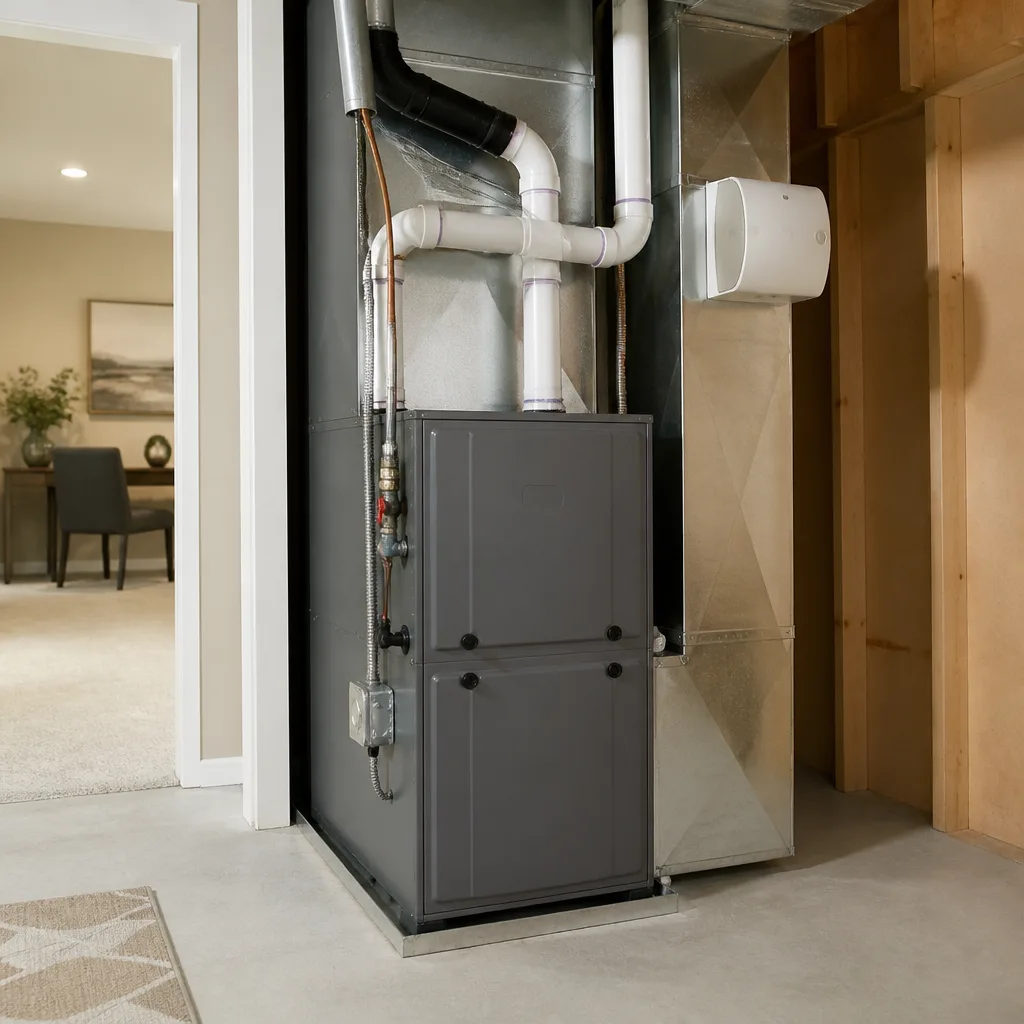 Furnace & heating
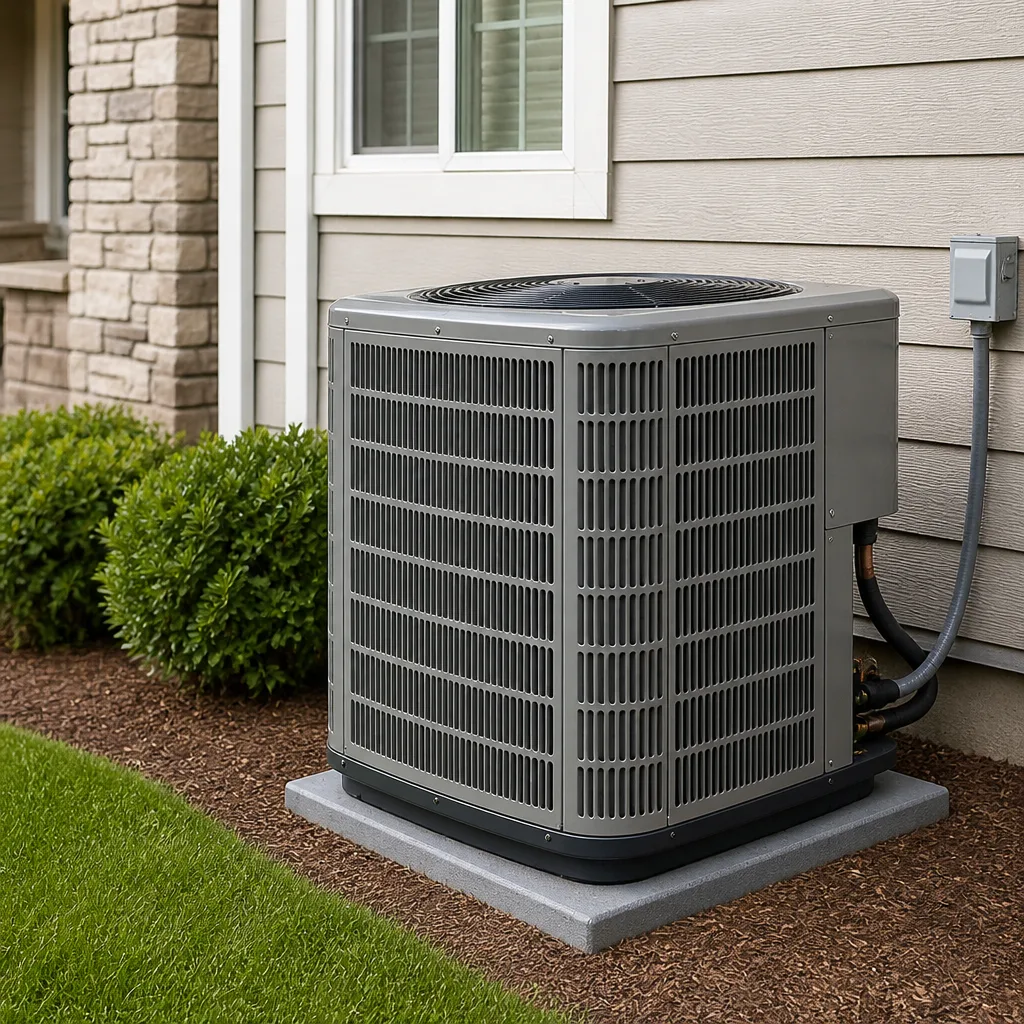 AC repair
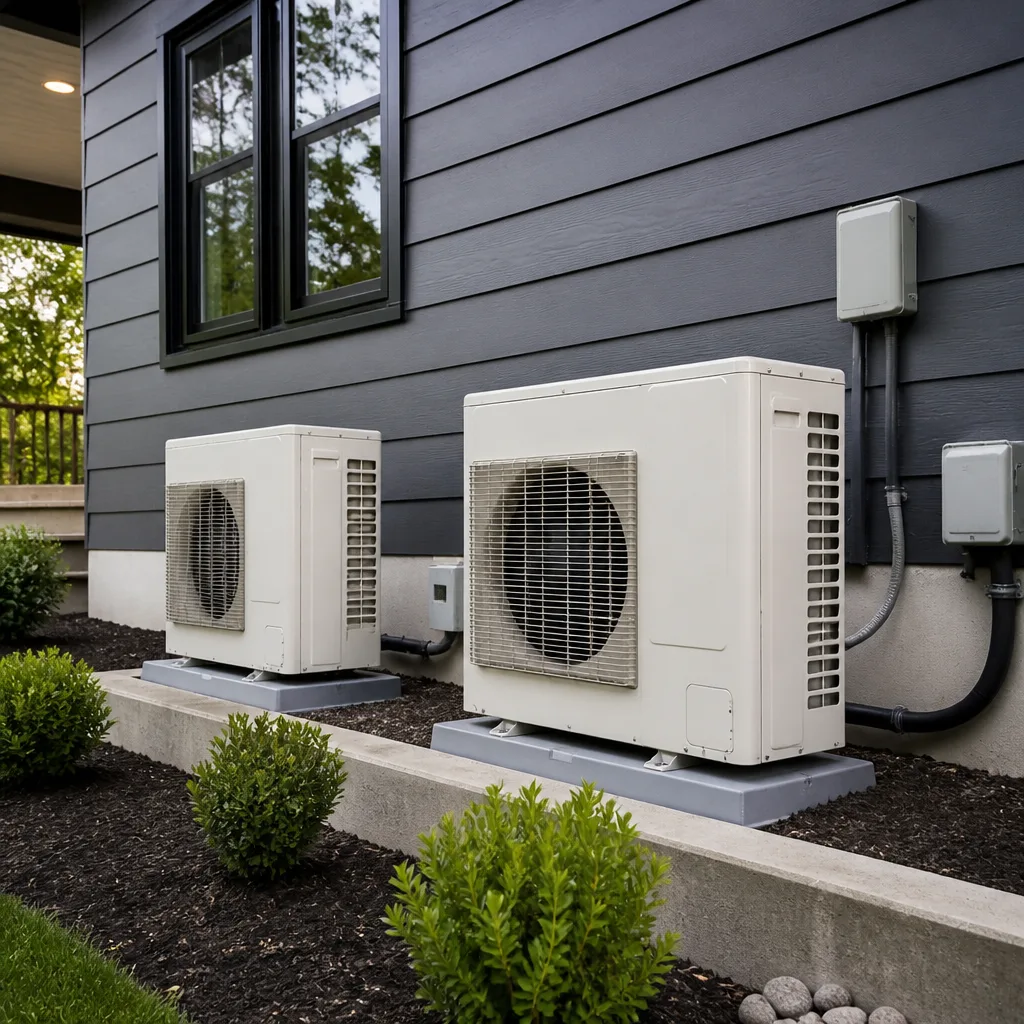 Heat pumps
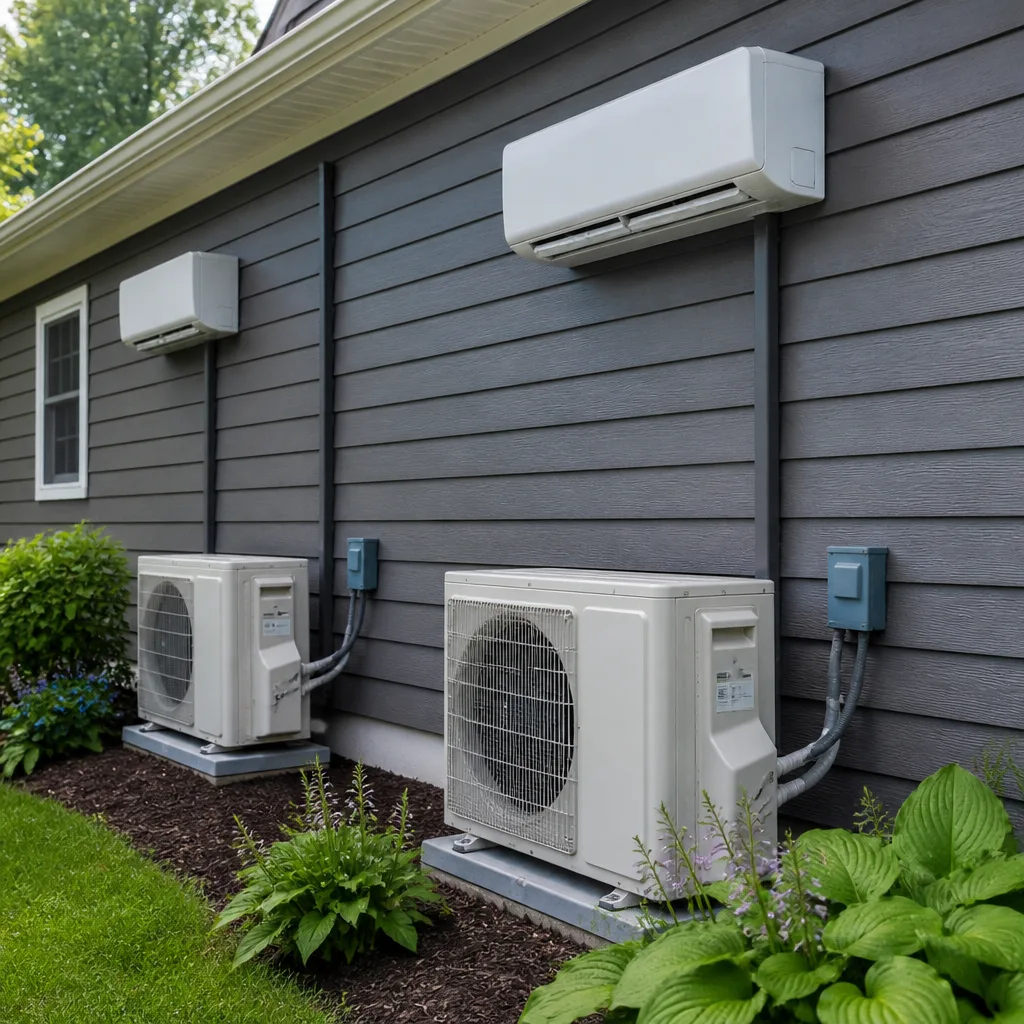 Ductless mini splits
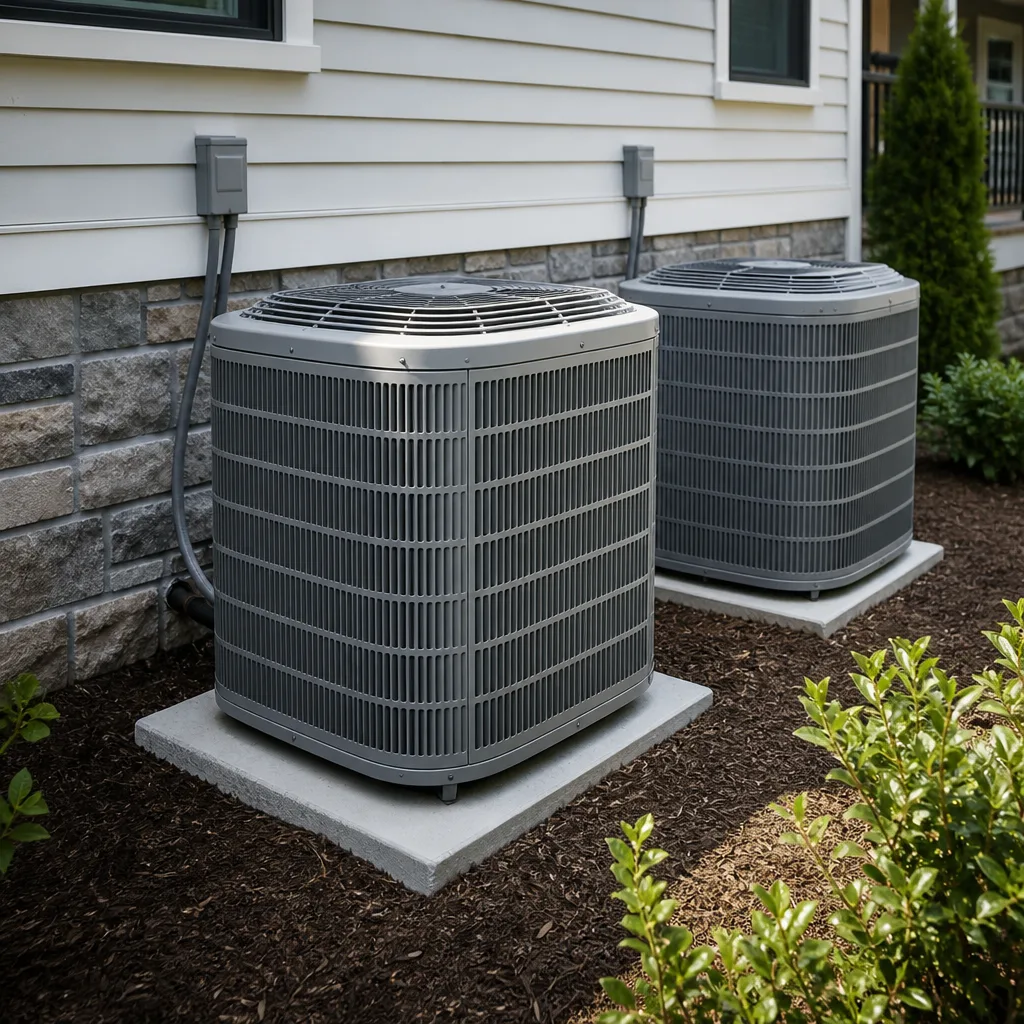 Carrier
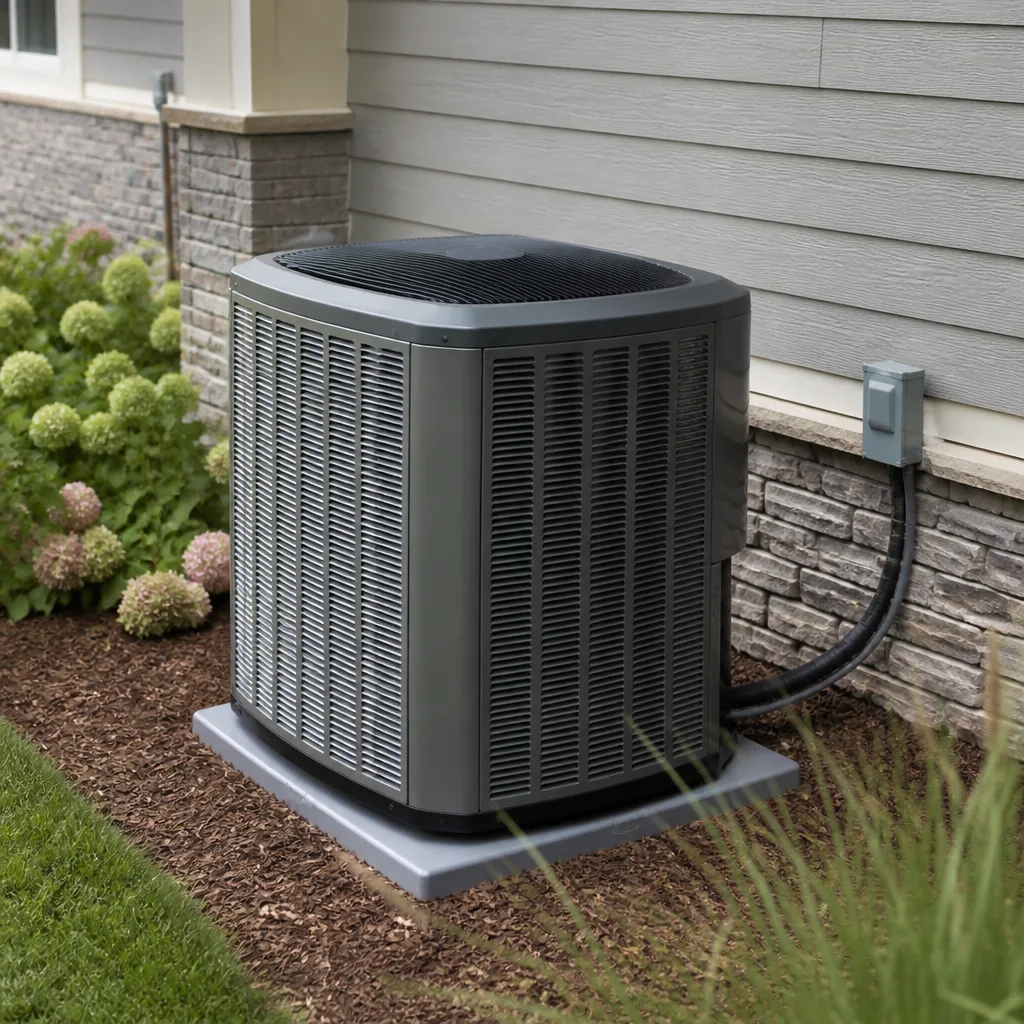 Trane
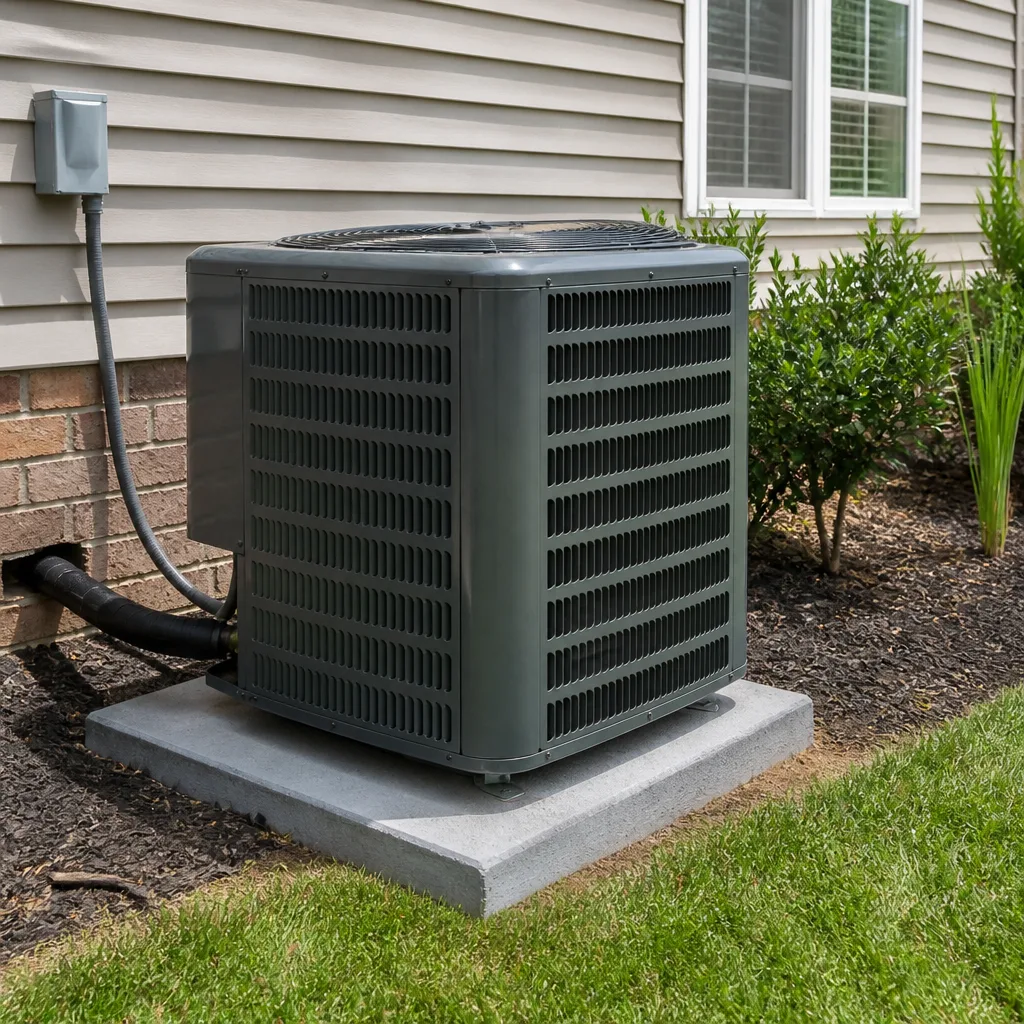 Goodman
Seasonal tune-up and full diagnostic on your Carrier, Trane, or Goodman system - readings shown to you before any repair is proposed
Diagnosis first, numbers second - you approve the repair price before a single part goes in.
Get your free estimateHow Long Does Heating & Furnace Take? Timelines and What to Expect
A furnace replacement quoted for six hours routinely runs two days once a technician opens the plenum and finds a venting situation nobody photographed in 1987. That’s not a scare tactic; it’s the pattern we see across Mesquite homes built in the eighties and nineties, where the original flue was sized for a furnace that’s long gone and the gas line was routed for a layout that no longer exists. Most homeowners budget time for the installation itself and not for the cascade of small decisions that turn a one-day job into three. This guide maps every phase honestly: the straight swap, the surprises, the Clark County permit timeline, and the testing that most quotes never mention.
Quick Answer
A straightforward furnace replacement in Mesquite takes about 4 to 8 hours of actual installation time, plus a permit and inspection window that usually adds 1 to 3 business days. If your job requires flue relining, new gas line work, or an electrical upgrade, expect 2 to 4 days from start to finish. Heat pump and mini-split installations run longer, typically 1 to 3 days depending on how many zones you’re adding.
Styles & brands we work with
- AC repair
- Furnace & heating
- Heat pumps
- Ductless mini splits
- Carrier
- Trane
- Goodman
Table of Contents
- A Straight Swap Versus a Real Project
- The Job, Phase by Phase
- How Clark County Permits Affect Your Schedule
- The Inspection and Testing Phase Nobody Quotes
- What Mesquite Conditions Do to a Removal
- Legitimate Delays Versus a Padded Job
- Heat Pump and Mini-Split Timelines
- How to Schedule Around Your House and Your Week
A Straight Swap Versus a Real Project
The single biggest variable in how long a furnace job takes is whether you’re replacing a unit in place or rebuilding the infrastructure around it. A straight swap means the existing flue, gas line, electrical circuit, and duct connections all meet current code and match the new unit. The old furnace comes out, the new one goes in, the connections are remade, and the technician tests and commissions the system. That’s the 4-to-8-hour day.
A real project is anything that touches the systems feeding the furnace. In Mesquite we run into three categories most often:
- Flue relining. Older furnaces were often vented into a masonry or metal flue sized for their BTU output. A modern high-efficiency unit may need a different venting arrangement, and a mid-efficiency replacement may need the existing flue relined to match. Either way, that’s a separate trade and a separate day.
- Gas line work. If the existing line is undersized, the shutoff is in the wrong place, or the new unit needs a different connection point, a licensed plumber or gas fitter gets involved. In Mesquite homes where the original line was run through a tight attic chase, this alone can add half a day.
- Electrical upgrades. A modern blower motor and control board draw differently than a 1980s unit. If the circuit is shared, undersized, or lacks a proper disconnect, an electrician needs to correct it before the furnace can be signed off.
None of these are upsells. They’re the difference between a code-compliant install and one that fails inspection. When we quote a furnace replacement through our Heating & Furnace in Mesquite service, we tell you upfront whether we expect a swap or a project, and the price quoted is the price paid.
The Job, Phase by Phase
Here’s what a real furnace replacement day looks like, told honestly rather than in the best-case version.
- Protection and setup (15-30 minutes). Floor coverings go down, the work area is isolated, and the technician confirms the scope against the estimate. This is also when any surprise gets flagged.
- Removal of the old unit (1-3 hours). Disconnecting gas, electrical, and venting, then physically extracting the furnace. In a tight closet or attic, this is slower than it sounds. An old unit caked with Mesquite dust and hard-water mineral deposits on the heat exchanger often needs careful handling so debris doesn’t migrate into the ductwork.
- Preparing the space (30-90 minutes). Cleaning the plenum, checking the duct connections, verifying the pad or platform, and correcting anything the removal exposed.
- Setting the new furnace (1-2 hours). Positioning, securing, and connecting the unit. If the new furnace is a Goodman, Rheem, or Daikin, the physical footprint is usually close to the old one, but the connection points can differ.
- Infrastructure work (variable, 0 to a full day). Flue, gas, and electrical corrections if needed. This is where a “six-hour job” becomes a two-day job.
- Commissioning and testing (1-2 hours). Gas pressure verification, temperature rise measurement, combustion analysis, airflow check, and thermostat calibration. We’ll cover this in detail below because it’s the phase most quotes skip.
Add it up on a clean swap and you’re looking at a long but single day. Add infrastructure work and you’re into the next business day or the one after.
How Clark County Permits Affect Your Schedule
Furnace replacement in Clark County requires a mechanical permit, and skipping it creates a problem that follows the house. An unpermitted install surfaces at resale as an open permit or a code violation, and the seller ends up paying for an inspection and correction on someone else’s timeline. That’s the practical reason we pull permits, not just the legal one.
The permit timeline runs on its own clock and it’s separate from the install. In our experience around Mesquite, the sequence looks like this:
- Permit application and issuance: usually 1 to 3 business days for a standard residential furnace replacement.
- Installation: scheduled after issuance, on a day that works for you.
- Rough-in inspection: for a like-for-like swap this is often combined with the final.
- Final inspection: typically scheduled within 1 to 3 business days of the request. The inspector verifies the venting, gas connections, electrical, and the unit’s match to the approved application.
What that means in plain terms: a Monday install usually sees final inspection signed off by Wednesday or Thursday. If the inspection reveals a venting issue the installer missed, you’re looking at a correction and a re-inspection, which adds another 2 to 3 days. That’s why the testing phase matters so much, and why we don’t skip it.
The Inspection and Testing Phase Nobody Quotes
After the new furnace is physically in place, the unit still has to be verified against its own specifications. A furnace that lights and blows warm air is not the same as a furnace that’s commissioned correctly. Rushing this phase is the single most common cause of callbacks and premature failures, and it’s the part of the job a low bid quietly omits.
Here’s what a proper commissioning covers:
- Gas manifold pressure checked against the data plate, not a guess.
- Temperature rise measured across the heat exchanger and compared to the manufacturer’s range. Too high means restricted airflow; too low means the unit is oversized or the blower is set wrong.
- Combustion analysis on the flue gases to confirm the unit is burning cleanly and venting safely.
- Static pressure and airflow verified across the supply and return, because ductwork sized for an old furnace doesn’t automatically suit a new one.
- Thermostat calibration and controls check, including a full cycle and a safety shutdown test.
In our experience this takes an hour or two on a clean install and longer on a system that’s been neglected. It’s also the phase that catches the venting problem before the inspector does, which is the difference between a 1-day delay and a 3-day one. If your unit is a Carrier, Trane, Lennox, or one of the other major brands, the commissioning data is the same principle with brand-specific targets.
What Mesquite Conditions Do to a Removal
Mesquite is hard on heating equipment in ways that affect how long a job takes before the new unit even comes out of the box. The desert dust that settles into everything means old furnace cabinets are often full of fine grit that has to be vacuumed out carefully so it doesn’t blow into the ductwork and then into the house when the new unit starts up. The local water, which runs hard with mineral content, leaves deposits on older heat exchangers and humidifier components that make them heavy, brittle, and slower to remove.
That means removal on a Mesquite house built in the 1990s routinely takes longer than removal on a newer build. It also means we plan for it: a plastic drop cloth over the return, a shop vacuum staged at the closet, and enough time in the schedule not to rush. Rushing an extraction on a mineral-caked heat exchanger is how ducts get contaminated and how a one-day job becomes a two-day job with an air quality complaint attached.
If you’re also considering air quality work at the same time, our Fireside Heating & Air Co. Mesquite home page covers how ventilation fits alongside a furnace replacement.
Legitimate Delays Versus a Padded Job
Not every delay is a contractor padding the job, and not every tight quote is honest. Here’s a plain-English breakdown of what legitimately adds time and what usually signals something else.
Legitimate delays:
- The permit inspection lands later than expected because the county is backlogged.
- Removal reveals a cracked heat exchanger in the old unit, which means careful handling and possibly a conversation about air quality before the new unit goes in.
- The existing flue is undersized or deteriorated and needs relining, which is a separate trade on a separate schedule.
- The gas line needs correction, and a plumber has to be dispatched.
- Duct connections don’t meet the new unit and need reworking.
- A late-day discovery forces the technician to finish the next morning rather than cut corners on commissioning.
Signals of a padded job:
- A quote that says “one to two days” with no explanation of what would push it to two.
- A contractor who proposes skipping the permit to save time.
- A crew that leaves before commissioning is complete and says they’ll “come back to check it” with no date.
- A bid that’s dramatically lower than the others and doesn’t itemize what’s included.
The honest version of a quote tells you the expected time, the conditions that would extend it, and what it costs if those conditions appear. If you’ve already got a written estimate from someone else, we offer a free second opinion on it. Call us and we’ll walk it through with you.
Heat Pump and Mini-Split Timelines
Heat pump and mini-split installations run longer than a furnace swap because they involve refrigerant lines, indoor and outdoor units, and in the case of mini-splits, one or more wall or ceiling cassettes. A single-zone mini-split is typically a full day. A multi-zone system with two or three indoor heads runs 2 to 3 days, and a cold-climate heat pump replacement that reuses existing line sets can be closer to a furnace timeline.
In Mesquite, heat pumps are a strong fit because the mild winters mean the unit isn’t working against deep cold the way it would in the mountains. The trade-off is that the summer cooling load is real, and the refrigerant line routing through an attic can be the slowest part of the job on an older house. Our Heat Pump & Mini Split in Mesquite page goes into the sizing and equipment options in more detail.
How to Schedule Around Your House and Your Week
Once the permit is issued and the equipment is on hand, the day itself can usually be scheduled to suit you. A few practical notes on how we plan a Mesquite install:
- Confirm the permit is issued first. We don’t schedule an install date before the permit is in hand, because a moved install date is worse for you than a slightly later one.
- Choose a day you’ll be home if possible. It’s not required, but it helps if a surprise requires a decision. If you can’t be there, we’ll call before making any change to the scope.
- Plan for the inspection window. We schedule the final inspection as part of the job, not as an afterthought, so you’re not chasing it down weeks later.
- Expect the house to be cooler or warmer for the day. The system is off during the swap. In a Mesquite summer or a cold snap, we’ll bring portable heat or cooling if needed.
We answer the phone with a live person 24 hours a day, every day of the year, so if your furnace fails before the scheduled install, you’re not waiting until Monday to reach someone. If you’re in the middle of an emergency and need AC Repair & Installation in Mesquite handled alongside the heating work, we can coordinate both.
Common Mistakes to Avoid
- Skipping the permit to save a day. An unpermitted furnace becomes a title problem at resale, and the cost of correcting it later lands on whoever owns the house at that point. Pull the permit and build the timeline around it.
- Choosing a quote with no commissioning line item. A bid that doesn’t mention temperature rise, combustion analysis, or airflow verification is a bid that plans to skip them. Ask what’s in the testing phase.
- Assuming the new furnace fits the old ductwork. Ducts sized for an old unit can strangle a new one. In Mesquite homes, we see this most often in attic runs that were modified over the years.
- Ignoring the old flue until removal day. If the flue needs relining, you want to know before the install date, not on it. Ask about venting at the estimate.
- Scheduling the install during a trip. If a surprise requires a decision, you want to be reachable. A phone call beats an unanswered question.
- Accepting a “one day, guaranteed” quote with no caveats. Every honest contractor knows what could extend a job. A quote that promises no surprises is a quote that hasn’t looked closely enough.
- Forgetting to check the inspection sign-off. Confirm the final inspection passed and get the paperwork. It’s the difference between a completed install and an open permit.
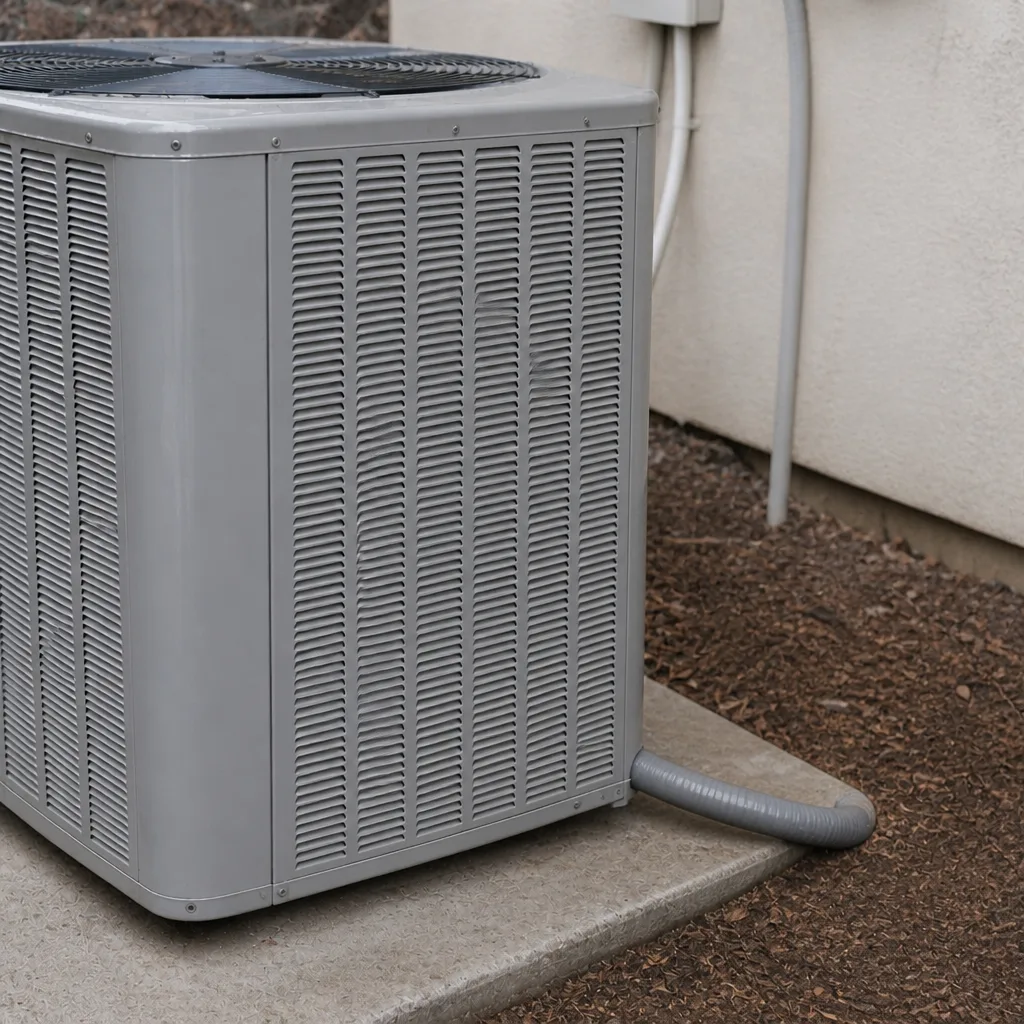
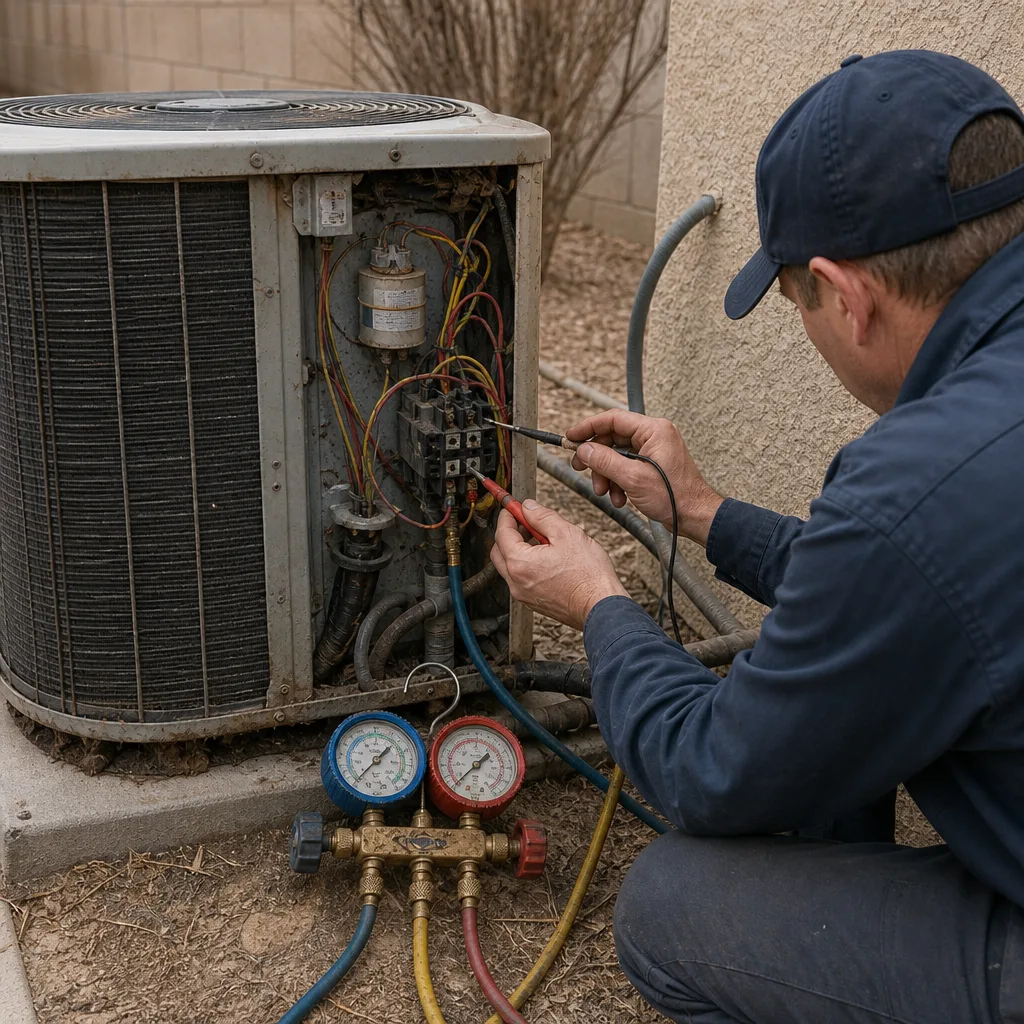
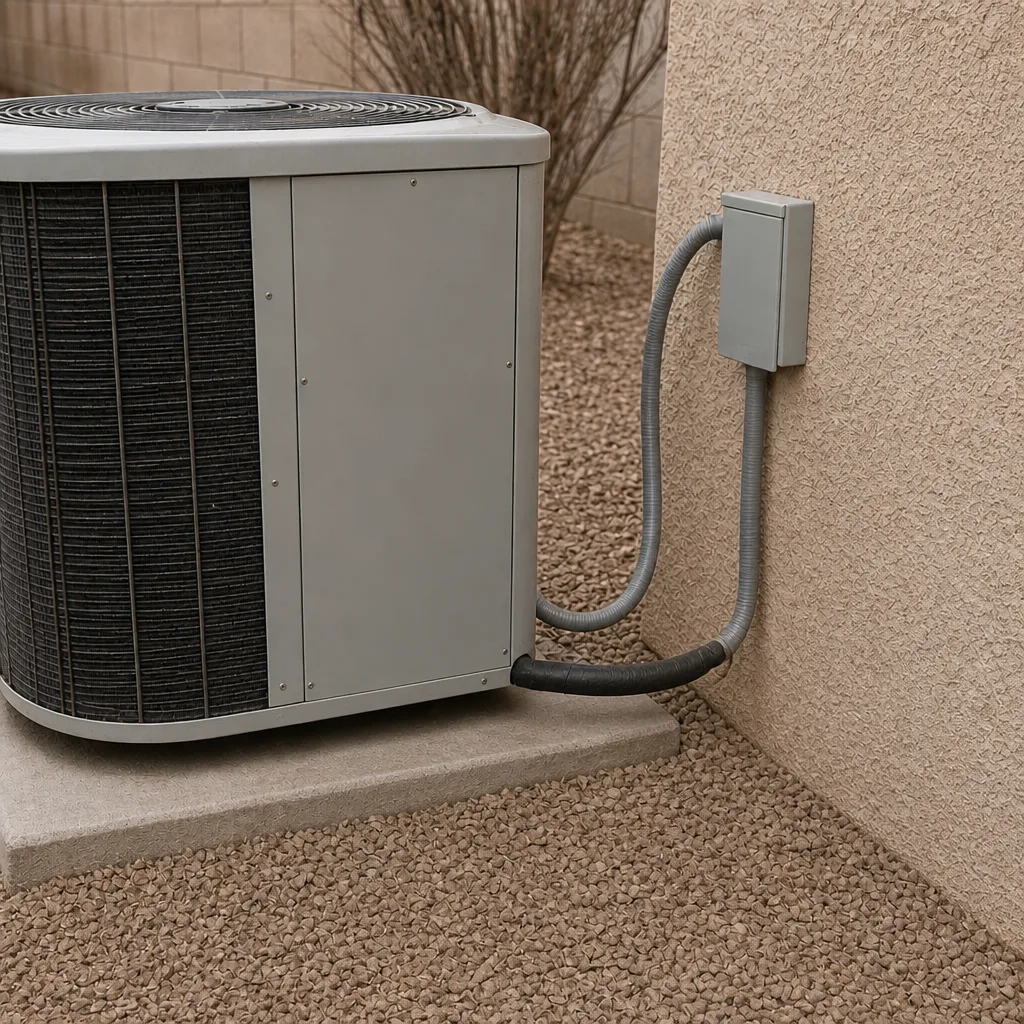
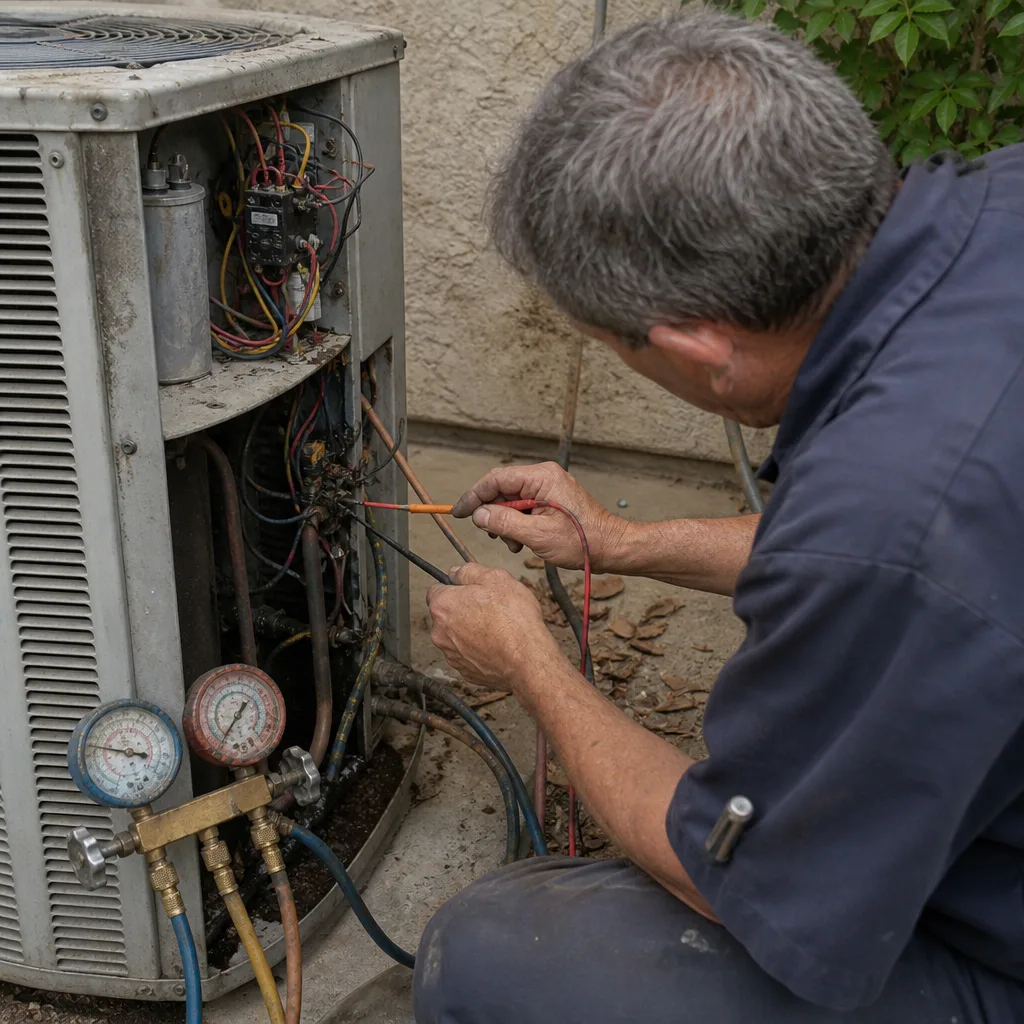
See the difference
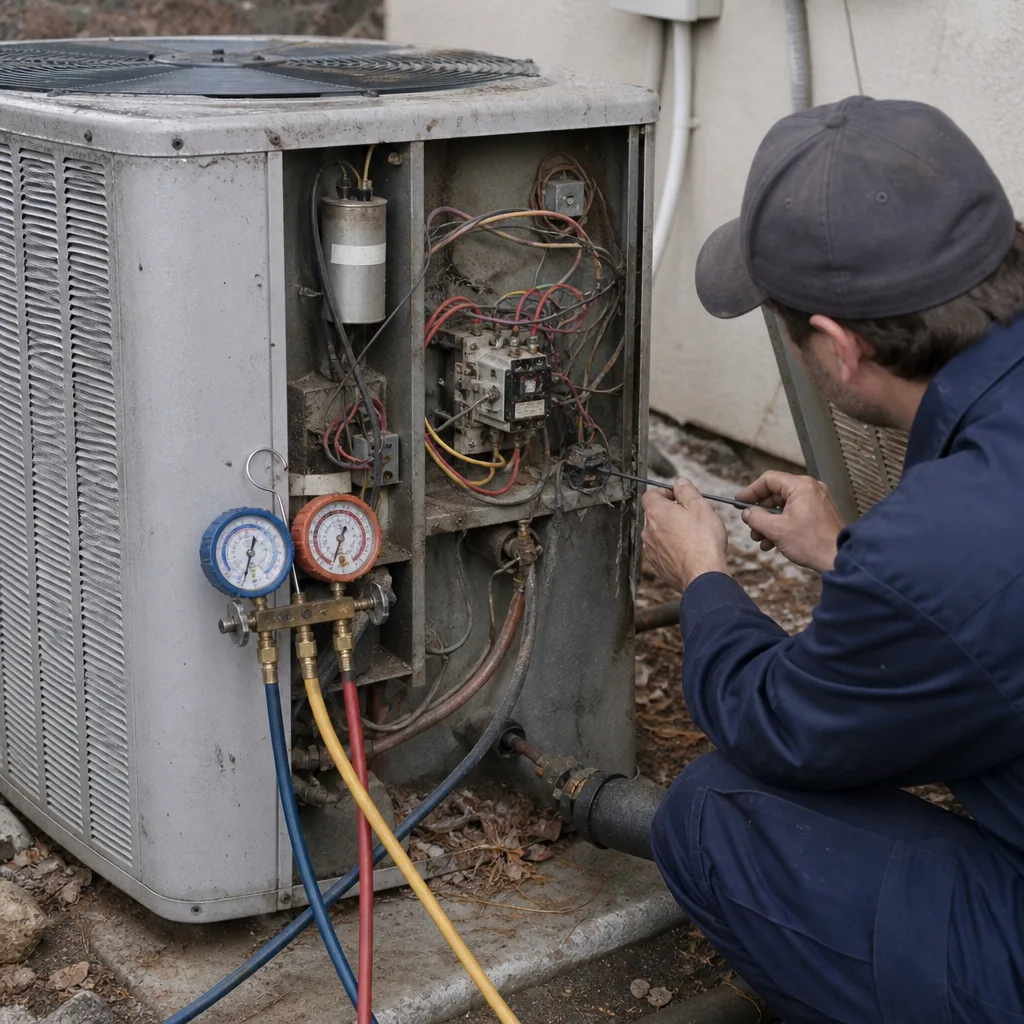 Before
 After
 Before
 After
 Before
 After
When to Call a Professional
Some jobs are genuinely a call to a professional rather than a weekend project, and furnace work is at the top of that list. Gas connections, venting, and combustion safety aren’t places to learn by doing, and a mistake in any of them can be dangerous. Call us when you smell gas, when the furnace won’t stay lit, when the heat exchanger shows signs of cracking, or when a previous contractor left a job incomplete. Call us when your quote mentions a scope you don’t understand, or when the timeline keeps moving with no explanation. Fireside Heating & Air Co. Mesquite offers free estimates in Mesquite – call (888) 570-3601 and we’ll talk it through with you.
Frequently Asked Questions
A standard furnace replacement in Mesquite takes 4 to 8 hours of installation time and 1 to 3 business days for permit and inspection. If the job needs flue relining, gas line work, or electrical upgrades, expect 2 to 4 days total. Call (888) 570-3601 for a written estimate on your specific house.
Yes. Clark County requires a mechanical permit for furnace replacement, and skipping it creates problems at resale when the open permit surfaces. We pull the permit and schedule the inspection as part of the job, so you’re not chasing it down later.
Yes, if the existing flue, gas line, and electrical all meet current code and match the new unit. Many Mesquite homes qualify. The ones that don’t are usually older builds where the infrastructure needs correcting first, and we’ll tell you which category your house is in at the estimate.
Flue relining, gas line corrections, electrical upgrades, duct rework, and permit inspection timing are the main causes. A cracked heat exchanger in the old unit can also add time because it changes how the removal is handled. None of these are padding, and an honest quote names them upfront.
A single-zone mini-split is typically a full day. A multi-zone mini-split with two or three indoor heads runs 2 to 3 days, and a heat pump replacement that reuses existing line sets can be closer to a furnace timeline. Call (888) 570-3601 for a free estimate on your configuration.
Any weekday the permit is issued and you can be reachable by phone. We don’t recommend scheduling during a trip because a surprise discovery may need a decision, and we’d rather ask you than guess. If you can’t be home, we’ll call before making any change to the scope.
The Bottom Line
A furnace replacement is a one-day job on a house that’s ready for it and a two-to-four-day project on a house that isn’t. The difference is almost never the new furnace; it’s the flue, the gas line, the electrical, and the ductwork feeding it. Budget for the permit and inspection window, ask what the quote includes in the commissioning phase, and treat a “one day, guaranteed” promise with the suspicion it deserves. That’s the honest timeline, and it’s the one we stand behind, in writing, for 90 days.
If you’d like a straight answer on how long your specific furnace replacement will take, call Fireside Heating & Air Co. Mesquite at (888) 570-3601 for a free estimate. We’ll tell you what we see, what it costs, and when we’ll be there.
Written by the team at Fireside Heating & Air Co. Mesquite.