
Last updated November 18, 2026
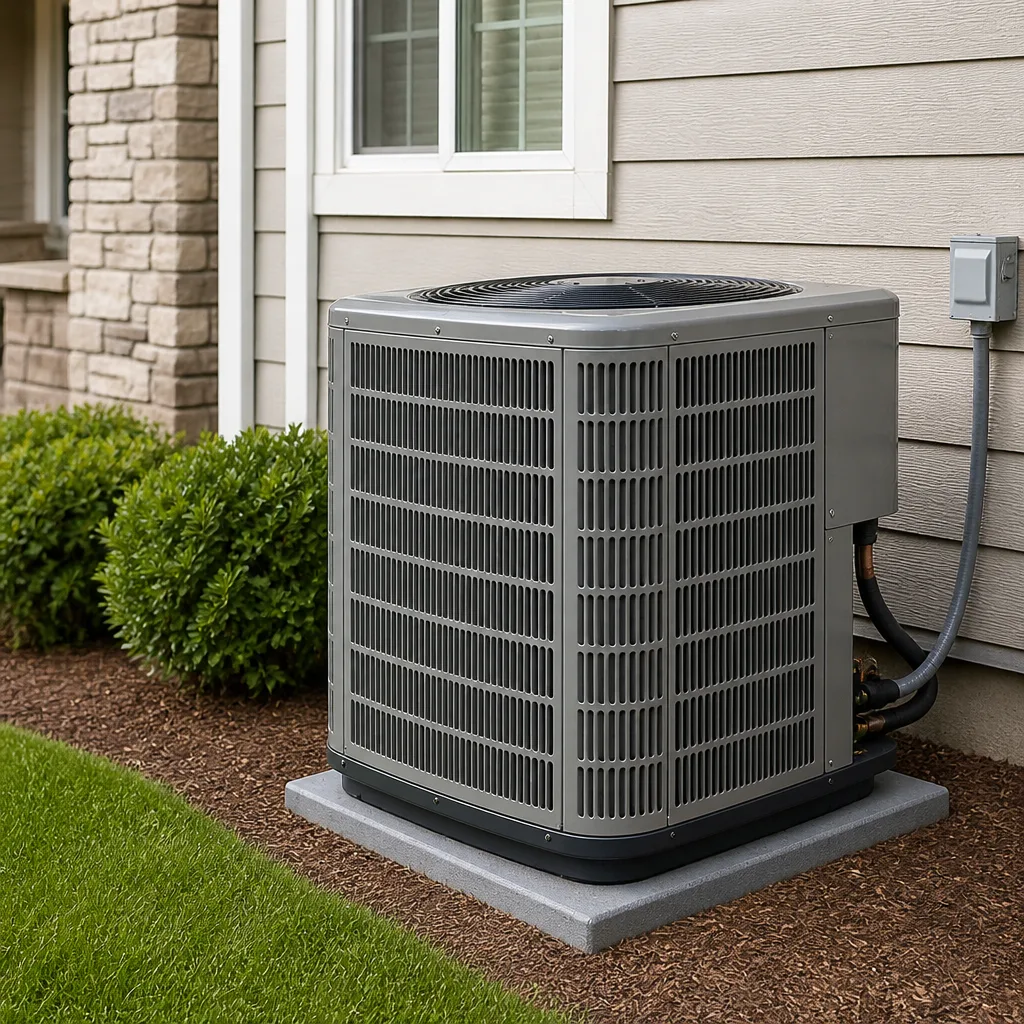 AC repair
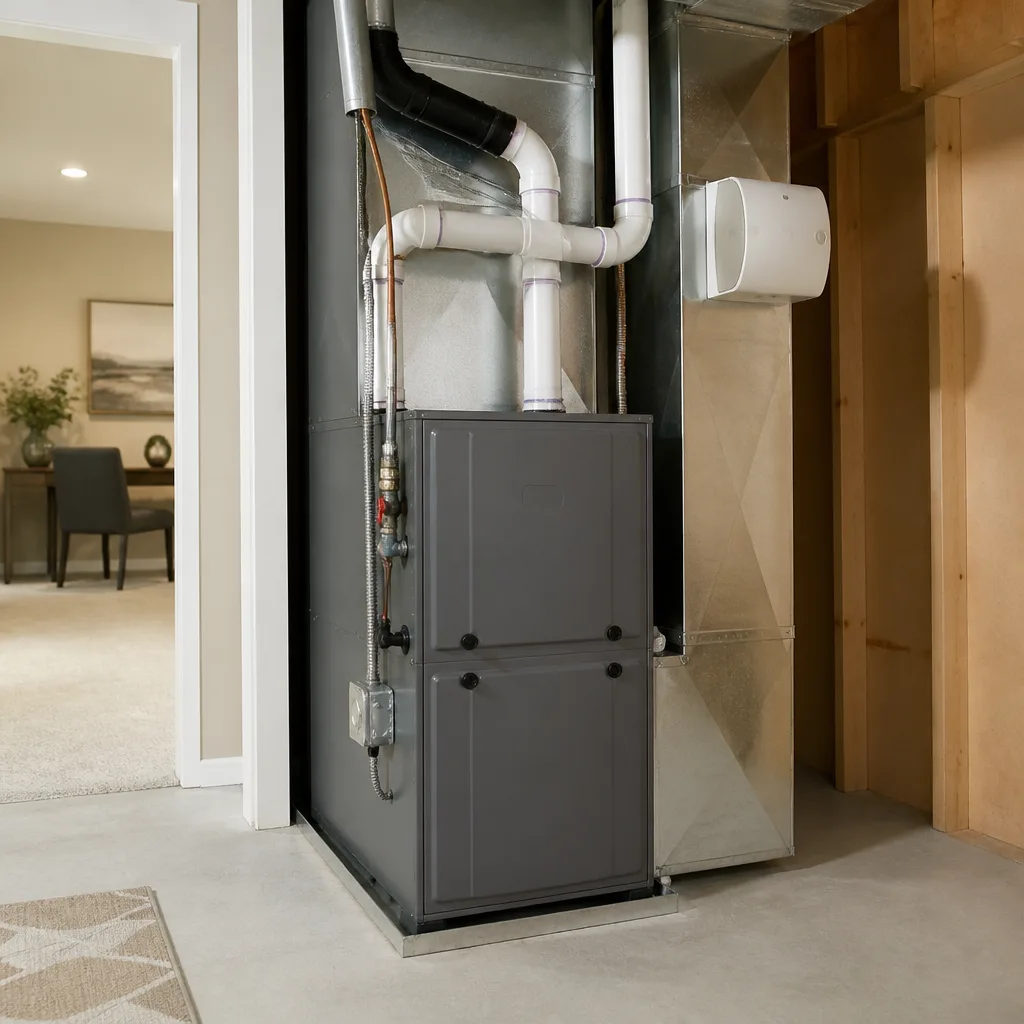 Furnace & heating
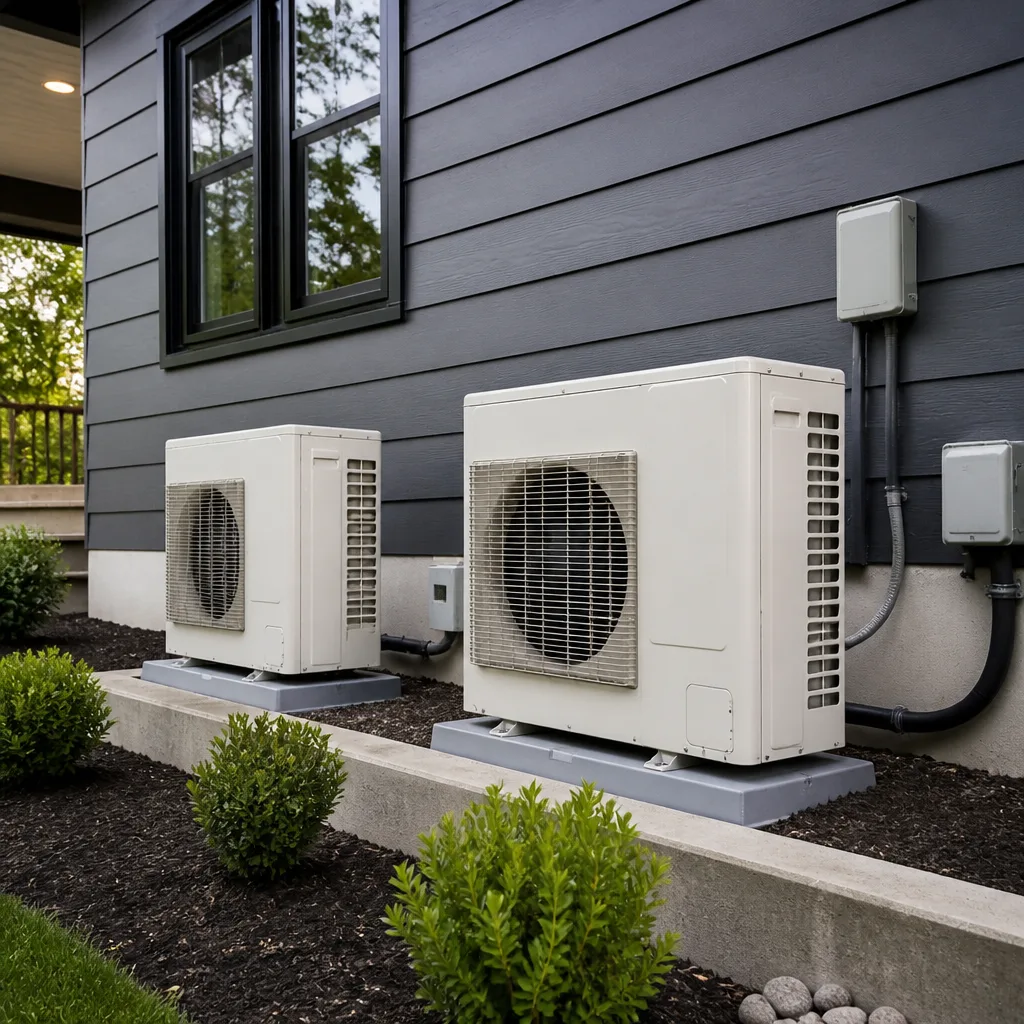 Heat pumps
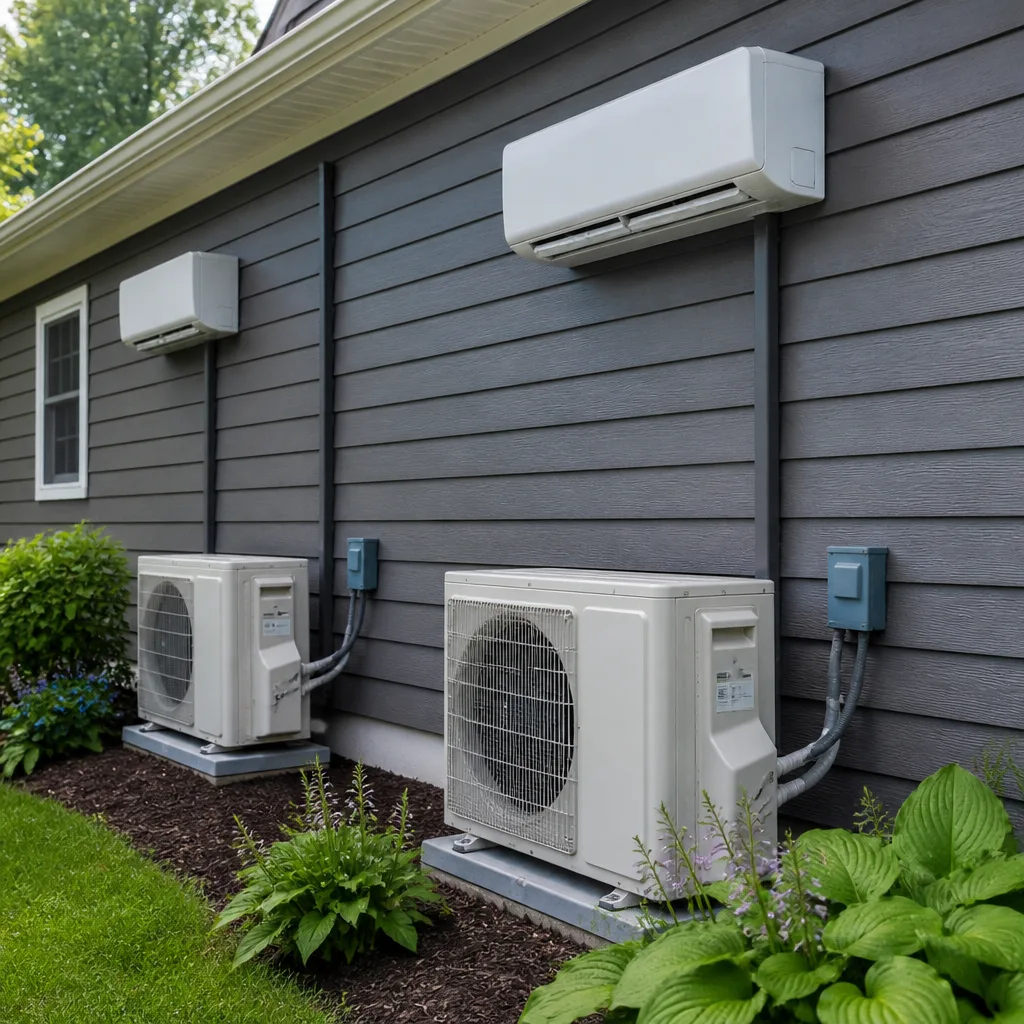 Ductless mini splits
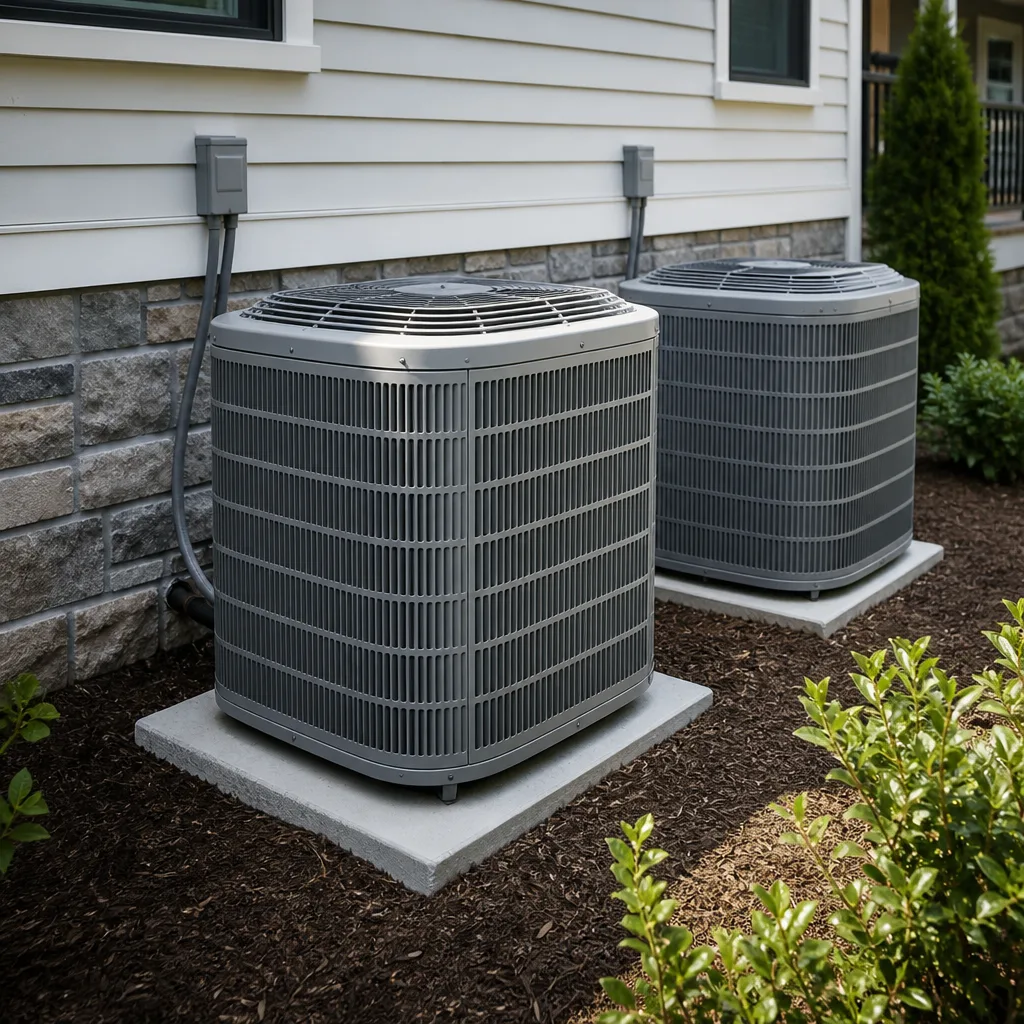 Carrier
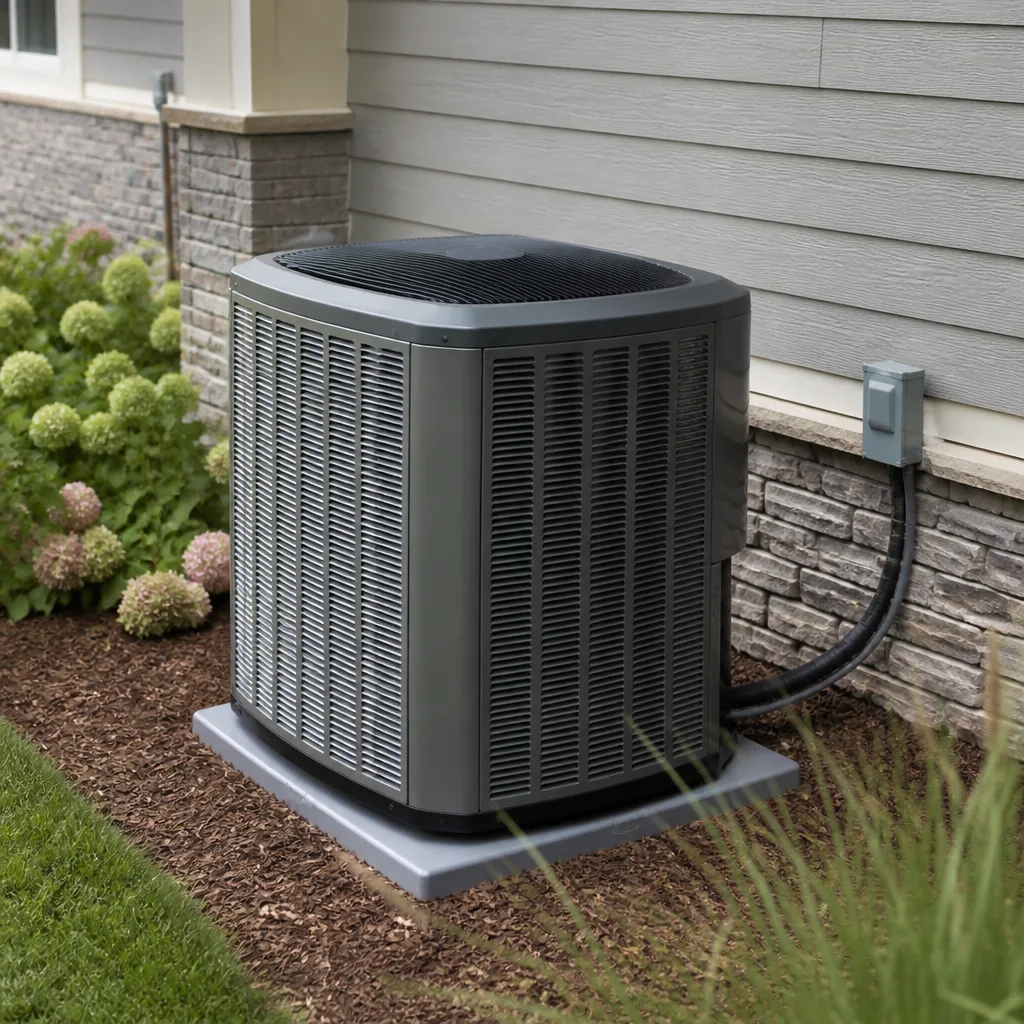 Trane
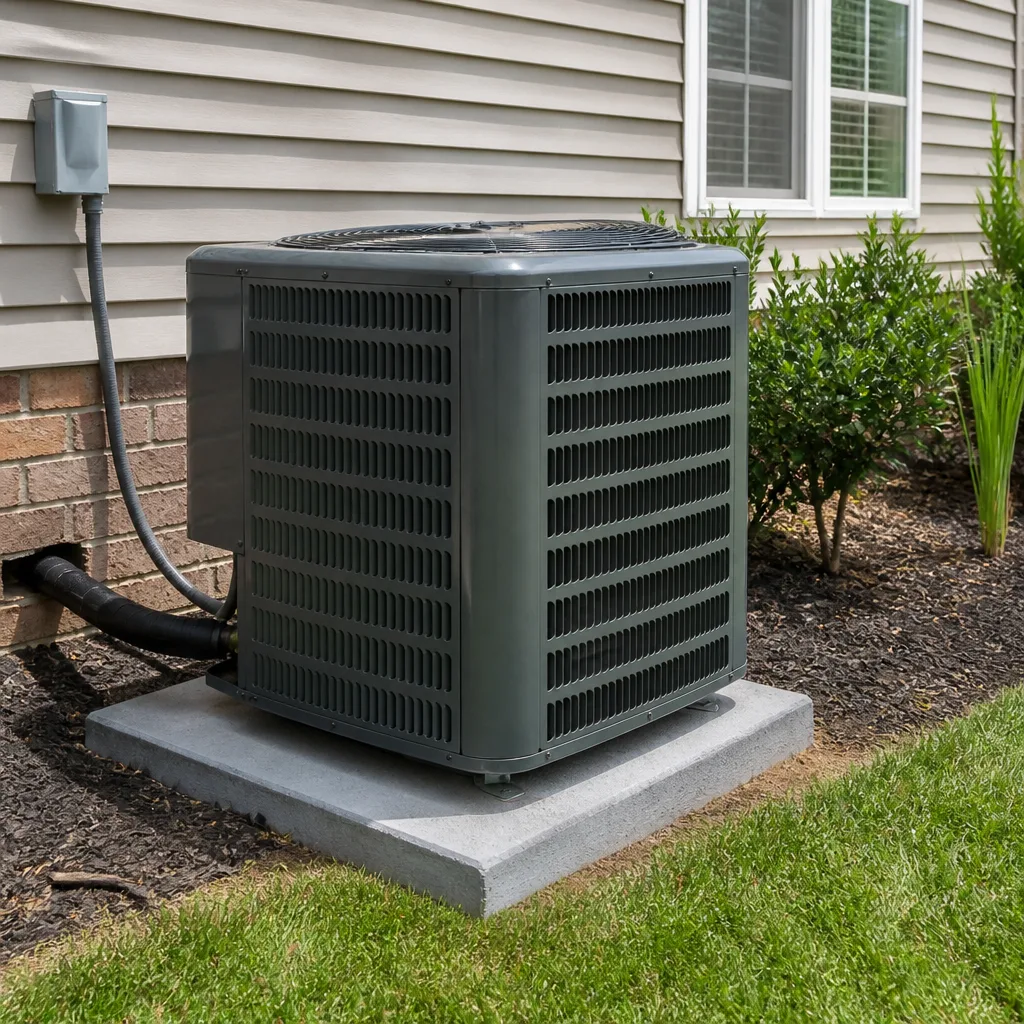 Goodman
Seasonal tune-up and full diagnostic on your Carrier, Trane, or Goodman system - readings shown to you before any repair is proposed
Diagnosis first, numbers second - you approve the repair price before a single part goes in.
Get your free estimateHVAC Warning Signs: A Mesquite Homeowner’s Reference Guide
On a 112°F afternoon in Mesquite, a clogged return filter and a slow refrigerant leak can make your house feel exactly the same: warm air from the vents, a system that runs and never stops, and a utility bill that climbs. One is a $15 fix. The other can turn into a $1,200 repair if you let it run another week. The difference isn’t the symptom you notice first. It’s the two or three other signs you check at the same time. This guide sorts the common HVAC warning signs into three urgency tiers, so you know which ones mean shut it down now, which mean call within a day, and which can wait for a scheduled visit.
Quick Answer
Most HVAC warning signs fall into three urgency tiers. Shut the system down and call immediately for burning smells, repeated breaker trips, ice on the indoor coil, or loud grinding from the outdoor unit. Call within 24 hours for warm air, weak airflow, water pooling near the air handler, or a system that short-cycles. Schedule at your next convenience for minor rattles, small temperature swings between rooms, or a filter you know is overdue. In Mesquite’s desert heat, ignoring a tier-two sign for a week is what turns a small repair into a compressor replacement.
Styles & brands we work with
- AC repair
- Furnace & heating
- Heat pumps
- Ductless mini splits
- Carrier
- Trane
- Goodman
Table of Contents
- The Three-Tier Urgency System
- Warning Signs Unique to Desert Operation
- Sounds, Smells, and Airflow That Point to Refrigerant
- How to Read Your Thermostat’s Error Codes Before You Call
- What You Can Safely Run Short-Term vs. What Can’t Wait
- What to Tell the Dispatcher So the Tech Arrives Prepared
- The Complete Sound, Smell, and Airflow Checklist
- Common Mistakes to Avoid
The Three-Tier Urgency System
Every warning sign below gets sorted by what it means for your system, not by how alarming it sounds. A noisy outdoor unit can be harmless; a quiet one with ice on the line set is not. Here’s how we sort them.
Tier 1: Shut it down now
Turn the system off at the thermostat and call right away. These signs point to conditions that can destroy the compressor, the most expensive single part in your system.
- Ice or frost on the indoor coil or the large copper line running into the air handler
- A burning or electrical smell from any vent or the air handler closet
- The outdoor unit tripping the breaker more than once
- Loud grinding, screeching, or metal-on-metal from the condenser
- Water actively pooling around the air handler or furnace
In Mesquite, ice on the indoor coil during July is the one homeowners most often misread. It looks like the system is working hard. It isn’t. It means refrigerant is low or airflow is restricted, and the coil is running below freezing. Leave it running and you risk liquid refrigerant reaching the compressor.
Tier 2: Call within 24 hours
- Air from the vents is cool but not cold, or barely cool
- Weak airflow at every register, not just one
- The system runs constantly and never reaches the set temperature
- Short cycling: on for a few minutes, off, then on again
- A musty or sour smell from the vents
- Your electric bill jumped 20 percent or more with no change in habits
These usually won’t fail catastrophically overnight, but in a Mesquite summer, a day of running a struggling system can add wear that shortens its life. A weak-cooling call in June is often a capacitor or a dirty coil. The same call in August, after two weeks of running, is more often a compressor.
Tier 3: Schedule at your next convenience
- Rattles or vibrations from the outdoor unit that come and go
- One room two to four degrees warmer than the rest
- A filter you know is past due
- Occasional, brief noises at startup
- Thermostat display flickering or a clock that resets
None of these mean your system is about to fail. They mean it’s worth booking a tune-up visit so a technician can look while the problem is still cheap to fix. Our Fireside Heating & Air Co. Mesquite home page has the seasonal tune-up details if you’d rather schedule it now than wait.
Warning Signs Unique to Desert Operation
Mesquite runs its cooling systems harder than almost anywhere in Nevada. Summer highs sit in the triple digits for weeks, and the system runs from late morning until well after dark. That changes which failures show up and how they look.
Condenser freeze-up during extreme heat
On a 110°F day, ice on the indoor coil almost always means low refrigerant charge or restricted airflow, not cold weather. Homeowners see frost and assume the system is over-cooling. The opposite is true: the coil is starving for refrigerant and running below freezing. Turn it off. Running it frozen pushes liquid refrigerant back to the compressor.
Evaporator icing patterns
Where the ice forms tells a technician a lot. Ice at the bottom of the coil usually points to low charge. Ice across the whole coil points to airflow: a filter, a blower, or a return duct. Either way, don’t chip it off. You can bend fins or puncture the coil, and that turns a recharge into a coil replacement.
Dust and monsoon-season load
Mesquite sits in high desert with wind-blown dust and the summer monsoon pattern that pushes grit into outdoor coils. A condenser packed with dust can’t reject heat, so the system runs longer, the head pressure climbs, and the compressor works harder. In our experience, outdoor coils here need cleaning more often than in wetter climates. The same dust clogs return filters faster, which is why a filter you changed in May can be loaded by July.
Attic heat gain
Many Mesquite homes have ductwork running through attics that hit 140°F or more. A small duct leak that’s harmless in a mild climate can cost you several degrees of cooling here. If some rooms never cool while others do, suspect the ducts before the equipment.
Sounds, Smells, and Airflow That Point to Refrigerant
Refrigerant problems have a specific fingerprint. Recognizing it helps you tell the dispatcher what’s happening and keeps you from doing something that makes it worse.
Sounds
- A hissing or bubbling sound near the indoor coil or line set often means refrigerant escaping through a small leak
- Gurgling in the lines can indicate a low charge or air in the system
- A clicking or chattering relay at the outdoor unit can point to the contactor cycling because the system is struggling
Smells
- A sweet, faintly chemical smell near the air handler can be refrigerant
- A musty or sour smell from vents usually means biological growth on the evaporator coil, common when a system runs long and stays damp inside
- Any burning smell is Tier 1, not a refrigerant question. Shut it down.
Airflow changes
- Cool but weak airflow points to a restricted coil or blower
- Plenty of airflow but air that never gets cold points more toward charge or compressor
- Warm air from one vent and cold from another suggests a duct problem, not refrigerant
What not to do: don’t add refrigerant yourself, don’t try to “top off” the system, and don’t run it frozen. Refrigerant handling and recovery are regulated, and a system that needs a charge has a leak somewhere. A technician finds the leak, fixes it, then weighs in the correct charge. For deeper detail on repair versus replacement when a leak is involved, our AC Repair & Installation in Mesquite page walks through how we handle it.
How to Read Your Thermostat’s Error Codes Before You Call
Modern thermostats and system boards often display codes that tell you exactly where the problem starts. Knowing a couple of these before you call saves a diagnostic step and helps the technician arrive with the right parts.
- Write down the exact code. Don’t paraphrase it. A code that reads “E4” is different from one that reads “E04.” Copy it onto a sticky note or snap a photo of the screen.
- Look up the code in your thermostat manual or the manufacturer’s app. If you have a Bryant or York system, the manual usually lists what each code means in plain language.
- Note whether the code appears only on startup or stays on. A code that shows for two seconds and disappears is different from one that’s locked on the screen.
- Check the simple things first. Is the filter clean? Is the outdoor unit breaker on? Is the thermostat in cool mode with a set temperature below room temperature? These account for more “system failure” calls than any component.
- Tell the dispatcher the code, the brand, and the symptom. “Bryant system, code E4, running but not cooling” lets the office send a technician with the right diagnostic tools and likely parts on the first trip.
That last step matters more than people think. When we know the brand and the code on the phone, most jobs are completed in a single visit. Our team is trained on Daikin, Bryant, American Standard, and the other major residential brands, which is where knowing the code on the front end saves you a second appointment.
What You Can Safely Run Short-Term vs. What Can’t Wait
One of the questions we hear most in Mesquite is whether it’s safe to just run the system until the technician’s next open appointment. The answer depends on the sign, not the weather.
Safe to run short-term (a few days, with a scheduled visit)
- A minor rattle or vibration from the outdoor unit
- One room a few degrees warmer than the rest
- A musty smell that improves when you replace the filter
- A thermostat that resets its clock but otherwise works
- Weak airflow you can trace to a filter you haven’t changed
Run these, book a visit, and note anything that changes. If the rattle becomes a grind, it just moved to a higher tier.
Risks compressor damage if you ignore it
- Frozen coil or line set. Shut it off. Every hour running frozen adds risk.
- Short cycling. The compressor can’t handle constant start-stop cycling.
- A system that trips the breaker. Something is drawing too much current, and the alternative to shutting it off is a burned-out component or a fire risk.
- Loud grinding from the condenser. That’s usually a bearing or a fan motor going, and it can take the compressor with it.
- A system running with known low refrigerant
If you’re not sure which tier you’re in, shut the system off and call. Heat is uncomfortable. A compressor replacement is expensive. Between the two, the call is the cheaper option every time, and our phones are answered by a live person 24 hours a day, including the 2 a.m. no-cooling emergency.
What to Tell the Dispatcher So the Tech Arrives Prepared
The first call is the most important part of the repair. Give the dispatcher five things and you’ll usually save a trip.
- What the system is doing. “Running but blowing warm air,” “won’t turn on at all,” “runs a few minutes and shuts off.” One clear sentence.
- When it started. Yesterday afternoon is different from “it’s been doing this for three weeks.”
- Brand and rough age. Trane, Lennox, Carrier, Goodman, Rheem, York, Daikin, Bryant, or American Standard, and roughly how old the system is. If you don’t know the age, the model plate on the outdoor unit will say.
- Any error code on the thermostat or the system board. Read it exactly.
- Anything unusual you noticed. Sounds, smells, water, ice, a breaker that tripped. All of it helps.
One more thing worth mentioning: if you have a written estimate from another company and you’re unsure about it, we’ll give you a free second opinion before you commit. That’s not a sales tactic. It’s how we’ve operated in Mesquite area homes for over 42 years, and it’s part of the 90-Day Done Right Promise we put in writing. Call (888) 570-3601 and we’ll tell you what we actually find.
The Complete Sound, Smell, and Airflow Checklist
Run through this list when something feels off. It takes two minutes and it gives a technician a head start on the most likely cause.
Sounds to check for
- Buzzing at the outdoor unit: often the contactor or a failing capacitor
- Grinding or screeching: fan motor bearing, and a Tier 1 sign
- Clicking from the air handler: a relay or a component starting and stopping
- Hissing near the coil: suspected refrigerant leak
- Banging on startup: loose internal parts or a blower issue
Smells to check for
- Burning or electrical: shut it down, call immediately
- Musty or sour from the vents: biological growth on the coil or in the ducts
- Sweet or chemical: suspected refrigerant
- Exhaust or gas smell near a furnace: shut it down and call for a heating visit through Heating & Furnace in Mesquite
Airflow and temperature to check for
- Weak at every register: filter, blower, or coil restriction
- Weak at one register only: a duct problem run
- Cool but never cold: charge or compressor
- Ice on the indoor coil: Tier 1, shut it down
- Water near the air handler: blocked drain line or frozen coil melting
Common Mistakes to Avoid
- Chipping ice off the coil. It feels productive and it bends fins or punctures the coil. A pinhole in an evaporator coil turns a recharge into a replacement.
- Adding refrigerant without finding the leak. A system that needs a charge has a leak somewhere. Topping it off means you’ll be doing it again next summer, and each time the system runs a little harder.
- Resetting the breaker and assuming it’s fine. A breaker that trips once is a fluke. A breaker that trips twice means something is drawing too much current. Call. In Mesquite’s summer heat, a system that trips the breaker is a fire risk you don’t want to test.
- Waiting until August to call about weak cooling. The same call in June is a capacitor. In August, after two weeks of running a struggling system, it can be a compressor.
- Changing the filter too rarely. Dust and monsoon-season grit clog filters faster here than in wetter climates. A filter you changed in May can be loaded by July.
- Ignoring a musty smell. Biological growth on a coil is common here and it doesn’t clear up on its own. It gets worse and it affects air quality in every room.
- Assuming a noisy system is a normal one. Some noise is normal. Grinding, screeching, and metal-on-metal are not. If it sounds wrong, it usually is.
Heat pump and mini-split owners have a slightly different set of warning signs, particularly around defrost cycles and outdoor unit behavior in cool weather. If that’s your system, our Heat Pump & Mini Split in Mesquite page covers those patterns in more detail.
See the difference
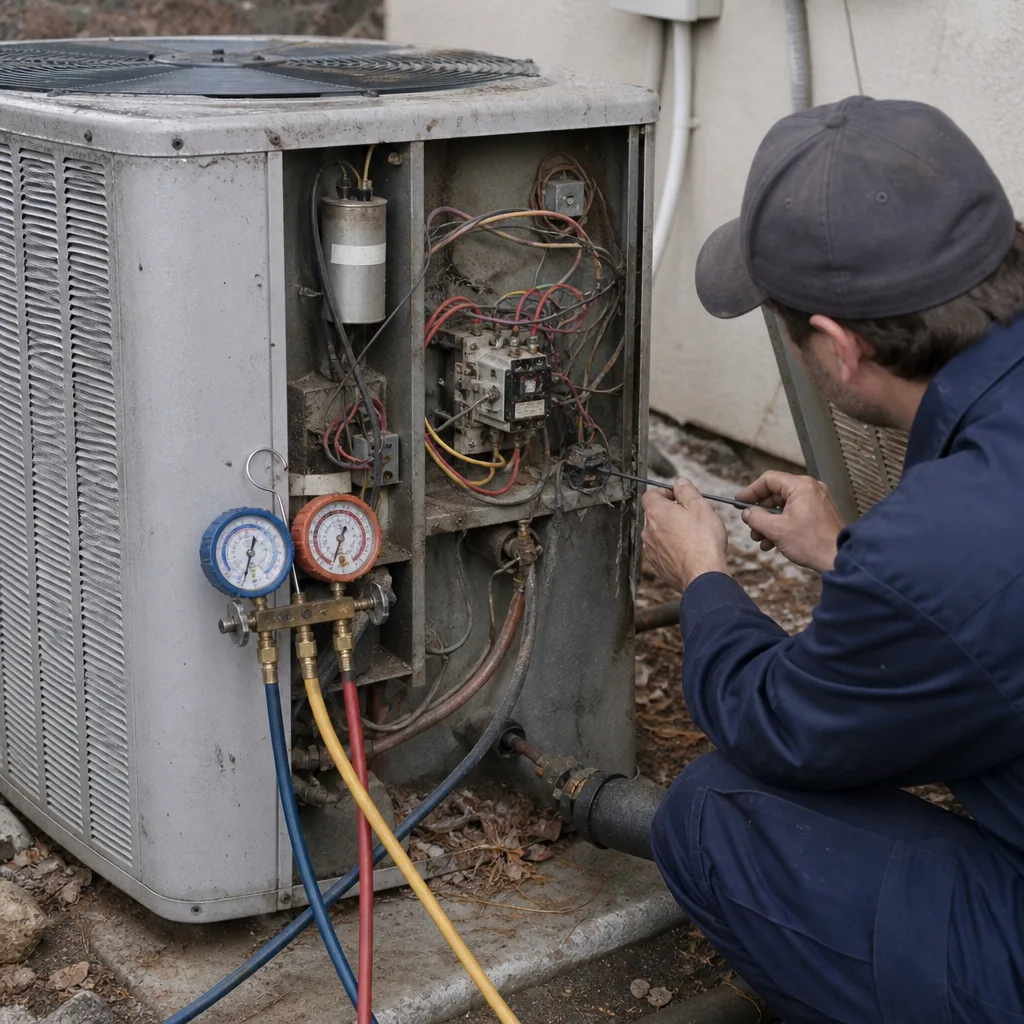 Before
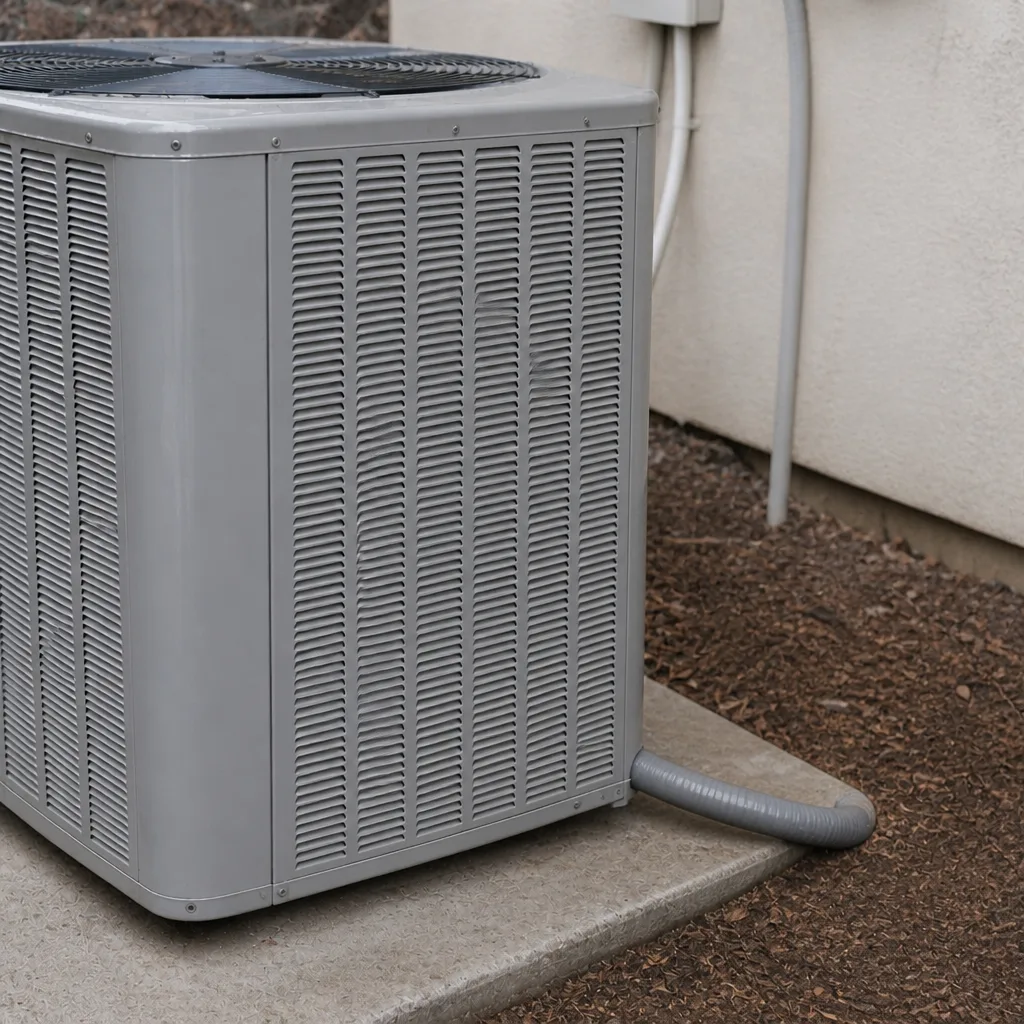 After
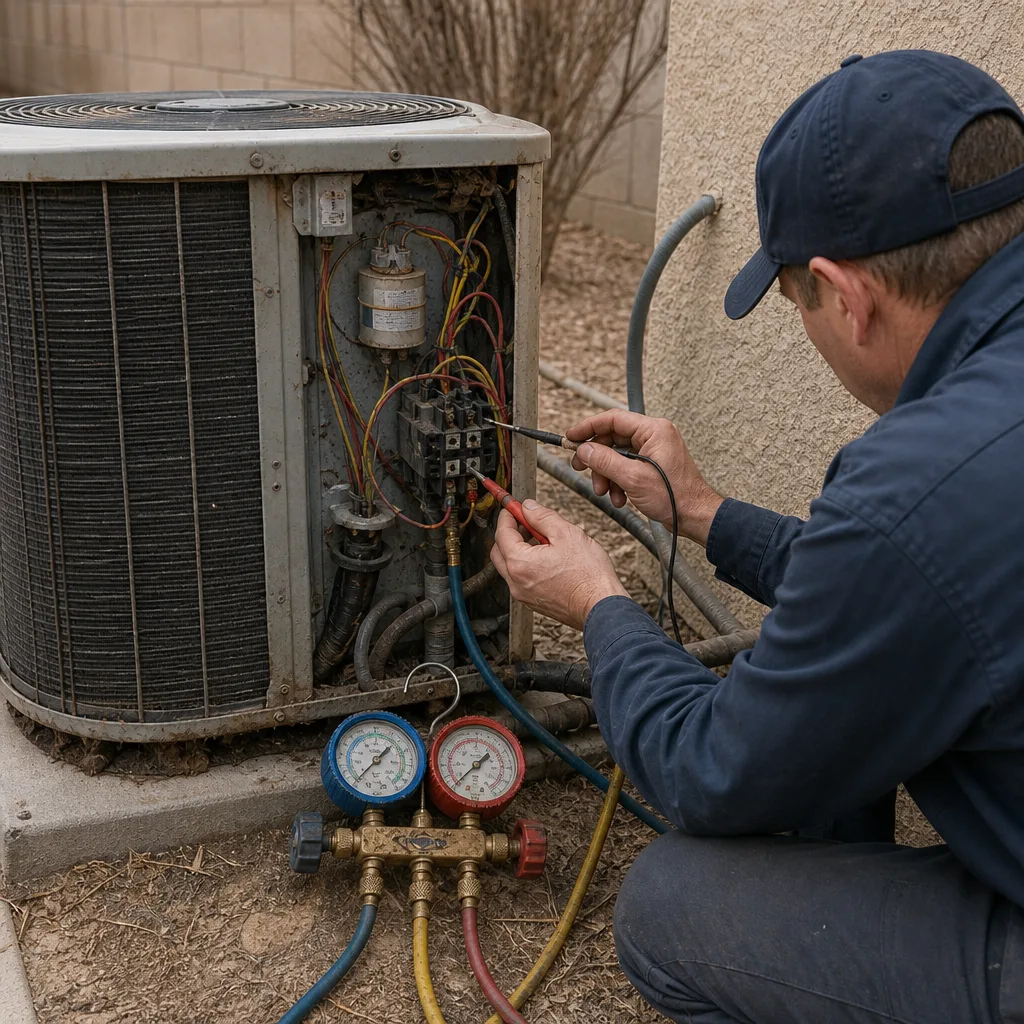 Before
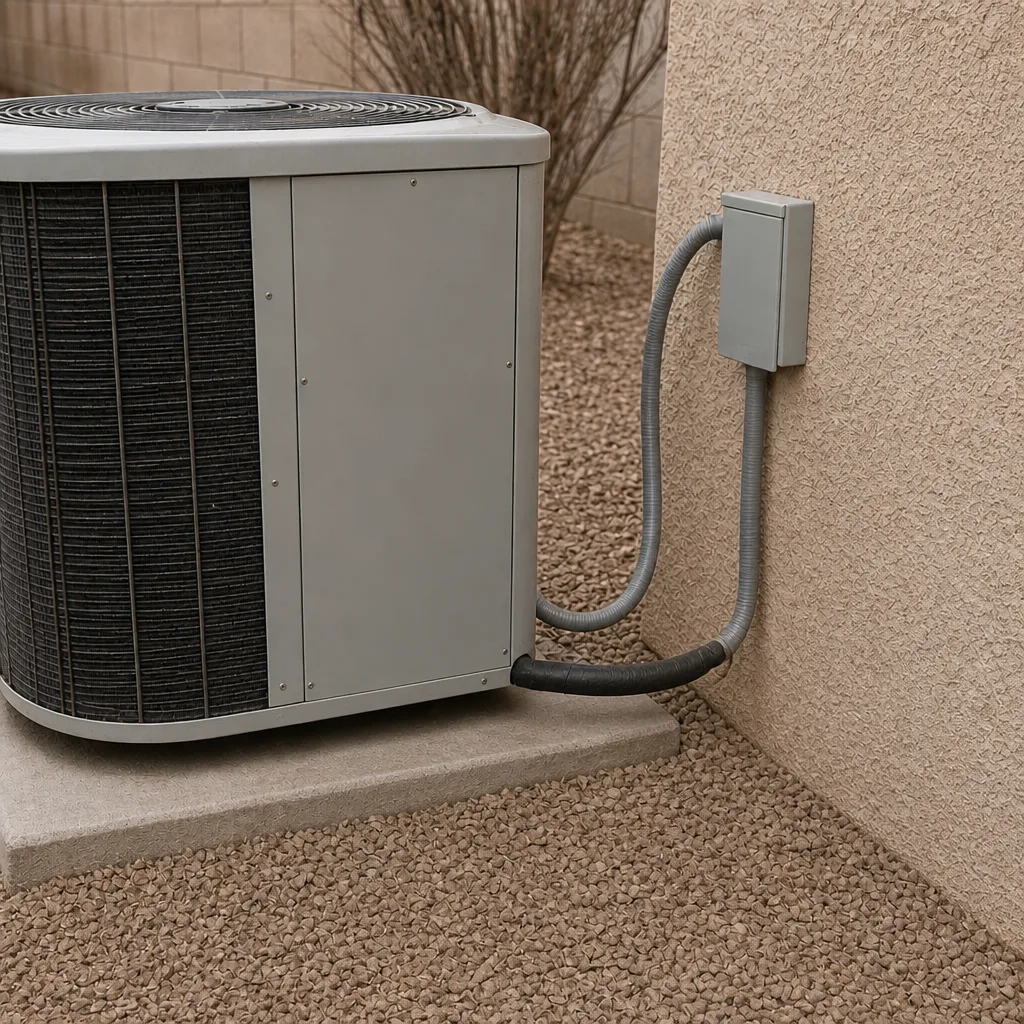 After
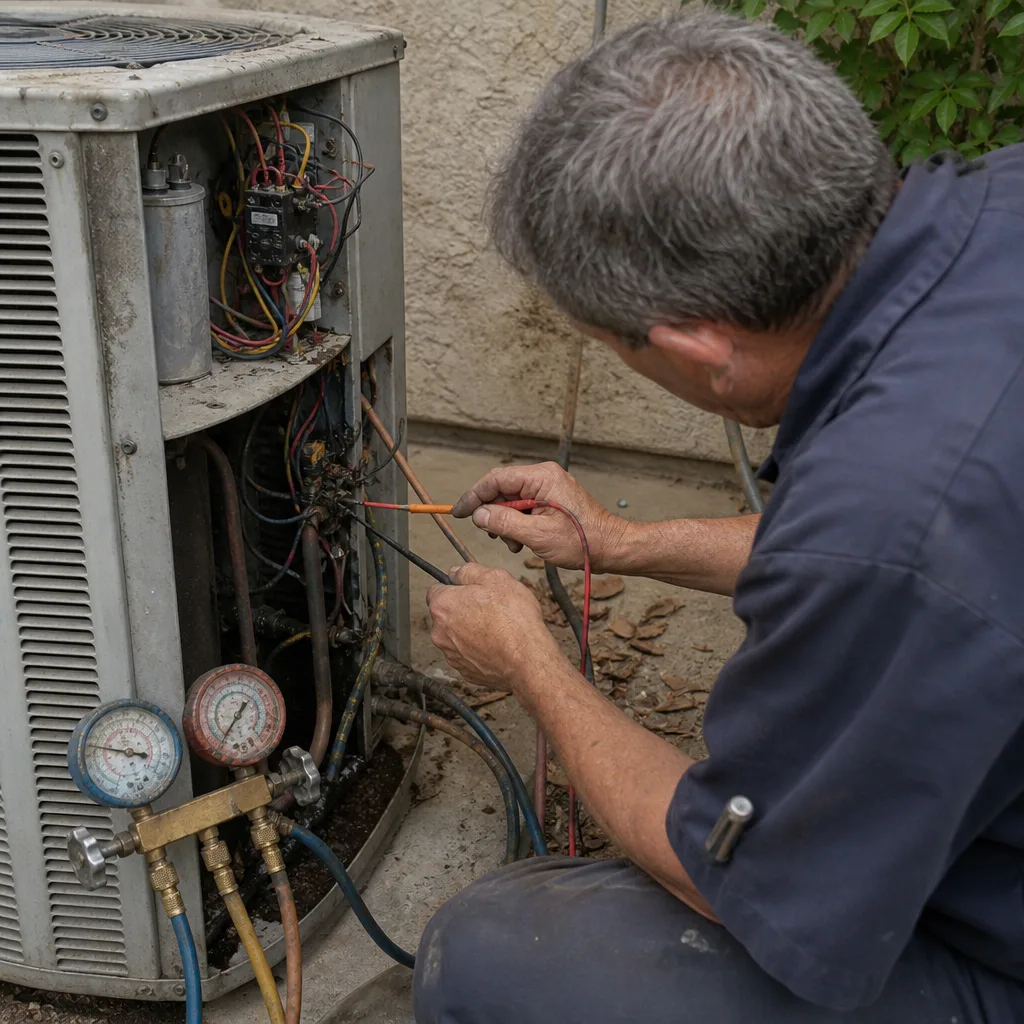 Before
 After
When to Call a Professional
Call a professional for anything in Tier 1 without hesitation, and for Tier 2 within a day. Refrigerant work, electrical diagnosis inside the air handler, and compressor repair are not homeowner jobs. They require proper tools, recovery equipment, and a trained eye, and getting them wrong is what turns a manageable repair into a replacement. If you can’t tell which tier you’re in, shut the system off and call. Our phones are answered by a live person 24 hours a day, every day of the year, and every job comes with no-hassle upfront pricing: the price quoted is the price paid. Our technicians are background-checked, uniformed, and trained on nine major brands, and most jobs are completed in a single visit. Fireside Heating & Air Co. Mesquite offers free estimates in Mesquite. Call (888) 570-3601.
Frequently Asked Questions
If it’s blowing warm and nothing else is wrong, you can usually wait until morning, but shut it off overnight rather than letting it run. Warm air with no other symptoms is often a capacitor or a charge problem, and running it doesn’t help. Call (888) 570-3601 and we’ll get you on the schedule, with a live person on the other end even at 2 a.m.
No. Ice on the outdoor unit or the indoor coil during hot weather is a Tier 1 sign. It almost always means low refrigerant or restricted airflow, and the system is running below freezing. Shut it down and call before the compressor gets damaged. Call (888) 570-3601 for a same-day diagnostic.
An error code tells you where the problem starts. Copy the exact code and the brand, then call us with both. Our team is trained on Bryant, Daikin, American Standard, and six other major brands, and knowing the code on the front end lets us usually get it done on the first visit. Call (888) 570-3601 with the code and we’ll tell you what to expect.
For a standard 1-inch filter, plan on every 30 to 60 days during cooling season. Mesquite’s dust and summer monsoon grit load filters faster than in most climates, so if you’re unsure, check it monthly. A cleaner filter means less strain on your blower and coil. Call (888) 570-3601 to book a tune-up and we’ll check everything else at the same time.
Shut it off at the thermostat, then reset the breaker once. If it trips again, stop and call. Two trips in a row means something is drawing too much current, and continuing to reset it is how components burn out or worse. Call (888) 570-3601 and we’ll send a technician out.
Yes, and we recommend it before you commit to a replacement. If you have a written estimate from another company, we’ll review it free of charge and tell you what we actually find. That’s the “straight talk” part of how we work. Call (888) 570-3601 and bring the estimate.
The Bottom Line
Warning signs don’t need to scare you, and they don’t need to be ignored. The three-tier system does the work: shut it down now for ice, burning smells, repeated breaker trips, or grinding; call within 24 hours for warm air, weak airflow, water, or short cycling; schedule at your next convenience for the small stuff. In Mesquite’s desert heat, a filter change in June is what keeps a compressor from becoming an August replacement. Read the codes, give the dispatcher the details, and know which signs are safe to run and which aren’t. When you’re not sure, shut it off and call. We’ve been doing this work for over 42 years, and most jobs are done in a single visit. Call (888) 570-3601 for a free estimate.
Written by the team at Fireside Heating & Air Co. Mesquite.