
Last updated November 18, 2026
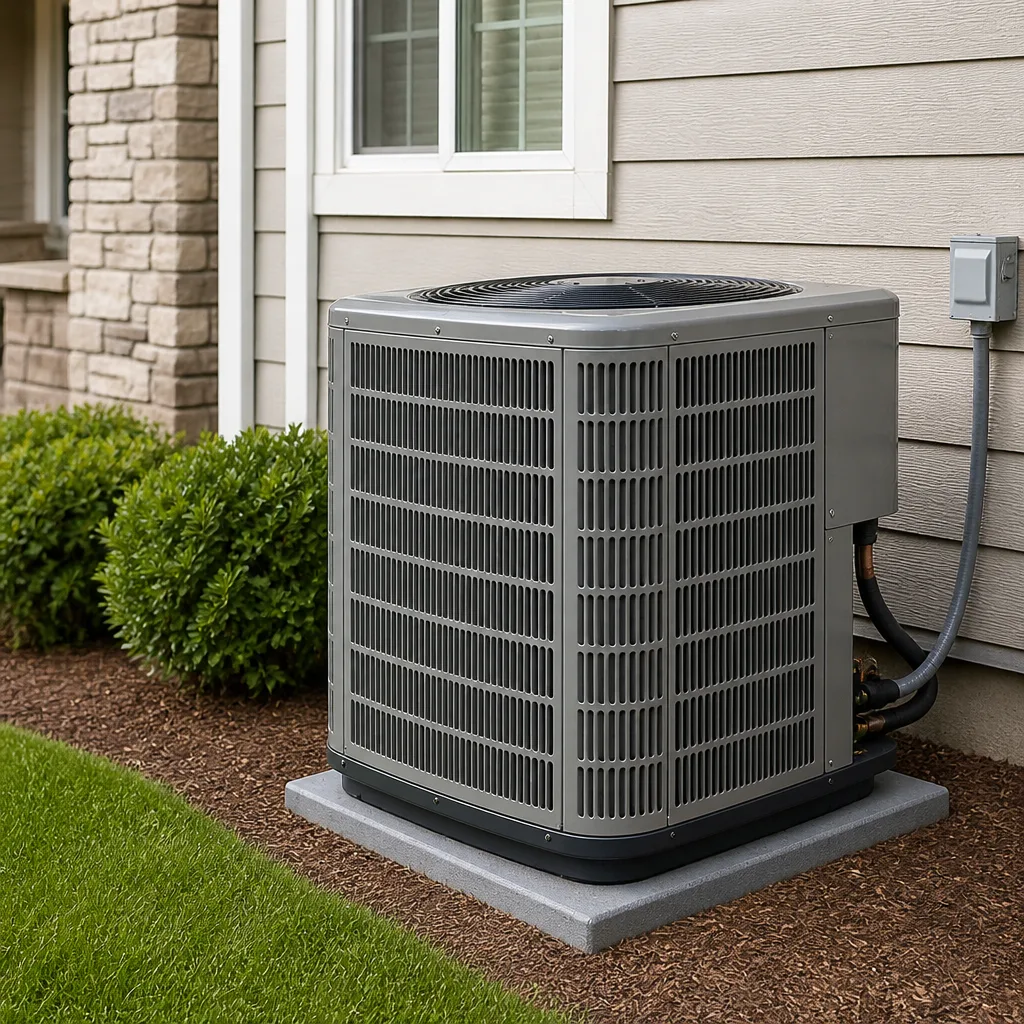 AC repair
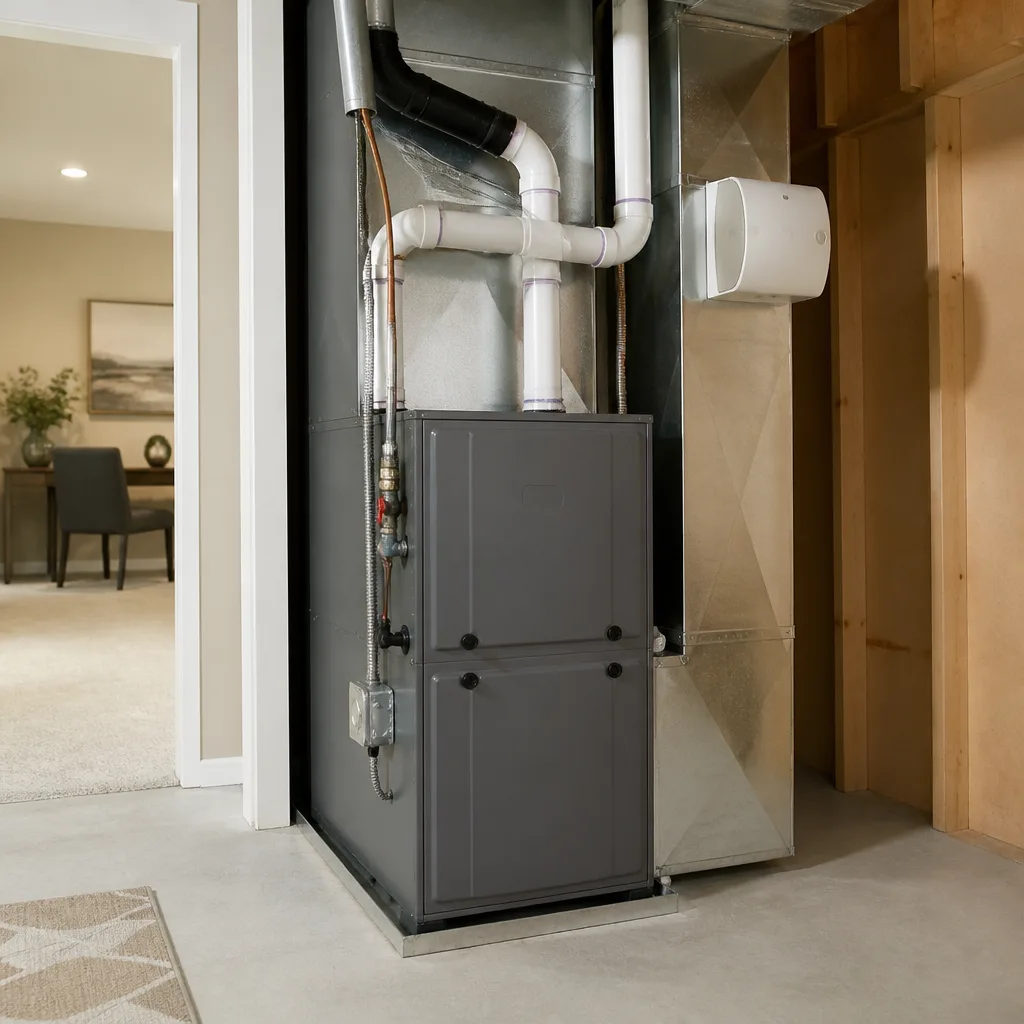 Furnace & heating
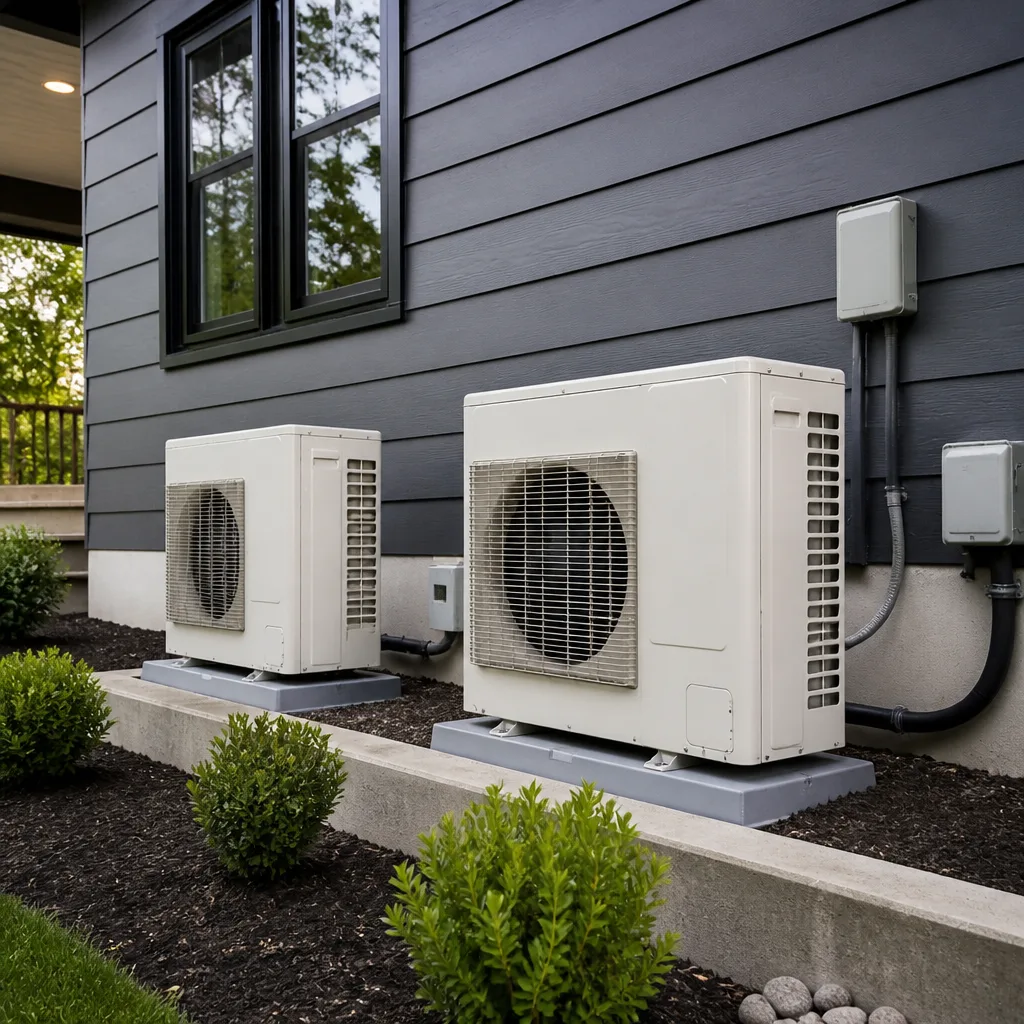 Heat pumps
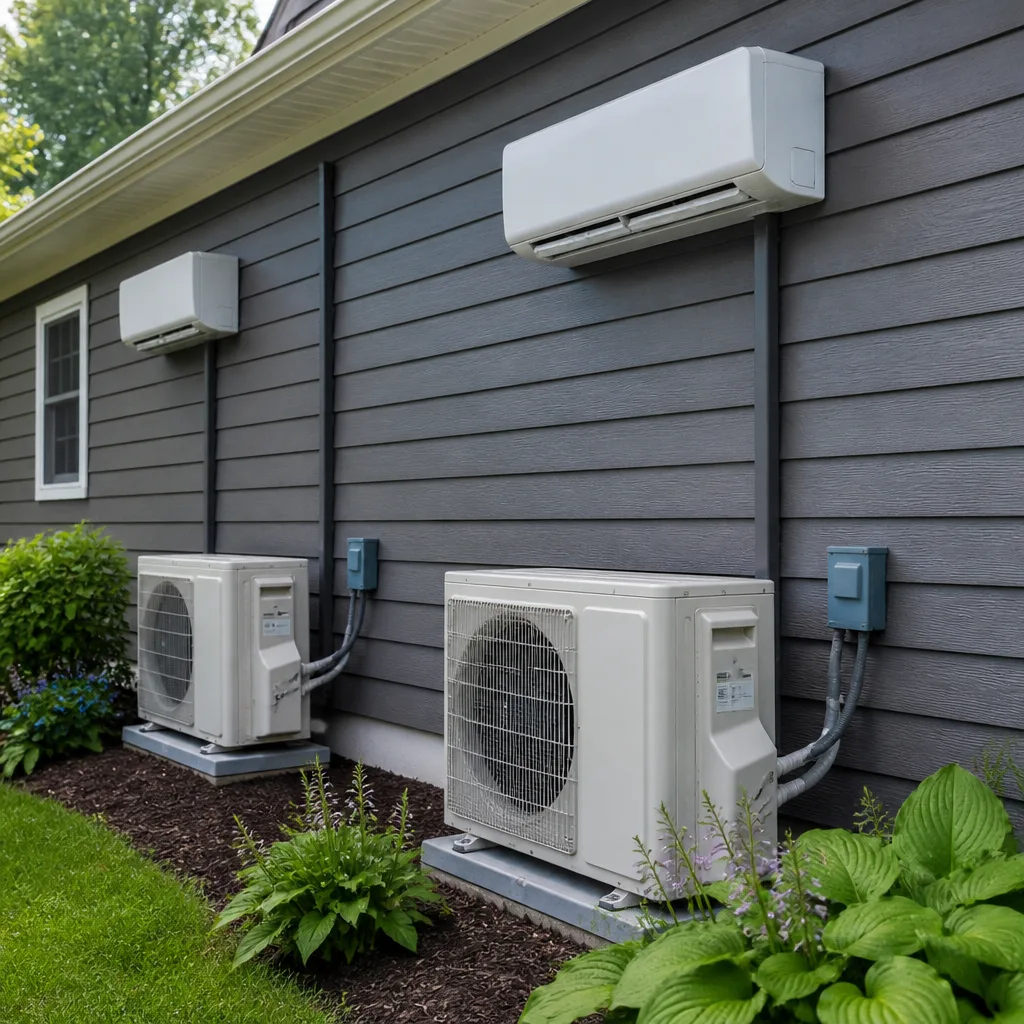 Ductless mini splits
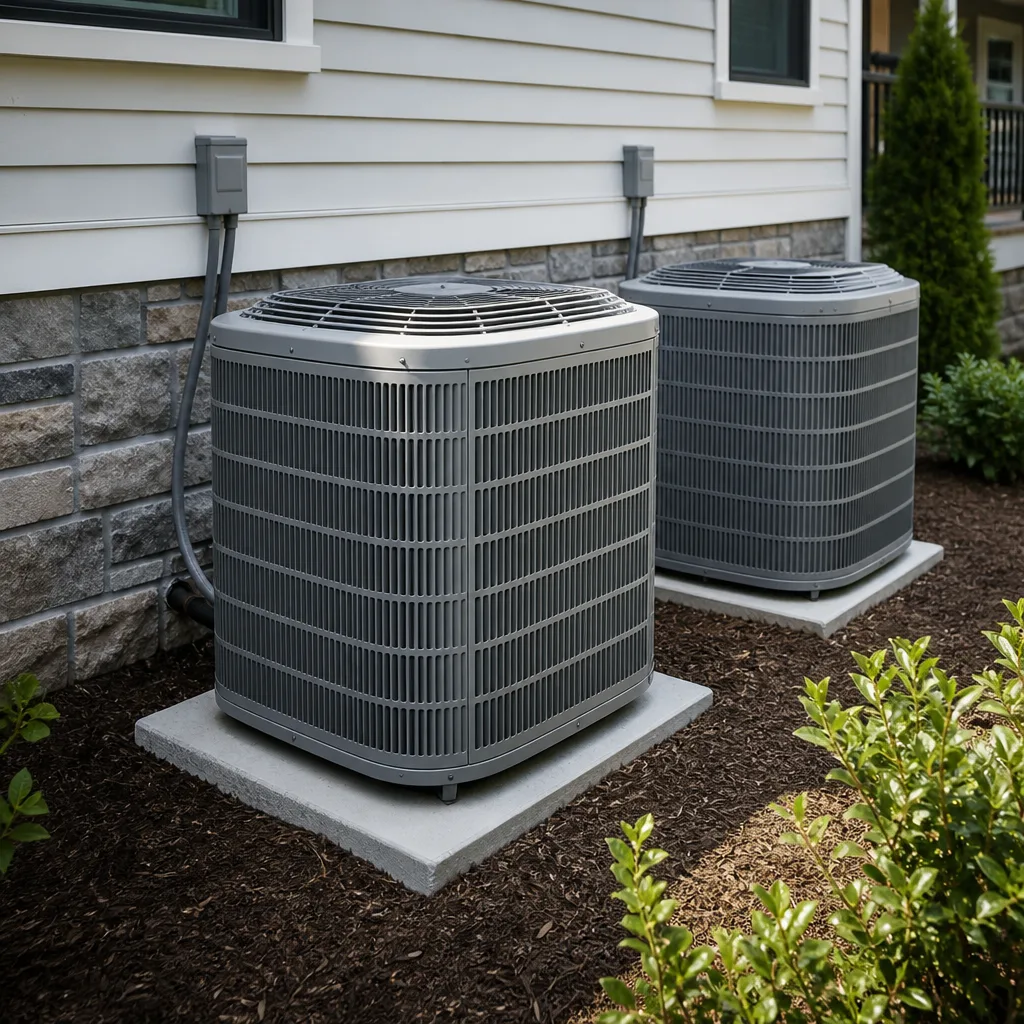 Carrier
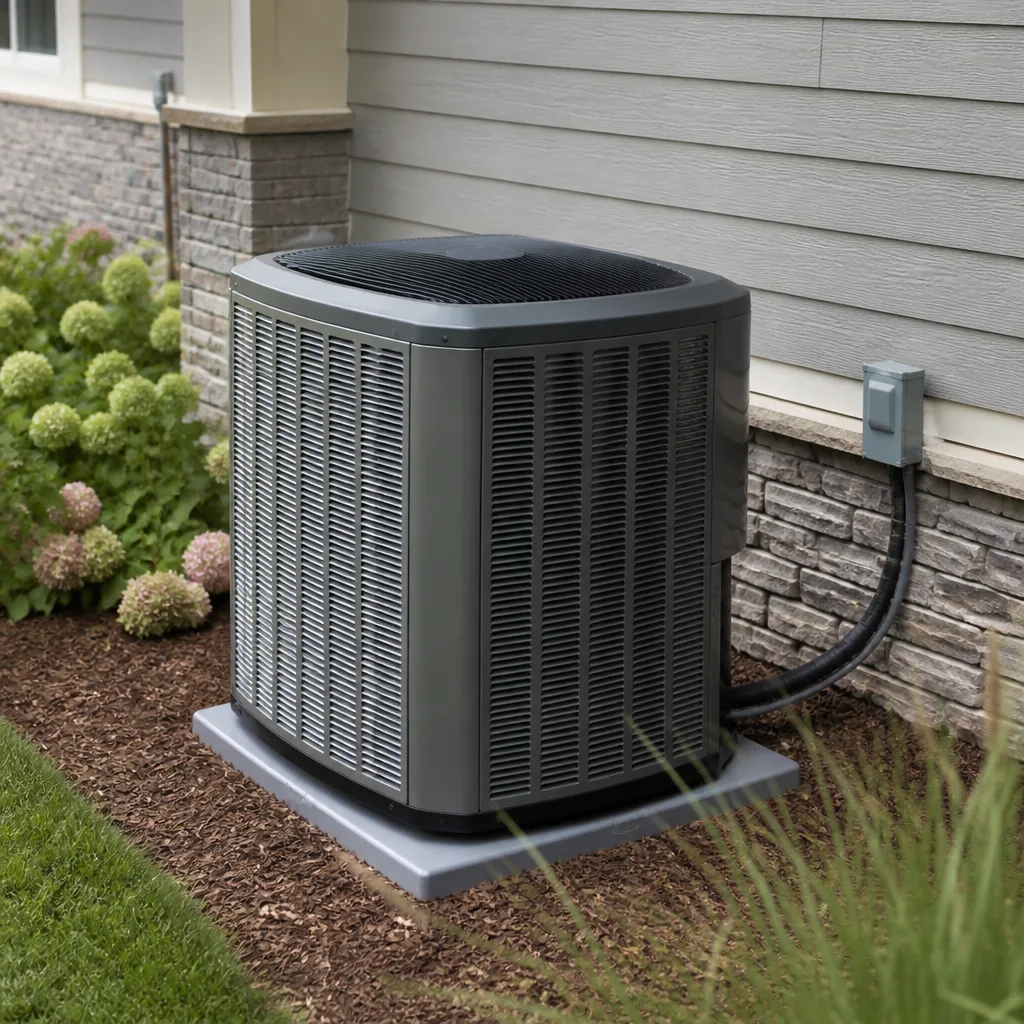 Trane
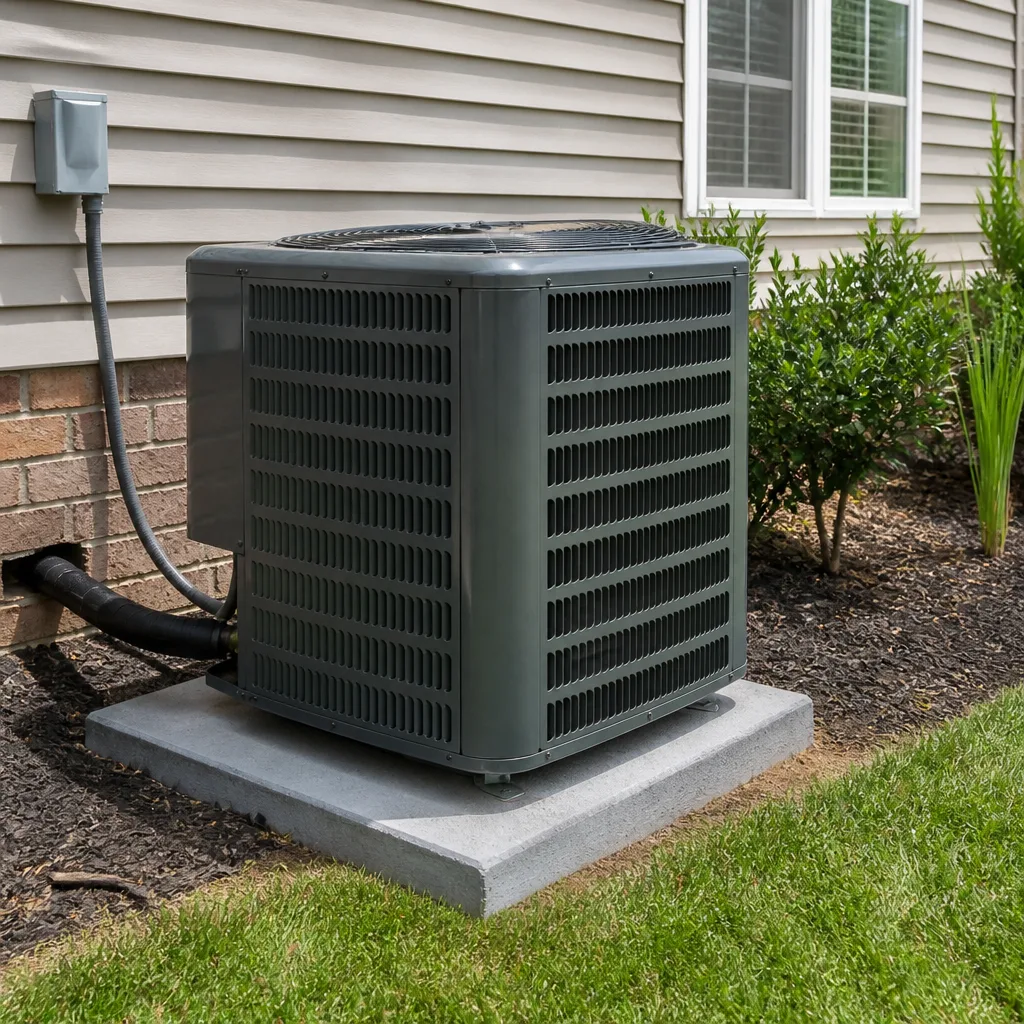 Goodman
Seasonal tune-up and full diagnostic on your Carrier, Trane, or Goodman system - readings shown to you before any repair is proposed
Diagnosis first, numbers second - you approve the repair price before a single part goes in.
Get your free estimateSeasonal HVAC Care for Mesquite: Year-Round Homeowner’s Guide
In Mesquite, “spring maintenance season” can end in a 100-degree week before most homeowners have scheduled their tune-up. The window between the last cold morning and the first full cooling demand is sometimes measured in days, not weeks. That short shoulder season is why the national advice to “service the system in April and again in October” falls apart here. Mesquite doesn’t run on the standard HVAC calendar. This guide maps care tasks to the weather Mesquite actually gets, season by season, so you know what to do and when to do it.
Quick Answer
In Mesquite, HVAC care follows temperature patterns, not calendar months. You need the cooling system checked before the first 100-degree stretch (often late April or early May), the heat pump checked before the first hard freeze (usually December or January), and filtration and coil cleaning after every major dust event. The single most important task is a pre-summer tune-up done before the compression season starts, because that is when early-season failures happen.
Styles & brands we work with
- AC repair
- Furnace & heating
- Heat pumps
- Ductless mini splits
- Carrier
- Trane
- Goodman
Table of Contents
- Why the National HVAC Calendar Doesn’t Fit Mesquite
- The Mesquite Seasonal Care Timeline
- The Pre-Summer Task That Prevents Most Early Failures
- Dust Storms and High Wind: Before, During, and After
- Winter Heat Pump Care and Defrost Cycles
- Staging the Heat-to-Cool Switch Without Stressing the System
- The Shoulder Seasons: Short, Unpredictable, and Easy to Miss
- When to Call a Professional
Why the National HVAC Calendar Doesn’t Fit Mesquite
Mesquite sits in the Virgin River valley at roughly 1,600 feet, wedged between the Mojave Desert and the Great Basin. That geography gives us a climate most HVAC guides don’t account for. Summers are long and brutal – sustained triple-digit highs common from June through August, with 100-degree days showing up as early as May. Winters are short but cold enough to matter, with overnight temperatures that regularly drop below freezing in December and January. Spring and fall are compressed transitions rather than seasons in their own right.
For homeowners, that means three things:
- Compression season starts earlier than you think. The first sustained heat can hit before a scheduled tune-up would happen in most cities. If you wait until “April,” you may already be running the AC hard for weeks.
- Winter is not optional. The mild desert reputation hides hard freezes. A heat pump that runs fine all summer can reveal a defrost problem the first cold night, and that is a no-heat emergency.
- The shoulder seasons are dangerously short. The window to switch modes without stressing the system, or to catch problems before peak demand, is measured in days, not months. Miss it and the first heat wave finds you unprepared.
This is why we treat Mesquite HVAC care as a weather-driven schedule. The right task on the right day protects the system. The wrong task on the wrong day is wasted effort or a service call waiting to happen.
The Mesquite Seasonal Care Timeline
Here is the care schedule tied to what Mesquite weather actually does. Use it as your planning guide, and adjust for the specific year – some springs arrive early, some winters bite late.
Late winter (January – February): Pre-winter heat pump check window closes
This is the tail end of the cold season. If you haven’t had the heat pump or furnace checked, do it now while demand is still moderate. Verify defrost operation, check the reversing valve and refrigerant charge, and confirm the auxiliary heat kicks in when it should. A heat pump that survived the summer can fail on the first hard freeze if defrost isn’t working. Schedule a heating and furnace check in Mesquite before the last cold snap.
Early spring (March – April): The pre-summer tune-up window
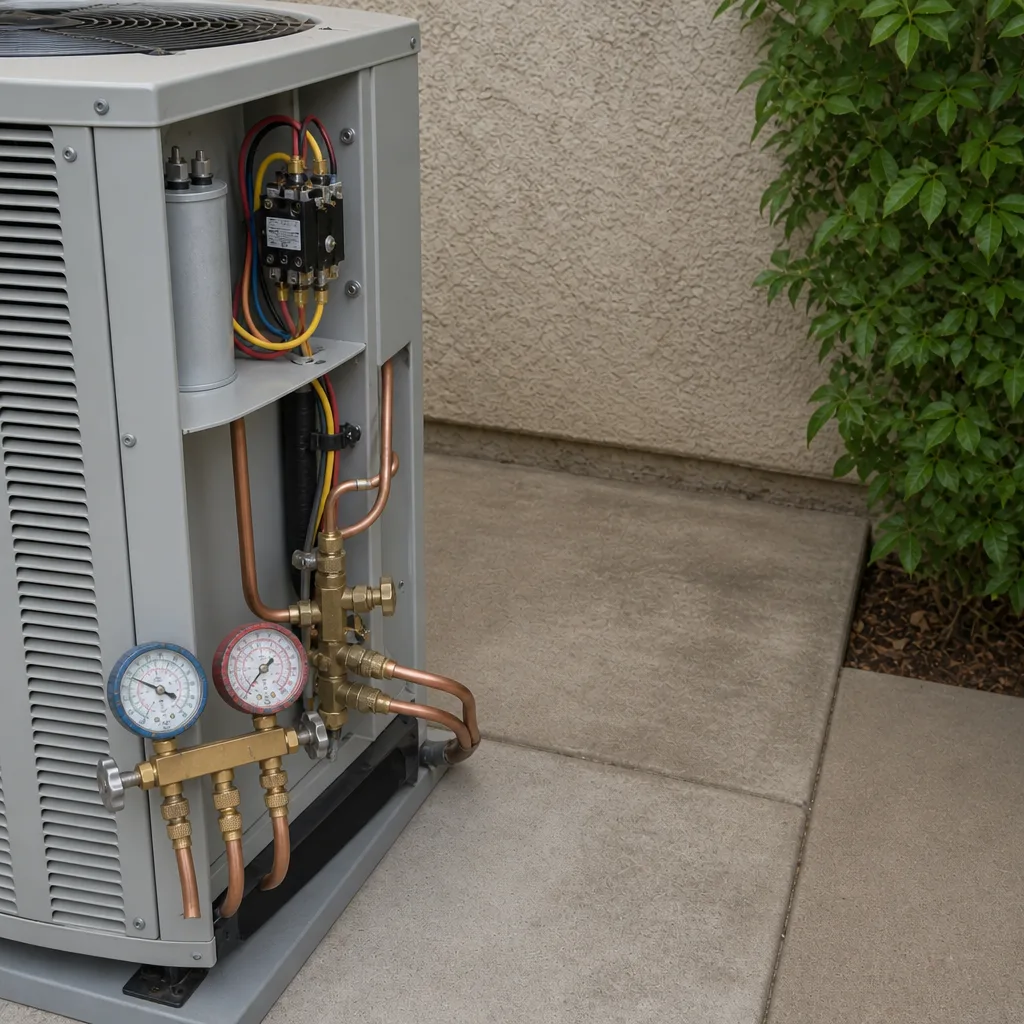
This is the most important window in the Mesquite calendar. Get the cooling side serviced now: clean the condenser coil, check refrigerant charge, test capacitors and contactors, and confirm the system will hold up under sustained load. Do it before the first major heat, not after. This window can close fast – a hot April can push you straight into cooling season.
Late spring to summer (May – September): Watch, filter, and respond
During compression season, your job is monitoring, not maintenance. Change filters on schedule, watch for odd noises or short cycling, and clean up after any dust event. If the system struggles, that is a diagnostic call, not a “wait and see.” See our AC repair and installation service in Mesquite for what a proper summer service visit covers.
Fall (October – November): The heat-side check
Before the first freeze, get the heating side checked. Heat pump owners should confirm the defrost cycle works and auxiliary heat engages. Furnace owners should have the burner and heat exchanger inspected. This short fall window is your last easy chance before winter demand spikes.
The Pre-Summer Task That Prevents Most Early Failures
Ask any honest HVAC technician what causes the most early-season failures in Mesquite and you’ll hear the same answer: the condenser coil was never cleaned before the first heat. It’s the one task most homeowners skip, and it accounts for more summer breakdowns than any other single factor.
Here is why. Your outdoor condenser coil pulls thousands of cubic feet of air per minute across its fins. In Mesquite, that air carries dust, pollen, and fine desert grit. It collects on the fins and, over a summer, hardens into a mat that insulates the coil and blocks airflow. The system still runs – until the first triple-digit day, when it can’t shed heat fast enough. That’s when you get the early-season failure: the system works fine in May and quits in June, right when you need it most.
A pre-summer tune-up fixes this with a coil cleaning that restores airflow before compression season. That single task is the difference between a system that coasts through July and one that calls it quits.
Include these checks in a pre-summer service:
- Clean the condenser coil and confirm unobstructed airflow around the unit.
- Check refrigerant charge and look for leaks.
- Test capacitors and contactors – the most common failure points under heat load.
- Inspect and clear the condensate drain line.
- Check the blower and indoor coil for dust buildup.
- Confirm the thermostat is reading and cycling correctly.
If you find yourself doing this every year, that’s the point. It’s a routine service visit to Fireside Heating & Air Co. Mesquite that catches problems before they become emergency calls.
Dust Storms and High Wind: Before, During, and After
Mesquite gets high-wind and dust events that the national HVAC advice never mentions. They are real, they are hard on equipment, and they need a specific response. Here’s what to do before, during, and after.
Before a forecast wind or dust event
- If you have an outdoor condenser with little protection, consider shutting the system down during the worst of the wind. Wind-driven dust packs the coil faster than normal operating conditions.
- Change the indoor filter if it’s close to due. A clogged filter during a dust event means the blower works harder.
- Close windows and doors so airborne grit doesn’t get drawn into the return.
During the event
- Keep the system off if the air is visibly thick with dust – running it pulls the grit straight into the coil and filter.
- If you must run it, watch for reduced airflow or unusual noise and shut it down if either appears.
After the event
- Check the condenser coil for a visible layer of dust and rinse the fins with a garden hose.
- Replace the indoor filter – a dust event can load a filter in a single afternoon.
- Listen for changes: rattling or reduced airflow can signal a debris-clogged coil or blower wheel.
Dust events also matter for indoor air quality. If you’re noticing more dust indoors after a windy stretch, that’s the return air pulling grit through the system. An air quality and ventilation check is worth having if it keeps happening. A properly sealed return and the right filter do most of the work.
Winter Heat Pump Care and Defrost Cycles
Mesquite’s winters are short but cold enough to trip a heat pump’s defrost cycle – and that cycle is responsible for more false alarms than any other winter issue. Homeowners see the system “stop heating” for a few minutes, hear a whoosh, and assume something broke. It didn’t.
Here’s what’s happening. In cold weather, moisture in the air condenses and freezes on the outdoor coil. The heat pump periodically switches to defrost mode to melt that ice. During defrost, it briefly reverses and stops blowing warm air, and you may see steam or water runoff. It’s normal. What isn’t normal:
- Ice that stays on the outdoor coil after a full defrost cycle.
- The defrost cycle never running at all when temperatures are below freezing.
- The auxiliary heat not engaging during defrost, so you feel cold air instead of basement heat.
- Repeated short defrost cycles with no heat in between.
If you see any of those, the heat pump needs service before you’re relying on it for heat. In a climate that drops below freezing without much warning, a heat pump that can’t defrost is a real comfort problem, not a nagging one.
Fall is the right time for a heat pump check – confirm the defrost sensor, reversing valve, and auxiliary heat before the first freeze. For owners of a heat pump or mini split in Mesquite, that fall check is the single best winter protection.
Staging the Heat-to-Cool Switch Without Stressing the System
When the seasons flip, most homeowners just change the thermostat mode and forget it. On a heat pump, that flip runs through the reversing valve, and rushing the switch – especially in a short shoulder season – is hard on the system. The valve and compressor don’t like rapid back-and-forth cycling between heating and cooling, and Mesquite’s compressed shoulder seasons make that fast flip common.
Here’s how to stage the switch without stressing the equipment:
- Pick a single day for the changeover, once the cold nights are clearly over. Don’t flip back and forth during a warm afternoon or a cold snap.
- If you’ve been running heat, let the system sit in off mode for a couple of hours before switching to cooling. This lets pressures equalize.
- Switch the thermostat to cooling and set a reasonable setpoint. Give the system time to bring the house down instead of forcing it.
- Watch the first cooling run for issues – short cycling, weak airflow, or unusual noise. If something is off, stop and call for a check rather than running it harder.
The reverse applies in fall: once the cooling season is clearly over, make the switch to heat in a single step and let it settle. This is also the point to schedule the fall service visit. Done together, the mode switch and the service call cover the entire transition. And for homeowners with a mini-split system in Mesquite, the same staging applies – mini-splits have their own reversing valves and don’t like quick mode flips either.
The Shoulder Seasons: Short, Unpredictable, and Easy to Miss
The biggest risk in Mesquite HVAC care isn’t winter or summer. It’s the shoulder seasons – those compressed windows between heating and cooling demand. They’re short by nature, and when they come late or early, they’re easy to miss entirely. A homeowner who plans to “get to it in the spring” can miss the entire pre-summer window if April turns hot.
Plan for it this way:
- Don’t wait for a date on the calendar – watch the forecast. When the first stretch of 90-degree days appears, the pre-summer window is closing.
- Book the pre-summer service in late March or early April, not May. The early booking protects you if the heat comes early.
- Treat the fall check the same way – book it in October, confirm the heating side before the first freeze.
- Use the quiet shoulder weeks to handle the “someday” tasks: filter replacement, thermostat checks, and any seasonal service.
- Pay attention to dust and wind events year-round, not just in spring. A late dust storm after a dry summer still loads the coil.
In our experience, the homeowners who have the fewest emergencies are the ones who book the two service visits every year, before both the heat and the cold arrive – not the ones who call after the system quits. A seasonal HVAC service in Mesquite done on time is the cheapest insurance there is.
Common Mistakes to Avoid
- Waiting for “April” to schedule the pre-summer tune-up. Mesquite’s first heat can arrive early and close the window before you’ve booked. Schedule in late March and beat the rush.
- Running the system through a dust storm. Wind-driven grit loads the coil fast and reduces efficiency for weeks. Shut it down during the worst of it and clean up afterward.
- Misreading a defrost cycle as a malfunction. The system stops blowing warm air for a few minutes during defrost, and that’s normal. Real ice buildup or no defrost at all is the problem to call about.
- Flipping the thermostat back and forth during a shoulder season. Rapid switching stresses the reversing valve and compressor. Make the changeover once, in a single staged step.
- Skipping the fall heat check because “it’s still warm.” A heat pump that isn’t ready for the first freeze is a no-heat emergency in a place that drops below freezing without much warning.
- Ignoring the filter between dust events. A filter can load in a single windy afternoon. Check it after every significant dust event, not just on a monthly calendar.
- Treating the shoulder season as “nothing to do.” The compressed windows are the best time to service the system before demand spikes. Missing them costs you either money or comfort.
See the difference
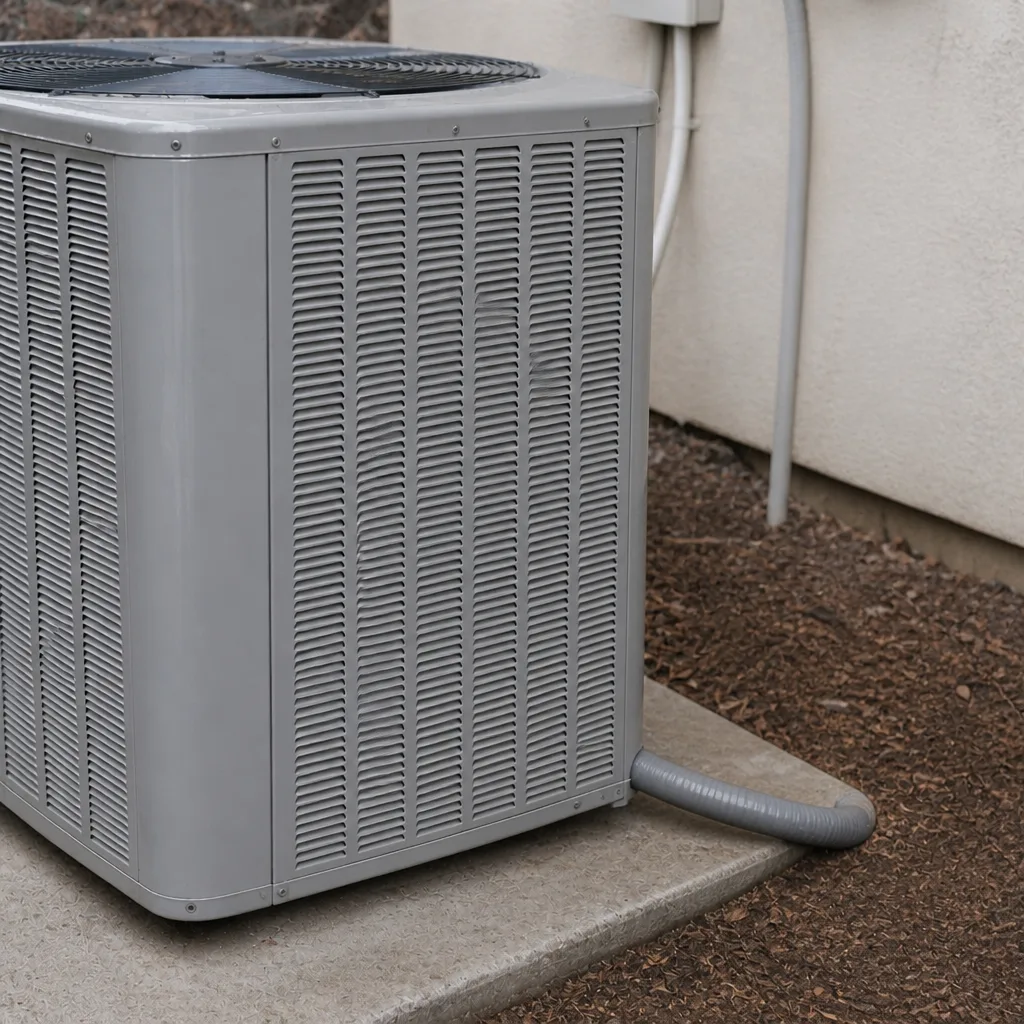
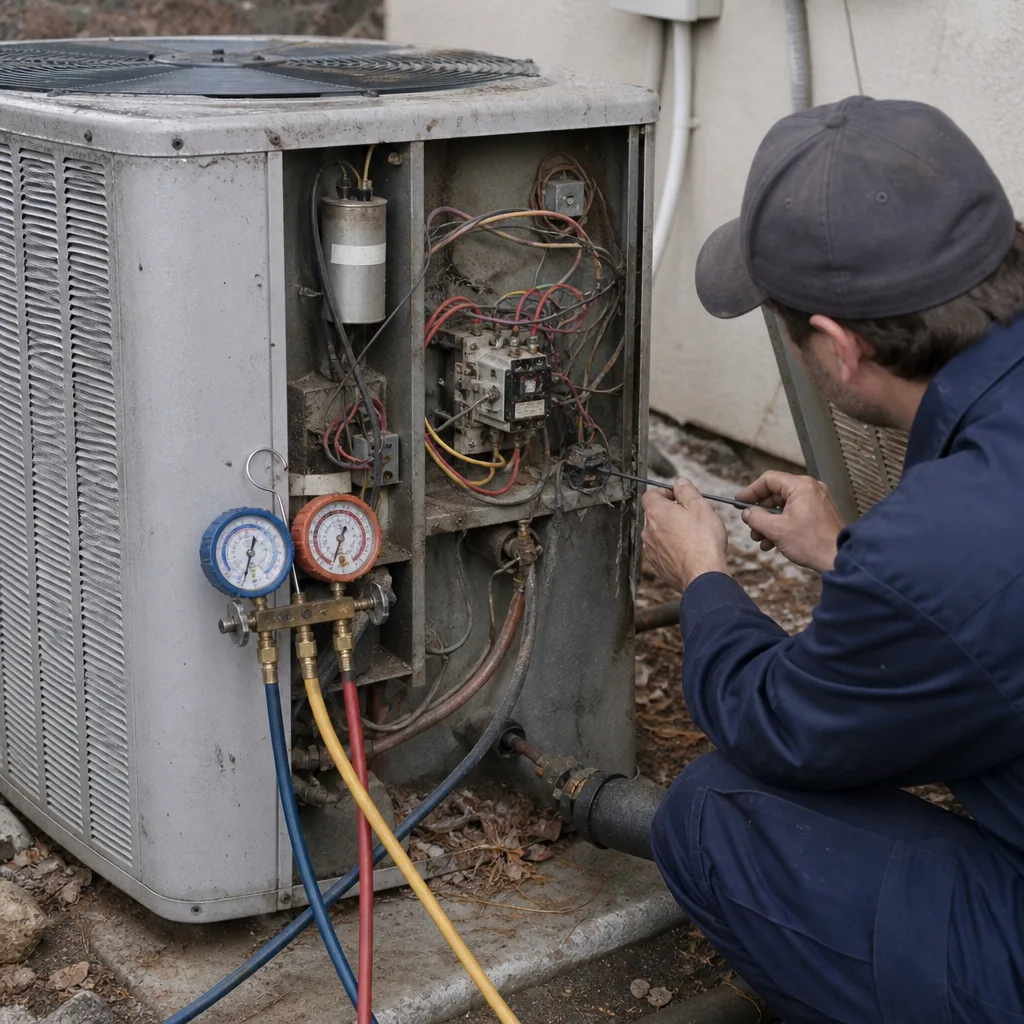 Before
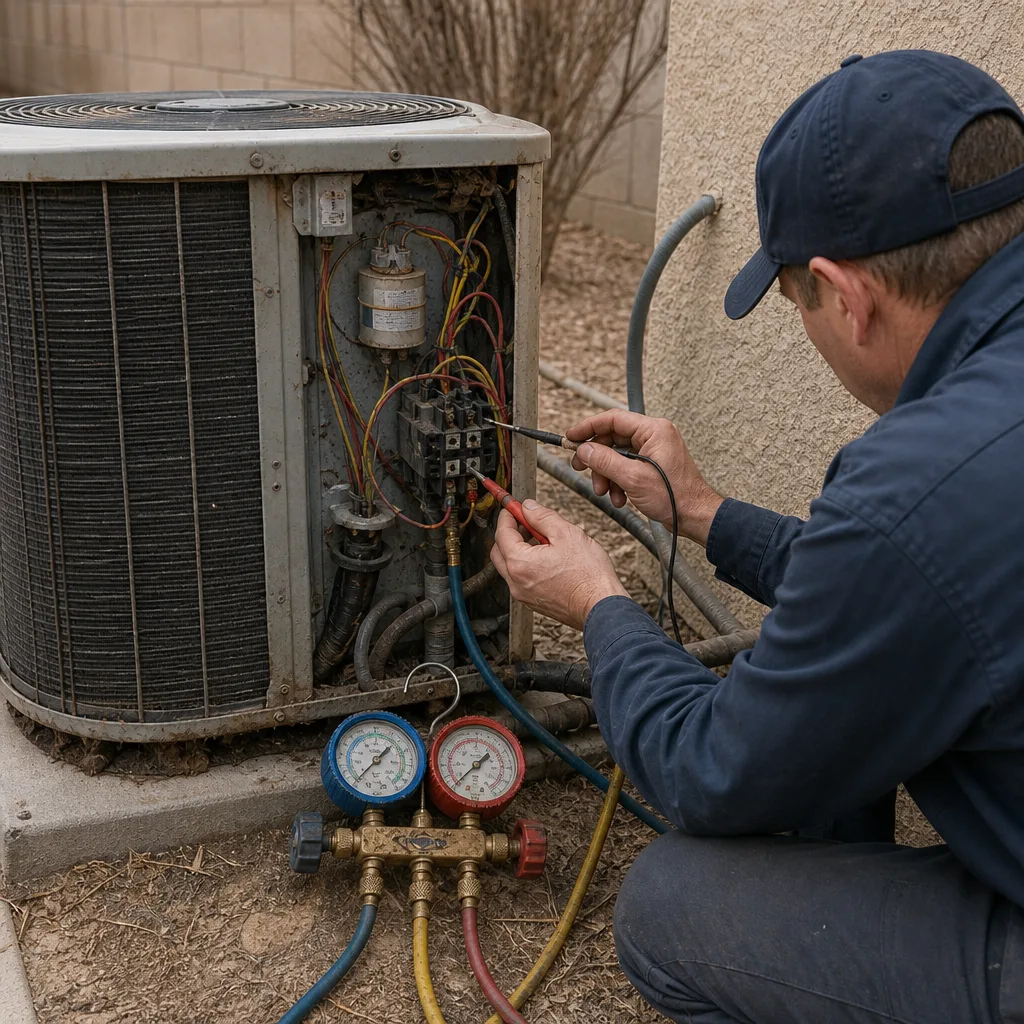
 After
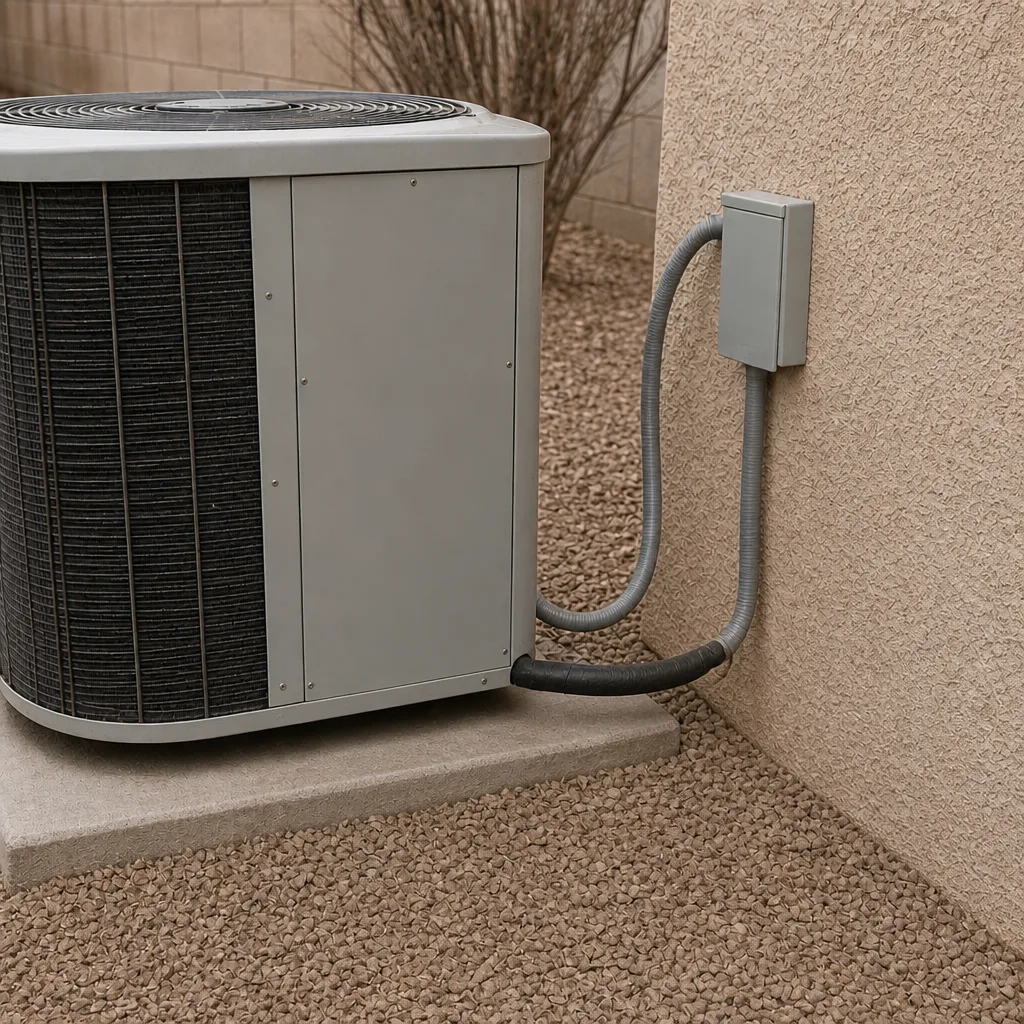
 Before
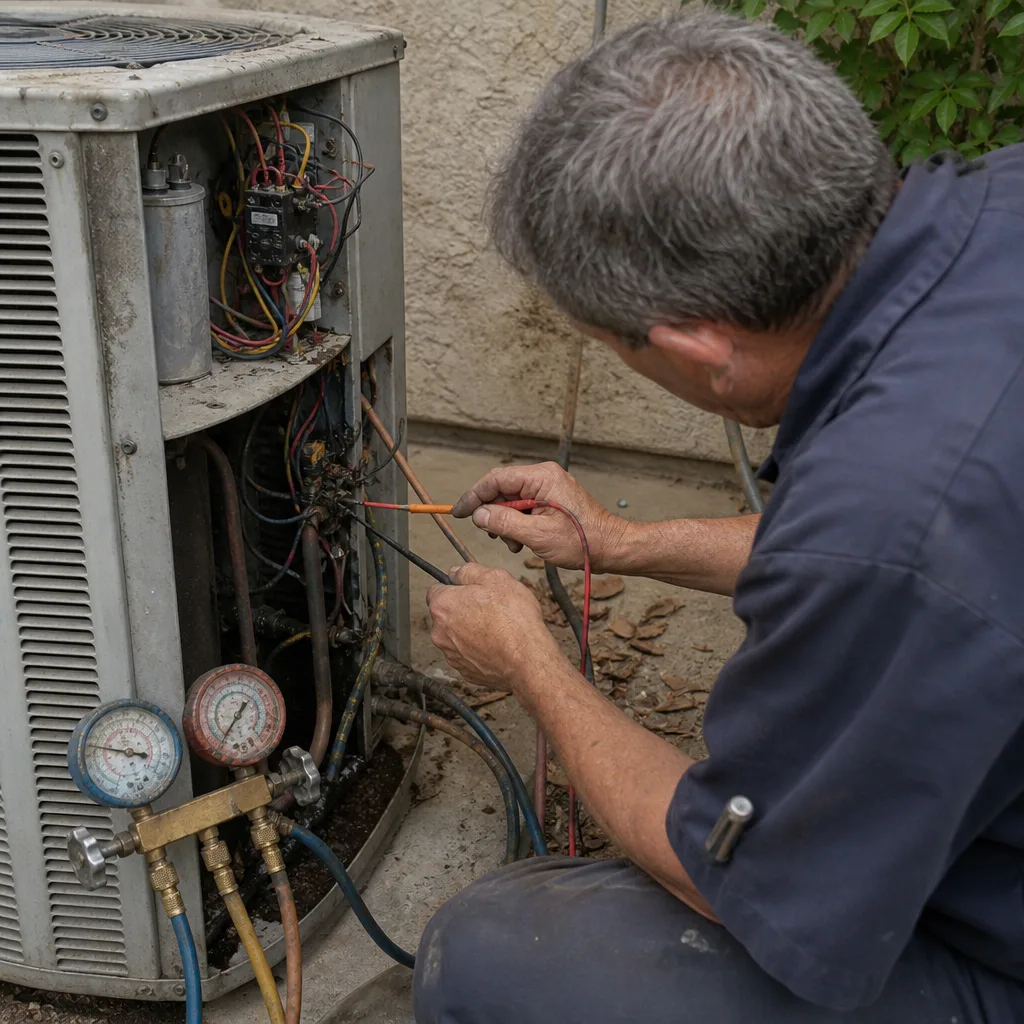
 After
 Before
 After
When to Call a Professional
Some tasks are yours – filter changes, coil rinses, watching the forecast. Others need a trained technician. Call us if your heat pump won’t defrost, if you see ice on the coil that won’t clear, if the auxiliary heat won’t engage during a freeze, or if the system short-cycles after a mode switch. Call us after any major dust event if airflow drops or the condenser looks packed with grit. Call us before the first heat if you haven’t had a tune-up, and before the first freeze if the heating side hasn’t been checked. We handle refrigerant work, electrical components, reversing valves, and diagnostics, and we recommend a professional for anything beyond the basics – especially on a heat pump, where the defrost and reversing-valve components are delicate and easy to damage. Fireside Heating & Air Co. Mesquite offers free estimates in Mesquite – call (888) 570-3601. Every job is backed by our 90-Day Done Right Promise, and a live person answers the phone around the clock, including the 2 a.m. no-heat call.
Frequently Asked Questions
You should schedule the cooling-side tune-up in late March or early April, before the first sustained heat, and the heating-side check in October, before the first freeze. Mesquite’s shoulder seasons are compressed, so booking ahead protects you if the weather jumps early. Call (888) 570-3601 to get on the schedule – estimates are free.
A pre-summer condenser coil cleaning is the single most important task. It accounts for more early-season failures than anything else because a packed coil can’t shed heat once the real heat arrives. Get it done before compression season, not after your system struggles. Call (888) 570-3601 for a $89 seasonal tune-up.
Yes, briefly – that’s the defrost cycle doing its job. It melts frost off the outdoor coil, so the system stops blowing warm air for a few minutes and you may see water runoff. Ice that doesn’t clear, no defrost at all, or repeated short cycles are not normal and should be checked by a professional. Call (888) 570-3601 if you’re unsure.
Turn it off during the worst of the wind so you don’t pull grit into the condenser coil. After the storm, rinse the coil with a garden hose and replace the indoor filter, then check for reduced airflow. If the system struggles after the event, call for a diagnostic – estimates are free at (888) 570-3601.
Yes. Mesquite’s freezes are occasional but they arrive without much warning, and a heat pump that isn’t ready for the first cold night is a no-heat emergency. A fall check confirms the defrost cycle and auxiliary heat work before you need them. Call (888) 570-3601 to book a fall heating check.
Make the changeover once, in a single staged step, rather than flipping back and forth during a shoulder season. Let the system rest a couple of hours in off mode, then switch to cooling and give it time to bring the house down. Watch the first cooling run for short cycling or weak airflow. If something looks off, call (888) 570-3601 for a check – estimates are free.
The Bottom Line
Mesquite’s HVAC calendar doesn’t follow the national schedule. Compression season starts early, the shoulder seasons are compressed, and winter freezes can arrive without much warning. The plan that works is weather-driven: a pre-summer tune-up in late March or early April that includes a condenser coil cleaning, a fall heat check in October, dust-event cleanup as needed, and a deliberate staged mode switch on your heat pump. Do those and the system will run through the worst of July and hold up when the first freeze hits. We handle all of it, year after year. Call Fireside Heating & Air Co. Mesquite at (888) 570-3601 for a free estimate – done right, or we make it right.
Written by the team at Fireside Heating & Air Co. Mesquite.