
Last updated November 18, 2026
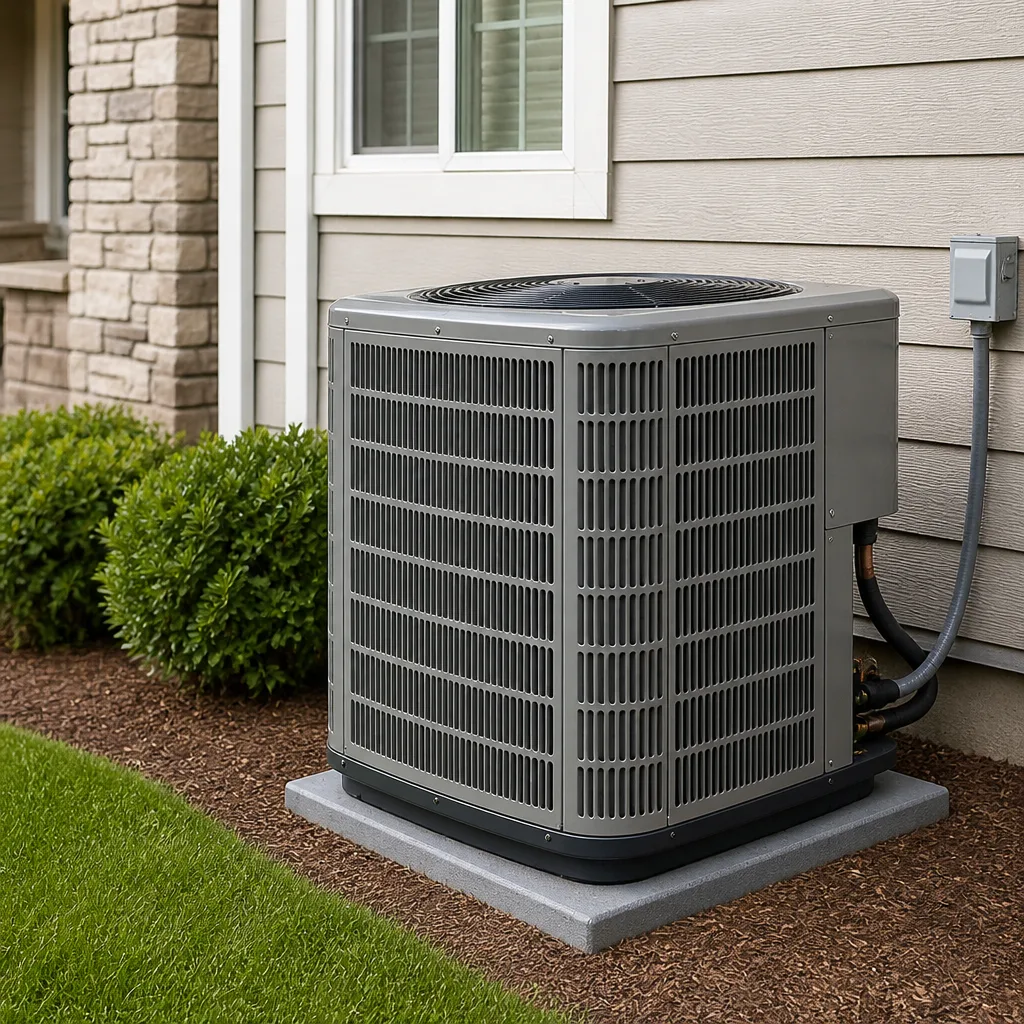 AC repair
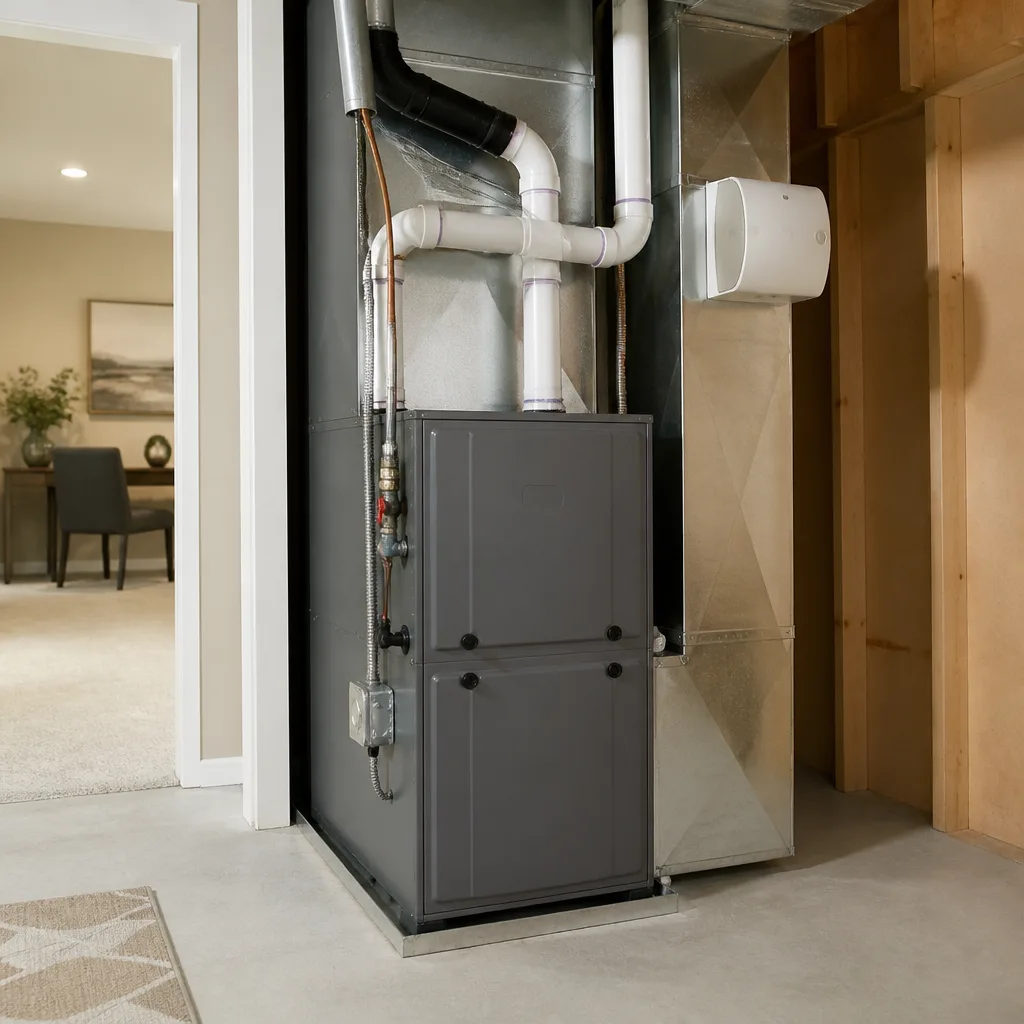 Furnace & heating
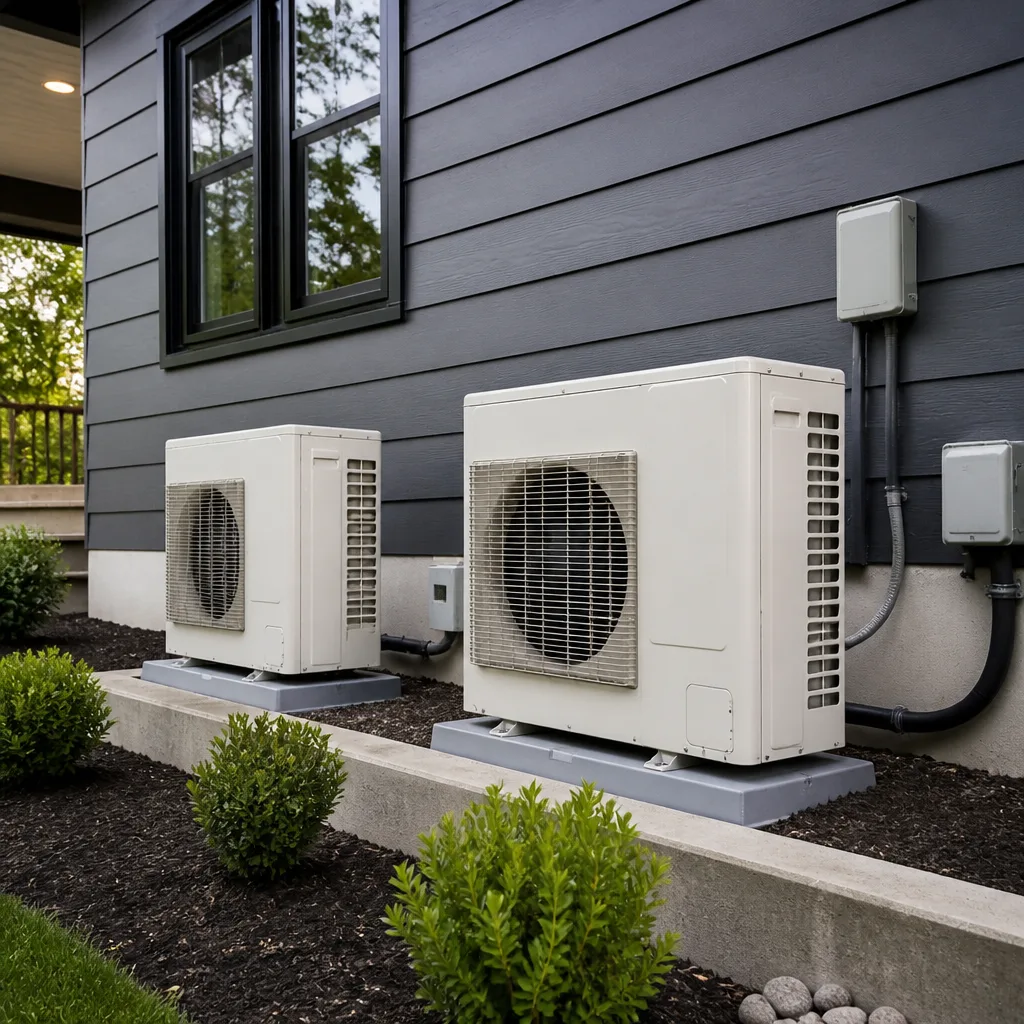 Heat pumps
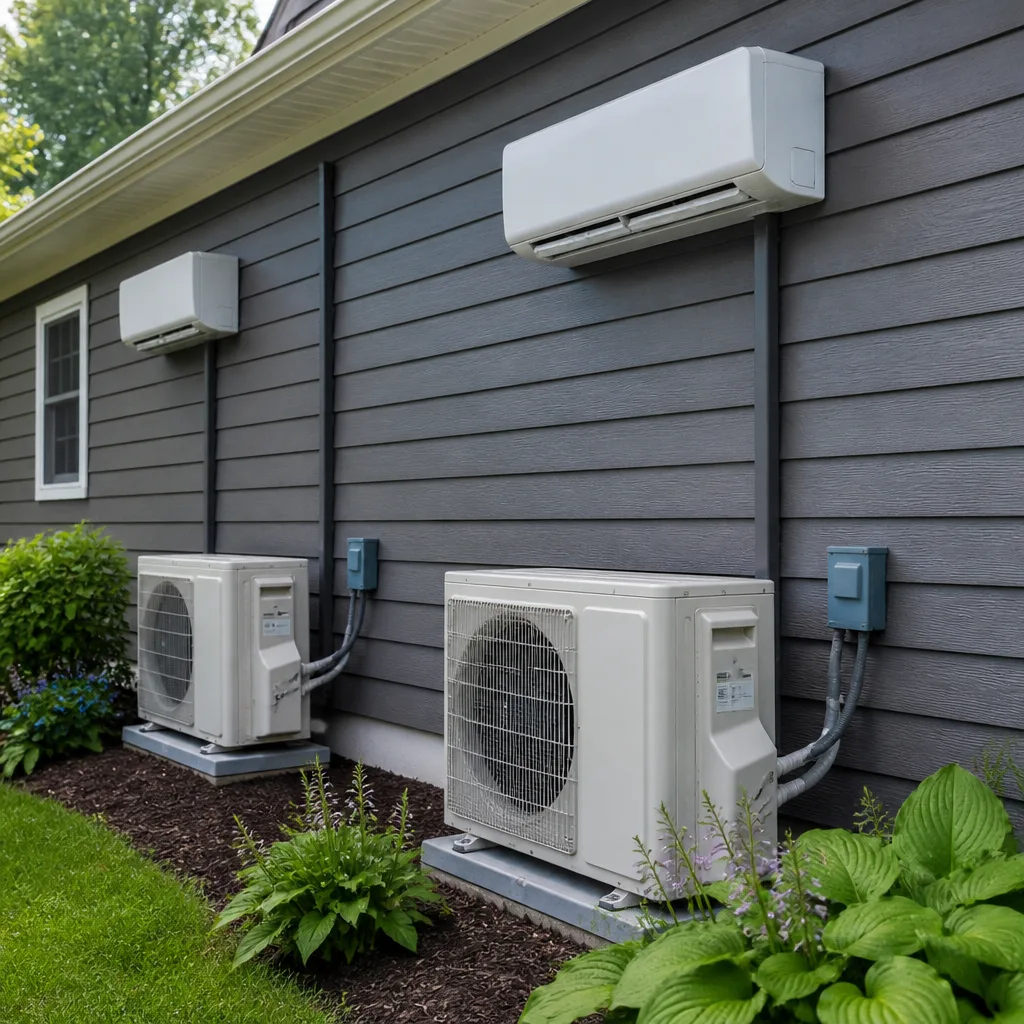 Ductless mini splits
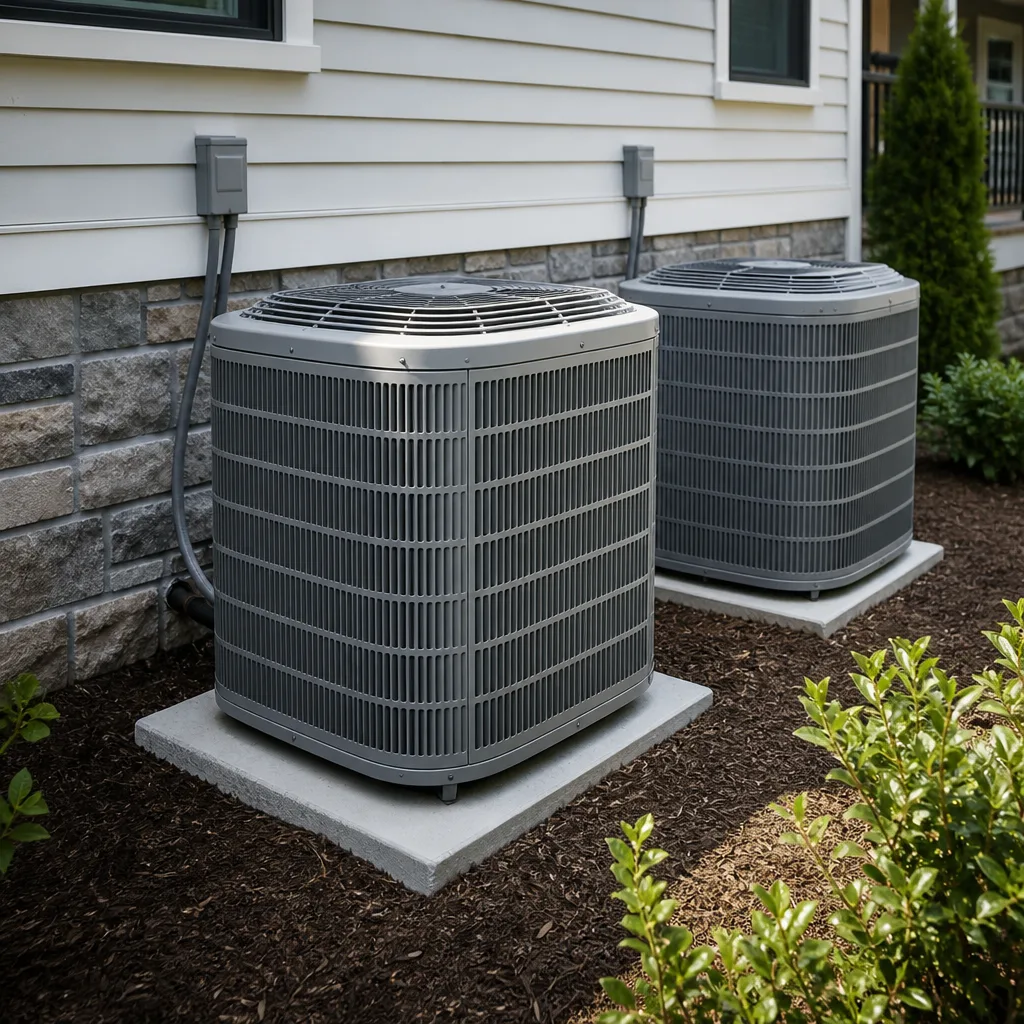 Carrier
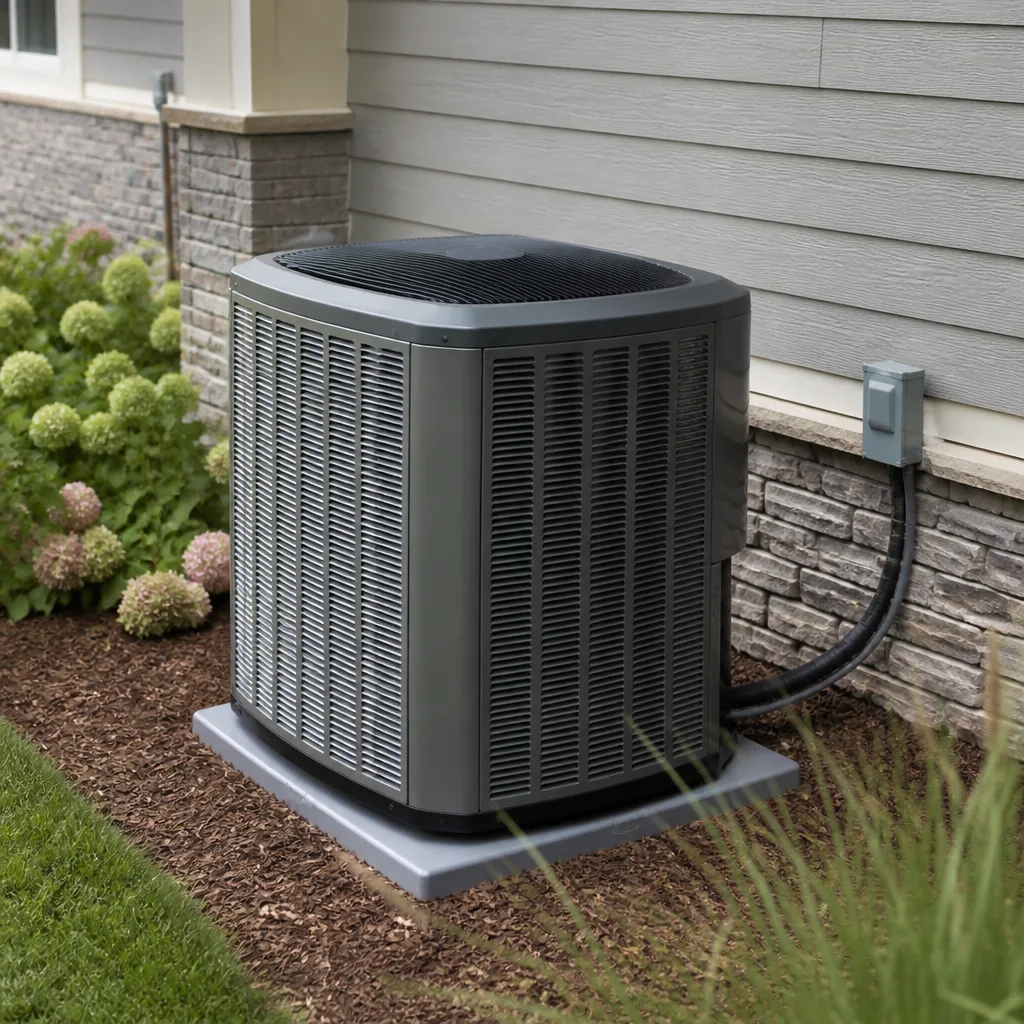 Trane
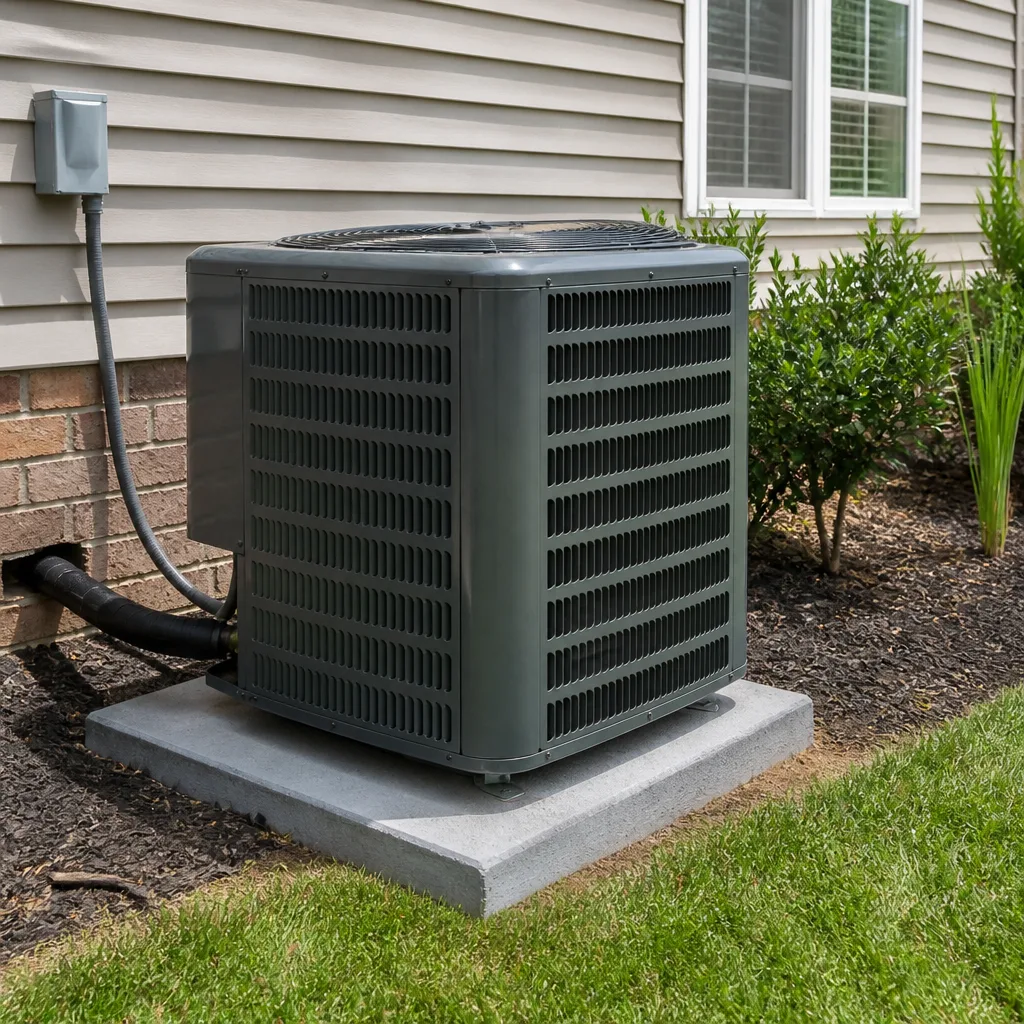 Goodman
Seasonal tune-up and full diagnostic on your Carrier, Trane, or Goodman system - readings shown to you before any repair is proposed
Diagnosis first, numbers second - you approve the repair price before a single part goes in.
Get your free estimateHVAC Permits, Codes & Inspections in NV: What You Need to Know
If your contractor skipped the permit to save you a few days and a few dollars, you may have inherited a liability that follows the house – not the contractor – straight through to closing day. In Nevada, a mechanical system installed without the required permit can complicate an insurance claim and must typically be disclosed when you sell. Most Mesquite homeowners never learn this until it costs them. This guide walks through which HVAC jobs in Nevada legally require a permit, how Clark and Lincoln County handle inspections for Mesquite addresses, what a passed final inspection does and does not confirm, and how to check whether a permit was ever pulled on your system.
Quick Answer
In Nevada, most HVAC work that changes or adds equipment – new installs, replacements, duct changes, and gas line connections – requires a permit and inspection. Simple repairs like swapping a thermostat or replacing a filter do not. For Mesquite addresses, the permit is pulled through the county building department (Clark County for most of the city, Lincoln County for the outlying areas), and the contractor is responsible for pulling it before work begins, not after.
Styles & brands we work with
- AC repair
- Furnace & heating
- Heat pumps
- Ductless mini splits
- Carrier
- Trane
- Goodman
Table of Contents
- Which HVAC jobs in Nevada need a permit – and which truly don’t
- How Clark and Lincoln County handle permits for Mesquite addresses
- What the inspection timeline looks like
- What a passed final inspection confirms – and what it doesn’t
- The insurance and home-sale consequences of an unpermitted system
- How to check if a permit was pulled on your past install
- What to do if no permit was ever pulled
- How to hold your contractor accountable
Which HVAC jobs in Nevada need a permit – and which truly don’t
Nevada follows the International Mechanical Code and the International Residential Code for one- and two-family homes. The state adopts these through the Nevada State Board of Contractors and local building departments, and the practical rule is this: if you are changing the system in a way that affects safety, efficiency, or structural work, a permit is required.
Work that requires a permit:
- Replacing a furnace, air conditioner, or heat pump, even if the new unit is the same size as the old one
- Installing a new system in a home that never had central heating or cooling
- Adding a mini-split or ductless system, including the electrical disconnect and line-set work
- Running new ductwork, substantially rerouting existing ducts, or sealing and rebalancing a system
- Connecting gas lines to a furnace or gas-pack, even a like-for-like swap
- Any work on the electrical panel that feeds the HVAC equipment
Work that does not require a permit:
- Replacing a thermostat, filter, blower motor, or capacitor
- Cleaning coils or performing a seasonal tune-up
- Minor refrigerant top-offs (though proper handling and documentation are still required)
- Replacing a condensate pump or float switch
If you are unsure which side of the line a job falls on, ask the contractor to put in writing whether a permit is required and why. In our experience, a contractor who hesitates on that question is telling you something.
How Clark and Lincoln County handle permits for Mesquite addresses
Mesquite sits at the northeast edge of Clark County, with a small portion of nearby addresses falling into Lincoln County. Almost every Mesquite residential HVAC permit is pulled through Clark County’s Building Department, but the outlying areas – including parts of Bunkerville and the Virgin Valley addresses east of town – can fall under Lincoln County jurisdiction. When you call to verify a permit, the first question is which county holds the record.
Clark County’s process for a residential HVAC permit generally looks like this:
- The contractor files an application, usually online through the county’s permitting portal, with the scope of work and equipment specifications
- The county issues the permit, sometimes the same day for a straightforward replacement
- The contractor schedules an inspection once the work is roughed in or completed
- An inspector visits and either passes the job, fails it with corrections, or requires a re-inspection
- The county closes the permit once the final inspection passes
For Mesquite addresses, expect inspections to be scheduled on a county rotation, so a two- to five-day wait is normal rather than same-day. Plan around it. A contractor who tells you the inspection is “just a formality” or that they will “take care of the paperwork later” is asking you to take on risk they should be carrying. In Mesquite’s summer heat, where afternoon temperatures push past 110°F in July and August, we see systems installed in a hurry during peak season – and that is exactly when the permit and inspection step matters most.
What the inspection timeline looks like
Timelines vary with county workload and the complexity of the job, but for a typical Mesquite residential system replacement, here is a realistic picture:
- Permit application to issuance: 1 to 5 business days for a standard like-for-like replacement; longer for a new install, a heat pump conversion, or anything that touches the electrical panel
- Rough-in inspection (if required): scheduled after duct and line-set work is in place, before equipment is energized
- Final inspection: scheduled after equipment is set, refrigerant charge verified, and the system is running
- Re-inspection (if the job fails): usually within 3 to 7 business days, depending on the county schedule
We have seen Mesquite jobs where the county inspected the same week the equipment was set, and we have seen jobs where the wait stretched closer to two weeks during the busy spring changeover. The honest answer is that no one can promise you a specific inspection date, only that they will schedule it promptly and follow through. That is why a written, dated schedule matters more than a verbal “we’ll get to it.”
If you are planning a replacement, factor the inspection window into the timeline before the old unit comes out. A properly scheduled job never leaves a Mesquite family without cooling in August while they wait on a county appointment.
What a passed final inspection confirms – and what it doesn’t
A passed final inspection is an important signal, but it is narrower than most homeowners assume. Here is what it actually covers:
- Equipment is installed per the manufacturer’s instructions and the approved permit scope
- Gas connections have been leak-tested and combustion air requirements are met
- Electrical disconnects and overcurrent protection are in place
- Clearances from combustibles and access for service are adequate
- The work matches what was approved on the permit application
What a passed inspection does not confirm:
- That the system was sized correctly for your home – a manual J load calculation is not part of a standard inspection
- That the duct system is balanced or sealed
- That the refrigerant charge is dialed in for your specific line-set length
- That the thermostat programming or airflow settings are optimized
- That the contractor used quality workmanship on the details an inspector may not see
In other words, a passed inspection means the job is code-compliant, not that it is well-done. This gap is where a 90-Day Done Right Promise earns its keep. A written guarantee covers the quality side of the job that code cannot reach. If something is not right after the work is finished, the promise means we come back and make it right, no arguing, no paperwork. Our team services all nine major residential brands, including Lennox, Goodman, and Rheem, so the follow-up is scheduled and handled by the same technicians trained to the job.
The insurance and home-sale consequences of an unpermitted system
This is the part most Mesquite homeowners never hear about until it is too late.
Insurance: When a claim is filed – say, a fire traced to a gas furnace connection or water damage from an unpermitted condensate line – the insurer’s adjuster will pull the permit history. If the system was installed without a permit, the insurer can argue the work was not code-compliant and therefore not covered. That can mean a denied claim or a partial payout on a loss that could run into five figures. A homeowner’s policy is a contract, and the contract usually expects the home to be maintained to code.
Home-sale disclosure: Nevada requires sellers to disclose known material defects and any work done without required permits on the seller’s disclosure form. An unpermitted HVAC installation is a material fact. When you go to sell, the buyer’s inspector will look up permits, and if there is no record, you will be negotiating a price reduction, a repair credit, or paying to permit and inspect the work retroactively – usually at your expense, because the contractor who skipped the permit is long gone.
We have walked Mesquite homeowners through exactly this scenario. The fix is never cheap, and the paperwork trail is always worse than if the permit had simply been pulled in the first place.
How to check if a permit was pulled on your past install
If you are unsure whether your HVAC system was permitted – maybe you inherited it, maybe you cannot find the paperwork – here is how to check.
- Find your address’s jurisdiction. Most Mesquite addresses are in Clark County; outlying Virgin Valley addresses may be Lincoln County. If unsure, call the Mesquite city offices and ask which county holds building records for your street.
- Search the county’s online permit portal. Clark County has a public permit search by address. Search your address and look for mechanical permits, HVAC permits, or a general residential permit with mechanical scope.
- Call the county building department directly. If the online search is unclear, a phone call to the permit desk usually resolves it quickly. Have your address and the approximate install date ready.
- Check your closing documents. If you bought the home recently, the seller’s disclosure and any contractor invoices in the closing file should reference the permit number.
- Ask the installing contractor in writing. A reputable contractor keeps permit records for years. If they cannot produce the number, treat that as a serious flag.
If you are looking for a starting point, our Fireside Heating & Air Co. Mesquite home page has our contact details, and we will walk you through the county lookup over the phone, no charge.
What to do if no permit was ever pulled
If the search comes up empty, you are not out of options. The path forward depends on the age of the system and whether the work was ever inspected.
- Start with a safety inspection. A licensed HVAC contractor can check gas connections, electrical work, and clearances to see whether the installation is currently safe, regardless of permit status.
- Contact the county about retroactive permitting. Clark County allows homeowners to permit existing mechanical work in some cases, often with a plan review and an inspection of the current system. Expect fees and possible corrections.
- Document everything in writing. Keep a written record of the safety inspection, any corrections made, and the permit application. This becomes important at sale and in any insurance conversation.
- Consider the timing. If the system is old, you may be better off replacing it with a properly permitted installation than paying to permit a system that is near the end of its service life. Straight talk about repair versus replace is worth having before you spend money both ways.
Our Heating & Furnace in Mesquite service page details what a thorough safety inspection covers. For a system that is not yet old but has no permit record, a retroactive permit usually makes financial sense. For one over ten years old, replacement is often the square deal.
How to hold your contractor accountable
You do not need to be a contractor to protect yourself. A few questions, asked before the work starts and confirmed in writing, will separate the professionals from the rest.
- Ask: “Is a permit required for this job, and who pulls it?” The answer should be a specific yes or no, and the contractor should pull it – not you.
- Get the permit number before the work begins. Any reputable contractor will provide it in writing, on the estimate or the contract.
- Confirm the final inspection is scheduled and passed before final payment. A closed permit is the last piece of a completed job.
- Insist on a written guarantee that goes beyond code. Code compliance is the floor; workmanship is where most jobs fail.
- Check for licensing and insurance in writing. Nevada requires mechanical contractors to be licensed through the State Contractors Board; ask for the license number and confirm it on the board’s website.
When a contractor gives you a price, it should be the price you pay. No surprises when the invoice arrives, no “extra” line for pulling the permit that “wasn’t included.” The price quoted is the price paid, full stop. That clarity is exactly what our AC Repair & Installation in Mesquite page promises, and it works the same way on a furnace replacement or a heat pump install.
Common Mistakes to Avoid
- Letting the contractor skip the permit “to save time.” The permit fee is a few hundred dollars; the insurance and sale consequences can run into thousands.
- Assuming you are responsible for pulling the permit. In Nevada, the licensed contractor pulls the permit. If a contractor asks you to pull it as the homeowner, that is a serious red flag.
- Paying in full before the final inspection passes. The last payment is your leverage; hold it until the permit is closed.
- Trusting a verbal “we’ll take care of it.” Get the permit number in writing, before work starts, every time.
- Ignoring the county jurisdiction question. A handful of Mesquite-area addresses fall under Lincoln County, and pulling a permit from the wrong jurisdiction wastes weeks.
- Skipping the load calculation on a replacement. A permit inspection will not catch an oversized or undersized system, and neither will your electric bill until the first summer.
- Not keeping a paper trail. Permit numbers, invoices, and inspection records should live in the same folder as your home’s title documents. Future-you, and the buyer’s inspector, will thank you.
If you have a heat pump or mini-split in the mix, the Heat Pump & Mini Split in Mesquite page covers the additional permit and electrical considerations those systems bring – they often need a dedicated circuit and their own inspection step, which is easy to miss if the contractor is used to standard split systems.
See the difference
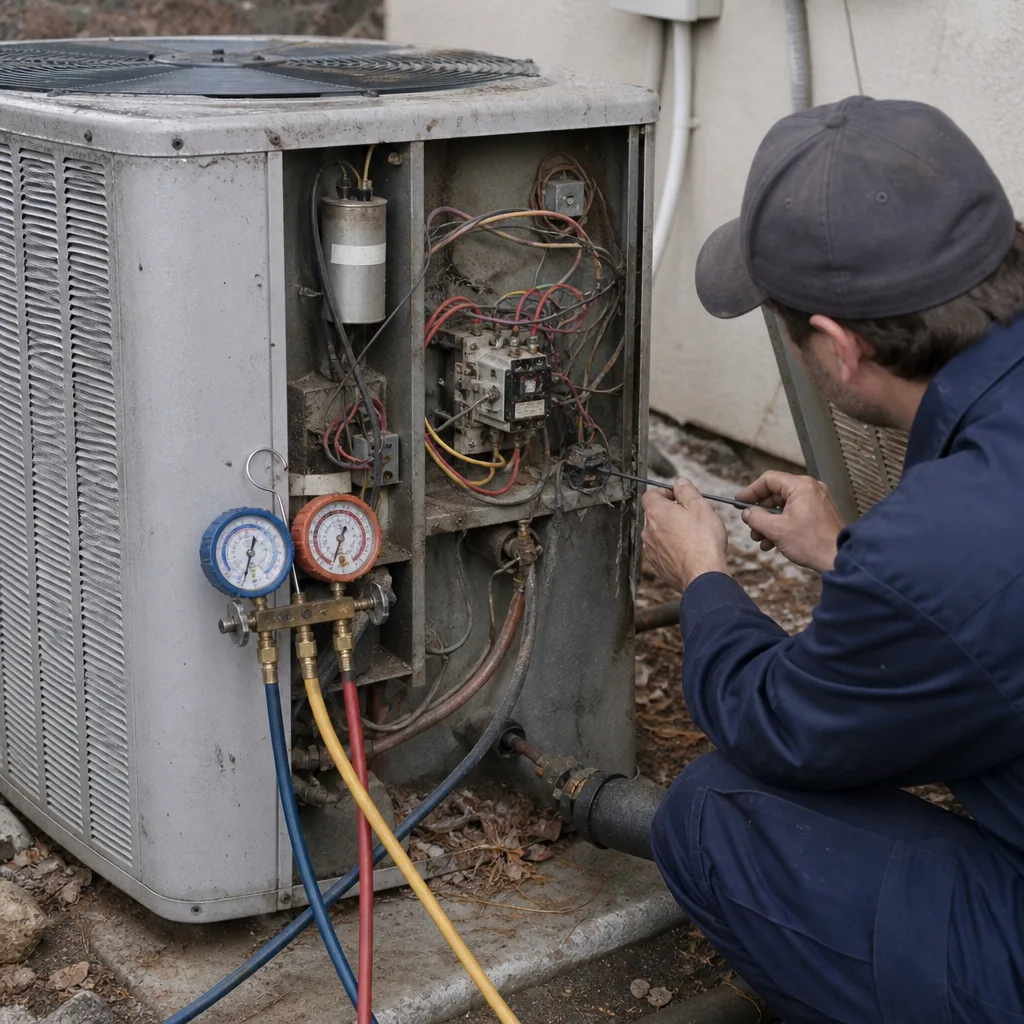 Before
 After
 Before
 After
 Before
 After
When to Call a Professional
Call a licensed HVAC contractor if any of the following apply: you cannot find the permit record for an installation done since you bought the home; the system was installed by a previous owner and you are unsure of its history; you are preparing to sell and need the permit record clean; you notice gas smells, electrical burning, or repeated breaker trips from the HVAC equipment; you are planning any replacement, conversion, or new install and want the permit and inspection handled by the contractor rather than falling to you. High-tension components, gas lines, and electrical panel work are not DIY territory – they are genuinely dangerous, and mistakes can be fatal. Do not attempt to inspect or repair them yourself. Fireside Heating & Air Co. Mesquite offers free estimates in Mesquite – call (888) 570-3601 and we will confirm the permit path for your specific job before anything is scheduled.
Frequently Asked Questions
Yes. Replacing an air conditioner – even with the same size unit – requires a mechanical permit through Clark County (or Lincoln County for outlying Virgin Valley addresses). The permit covers the electrical connection, refrigerant handling, and the final inspection, and it is the contractor’s responsibility to pull it, not yours.
The licensed contractor pulls the permit in Nevada. If a contractor asks you to pull it as the homeowner, that usually means they are not properly licensed for mechanical work, or they are trying to keep the job off the county’s radar. Either way, it is a serious red flag. Call us at (888) 570-3601 for a free second opinion on any written estimate before you sign.
The inspection itself usually takes under an hour, but the scheduling window is typically two to five business days, and longer during the spring and fall changeover. Plan the job so no one is without cooling or heat while you wait on the county. We schedule the inspection in advance so the timeline matches the install date, not the other way around.
It can. If a fire or water loss traces back to an unpermitted installation, the insurer may deny or reduce the claim on the grounds the work was not code-compliant. Even if no claim is ever filed, an unpermitted system must typically be disclosed when you sell, and the buyer’s inspector will find it. The cost of pulling the permit upfront is small compared to the cost of retrofitting it later.
Yes. Mini-split installations require a permit because they involve electrical work, refrigerant handling, and a new line-set and disconnect. In Mesquite’s climate, mini-splits are increasingly common for room additions and garages, and the permit and inspection process is the same as for a full system.
You can usually permit the work retroactively through the county, with a plan review and inspection of the current system. Start with a safety inspection from a licensed HVAC contractor to confirm gas, electrical, and clearances are sound, then speak with the county about the retroactive permit. We have walked Mesquite homeowners through this exact process. Call (888) 570-3601 and we will help you sort out the paperwork.
The Bottom Line
An HVAC permit is not red tape – it is the paper trail that protects your insurance coverage, your home sale, and the safety of the people living in your house. In Nevada, most system changes require one, and the contractor pulls it, not you. For Mesquite homeowners, the permit usually runs through Clark County, sometimes Lincoln County, and a passed inspection confirms code compliance but not workmanship. Ask for the permit number in writing before work begins, hold final payment until the inspection closes, and know how to check the record if you inherit an older installation. A square deal is a documented deal.
Fireside Heating & Air Co. Mesquite has served homeowners for over 42 years, founded in 1984, and we pull the permit on every job that needs one. Our technicians have up to 8 years of experience and are trained on all nine major residential brands, including Lennox, Goodman, and Rheem. Every job is backed by the 90-Day Done Right Promise: done right, or we make it right, no arguing. Call (888) 570-3601 for a free estimate, and we will quote a price we stand behind – the price quoted is the price paid. Phones are answered by a live person, day or night, including the 2 a.m. no-heat call. Current standing offers include $50 Off Any Repair Over $250, a Free Second Opinion on Any Written Estimate, an $89 Seasonal Tune-Up, and a Senior & Veteran 5% discount, always.
Written by the team at Fireside Heating & Air Co. Mesquite.