
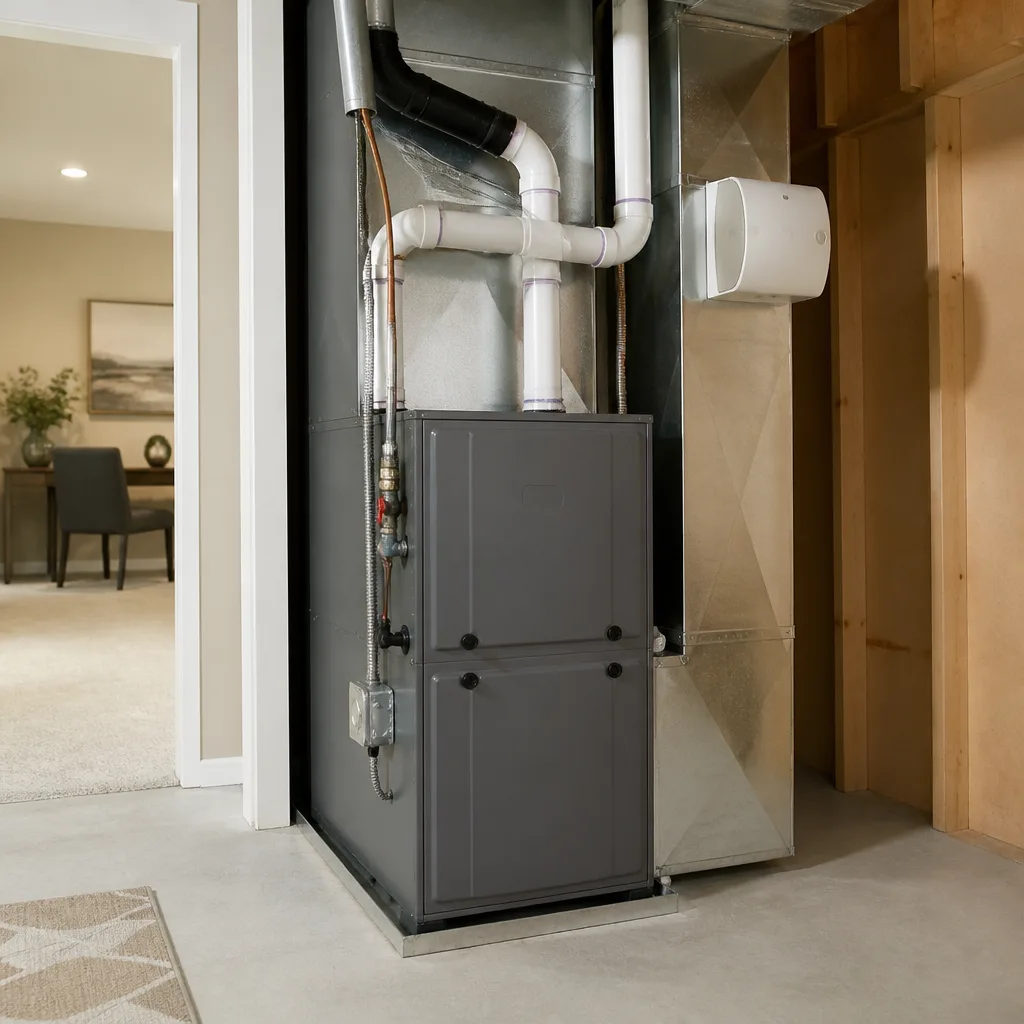
 Furnace & heating
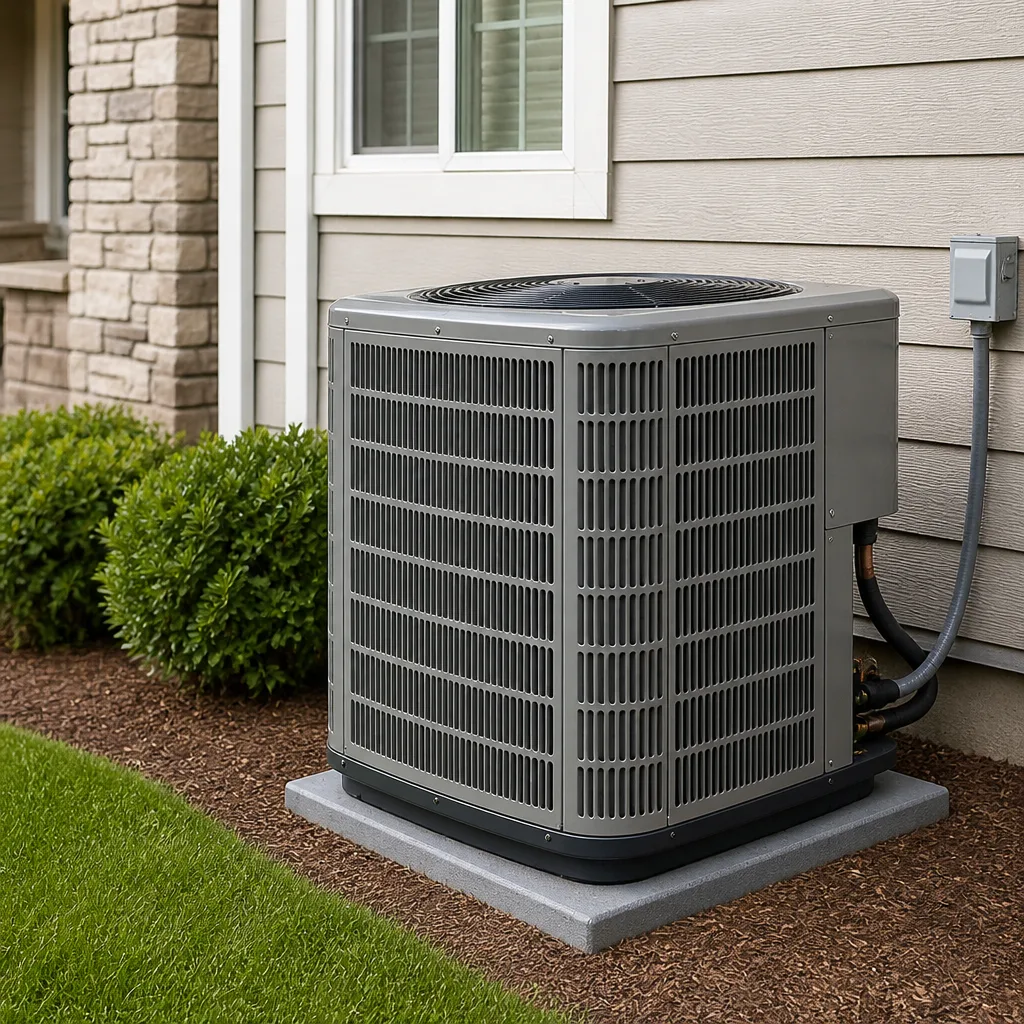 AC repair
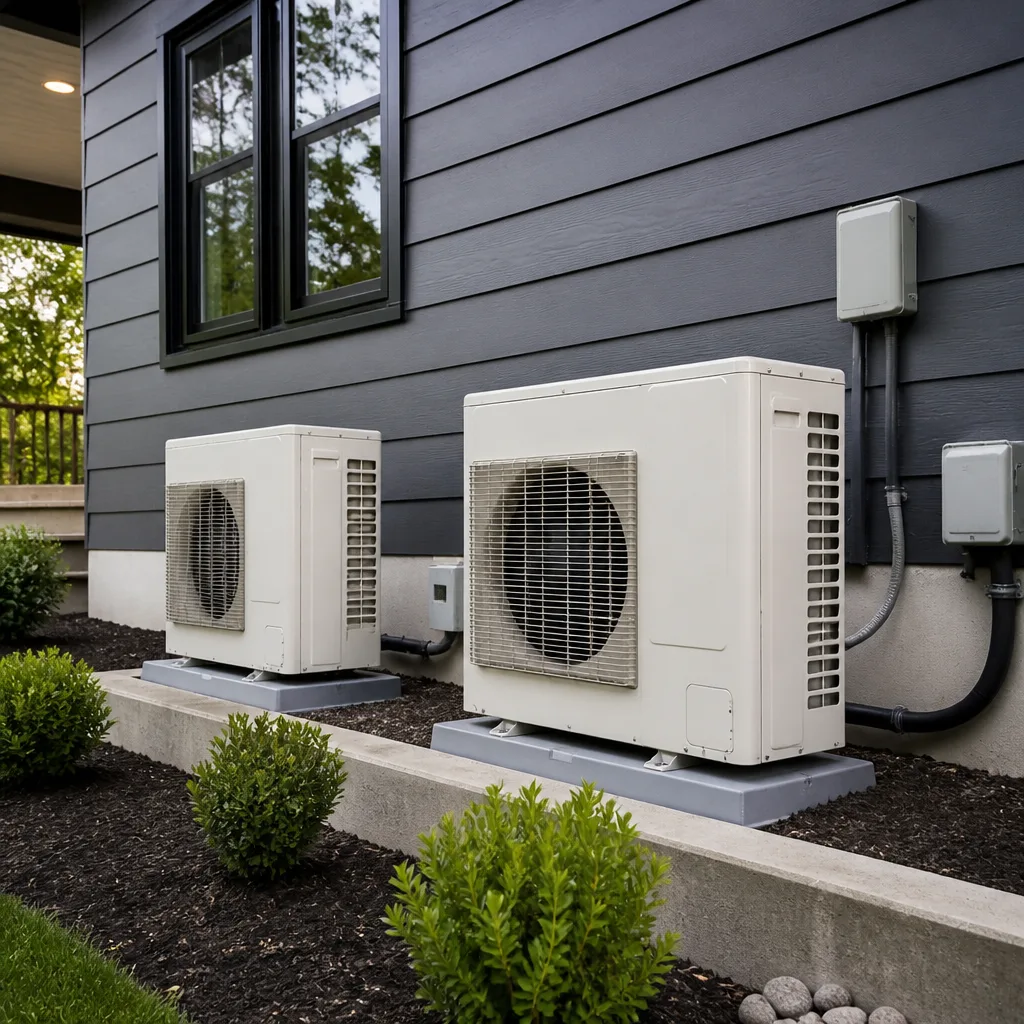 Heat pumps
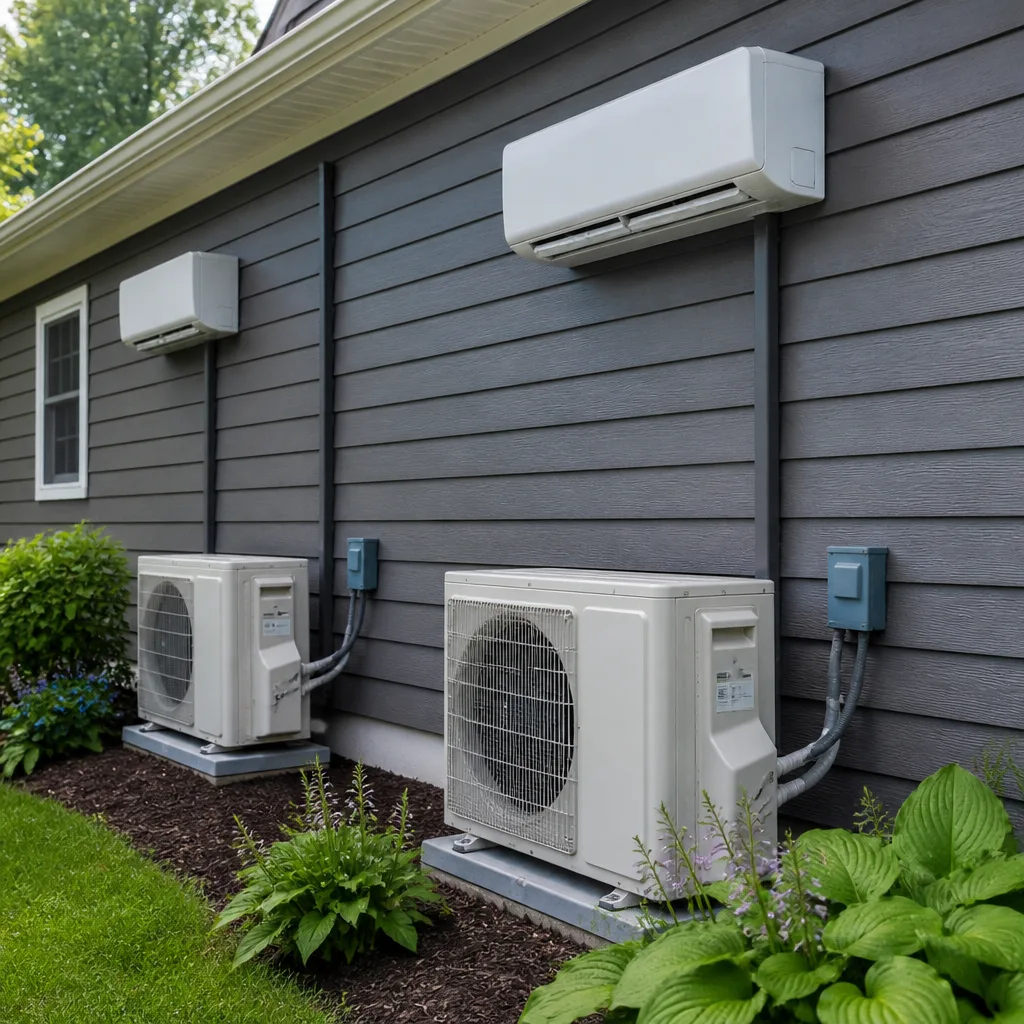 Ductless mini splits
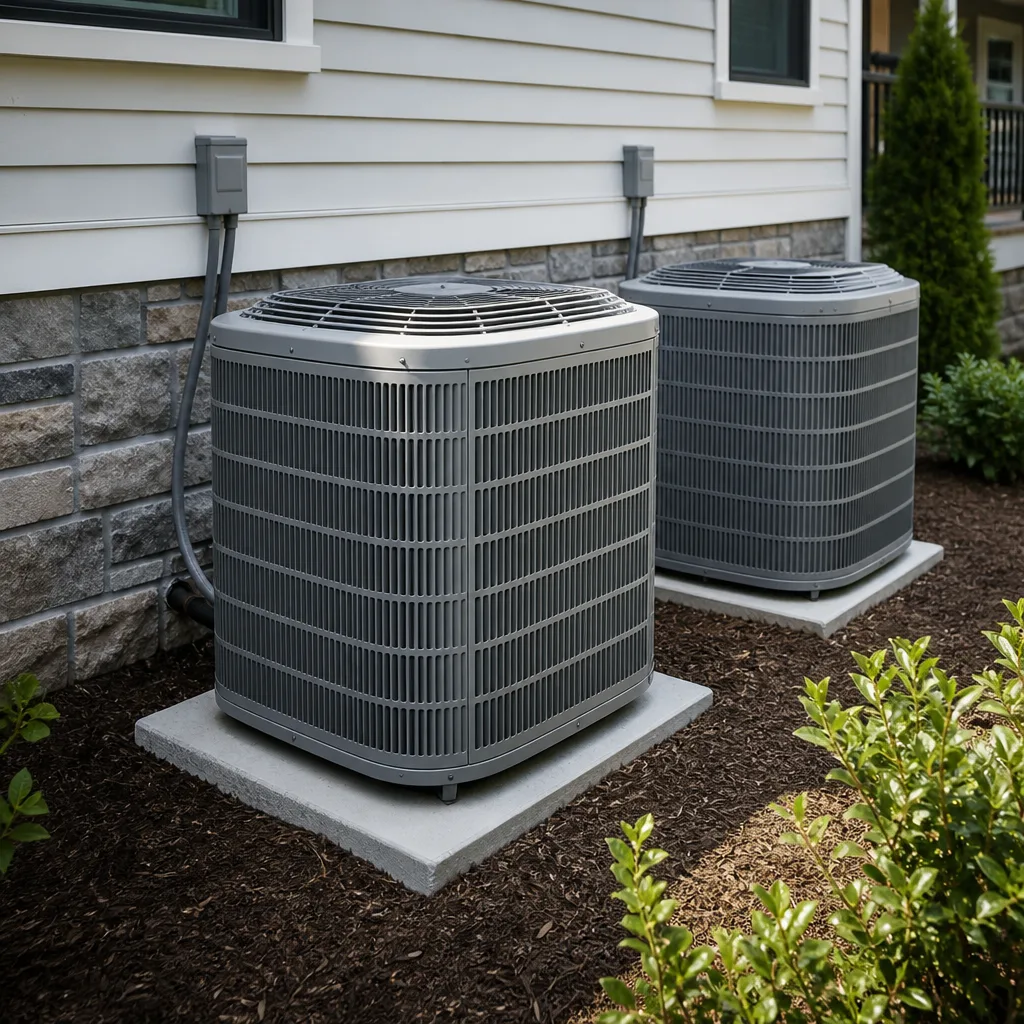 Carrier
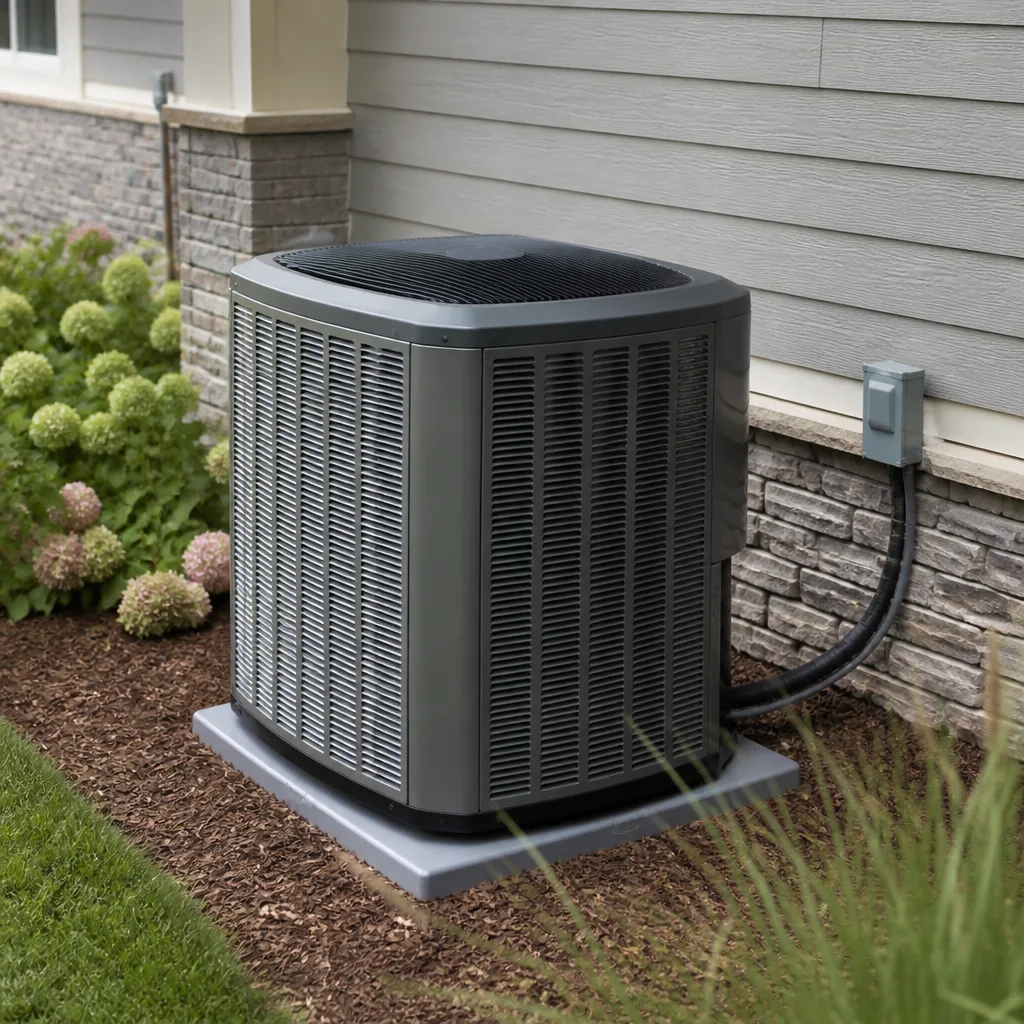 Trane
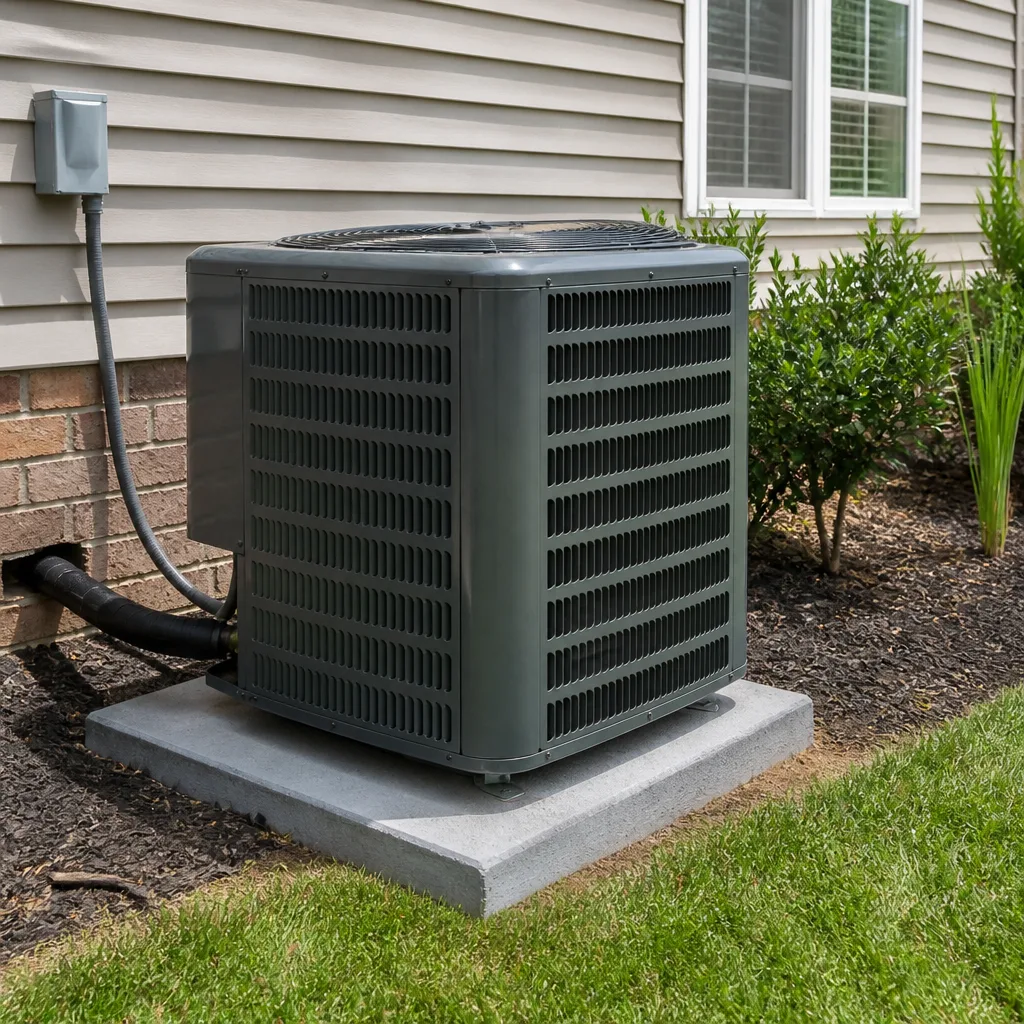 Goodman
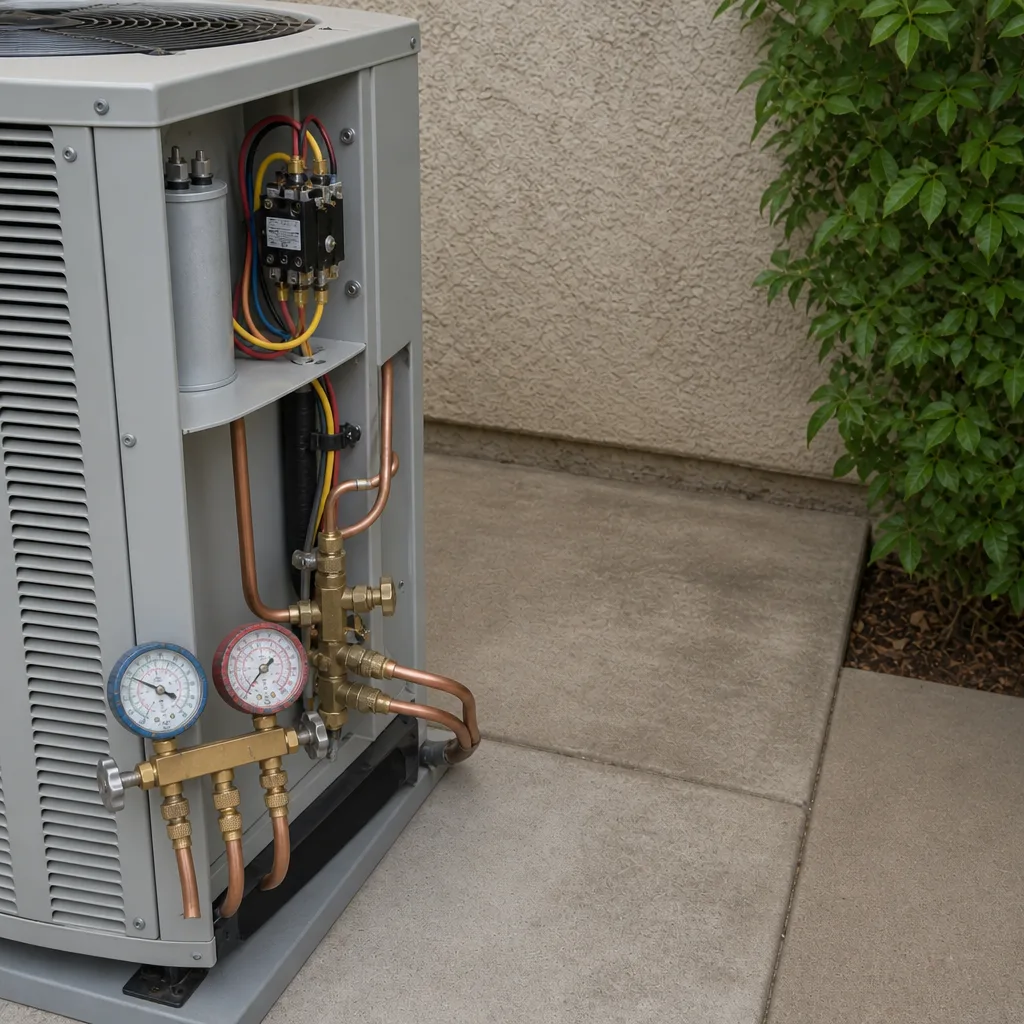
Seasonal tune-up and full diagnostic on your Carrier, Trane, or Goodman system - readings shown to you before any repair is proposed
Diagnosis first, numbers second - you approve the repair price before a single part goes in.
Get your free estimateStyles & brands we work with
- AC repair
- Furnace & heating
- Heat pumps
- Ductless mini splits
- Carrier
- Trane
- Goodman
See the difference
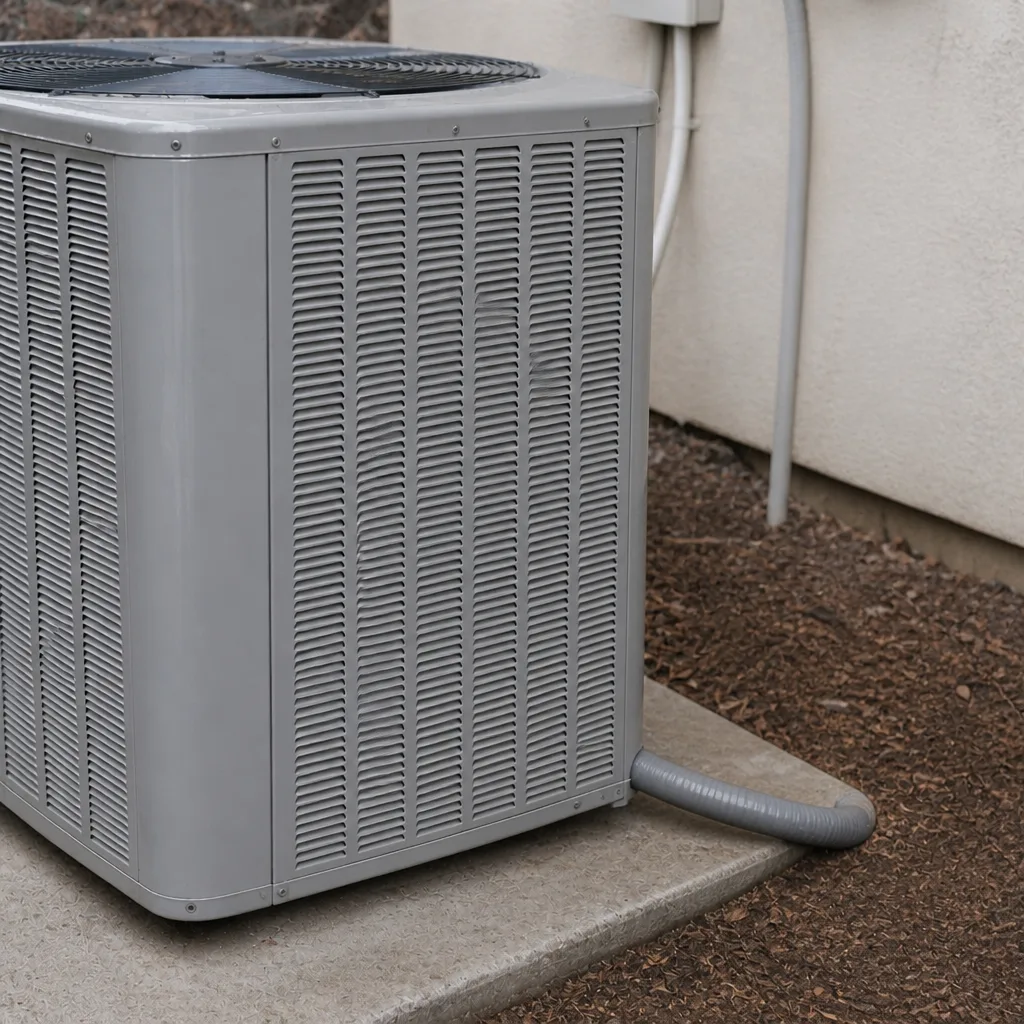
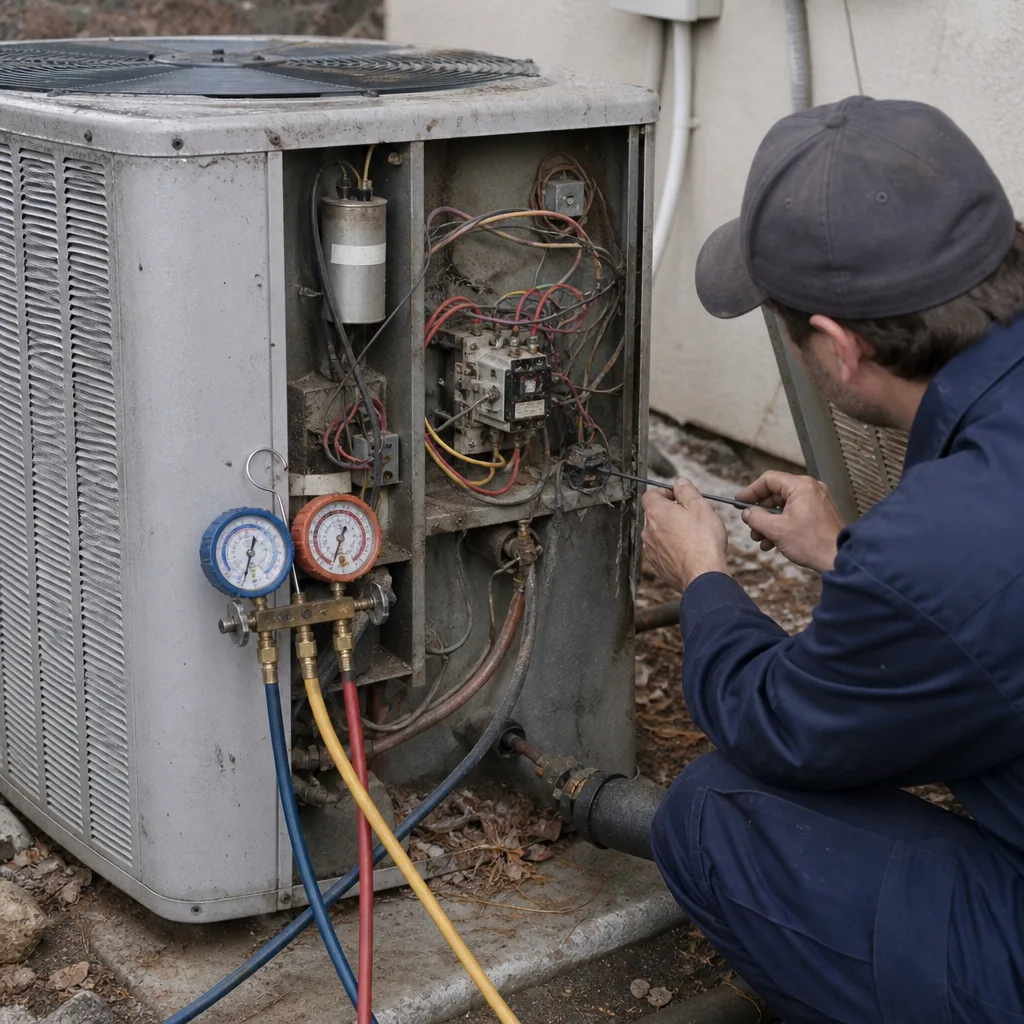 Before
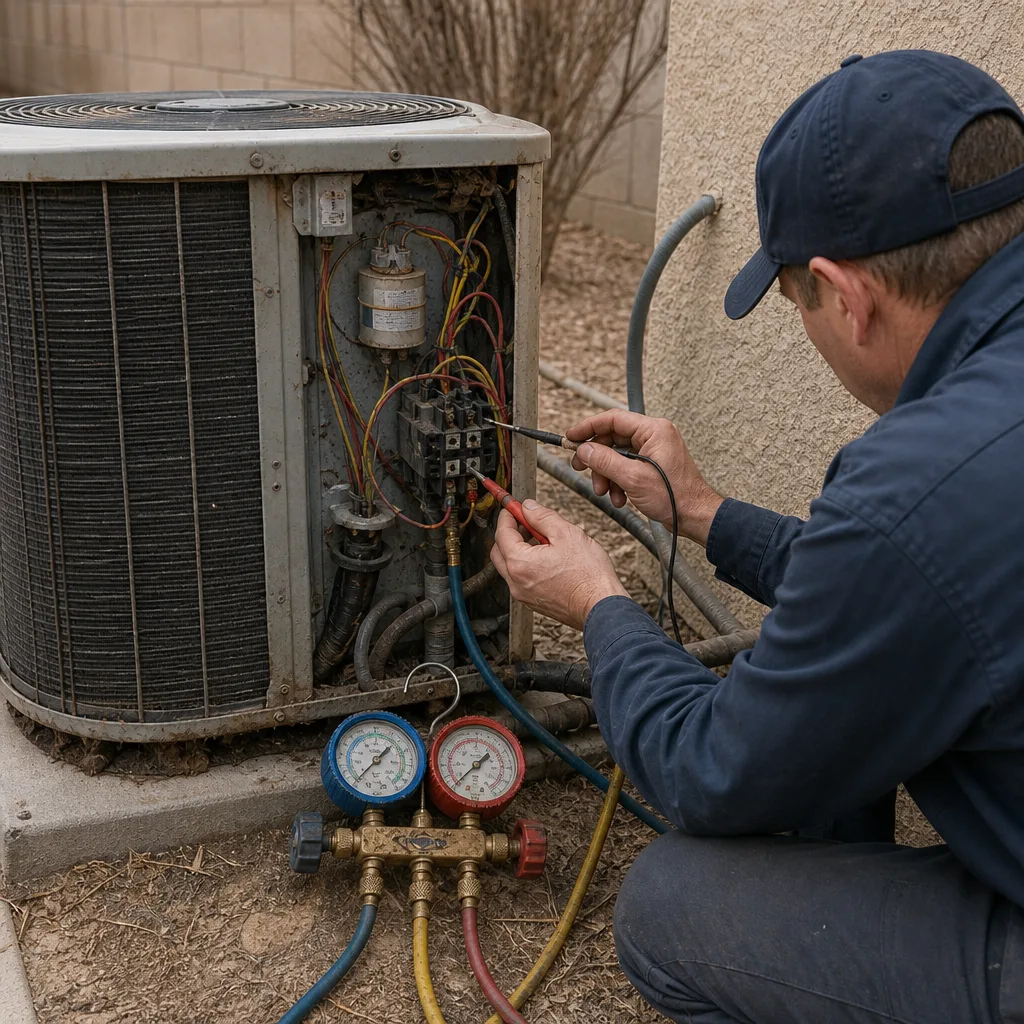
 After
 Before
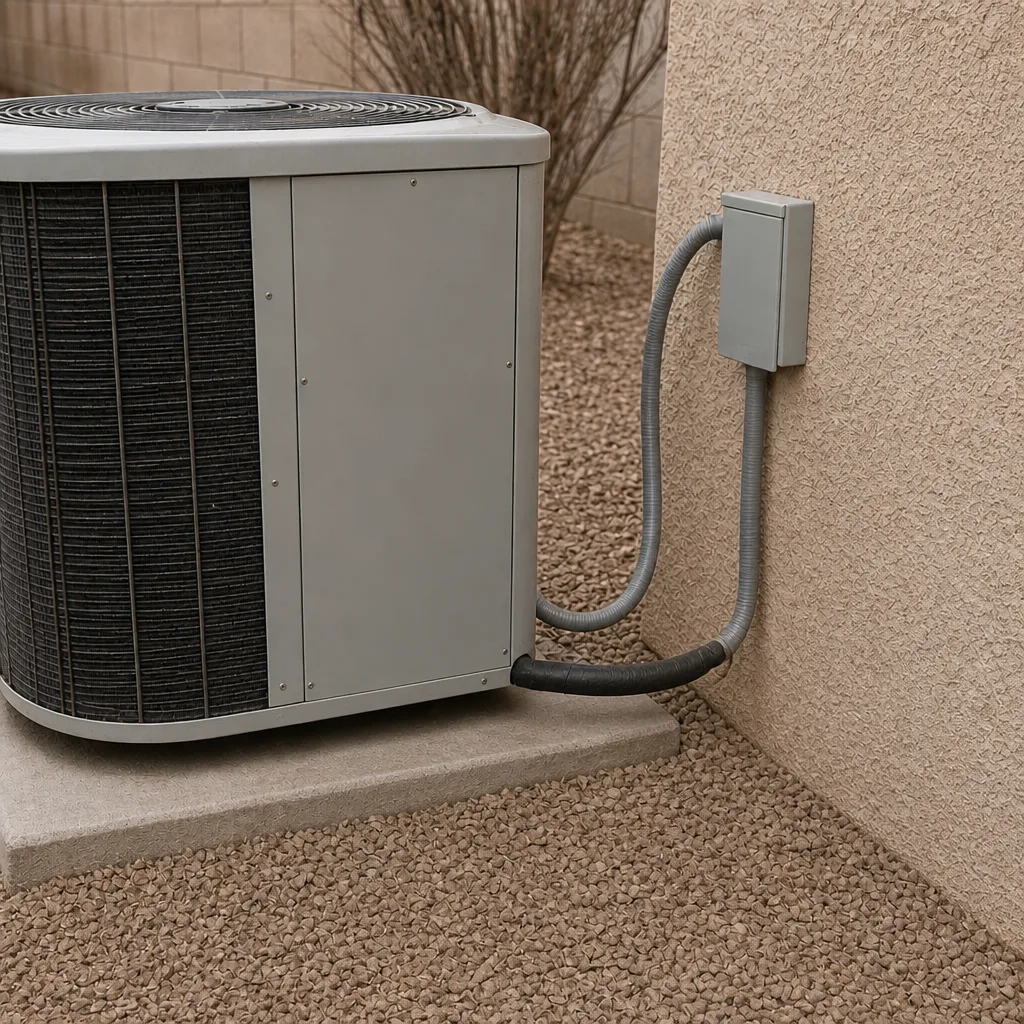 After
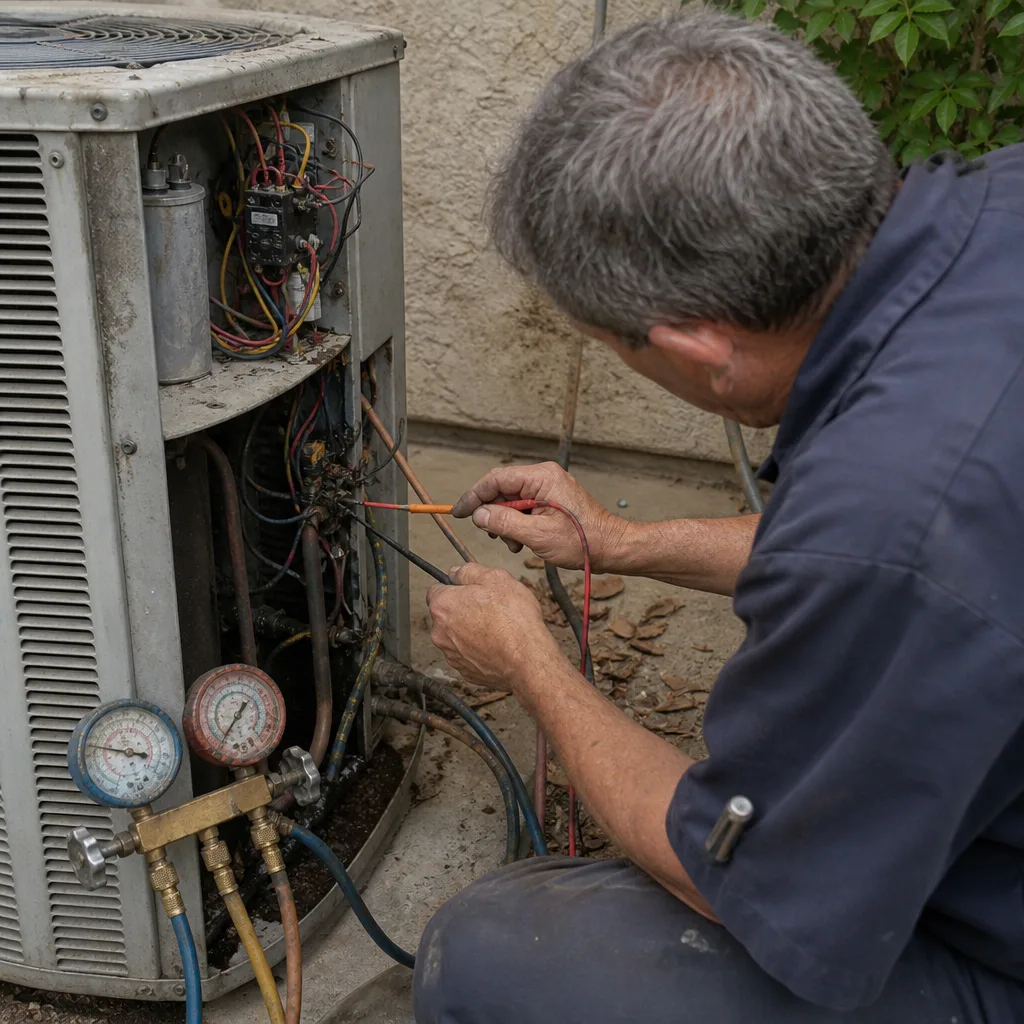 Before
 After
Furnace Blowing Cold Air in Mesquite, NV? Here’s the Short Answer
The most likely cause is a failed ignition source – usually a hot surface igniter that turned brittle after months of sitting idle through a Mesquite summer – or a gas valve that’s gone sluggish from long dormancy. When the blower runs but the air stays cold, the fan is fine; it’s the heat source that quit. A licensed technician can confirm which component failed in a single visit, and most of these calls are a repair, not a replacement. Call Fireside Heating & Air Co. Mesquite at (888) 570-3601 and we’ll tell you straight what’s wrong.
Mesquite furnaces sit untouched from April through October, sometimes longer. The first cold night they’re called on is often the night they reveal what six months of 105-110°F ambient heat did to the igniter, gas valve, or control board while the unit wasn’t running. That pattern shapes almost every cold-air call we run here.
Why Mesquite Furnaces Fail on the First Cold Night
This isn’t a cold-climate furnace problem. It’s a heat-soak problem. A furnace cabinet on a Mesquite rooftop or side-yard pad bakes all summer under strong sun and dry desert air, and the components inside degrade even though they’ve done zero work. The failures we see most:
- Hot surface igniters (silicon carbide or silicon nitride) go brittle from sustained ambient heat exposure – even when never energized. They crack on the first call for heat, and the burners never light.
- Gas valve solenoids develop sluggish actuation after months of non-use. The valve gets the signal but doesn’t open cleanly, so gas never reaches the burner.
- Inducer draft motors show bearing failure on first startup, because the grease inside has degraded in the heat. No draft, no safe ignition.
- Control boards fail from the same sustained ambient heat that stresses cooling equipment – cracked solder joints and failed relays that surface when the board finally gets power again.
Dust and fine sand that blows across I-15 and the open desert doesn’t help. It settles into burner compartments and fouls the flame sensor, so even a furnace that lights may shut down within seconds. We cover the full picture of furnace service on our Heating & Furnace page, but the cold-air call has its own diagnostic logic.
What “Blowing Cold Air” Actually Tells a Technician
A furnace moving air but producing no heat narrows the diagnostic tree fast. The air handler works. The thermostat is calling. So the problem lives in one of three places: ignition, gas valve, or burner. That’s it. It’s rarely a duct problem and rarely a thermostat problem when the fan clearly runs.
That narrowing matters for your wallet. Most cold-air calls land in the $150-$700 furnace repair range, and a good share of them are a single part – an igniter or a flame sensor – not a system replacement. We’ll walk you through the sequence a journeyman follows so you know what you’re paying for:
- Confirm the thermostat is actually in HEAT mode and calling for heat, not stuck on FAN or COOL after a long cooling season.
- Check the gas supply – is the shutoff at the unit open? Was it closed for the summer and never reopened?
- Verify the filter isn’t so clogged the high-limit switch tripped and locked out the burner.
- Listen for the inducer motor. If it doesn’t spin up, the pressure switch never closes and ignition never starts.
- Watch for the igniter to glow and the burners to light. No glow means a failed igniter; glow but no flame means a gas valve or gas supply issue.
- Check the flame sensor and control board for the fault code the board is reporting.
Steps one through three you can check yourself in a couple of minutes. Beyond that, the work involves gas and electrical components, and a misstep there is a genuine safety risk. We’d rather you call than take a chance with a gas valve or burner assembly.
The Package-Unit Wrinkle Most Homeowners Don’t Expect
A lot of Mesquite homes – especially the 1990s-through-2020s builds in the master-planned golf communities like Sun City Mesquite and the Falcon Ridge area – run gas/electric package units on a rooftop or side-yard pad. Furnace and AC share one cabinet. That changes the cold-air diagnosis.
On these units, a winter cold-air complaint can also come from a failed sequencer on the electric heat strips, which is a completely different repair from a gas ignition fault. Same symptom, different part, different fix. If your system is a package unit, tell us when you call so the technician arrives with the right parts and doesn’t make two trips. We service all nine major residential brands, including Carrier, Trane, Lennox and Goodman, so parts for most package units are a normal order.
What Furnace Repair Costs in Mesquite
Straight numbers, so you can plan. The exact figure depends on the failed part and how accessible the unit is, but these are the ranges we work in:
| Repair | Typical Range |
|---|---|
| Furnace repair (igniter, sensor, valve, board) | $150-$700 |
| Seasonal tune-up (catches most of these before winter) | $80-$200 |
| AC repair (for comparison on package units) | $150-$650 |
| Full system installation, if replacement is the honest answer | $3,500-$7,500 |
We quote upfront before any work starts. The price quoted is the price paid, full stop. And there’s a free second opinion on any written estimate you bring us – if another contractor has already handed you a number, we’ll look at it at no charge.
Repair or replace? Here’s how we decide – and tell you
If the repair cost approaches 50% of the value of the remaining system life, we say so before taking the money. A journeyman technician gives you a straight answer about whether this is a repair worth making or a system worth replacing, with upfront pricing on both options. We won’t sell you a new furnace to fix a $200 igniter, and we won’t patch a system that’s going to fail again in January.
Three Things to Check Before You Call
You might solve this in two minutes. Three Mesquite-specific checks:
- Thermostat on HEAT. After a long cooling season it’s easy to leave it on FAN or COOL. Confirm it’s set to HEAT and the setpoint is above room temperature.
- Gas shutoff at the unit. If someone closed it for the summer, gas never reaches the burner. Make sure it’s open.
- Filter condition. A filter clogged with desert dust can trip the high-limit switch and lock out the burner. A fresh filter is cheap insurance.
If those three are fine and the air’s still cold, it’s a component failure – time for a technician. We answer the phone with a live person 24 hours a day, including the 2 a.m. no-heat call. That’s the home standard we hold to: background-checked, uniformed technicians who put on shoe covers without being asked, and a 90-Day Done Right Promise in writing behind every repair.
How to Keep This From Happening Next November
The single best defense against a first-cold-night failure is a fall tune-up before the furnace is needed – a $89 seasonal tune-up that catches a degraded igniter, a clogged sensor, or a weak inducer motor while it’s still a scheduled appointment instead of an emergency. We also recommend a spring check on the cooling side, since the same dust and heat that stress the cooling equipment stress the furnace controls. For a full rundown of heating services, see our Heating & Furnace in Mesquite page. If you’re a senior or veteran, your 5% discount applies year-round, always.
FAQs
The most common cause in Mesquite is a failed hot surface igniter that went brittle during the long idle summer, followed by a sluggish gas valve or a failed control board. The blower runs but no heat is produced, which points to ignition, gas valve, or burner – not the air handler. Call (888) 570-3601 for a diagnosis; estimates are free.
Usually yes. Most cold-air calls are a single-part repair – an igniter, flame sensor, or control board – and most jobs are completed in a single visit. We keep common parts available and answer the phone live 24/7. Call (888) 570-3601 and we’ll tell you the soonest we can get there.
Repair is almost always cheaper unless the fix approaches 50% of the system’s remaining life value. An igniter or sensor is a straightforward repair; a failed control board on an older system may tip toward replacement. We give you upfront pricing on both and a straight answer before any work begins. Call (888) 570-3601 for an exact quote.
Check three things: the thermostat is set to HEAT (not FAN or COOL), the gas shutoff at the unit is open, and the filter isn’t clogged enough to trip the high-limit switch. If those are fine and the air is still cold, it’s a component failure – call (888) 570-3601 for a no-pressure diagnosis.
If you’d rather have it looked at, Fireside Heating & Air Co. Mesquite offers a no-pressure assessment in Mesquite – call (888) 570-3601. We’ll be there when we say, quote a square deal, and stand behind it in writing for 90 days.
Written by the team at Fireside Heating & Air Co. Mesquite, serving Mesquite, NV.