
Last updated November 18, 2026
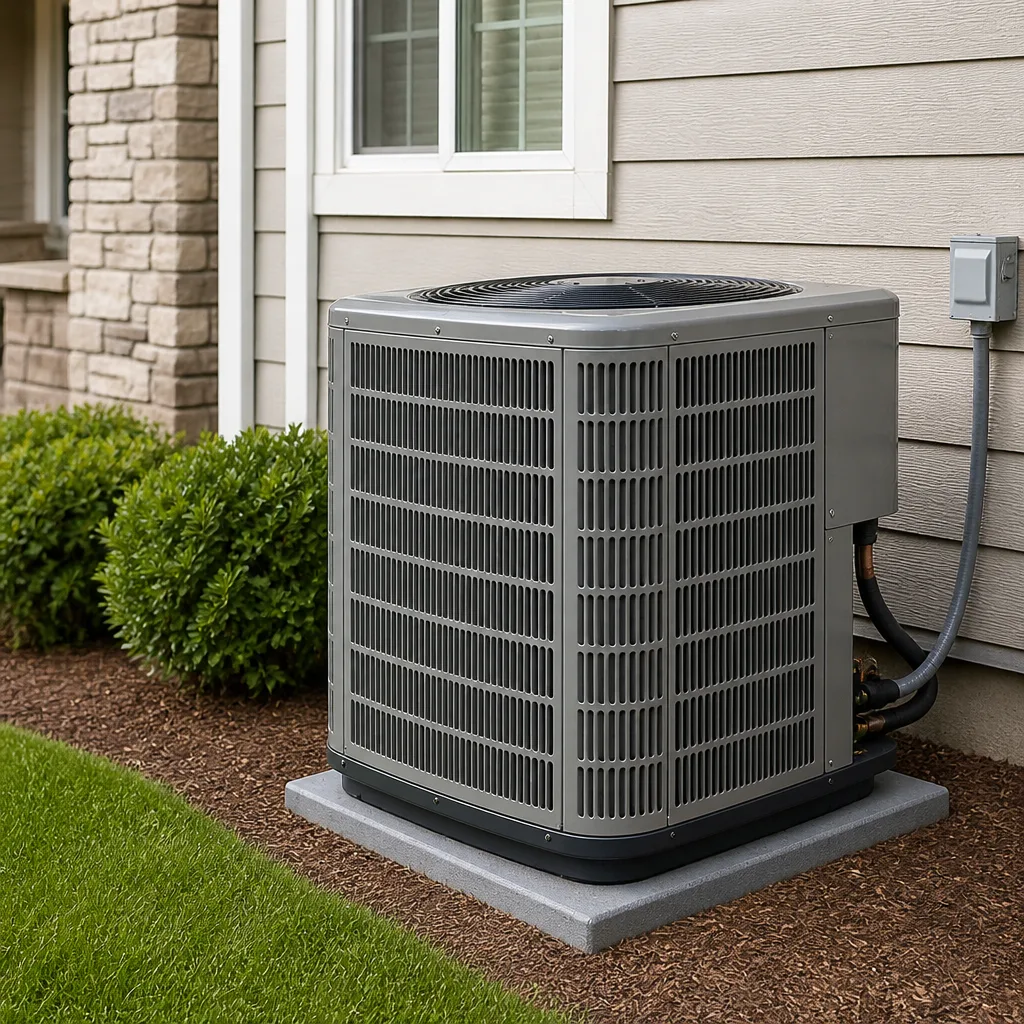 AC repair
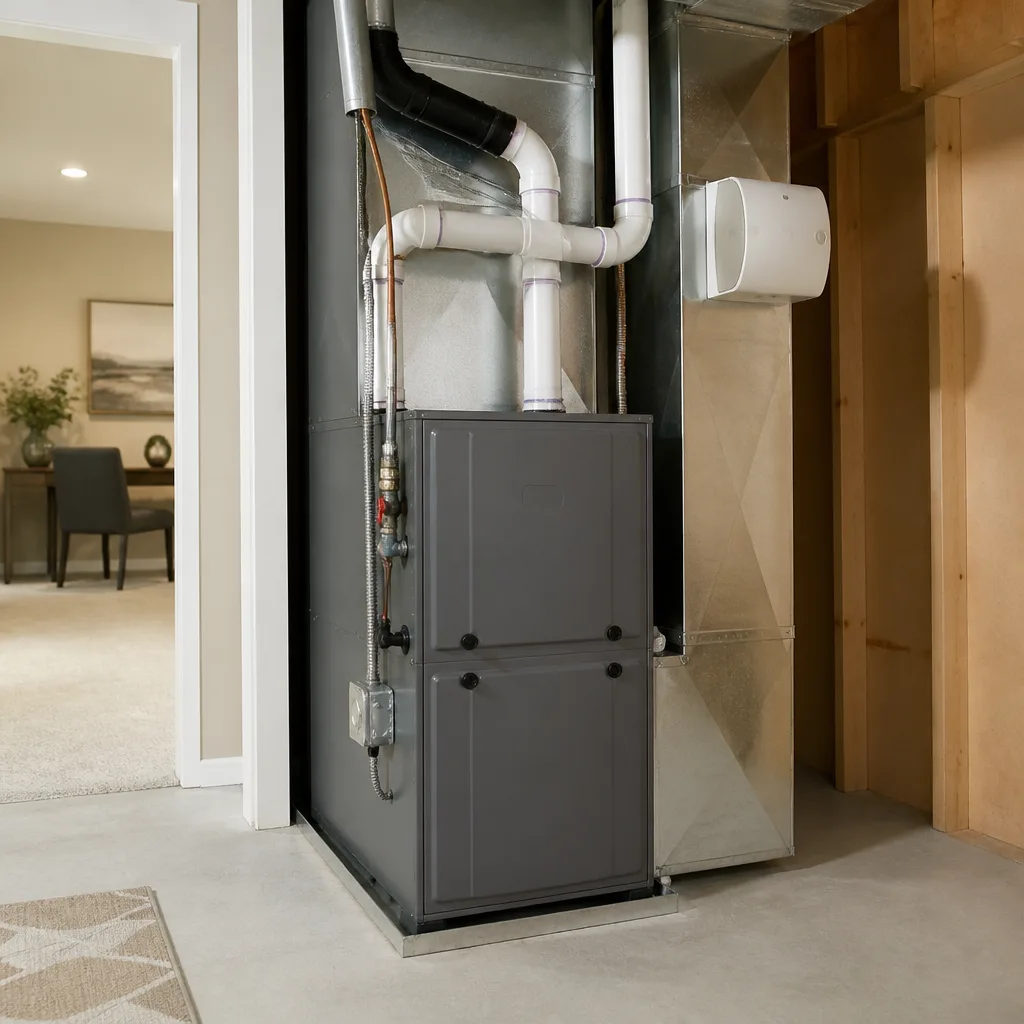 Furnace & heating
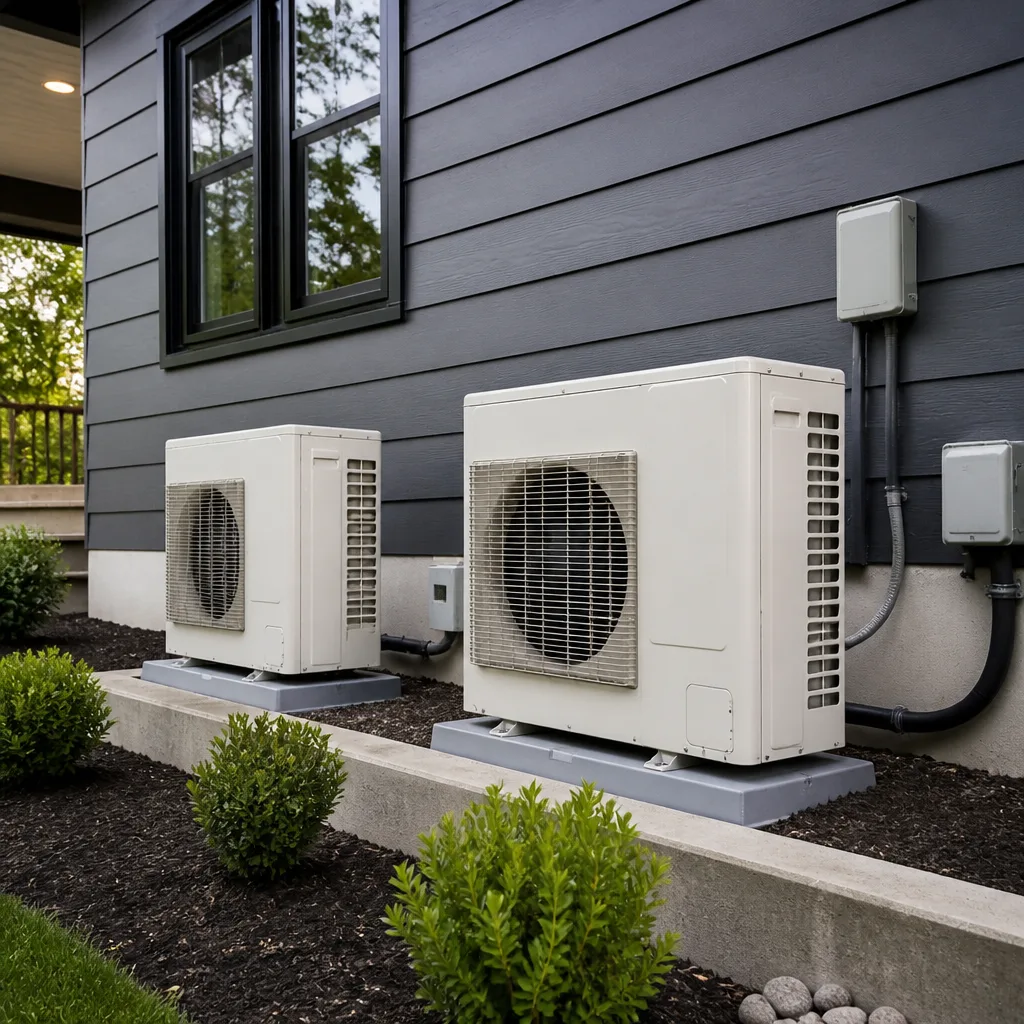 Heat pumps
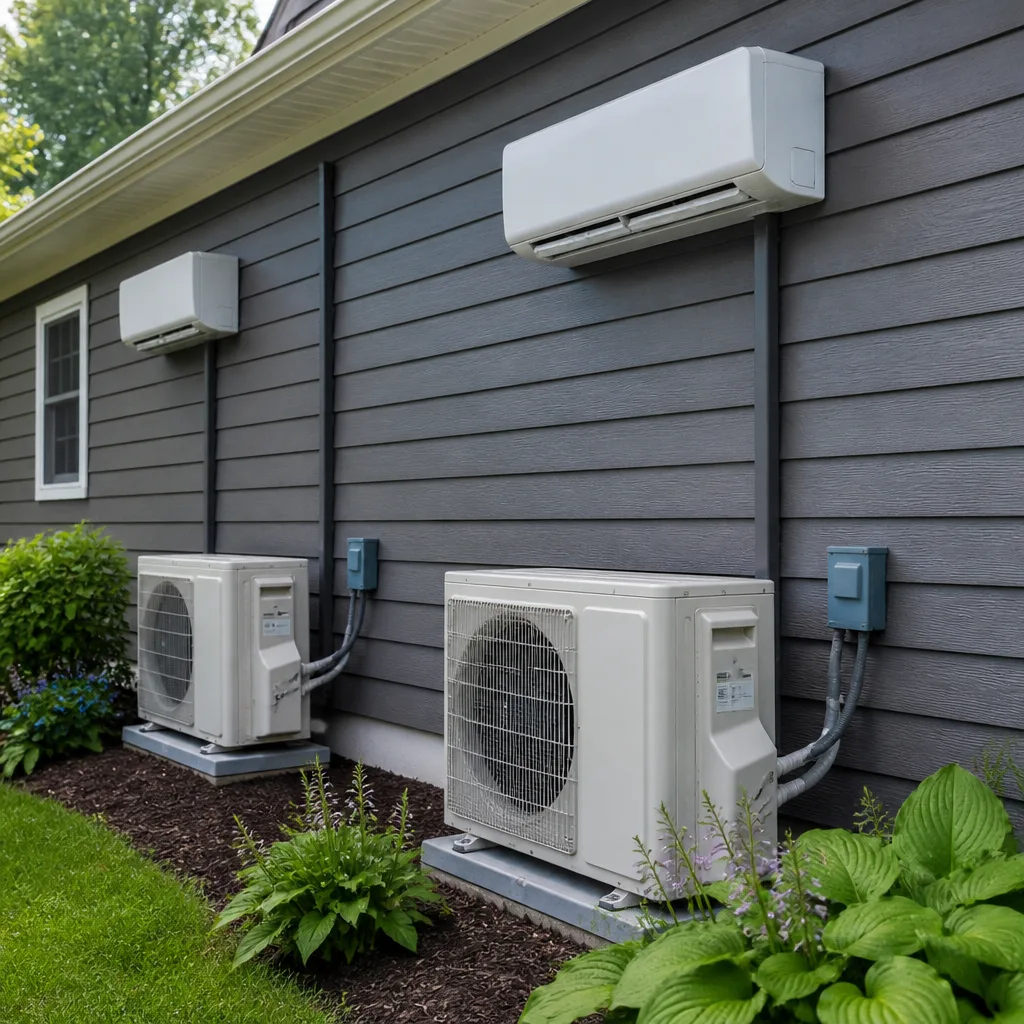 Ductless mini splits
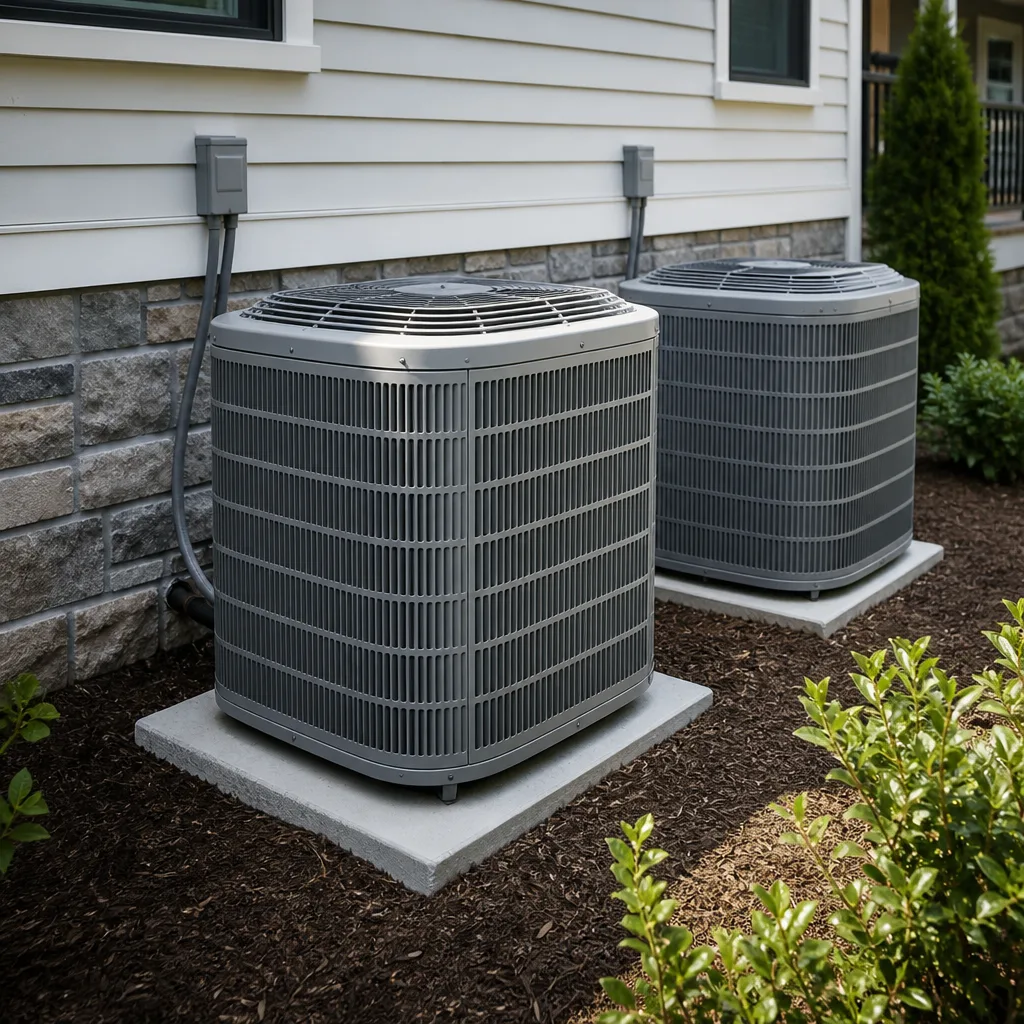 Carrier
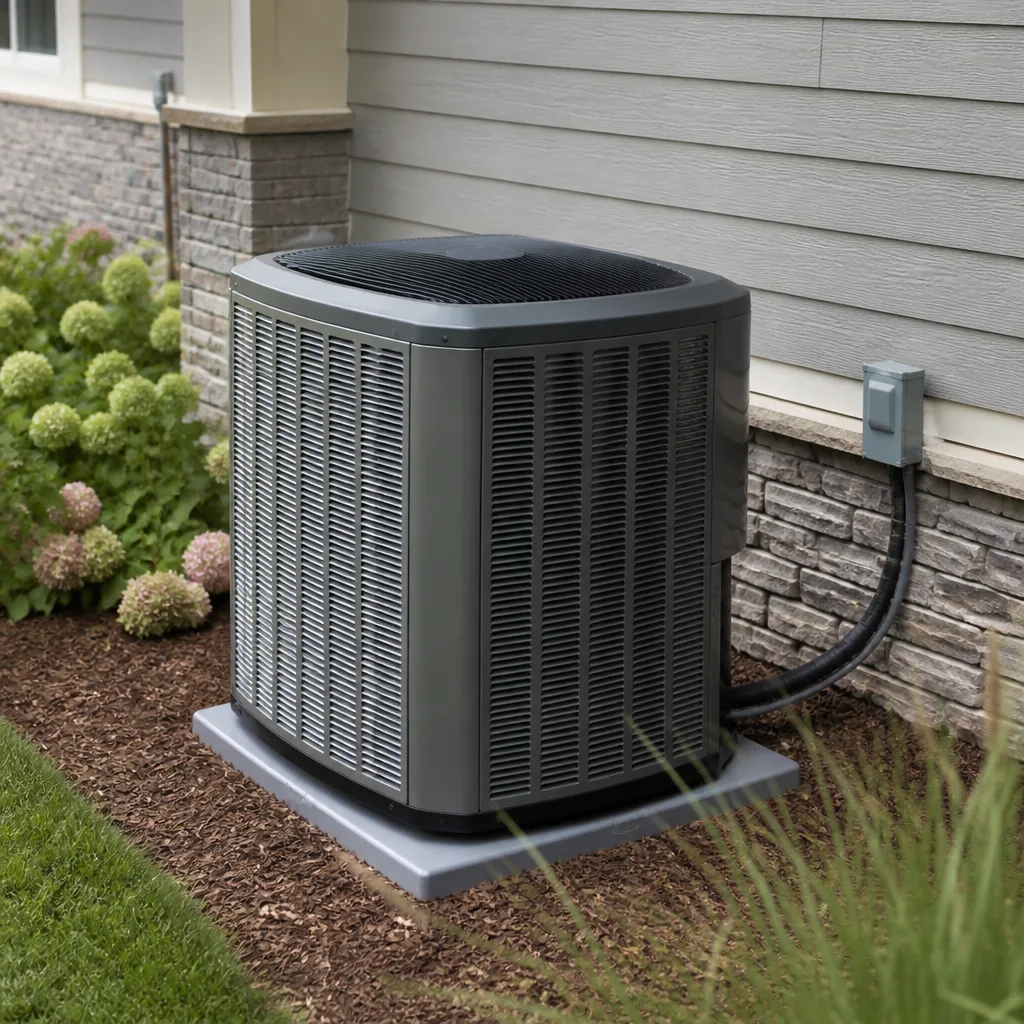 Trane
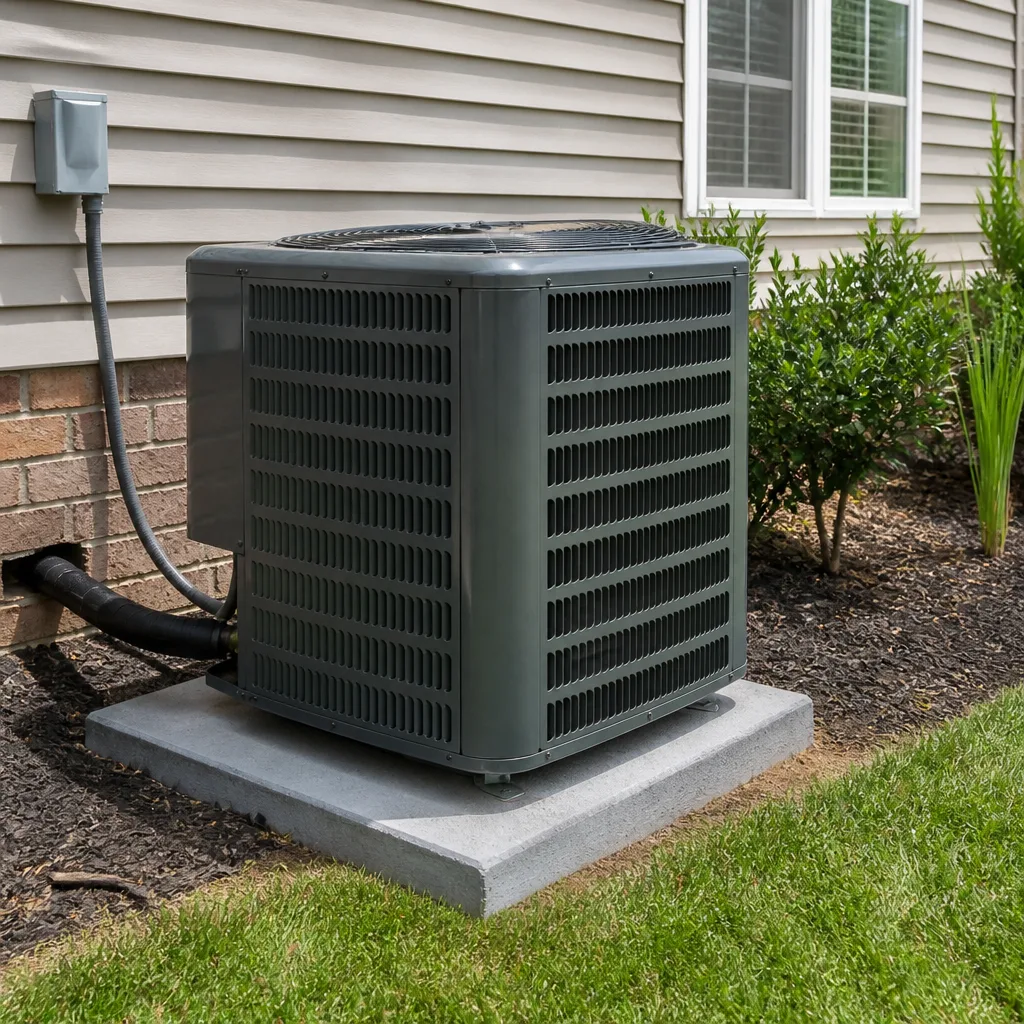 Goodman
Seasonal tune-up and full diagnostic on your Carrier, Trane, or Goodman system - readings shown to you before any repair is proposed
Diagnosis first, numbers second - you approve the repair price before a single part goes in.
Get your free estimateHow Long Does AC Repair & Installation Take? Timelines and What to Expect
A full central AC installation quoted as “same-day” by a contractor in peak summer is either a warning sign that corners will be cut on the refrigerant charge and static pressure test, or proof that your system is simpler than you think. Knowing which one you’re looking at before the truck arrives is the difference between a job done right and a callback in August. The same logic applies in reverse: a timeline that runs suspiciously long deserves a second look too, because vague scheduling is often how billing surprises start. This guide walks through realistic timeframes for the five most common AC repairs, what a proper installation looks like from permit to startup, and the questions that tell you whether a contractor’s schedule is honest. We’ll keep the Mesquite heat in mind throughout, since it shapes both the work and the wear.
Quick Answer
Most common AC repairs in Mesquite, NV take 1 to 3 hours on-site, while a full central AC installation usually runs 6 to 10 working hours spread across one or two days, not counting permit approval and equipment lead time. A compressor replacement is the outlier and can stretch to 4 to 6 hours. Any quote far outside those windows, in either direction, is worth asking about before you sign.
Styles & brands we work with
- AC repair
- Furnace & heating
- Heat pumps
- Ductless mini splits
- Carrier
- Trane
- Goodman
Table of Contents
- The Five Most Common AC Repairs and How Long They Take
- What a Full AC Installation Timeline Actually Looks Like
- Why Load Calculations Should Add Time to a Quote, Not Disappear From It
- Parts Availability in Mesquite vs. Las Vegas Supply Houses
- How Mesquite’s Climate Shortens Some Component Lifespans
- Questions to Ask When a Timeline Seems Too Fast or Too Long
- Common Mistakes to Avoid
- When to Call a Professional
The Five Most Common AC Repairs and How Long They Take
Homeowners in Mesquite ask us how long a repair will take almost as often as they ask what it will cost, and the two questions are linked. A technician who knows what he’s walking into can usually give an honest window before he arrives. Here’s what we see across the five repairs that fill most of our summer schedule.
- Capacitor replacement: 30 to 60 minutes on-site. The part itself is inexpensive and often already on the truck. Diagnosis is the slow part, and a good technician won’t rush it.
- Contactor replacement: 30 to 60 minutes. Similar story. The failure looks identical to a dozen other problems from the thermostat, so the meter work matters more than the swap.
- Refrigerant recharge: 1 to 2 hours. A recharge also includes a leak search, because adding refrigerant to a leaking system just means you’ll be paying for it again next summer.
- Evaporator coil replacement: 3 to 5 hours. This is a real job. The coil sits inside the air handler or above the furnace, and getting to it means disconnecting refrigerant lines and recharging after.
- Compressor replacement: 4 to 6 hours. The compressor is the heaviest, most expensive single component in the system. We treat it as a major repair and won’t quote it casually.
These are on-site times. They assume the needed part is available, which we’ll get to further down. If a technician quotes you “ten minutes” for an evaporator coil, or “all day” for a capacitor, that’s your first clue something isn’t being communicated honestly. For a fuller look at what each of these repairs involves, see our page on AC repair and installation in Mesquite.
What a Full AC Installation Timeline Actually Looks Like
A residential AC replacement is not a same-day job, no matter what a summer ad tells you. Here’s the sequence we follow, and every step serves a purpose. Skipping any of them is how a system ends up running hot, loud, or short-cycling in its first month.
- In-home assessment and load calculation (1 to 3 days before install): We measure the house, check window orientation, insulation, and ductwork. The load calc comes out of this.
- Written fixed-price quote (same visit): You get a number in writing. The price quoted is the price paid.
- Permit pull (3 to 10 business days): Clark County and Mesquite permitting timelines vary by season and by whether the job involves electrical or duct changes. We pull it before we touch the equipment.
- Equipment delivery (varies, see parts section below): A Rheem or York condenser ordered in June may sit in a warehouse queue for a week or more.
- Removal and disposal (2 to 3 hours): Old refrigerant recovered, old unit out, pad prepped.
- New equipment set and line connections (3 to 4 hours): Condenser, air handler or coil, refrigerant lines, electrical.
- Evacuation and charging (1 to 2 hours): This is where a rushed job cuts corners. Proper evacuation removes moisture and air; proper charging matches the system to the line set length.
- Static pressure test and airflow measurement (30 to 60 minutes): We check that the system is actually moving the CFM it’s rated for.
- Startup commissioning and homeowner walkthrough (30 to 45 minutes): Temperature split, amp draw, and a demonstration of the thermostat and filter schedule.
Real world, that’s a full working day plus change for a straightforward replacement, and two days for anything more complex. When it’s rushed, the steps that get dropped are almost always evacuation, charging by weight, and static pressure. Those three are why a “same-day” install often underperforms on its first hot afternoon. If you’re comparing replacement options, including heat pumps, see heat pump and mini split systems in Mesquite.
Why Load Calculations Should Add Time to a Quote, Not Disappear From It
Manual J is the industry-standard method for figuring out how much cooling a house actually needs. It’s arithmetic, but it’s not fast. A proper load calculation considers square footage, ceiling height, window area and orientation, insulation values, duct location, and local design temperatures. In Mesquite, that last number matters more than most places. Summer design conditions here routinely push a system harder than the Las Vegas Valley averages, and a unit sized for a milder climate will run continuously from June through September.
A contractor who quotes a replacement in fifteen minutes without measuring anything is almost certainly sizing by rule of thumb, usually “one ton per 500 square feet.” That rule works sometimes, by luck. It fails on older Mesquite homes with west-facing walls of single-pane glass, on houses with additions that were never re-engineered, and on anything with significant shade or duct losses.
What gets skipped when a load calc is skipped:
- Correct tonnage selection. An oversized unit short-cycles, cools unevenly, and doesn’t dehumidify. An undersized one runs itself to death.
- Duct adequacy. A new condenser tied to undersized ducts will never deliver rated airflow.
- Return air sizing, which most homeowners never think about but which drives noise and comfort more than the condenser brand does.
If a quote includes no load calculation and no static pressure test in the promised scope, ask for them. A legitimate contractor will add them without argument. That’s the square deal.
Parts Availability in Mesquite vs. Las Vegas Supply Houses
Mesquite is a small market, and that affects repair timelines in ways homeowners who moved here from bigger cities don’t always expect. The nearest full-line HVAC supply houses are in the Las Vegas Valley, about an hour’s drive each way. For common parts, that’s not a problem: capacitors, contactors, thermostats, and common blower motors are either on the truck or sourced locally within the same day.
Where timelines stretch is on less common components: variable-speed blower motors, specific control boards, certain compressor sizes, and any part for the less-common brands. For those, we’re often looking at 1 to 3 business days, sometimes a week if the part isn’t stocked in Las Vegas and has to come from a regional warehouse.
What this means in practice for a Mesquite repair:
- Same-day repair is realistic for roughly two-thirds of the calls we run, mostly the common electrical failures.
- Coil and compressor replacements typically require a scheduled return visit once the part is in hand.
- The brands we work on daily (Rheem, York, Daikin, Bryant, and the other majors) have predictable parts chains. Off-brand equipment often doesn’t.
If a contractor promises same-day service on a problem that reliably needs a special-order part, ask how they’d deliver on that. The honest answer is that they probably can’t, and it’s better to hear that up front.
How Mesquite’s Climate Shortens Some Component Lifespans
Mesquite’s summers do specific things to HVAC equipment that homeowners should factor into their planning. Ambient temperatures well into the triple digits put condenser units under continuous load for months. That accelerated wear pattern is why we see more capacitor and contactor failures here in June through August than in the shoulder seasons combined. It’s also why a system that was “running fine” in April often announces itself in July.
Two other local patterns worth knowing:
- Dust and wind. Mesquite gets spring wind events that load condenser coils with fine dust. Clogged coils raise head pressure, which shortens compressor life. A spring coil rinse isn’t glamorous work, but it’s cheaper than a compressor.
- Water quality. Hard water and evaporative cooler crossover in some older homes can contribute to scale and mineral buildup in drain lines and float assemblies. If your home had a swamp cooler before the AC was added, have the drain and condensate path checked.
None of this changes the basic timeframes above, but it does mean that a repair you schedule in July may reveal a second issue the technician didn’t see in April. A good contractor will tell you that in the moment, not after the invoice.
Questions to Ask When a Timeline Seems Too Fast or Too Long
The most useful thing you can do with the timelines in this guide is use them as a measuring stick. When a quote doesn’t match, here’s what to ask. These are the same questions a careful homeowner asks us, and we’re glad when they do.
- “Will you be pulling the permit, or am I?” Any contractor installing a new system in Mesquite should be pulling the permit. If they’re suggesting you handle it, that’s a shortcut.
- “When will you do the load calculation?” The answer should be “before the quote,” not “we’ll see when we get there.”
- “What’s the equipment lead time right now?” A real number, not “should be quick.” Ask for a date.
- “What’s included in the startup commissioning?” You want to hear refrigerant charge verification, static pressure, and temperature split.
- “If the part has to be ordered, when will I know?” Honest answer: within an hour or two of diagnosis.
- “What’s your price if the job takes longer than quoted?” With a fixed-price quote, the answer should be “the price quoted is the price paid.”
If a contractor bristles at any of these, that’s information. The right answer is a written number and a written date. We put both in writing, and back the work with our 90-Day Done Right Promise: if it isn’t right, we make it right, no paperwork, no arguing.
Common Mistakes to Avoid
- Choosing the lowest bid because it’s the fastest. The lowest-priced quote is frequently the one that skips the static pressure test and the evacuation. The savings show up in month two, not month twelve.
- Believing “same-day install” in July. Same-day repair, yes, for common parts. Same-day full system install, no. When you hear it, ask what gets skipped to make it work.
- Skipping the load calculation. A quote without Manual J sizing is a guess. Guesses go wrong in Mesquite’s summer more often than anywhere else.
- Ignoring ductwork while replacing equipment. A new condenser on undersized ducts is a new condenser doing a bad job. The ducts are half the system.
- Scheduling zero maintenance. The $89 seasonal tune-up catches most of these failures before the triple-digit week does. Skipping maintenance is how you end up on a July waitlist.
- Not asking about parts availability. In a small market, the difference between a same-day repair and a five-day wait is often just whether the part is stocked in Las Vegas.
- Paying before the walkthrough. Final payment and the startup commissioning walkthrough should happen together. Once the truck leaves, the conversation is much harder.
When to Call a Professional
Some problems are worth watching for a day. Most aren’t. Call us when the thermostat is set but the system isn’t cooling, when you hear the condenser click on and off rapidly, when the breaker trips the moment the AC comes on (stop resetting it and call), when you see ice on the refrigerant lines, or when the air coming out of the vents is warm. Compressor and refrigerant work in particular are not DIY territory. The refrigerant is under high pressure, and mishandling it can injure you and damage the system. Those are jobs for a trained technician, every time. If your system is blowing warm air right now, that’s an emergency call. We’re heating and furnace in Mesquite focused as well, but in July our phones are 90% AC, and a live person answers every call, including nights and weekends. If you’re trying to understand what a fair repair looks like before you make the call, our Fireside Heating & Air Co. Mesquite home page walks through what to expect from us. All estimates are free, and if you have a quote from another contractor, we’ll give you a free second opinion on it.
See the difference
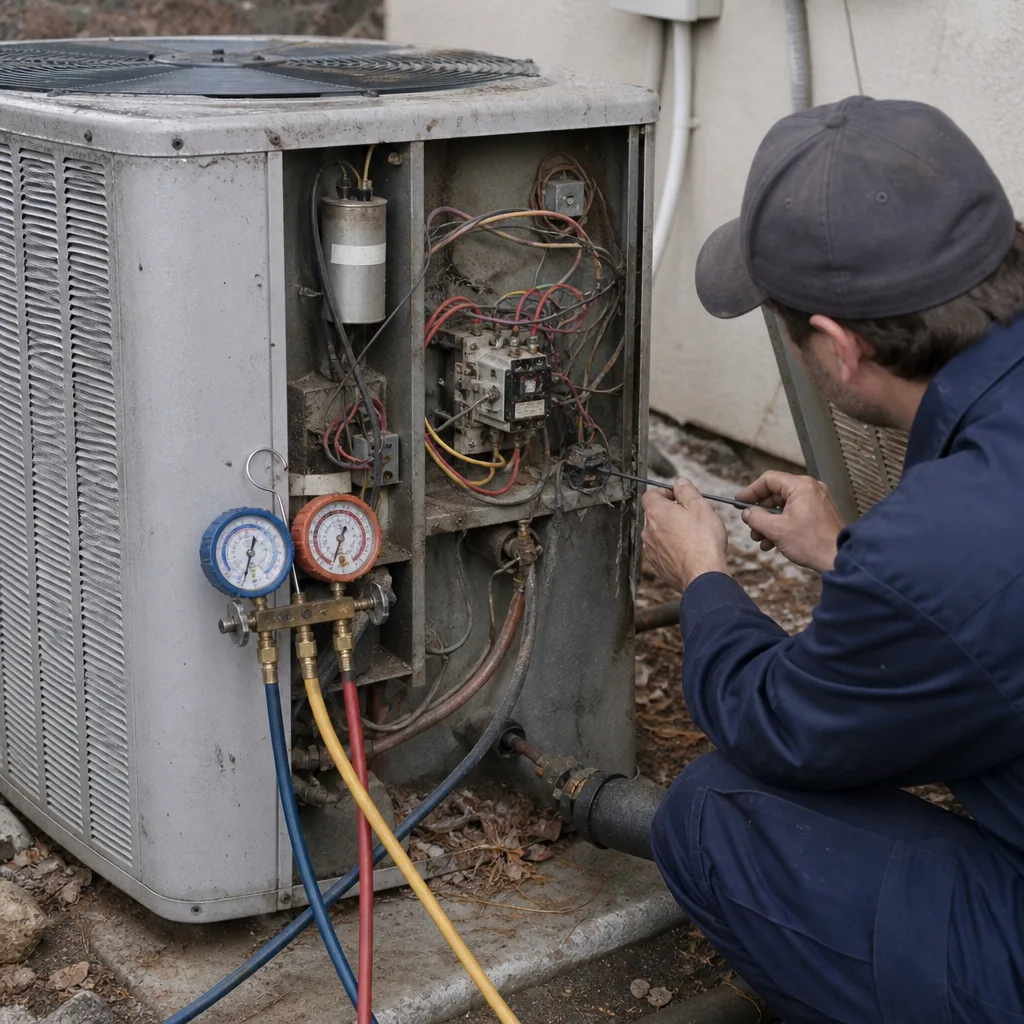 Before
 After
 Before
 After
 Before
 After
Frequently Asked Questions
A full central AC installation in Mesquite typically takes 6 to 10 hours of on-site labor across one or two days, plus the permit-pull and equipment-lead time that come before it. Permit approval alone usually adds 3 to 10 business days. Any contractor quoting “same-day” in peak summer is likely skipping the load calculation, refrigerant evacuation, or static pressure test. Call (888) 570-3601 for a fixed-price quote on a Mesquite installation.
Yes, for roughly two-thirds of common repairs. Capacitor, contactor, thermostat, and blower motor failures are usually fixable in 1 to 3 hours on the same visit. Coil and compressor replacements often need a scheduled return once the part is in hand. Phones are answered by a live person around the clock, so call (888) 570-3601 and we’ll tell you honestly what’s realistic for your job.
Because in most cases it is. A legitimate installation includes a Manual J load calculation, a permit, a proper refrigerant evacuation, a charge by weight, a static pressure test, and a startup commissioning walkthrough. Those steps take time. A quote that leaves no room for them is a quote that plans to skip them. Ask the contractor what each step of their promised schedule is, and call us at (888) 570-3601 if you want a second opinion on the quote you have.
Plan for 4 to 6 hours on-site, plus the parts-ordering window. Compressors are heavy, expensive, and not universally stocked. In a smaller market like Mesquite, a specific compressor size can add 1 to 3 business days before we can schedule the repair. We’ll give you a real date, not “should be soon.” Call (888) 570-3601 for a diagnosis and a fixed quote.
Yes, for a full system replacement, and sometimes for major duct changes or electrical work. Mesquite and Clark County permitting timelines run from a few days to a couple of weeks depending on the scope and season. Any contractor who suggests you skip the permit to save time is signaling what they’ll skip next. Call (888) 570-3601 if you want to know what your particular job requires.
The standard rule of thumb is that if the repair costs more than one-third of a new system’s price, and the equipment is at or near the end of its service life, replacement is the better value. That’s a rule of thumb, not a rule. Our technicians cite the exact numbers on your system before you decide, and we don’t push replacement. Call (888) 570-3601 for a free estimate on both options, so you’re comparing apples to apples.
The Bottom Line
A realistic AC repair takes 1 to 3 hours on-site for the common failures, and a professional full installation takes 6 to 10 working hours plus permit and equipment lead time. Timelines that fall well outside those ranges deserve scrutiny: short ones usually mean skipped steps, long ones usually mean fuzzy billing. Use the timelines in this guide as a measuring stick, ask the six questions before you sign, and insist on a load calculation and a fixed written price. If the quote in front of you doesn’t match, we’ll give you a second opinion at no charge. That’s a square deal, and it’s how we’ve kept Mesquite homeowners calling us for over 42 years.
If your system is down or you’re ready to plan a replacement, call (888) 570-3601 for a free estimate. We answer the phone with a live person, day or night, and the price we quote is the price you pay.
Written by the team at Fireside Heating & Air Co. Mesquite.