
Last updated November 18, 2026
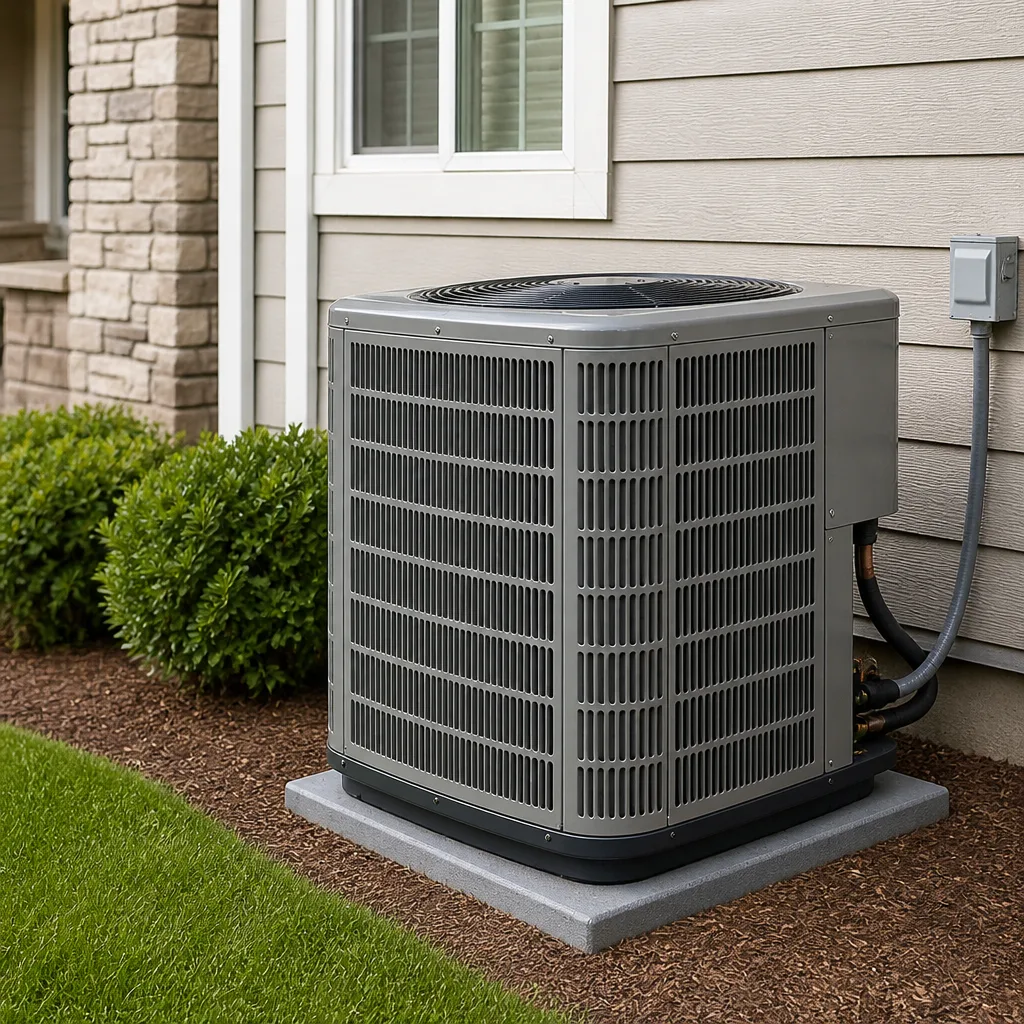 AC repair
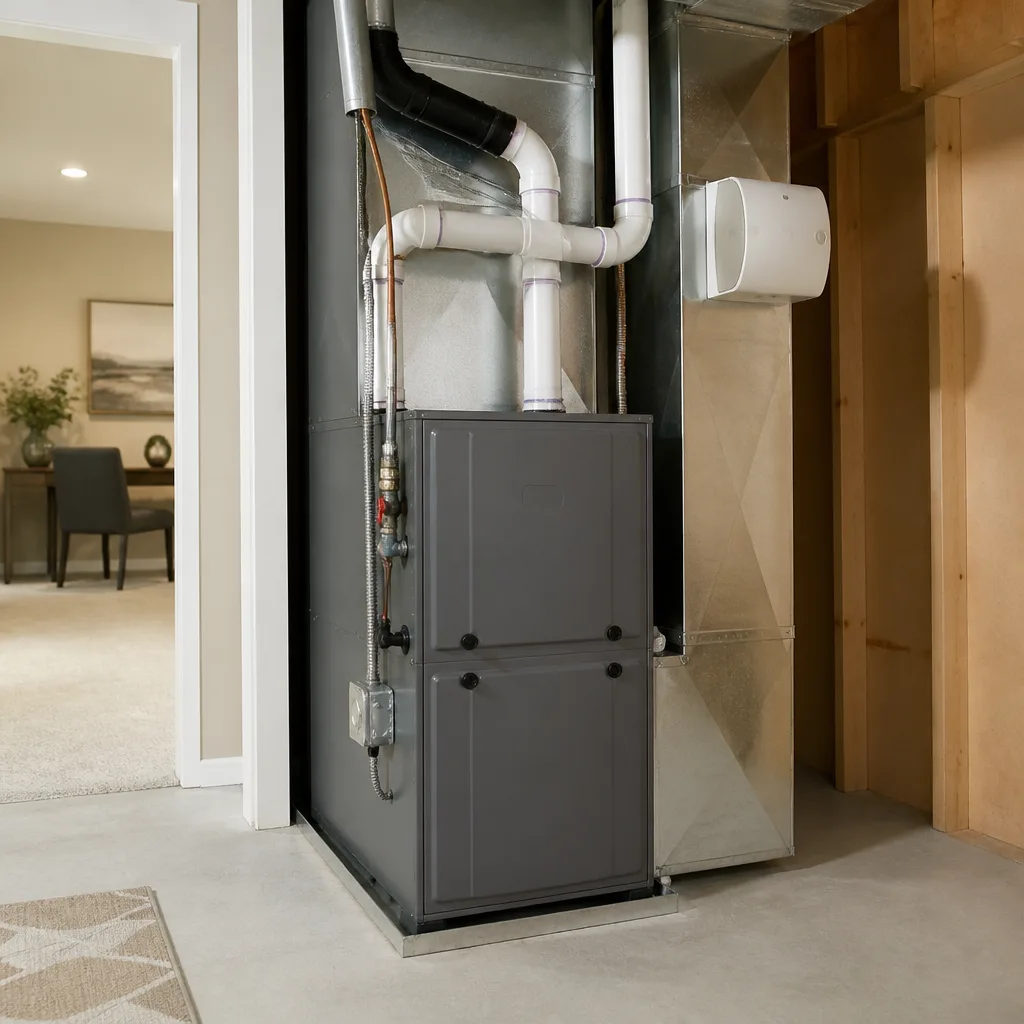 Furnace & heating
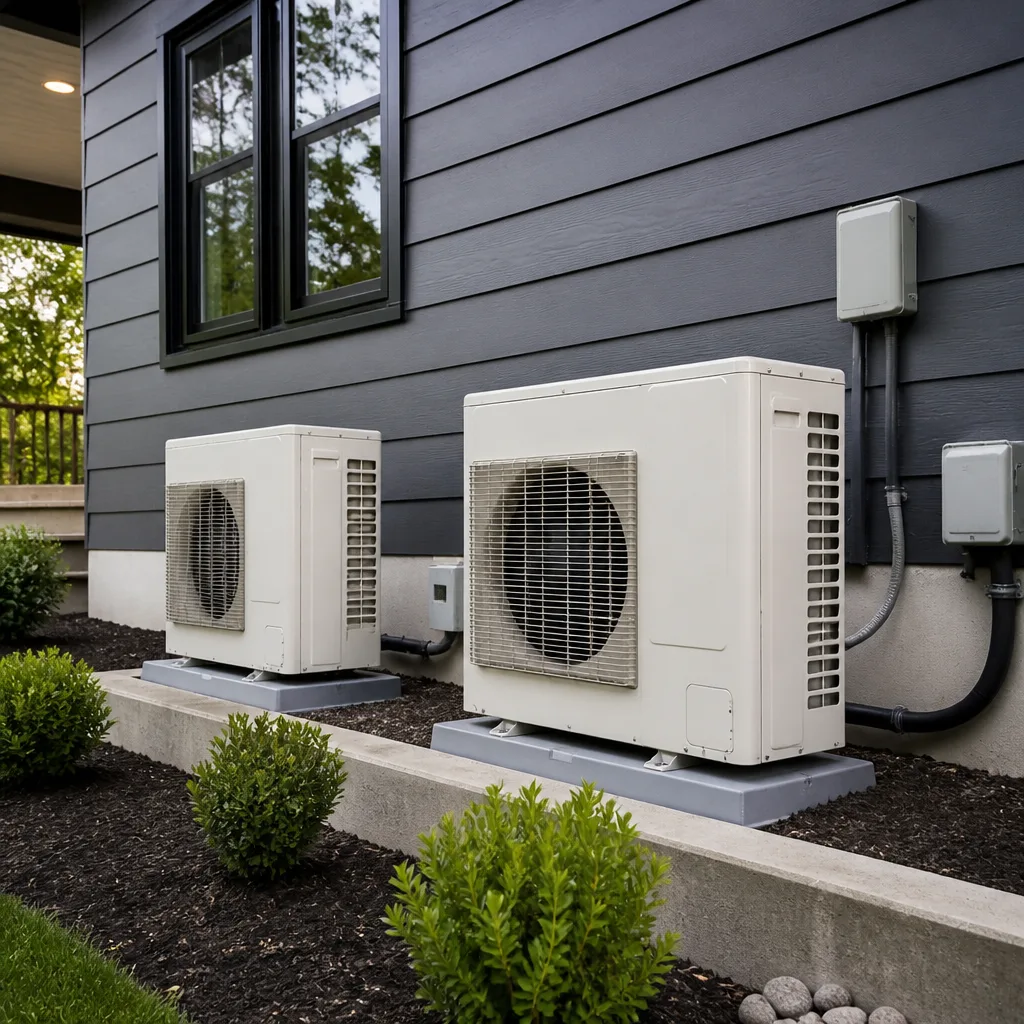 Heat pumps
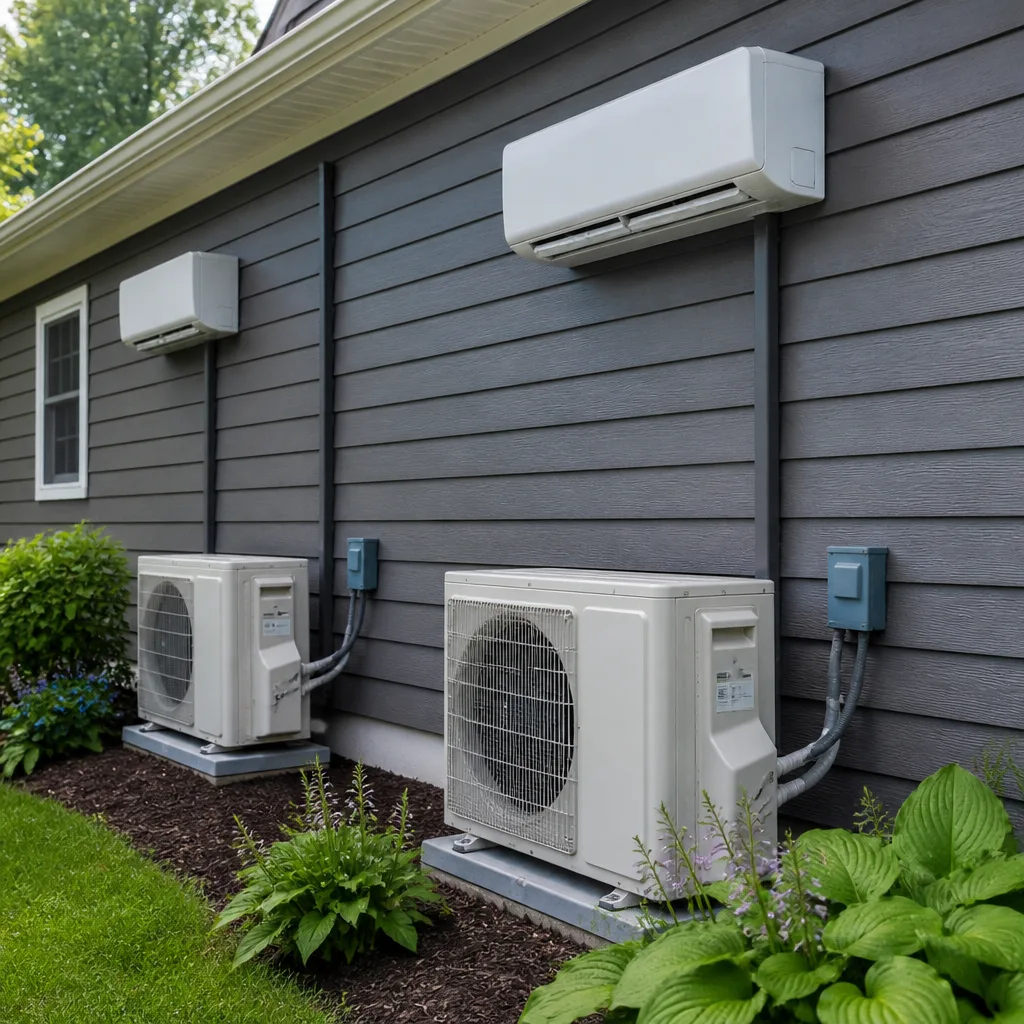 Ductless mini splits
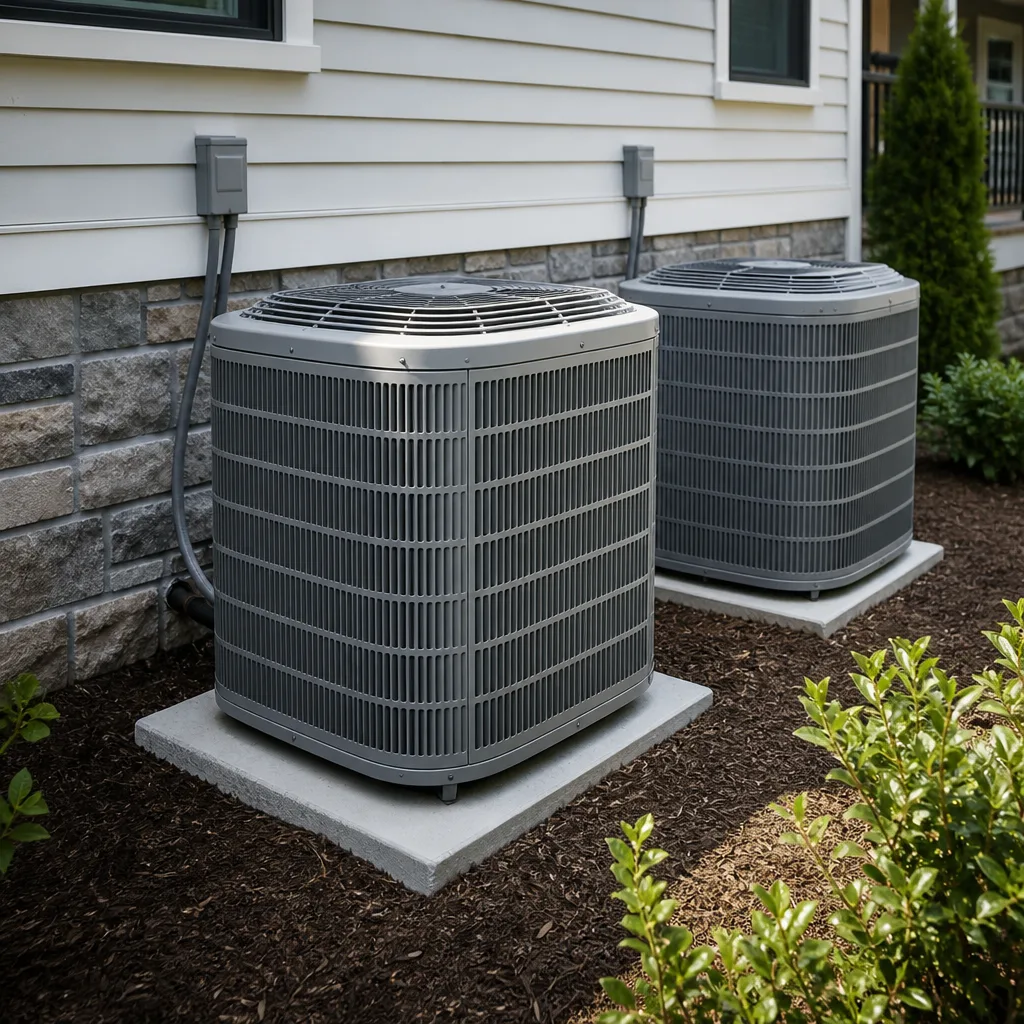 Carrier
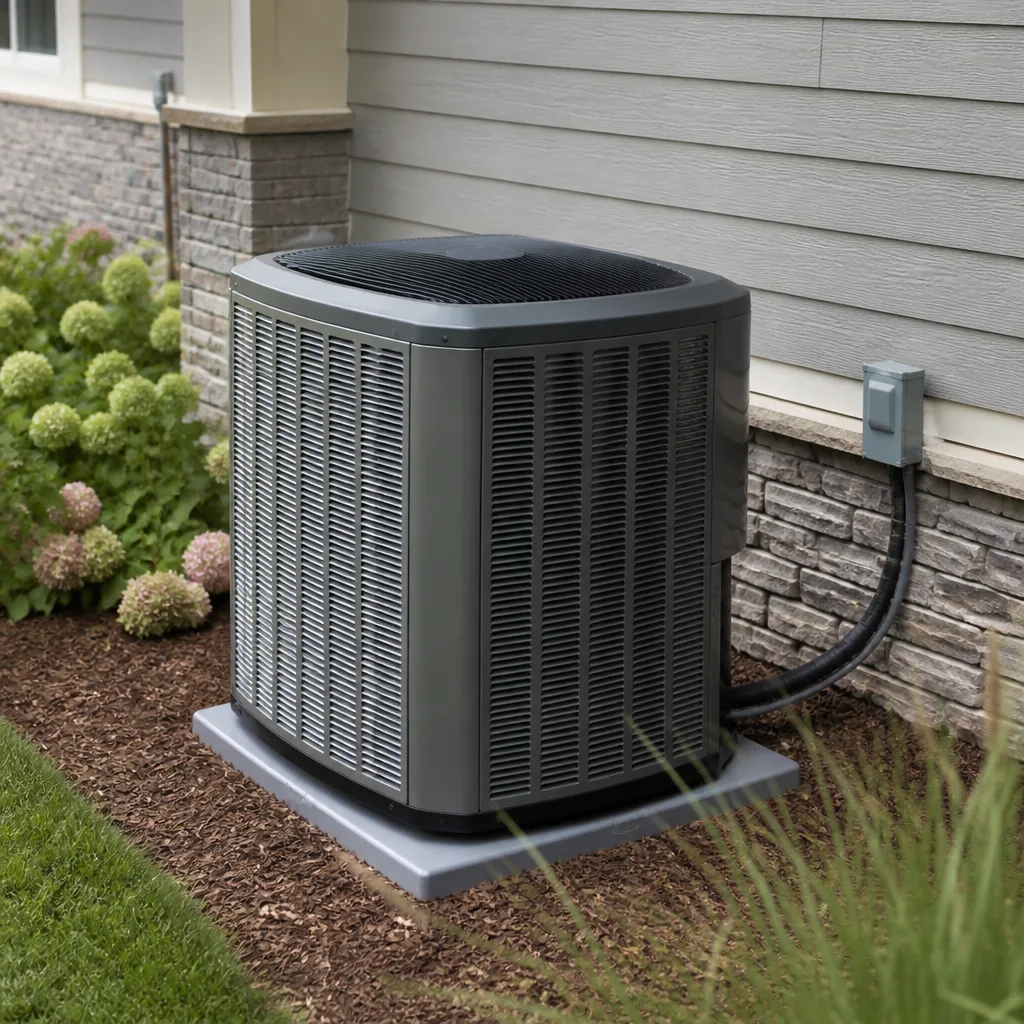 Trane
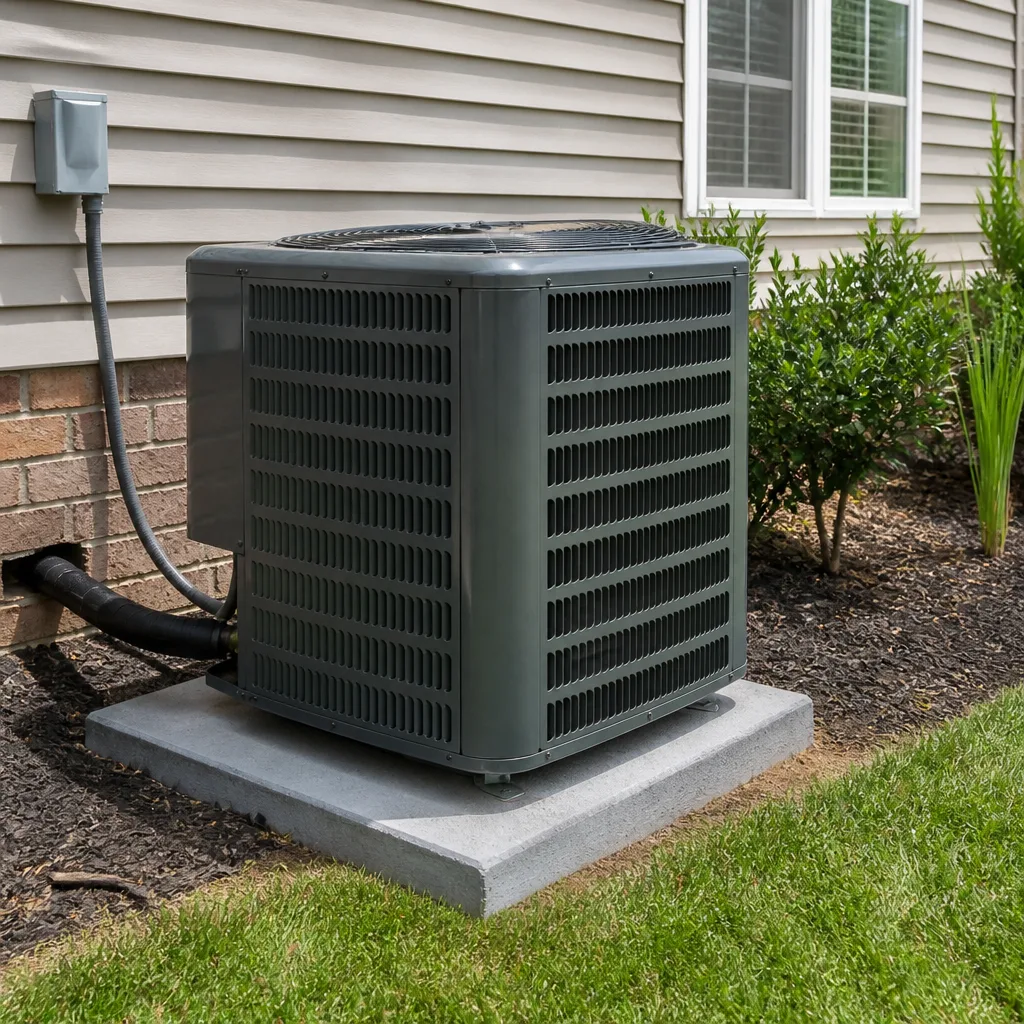 Goodman
Seasonal tune-up and full diagnostic on your Carrier, Trane, or Goodman system - readings shown to you before any repair is proposed
Diagnosis first, numbers second - you approve the repair price before a single part goes in.
Get your free estimateHVAC Emergency Preparedness Guide for Mesquite Homes
Heat-related illness can begin in under two hours in an un-air-conditioned Mesquite home during peak summer. That number should reframe how you think about a broken air conditioner. It isn’t a repair problem first. It’s a health problem wearing a repair problem’s clothes. In our experience, the homeowners who come through a 115-degree July stretch safely are the ones who had a plan before the system quit, not the ones who knew how to troubleshoot a capacitor. This guide walks you through that plan: who to call, where vulnerable family members go, the five checks that resolve a fifth of apparent emergencies, what to tell a dispatcher, how to cool a house safely, and what to do before summer arrives. If you live in Mesquite and your system just died, read the Quick Answer below first.
Quick Answer
If your AC fails during a Mesquite heat event, move vulnerable people (anyone over 65, young children, anyone with heart or lung conditions) to a cooled space immediately, call for service, and use fans plus closed blinds in the meantime. Treat indoor temperatures above 90°F as a medical situation, not a comfort issue. Call (888) 570-3601 for emergency service; a live person answers around the clock.
Styles & brands we work with
- AC repair
- Furnace & heating
- Heat pumps
- Ductless mini splits
- Carrier
- Trane
- Goodman
Table of Contents
- Why an HVAC Emergency in Mesquite Is a Medical Event First
- Building a Written Household Emergency Plan Before Summer
- Five Things to Check Before You Call for Service
- What to Tell the Dispatcher to Get the Right Tech and a Real ETA
- How to Cool a House Safely While You Wait
- Cooling Tactics That Actually Make Things Worse
- Pre-Season Preparation That Prevents After-Hours Calls
- The One-Page Checklist to Keep by Your Breaker Panel
Why an HVAC Emergency in Mesquite Is a Medical Event First
Mesquite sits in the Virgin River valley at roughly 1,600 feet, and that geography traps heat. Summer afternoons regularly cross 110°F, and overnight lows sometimes stay in the low 90s. When a home loses cooling in that environment, the interior temperature climbs fast, and the body has no night to recover. That combination is what makes heat illness dangerous here.
An un-air-conditioned house that reaches 95°F indoors is a genuine hazard for older adults. Aging bodies sweat less efficiently and often don’t feel thirst the way younger ones do. Blood pressure medications and diuretics can make dehydration worse. Add a home that’s been lived in for twenty-plus years with original insulation, and you have a structure that heats up like an oven and holds it.
Here’s the order that matters when the system quits:
- Assess the people first, the equipment second. Check on anyone over 65, any infant or young child, and anyone with a heart, kidney, or respiratory condition.
- Move vulnerable household members to a cooled space. A neighbor’s house, a family member’s, a library, or a shopping center will do. Do this before you troubleshoot anything.
- Watch for warning signs: confusion, rapid pulse, nausea, headache, hot and dry skin, or fainting. These are reasons to call 911, not us.
- Then call for HVAC service. We will get to the equipment. The people come first.
We’ve walked into Mesquite homes at 2 a.m. where the indoor temperature read 94°F and a homeowner in her seventies was sitting in front of a box fan. A fan moving hot air does not cool a body; it can speed dehydration. That call should have come hours earlier. Straight talk: if the house is above 90°F inside, that’s your signal, not the thermostat reading that prompted you to start reading this sentence.
Building a Written Household Emergency Plan Before Summer
The most useful thing you can do for your HVAC this year costs nothing and takes one sitting at the kitchen table. Write down who does what, where people go, and who calls whom. A plan on paper beats a plan in your head when it’s 108°F and the house is getting hotter by the hour.
Include these five elements:
- A cooling destination. Name one or two specific places a vulnerable household member can go on short notice, and how they’d get there. “A neighbor’s” isn’t a plan unless you’ve already asked that neighbor.
- A call list. Write down our number at (888) 570-3601 alongside a backup contact (a nearby family member, a trusted neighbor) so no one has to search for it.
- A medication and water stock. Keep at least a three-day supply of prescription medication and several gallons of drinking water on hand. Power interruptions and heat events can overlap.
- A designated caller. In a multi-person household, name who makes the service call so two people aren’t both on the phone while a third is overheating. That caller should be the one who knows the system’s age, brand, and service history.
- A trigger rule. Decide in advance the indoor temperature at which you stop waiting and act. We recommend 88°F for a household with an older adult or infant, and 90°F otherwise.
Keep this plan somewhere everyone can find it. A taped sheet inside the breaker panel door is a real solution, and it’s where a technician will look first anyway. This is the kind of preparation that makes a difference in a Mesquite heat wave, when everyone in the valley is calling at once and the folks with a plan are the ones who call early instead of at midnight.
Five Things to Check Before You Call for Service
Roughly one in five calls that come in as emergencies turn out to be something the homeowner could have resolved in two minutes. We’re glad to take the call either way; no-hassle upfront pricing means you’ll know before we start. But these five checks save you a service charge and, more importantly, save a vulnerable household member an unnecessary evening in a hot house. Here’s a starting point if you’ve already decided to bring someone out: our AC repair and installation in Mesquite page walks through what a diagnostic visit looks like.
- Check the thermostat batteries and settings. Dead batteries or a switched thermostat (a houseguest or grandchild may have bumped it) account for more “emergencies” than you’d guess. Confirm it’s set to COOL and the fan to AUTO, then replace the batteries.
- Check the breaker. A tripped AC breaker is common during high-demand summer afternoons. Reset it once. If it trips again immediately, stop and call us; a repeating trip is a sign of a genuine electrical fault.
- Check the air filter. A filter matted with summer dust and pet hair will choke airflow and can mimic a total failure. Replace it if it’s visibly dirty.
- Check the outdoor unit. Confirm the disconnect switch is on, and look for anything blocking the condenser: overgrown landscaping, stored garden equipment, a recycling bin left against the panel. A condenser that can’t breathe on a 110°F day will struggle.
- Check the drain pan and float switch. A clogged condensate line can trip a safety float that shuts the system down. If you see standing water near the indoor unit, that’s the likely culprit.
If none of these resolve it, the problem is inside the equipment and worth a trained eye. If you’re seeing a refrigerant or electrical issue, do not open panels yourself. Those components carry serious risk and are no place for a homeowner’s weekend project.
What to Tell the Dispatcher to Get the Right Tech and a Real ETA
A dispatcher can only send the right person with the right parts if you give them the right information. When you call, have these details ready. It’s the difference between a first-visit fix and a second appointment three days out in the middle of a Mesquite heat wave.
- Your indoor temperature and the outdoor temperature. An indoor reading of 94°F tells us to treat the call as urgent and prioritize it. Say the number.
- Who’s in the home. “A 78-year-old on heart medication” is essential information. It changes our ETA, our priority, and the advice we give on the phone.
- What the system is doing. Is it running but not cooling? Dead and silent? Tripping the breaker? Making a noise? Each symptom points a technician toward different diagnostic tools.
- The equipment’s basics. Age, brand (we’re trained on York, Daikin, Bryant, and American Standard, along with Carrier, Trane, Lennox, Goodman, and Rheem), and model number if you can read it. This helps us bring likely parts.
- What you’ve already checked. If you’ve reset the breaker, replaced the filter, and confirmed the thermostat, say so. It saves diagnostic time.
- Your exact address and any gate or access notes. In a valley with lots of walled and gated properties, this matters at 2 a.m.
The more clearly you describe the situation, the more accurately we can quote an arrival window. When we say we will be there, we mean it. And because we answer the phone with a live person around the clock, you won’t be leaving this information in a voicemail tree at midnight.
How to Cool a House Safely While You Wait
What you do in the hours between the call and the technician’s arrival determines how safe your household stays. These tactics genuinely lower risk. Use them in combination and start early.
- Close the blinds and curtains on sun-facing windows. In Mesquite, the afternoon sun through west-facing glass can add ten degrees to a room. Blocking it is the single highest-impact move.
- Run a box fan in a window exhausting outward, not blowing in. Pulling outside air in during a 110°F afternoon just brings heat inside. Set the fan to push hot interior air out, and do it on the shaded side of the house.
- Close off rooms you aren’t using. Concentrate your household in one cool room and shut the doors to the rest.
- Take cool showers or use cool damp cloths on the neck and wrists. Evaporative cooling on the skin is real and effective.
- Drink water before you feel thirsty. Set a reminder if you’re caring for someone older; their thirst signal lags.
- Open windows at night once the outdoor temperature drops below the indoor temperature. This is where Mesquite’s dry desert nights help, if the lows actually fall.
- Know when to leave. If the indoor temperature climbs past 90°F and climbing, and there’s a vulnerable person in the house, leaving for a cooled space is the safest step until the system is fixed.
If you’re weighing repair against replacement for an aging unit, that conversation is easier to have in the morning light than in the middle of an emergency. Our heating and furnace in Mesquite team handles the same planning for winter, when the swing to cold nights creates its own risks.
Cooling Tactics That Actually Make Things Worse
Some of the most common advice about staying cool in a broken-AC house is wrong, and in a Mesquite summer it can be dangerous. Here’s what to avoid while you wait for service.
- Do not sit directly in front of a fan in a hot room. Above about 95°F, a fan moving hot air over your body can accelerate dehydration without actually cooling you. Fans help below that threshold; above it, they can hurt.
- Do not open windows during the daytime peak. Once the outside temperature passes the inside temperature, an open window is just a passage for heat. Wait for the overnight low.
- Do not run the oven or stovetop for a long meal. Cook outdoors or eat cold food until the system is back. A stove can raise a 95°F kitchen into the triple digits.
- Do not close a vulnerable person in a sealed room alone. Confusion from heat illness can keep someone from calling for help. Check in person, in regular intervals.
- Do not pour water on the outdoor condenser to “cool it down.” You can damage the unit and create an electrical hazard. Leave it alone.
- Do not try to top off refrigerant yourself. Refrigerant handling requires training and licensing for good reason, and the equipment involved can cause serious injury. This one is a call, not a project.
There’s a common misconception that a cooler full of ice in front of a fan creates air conditioning. In a sealed, humidified house it mostly makes a wet floor and a mess. Stick to blinds, ventilation, and moving people to a cooled space.
Pre-Season Preparation That Prevents After-Hours Calls
In our experience, most emergency calls we field in Mesquite trace back to something that was visible weeks earlier. A spring tune-up catches those early. A seasonal tune-up is $89, and it’s the cheapest insurance policy on your comfort you can buy.
Here’s the pre-summer routine we recommend:
- Schedule a pre-summer tune-up by May. The technician checks refrigerant, airflow, electrical connections, and the drain line, and gives you a written report of what was found. Our technicians aren’t paid on what they sell, so the report tells you what the system actually needs, not what someone is trying to move.
- Change or inspect filters monthly during cooling season. In dusty desert valley air, filters load up faster than the label suggests.
- Clear vegetation and equipment away from the condenser. Give it at least two feet of clear space on all sides.
- Look for the failing signs in the shoulder season. Tripping breakers, rumbling outdoor units, warm air from registers, or condensate leaks in April are cheap to fix. In July, they’re emergencies.
- If your system is past ten years old, get a replacement conversation started in the spring, not August. Heat pump and mini-split systems need load calculations, ordering, and set install dates. That’s not same-day work, and it shouldn’t be. Our heat pump and mini split in Mesquite team can quote you a written fixed price and walk you through rebate and financing paperwork before you need it.
If you have a written estimate from another company and want a second opinion, bring it to us. Free second opinions on written estimates are a standing offer, and it costs you nothing to compare before committing.
The One-Page Checklist to Keep by Your Breaker Panel
Print this, or copy it by hand, and tape it inside the door of your breaker panel. Everyone in the household should know it’s there.
During a cooling failure:
- Check on anyone over 65, infants, and anyone with medical conditions.
- Move vulnerable household members to a cooled space if the indoor reading is 88°F or higher.
- Close blinds on sun-facing windows.
- Close doors to unused rooms and gather in one cool space.
- Check thermostat batteries, breaker, filter, outdoor disconnect, and drain pan.
- Call (888) 570-3601. Report indoor temp, who’s home, and the symptoms you’ve seen.
- Drink water on a schedule. Watch for confusion, rapid pulse, or fainting; if those appear, call 911.
Before the season:
- Schedule a pre-summer tune-up by May.
- Replace filters.
- Clear space around the condenser.
- Confirm the household emergency plan is written and posted.
- Keep three days of medication and drinking water on hand.
Common Mistakes to Avoid
- Waiting until the house is unbearable to call. In Mesquite, the difference between calling at 90°F and calling at 96°F is the difference between a routine dispatch and a health event. Call early.
- Troubleshooting the equipment before checking on the people. A capacitor can wait. A confused older adult cannot. Always check the household first.
- Skipping the pre-summer tune-up to save $89. The small cost of maintenance is far less than the cost of an after-hours repair in July, and a tune-up catches the failures that become emergencies.
- Running a fan in a room above 95°F and calling it cooling. Above that threshold, fans can do more harm than good for older adults. Move to a cooled space.
- Opening windows at the hot peak of the day. Wait for the overnight low before ventilating. A 110°F afternoon through an open window is just more heat.
- Pouring water on the outdoor condenser. It’s a hazard and it can damage the equipment. Leave it to a trained technician.
- Booking a replacement in haste during an emergency. If your system fails and it’s old, it’s tempting to sign with the first truck that rolls up. Slow down, get a written fixed price, and compare. Straight talk about repair versus replace is always worth the extra day.
See the difference
 Before
 After
 Before
 After
 Before
 After
When to Call a Professional
Call a professional the moment you suspect a refrigerant leak, an electrical fault, or a system that trips the breaker after a reset. Call us immediately if the indoor temperature passes 90°F with a vulnerable person inside. Call if you’re hearing the outdoor unit grind or rumble, or if the system is blowing warm air without an obvious cause. And call before the season if your system is over ten years old and you haven’t had it serviced since last summer. Fireside Heating & Air Co. Mesquite offers free estimates in Mesquite. Call (888) 570-3601; a live person answers around the clock. If a repair is needed, our 90-Day Done Right Promise means if it isn’t done right, we make it right, in writing, no arguing. For a full look at what a service visit involves, see our AC repair and installation in Mesquite page and return to the Fireside Heating & Air Co. Mesquite home for the full picture of what we do.
Frequently Asked Questions
Heat-related illness can begin in under two hours in an un-air-conditioned Mesquite home during peak summer, especially with an older adult or infant inside. Treat an indoor reading of 90°F as a medical threshold and move vulnerable people to a cooled space before troubleshooting the equipment. Call (888) 570-3601 for an exact arrival window.
Check the thermostat batteries and settings, the breaker, the air filter, the outdoor disconnect and condenser clearance, and the drain pan for standing water. These five checks resolve roughly one in five apparent emergencies without a service visit. If none of them work, call (888) 570-3601 and have your indoor temperature and equipment age ready.
Yes, if anyone vulnerable is in the home or the indoor temperature is climbing past 90°F. Summer nights in Mesquite often stay in the low 90s, so a failing system at 2 a.m. can leave a house with no real recovery window. We answer every call with a live person around the clock; call (888) 570-3601.
Repair is usually the right call for a single failed component on a system under ten years old. Replacement makes more sense when the unit is past ten years, uses refrigerant that’s no longer manufactured, or has had repeated repairs in the past two seasons. Get a written fixed price on both before deciding. Free second opinions on any written estimate are a standing offer, and estimates are free; call (888) 570-3601.
Emergency repair pricing depends on the failed component and the equipment brand, but with our no-hassle upfront pricing, the price quoted is the price paid. For an exact quote, call (888) 570-3601; estimates are free and we answer live around the clock.
Schedule a pre-summer tune-up by May, change filters monthly during cooling season, clear the condenser, and watch for early warning signs in the shoulder months. A seasonal tune-up is $89 and catches most failures before they turn into emergency calls. Call (888) 570-3601 to book one before summer arrives.
The Bottom Line
An HVAC emergency in Mesquite is a medical situation before it’s a repair. The first thirty minutes should go to checking on vulnerable household members and moving them to a cooled space, not to staring at a thermostat. After that, the five basic checks, a clear dispatcher call, and safe waiting tactics do the rest. A written household plan and one spring tune-up keep most of these emergencies from happening at all. And when you do call, a live person answers at any hour, quotes you a price you can stand behind, and gets it done right or makes it right in writing. That’s the point of all of this preparation.
Written by the team at Fireside Heating & Air Co. Mesquite.